

When the Voices of Insects Become Music
虫の声が音楽になるときThe Man Who Chose Harmony in an Age of Blood | Prince Shōtoku
血の時代に、和を選んだ人 | 聖徳太子
Japanese Minka—Homes Alive with Nature
自然の中で生きている日本民家
Japan Style – Hiragana Times September 2026 issue
Listen to the Audio:
Japanese Minka—Homes Alive with Nature
自然の中で生きている日本民家
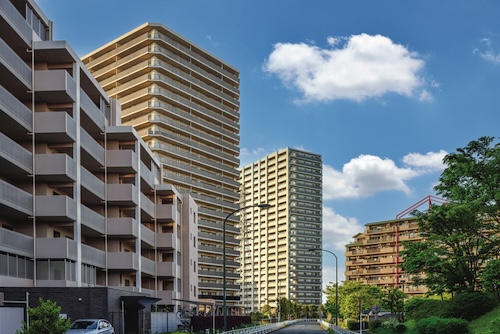
In Western homes, rooms are divided according to their purpose: a living room, a dining room, a bedroom, a guest room. The apartments and houses built in Japanese cities today are basically the same. Looking only at these modern homes, Japanese housing already seems not so different from its Western counterpart.
欧米の住宅では、リビングルーム、ダイニングルーム、ベッドルーム、ゲストルームと、それぞれの目的に合わせて部屋が分けられています。現在の日本の都市に建つマンションや一戸建ても、基本的には同じです。こうした現代の住宅だけを見れば、日本の住まいは、すでに欧米のものと、それほど変わらないように見えます。
But beyond the cities, you encounter houses of a completely different kind: minka, traditional Japanese folk houses. In an old minka, a single large space is partitioned as needed by shōji and fusuma. Open them, and the rooms connect into one again, and the wind blows through the entire house.
けれど、都市を離れ、地方へ足を運ぶと、まったく異なる家、「民家」に出合います。日本の古い民家では、一つの大きな空間を、障子や襖によって必要に応じて仕切ります。それらを開ければ、部屋は再び一つにつながり、風が家じゅうを吹き抜けます。

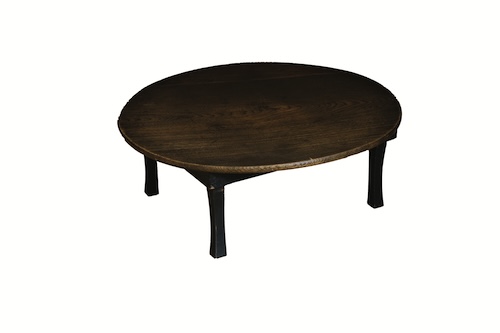
Place a chabudai or individual dining trays there, set out the meal, and it becomes a dining room. Clear the meal away, arrange the cushions, set a single flower in a vase, and it becomes a guest room. Bring out the zaisu floor chairs, let the family lean back and relax as they please, and it becomes a living room. Then, when night falls and the futons are laid out, the same space turns into a bedroom.
そこにちゃぶ台や膳を置き、食事を並べれば、食堂になります。食事を片づけ、座布団を整え、花を一輪生ければ、客間になります。座椅子を出し、家族が思い思いにもたれてくつろげば、居間になります。そして夜になり、布団を敷けば、同じ空間が寝室へと変わります。
A single space changes into different rooms according to the time of day—morning or night—the occasion, whether an ordinary day or a celebration, and the people who gather there, whether family or guests. In a Japanese house, the rooms do not determine how people live; rather, the space itself changes to suit the life of those who dwell there.
一つの空間が、朝と夜、日常と祝いの日、家族と客人によって、異なる部屋へと姿を変えるのです。日本の家では、部屋が人の暮らしを決めるのではなく、人の営みに合わせて、空間の方が変化します。
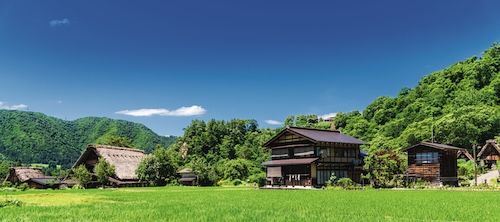
Gifu Prefecture’s Shirakawa-gō and Toyama Prefecture’s Gokayama are home to gasshō-zukuri houses with enormous thatched roofs, which convey the life of the Japanese people to this day. Elsewhere too—in Nagano, Yamanashi, Tōhoku, Shikoku, Kyūshū, and across the Japanese archipelago—many minka handed down from before the Edo period still remain.
岐阜県の白川郷や富山県の五箇山には、そのような日本人の暮らしを今に伝える、巨大な茅葺き屋根を持つ合掌造りの家が残されています。そのほかにも、長野、山梨、東北、四国、九州など、日本列島の各地には、江戸時代以前から受け継がれてきた民家が数多く残されています。
These are not merely buildings that have grown old. They carry a culture of the ie—the home that goes beyond the building itself—nurtured since the distant Jōmon period amid the nature of this archipelago and the lives of its people. Born from the wood, earth, bamboo, straw, grass, and stone of the land, the house, as the wind of that land passes freely through it, in time becomes a part of nature itself. And into the house soak the stories of the generations who lived and carried life onward there, layer upon layer.
それらは、単に古くなった建物ではありません。はるか縄文の昔から、この列島の自然と人々の営みの中で育まれてきた、建物を超えた「家」という文化です。土地の木や土、竹、藁、草、石から生まれた家は、その土地の風が自由に行き交う中で、やがて自然の一部となっていきます。そして、家には、そこで暮らし、命をつないできた人々の物語が、幾重にも染み込んでいきます。
Using the materials of the land, gathering around a fire, living while feeling the shifts of nature—the wind, the light, the heat and the cold—at its root lies a way of thinking that continues from the Jōmon era: to live as one with nature. That thinking can still be seen throughout these minka.
土地にある素材を用い、火を囲んで人が集い、風や光、暑さや寒さといった自然の移ろいを感じながら暮らす――その根本には、自然と一体となって生きる、縄文の時代から続く思想があります。その思想は、こうした民家の随所に今も見ることができます。

The Wind and Ki That Move Through the House
家の中を巡る風と氣
In an age without air conditioners or ventilation fans, without refrigerators or running water, how a house was oriented, where the wind was let through, and how the fire, the water, the food, and the washing areas were arranged were matters of the utmost importance in sustaining daily life.
エアコンも換気扇も、冷蔵庫も水道もなかった時代、家をどちらに向け、どこから風を通し、火や水、食べ物や水回りをどのように配置するかは、暮らしを支える極めて重要な問題でした。
Even today, many people take an interest in feng shui and try to bring the flow of ki within their homes into balance through the placement of furniture and belongings. But for the minka of old, the circulation of wind was no mere matter of luck or charm. If the wind did not pass through, smells settled in. If the smoke did not escape, the air grew hard to breathe. If water spoiled, if food rotted, sickness entered the house. The circulation of wind was, quite simply, a matter of the family’s life.
現代でも、風水に関心を持ち、家具や物の置き場所によって家の中の気の流れを整えようとする人は少なくありません。けれど、かつての民家にとって、風の巡りは、縁起かつぎの話ではありませんでした。風が通らなければ、匂いがこもる。煙が抜けなければ、息が詰まる。水が傷み、食べ物が腐れば、病が家に入る。風の巡りは、そのまま家族の命の問題だったのです。
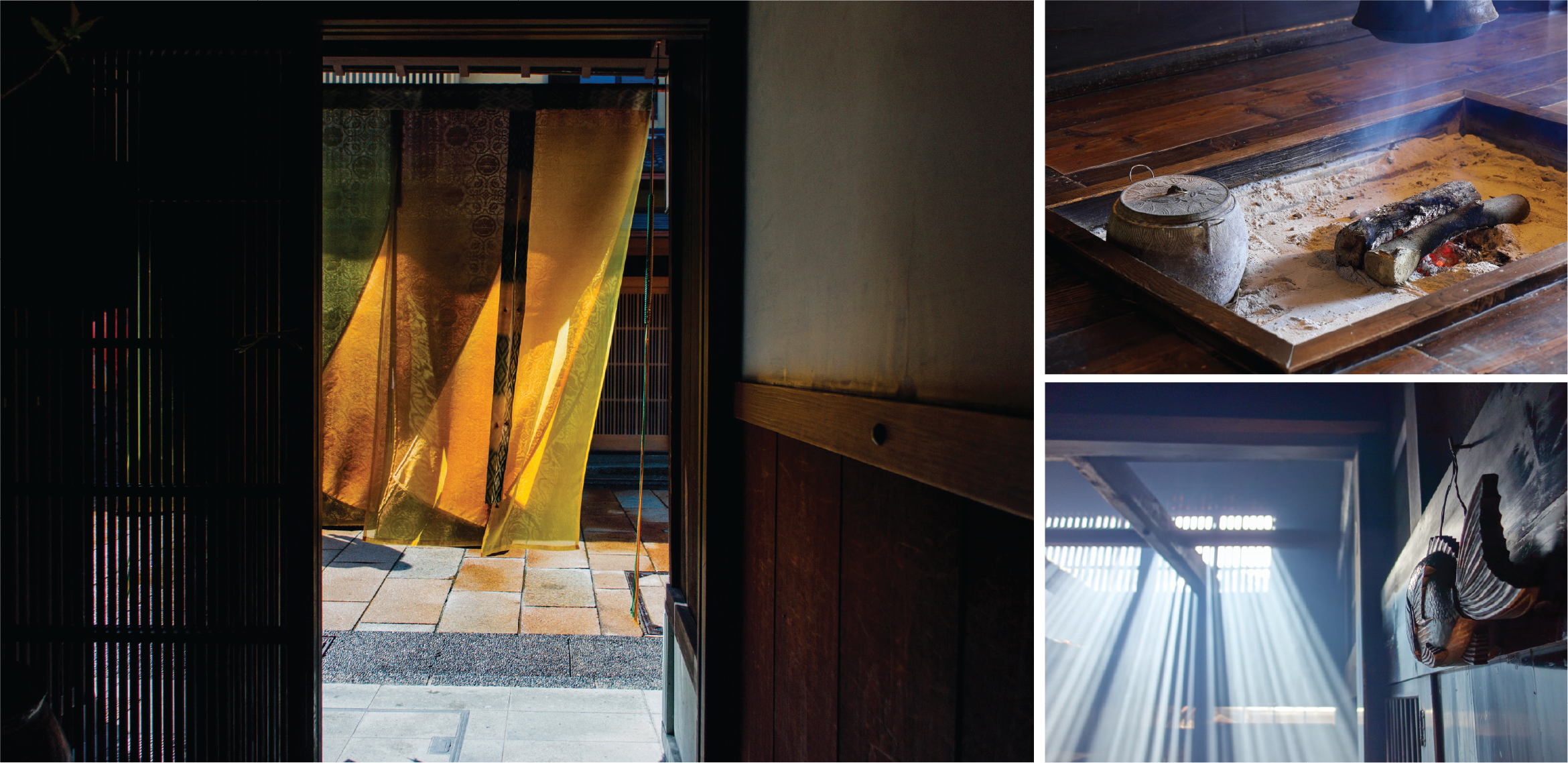
And to bring this flow of wind into order was, at the same time, to bring into order the ki that moves through the house. This was nothing less than the face of a house—and it came to be called kasō. Indeed, when you step into an old minka that still stands today, you may feel a quiet sense of comfort—as though the air itself were somehow clearer and your mind naturally settled. That is not nostalgia. The wisdom cultivated through living in harmony with nature still breathes throughout the house.
そして、この風の流れを整えることは、そのまま、家の中を巡る「氣」を整えることでもありました。つまりそれこそが、その家の表情――「家相」となりました。実際、今も残る古民家に足を踏み入れると、どこか空気が澄み、心が静かに落ち着くような心地よさを感じることがあります。それは、懐かしさではありません。自然とともに暮らすために培われた知恵が、家全体に、今も息づいているのです。
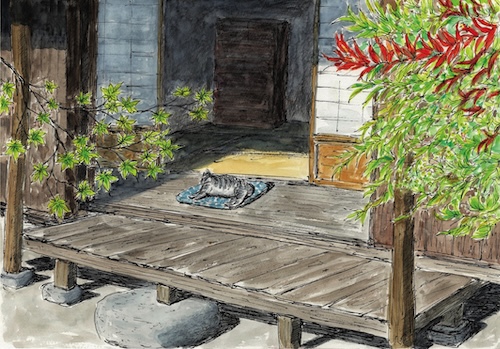
The Entrance That Divides Inside from Outside
内と外を分ける玄関
To make the house a place where the heart can rest and one can live in peace, people valued, above all, keeping the inside of the house pure.
家を心が休まり、安心して過ごせる場所にするために、人々は何よりも、家の中を清浄に保つことを大切にしてきました。
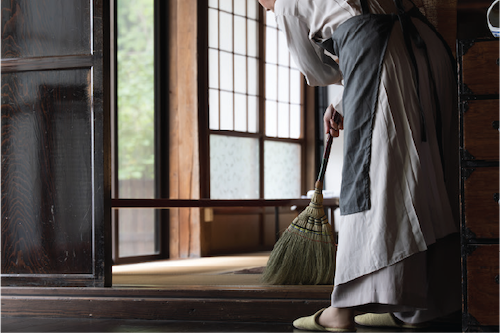
Removing one’s shoes before entering a Japanese home is a widely known custom. In Japanese, to go inside a house is agaru—”to rise.” In English, one “enters” a house; in Japanese, one “rises” into it.
日本の家で靴を脱ぐことは、広く知られた習慣です。日本語では、家の中へ入ることを、「家に上がる」と言います。英語では、家に「入る」という意味の enter が使われますが、日本語では「上がる」のです。
In a traditional Japanese house, even once you have crossed the doorway of the genkan—the entrance— you are not yet within the house. First there is the doma, an earthen-floored space you may enter with your shoes still on, and beyond it a step called the agari-kamachi. There you remove your footwear and rise up onto the floor.
伝統的な日本家屋では、玄関の戸口を越えても、そこはまだ家の内とは言えません。まず、土足のまま入ることのできる土間があり、その先に「上がり框」と呼ばれる段差があります。
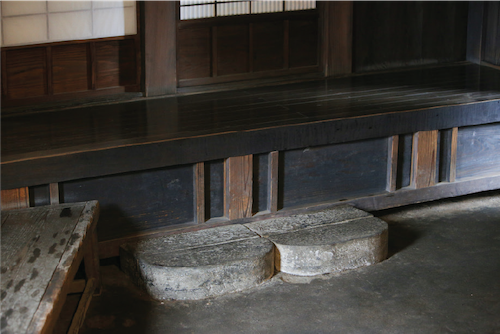
This step is not merely a difference in height. It serves the practical role of keeping earth and dust from reaching the inner house, and at the same time it is the house’s kekkai—a sacred boundary dividing the outside world from the pure interior where people rest their bodies.
この段差は、単なる建築上の高低差ではありません。土や埃を家の奥へ入りにくくする実際的な役割を持つと同時に、外の世界と、人が身体を休める清浄な内側とを分ける、家の結界でもありました。
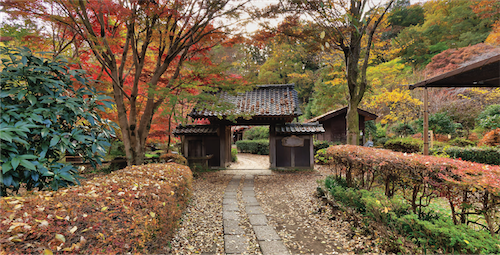
Moreover, even before reaching this entrance, there are gates and hedges. Passing through the gate, crossing the garden, entering the entrance hall, removing one’s footwear and rising to the floor—from outside to inside, people move gradually deeper into the house, crossing one boundary after another.
さらに、この玄関へたどり着くまでにも、門や垣根があります。門をくぐり、庭を通り、玄関に入り、履物を脱いで床へ上がる。人は外から内へ、いくつもの結界を越えながら、少しずつ家の奥へと入っていきます。
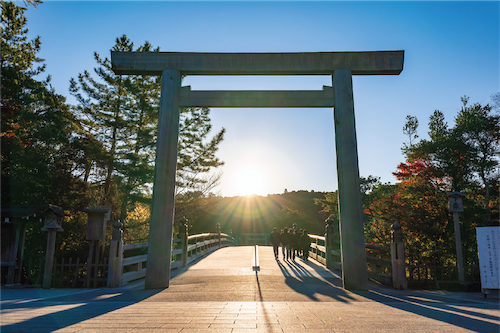
This structure echoes that of a shrine. The torii gate is a boundary dividing the outer world from the sacred precinct where the deity dwells. At some shrines, one passes through many torii before reaching the main hall. Crossing the boundaries one by one, a person draws gradually away from the outside world, settles body and mind, and approaches the pure place.
この構造は、神社にも通じています。鳥居は、神社の外の世界と、神さまが鎮まる神域とを分ける結界です。神社によっては、本殿へ向かうまでに何本もの鳥居をくぐります。人は結界を一つずつ越えながら、外の世界から次第に離れ、心身を整え、清浄な場所へと近づいていくのです。
The house is much the same. The gate, the garden, the genkan, the doma, and the agari-kamachi form a series of boundaries between outside and inside, guarding the sanctuary deep within the home.
家も、それとよく似ています。門、庭、玄関、土間、上がり框――それぞれが、外と内を分ける段階的な結界となり、家の奥にある聖域を守っていたのです。
The Shrine Within the House
家の中にある神社
At the heart of that sanctuary stand the kamidana and the butsudan. These enshrine the deities believed to protect the land and household, as well as deceased family members and ancestors. Each morning, offering water and rice and quietly pressing one’s palms together—that sight was, in the households of old Japan, an utterly ordinary part of daily life.
その聖域の中心には、神棚や仏壇があります。そこには、その土地や家を守る神々、そして亡くなった家族や祖先が祀られています。毎朝、水や米を供え、静かに手を合わせる。その光景は、かつての日本の家庭では、ごく当たり前の日常でした。
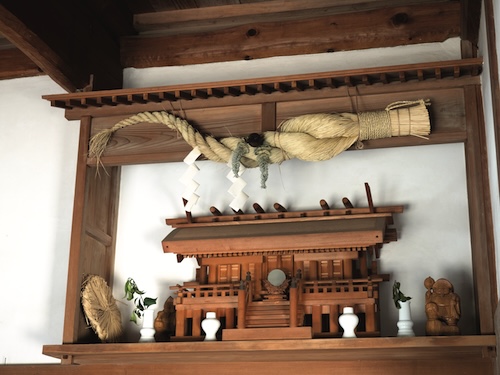
To cleanse the house, to set out food, to settle one’s heart—and wait. The character for this, matsuru, “to enshrine,” is said to also hold the meaning “to wait.” This was itself the act of keeping the house ready, so that the gods and the ancestors could be welcomed at any time.
家を清め、食べ物を供え、心を整えて、待つ。この「祀る」という字には、「待つ」という意味が含まれているともいわれます。それは、神さまや祖先を、いつでも迎えられるようにしておく行為そのものでした。
In other words, the Japanese house is not a place where people alone live. It was a place to welcome in the gods and the ancestors together. This is why the Japanese words “to protect the house”—ie wo mamoru—do not mean simply to protect a building. They carry within them the meaning of protecting the connection of life handed down from the ancestors, passing it on to children and grandchildren, and supporting the community of that land.
つまり、日本の家は、人だけが暮らす場所ではありません。神々も、祖先も、ともに迎え入れる場所だったのです。だからこそ、日本語の「家を守る」という言葉は、単に建物を守ることを意味しません。そこには、祖先から受け継がれてきた命のつながりを守り、子や孫へと受け渡し、その土地の共同体を支えていくという意味まで含まれています。
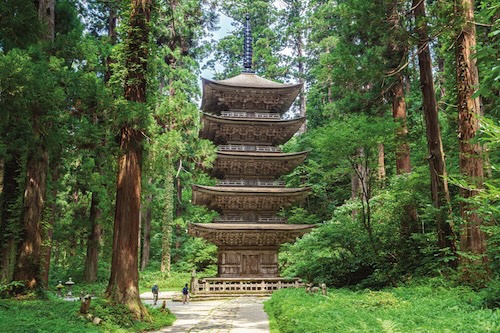
The five-storied pagoda of a Buddhist temple is built by stacking, from the ground up, earth, water, fire, wind, and sky—the five elements that form the universe. Each of the five carries a spiritual meaning as well. In the old Japanese language, just as 八重 is read yae and 九重 kokonoe, 五重—”five layers”—can be read ie. For the Japanese, the ie was a small universe, where heaven, earth, and the people between them are joined.
仏教の寺院に立つ五重塔は、下から、地・水・火・風・空――宇宙をかたちづくる五つの要素を積み上げた建造物です。この五つには、精神的な意味も重ねられています。大和言葉では、「八重」をヤエ、「九重」をココノエと読むように、「五重」は「イエ」と読めます。日本人にとっての「イエ」とは、天と地と人が結ばれる小さな宇宙だったのです。
Such ie gathered—sharing fields, sharing water, sharing festivals—and became the village. Villages, bound together, became the country. In Japanese, the word for “nation” is kokka—written “country” and “ie.” A kokka is one great ie, formed of many ie bound together. In its very origin, it differs from the Western “nation state,” which is joined by contract.
そうした家々が寄り合い、田を分かち、水を分かち、祭りをともにして「村」となる。その村々が結ばれて、「国」となる。日本語では、国のことを「国家」――「国」の「家」と書きます。国家とは、家々が結束してできた、一つの大きな家。契約によって結ばれる西洋の “nation state” とは、その成り立ちを異にするものです。
Without the ie, there is no self. Without the village, there is no self. Without the country, there is no self. For the Japanese, the ie was the very root of one’s being.
家がなければ、自分は存在しない。村がなければ、自分は存在しない。国がなければ、自分は存在しない。「家」は、日本人にとって、自分という存在の根そのものでした。
Continue Reading in Hiragana Times
続きを読む — ひらがなタイムズ 本誌へ
Digital Packages
Read and listen in your browser — available in bundles.
誌面と音声を、パッケージでご利用いただけます。
More From Hiragana Times

Join the Hiragana Times Discord Community — Free!
Connect with readers worldwide — free, open, and always welcoming.
世界の読者とつながる、無料のDiscordコミュニティへようこそ。

Online Japanese lessons, run by Hiragana Times.
One month free for Hiragana Times subscribers.
ひらがなタイムズ定期購読者は、1ヶ月無料でご受講いただけます。
Information From Hiragana Times


Topics in Japan
-
![Words That Live with Insects <br src=]() 虫と暮らす言の葉" />
Words That Live with Insects
虫と暮らす言の葉" />
Words That Live with Insects
虫と暮らす言の葉 -
![Bugs Live in the Belly <br src=]() 腹に虫が住む" />
Bugs Live in the Belly
腹に虫が住む" />
Bugs Live in the Belly
腹に虫が住む -
![Voices of Insects — The Soundtrack of Autumn in Japan <br src=]() 虫の声 ― 日本の秋のBGM" />
Voices of Insects — The Soundtrack of Autumn in Japan
虫の声 ― 日本の秋のBGM" />
Voices of Insects — The Soundtrack of Autumn in Japan
虫の声 ― 日本の秋のBGM -
![The Worms Within Came from the Universe <br src=]() 腹の虫は、宇宙から来た" />
The Worms Within Came from the Universe
腹の虫は、宇宙から来た" />
The Worms Within Came from the Universe
腹の虫は、宇宙から来た -
![Ito Jakuchū — An Eye for Life <br src=]() 伊藤若冲 ―― いのちを見る眼" />
Ito Jakuchū — An Eye for Life
伊藤若冲 ―― いのちを見る眼" />
Ito Jakuchū — An Eye for Life
伊藤若冲 ―― いのちを見る眼
 虫と暮らす言の葉" />
 腹に虫が住む" />
 虫の声 ― 日本の秋のBGM" />
 腹の虫は、宇宙から来た" />
 伊藤若冲 ―― いのちを見る眼" />

