-
Japan Savvy – Hiragana Times September 2026 issue
Listen to the Audio:
The Fish That Leads the Way into Autumn
秋の先頭を泳ぐ魚
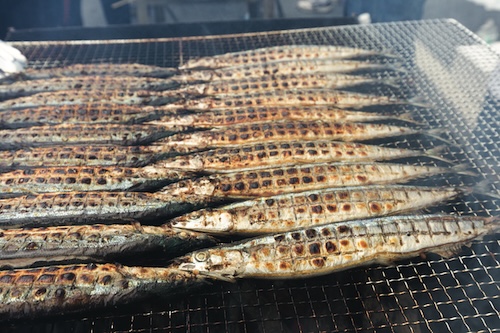
When the hot summer ends, in addition to the bounty of the fields and mountains—new rice, chestnuts, mushrooms, persimmons—fish that have stored up fat in the food-rich northern waters also come to the waters around Japan.
暑い夏が終わると、新米や栗、きのこ、柿など、田畑や山の実りに加え、餌の豊かな北の海で脂を蓄えた魚たちも日本近海へやってきます。Swimming at the head of the group is the Pacific saury. Salt-grilled saury eaten with freshly cooked new rice is exceptionally delicious.
その先頭を泳ぐのが秋刀魚です。塩焼きを炊きたての新米と一緒に食べれば、格別のおいしさです。In the Edo period, saury was regarded as a “low-class fish” eaten by common people, and it rarely appeared on the tables of samurai families. The oil taken from saury was also used as inexpensive fuel for andon lamps.
江戸時代、秋刀魚は庶民が食べる「下魚」とされ、武家の食卓には上がりにくい魚でした。秋刀魚から取った油は、安価な行燈の燃料にも使われていたのです。In classic rakugo, there is a story like this. One day, a lord grew hungry while out, was drawn by the savory smell of grilling saury in Meguro, and said he wanted to eat it.
古典落語には、こんな話があります。ある日、出先で空腹になった殿様は、目黒で秋刀魚を焼く香ばしい匂いに誘われ、食べたいと言い出します。His retainer tried to stop him, saying, “This is not a fish a lord should eat.” But the lord ate the piping-hot saury and was amazed at how delicious it was.
家来は「殿様が口にする魚ではありません」と止めますが、殿様は熱々の秋刀魚を食べ、そのおいしさに感動します。Later, when the lord said he wanted to eat it again, his retainer ordered fresh saury from Nihonbashi, removed the bones and fat, steamed it, and turned it into an elegant dish.
後日、殿様がもう一度食べたいと言うと、家来は日本橋から新鮮な秋刀魚を取り寄せ、骨と脂を抜いて蒸し、上品に仕上げます。But the lord did not think it delicious at all. And then, a single line: “For saury, it has to be Meguro.”
しかし、殿様は少しもおいしいと思いません。そして一言。「秋刀魚は目黒に限る」Today, the “Sanma Festival” held in Meguro is inspired by this story.
現在、目黒で開かれる「さんま祭り」は、この話にちなんでいます。Unlock Full Article | 記事全文を読む
Digital PackagesRead and listen in your browser — available in bundles.誌面と音声を、パッケージでご利用いただけます。More From Hiragana Times Join the Hiragana Times Discord Community — Free!Connect with readers worldwide — free, open, and always welcoming.世界の読者とつながる、無料のDiscordコミュニティへようこそ。Online Japanese lessons, run by Hiragana Times.One month free for Hiragana Times subscribers.ひらがなタイムズ定期購読者は、1ヶ月無料でご受講いただけます。
 -
Japan Savvy – Hiragana Times August 2026 issue
Listen to the Audio:
Obon — A Summer Spent with Our Ancestors
お盆 ― 先祖と過ごす夏のひととき
In Japan, the week around August 15 is called “Obon,” and many companies make it a summer holiday.
日本では、8月15日前後の一週間を「お盆」と呼び、夏休みとする会社が多くあります。When people hear “summer vacation,” they feel like going on a trip.
「夏休み」と聞けば、人は旅行に出かけたくなります。But when they call it the “Obon holiday,” people feel like going back to their hometowns, to their families.
しかし、それを「お盆休み」と呼ぶと、人は故郷へ、家族のもとへ帰りたくなります。In fact, during this season the bullet trains become full of people returning home, and the sight is shown on the news every year.
実際、この時期の新幹線は帰省客でいっぱいになり、その様子は毎年ニュースに映し出されます。“Obon” is formally called “Urabon,” and it comes from a Buddhist sutra called the “Urabon Sutra,” which teaches filial piety.
「お盆」は正式には「盂蘭盆」といい、親孝行を説く「盂蘭盆経」というお経に由来します。There are various theories about its origin, such as the Sanskrit word “ullambana” and the Persian-related word “urvan,” which means “soul.”
その語源には、サンスクリット語の「ウラバンナ(ullambana)」や、ペルシャ語系で「霊魂」を意味する「ウルワン(urvan)」など、諸説あります。However, turning one’s heart toward one’s ancestors is a feeling connected to Shinto.
ただ、先祖に心を向けるというのは、神道に通じる感覚です。With ancient Shinto at its core, Japan has layered on foreign beliefs and words, and has nurtured its own unique customs.
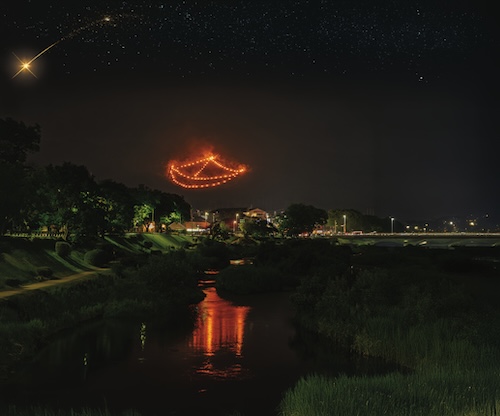
日本は古来の神道を軸に、異国の信仰や言葉を重ねて、独自の慣習を育んできました。On the last day of Obon, August 16, characters such as “great” appear in flames on the mountains surrounding Kyoto.
お盆の最終日、8月16日には、京都を囲む山に、「大」などの文字が炎で浮かび上がります。It is the “sending-off fire” that lights the road along which the ancestors we welcomed are sent back to the other world.
迎えていた先祖を、あの世へ送り返す道を照らす「送り火」です。Even if they do not usually speak of it, in the sky lit by that fire, everyone sees the face of someone they have lost.
普段は口にせずとも、その火に照らされた空に、人は誰もが亡き人の面影を見るのです。
🔵 SAVVY LESSON
Listen to the Lesson Audio:
Warm up
◎ Useful Words
- お盆 — Obon; the Bon festival
- 帰省 — returning to one’s hometown
- 故郷・故郷 — hometown
- 迎え火 — welcoming fire
- 送り火 — sending-off fire
- 供物・供え物 — offering
- 供養 — memorial service; honoring the dead
- 先祖 — ancestor
- 子孫 — descendant
- 氏神 — guardian deity
- 面影 — face; vestige (of someone)
- 愛おしむ — to cherish; to hold dear
◎ Ice Break(Warm-up Questions)
When you hear the word “Obon,” what kind of scene comes to mind?
「お盆」と聞いて、どんな風景を思い浮かべますか?Does your country have a day for remembering those who have passed away?
あなたの国には、亡くなった人を思い出す日がありますか?Do you have a custom of returning to your hometown or family at a certain time of year?
一年のある時期に、故郷や家族のもとへ帰る習慣はありますか?Where do you think people go after they die?
人は亡くなったあと、どこへ行くとい思いますか?Are there moments when you suddenly feel close to someone you can no longer see?
会えなくなった人を、ふと身近に感じる瞬間はありますか?Continue Reading In Hiragana Times
続きを読む — Hiragana Times 本誌へ
Digital PackagesRead and listen in your browser — available in bundles.誌面と音声を、パッケージでご利用いただけます。More From Hiragana Times
Join the Hiragana Times Discord Community — Free!Connect with readers worldwide — free, open, and always welcoming.世界の読者とつながる、無料のDiscordコミュニティへようこそ。
Online Japanese lessons, run by Hiragana Times.One month free for Hiragana Times subscribers.ひらがなタイムズ定期購読者は、1ヶ月無料でご受講いただけます。 -
Japan Savvy – Hiragana Times July 2026 issue
Listen to the Article Audio:
Hiyashi Chuka — Now Serving
冷(ひ)やし中華(ちゅうか)はじめました。
As spring ends and the hot and humid Japanese summer arrives, signs saying “We have started serving hiyashi chuka” appear in front of Chinese restaurants.
春(はる)が終(お)わり、蒸(む)し暑(あつ)い日本(にほん)の夏(なつ)が訪(おとず)れるころ、中華料理店(ちゅうかりょうりてん)の前(まえ)に「冷(ひ)やし中華(ちゅうか)、はじめました」という看板(かんばん)が現(あらわ)れます。Seeing these words, many Japanese people feel that summer has come again this year.
この言葉(ことば)を見(み)ると、多(おお)くの日本人(にほんじん)は「今年(ことし)も夏(なつ)が来(き)た」と感(かん)じます。Ramen, often called Japan’s national food, is originally a dish eaten piping hot.
日本(にほん)の国民食(こくみんしょく)ともいわれるラーメンは、本来(ほんらい)、熱々(あつあつ)で食(た)べる料理(りょうり)です。However, in Japan, there is a summer dish where this ramen is eaten cold.
しかし日本(にほん)には、そのラーメンを冷(ひ)やして食(た)べる夏(なつ)の一皿(ひとさら)があります。Hiyashi chuka is a dish enjoyed with a soy sauce or sesame-flavored sauce, topped with egg, cucumber, ham, and the like on Chinese noodles chilled in cold water.
冷水(れいすい)でしめた中華麺(ちゅうかめん)に、卵(たまご)、きゅうり、ハムなどをのせ、しょうゆやごま風味(ふうみ)のタレで味(あじ)わうのが冷(ひ)やし中華(ちゅうか)です。In the early Showa period when air conditioning was not common, it was not easy to eat hot ramen in the hot season.
冷房(れいぼう)が一般的(いっぱんてき)でなかった昭和初期(しょうわしょき)、暑(あつ)い季節(きせつ)に熱(あつ)いラーメンを食(た)べるのは簡単(かんたん)ではありませんでした。Even so, people thought, “I want to eat ramen even if it is hot.”
それでも「暑(あつ)くてもラーメンを食(た)べたい」。Such a feeling, which could be called the obsession of Japanese people, created cold ramen.
そんな日本人(にほんじん)の執念(しゅうねん)ともいえる思(おも)いが、冷(つめ)たいラーメンを生(う)み出(だ)しました。Although it has “Chinese” in its name, it is not Chinese food itself, but a dish that developed independently in Japan.
名前(なまえ)に「中華(ちゅうか)」とありますが、中国料理(ちゅうごくりょうり)そのものではなく、日本(にほん)で独自(どくじ)に発展(はってん)した料理(りょうり)です。Hiyashi chuka is a bowl that announces the beginning of summer, born from the Japanese love of ramen.
冷(ひ)やし中華(ちゅうか)は、日本人(にほんじん)のラーメン愛(あい)が生(う)んだ、夏(なつ)の始(はじ)まりを告(つ)げる一杯(いっぱい)なのです。🔵 SAVVY LESSON
Listen to the Lesson Audio:
Warm Up | ウォームアップ
◎ Useful Words(12)
- 中華料理(ちゅうかりょうり) — Chinese cuisine / Chinese food
- 看板(かんばん) — sign / signboard
- 冷(ひ)やす — to chill / to cool
- 独自(どくじ) — original / unique
- 国民食(こくみんしょく) — national dish
- 冷水(れいすい) — cold water
- しめる — to firm up (by chilling)
- タレ — sauce / dipping sauce
- 冷房(れいぼう) — air conditioning
- 食欲(しょくよく) — appetite
- 麺料理(めんりょうり) — noodle dish
- さっぱり — refreshing / light
◎ Ice Breaker Question:
- When you think of noodle dishes, what comes to mind?
麺料理(めんりょうり)といえば、何(なに)を思(おも)い浮(う)かべますか? - Is there a food that makes you feel “summer has arrived”?
「夏(なつ)が来(き)た」と感(かん)じる食(た)べ物(もの)はありますか? - Does your country have a phrase that announces the arrival of a season?
あなたの国(くに)にも、季節(きせつ)の訪(おとず)れを知(し)らせる言葉(ことば)はありますか? - How do you get through hot days?
暑(あつ)い日(ひ)をどのように乗(の)り越(こ)えますか? - What impression do you have of Japanese cuisine?
日本料理(にほんりょうり)には、どんな印象(いんしょう)がありますか?
Work Up | ワークアップ(Discussion)
Maria: I heard that Japan even has cold ramen.
マリア:日本(にほん)には、冷(つめ)たいラーメンもあると聞(き)きました。Yumi: That’s hiyashi chuka! It’s a dish created to match Japan’s hot summers.
ゆみ:冷(ひ)やし中華(ちゅうか)ですね!日本(にほん)の暑(あつ)い夏(なつ)に合(あ)わせて生(う)まれた料理(りょうり)なんです。Niran: How interesting. Thailand is a hot country too, but we don’t have anything like “chilled tom yum kung.”
ニラン:面白(おもしろ)いですね。タイも暑(あつ)い国(くに)ですが、『冷(ひ)やしトムヤムクン』のような料理(りょうり)はありません。Asha: In India too, it’s actually in the hottest regions that people enjoy hot curry and chai the most.
アーシャ:インドでも、暑(あつ)い地域(ちいき)でこそ温(あたた)かいカレーやチャイをよく口(くち)にします。Maria: So a hot climate doesn’t necessarily mean a lot of cold dishes.
マリア:暑(あつ)い国(くに)だからといって、冷(つめ)たい料理(りょうり)が多(おお)いわけではないんですね。Asha: In fact, there’s a belief that “when it’s hot, you should eat something hot and sweat it out.”
アーシャ:むしろ「暑(あつ)いときこそ熱(あつ)いものを食(た)べて汗(あせ)をかく」という考(かんが)え方(かた)もあります。Niran: That’s why the idea of “chilling ramen because it’s hot” felt so refreshing to me.
ニラン:だから「暑(あつ)いからラーメンを冷(ひ)やす」という発想(はっそう)は、私(わたし)にはとても新鮮(しんせん)でした。Yumi: Apparently it was created in the early Showa era, before air conditioning, for people who still wanted to eat ramen even in the heat.
ゆみ:昭和初期(しょうわしょき)、冷房(れいぼう)がなかった時代(じだい)に、「暑(あつ)くてもラーメンを食(た)べたい」という人(ひと)たちのために考(かんが)えられたそうです。Maria: That just shows how much the Japanese love their ramen.
マリア:それだけ日本人(にほんじん)はラーメンが好(す)きなんですね。Niran: When I actually tried it, it was so light and refreshing — I could see why it’s a summer favorite.
ニラン:実際(じっさい)に食(た)べてみると、とてもさっぱりしていて、夏(なつ)に人気(にんき)なのも分(わ)かりました。Yumi: The name has “chuka” (Chinese) in it, but it’s not really Chinese cuisine — it’s a dish that developed in its own way in Japan.
ゆみ:名前(なまえ)に「中華(ちゅうか)」とありますが、中国料理(ちゅうごくりょうり)そのものではなく、日本(にほん)で独自(どくじ)に発展(はってん)した料理(りょうり)なんですよ。Maria: I see! So the “chuka” doesn’t mean Chinese cuisine — it actually refers to chuka soba, which is ramen.
マリア:なるほど。「中華(ちゅうか)」は中国料理(ちゅうごくりょうり)という意味(いみ)ではなく、「中華(ちゅうか)そば」つまりラーメンのことなんですね。Wrap Up | 新(あたら)しい知識(ちしき)
Hiyashi chuka was born in the early Showa era, but it’s said to have spread across Japan only after World War II.
冷(ひ)やし中華(ちゅうか)は昭和初期(しょうわしょき)に誕生(たんじょう)しましたが、全国(ぜんこく)に広(ひろ)まったのは戦後(せんご)になってからだと言(い)われています。In the Kansai region, hiyashi chuka is called reimen. This reimen is not the Korean dish of the same name, but rather hiyashi chuka itself.
関西地方(かんさいちほう)では、冷(ひ)やし中華(ちゅうか)を「冷麺(れいめん)」と呼(よ)びます。ここでいう「冷麺(れいめん)」とは、韓国料理(かんこくりょうり)の冷麺(れいめん)ではなく、冷(ひ)やし中華(ちゅうか)のことです。Hiyashi chuka often features vegetables such as cucumber and tomato. It has almost no broth, looks cool to the eye, and is designed to be easy to eat even when the summer heat takes away your appetite.
冷(ひ)やし中華(ちゅうか)には、きゅうりやトマトなどの野菜(やさい)がよく使(つか)われます。スープはほとんどなく、見(み)た目(め)も涼(すず)しげで、暑(あつ)さで食欲(しょくよく)が落(お)ちる夏(なつ)でも食(た)べやすいよう工夫(くふう)されています。Today, packaged sets containing both the noodles and the sauce are sold at supermarkets and convenience stores.
現在(げんざい)では、麺(めん)とタレがセットになった商品(しょうひん)がスーパーやコンビニで売(う)られています。In Yamagata, there’s hiyashi ramen, which is ramen itself served cold. It looks much like regular ramen but is eaten with a chilled broth.
山形(やまがた)には、ラーメンそのものを冷(つめ)たくした「冷(ひ)やしラーメン」があります。見(み)た目(め)は普通(ふつう)のラーメンに近(ちか)く、冷(つめ)たいスープで食(た)べるのが特徴(とくちょう)です。Morioka reimen, from Morioka City in Iwate Prefecture, is a local noodle dish that developed in Morioka based on the cold noodles of the Korean Peninsula. It features a cold beef-bone broth, chewy translucent noodles, and kimchi — a dish much closer to Korean naengmyeon.
岩手県(いわてけん)盛岡市(もりおかし)の「盛岡冷麺(もりおかれいめん)」は、朝鮮半島(ちょうせんはんとう)の冷麺(れいめん)をもとに盛岡(もりおか)で発展(はってん)したご当地麺(ごとうちめん)です。牛骨(ぎゅうこつ)などの冷(つめ)たいスープ、弾力(だんりょく)のある半透明(はんとうめい)の麺(めん)、キムチが特徴(とくちょう)で、韓国冷麺(かんこくれいめん)に近(ちか)い料理(りょうり)です。The birthplace of hiyashi chuka is widely said to be Ryutei, a Chinese restaurant in Sendai City, Miyagi Prefecture. In 1937 (Showa 12), the restaurant created ryanbanmen, the dish considered to be the original form of today’s hiyashi chuka.
冷(ひ)やし中華(ちゅうか)の発祥地(はっしょうち)として有名(ゆうめい)なのは、宮城県(みやぎけん)仙台市(せんだいし)の中国料理店(ちゅうごくりょうりてん)「龍亭(りゅうてい)」です。1937年(ねん)(昭和12年(しょうわ12ねん))、現在(げんざい)の冷(ひ)やし中華(ちゅうか)の原型(げんけい)とされる「涼拌麺(りゃんばんめん)」が考案(こうあん)されました。Yamagata’s hiyashi ramen, Morioka reimen, and Sendai’s hiyashi chuka are sometimes called the “Three Great Cold Noodle Dishes of Michinoku.”
山形(やまがた)の冷(ひ)やしラーメン、盛岡冷麺(もりおかれいめん)、仙台(せんだい)の冷(ひ)やし中華(ちゅうか)は、「みちのく三大冷(さんだいひ)やし麺(めん)」と呼(よ)ばれることがあります。July 7 is “Hiyashi Chuka Day.” The date was chosen because it falls on shosho (Minor Heat), one of the 24 solar terms, marking the start of the truly hot season.
7月7日(がつなのか)は「冷(ひ)やし中華(ちゅうか)の日(ひ)」です。この日(ひ)は二十四節気(にじゅうしせっき)の「小暑(しょうしょ)」にあたり、本格的(ほんかくてき)な暑(あつ)さが始(はじ)まる時期(じき)であることから選(えら)ばれました。The Japanese love noodles. From the wish to “eat noodles even in the hot summer!” come many beloved cold noodle dishes — somen, zaru soba, zaru udon, and more. Hiyashi chuka is one of them.
日本人(にほんじん)は麺(めん)が大好(だいす)きです。「暑(あつ)い夏(なつ)でも麺(めん)を食(た)べたい!」という思(おも)いから、そうめん、ざるそば、ざるうどんなど、さまざまな冷(つめ)たい麺料理(めんりょうり)が親(した)しまれています。冷(ひ)やし中華(ちゅうか)も、その一(ひと)つです。 -
[Japan Savvy– June 2026 Issue]
Tengu — Guardians of the Threshold
天狗 ― 境界に立つ者
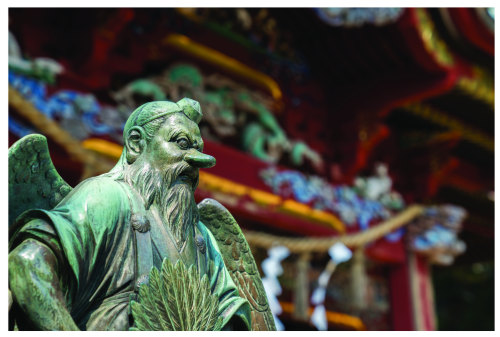
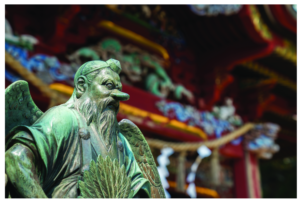
Tengu are known as mountain monsters with red faces and long noses.
天狗は、赤い顔と長い鼻をもつ山の怪物として知られています。
“Tengu” originates from Chinese, is written as the “dog” of “heaven”, and since ancient times, was a word referring to abnormal phenomena (meteors or fireballs) appearing in the sky.
「天狗」とは中国語由来で「天」の「狗」と書き、古来、空に現れる異常現象(流星や火球)を指す言葉でした。
This is because they were said to appear suddenly and fall with an eerie sound like the barking of a dog.
突然現れ、狗(犬)の鳴き声のような不気味な音とともに落ちてくるとされたためです。
It was considered that “abnormalities in heaven connect to abnormalities on earth”, and was perceived as an ominous omen (bad omen).
それは「天の異変は地上の異変に通じる」とされ、不吉な前兆(凶兆)と捉えられていました。
On the other hand, in Japan, in the “Nihon Shoki”, there is a record writing “Tengu” and reading it as “Amatsukitsune” for a mysterious entity falling from the sky to a mountain.
一方、日本では『日本書紀』に、空から山へ落ちてきた謎の存在を「天狗」と書いて「あまつきつね」と読んだ記録があります。
This is because foxes had been known since ancient times as existences changing their appearance and not letting their true identity be caught.
狐は、姿を変え正体をつかませない存在として、古くから知られていたためです。
Eventually, the word “Tengu” transmitted from China intertwined with Japanese mountain worship and transformed into the current image of Tengu.
やがて中国から伝わった「天狗」という言葉が、日本の山岳信仰と結びつき、現在の天狗像へと変化しました。
Mountains are the boundary between heaven and earth. They are places to approach objects of worship such as the sun, moon, and stars.
山は、天と地の境目。太陽や月、星といった信仰の対象に近づく場です。
The interval between heaven and earth, the interval between humans and gods—an existence standing on that boundary. That is “Tengu”.
天と地のあわい、人と神のあわい ― その境界に立つ存在。それが「天狗」です。
Become a Tengu Savvy 天狗通になる
WARM UP | Tengu JapaNEEDS◎ USEFUL WORDS 役立つ言葉
- 天狗 — tengu (a mythical mountain being)
- 前兆 — omen
- 境目 — boundary
- あわい — liminal space
- 得体の知れない — of unknown nature
- 異常現象 — unusual phenomenon
- 信仰 — faith
- 修行 — ascetic practice
- 導く — to guide
- 山岳信仰 — mountain worship
- 鼻が利く — to have sharp instincts
- 災い — misfortune
◎ Ice Breaker Question 会話のきっかけ
What kind of image comes to mind when you hear the word “tengu”?
「天狗」と聞いて、どのようなイメージを思い浮かべますか?
Have you ever had a moment in your life that you felt was a “turning point”?
あなたは人生の中で「転機」だと感じた瞬間がありますか?
Are there legends in your country related to mountains or nature?
あなたの国にも、山や自然にまつわる伝説はありますか?
Do you believe in unseen forces (such as fate or flow)?
見えない力(運命・流れなど)を信じますか?
Do you think myths and legends influence the way we live today?
神話や伝説は、現代の生き方に影響を与えていると思いますか?
WORK UP | Tengu Discussion
DISCUSSION ディスカッションSophie: I heard that if you trace back the ancestors of the current Emperor, you reach Ninigi-no-Mikoto from mythology.
ソフィー:今の天皇陛下のご先祖を遡ると、神話の瓊瓊杵尊(ににぎのみこと)につながると聞きました。
Sayaka:Yes, that’s right. Ninigi-no-Mikoto is said to have descended to earth guided by Sarutahiko.
はい、そうです。瓊瓊杵尊は、猿田彦の導きで地上に降り立ったとされます。
David: So Sarutahiko is the god of guidance.
デイビッド:猿田彦は導きの神なのですね。
Sayaka:Yes. Especially the god of guidance at “boundaries.”
さやか:はい。特に“境目”における導きの神です。
Sophie:Mountains are the boundary between heaven and earth. And tengu dwell there. It’s all connecting.
ソフィー: 山は、天と地の境目。そこに住まう天狗。つながってきますね。
Sayaka: Within mountain worship, the image of Sarutahiko is thought to have overlapped with that of tengu.
さやか:山岳信仰の中で、猿田彦のイメージが天狗と重なったと考えられます。
David:But why does the tengu have such a face?
デイビッド: でも、なぜあのような顔なんですか?
Sayaka:The long nose is a symbol of a wise one with a “keen nose,” and the red face represents vitality and protection from evil.
さやか: 長い鼻は「鼻が利く」賢者の象徴、赤い顔は生命力や魔除けを表しています。
David: I see. Then what about the box on the forehead?
デイビッド:なるほど。では、おでこの箱は?
Sayaka: It comes from the tokin, the headgear of yamabushi (mountain ascetics), and that appearance was incorporated into the depiction of tengu.
さやか: 山伏の頭襟に由来し、その姿が天狗の表現に取り込まれたとされます。
Sophie:Fascinating! Speaking of guidance, the Yatagarasu also comes to mind.
ソフィー: 面白いですね!導きといえば、「八咫烏」も思い浮かびます。
Nikos: When I first learned about Yatagarasu, I thought of it as a wise old man.
ニコス:私は八咫烏を知ったとき、賢者の老人のことだと思いました。
Sayaka:Oh, why is that?
さやか: えっ、どうしてですか?
Nikos: When I was a child, I learned this riddle: “What animal walks on four legs in the morning, two legs at noon, and three legs at night?”
ニコス:子どもの頃に、こんななぞなぞを習いました。 「朝は四本足、昼は二本足、夜は三本足の動物は何?」
Sophie:The answer is “human,” isn’t it? The three legs are an old person with a cane!
ソフィー:答えは「人間」ですよね。三本足は杖をついた老人!
Nikos:Exactly. So I thought the “three legs” of Yatagarasu might also be a symbol of a being with the wisdom to guide.
ニコス:そうです。だから八咫烏の“三本足”も、導く知恵をもつ存在の象徴ではないかと思ったのです。
Sayaka:I see!
さやか:なるほど!
WRAP UP | Tengu Knowledge
NEW KNOWLEDGE 新しい知識Tengu are divided into “Daitengu” (great tengu) and “Kotengu” (small tengu, also called “Karasu-tengu”). Daitengu are depicted with long noses, while Kotengu are depicted with crow-like beaks.
天狗は「大天狗」と「小天狗(烏天狗)」に分けられます。大天狗は長い鼻、小天狗はカラスのようなくちばしで描かれます。
It has been believed that monks and ascetics who possessed exceptional powers would become tengu after death.
優れた力を持った僧や修験者が、死後に天狗になると信じられてきました。
En no Gyōja (En no Ozunu) is said to have become a Daitengu named “Ishizuchi-san Hōkibō.”
役行者[えんのぎょうじゃ](役小角)[えんのおづぬ]は「石鎚山法起坊」という名の大天狗になったと伝えられています。
It is said that representative “forty-eight tengu” exist on sacred mountains throughout Japan, each connected to a specific mountain.
日本各地の霊山には代表的な「四十八天狗」が存在するとされ、それぞれが特定の山と結びついています。
Kurama-tengu (Sōjōbō), known for the legend of teaching swordsmanship to Ushiwakamaru (later Minamoto no Yoshitsune), is one of the most representative Daitengu.
牛若丸(のちの源義経)に剣術を教えたという伝説で知られる鞍馬天狗(僧正坊)は、代表的な大天狗の一つです。
Including unnamed tengu, it is said that an enormous number of tengu exist — as many as 125,500.
名のない天狗まで含めると、十二万五千五百ともいわれる膨大な数の天狗が存在すると伝えられています。
In Shugendō, it was believed that ascetics entering the mountains would be tested by tengu, or granted power by them.
修験道では、山に入る行者が天狗に試され、あるいは力を授かると信じられていました。
The “Tengu-kyō” lists the names of the forty-eight tengu, and chanting it has been believed to ward off misfortune.
「天狗経」には四十八天狗の名が列挙され、これを唱えることで災いを避けると考えられてきました。
“Tengu ni naru” (to become a tengu) is a phrase that admonishes arrogance, and “Tengu no hana o oru” (to break a tengu’s nose) means to humble that self-conceit.
「天狗になる」は慢心を戒める言葉、「天狗の鼻を折る」はその自信をくじくことを意味します。
While tengu are feared beings, they are also worshipped as protectors of mountains, and are considered beings with both good and evil sides.
天狗は恐れられる存在である一方、山を守る存在としても信仰され、善悪両面を持つ存在とされています。
This article is from the June 2026 issue of Hiragana Times.
この記事は、月刊誌『ひらがなタイムズ』2026年6月号より掲載しています。
-
[Japan Savvy– May 2026 Issue]
Sekku: Five Seasonal Markers That Shape the Year
節句 —— 一年を整える、五つの節目Japan has a unique rhythm of spending the year, passed down from ancient times.
日本には、古代から受け継がれてきた、一年を過ごす独自のリズムがあります。
On January 7, after passing the ‘New Year period’, people condition their minds and bodies with seven-herb rice porridge, and start the year.
「正月期間」を経た1月7日、人々は七草粥で心身を整え、一年を始動させます。
After that, to safely survive the year, on March 3, May 5, July 7, and September 9, at each turning point where odd numbers overlap, they have warded off impurities and purified themselves.
その後、一年を無事に生き抜くため、3月3日・5月5日・7月7日・9月9日と、奇数が重なる節目ごとに穢れを祓い、身を清めてきました。
These are called “Gosekku”. The soon approaching May 5 is Tango no Sekku.
これらを「五節句」と呼びます。 間もなく訪れる5月5日は、端午の節句です。
In the lunar calendar, falling on the beginning of the rainy season, it was a time when, due to humidity, water and food easily spoiled, and diseases easily spread.
旧暦では梅雨のはじめにあたり、湿気によって水や食べ物が傷みやすく、病が広がりやすい時期でした。
Therefore, people have warded off evil spirits by soaking in a Shobu bath with antibacterial and insect-repellent properties.
そこで人々は、抗菌・防虫の力をもつ菖蒲湯に浸かり、邪気を祓ってきたのです。
Entering the Edo period, since “Shobu” connects to “Shobu” (valuing martial arts), Tango no Sekku transformed into a day wishing for boys’ growth.
江戸時代に入ると、「菖蒲」が「尚武(武を重んじる)」に通じることから、端午の節句は男の子の成長を願う日へと変化しました。
Originating in China, Sekku intertwined with Japan’s nature worship and warrior society’s spirit, and have been passed down to this day as “Gosekku”.
中国を起源とする節句は、日本の自然崇拝や武家社会の精神と結びつき、「五節句」として今日まで受け継がれてきたのです。
Become a Sekku Savvy 侍通になる
WARM UP | Sekku JapaNEEDS◎ USEFUL WORDS 役立つ言葉
- 五節句(ごせっく)Five Seasonal Festivals
- 奇数(きすう)odd numbers
- 陰陽(いんよう)yin and yang
- 穢れ(けがれ)impurity
- 祓い(はらい) purification
- 邪気(じゃき)evil spirits
- 菖蒲(しょうぶ)Japanese iris
- 鯉のぼり(こいのぼり)carp streamers
- 風習(ふうしゅう)traditional custom
- 登竜門(とうりゅうもん)Dragon Gate
- 行事(ぎょうじ)traditional event
- 五月病(ごがつびょう)May blues
- 魔除け(まよけ)protection against evil
◎ Ice Breaker Question 会話のきっかけ
Are there any festivals in your country that celebrate seasonal transitions?
あなたの国に、季節の節目を祝う行事はありますか?
Are there any traditions in your country that wish for children’s health and growth?
子どもの健康や成長を願う風習は、あなたの国にもありますか?
Are there any numbers that have special meaning in your culture?
あなたの国で特別な意味を持つ数字はありますか?
Have you ever seen carp streamers (koinobori)? What was your impression?
鯉のぼりを見たことがありますか?どんな印象でしたか?
When do you feel that the season has changed?
「季節が変わった」と感じる瞬間はどんなときですか?
WORK UP | Sekku Discussion
DISCUSSION ディスカッションRaj (India): Why do sekku fall on days with matching odd numbers?
ラージ: なぜ、節句は奇数が重なる日なんですか?Yuki: In ancient Chinese yin-yang thought, odd numbers are considered “yang,” times when energy grows stronger and begins to shift.
ユキ: 奇数は、中国古来の陰陽思想で「陽」とされ、エネルギーが強まり、転じる時なんです。
Emma: I see. Since they mark turning points, that means people needed to restore their balance during those times.
エマ: なるほど。変わり目だから、その時期はバランスを整える必要があるんですね。Yuki: That’s right. Among them, May 5 is considered one of the most intense moments, when the year’s energy rises sharply and heads toward its peak.
ユキ:そうなんです。その中でも5月5日は、1年のエネルギーが一気に高まり、ピークへ向かう最も激しい時期とされています。Carlos: Come to think of it, there’s also the term “May blues” in Japanese, isn’t there?
カルロス: そういえば、「五月病」という言葉もありますね。Emma: That’s true. In that sense, it may be connected to how people tend to lose their mental and physical balance at that time of year.
エマ: 確かに。時期的に心身のバランスを崩しやすいという点で、どこか通じるものがあるかもしれませんね。Raj (India): By the way, speaking of odd numbers, isn’t November 11 also a sekku?
ラージ: ところで、奇数といえば、11月11日は節句ではないんですか?Yuki: Interesting point. Since ten symbolizes completion, the period after November is seen as a time of thanks for the year’s harvest and blessings.
ユキ: 面白い視点ですね。「十」は完成を表すため、11月以降は一年の実りや恵みに感謝する時期とされます。Carlos: Speaking of blessings, November is also the time of Niiname-sai, isn’t it?
カルロス: 実りといえば、11月は、新嘗祭もありますね。Yuki: Yes, that’s right. It is not only about the harvest, but also the season of Shichi-Go-San, when children’s growth is celebrated.
ユキ: そうですね。収穫だけでなく、子どもの成長を祝う七五三もこの時期です。Emma: I see. So “ten” sounds like ten—it’s like reaching heaven and thanking it, right? (laughs)
エマ: なるほど。「十」は英語で ten。つまり、天に到達し、天に感謝するということですね!(笑)
WRAP UP | Samurai Knowledge
NEW KNOWLEDGE 新しい知識Gosekku, the Five Seasonal Festivals, generally fall on dates where the same odd number is repeated: 3/3, 5/5, 7/7, and 9/9. January alone is different, since New Year’s Day is set apart, so its festival falls on January 7.
五節句は、3月3日、5月5日、7月7日、9月9日と、同じ奇数が重なる日が基本です。ただし1月だけは、新年が別格とされるため、1月7日が節句となっています。
January 7 is known as Jinjitsu no Sekku, the Festival of Human Beings. In ancient China, the first six days were assigned to the chicken, dog, boar, sheep, ox, and horse—animals that supported human life and were known as the “six domestic animals.” The seventh day was for human beings.
1月7日は、「人日の節句」と呼ばれます。古代中国では、1日から6日までを鶏・犬・猪・羊・牛・馬にあて、これら人の暮らしを支える動物は「六畜」と呼ばれていました。そして7日目が「人」です。
Each of the five festivals has its own name: Jinjitsu no Sekku on January 7, Jōshi no Sekku on March 3, Tango no Sekku on May 5, Tanabata no Sekku on July 7, and Chōyō no Sekku on September 9.
五節句はそれぞれ、1月7日「人日の節句」、3月3日「上巳の節句」、5月5日「端午の節句」、7月7日「七夕の節句」、9月9日「重陽の節句」と名付けられています。
Sekku originated in the Chinese concept of jieri. In Japan, it merged with the custom of offering to the gods and nature, becoming sekku, “seasonal offerings.” Over time, through samurai culture and folk customs, it took root as sekku: meaningful milestones in the rhythm of the year.
「節句」のもとになったのは、中国の「節日(节日)」です。それが日本に伝わり、神や自然に供え物をする文化と結びついて「節供」となり、さらに武家社会や民間の習俗の中で、一年のリズムを形づくる意味ある節目としての「節句」へと定着していったと考えられます。
In China, 节日 still exists, but it is not generally organized into a unified set of five like Japan’s Gosekku.
中国の「節日(节日)」は、日本の「五節句」のように五つを一まとまりとして捉える形は一般的ではありません。
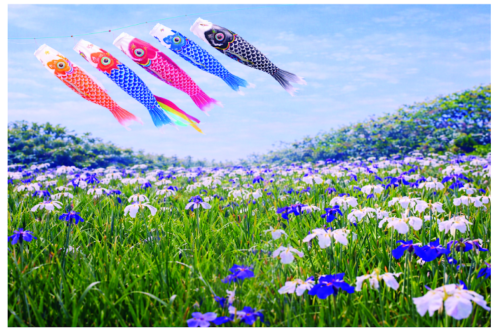
May has long been seen as a season when energy rises and bursts outward. The koinobori displayed for Tango no Sekku derive from the Chinese tale of Tōryūmon, the “Dragon Gate,” in which a carp that climbs the swift current of the Yellow River becomes a dragon.
5月は、エネルギーが高まり、外へ飛び出す時期と考えられてきました。端午の節句に飾られる鯉のぼりは、黄河を登りきった鯉が龍になるという中国の故事「登竜門」に由来します。
The five colors of the streamers attached to koinobori—blue, red, yellow, white, and black—are based on the Chinese Five Elements. Together, they are believed to ward off disorder and evil.
鯉のぼりの吹き流しに使われる青・赤・黄・白・黒の五色は、中国の五行説に基づく色で、すべてが揃うことで乱れや邪気を払うとされています。
This article is from the May 2026 issue of Hiragana Times.
この記事は、月刊誌『ひらがなタイムズ』2026年5月号より掲載しています。
-
[Japan Savvy– April 2026 Issue]
What Are Bushi and Samurai?
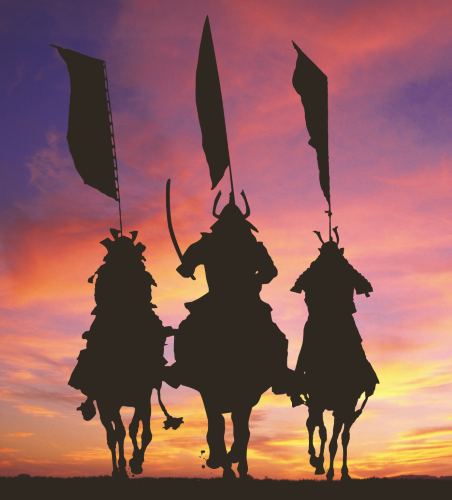
武士・侍とは何者か?Around the world, there have been many kinds of “fighters,” such as soldiers, knights, and guards.
世界には、兵士や騎士団、警備隊など、さまざまな「戦う者」たちが存在しました。
Yet the word “bushi” in Japan carries a somehow unique resonance.
しかし、日本の「武士」という言葉には、どこか特別な響きがあります。
‘Bushi’ consists of ‘bu’ of weapon and ‘shi’ representing an adult male, but it is not a mere combat group.
「武士」は、武器の「武」と成人男性を表す「士」から成りますが、単なる戦闘集団ではありません。
They were entities that supported the order of politics and rituals centered on the Emperor by military force.
彼らは天皇を中心とする政治と祭祀の秩序を、武力によって支える存在でした。
Eventually, by ‘saburau’ (serving) nobles and the imperial family, it comes to overlap with the appellation called ‘Samurai’.
やがて貴族や皇族に「さぶらう(仕える)」ことで、「侍」という呼称と重なっていきます。
In ‘Hagakure’, which recorded the teachings of Bushi, there is a famous passage that says, “Bushidō is to find death.”
武士の心得を記した『葉隠』には、「武士道と云うは死ぬことと見つけたり。」という有名な一節があります。
It is not a simple teaching that tells one to throw away one’s life for one’s lord.
それは主君のために命を投げ出せ、という単純な教えではありません。
When one discards the mind that clings only to protecting oneself, a way out opens up for the first time.
自分を守ることばかりに執着する心を捨てたとき、はじめて活路が開ける。
What lies there is the resolve to let go of egocentrism and self-protection.
そこにあるのは、自己中心や自己保身を手放す覚悟にあります。
“Only by casting oneself aside can one remain afloat.”The core of Bushido lies there.
「身を捨ててこそ浮かぶ瀬もあれ。」そこに武士道の核心があります。
‘Bushi’ and ‘Samurai’ are not the name of a social status, but the way of life itself of living with resolve.
「武士」や「侍」とは、身分の名ではなく、覚悟をもって生きる生き方そのものです。
Become a Samurai Savvy 侍通になる
WARM UP | Samurai JapaNEEDS
◎ USEFUL WORDS 役立つ言葉
- 武士 bushi — warrior
- 侍 samurai — samurai
- 刀 katana — sword
- 武士道 bushidou — the code of the samurai
- 覚悟 kakugo — resolve / preparedness
- 仕える tsukaeru — to serve
- 執着 shuuchaku — attachment / clinging
- 活路 katsuro — way forward
- 刃傷沙汰 ninjou zata — sword incident
- 抜く nuku — to draw (a sword)
- 責任 sekinin — responsibility
- 恥 haji — shame / disgrace
- 真剣 shinken — real sword / serious
◎ Ice Breaker Question 会話のきっかけ
Have you seen any samurai characters in movies or anime?
映画やアニメで見たことのある侍のキャラクターはいますか?
When you hear the word “samurai,” what image comes to mind first?
「侍」と聞いて、まずどんなイメージが浮かびますか?
What does a “strong person” mean to you?
あなたにとって「強い人」とはどんな人ですか?
Does your country have historical warriors similar to the samurai?
あなたの国にも、侍のような歴史的な戦士はいますか?
Do you think the “spirit of the samurai” still exists in modern society?
現代社会に「侍の精神」は残っていると思いますか?
WORK UP | Samurai Discussion
DISCUSSION ディスカッション
Michael: Japanese swords are beautiful, and though they are weapons, they are also treated as works of art.
マイケル:日本刀は美しく、武器でありながら美術品としても扱われていますね。Emily: I’ve heard that this culture of polishing weapons into beauty comes from the fact that the sword was also something turned toward oneself.
エミリー:武器を美しく磨き上げる文化は、日本刀が自分に向けるものでもあったからだと聞きました。Mayumi: Yes. A samurai was expected to have the resolve to end his own life rather than live in disgrace.
まゆみ:はい。武士は、恥をさらして生きるくらいなら、自ら命を絶つ覚悟を求められました。Emily: If it were only a tool to harm others, a rougher blade might actually be more effective.
エミリー:他人を傷つけるだけの道具なら、むしろ荒々しい方が効果的ですよね。Mayumi: In fact, before battle, the edge was sometimes deliberately roughened to increase its killing power.
まゆみ:実際、戦の前には刃を荒らし、殺傷力を高めることもあったといいます。Michael: Samurai always carried their swords, yet during the 260 years of the Edo period, violent incidents were said to be extremely rare.
マイケル:武士は常に刀を差して歩いていましたが、江戸時代の260年間、刃傷沙汰はほとんど起きなかったと聞きました。Mayumi: That is because the moment a sword was drawn, responsibility arose.
まゆみ:刀は、抜いた瞬間に責任が生じるものだったからです。Pierre: Once drawn, one had to accept either cutting down the opponent or losing one’s own life.
ピエール:抜けば、相手を斬るか、自分が死ぬか——どちらかを引き受けなければならない。Emily: So whether you drew it or not, your life was always at stake.
エミリー:抜いても、抜かなくても、命がけということですね。Min: In other words, they lived with a “true sword”—truly in earnest.
ミン:まさに「真剣」に生きていたということですね。
WRAP UP | Samurai Knowledge
NEW KNOWLEDGE 新しい知識
The bushi were also called mononofu. This is an ancient Yamato word meaning “warrior” or “man of arms,” and it is often associated with the Mononobe clan, an early military lineage.
武士は「もののふ」とも呼ばれます。これは「武士」「武人」を表す大和言葉で、古代の軍事氏族・物部氏との関連が指摘されています。
The “mono” in Mononobe is said to refer to weapons, and some theories connect it to mononoke—spiritual or supernatural beings. In ancient times (from the Yayoi to the Nara period), military power and ritual practices were closely intertwined.
物部氏の「物」は武器を意味するとされ、モノノケ(霊的存在)と通じるという説もあります。古代(弥生〜奈良時代)には、軍事と祭祀は密接に結びついていました。
The bushi developed distinctive forms of speech, and their spirit still lives on in modern Japanese. Words such as menbokunai (ashamed), fukaku (carelessness or failure), and kakugo (resolve) reflect values rooted in samurai society
武士は独特の言葉遣いを持ち、その精神は現代日本語にも残っています。「面目ない」「不覚」「覚悟」などは、武士社会の価値観を背景に持つ言葉です。
The proverb “A samurai does not speak twice” expresses the importance of keeping one’s word and upholding one’s honor.
「武士に二言はない」ということわざは、約束を守る信義の精神を表しています。
The hairstyle known as sakayaki, in which the top of the head was shaved, developed to prevent overheating when wearing a helmet.
月代(さかやき)と呼ばれる頭頂部を剃る髪型は、兜をかぶった際に蒸れを防ぐために生まれました。
In 1871, the Edict on Hair and Sword Abolition made hairstyles and the wearing of swords optional, advancing Japan’s modernization.
1871年の散髪脱刀令により髪型や帯刀は自由となり、近代化が進められました。
Furthermore, in 1876, the Haitōrei (Sword Abolishment Edict) prohibited the carrying of swords, which had been regarded as “the soul of the samurai.”
さらに1876年の廃刀令によって「武士の魂」だった刀の携帯は禁止されました。
Even today, Japan’s national teams in baseball and soccer are often referred to as “Samurai Japan,” and the word “samurai” continues to symbolize Japan.
現代でも、野球やサッカーの日本代表は「侍ジャパン」と呼ばれるなど、「侍」は日本を象徴する言葉として使われ続けています。
This article is from the April 2026 issue of Hiragana Times.
この記事は、月刊誌『ひらがなタイムズ』2026年4月号より掲載しています。
-
[Japan Savvy – March 2026 Issue]
Eto – An Eastern Philosophy Unraveling the Blueprint of the Universe
干支——宇宙の設計図を紐解く東洋の思想
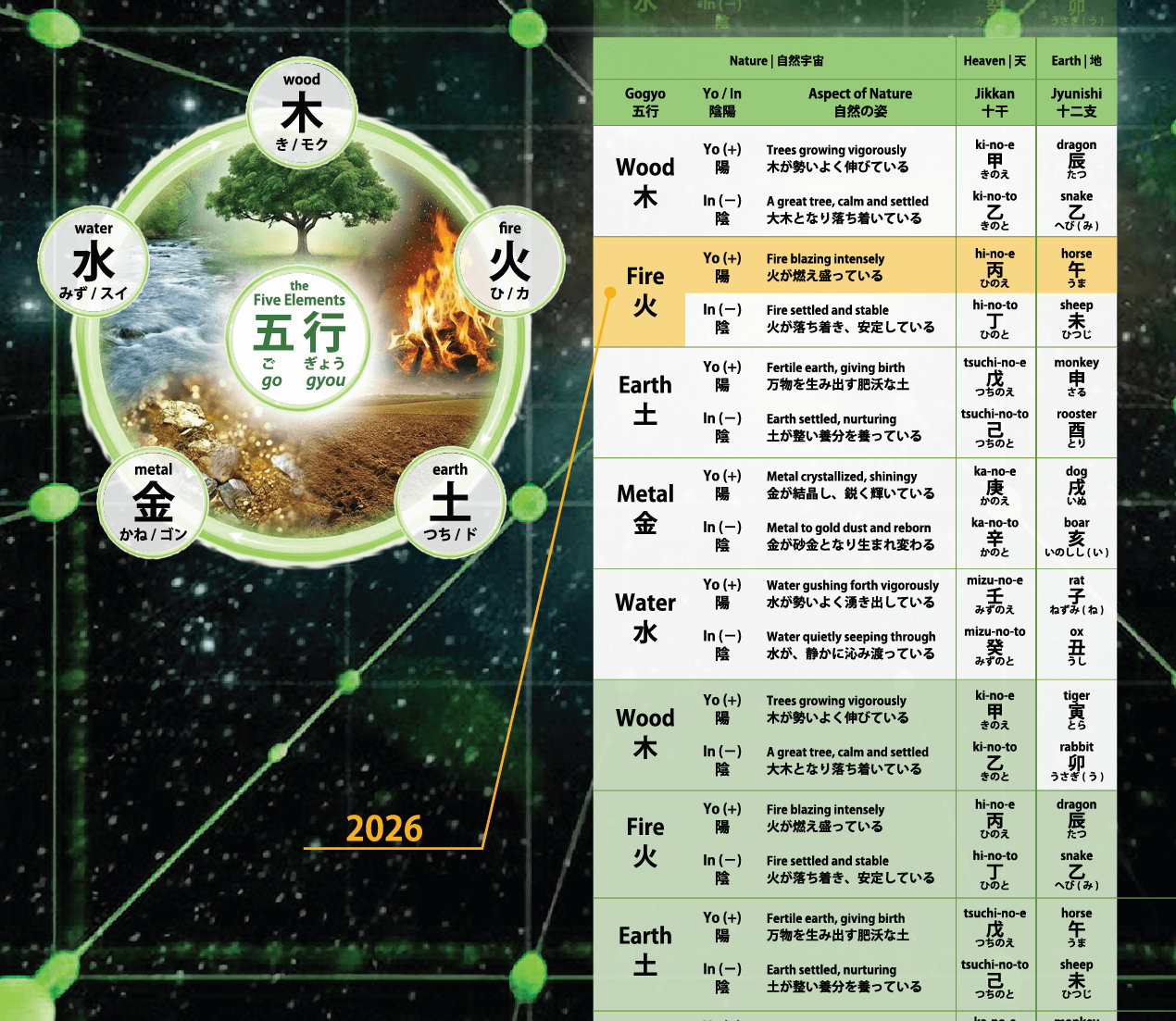
In the East, it is said that this universe revolves through the circulation of five elements.
東洋では、この宇宙は、五つの要素の循環で回っていると言います。
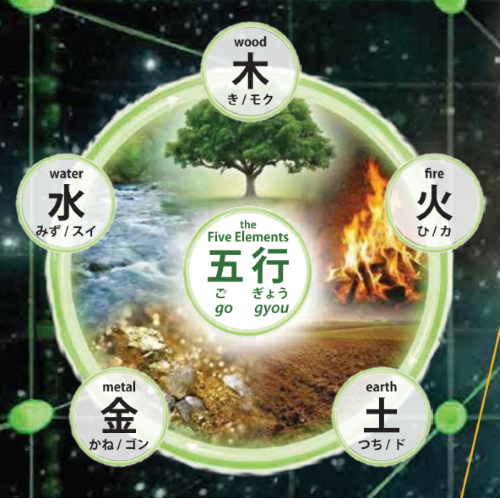
Wood, Fire, Earth, Metal, and Water. These five elements are called Gogyō.
木・火・土・金・水。これら五要素を「五行」と呼びます。
Wood burns Fire, Fire burns out and Earth remains. Within Earth, Metal (minerals) lies, and around the Metal, Water seeps. That Water nourishes Wood —
木が火を燃やし、火が燃え尽きて土が残る。土の中に金(鉱物)があり、金の周りに水が浸る。その水が木を育てる ——
Gogyō refers to “the circulation of the universe” in this way.
五行とは、このような「宇宙の循環」を指します。
Also, each of these five elements has a time of Yō (positive) and a time of In (negative), and together ten phases are born.
また、これら五つの要素には、それぞれ「陽」の時と「陰」の時があり、合計10の時が生まれます。
Ki (Wood) becomes “甲 (Kinoe, positive)” and “乙 (Kinoto, negative),” Hi (Fire) becomes “丙 (Hinoe, positive)” and “丁 (Hinoto, negative)” . . .
「木」は「甲」(陽) と「乙」(陰)に、火は「丙」(陽) と「丁」(陰)に・・・。
“Ki-no-e” and “Ki-no-to,” “Hi-no-e” and “Hi-no-to” — combine the endings of each pair and you get “e-to.” This is the origin of Eto.
「きの“え”」と「きの“と”」、「ひの“え”」と「ひの“と”」——それぞれの語尾を組み合わせると「えと」になります。これが「干支」の源流です。
These ten phases (Jikkan) represent various aspects of nature. On top of them, the twelve animals of the Jūnishi are layered.
これらの十の時(十干)は、自然の様々な姿を表しています。その上に、十二の動物(十二支)が重なります。
The universe (Gogyō), nature (Jikkan), and animals (Jūnishi) — layered together to divine the year. That is the Eastern way of thinking known as Jikkan Jūnishi.
宇宙の森羅万象(五行)に、自然(十干)、そして動物(十二支)を重ね合わせて、その年を占う。それが、東洋の十干十二支の考え方です。
The year 2026 is the Yō of Fire, Hi-no-e, the Year of the Horse. It is the year of Hinoe-Uma (丙午).
今年2026年は、火の陽、ひのえの午年。丙午の年です。
Become an Eto Savvy 干支通になる
WARM UP | Eto JapaNEEDS
Useful Words 役立つ言葉
- 干支 eto — Eastern zodiac
- 五行 gogyō — five elements
- 循環 junkkan — circulation
- 陽 yō — positive
- 陰 in — negative
- 十干 jikkan — Heavenly Stems
- 十二支 jūnishi — Earthly Branches
- 天 ten — heaven
- 地 chi — earth
- 余白 yohaku — gap
- 天中殺 tenchūsatsu — unlucky period
- 精神的な成長 seishinteki na seichō — spiritual growth
Ice Breaker Questions 会話のきっかけ
- Do you know your Eto (zodiac sign)?
あなたの干支を知っていますか? - What year were you born? What animal is that year?
あなたは何年生まれですか? その年の動物は何ですか? - Do you believe in fortune-telling or astrology?
あなたは占いや占星術を信じますか? - Have you heard of Tenchūsatsu or Daisakkai?
「天中殺」や「大殺界」を聞いたことがありますか? - Do you take time to rest and reflect in your life?
あなたは人生の中で、休息し、内省する時間を取りますか?
WORK UP | Eto Discussion
DISCUSSION ディスカッション
Michael: Did everyone understand Jikkan and Jūnishi?
マイケル: みなさん「十干」と「十二支」は理解できましたか?Emily: Yes. The twelve animals were familiar, but Jikkan was new to me.
エミリー: はい。動物の十二支は馴染みがありましたが、十干は今回初めて聞きました。Mayumi: Jūnishi, the animals, represents “earth.” Jikkan, nature, represents “heaven.”
まゆみ: 動物である十二支は「地」を、自然界の十干は「天」を意味すると言われているんですよ。Ming: So heaven and earth first met at Kō and Ne.
ミン: では、天と地が最初に出会ったのは、甲と子の時ということなんですね。Pierre: But why ten and twelve? Matching numbers seem more balanced.
ピエール: それにしても、なぜ10と12なんですか? 同じ数字にした方がバランスが良さそうなのに。Emily: With ten and twelve, there’s a gap of two at the end.
エミリー: 10と12だと、最後に2つの余白ができますね。Mayumi: That gap keeps the next cycle going. The gap makes it eternal.
まゆみ: その余白を埋めるために次の周が続いていく。余白があるから、永遠に回り続けるんです。Ming: Designed never to end.
ミン: 終わらないための設計なんですね。Mayumi: That gap is called Tenchūsatsu or Daisakkai.
まゆみ: そうなんです。そして、その余白の期間を「天中殺」や「大殺界」と呼んだりもします。Emily: Sounds scary…
エミリー: なんか怖そう…Mayumi: Don’t worry. It’s a time for spiritual growth, not new challenges.
まゆみ: 大丈夫ですよ。その時期は、新しいことへのチャレンジより、精神的な成長を意識する時期と言われています。Pierre: Life needs time to maintain mind and body too.
ピエール: 人生、心身をメンテナンスする時間も必要ですね。Mayumi: Exactly. This gap also appears as two months a year, and two hours a day.
まゆみ: その通りです。実は、この「余白」は、1年の中にも2ヶ月、さらには1日の中にも2時間あるんですよ。Ming: Study Eto, and we can live in sync with the universe.
ミン: 干支を学べば、宇宙に同期して生きれそうですね。WRAP UP | Eto Knowledge
NEW KNOWLEDGE 新しい知識
Kanreki (60th birthday) means completing one full cycle of Eto and returning to the year you were born.
還暦(60歳の誕生日)は、干支が一巡して生まれた年に戻ることを意味します。Kōshien Stadium was built in 1924, the year of Kōshi (甲子) — the first year of the 60-year cycle.
甲子園球場は1924年、甲子(きのえね)の年に建てられました。甲子は60年周期の最初の年です。Due to the superstition that “women born in Hinoe-Uma years are strong-willed and shorten their husband’s life,” births in 1966 dropped 25%.
「丙午(ひのえうま)年の生まれの女性は気性が激しく、夫の命を縮める」という迷信の影響で、1966年は出生数が前年比25%減少しました。According to a 2026 government estimate, people born in the Year of the Horse remain the smallest group among all twelve zodiac signs—940,000 fewer than any other.
2026年の政府の人口推計によると、午年生まれは十二支の中で最も少なく、他のどの干支よりも94万人少ないままです。Some historical events are named after their Eto year: the Jinshin War (672), Boshin War (1868), and Xinhai Revolution (1911).
壬申の乱(672年)、戊辰戦争(1868年)、辛亥革命(1911年)など、その年の干支がそのまま名前になった歴史的事変もあります。In old Japan, time was also told using the twelve animals. “Ushi no koku” (the Hour of the Ox) meant around 1–3 a.m. The word “Shōgo” (noon) comes from “Uma no koku” (the Hour of the Horse).
昔の日本では、時刻も十二支で表していました。「丑の刻(うしのこく)」は午前1時〜3時頃。「正午」という言葉も「午の刻」から来ています。In Japan, having three family members born in the Year of the Tiger is considered lucky.
日本では、家族に寅年生まれが3人いると縁起が良いとされています。If Snake, Tiger, and Monkey are in one household, it is considered bad luck. The pun “mi-tora-saru” sounds like “mitorazaru” (看取らざる = “unable to be at someone’s deathbed”).
巳年・寅年・申年が一つの家庭に揃うと縁起が悪いとされています。「み・とら・さる」=「看取らざる(死に目に会えない)」という語呂合わせです。
This article is from the March 2026 issue of Hiragana Times.
この記事は、月刊誌『ひらがなタイムズ』2026年3月号より掲載しています。Want to discuss this topic at HT Talk Lounge with a native Japanese coach?
-
[Japan savvy – February 2026 Issue]
National Foundation Day — A Day to Reflect on Japan’s Beginnings
建国記念の日――日本の「はじまり」を考える日
February 11th, which is ‘National Foundation Day’, is the day when it is said that the first Emperor, Emperor Jimmu, ascended the throne.
「建国記念の日」である2月11日は、初代天皇・神武天皇が即位したと伝えられる日です。
That year is considered to be 660 BC, and His Majesty the current Emperor corresponds to the 126th generation counting from there.
その年は紀元前660年とされ、現在の天皇陛下は、そこから数えて126代目にあたります。
It was in the Meiji era, when relationships with Western powers began to deepen, that this day was first established.
この日が最初に定められたのは、「西洋列強」との関係が深まりはじめた明治時代でした。
Japan named this day ‘Kigensetsu’ in order to show its own origin to the international community.
日本は国際社会に向けて、自らの起源を示すため、この日を「紀元節」と名づけました。
After World War II, Kigensetsu was abolished once under the occupation policy, but after that, receiving the voices of the people, it revived changing its name to ‘National Foundation day.
第二次世界大戦後、占領政策のもとで紀元節はいったん廃止されますが、その後、国民の声を受けて「建国記念の日」と名を変えて復活します。
In Japanese mythology, there is a story called ‘Kuniyuzuri’ (Transfer of the Land), which is said to have ceded the country to the lineage of Emperor Jimmu.
日本の神話には、神武天皇の系譜に国を譲ったとされる「国譲り」という物語があります。
In it, it is told that a ‘country’ existed in this Japan even before ‘Kigensetsu’.
そこには、「紀元節」以前にも、この日本に「国」が存在していたことが語られています。
National Foundation Day is a day to turn one’s thoughts to Japan’s endlessly long history.
建国記念の日は、日本の果てしなく長い歴史に想いを馳せる日です。
Become a Kenkoku Savvy 建国通になる
WARM UP | Kenkoku JapaNEEDS
Useful Words 役立つ言葉
- 建国記念の日(けんこくきねんのひ) – National Foundation Day
- 即位(そくい) – enthronement; accession to the throne
- 神武天皇(じんむてんのう) – Emperor Jimmu
- 紀元前(きげんぜん) – BCE (Before the Common Era)
- 紀元節(きげんせつ) – National Foundation Day
- 起源(きげん) – origin
- 国際社会(こくさいしゃかい) – international community
- 神話(しんわ) – mythology
- 国譲り(くにゆずり) – transfer of the land (myth)
- 系譜(けいふ) – lineage
- 歴史(れきし) – history
- 想いを馳せる(おもいをはせる) – to reflect on; to think back
Ice Breaker Questions 会話のきっかけ
1.Does your country have a day that commemorates its founding?
あなたの国には、「建国」を記念する日がありますか?
2.What kind of event is that day based on?
その日は、どんな出来事をもとに定められていますか?
3.Do you think a nation’s beginning can be clearly defined?
「国のはじまり」は、はっきり決められるものだと思いますか?
4.Do you see mythology as history, or as a story?
神話は、歴史だと思いますか?それとも物語だと思いますか?
5.What kind of day makes you feel a sense of “beginning”?
あなたにとって、「はじまり」を感じる日はどんな日ですか?
WORK UP | Kenkoku Discussion
DISCUSSION ディスカッション
Michael: America’s Independence Day is July 4th, marking 1776, when the Declaration of Independence was issued.
マイケル:アメリカの建国記念日は、1776年に独立宣言が出された7月4日です。
Mayumi: That was the day George Washington and others declared independence from Britain, right?
まゆみ:ジョージ・ワシントンたちがイギリスからの独立を宣言した日ですね。
Emily: The UK doesn’t actually have a “National Foundation Day.”
That’s because our monarchy and political system evolved gradually over time.エミリー:イギリスには、実は「建国記念日」はありません。王朝や国の形が、少しずつ変わってきたからです。
Ming:In China, we celebrate National Day on October 1st, marking 1949, when Mao Zedong proclaimed the founding of the People’s Republic of China.
ミン:中国では、1949年10月1日に毛沢東が中華人民共和国の成立を宣言した日を、「国慶節」として祝います。
Pierre: In France, we celebrate July 14th to commemorate the French Revolution of 1789. Our nation begins not with a dynasty, but with the revolution itself.
ピエール:フランスでは、1789年のフランス革命を記念する7月14日を祝います。王朝のはじまりではなく、「革命」そのものが国の出発点なんです。
Mayumi: Looking at it this way, many countries define their beginnings through clear historical events. In Japan, however, the founding of the nation is told alongside mythology.
まゆみ:こうして見ると、多くの国は、はっきりした「歴史的な出来事」を建国の始まりにしているんですね。日本の場合、建国は神話と重ねて語られます。
Emily: That’s the story in which the land of Izumo was said to have been handed over to the lineage of Emperor Jimmu, a descendant of the sun deity, right?
エミリー:出雲の国が、太陽の神の子孫である神武天皇の系譜に、国を譲ったという物語ですね。
Ming: The birth of the nation itself sounds almost like a Studio Ghibli film.
ミン:国の誕生そのものが、まるでジブリアニメみたいですね。
Pierre: Anime, or should I say, animism. That’s what you’d expect from a country rooted in nature worship.
ピエール:アニメならぬ、アニミズム。自然崇拝の国ならではですね。
WORK UP | Kenkoku Discussion
DISCUSSION ディスカッション
In Japan, people are given a posthumous name (okurina) based on how they lived and what they achieved after their death.
日本では、死後その人の生き方や功績などをもとに、諡(おくりな)が与えられます。
The name Emperor Jimmu is also a posthumous title; his name during his lifetime was Iwarebiko (Kamuyamato Iwarebiko).
神武天皇という名も諡であり、生前の名はイワレビコ(神日本磐余彦〈かむやまと・いわれびこ〉)でした。
It is said that before the establishment marked by Kigensetsu, there existed what is often referred to as the Izumo dynasty.
紀元節以前には、「出雲王朝」が存在したと伝えられています。
The Japanese archipelago is crossed by mountain ranges that run like a backbone through the land; the Sea of Japan side is called San’in, while the Pacific side is known as San’yō.
日本列島には山脈が背骨のように連なり、日本海側は山陰、太平洋側は山陽と呼ばれています。
In Japan, Hyuga City in Kyushu is written as “where the sun turns,” Hitachi City in eastern Japan as “where the sun stands,” and Izumo City in the San’in region as “where clouds appear.”
日本には、日が向かうと書く「日向市」が九州に、日が立つと書く「日立市」が東日本に、そして雲が出る「出雲市」が山陰にあります。
“Izumo,” now located in Shimane Prefecture, is thought in ancient times to have extended its influence from the Sea of Japan coast, across the mountains, and into the Nara Basin, a key geographical crossroads.
現在、島根県に位置する「出雲」は、古代においては、日本海側から山々を越えた、地形の切れ目である奈良盆地にまで、その影響を及ぼしていたと考えられています。
Iwarebiko (Emperor Jimmu) is said to have been born in the area around Hyuga in Kyushu.
イワレビコ(神武天皇)は、九州の日向のあたりで生まれたと伝えられています。
In the story of his eastern expedition toward Nara, there appears a figure named Nigihayahi, who is described as having ruled the Kinai region before Jimmu.
イワレビコが奈良へと向かう東征の物語には、ニギハヤヒ(饒速日)と呼ばれる、神武天皇以前に畿内を統治していたとされる存在が語られています。
Some scholars view Nigihayahi as a ruler who preceded Emperor Jimmu—sometimes described as a kind of “zero-generation emperor.”
このニギハヤヒ(饒速日)を、神武天皇以前の支配者、いわば「ゼロ代天皇」のような存在として捉える研究者もいます。
This article is from the February 2026 issue of Hiragana Times.
この記事は、月刊誌『ひらがなタイムズ』2026年2月号より掲載しています。
-
[Japan Savvy – January 2026 Issue]
Shogatsu—Osechi Cuisine Celebrating the “Fushi” (Nodes) of the Sun and Moon
正月――太陽と月の節(ふし)を祝うお節料理‘Osechi ryori’ is indispensable for the Japanese New Year.
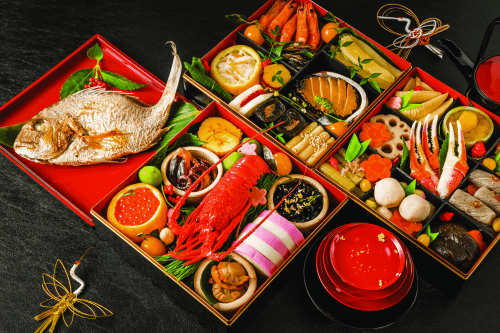
日本のお正月に欠かせない「おせち料理」。
It is a special cuisine that celebrates the new year, with various dishes beautifully packed in ‘jubako’ (tiered boxes).
いろいろな料理を重箱に美しく詰めた、新しい年を祝う特別な料理です。
In kanji, it is written as “御節料理” (Osechi Ryori).
漢字では「御節料理」と書きます。
This ‘sechi’ (node/season) is read as ‘fushi’ in Yamato Kotoba (native Japanese words).
この「節(せち)」は、大和言葉では「ふし」と読みます。
‘Fushi’ is a switching point of things, and it means a regeneration point where new life is born again.
ふしとは、ものごとの切り替わりであり、新たな生命が生まれ直す再生点を意味します。
The sun weakens the most in the year, and the turning point where it begins to regain its power again from there is the ‘Winter Solstice’.
太陽が一年で最も弱まり、そこから再び力を取り戻し始める転換点──「冬至」。
That is the moment when ‘Yin’ reaches its extreme and ‘Yang’ is born.
それは、陰が極まり、陽が生まれる瞬間です。And, the new moon that comes around before long. It is the time when the moon returns to darkness, and begins to harbor light from there.
そして、やがて巡ってくる新月。闇に戻った月が再び光を宿し始める時です。
At the Winter Solstice, the sun is born anew, and with the new moon that follows, the moon is born anew as well—
冬至で太陽が生まれ直し、続いて訪れる新月で月が生まれ直す──
Ancient people living under the lunar calendar celebrated this great “Fushi” (node) of the universe—where these two rebirths overlap—as ‘Shogatsu’ and ‘Gantan’.
太陰暦に生きていた古代の人々は、この二つの再生が重なる宇宙の大きな節(ふし)を「正月」「元旦」として寿ぎました(ことほぎました)。
And the cuisine that celebrates that “Fushi” is Osechi Ryori.
そしてその節を祝う料理が、お節料理なのです。
Become a Osechi Savvy おせち通になる
WARM UP | Osechi JapaNEEDS
Useful Words 役立つ言葉
正月(しょうがつ) – New Year御節料理(おせちりょうり) – New Year’s dishes
節(ふし) – joint; node; turning point
再生(さいせい) – renewal; rebirth
冬至(とうじ) – winter solstice
新月(しんげつ) – new moon
太陰暦(たいいんれき) – lunar calendar
重箱(じゅうばこ) – tiered food box
祝う(いわう) – to celebrate
寿ぐ(ことほぐ) – to offer congratulations
意味(いみ) – meaning
願う(ねがう) – to wish; to hope
生命(いのち) – life
Ice Breaker Questions 会話のきっかけ
1. Which osechi dish would you most like to try?
おせち料理の中で、一番食べてみたいものは何ですか?2. What New Year’s traditions or customs do people follow in your country?
あなたの国では、お正月にどんな行事や習慣がありますか?3. Within the year, what day is considered the most important in your country?
一年の中で、あなたの国ではいちばん大切にしている日はいつですか?4. How would you like to spend this New Year’s holiday?
今年のお正月は、どんなふうに過ごしたいですか?5. What is the wish you most hope to come true this year?
今年、あなたが一番かなえたい願いは何ですか?WORK UP | Osechi Discussion
DISCUSSION ディスカッション
Ali: What’s your favorite dish in osechi ryōri?
アリ: おせち料理では、みなさん何が好きですか。
Bob: I like black soybeans!
ボブ: 黒豆が好き!
Mayumi: They represent the wish to “work diligently” and “stay healthy,” because mame also means “hard-working.”
まゆみ: 黒豆には「まめに働く」という願いが込められています。
Vanessa: I love the luxurious sea bream! It literally means “good fortune,” right?
ヴァネッサ: 私は豪華な鯛!これは「めでたい」という意味ですよね?
Bob: Wait—does every osechi dish have some kind of meaning like that?
ボブ: もしかして、おせちって全部そんなふうに意味があるんですか?
Mayumi: Exactly! Each dish has a special wish behind it—not only in the wordplay, but also in the food itself. For example, kazunoko is full of symbolism for future generations. And kurikinton is golden, so it represents wealth and good fortune.
まゆみ: その通りです!おせちはそれぞれ、言葉遊びだけでなく、食材そのものにも意味が込められています。たとえば数の子は子孫繁栄、栗きんとんは黄金色から財運をもたらします。
Ali: I see. Even the shape and color of the ingredients have meanings.
アリ: なるほど。食材の形や色、意味があるんですね。
Mayumi: That’s right. In Japan, people traditionally believed the sound of words, as well as colors, shapes, and numbers, all carry a kind of spiritual power.
まゆみ: そうなんです。日本では、言葉の響きや色、形、数字などにも、それぞれ力が宿ると考えられてきました。
Bob: All right! My New Year’s resolution is to “chew well.” I want to savor the meaning of each dish and live this year mindfully.
ボブ: よし!今年の新年の抱負はよく噛むことにします。一つ一つのおせちの意味を味わいながら、一年を大切に過ごす!WRAP UP | Osechi Knowledge
NEW KNOWLEDGE 新しい知識
Osechi is prepared at the end of the year. This is because using a knife during the New Year period is believed to “cut off” good relationships or good fortune.
おせちは年末に準備します。これは、お正月に包丁を使うと「縁を切る」と考えられてきたためです。It is also said that people should avoid using fire during the first three days of the year, so as not to anger Kōjin, the deity of fire.
また、三が日は火を使わない方が良いとされ、火の神である荒神様を怒らせないためだと伝えられています。For these reasons, many osechi dishes are seasoned strongly so that they will keep for several days.
そのため、おせち料理は日持ちするように、味付けが濃いものが多くなります。The stacked lacquered boxes (jūbako) symbolize the wish for “layers of good fortune.”
重箱には、「福が重なりますように」という願いが込められています。Shrimp represents longevity, with the hope that one will live long enough for one’s back to bend like a shrimp.
えびは、「腰が曲がるまで長生きできますように」という長寿の象徴です。Datemaki resembles a scroll, so it is eaten with wishes for academic success and increased knowledge.
伊達巻は巻物に似ていることから、学問成就や知識向上を願う料理です。Kobumaki (kelp rolls) is associated with the word yorokobu (“to be happy”), and it also symbolizes long life as “yōro-kombu,” meaning longevity kelp.
昆布巻は、「喜ぶ」にかけて縁起を担うほか、「養老昆布」として長寿を願う意味もあります。Kama-boko is considered auspicious because its shape resembles the rising sun on New Year’s Day.
かまぼこは初日の出を思わせる形で、縁起の良い食べ物とされています。
This article is from the January 2026 issue of Hiragana Times.
この記事は、月刊誌『ひらがなタイムズ』2026年1月号より掲載しています。
-
[Japan Savvy – December 2025 Issue]
Year-End Cleaning —Purifying for the New Year
大掃除 ― 清めて迎える新しい年
December is the month that concludes the year.
12月は、1年の締めくくりの月です。
In Japan, it is also a month for expressing gratitude for having passed the year safely, and for making preparations to greet the new year pleasantly.
日本では、1年間を無事に過ごせたことへの感謝と、気持ちよく新しい年を迎えるための準備をする月でもあります。
A representative custom of this is the ‘Ōsōji’ (big cleaning).
その代表的な習慣が「大掃除」です。
Unlike regular cleaning, people polish every nook and cranny of the house until it sparkles.
普段の掃除とは違い、家の隅々までピカピカに磨き上げます。
This custom was already practiced among the common people in the Edo period, but at that time it was called ‘Susu-harai’ (soot sweeping).
この習慣は、江戸時代にはすでに庶民の間で行われていましたが、当時は「煤払い(すすはらい)」と呼ばれていました。
Susu-harai was held on December 13th and was a sacred event for welcoming the ‘Toshigami-sama’ (New Year’s deity).
煤払いは12月13日に行われ、「年神様」を迎えるための神聖な行事でした。
The word ‘harau’ is written both as ‘払う’ (to sweep/pay) and ‘祓う’ (to exorcise/purify).
「はらう」という言葉は、「払う」とも「祓う」とも書きます。
The former expresses the action of sweeping away physical things, while the latter expresses the act of purifying misfortune and defilement.
前者は物を払う動作を、後者は厄や穢れを祓う行為を表します。
In other words, it contains the wish to cleanse not only the dirt of the year but also the misfortune of the heart.
つまり、1年の汚れとともに、心の厄をも清めるという願いが込められているのです。
Cleaning is an act that purifies not only the space but also the heart.
掃除とは、空間だけでなく心をも清める行いなのです。
Perhaps it is a daily ‘sacred ritual’ that is passed down even today.
今も受け継がれる、日々の「神事」なのかもしれません。
”Warm Up ウォームアップ”O-Souji JapaNEEDS
Useful words
- 締めくくり(しめくくり)― conclusion, end
- 無事(ぶじ)― safely, without trouble
- 気持ちいい(きもちいい)― feel good, pleasant
- 準備(じゅんび)― preparation
- 習慣(しゅうかん)― habit, custom
- 大掃除(おおそうじ)― year-end cleaning
- ピカピカ(ぴかぴか)― shiny, sparkling clean
- 煤(すす)― soot
- 神聖(しんせい)― sacred, holy
- 祓う(はらう)― to purify, exorcise
- 清める(きよめる)― to cleanse, purify
- 空間(くうかん)― space
- 心(こころ)― heart, mind
Ice Breaker Questions
Do people in your country do a year-end cleaning?
あなたの国では、大掃除をしますか?How often do you usually clean your home?
ふだん、どのくらいの頻度で掃除をしますか?How do you feel after cleaning?
掃除のあとは、どんな気持ちになりますか?Is there anything you want to do before welcoming the New Year?
新しい年を迎える前に、やっておきたいことはありますか?What do you do when you want to calm or refresh your mind?
気持ちを整えたいとき、どんなことをしますか?”Work Up ワークアップ”O-Souji Discussion
Louise: Streets in Japan are so clean! You hardly ever see any trash lying around.
ルイーズ: 日本って、道にゴミがほとんど落ちていませんよね。Jose: Yes, even after the World Cup, Japanese supporters were cleaning up the stands!
ホセ: サッカーのワールドカップのあとも、日本人のサポーターがスタンドを掃除していましたね!Anisa: Do Japanese people actually enjoy cleaning? It looked like a fun event!
アニサ: 日本人は、そうじが楽しいんですか?まるでイベントみたいでしたよ!Yumi: That’s true, but rather than “fun,” it’s more like a habit we learn from childhood.
ゆみ: そうですね。でも“楽しい”というより、子どものころからの習慣なんですよ。Louise: I heard that in Japanese elementary schools, students clean their classrooms every day.
ルイーズ: たとえば、日本の小学校では、みんなで毎日掃除をするんですよね?Bob: Really? In my country, there are janitors, and students don’t clean at all.
ボブ: 本当ですか?私の国では清掃員がいて、生徒は掃除をしません。Jose: In Japan, we have the idea that you should clean up after yourself. It’s something you naturally learn as a child.
ホセ: 日本では「使った場所は自分で片づける」という考えがあって、子どものころから自然に身につくんです。Anisa: Oh, that’s like the saying “Tatsu tori ato o nigosazu”—“Leave no trace behind.”
アニサ: 「立つ鳥跡を濁さず」ですね。Yumi: And even more, the spirit of leaving a place cleaner than when you arrived is what keeps a city beautiful.
ゆみ: さらには、来たときよりもきれいにして立ち去るくらいの心が、街を美しく保ちます。”Wrap Up ラップアップ”O-Souji Knowledge
December 13 — The Perfect Day for “Susuharai” (Year-End Cleaning)
12月13日――煤払いに最もふさわしい日
During the Edo period (1603–1868), susuharai (soot cleaning) was held at Edo Castle on December 13. Common people followed this custom and began cleaning their homes on the same day.
江戸時代(1603〜1868年)には、12月13日に江戸城で煤払いが行われ、庶民もこの日に合わせて家の掃除をするようになりました。December 13 was often a Kishuku-nichi (Day of the Resting Spirits), considered one of the most auspicious days in the traditional lunar calendar. It fell about twenty days before the New Year—an ideal time to begin preparations to welcome Toshigami-sama (the New Year deity).
旧暦では、12月13日は「鬼宿日(きしゅくにち)」にあたることが多く、特に縁起の良い日とされていました。旧暦の正月までおよそ20日前という時期で、年神様を迎える準備を始めるのにちょうどよいタイミングでもありました。On this day, people believed that evil spirits stayed quietly inside the house. For that very reason, they cleaned thoroughly—to drive away hidden impurities and purify their homes before the New Year.
この日は、鬼(邪気)が家の中に潜んでいると考えられました。だからこそ、家中を徹底的に掃除して厄を祓い清め、新しい年を迎える準備をしたのです。However, weddings were avoided on this day. Since the home was thought to be filled with spirits being purified, it was considered inauspicious to start a new household.
ただし、この日は婚礼を避ける習わしがありました。家の中にはまだ鬼(穢れ)が残っているとされ、新しい家庭を築くにはふさわしくないと考えられたためです。After cleaning, people in the Edo period would celebrate with great excitement, tossing one another into the air and drinking sake together—sharing joy in welcoming the purified new year.
掃除を終えた人々は、胴上げをしたり、酒を酌み交わしたりして大いに盛り上がりました。清めを終え、新しい年を迎える喜びを分かち合っていたのでしょう。Through such beliefs, December 13 became established as the sacred day to begin susuharai—the great year-end cleaning that purifies both home and heart before welcoming the New Year.
こうした信仰のもとで、12月13日は家と心を清める「煤払い」、つまり大掃除を始める神聖な日として定着していきました。
This article is from the December 2025 issue of Hiragana Times.
この記事は、月刊誌『ひらがなタイムズ』2025年12月号より掲載しています。






 ”Warm Up ウォームアップ”
 ”Work Up ワークアップ”
 ”Wrap Up ラップアップ”
