






Japan’s Summer Staple “Muhi” Turns 100!
日本の夏の定番「ムヒ」が100歳に!When the Voices of Insects Become Music
虫の声が音楽になるとき
Voices of Insects — An Orchestra from the Universe
虫の声 ―― 宇宙から届くオーケストラ
Japan Style – Hiragana Times October 2026 issue
Listen to the Audio:
Voices of Insects — An Orchestra from the Universe
虫の声 ―― 宇宙から届くオーケストラ
Fragments of stars | 星のカケラ
When the universe was born, there drifted tiny particles, invisible to the eye. Little by little, these particles drew toward one another, pulling tightly together, and in time became stars. Over long years, each star came to hold, within itself, a variety of substances.
宇宙が誕生した頃、そこには、目には見えない小さな粒たちが、漂っていました。その粒どうしが少しずつ引き寄せ合い、ぎゅっと集まって、やがて星になりました。その星は、長い年月をかけて、自らの内側に、さまざまな物質を宿していきます。
And at the end of its life, each star set off a great explosion, releasing those substances across the universe as it scattered and died. Then, once again, the star’s fragments gathered, and new stars and planets were born. Earth was one of them. And the carbon, oxygen, iron, and other elements inherited from the stars became the bodies of us, living creatures. In other words, all of us now on Earth are, every one of us, “fragments of stars.”
そして最後は大きな爆発を起こし、その物質を宇宙全体へと解き放ちながら散らばり、その生涯を終えます。今度は、その星のカケラが再び集まり、新しい星や惑星が生まれました。地球もその一つです。そして星から受け継いだ炭素や酸素、鉄などは、私たち生物の体となりました。つまり、いま地球にいる私たちは、みな「星のカケラ」です。
Those fragments of stars took on many forms — insects, birds, beasts, trees, stones — and humans, too. But it was insects into which the fragments of stars transformed in by far the greatest numbers. There are, at present, some one million known species of insects. Looking at animal life on Earth by number of species, roughly eight out of ten are insects. For every single human being, the math works out to more than one billion insects.
そんな星のカケラたちは、虫にも、鳥にも、獣にも、木にも、石にも——そして人間にも、姿を変えていきました。けれど、星のカケラが、もっとも多くの数へと姿を変えたのは、実は昆虫でした。昆虫は、現在、確認されているだけで約100万種類。地球上の動物を種の数で見れば、およそ8割が昆虫です。人間一人に対して、10億匹以上の昆虫がいる計算になります。

In Japanese (the indigenous Yamato language), these insects are called “mushi.” The kanji character applied to this “mushi” became “虫.” The Japanese sound “mu,” seen through the sensibility of an older linguistic layer, evokes something turned inward, not yet taken shape. For example, musu “生す・産す” means to bring forth or give birth, musubu “結ぶ” means to bind or connect, and the Shinto term musuhi “産霊” also conveys a force that gives birth to life and brings it into being. If musu is the force that gives birth to life, then mushi can be seen as that force having taken the form of a small life, appearing here on the earth.
この昆虫を日本語(大和言葉)では「むし」と呼びます。この「むし」に当てた漢字が「虫」となります。日本語の「む」は、古層の感覚で見ると、形になる以前の、内側にこもったものを連想させる音です。例えば、むす(生す・産す)、むすぶ(結ぶ)、神道の「産霊」も、生命を生み、生成させる力という意味をもちます。「むす」が生命を生み出す力だとすれば、「むし」とは、その力が小さな生命となって地上に姿を現したもの——そんなふうに見ることができます。

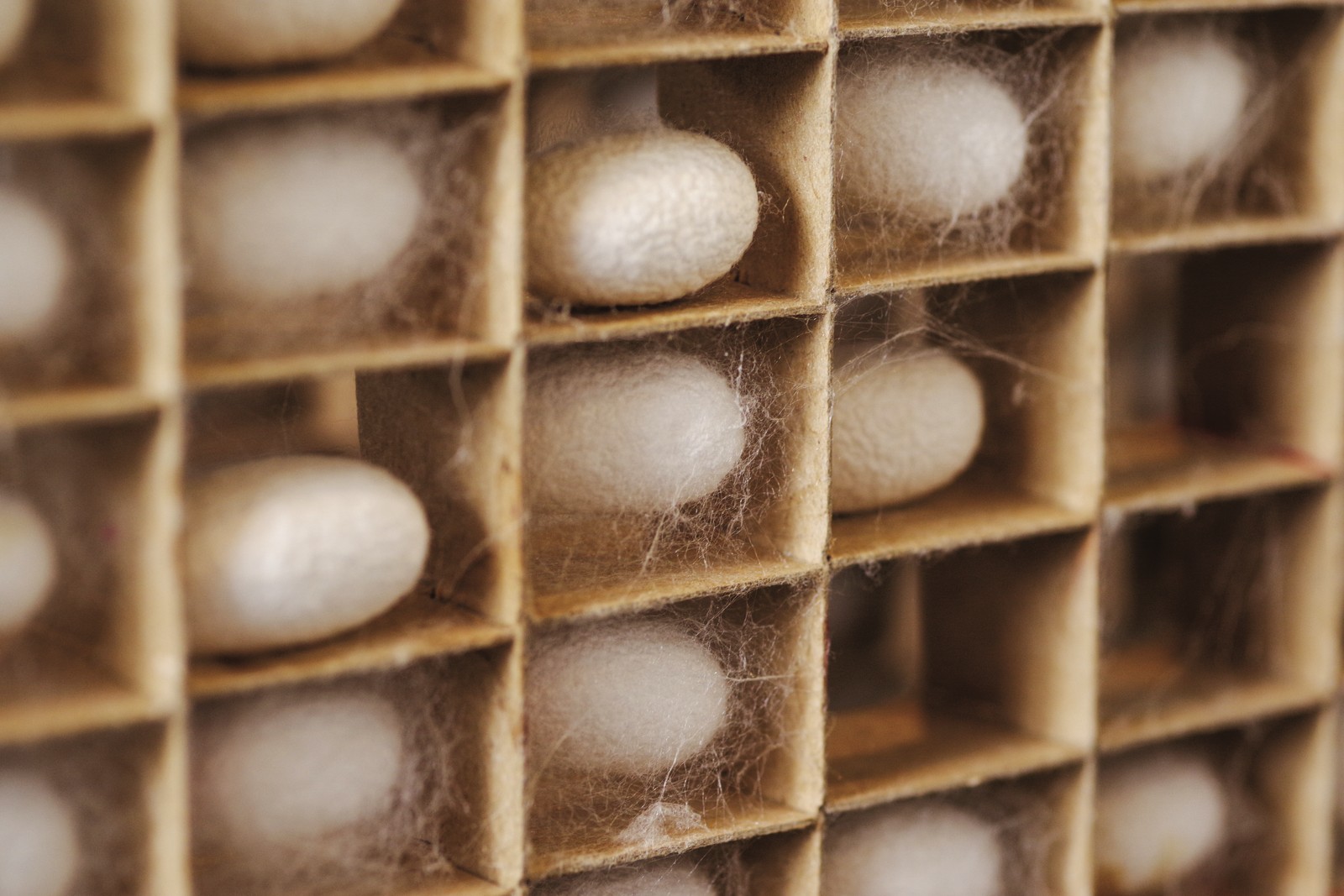
In fact, the Nihon Shoki records that from the body of a deity named Wakumusuhi, silkworms, mulberry trees, and the five grains were born. In other words, this is a myth in which mushi — silkworms, actual insects — emerge from the generative force of musuhi. The silkworm is a being that produces silk. The mulberry is the source of life that nurtures the silkworm. Even today, a sericulture facility exists within the Imperial Palace, and sericulture continues there. The silkworm’s life becomes thread, and thread becomes cloth. Cloth (衣) is not merely a man-made object. From the ancient sensibility, it is the silkworm’s life, having changed its form, worn directly upon the human body — life itself. And that cloth was offered up to the gods.
実際に『日本書紀』では、稚産霊という神の身体から、蚕と桑、そして五穀が生まれたとされています。つまり、「産霊」という生成の力から、実際に虫である蚕が現れる神話です。蚕は、絹を生み出す存在です。桑はその蚕を育てる生命源です。現在も、皇居内には養蚕所が存在し養蚕を続けられています。蚕の生命が、糸となり、衣となっていく。「衣」は、単なる人工物ではありません。古代の感覚からすれば、虫の命が、かたちを変えながら、そのまま人の身にまとわれたもの——いわば、命そのものです。そして、その衣を神に奉ります。

The Imperial Cocoonery, Imperial Palace Photo: Imperial Household Agency
出典・転載:「皇后陛下の御養蚕」(宮内庁ホームページより)
The voice of insects | 虫の声
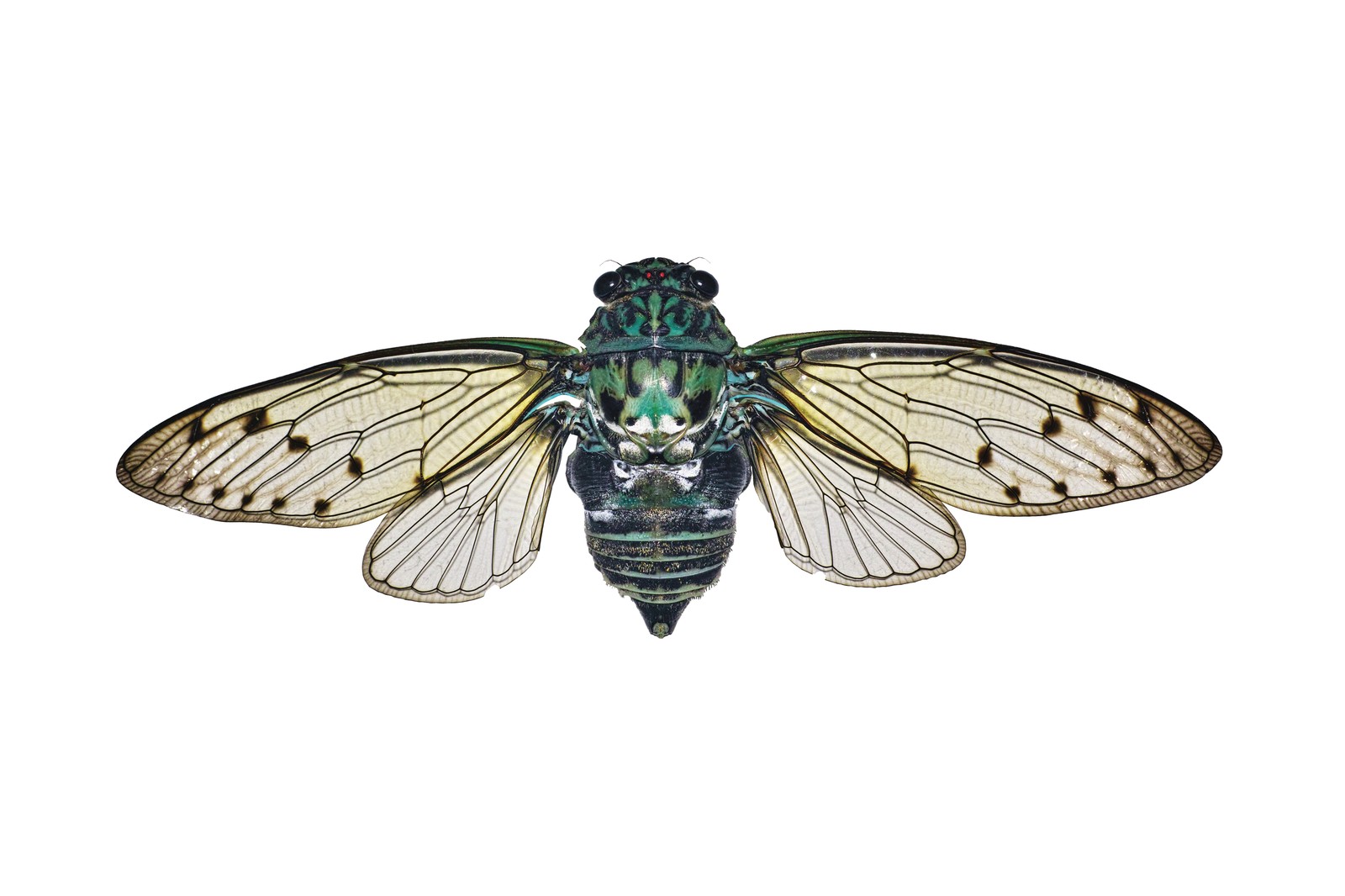
Japan holds this deep relationship with “mushi,” and from summer into autumn, that “dialogue” continues. Summer arrives together with the voice of cicadas. Min-min, min-min — their calls fill the streets and forests alike. Then, as the heat softens and the scent of autumn draws near, the voices change, almost without notice. Rin-rin. Chin-chiro-rin. This is the orchestra of the autumn insects — the bell cricket, the cricket, the pine cricket.
そんな「むし」と深い関係のある日本ですが、夏から秋にかけてその「対話」が続きます。夏は、セミの声とともにあります。ミーンミーンと街にも森にもセミの声があふれています。そして、暑さがやわらぎ秋の気配が近づくと、いつの間にか声の主が変わります。リーンリーン。チンチロリン。鈴虫やコオロギ、松虫など、秋の虫たちのオーケストラです。

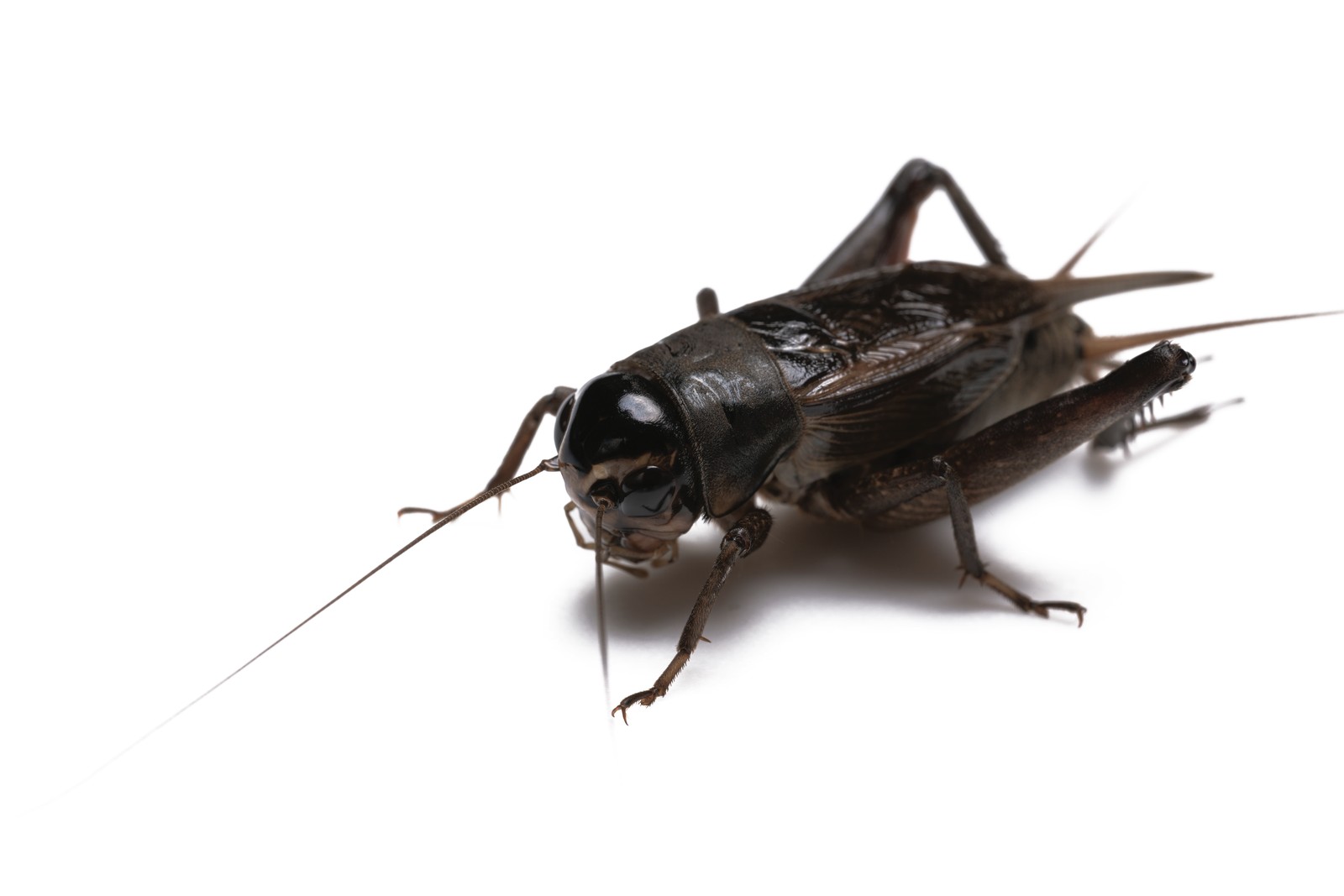
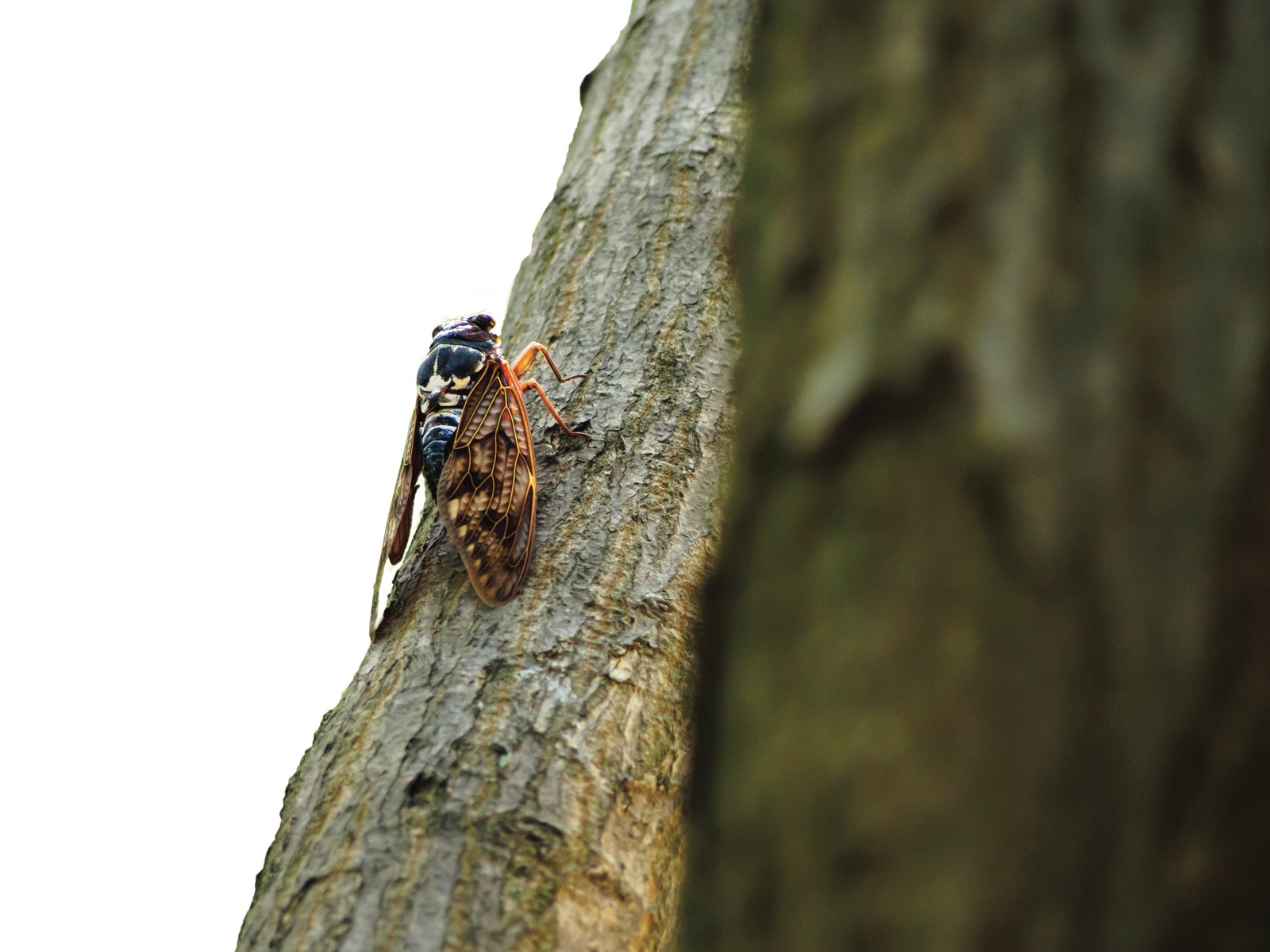
In Japanese, the sounds these insects make are called “mushi no koe” — the voice of insects. Japanese speakers are thought to perceive the calls of insects and animals not as mere sound, but as language. Vowels have long been regarded as sounds bound up with feeling and emotion itself. It has been suggested that using this vowel-dominant Japanese language over long stretches of time may bring about changes in the very functioning of the brain.
こうした虫が奏でる音を日本語では「虫の声」といいます。日本語話者は虫や動物の鳴き声を単なる音ではなく、言語として認識していると考えられています。母音は、情念や感情そのものと結びつく音とされてきました。こうした母音優位の日本語を長期にわたり使用していることが、脳の機能そのものに変化をもたらしているのではないか——そんな仮説が示唆されています。
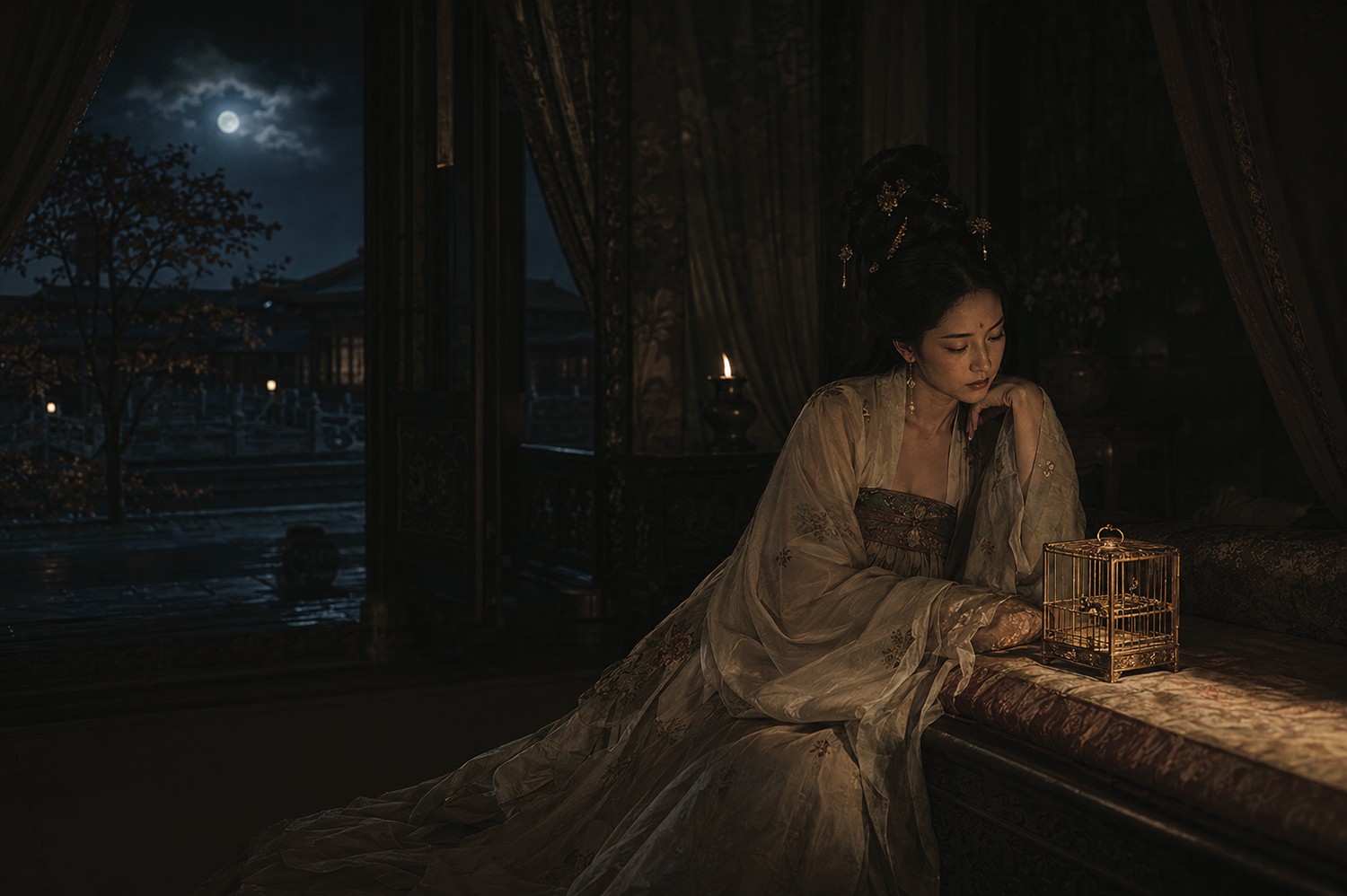
But it is not only the Japanese who have listened closely to the voices of insects. In old cultures around the world, memories of living alongside the voice of insects remain, even now. In China, too, people have long kept singing crickets in cages, listening closely to their calls. In the Tang dynasty, it is said that women of the court would place crickets in golden cages beside their beds, listening to their song through the night.
けれど、虫の声に耳を澄ませてきたのは、日本人だけではありません。世界の古い文化にも、虫の声とともに生きてきた記憶が、今も残っています。中国でも、古くからコオロギなどの鳴く虫を籠に入れ、その声に耳を傾けてきました。唐の時代には、宮廷の女性たちがコオロギを金の籠に入れて寝床のそばに置き、夜どおしその声を聴いたと伝えられています。
The Māori people, indigenous to New Zealand, also called the cicada “kihikihi,” and found meaning in its voice. Among words recorded in the 19th century, expressions remain that treat the cicada’s call as “language,” as “voice.” The cicada appears in myth as well, and even gave rise to a dance inspired by its call.
ニュージーランドの先住民マオリの人々も、セミを「キヒキヒ」と呼び、その声に意味を見出してきました。19世紀に記録された言葉の中には、セミの鳴き声を「言葉」や「声」として捉える表現が残っています。セミは神話にも登場し、その鳴き声にちなんだ踊りまで生まれました。
In Africa, a proverb has been passed down: “A cricket fits in the palm of your hand, yet its song fills the whole field.” A voice released from such a small body spreads out into a world far beyond its own presence. And there, too, lives a human sensibility that perceives, within the voice of a small life, a vast universe.
アフリカには、こんなことわざが伝わっています。「コオロギは手のひらに収まる。けれど、その歌は野原じゅうに広がる。」小さな体から放たれる声は、その存在をはるかに超えた世界へ広がっていく。そこにもまた、小さな生命の声の中に、大きな宇宙を感じ取る人間の感性が息づいています。

Rebirth and resurrection | 再生と復活
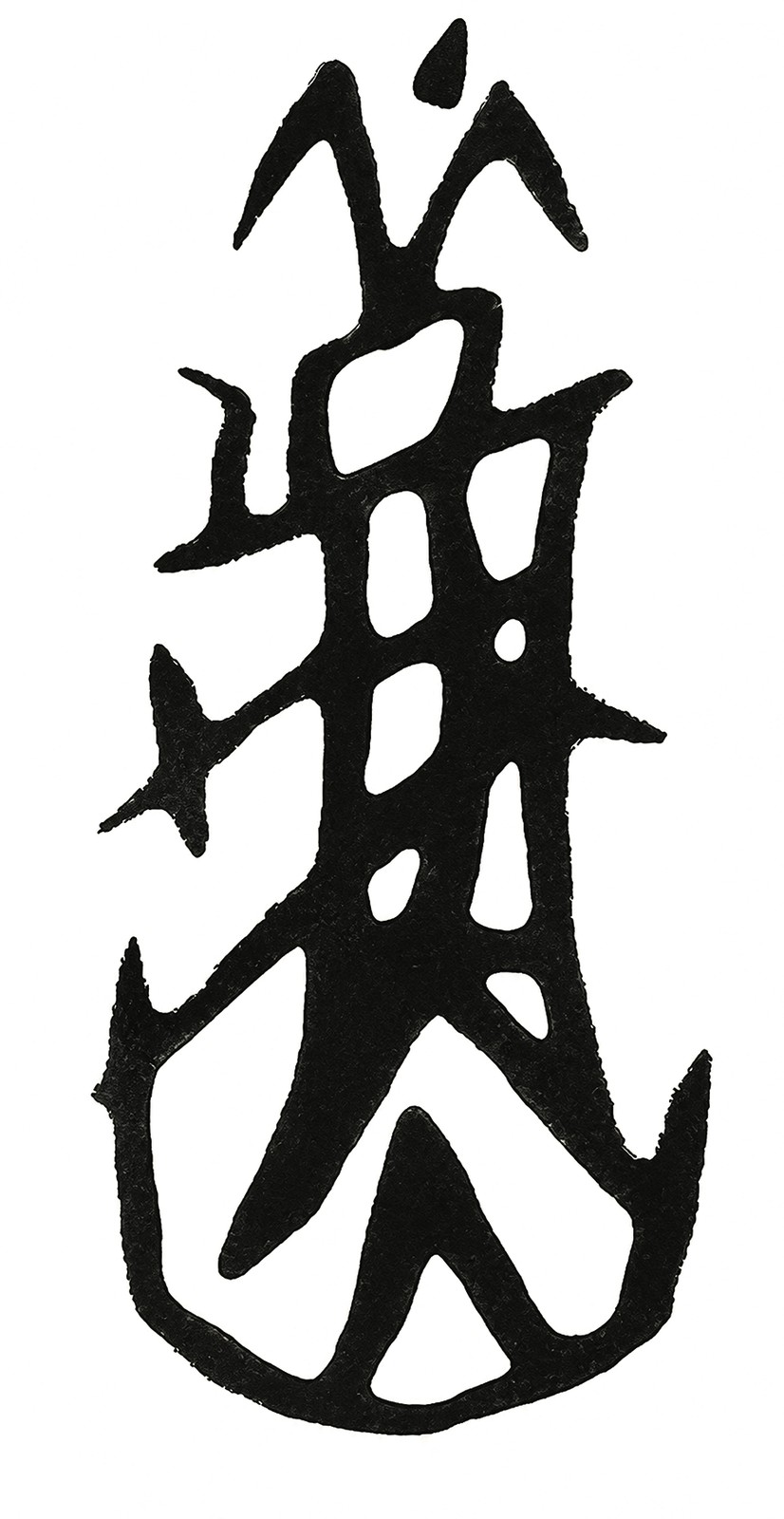
And it was not only their voices. In their very shapes, in their very existence, people have found special meaning as well. In oracle bone script, the oldest form of Chinese writing, the character for “autumn” is said to have been shaped after the form of insects that sing in autumn, such as crickets, and there is also a theory that the character for “summer” derives from the form of the cicada. Even in characters more than three thousand years old, we can see a sensibility that linked insects to the seasons.
そして、声だけではありません。姿、存在そのものにも、人々は特別な意味を見出してきました。中国最古の文字である甲骨文字では、「秋」はコオロギなど秋に鳴く虫の姿をかたどったともいわれ、「夏」についてもセミの姿に由来するという説があります。三千年以上前の文字の中にも、虫と季節を結びつける感覚を見ることができます。

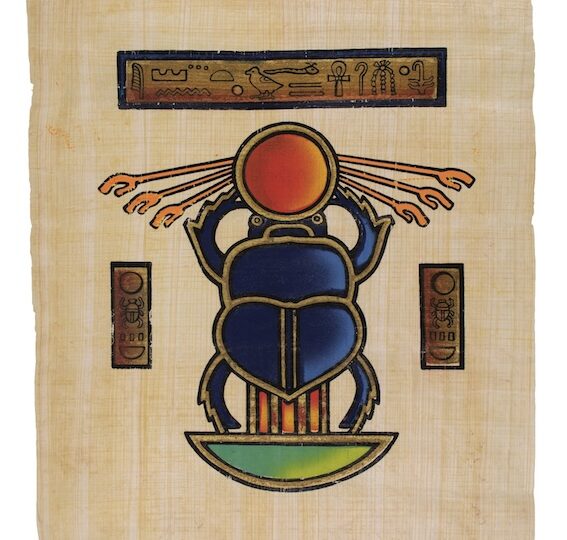
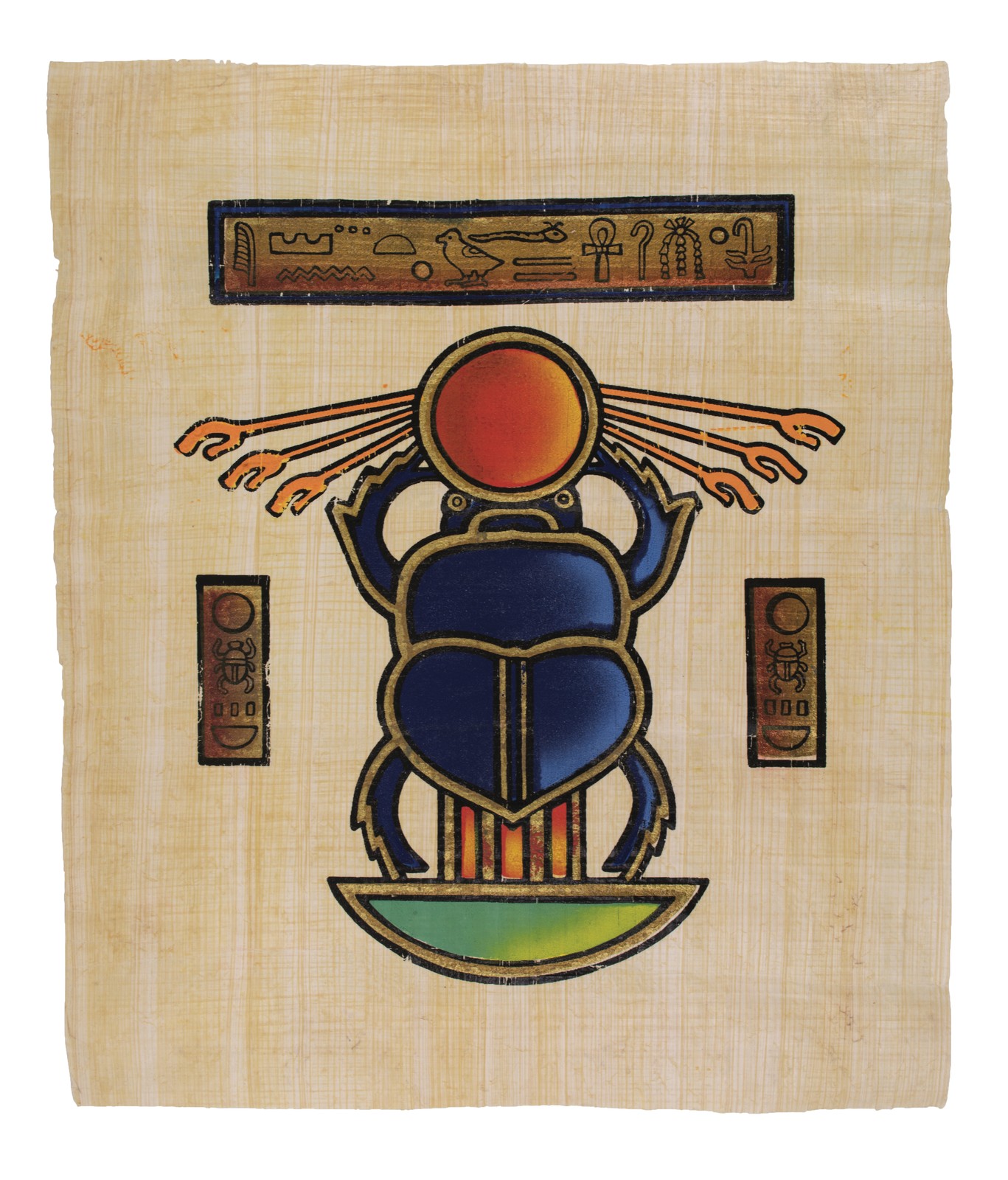
The scarab beetle of ancient Egypt — the dung beetle — had its habit of rolling a ball of dung likened to the sun’s passage across the sky. From this, it became linked to the sun god Khepri, and came to stand for something far more than a “lucky insect” — a symbol of rebirth, resurrection, and the very beginning of life.
古代エジプトのスカラベ(フンコロガシ)は、糞の球を転がして運ぶその姿を、太陽が天空を渡っていく姿になぞらえられました。そこから、太陽神ケプリと結びつけられ、「幸運の虫」以上に、再生と復活、そして生命の始まりを象徴する存在となりました。
The ladybird is called “ladybird” in British English, and “ladybug” in American English. This “lady” is said to refer to Our Lady, the Virgin Mary, and in German, too, it is called “Marienkäfer” — Mary’s beetle. Together with this association with the Virgin Mary, the ladybird’s role as a beneficial insect, protecting crops from pests, led Europeans to regard it as a symbol of good fortune — giving rise to the belief that good luck arrives when a ladybird lands on you.
テントウムシは、イギリス英語で ladybird、アメリカ英語で ladybug と呼ばれます。この「レディ」は、聖母マリア(Our Lady)を指すとされ、ドイツ語でも「マリエンケーファー(マリア様の虫)」と呼ばれます。こうした聖母マリアとの結びつきに加え、農作物を害虫から守る益虫であることから、ヨーロッパでは幸運の象徴とされ、身体に止まると幸運が訪れるという言い伝えも生まれました。

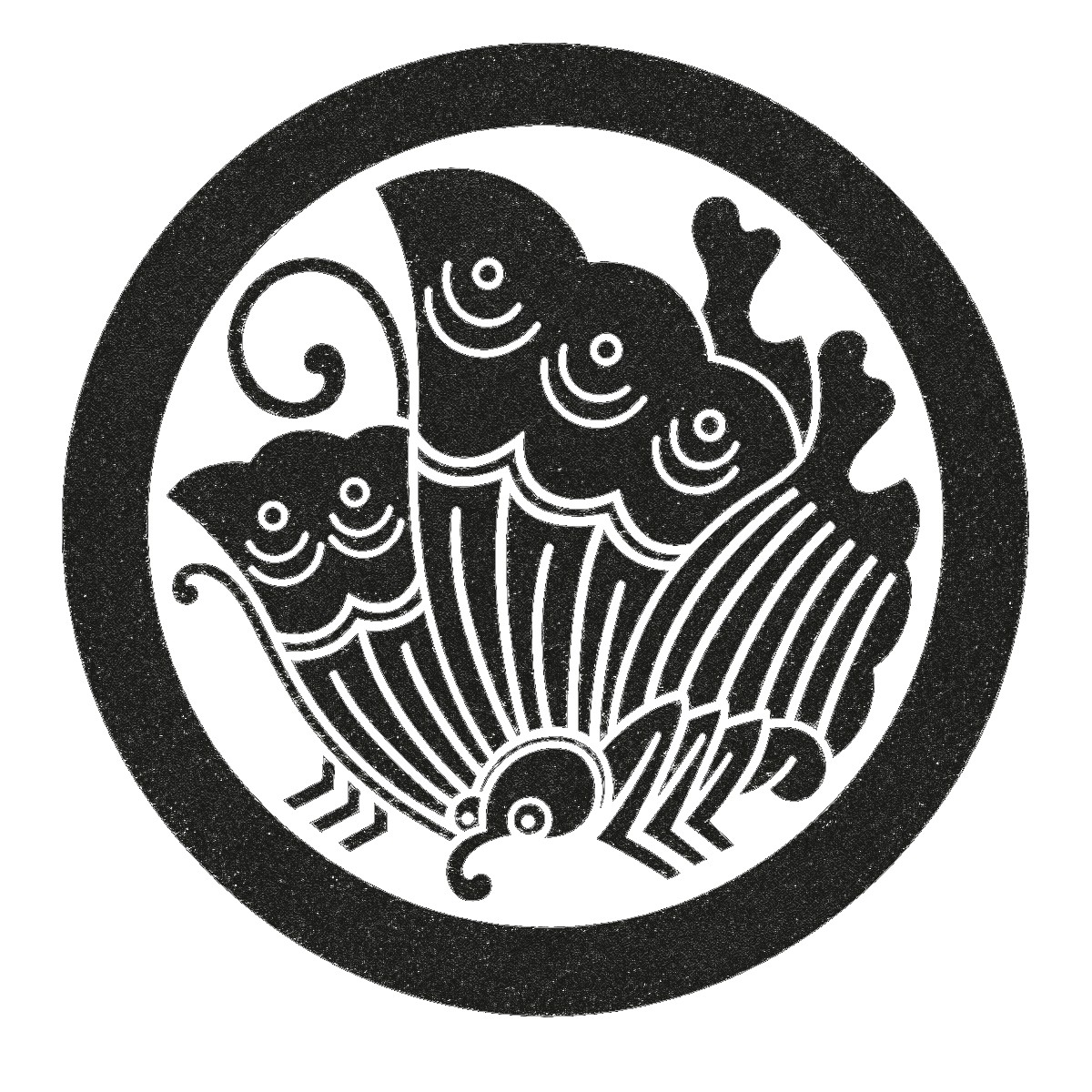
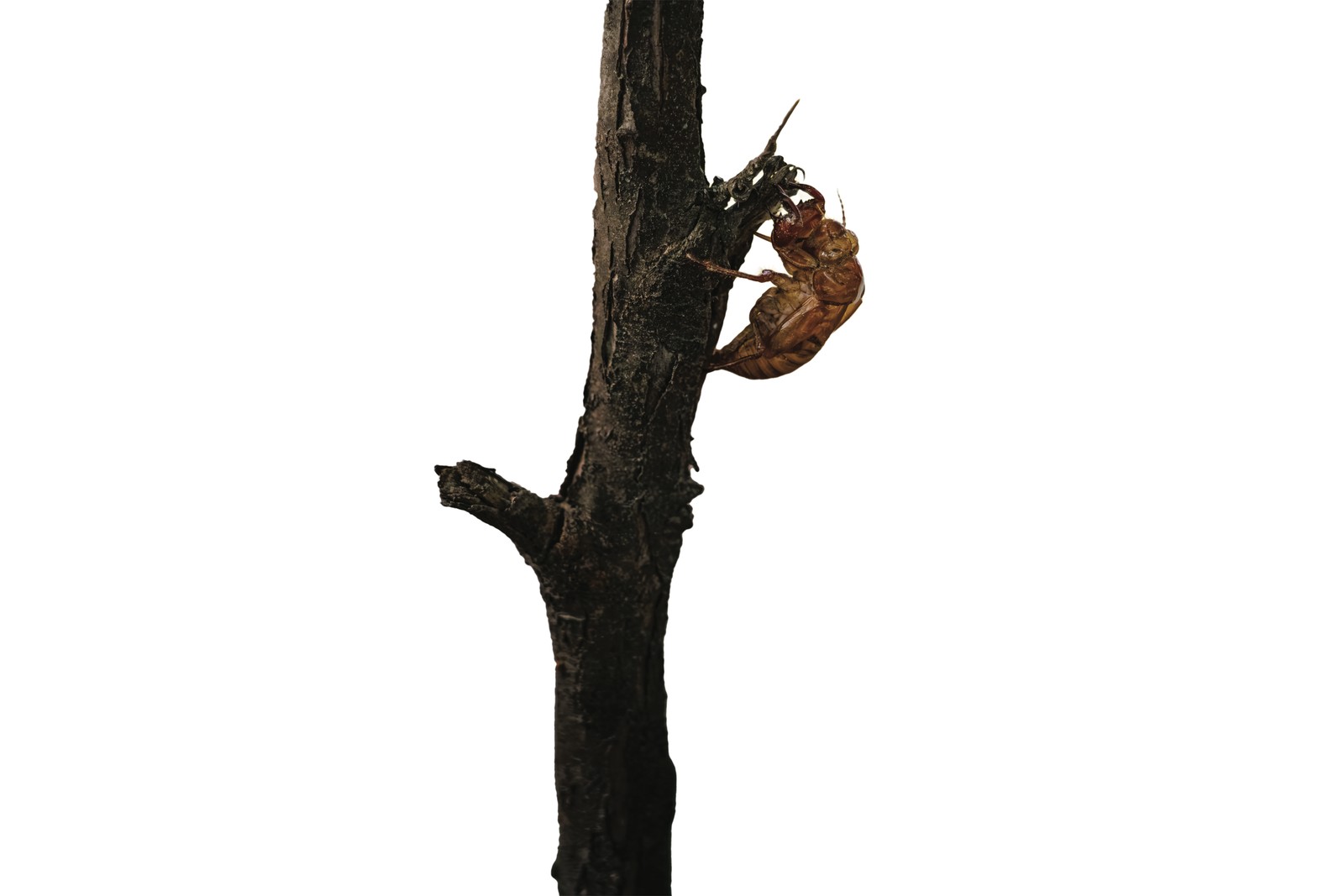
In Greece, people saw the “soul” in the butterfly. In ancient Greek, the word “psyche” means both butterfly and soul. Within the body of a caterpillar already sleeps a small blueprint, waiting for the day it will spread its wings and take flight. Inside the chrysalis, that blueprint quietly awakens, remaking the creature into an entirely different form — and in this transformation, the people of Greece must have seen the image of a soul leaving the body and being reborn.
ギリシャでは、蝶に「魂」を見ました。古代ギリシャ語で「プシュケー」という言葉は、蝶と魂、両方を意味します。幼虫の体の中にはすでに、いつか翅を広げて飛び立つための、小さな設計図が眠っています。蛹の中で、それが静かに目を覚まし、まったく違う姿へと作り替えていく——ギリシャの人々は、この変化に、魂が肉体を離れて生まれ変わる姿を重ねたのでしょう。

Continue Reading in Hiragana Times
続きを読む — Hiragana Times 本誌へ
Digital Packages
Read and listen in your browser — available in bundles.
誌面と音声を、パッケージでご利用いただけます。
More From Hiragana Times

Join the Hiragana Times Discord Community — Free!
Connect with readers worldwide — free, open, and always welcoming.
世界の読者とつながる、無料のDiscordコミュニティへようこそ。

Online Japanese lessons, run by Hiragana Times.
One month free for Hiragana Times subscribers.
ひらがなタイムズ定期購読者は、1ヶ月無料でご受講いただけます。




 ドパガキ" />
 フレネミー" />
 日本の夏の定番「ムヒ」が100歳に!" />
 虫の声 ―― 宇宙から届くオーケストラ" />
 虫の声が音楽になるとき" />

