-
News Review – Hiragana Times September 2026 issue
Listen to the Audio:
The World’s Oldest Company Is in Japan
世界最古の会社は日本にある
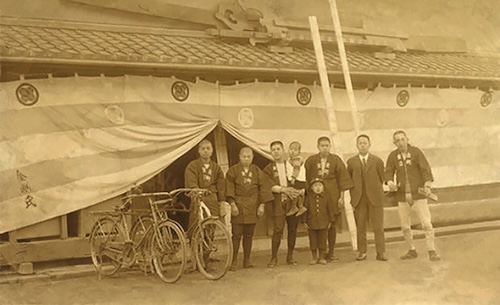
Japan has approximately 49,000 companies with over 100 years of history, the highest number in the world.
日本には、創業100年以上の企業が約4万9,000社あり、世界最多です。Of the 12 companies in the world with over 1,000 years of history, 9 are in Japan.
創業1,000年超の企業も世界に12社中9社が日本にあります。At the top stands Kongō Gumi, founded in the year 578.
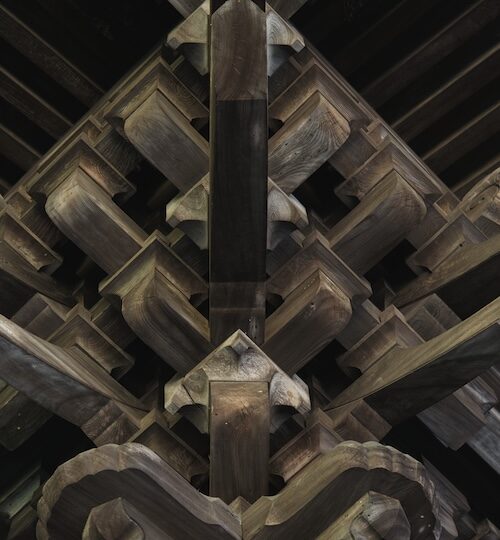
その頂点が、578年創業の金剛組です。It was founded by temple carpenters invited from Baekje by order of Prince Shōtoku.
聖徳太子の命で百済から招かれた宮大工が創業しました。For over 1,400 years since, the company has carried on the craft of temple and shrine construction.
以来1,400年以上、社寺建築の技術を受け継いでいます。Kongō Gumi has a family precept saying, “Never reach beyond the core craft,” passed down through generations.
金剛組には「本業以外に手を出すな」という家訓が代々伝わっています。Holding to one thing. It is that resolve, that mission, and that calling that has sustained 1,400 years.
一つのことを守り続ける。その覚悟、使命、そして天命が、1,400年を支えてきました。
Discover More Articles | もっと記事を読む
Digital PackagesRead and listen in your browser — available in bundles.誌面と音声を、パッケージでご利用いただけます。More From Hiragana Times
Join the Hiragana Times Discord Community — Free!Connect with readers worldwide — free, open, and always welcoming.世界の読者とつながる、無料のDiscordコミュニティへようこそ。
Online Japanese lessons, run by Hiragana Times.One month free for Hiragana Times subscribers.ひらがなタイムズ定期購読者は、1ヶ月無料でご受講いただけます。 -
News Review – Hiragana Times August 2026 issue
Listen to the Audio:
Just Walk Through! “Face-Pass” Ticket Gates Debut
歩くだけでOK!?「顔パス」の改札が登場
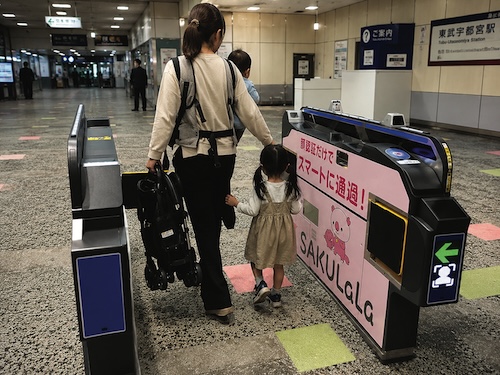
At Tobu Utsunomiya Station, a new ticket gate service has started.
東武宇都宮駅で、新しい改札サービスが始まりました。At this ticket gate, there is no need to take out an IC card or smartphone.
この改札では、ICカードやスマートフォンを取り出す必要がありません。With walk-through facial recognition, you can pass through just by walking.
ウォークスルー型の顔認証により、歩くだけで通過できます。The ticket gate camera recognizes the user’s face and verifies it against registered information.
改札機のカメラが利用者の顔を認識し、登録情報と照合します。Therefore, you can pass through smoothly with a “face pass”.
そのため、「顔パス」でスムーズに通ることができます。It is also convenient for people carrying large luggage and those with children.
大きな荷物を持っている人や、子ども連れの人にも便利です。 -
Crying means winning!? Babies’ “Naki Sumo”
泣(な)いたら勝(か)ち!?赤(あか)ちゃんの「泣(な)き相撲(ずもう)」
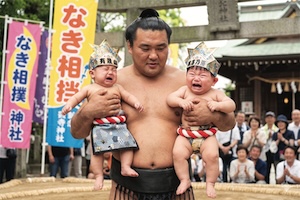
This year too, “Naki Sumo” is being held at shrines across the country.
今年(ことし)も、全国各地(ぜんこくかくち)の神社(じんじゃ)で「泣(な)き相撲(ずもう)」が開催(かいさい)されています。Naki Sumo is a traditional Japanese event to pray for the health and growth of babies, and is said to have a history of over 400 years.
泣(な)き相撲(ずもう)は、赤(あか)ちゃんの健康(けんこう)と成長(せいちょう)を祈(いの)る日本(にほん)の伝統行事(でんとうぎょうじ)で、400年以上(ねんいじょう)の歴史(れきし)があるとされています。Babies step into the sumo ring held by sumo wrestlers, and compete in the loudness and energy of their crying.
赤(あか)ちゃんは力士(りきし)に抱(だ)かれて土俵(どひょう)に上(あ)がり、泣(な)き声(ごえ)の大(おお)きさや元気(げんき)さを競(きそ)います。In an ordinary match, crying might mean losing.
普通(ふつう)の勝負(しょうぶ)では、泣(な)くことは負(ま)けを意味(いみ)するかもしれません。However, in Naki Sumo, crying energetically is considered a “win”.
しかし、泣(な)き相撲(ずもう)では、元気(げんき)に泣(な)くことが「勝(か)ち」とされます。A baby’s crying is believed to drive away evil spirits and bring good fortune.
赤(あか)ちゃんの泣(な)き声(ごえ)は邪気(じゃき)を払(はら)い、福(ふく)をもたらすとされています。As the saying goes, “Crying babies grow well,” the healthy growth of children is wished for.
「泣(な)く子(こ)は育(そだ)つ」という言葉(ことば)の通(とお)り、子(こ)どもたちの健(すこ)やかな成長(せいちょう)が願(ねが)われています。 -
[News Review – June 2026 Issue]
A Stork Nests in Hiroshima — The Bird That Brings Life Heralds Spring
広島(ひろしま)の電柱(でんちゅう)に巣作(すづく)り 命(いのち)を運(はこ)ぶ鳥(とり)、春(はる)を告(つ)げる
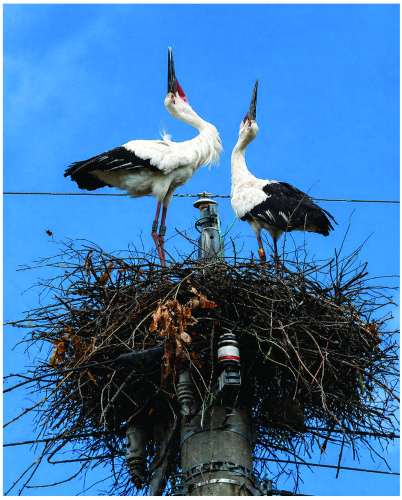
In Shobara City, Hiroshima Prefecture, a pair of storks nesting on a utility pole about 12 meters high was confirmed.
広島県(ひろしまけん)庄原市(しょうばらし)で、高(たか)さ約(やく)12メートルの電柱(でんちゅう)に巣(す)を作(つく)るコウノトリのペアが確認(かくにん)されました。
Storks in Japan, in 1971, wild individuals became extinct.
コウノトリは日本(にほん)では1971年(ねん)に野生個体(やせいこたい)が絶滅(ぜつめつ)しました。
In recent years, through artificial breeding and release based in Toyooka City, Hyogo Prefecture, breeding is spreading in various places.
近年(きんねん)は兵庫県(ひょうごけん)豊岡市(とよおかし)を拠点(きょてん)とした人工繁殖(じんこうはんしょく)と放鳥(ほうちょう)により、各地(かくち)で繁殖(はんしょく)が広(ひろ)がっています。
This pair also, from their leg bands, are seen as individuals born within Hyogo Prefecture.
このペアも足環(あしわ)から兵庫県内(ひょうごけんない)で生(う)まれた個体(こたい)とみられます。
In Europe, known as birds that build nests on roofs and chimney, they have been considered symbols of “good luck” and “new life”.
ヨーロッパでは屋根(やね)や煙突(えんとつ)に巣(す)を作(つく)る鳥(とり)として知(し)られ、幸運(こううん)や、新(あたら)しい命(いのち)の象徴(しょうちょう)とされてきました。
On-site, the power company has implemented electrocution prevention measures, and watching over them continues.
現地(げんち)では電力会社(でんりょくがいしゃ)が感電防止(かんでんぼうし)の対策(たいさく)を施(ほどこ)し、見守(みまも)りが続(つづ)いています。
This article is from the June 2026 issue of Hiragana Times.
この記事(きじ)は、月刊誌(げっかんし)『ひらがなタイムズ』2026年(ねん)6月号(がつごう)より掲載(けいさい)しています。
-
The Agency for Cultural Affairs is engaging in discussions aimed at unifying the romanization of Japanese writing.
文化庁(ぶんかちょう)は、ローマ字(romanization)表記(ひょうき)の統一(とういつ)に向(む)けた議論(ぎろん)を進(すす)めています。
Currently, there are two romanization systems: the Kunrei style and the Hepburn style.
現在(げんざい)、ローマ字(romanization)のつづり方(かた)は訓令式(くんれいしき)とヘボン式(Hepburn style)の2種類(しゅるい)です。
For example, “新宿” is written as “Sinzyuku” in the Kunrei style and “Shinjuku” in the Hepburn style.
例(たと)えば「新宿(しんじゅく)」を訓令式(くんれいしき)では「Sinzyuku」、ヘボン式(Hepburn style)では「Shinjuku」と書(か)きます。
While the Kunrei style is primarily used in school education, the Hepburn style is commonly used in town and tourist information.
学校教育(がっこうきょういく)では主(おも)に訓令式(くんれいしき)が使用(しよう)されていますが、街中(まちなか)や観光案内(かんこうあんない)ではヘボン式(Hepburn style)が一般的(いっぱんてき)に用(もち)いられています。
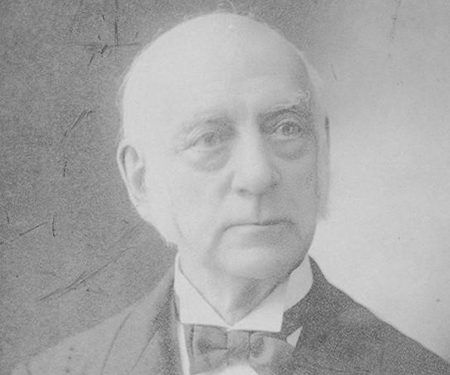
Hepburn style was devised by Dr. Hepburn during the compilation of “A Japanese and English Dictionary; with an English and Japanese Index” and is a writing system close to the English pronunciation.
ヘボン式(Hepburn style)は、ヘボン博士(はかせ)が『和英語林集成(わえいごりんしゅうせい)』を編纂(へんさん)した際(さい)に考案(こうあん)されたもので、英語(えいご)の発音(はつおん)に近(ちか)い表記方法(ひょうきほうほう)です。
The Agency for Cultural Affairs announced a policy adopting the Hepburn style as the standard and widely solicited opinions to question its pros and cons.
文化庁(ぶんかちょう)は、ヘボン式(Hepburn style)を基本(きほん)とする方針(ほうしん)を打(う)ち出(だ)し、その是非(ぜひ)を問(と)うために広(ひろ)く意見(いけん)を公募(こうぼ)しました。
-
From October 26 to November 10, 2024, the “Everyone Taiwanese Sandal Marathon Online” was held.
2024年10月26日から11月10日まで、「みんな台湾サンダルマラソンオンライン」が開催されました。
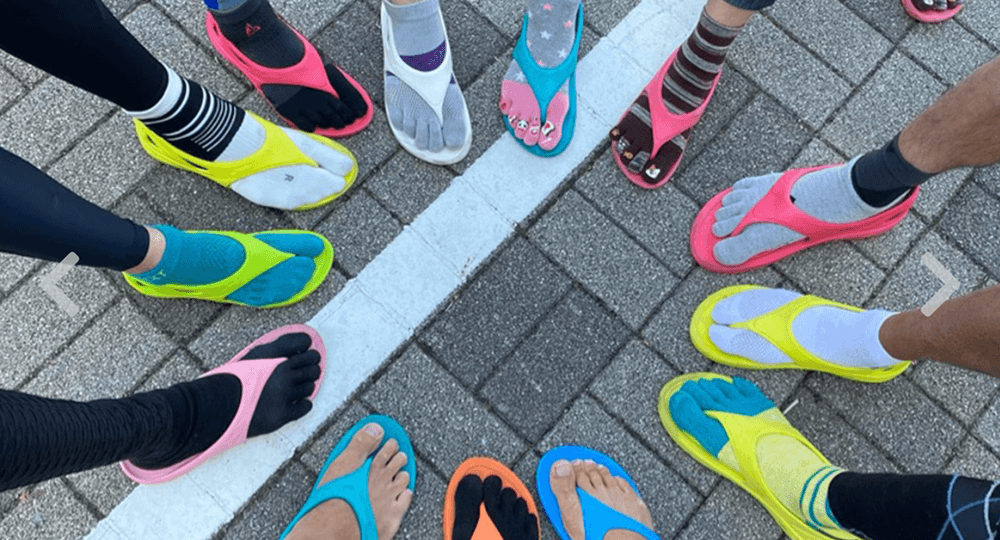
Since it was an online event, participants could join from anywhere in Japan, but there was one condition—they had to run in Taiwanese sandals.
オンライン開催のため全国どこからでも参加できますが、台湾サンダルを履いて走ることが条件です。
Taiwanese sandals are ultra-lightweight and offer excellent cushioning. Their soft, fluffy feel makes running comfortable and has gained popularity.
台湾サンダルは超軽量で、クッション性も抜群。ふわふわとした走り心地が人気を集めています。
In Japan, during the Edo period (17th to 19th century), “hikyaku” who delivered documents and goods quickly, wore lightweight straw sandals and ran for dozens of kilometers a day.
日本でも江戸時代(17~19世紀)には、文書や荷物を素早く運ぶ「飛脚」が軽量な草鞋を履き、一日数十キロを走り続けました。
Today, high-performance running shoes are mainstream, but perhaps one day, running in sandals will become common.
現在では高性能なランニングシューズが主流ですが、いつかサンダルを履いて走ることが当たり前になる日が来るかもしれません。
写真提供:みんな台湾サンダルマラソンオンライン
-
From March, a “mystery-solving” event has started at the East Gardens of the Imperial Palace.
3月から、皇居の東御苑で「謎解き」のイベントが始まりました。
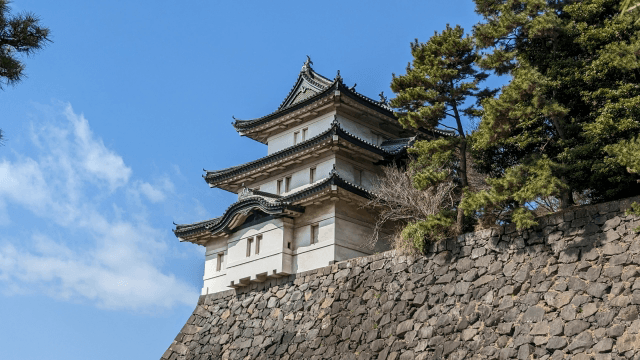
The East Gardens are a place where the nature of each season is beautiful, and you can also feel the traces of Edo Castle.
東御苑は、四季折々の自然が美しく、江戸城の面影も感じられる場所です。
In the event, participants walk around the gardens and search for “mystery panels” at ten locations.
イベントでは、園内を歩きながら、10カ所にある「謎のパネル」を探します。
Even if you don’t have difficult knowledge, it’s okay. “Inspiration” is the key.
むずかしい知識がなくても大丈夫。「ひらめき」がカギになります。
While having fun, you can also learn about the history and activities of the Imperial Family.
楽しみながら、皇室の歴史や活動について学べます。
Participation is free, but you will need a smartphone.
参加は無料ですが、スマートフォンが必要です。
You can try solving the mysteries by scanning the QR codes on the panels.
パネルのQRコードを読み取って謎解きにチャレンジします。
The event will be held until March 2027.
イベントは、2027年3月まで行われています。
-
- The foreign press reported that Japanese supporters were picking up garbage at stadiums after the Japanese team played matches at the World Cup in Russia.
世界のメディアがサッカーワールドカップロシア大会で、日本チームの試合後、日本のサポーターが客席のゴミを拾っていたと報道しました。 - Japanese supporters have been doing this since the Japanese team first participated in the World Cup held in France in 1998.
日本のサポーターは、1998年のサッカーワールドカップフランス大会から行っています。 - Though some people criticized this behavior on social media by questioning whether it was right to take away work from cleaning staff, supporters around the world are now also starting to clean up themselves after a match.
SNSでは「清掃員の仕事を奪っていいのか」という批判もありましたが、世界のサポーターも試合後に掃除を始めました。 - This time, the foreign media reported that Japanese staff cleaned up their lockers after matches.
今回は、海外のメディアは日本のスタッフが試合後、ロッカールームを掃除したことも報道しました。
- The foreign press reported that Japanese supporters were picking up garbage at stadiums after the Japanese team played matches at the World Cup in Russia.
-
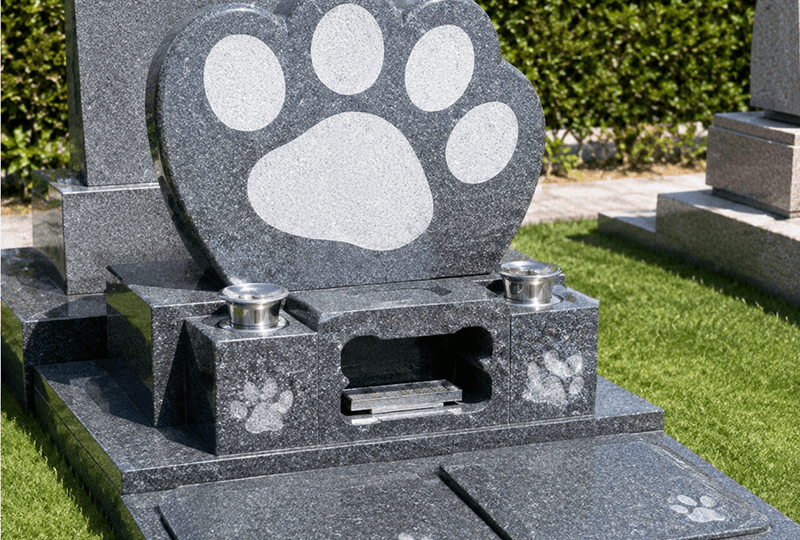
While some wives say they don’t want to be buried in the same grave with their husbands, more and more people are saying that they want to be buried with a beloved pet.
夫と同じ墓に入りたくないという妻がいる一方で、愛するペットと埋葬されたいという人が増えています。
Around 90% of Japanese people have Buddhist funerals and many temples turn down these last wishes because they go against the teachings of Buddhism.
日本人のおよそ9割は仏教式の葬式をあげますが、多くの寺では仏教の教えに反することからその要望を断っています。
On the other hand, the number of pet cemeteries is increasing.
一方、ペット霊園は増えています。
Though the demand is increasing, very few cemeteries allow owners to be buried with their pets.
ペットと一緒に入れる霊園の需要は高まっていますが、とても少ないです。 -
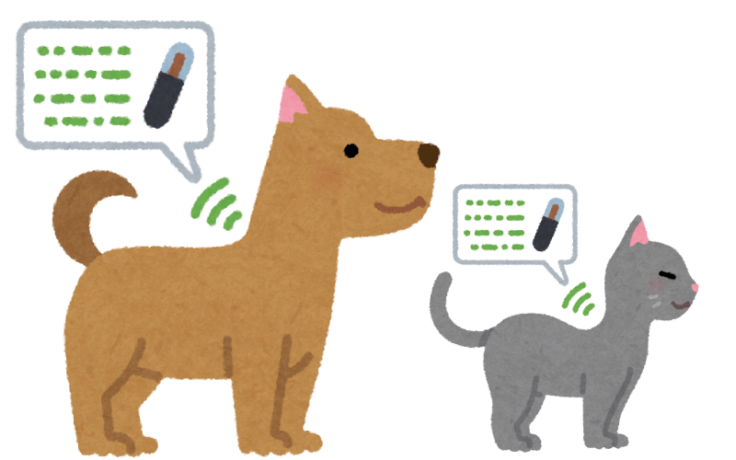
- As per the revised animal protection law issued in June, cats and dogs sold at pet shops must be implanted with a microchip.
6月に成立した改正動物愛護法で、ペットショップなどで売られる犬や猫に、マイクロチップを埋め込むことが義務付けられました。 - The purpose of this is that they can be returned to the owner if the animal becomes lost, or be identified if the owner abandons them.
迷子になっても飼い主へ戻れるように、また、捨てられても飼い主が分かるようにするためです。 - This regulation applies to kittens, puppies, cats, or dogs raised for breeding that are delivered or sold by breeders.
対象になるのは、出荷・販売する繁殖用の犬や猫です。 - However, some have raised concerns such as that the flesh of some animals may become inflamed in reaction to the chip, and that if the animal becomes sick, the chip might affect an MRI.
しかし、チップに反応して炎症を起こすことがある、MRI検査をするときに影響が出るなど、疑問視する声も上がっています。
- As per the revised animal protection law issued in June, cats and dogs sold at pet shops must be implanted with a microchip.