Japan: A Nation Built by Matsuri
「まつり」で作られた国家、日本


Japan Style – Hiragana Times August 2026 issue

Listen to the Audio:

Japan: A Nation Built by Matsuri

「まつり」でつくられた国家こっか日本にほん


The Matsuri That Governed a Nation|くにおさめた「まつり」

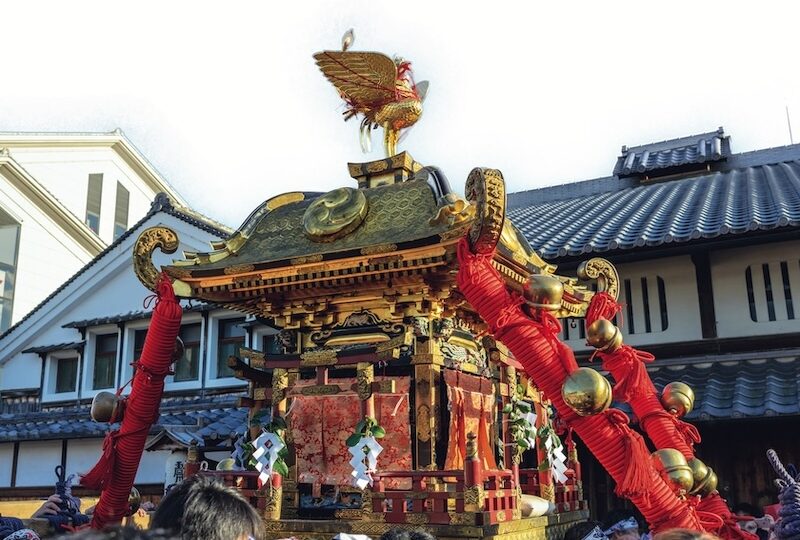
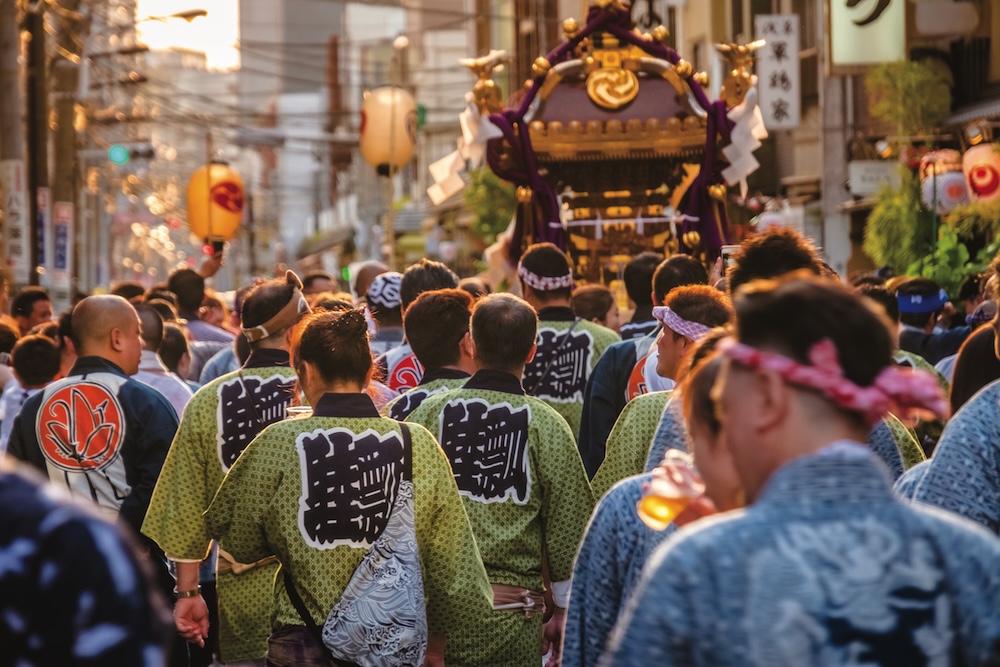
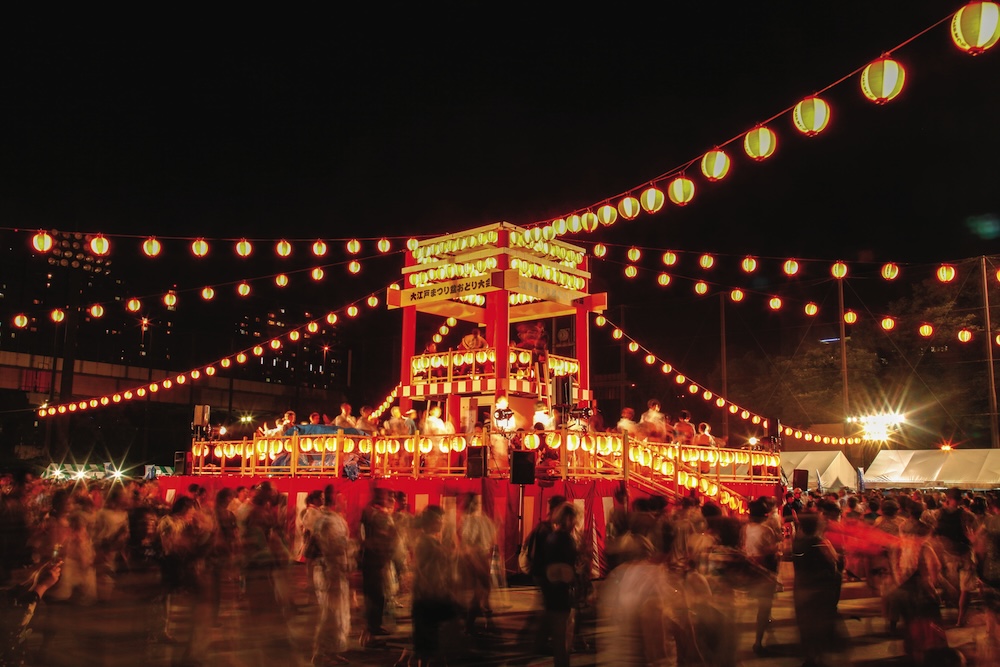
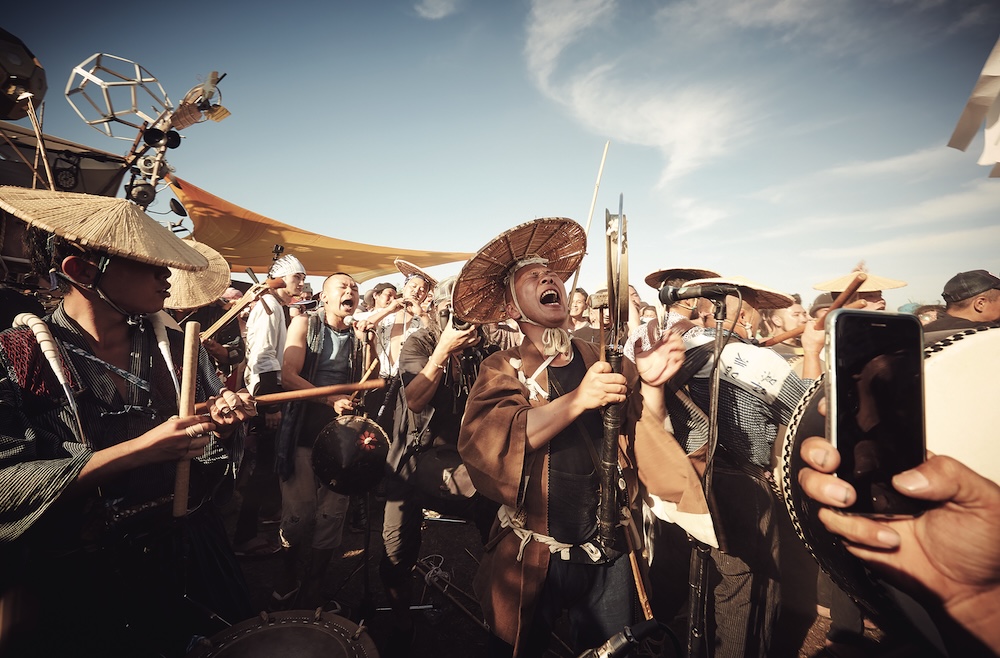
When summer comes, you encounter matsuri all across the islands. Not only in the rural villages where old traditions linger. Even in the heart of Tokyo, fue and taiko ring out, spirited chants echo between the towers, and mikoshi surge into the great crossings. These are no fading remnants. They are living traditions, whose roots reach back into the distant past.
なつになると、日本列島にほんれっとう各地かくちまつりに出合であいます。ふる伝統でんとうのこ地方ちほうむらだけではありません。首都しゅと東京とうきょうなかでさえ、ふえ太鼓たいこひびき、威勢いせいのいいごえが、ビルの谷間たにまにこだまし、神輿みこしおおきな交差点こうさてんします。それは、えゆく名残なごりではありません。いまきつづける伝統でんとうであり、そのみなもとは、はるか太古たいこへとつながっています。

Matsuri scene

Visitors from abroad turn their cameras to the scene and ask: “What exactly is a matsuri?” “How long has it been going on?” Yet the Japanese themselves no longer even hold the question. For those born in Japan, the matsuri was always there, before they were old enough to wonder. Before they knew it, it was woven into the calendar; like an internal clock, their hearts quicken at the sound of the taiko when summer comes. The “why” never arises. And yet, somewhere within, they sense that it is no mere “event.”
外国がいこくからおとずれたひとは、その光景こうけいにカメラをけ、いかけます。「まつりとは、いったいなに?」「いつからつづいているの?」けれど日本人にほんじん自身じしんは、もはや、そのいすらっていません。日本にほんまれたものにとって、まつりは、物心ものごころつくまえからそこにありました。がつけば、一年いちねんのカレンダーにまれ、体内時計たいないどけいのように、なつれば太鼓たいこおとむね高鳴たかなります。そこに「なぜ」がかぶことはありません。それでいて、それがたんなる「イベント」ではないことは、こころのどこかでかんじています。

In Japanese, to govern a nation is called matsurigoto—written with characters meaning “to govern,” yet rooted in the word matsuri. Long before democracy or capitalism, matsuri was the very system that governed regions and bound the nation together. Through matsuri, people were turned back toward the way they were meant to face, shared their prayers, and became “neighbors” once more.
日本語にほんごでは、くにおさめることを「まつりごと」とびます。「政治せいじ」とは、「まつりごと」で「おさめる」こと。つまり、「まつり」は、民主主義みんしゅしゅぎ資本主義しほんしゅぎのはるか以前いぜんから、地域ちいきおさめ、くにをまとめてきた仕組しくみでした。まつりにより、人々ひとびと本来ほんらいくべきほうへとかえり、いのりをかちい、ふたたび「隣人りんじん」にもどります。

Today, most nations run on democracy—choosing representatives by election, deciding their course by majority vote—and on capitalism, competing for prosperity in the market. As a result, the modern world breeds division and conflict. Welcoming the gods, binding people to people, making a region one—this article traces the true meaning held within matsuri.
いま、おおくのくには、選挙せんきょ代表だいひょうえらび、多数決たすうけつみちめる民主主義みんしゅしゅぎや、市場しじょうゆたかさをきそ資本主義しほんしゅぎうごいています。その結果けっか現代げんだい世界せかいは、分断ぶんだん対立たいりつんでいます。かみむかえ、ひとひとむすび、地域ちいきをひとつにする——「まつり」にめられた、本当ほんとう意味いみをたどります。

Matsuri celebration

When Kami, Kimi, Omi, and Tami Become One|カミ・キミ・オミ・タミが、ひとつになる

Shrine context

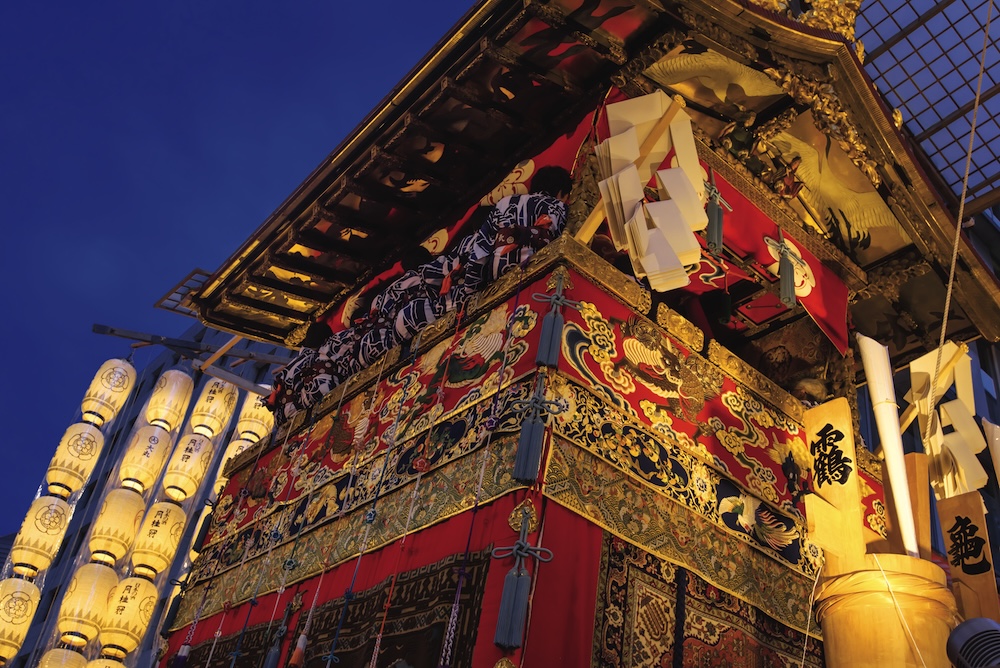
Just how many matsuri are there in Japan? The best known are the “Three Great Matsuri of Japan”—the Gion Matsuri in Kyoto, the Tenjin Matsuri in Osaka, and the Kanda Matsuri in Tokyo. Each region, too, has its own “three great matsuri.” In Tōhoku: the Aomori Nebuta, the Akita Kantō, and the Sendai Tanabata. In Tokyo: the Kanda, the Sanja, and the Sannō. In Kyoto: the Gion, the Jidai, and the Aoi. And in every corner of the country are matsuri of striking character, each mirroring the temperament of its land—Tokushima’s Awa Odori, Osaka’s Danjiri, and more.
日本にほんには、いったいどれだけのまつりがあるのでしょう。よくられているのは、「日本三大祭にほんさんだいまつり」とばれるみっつ——京都きょうと祇園祭ぎおんまつり大阪おおさか天神祭てんじんまつり東京とうきょう神田祭かんだまつりです。地方ちほうにも、それぞれの「三大祭さんだいまつり」があります。東北とうほくなら、青森あおもりねぶたまつり、秋田竿燈あきたかんとうまつり、仙台七夕せんだいたなばたまつり。東京とうきょうなら、神田祭かんだまつり三社祭さんじゃまつり山王祭さんのうまつり京都きょうとなら、祇園祭ぎおんまつり時代祭じだいまつり葵祭あおいまつり。さらに、徳島とくしま阿波踊あわおどり、大阪おおさかのだんじりまつりのように、土地とち気性きしょうをそのままうつした、おおきく個性的こせいてきまつりも各地かくちにあります。

Add to these the matsuri of unnamed little villages, and the number is beyond anyone’s counting. From the great to the small, they are like countless power plants scattered across the Japanese islands. Each time summer returns, the matsuri of every region stir to life and generate energy. Each one beats like a heart, sending that energy coursing into every corner of the country. And so the islands pulse with countless matsuri, their beating swelling into a single surge, until the land becomes one great living body.
そこに、名前なまえさえられていないちいさなむらまつりまでくわえれば、そのかずは、もうだれにもかぞえられません。おおきなまつりから、ちいさなまつりまで。それは、日本列島にほんれっとう全土ぜんど点在てんざいする、無数むすう発電所はつでんしょのようです。なつおとずれるたび、各地かくちまつりがうごきだし、エネルギーをします。それぞれのまつりが心臓しんぞうのようにみゃくち、そのエネルギーをくに隅々すみずみまでめぐらせていきます。そうして日本列島にほんれっとうは、無数むすうまつりで脈打みゃくうち、その鼓動こどうがうねりとなって、ひとつのおおきなからだになるのです。

Matsuri energy

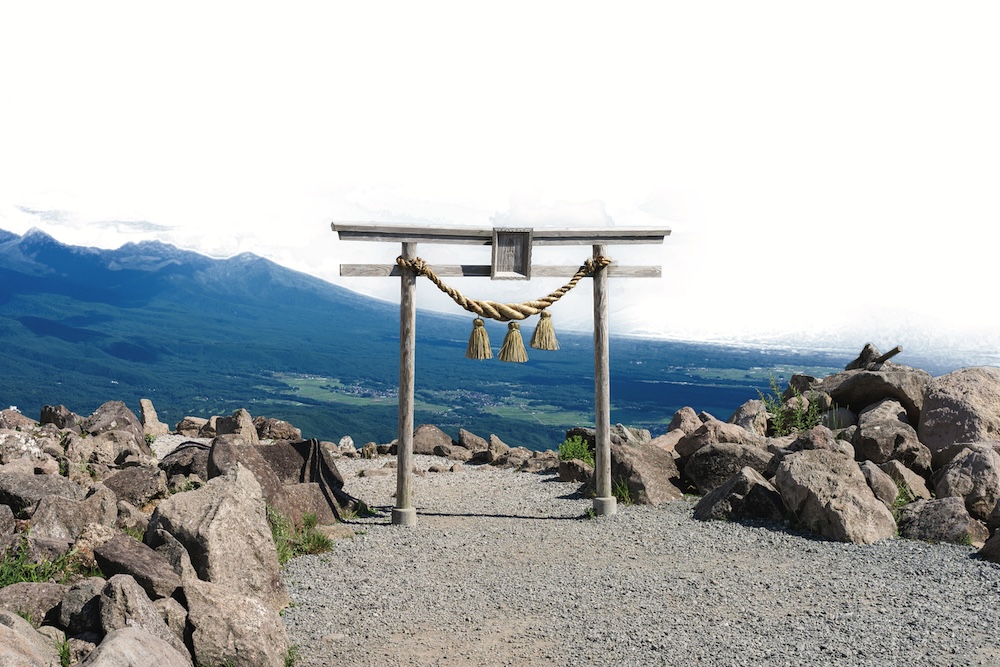
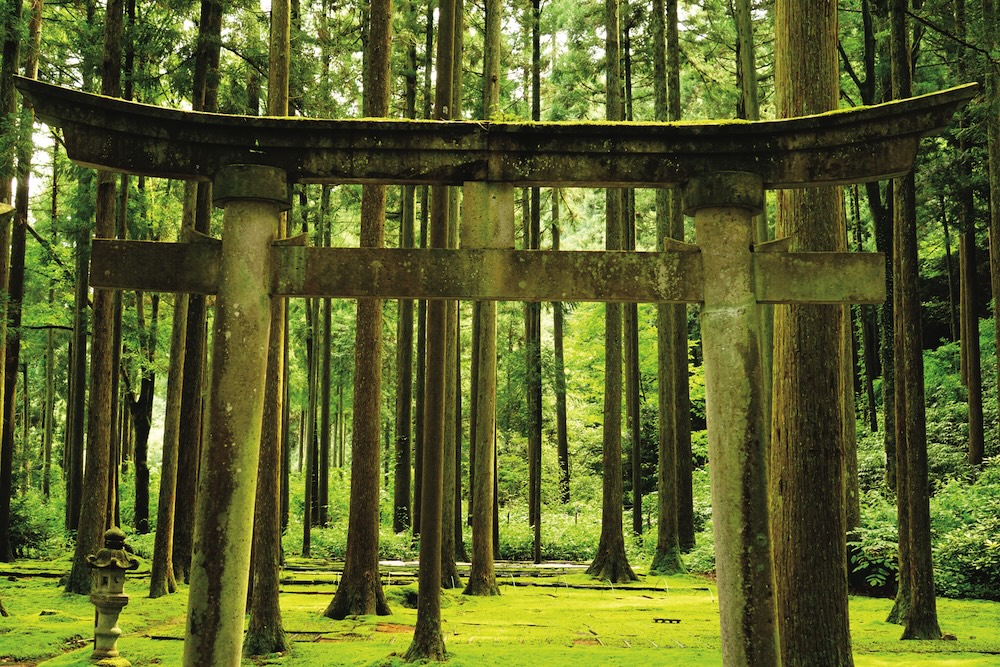
Every matsuri has changed its form with region and era. Yet most are held with a jinja—a Shinto shrine—at their center. The jinja is the wellspring of Shinto. And the essence of Shinto lies in this: in mountains and rivers, in sea and wind, in sun and moon, the divine reveals itself in countless forms—the yaoyorozu no kami, the eight million gods. And through them, the heart turns toward the one source that lies beyond, toward kami itself.
どのまつりも、地域ちいき時代じだいによってかたちえてきました。けれど、そのおおくは、神社じんじゃ中心ちゅうしんいとなまれています。神社じんじゃは、神道しんとうのよりどころ。その神道しんとう本質ほんしつは、やまかわうみかぜ太陽たいようつき宿やど神々かみがみ——八百万やおよろず神々かみがみとおして、そのおくにある生命せいめい根源こんげん、すなわち「カミ」へと、こころけることにあります。

Nature and Shinto

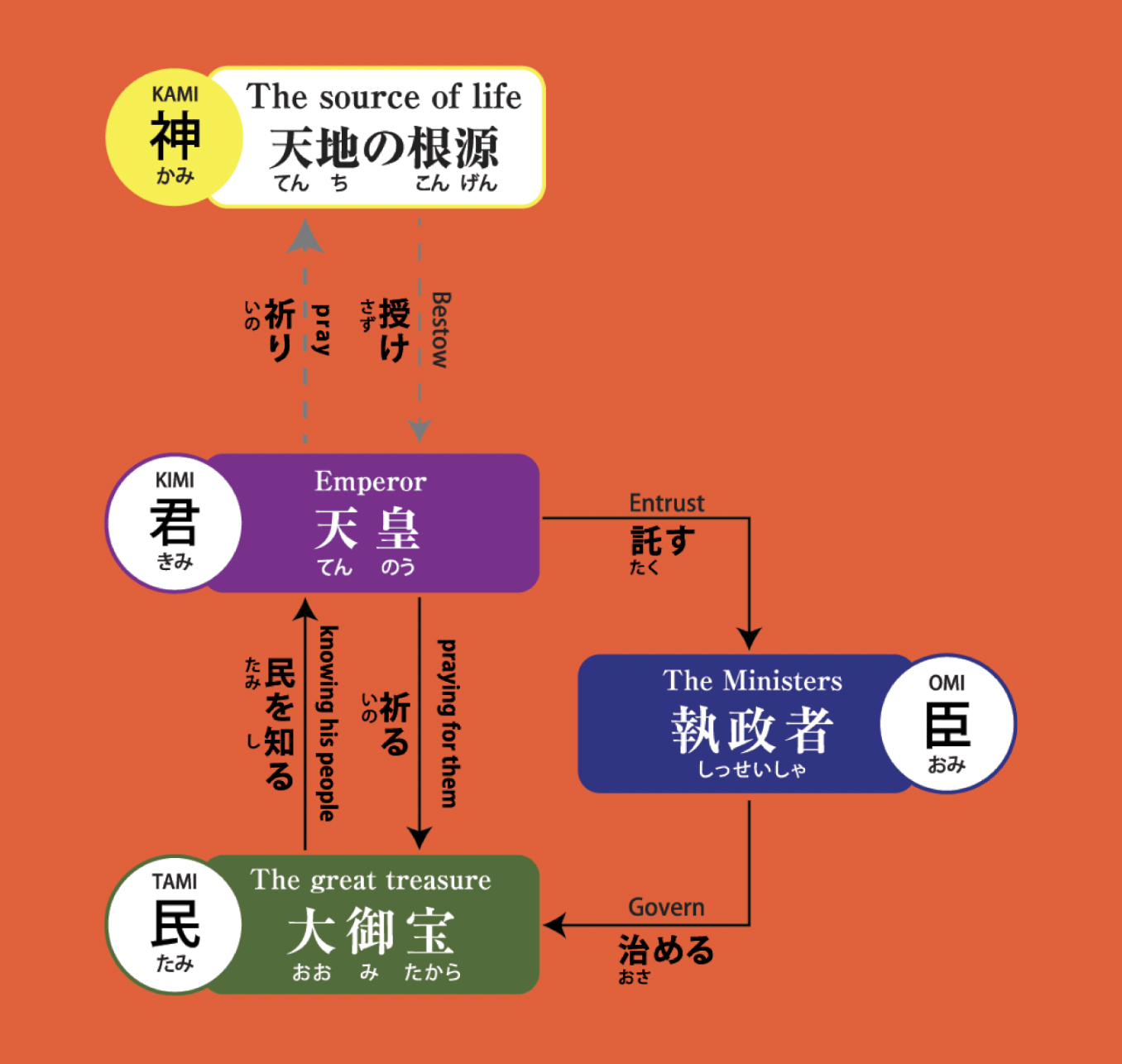
People surrendered themselves to the nature where kami dwells, sensing the way things are, revealed within it. How a human being ought to be; how one should set oneself right. Through nature, they kept asking after the will of kami. And there was one who received that divine will on behalf of all. This was the kimi. And there was one who gave that received will form within the real world of society. This was the omi. What all of it reached toward was the peace of the tami—the people, once called ōmitakara, “the great treasure.” This, precisely, was the matsurigoto of ancient Japan.
「カミ」が宿やど自然しぜんゆだね、そこにあらわれることわりかんる。ひととしてのあるべき姿すがたみずからをどうととのえるべきか。自然しぜんとおして、「カミ」の意思いしいつづけます。その「神意しんい」を、代表だいひょうして存在そんざいがいました。それが「キミ」です。そして、られた神意しんいを、現実げんじつ社会しゃかいなかかたちにしていくものがいました。それが「オミ」です。そのいとなみがかうさきにあるのは、「大御宝おおみたから」とばれる「タミ」の安寧あんねい——これこそが、古代こだい日本にほんの「まつりごと」なのです。

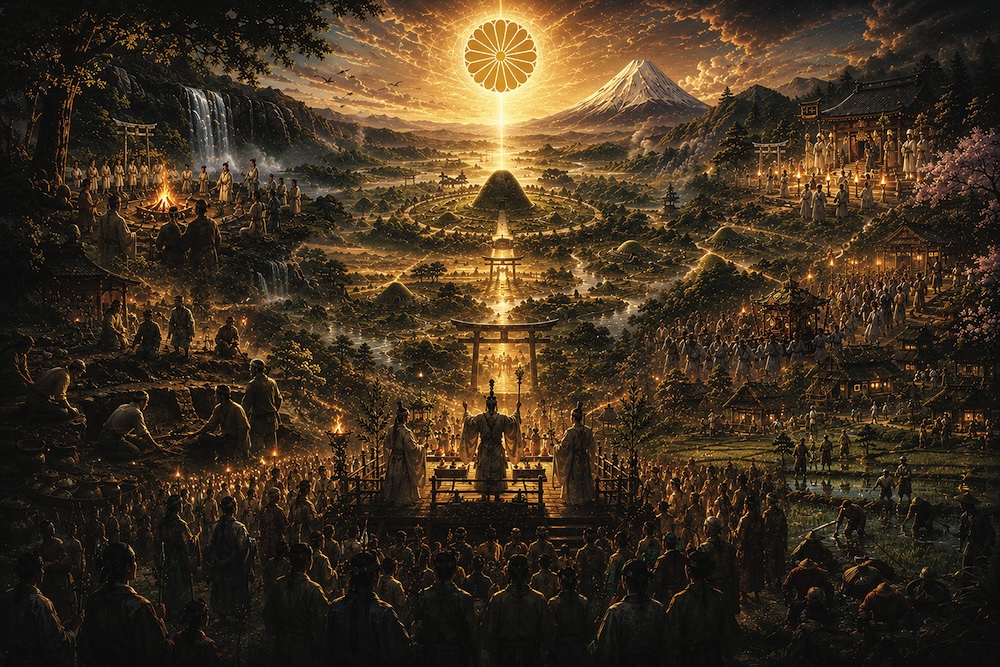
From kami to kimi, from kimi to omi—this flow of matsurigoto is at last tied together, within the daily life of the tami, as matsuri. Kimi, omi, and tami alike turn to face kami, offering prayer and gratitude. In that moment, kami, kimi, omi, and tami become one—in matsuri.
「カミ(かみ)」から「キミ(きみ)」へ、「キミ(きみ)」から「オミ(おみ)」へ——その「まつりごと」のながれは、やがて「タミ(たみ)」のらしのなかで、「まつり」としてむすばれます。キミもオミもタミも、カミにい、いのり、感謝かんしゃささげる。そのとき、カミ・キミ・オミ・タミは、「まつり」でひとつになります。

Matsuri participation

Ten Thousand Years of Kimi|「キミ」がいた、一万年いちまんねん

Today, it feels natural to read kimi (君) as the emperor. But in ages past, the kimi was not a single person. All across the Japanese islands were kimi—the chiefs who governed each community.
「キミ(きみ)」は、いまでは、「天皇てんのう」とかさねてむのが自然しぜんでしょう。けれど、かつての「キミ」は、一人ひとりではありませんでした。日本列島にほんれっとう各地かくちに、それぞれの共同体きょうどうたいおさめるおさ、「キミ」がいたのです。

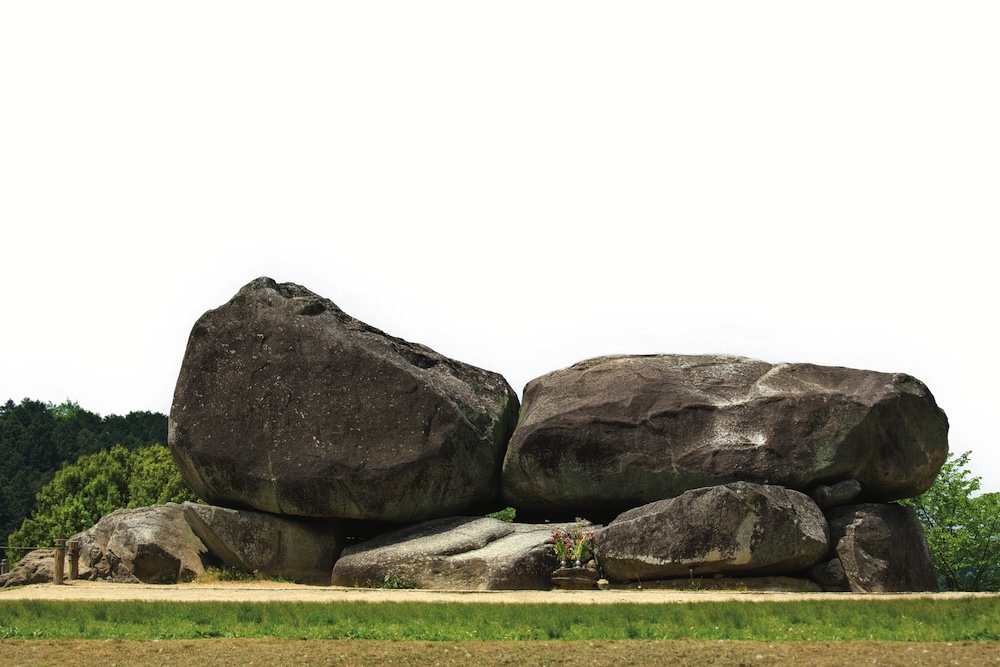
Their presence reaches all the way back to the distant Jōmon age. At settlement sites of the Jōmon period (roughly 16,000 years ago to around the 4th century BCE), where people settled on the same land for thousands of years, archaeologists have found burials set apart from the rest—graves thought to belong to the chiefs. As the ages passed, that presence took visible form in the kofun, the great burial mounds: more than 160,000 of them, found across the land from Tōhoku in the north to Kyushu in the south. They are proof that kimi truly existed, in region after region. And the one who stood above all these kimi and bound the whole nation together was the ōkimi, the great kimi—who would become the emperor.
その姿すがたは、はるか縄文じょうもんむかしにまでさかのぼります。おな土地とち何千年なんぜんねん定住ていじゅうした縄文時代じょうもんじだいやく1まん6000年前ねんまえ紀元前きげんぜん4世紀せいきごろ)の集落跡しゅうらくあとには、ほかとはあつかいのことなる、おさのものとおもわれる埋葬まいそうあと確認かくにんされています。やがて時代じだいくだると、その姿すがたは、きた東北とうほくからみなみ九州きゅうしゅうまで、各地かくち確認かくにんされている、16万基まんきえる古墳こふんとなってあらわれます。それは、土地土地とちどちに「キミ」がたしかにったことのあかしです。そして、その「キミ」たちのうえち、くに全体ぜんたいたばねたのが、「大君おおきみ」——のちの天皇てんのうでした。

Ancient Kofun mound

In Japanese, the character used for kimi is not only 君 but also 公—ōyake, “the public.” A kimi was one who existed not for watakushi, the private self, but for ōyake, the public good. That ancient sense still lives on, even now, within the words themselves.
また、日本語にほんごで「キミ」にてられる漢字かんじは、「きみ」のほかに、「おおやけ」もあります。キミとは、わたくしのためではなく、おおやけのために存在そんざい。そうした古代こだいからの感覚かんかくが、いまも言葉ことばなかのこされているのです。

Tracing this history and these ritual sites, we find that in Japan, for more than ten thousand years, society was built through matsuri—both governance and worship—an act that bound nature to people, people to people, and confirmed the path a community should take. In old Japan, politics and worship were one and the same. Japan, in other words, was a land of saisei itchi—the unity of worship and governance.
こうした歴史れきし祭祀さいし遺跡いせきをたどると、日本にほんでは一万年以上いちまんねんいじょうまえから、自然しぜんひとむすび、ひとひとむすび、共同体きょうどうたいすすむべき方向ほうこうたしかめるいとなみ——「まつり(まつりごとまつり)」をつうじて、社会しゃかいきずかれてきたことがわかります。かつての日本にほんでは、政治せいじまつりはひとつであった。つまり、日本にほんは「祭政一致さいせいいっち」のくにだったのです。

Historical governance

How Matsurigoto Became Politics|「まつりごと」が「政治せいじ」になるまで

Transition to Politics

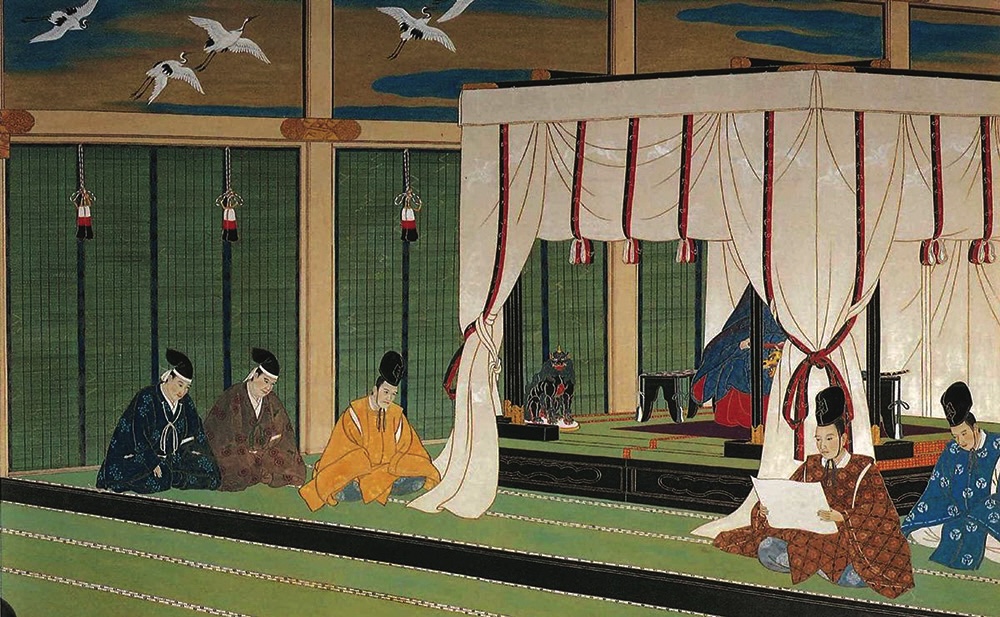
In this way, Japan was run by matsurigoto—the kimi, facing kami, entrusting the divine will they received to the omi, all to secure the peace of the tami. This matsurigoto was something utterly different from rule that bends people by force. The emperor at its center was not a “king” who ruled the land, but the symbol of the nation as a single family. He governed not by force, but by prayer—that is, by the power of matsuri. The emperor comes to know his realm to its very ends: the lay of each land, the lives of the people, their joys and their sorrows. To know is to care; to care is to pray. And so there endured in Japan a society found nowhere else in the world—a society that held the emperor at its heart.
このように、日本にほんでは、「カミ(かみ)」にう「キミ(きみ)」が、った神意しんいを「オミ(おみ)」にたくし、「タミ(たみ)」の安寧あんねいをはかる「まつりごと」で運営うんえいされてきました。その「まつりごと」は、ちからひとしたがえる支配しはいとは、まるでちがうものです。中心ちゅうしん天皇てんのうは、くに支配しはいする「おう」ではなく、国家こっかというひとつの「いえ」を象徴しょうちょうする存在そんざいです。ちからで「おさめる」のではなく、いのり——すなわち、まつりのちからおさめるのです。天皇てんのうは、くに隅々すみずみまでをくします。土地とちのありさま、人々ひとびとらし、そのよろこびも、いたみも。れば、あんじずにはいられない。あんじれば、いのらずにはいられない。こうして、日本にほんには世界せかいれいのない、天皇てんのういただ社会しゃかいながつづきました。

The Flow of Matsurigoto / 「まつりごと」のなが

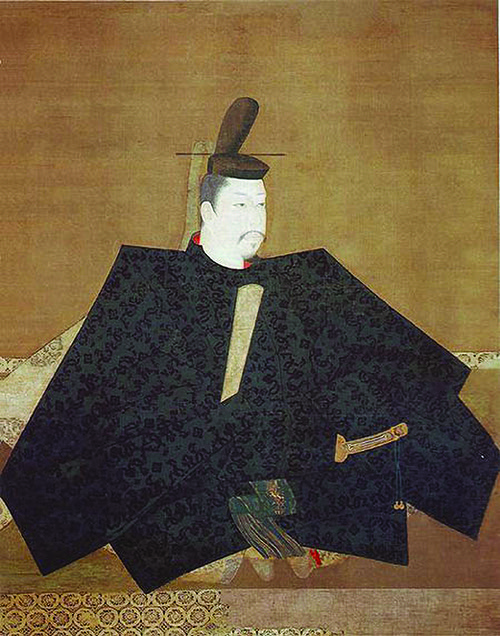
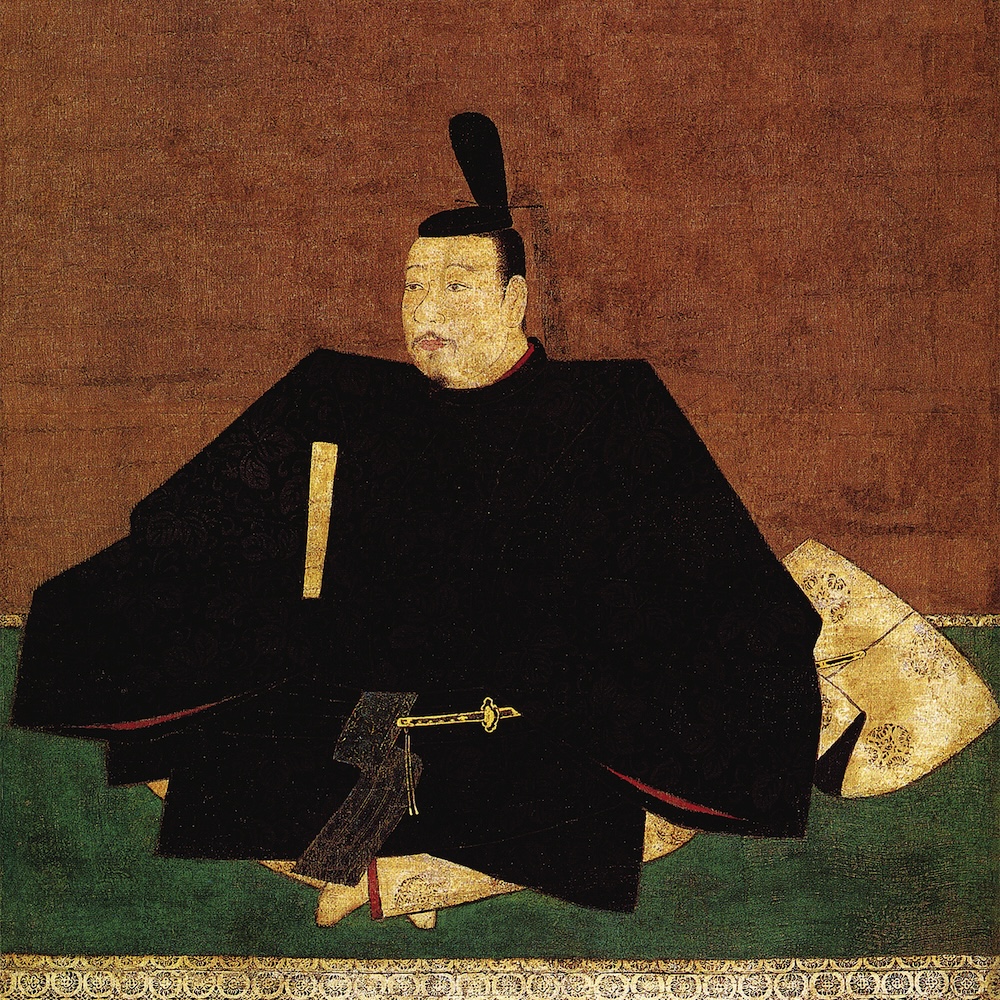
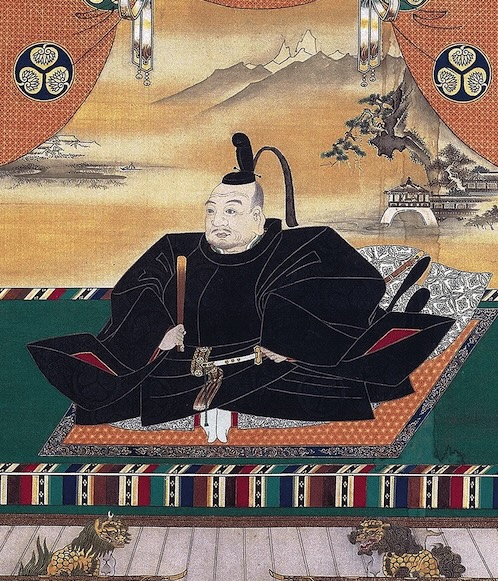
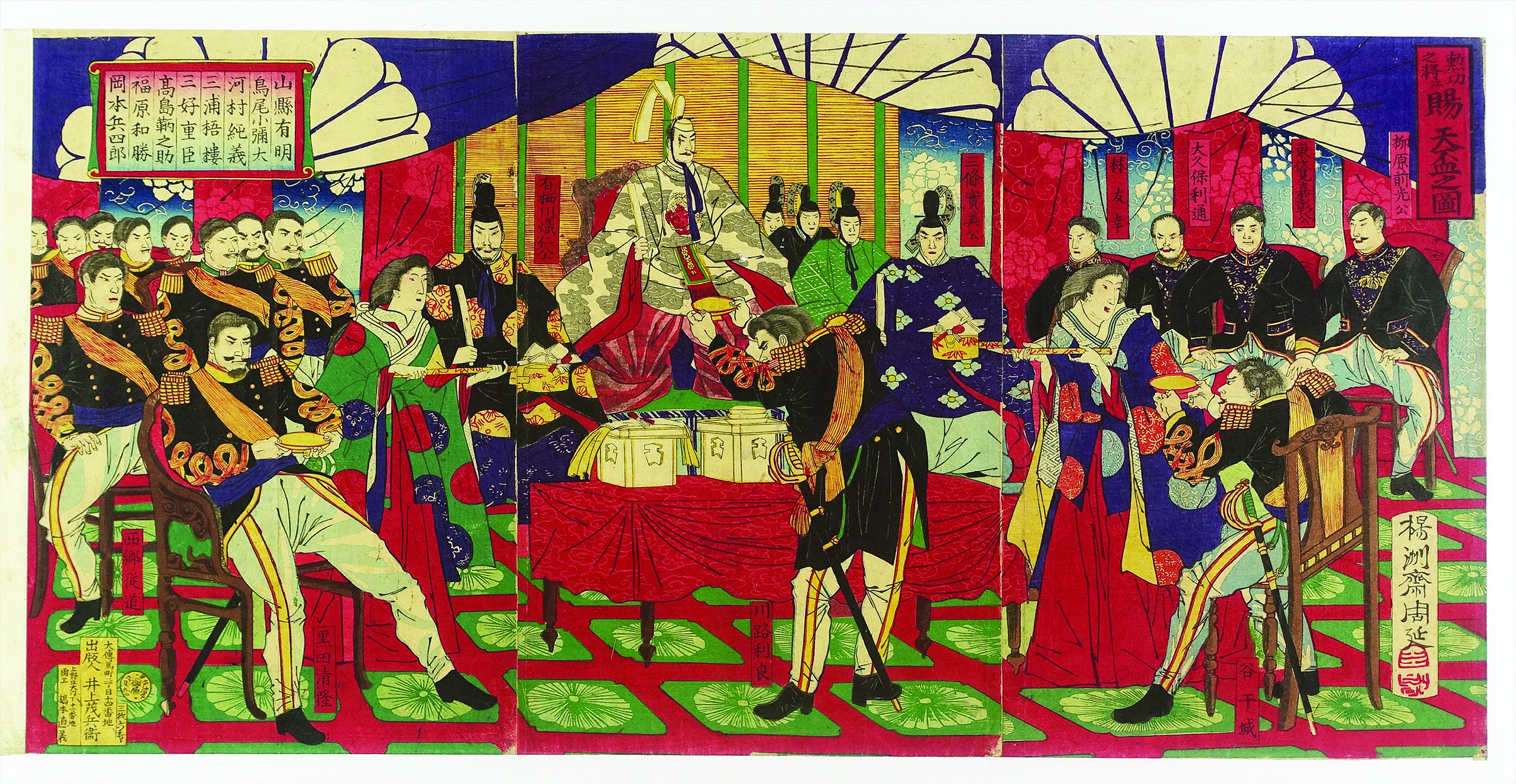
This began to change with the rise of the warrior class in the Kamakura period (1185–1333). Real political power slipped, little by little, from the hands of the emperor and the nobility into those of the warriors. That current ran on through the Muromachi period and into the Edo period (1603–1868)—nearly seven hundred years in all.
その姿すがたわりはじめるのは、武家ぶけ台頭たいとうする鎌倉時代かまくらじだい(1185ねん〜1333ねん)です。政治せいじ実権じっけんは、すこしずつ天皇てんのう貴族きぞくはなれ、武士ぶしへとうつっていきます。そのながれは室町むろまちをへて、江戸時代えどじだい(1603ねん〜1868ねん)まで——七百年ななひゃくねんちかくつづきました。

MINAMOTO no Yoritomo

MINAMOTO no Yoritomo | 源頼朝

ASHIKAGA Takauji

ASHIKAGA Takauji | 足利尊氏

TOKUGAWA Ieyasu

TOKUGAWA Ieyasu | 徳川家康

Yet the shoguns who held that power never cast the emperor aside. On the contrary, the very title they took—seii taishōgun, “great general”—was one granted by the emperor himself. The warriors held power in their hands, yet sought the ground of their legitimacy in the authority of the throne.
けれど、実権じっけんにぎった将軍しょうぐんたちは、天皇てんのうをないがしろにはしませんでした。むしろ、かれらが名乗なのった「征夷大将軍せいいたいしょうぐん」という地位ちいそのものが、天皇てんのうからさずけられるものだったのです。武士ぶしちから権力けんりょく)をにぎりながら、その正統性せいとうせいりどころを、天皇てんのう権威けんいもとめました。

Shoguns

Power to the warriors, authority to the emperor. The two stood apart, yet remained together. This form, unique to Japan, was not the work of any one person’s bold design. The matsurigoto layered up over more than ten thousand years had, like an unshakable boulder, gradually become the very shape of the nation.
権力けんりょく武家ぶけへ、権威けんい天皇てんのうへ。ふたつがかれながら、ともる。この日本にほん独特どくとくのかたちは、だれかの英断えいだんまれたものではありません。一万年いちまんねんえてかさねられてきた「まつりごと」が、ゆるがぬいわおのように、くにのかたちとなっていったのです。

Through the warrior ages of Kamakura, Muromachi, and Edo, the ancient ideal of saisei itchi—the unity of worship and governance—gradually receded into the background. Then came the moment it was called back to the center of the nation: the Meiji Restoration.
鎌倉かまくら室町むろまち江戸えど武家ぶけつづくうちに、古代こだい以来いらい祭政一致さいせいいっち理念りねんは、しだいに背景はいけい退しりぞいていきました。それが、ふたたびくに中心ちゅうしんへともどされるときます。明治維新めいじいしんです。

Newly opened to the world, Japan found itself face to face with the Western powers. Those nations bound their peoples together around a single faith, Christianity—and the leaders of Meiji were keenly aware of it. And so Japan raised the banner of “imperial restoration,” envisioning a new image of the nation, unified beneath the emperor.
開国かいこくした日本にほんは、列強れっきょううことになりました。西洋諸国せいようしょこくが、キリストきょうというひとつの信仰しんこうじく国民こくみんたばねている——その姿すがたを、明治めいじ指導者しどうしゃたちはつよ意識いしきします。そこで日本にほんは「王政復古おうせいふっこ」をかかげ、天皇てんのうのもとにくにひとつにまとめる、あたらしい国家像こっかぞうえがきました。

The spiritual pillar they set at its core was Shinto. Shrines were designated as rites of the state, and a Shinto centered on the emperor—the system later called State Shinto—was steadily built up. That ancient vision—in which kami, kimi, omi, and tami became one in pursuit of the nation’s peace and flourishing—was reborn in a new form, clothed in the dress of a modern state.
その精神的せいしんてき支柱しちゅうえたのが、神道しんとうです。神社じんじゃ国家こっか祭祀さいしさだめ、天皇てんのう中心ちゅうしんとする神道しんとう——のちに「国家神道こっかしんとう」とばれる体制たいせいきずかれていきます。かみきみおみたみ一体いったいとなってくに安寧あんねい発展はってんをめざす、あの古代こだい以来いらい思想しそうが、近代国家きんだいこっかよそおいをまとい、あらたな姿すがたよみがえったのです。

State Shinto era

This became the centripetal force for a Japan racing to modernize. From the Meiji era on, under a spiritual unity centered on the emperor, Japan climbed toward modern nationhood at astonishing speed.
それは近代化きんだいかいそ日本にほん求心力きゅうしんりょくとなりました。明治めいじ以降いこう日本にほん天皇てんのう中心ちゅうしんとする精神的せいしんてき統合とうごうのもとで、おどろくべきはやさで近代国家きんだいこっかへとがっていきます。

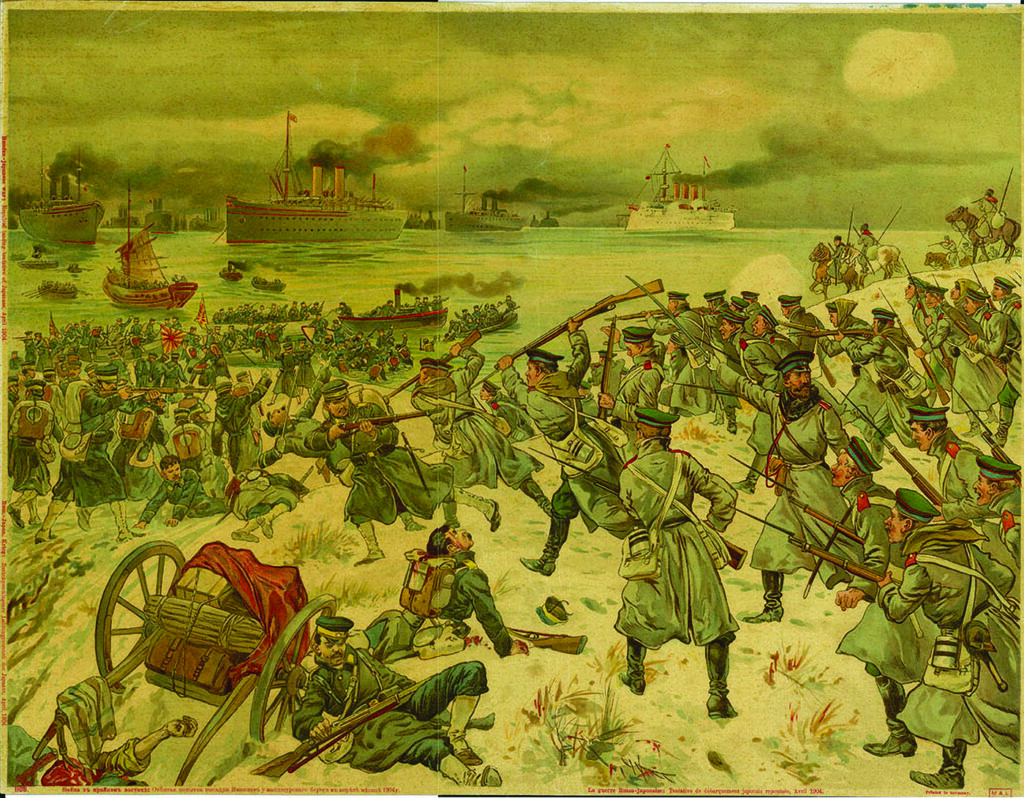
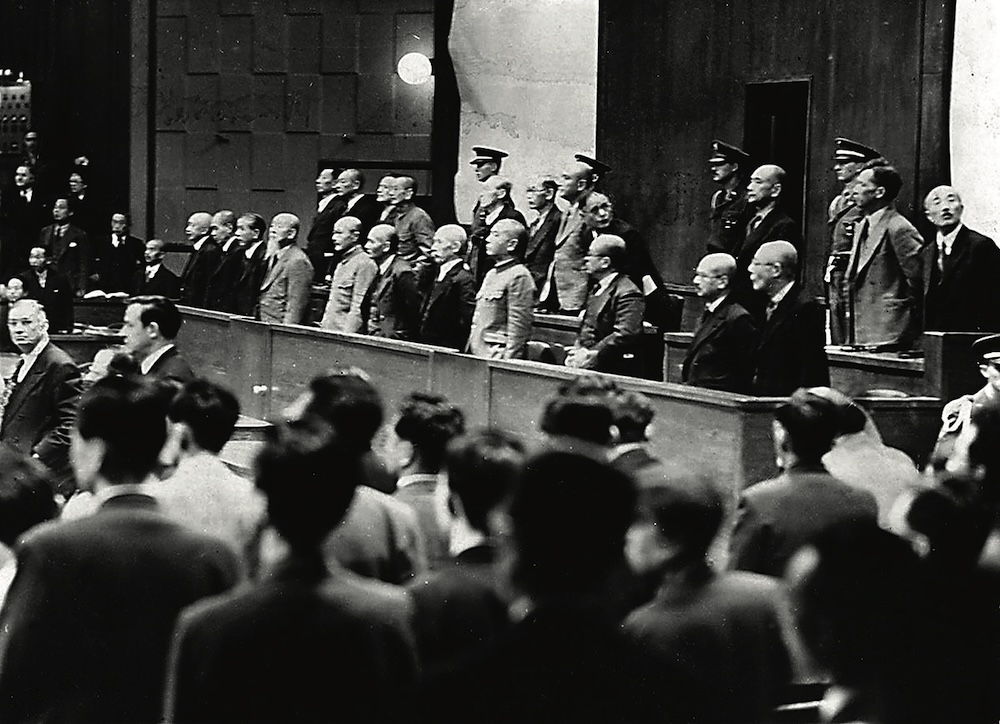
But the force that had bound the nation together became, just as it was, a force for war. Japan won through the Sino-Japanese and Russo-Japanese Wars and rose into the ranks of the great powers. Then came two world wars—and then, defeat. State Shinto, which had bound Japan into one, was dismantled after the war by the hands of GHQ. State and Shinto were severed, and Japan set out on the path of “separation of religion and state”—a separation, one might say, of worship and governance.
しかし、くにをまとめあげたそのちからは、そのままたたかちからにもなりました。日本にほんは、日清にっしん日露にちろ戦争せんそうき、列強れっきょう一角いっかくへとがります。やがて、二度にど世界大戦せかいたいせんをへて、そして、敗戦はいせん日本にほんひとつにたばねてきた国家神道こっかしんとうは、戦後せんご、GHQの解体かいたいされます。国家こっか神道しんとうはなされ、日本にほんは「政教分離せいきょうぶんり」——いわば「祭政分離さいせいぶんり」のみちあゆむことになりました。

Modernization
Post-war

That was the moment matsurigoto became mere “politics.” Even after, the emperor goes on knowing his realm to its very ends, praying for the people. But in the world of politics, run by human calculation, one finds almost no trace of the old matsurigoto. The “prayers” of politicians have become prayers for nothing but their own election.
それは、「まつりごと」が、「政治せいじ(ポリティクス)」になった瞬間しゅんかんでした。それ以降いこうも、天皇てんのうくに隅々すみずみまでをり、国民こくみんのためにいのりつづけています。けれど、人間にんげんあたまうごかす政治せいじ世界せかいに、かつての「まつりごと」の面影おもかげることは、まずありません。政治家せいじかたちの「いのり」は、みずからの当選とうせんねがうものばかりとなりました。

And yet—in the world of the tami, matsuri remained. Through the age of saisei itchi, the age of the warriors, the age of the modern state, and now, in this age of separation between religion and state. The people never let go of matsuri. Or perhaps it would be truer to say: the kami dwelling within matsuri never let go of the tami.
けれど——タミの世界せかいに、「まつり」はのこりました。祭政一致さいせいいっち時代じだいも、武家ぶけ時代じだいも、近代国家きんだいこっか時代じだいも、そして政教分離せいきょうぶんりとなったいまも。人々ひとびとは、まつりを手放てばなさなかったのです。いや、まつりに宿やどったカミが、タミを手放てばなさなかった、とうべきかもしれません。

Matsuri survives

Matsurigoto Vanished, the Matsuri Remained|「まつりごと」はえ、「まつり」はのこった

Matsuri remains

Today, the “separation of religion and state” is spoken of as a matter of course. But its origin lies in Europe. Once, there was a Roman Empire grown too vast. Across its sprawling territory, countless peoples jostled together, and civil strife went on without end. It was then that the emperor turned his eye to Christianity. Not by force of arms, nor by law, but by a single faith—only so could the empire be bound together. And so the emperor set Christianity as the axis on which Rome would turn.
いま、「政教分離せいきょうぶんり」は、当然とうぜんのことのようにかたられます。けれど、その原点げんてんは、ヨーロッパにあります。かつて、巨大きょだいになりすぎたローマ帝国ていこく広大こうだい領土りょうどに、無数むすう民族みんぞくがひしめき、内乱ないらんつづいていました。そんなとき皇帝こうていをとめたのが、キリストきょうでした。武力ぶりょくほうでなく、ひとつの信仰しんこうでこそ帝国ていこくたばねられる。そうかんがえた皇帝こうていは、キリストきょうを、ローマをべるじくえました。

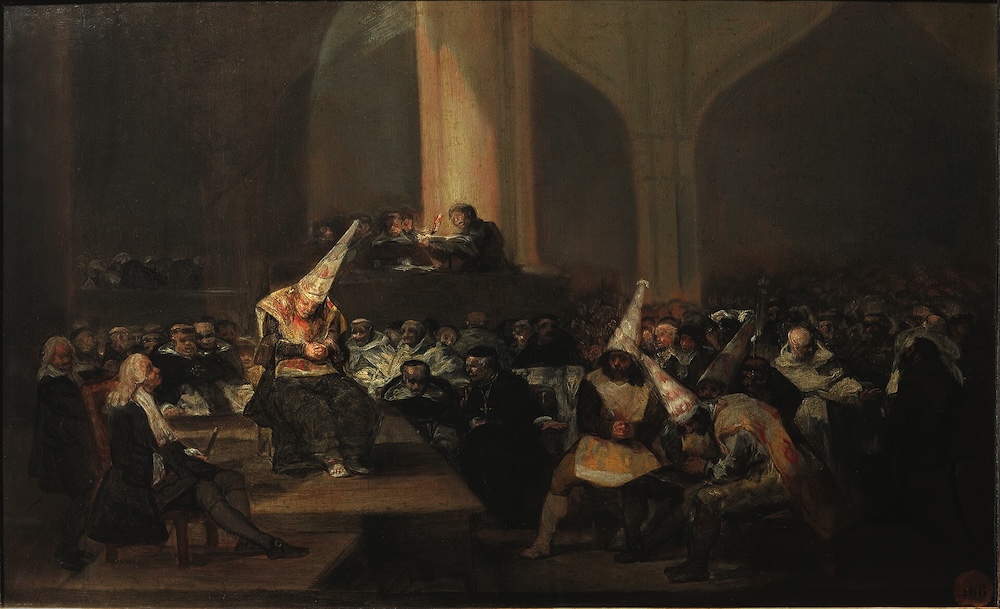
But when a monotheism that proclaims the “one true teaching” joins with the power of the state—it runs out of control. Because it allows only one, any different thought becomes “heresy,” to be judged and condemned. Witch hunts and burnings at the stake spread; Galileo, who held that the earth moves, was silenced. What awaited, where faith and power became one, was a history of persecution. “Religion and state must be kept apart.” Out of that trauma, the “separation of religion and state” was born.
けれど、「唯一ゆいいつただしいおしえ」をかかげる一神教いっしんきょうが、国家こっかちからむすびついたとき——それは暴走ぼうそうします。ひとつしかみとめないからこそ、ちがかんがえは「異端いたん」となり、さばかれました。魔女狩まじょがりやあぶりが横行おうこうし、地動説ちどうせつとなえたガリレオも弾圧だんあつされます。信仰しんこう権力けんりょくひとつになったさきっていたのは、迫害はくがい歴史れきしでした。「国家こっか宗教しゅうきょうはなすべきだ」。「政教分離せいきょうぶんり」は、そうしたトラウマからまれました。

Western influence

Japan’s Shinto stands at the opposite pole. Kami is the source of the universe, the source of life. In mountains and rivers, in trees and stones, and in people too—in all things, that source dwells. Through nature, through one another, we come to meet kami. In every existence, kami is present. And so, for Shinto, there is no “foreign element” to be cast out—none, from the very beginning. To accept all, and to make harmony: that is Japan’s Shinto, and what puts it into practice is matsuri.
日本にほん神道しんとうは、その対極たいきょくにあります。カミとは、宇宙うちゅうの、そして生命せいめい根源こんげんです。やまにもかわにも、にもいしにも、そしてひとにも——あらゆるものに、その根源こんげん宿やどっています。わたしたちは、自然しぜんを、ひととおして、カミに出会であうのです。すべての存在そんざいに、カミがる。だから神道しんとうには、排除はいじょすべき「異物いぶつ」など、はじめからありません。すべてをれ、をつくる。それが、日本にほん神道しんとうであり、それを実践じっせんするのが「まつり」です。

Shinto harmony

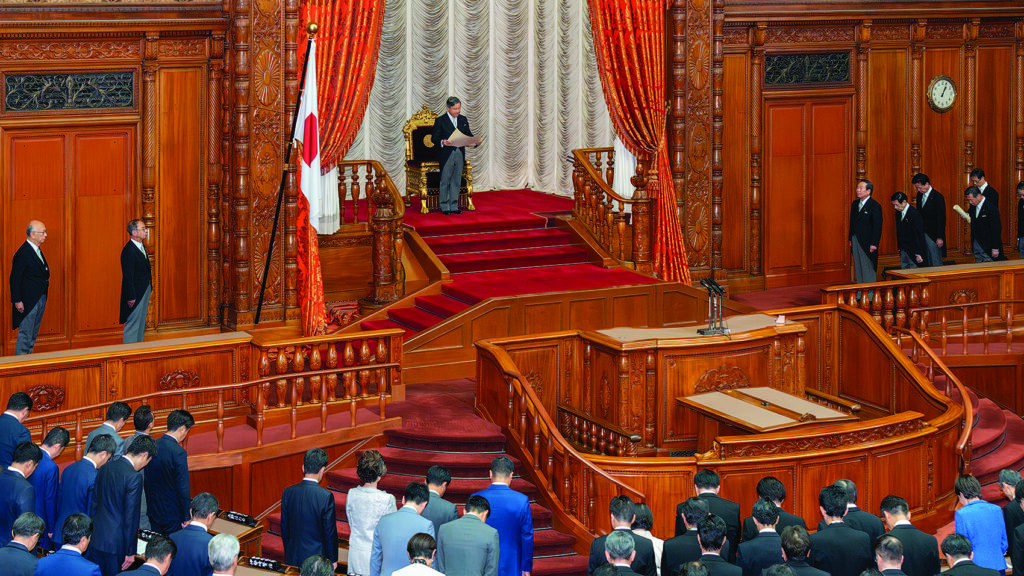
Looking back over Japan’s history, the age of saisei itchi—when worship and governance were bound inseparably together—was by far the longer. Its traces have not vanished even now. In Japan, the prime minister is appointed by the emperor, and the ministers receive his attestation. Governance and worship, in altered form, still quietly stand side by side. The same can be seen in the United States, where the president is sworn into office with a hand upon the Bible.
日本にほん歴史れきしふりかえれふりかえれば、祭祀さいし統治とうちかちがたくむすびついていた「祭政一致さいせいいっち」の時代じだいほうが、はるかにながかったのです。その名残なごりは、いまえていません。日本にほんでは、総理大臣そうりだいじん天皇てんのう任命にんめいされ、大臣だいじんたちは天皇てんのう認証にんしょうけます。まつりごとまつは、かたちをえて、いましずかにっているのです。これは、聖書せいしょいて宣誓せんせいするアメリカの大統領就任式だいとうりょうしゅうにんしきでもみられます。

Matsuri governance 1

Matsurigoto: the work of building a nation where heaven, earth, and humankind are in harmony. The divine will flowed from kami to kimi, from kimi to omi, and on to tami. Yet that matsurigoto has, by now, become an archaic word.
てんひととがするくにをつくるための「まつりごと」。神意しんいは、カミからキミへ、キミからオミへ、そしてタミへとながれていきました。けれど、その「まつりごと」は、いまや古語こごとなりました。

Matsuri governance 2

But matsuri is still alive. If we meet it not as a mere “event,” but reach once more for what lies within it—then the spirit of matsurigoto will surely awaken again, within us. The soul of matsuri, which for over ten thousand years has shaped this land and the hearts of its people, returns once more this year.
でも、「まつり」は、いまきています。それをたんなるイベントとしてではなく、そのおくにあるものと、もう一度いちどつながれば——「まつりごと」の精神せいしんが、わたしたちのなかで、ふたたびますはずです。一万年いちまんねんえて、このくに人々ひとびとこころをつくってきた「まつり」のたましいが、今年ことしもまた、かえってきます。

Matsuri conclusion

Leave a Reply