


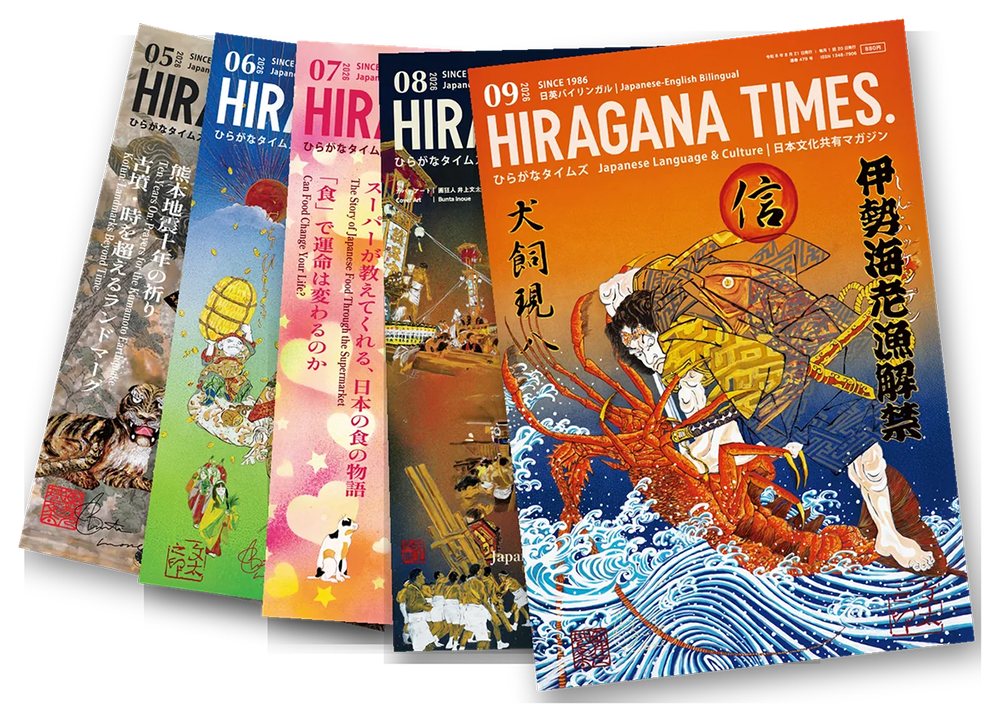
The Treasure Bearer Who Left No Name
名を残さない宝運び人Eto – An Eastern Philosophy Unraveling the Blueprint of the Universe
干支——宇宙の設計図を紐解く東洋の思想
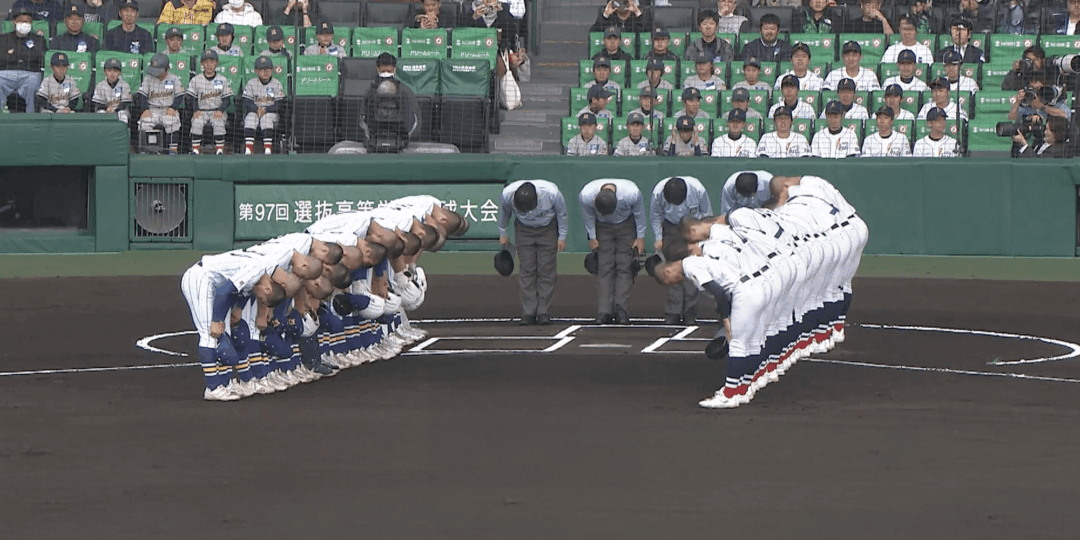
Koshien — Where Baseball Became “Yakyu”
甲子園 —— ベースボールが「野球」になった場所
Listen to the Audio:
Koshien — Where Baseball Became “Yakyu”
甲子園 —— ベースボールが「野球」になった場所
Born in America, baseball crossed the ocean to Japan, where it was transformed into “Yakyu.” It evolved into a unique culture, layered not only with physical skills but with respect, unyielding effort, and compassion for one’s teammates. As a symbol of this evolution, there is a stage that has been giving birth to stories for over a century. That stage is “Koshien.”
アメリカで誕生したベースボールは、日本に渡り「野球」となりました。技術だけでなく、礼や努力、仲間を思う心が重ねられ、独自の文化へと育っていきました。その象徴として、100年以上にわたり物語を生み続けてきた舞台があります。それが「甲子園」です。
The “Apparatus” That Made Japanese Baseball the Best in the World | 日本野球を世界一にした「装置」
In recent years, Japanese players thriving in Major League Baseball have garnered global attention. Shohei Ohtani, in particular, continues to rewrite the very conventions of the sport as a “two-way” player—excelling as both a pitcher and a hitter. But why are Japanese players so highly valued in America, the birthplace of baseball? Where were their athleticism and skills nurtured, and by what spirit were they guided?
近年、アメリカ・メジャーリーグで活躍する日本人選手が、世界の注目を集めています。中でも大谷翔平は、投手と打者を両立する「二刀流」で、野球の常識そのものを塗り替え続けています。では、なぜ日本の選手たちは、野球の本場アメリカで、これほどまでに高く評価されるのでしょうか。彼らの身体能力や技術は、どこで育まれ、どのような精神性に導かれてきたのでしょうか。
Of course, it goes without saying that their exceptional individual effort and talent are what yield these results. Yet, the force that has underpinned that effort and driven players as a clear, definitive goal is Koshien. It is the stage dreamed of by everyone, from elementary school children just starting the game to high schoolers aiming to turn pro. When people hear “Koshien,” they envision the stadium; and to say “I played at Koshien” signifies that one has competed in the National High School Baseball Championship.
もちろん、彼ら一人ひとりの並外れた努力と才能が、結果を生んでいることは言うまでもありません。その努力を支え、明確な目標として選手たちにモチベーションを与えてきた存在が、「甲子園」です。野球を始めたばかりの小学生から、プロを目指す高校生まで、誰もが夢見る舞台。「甲子園」と聞けば誰もが野球場を思い浮かべ、「甲子園に出た」と言えば、全国高等学校野球選手権大会に出場したことを意味します。
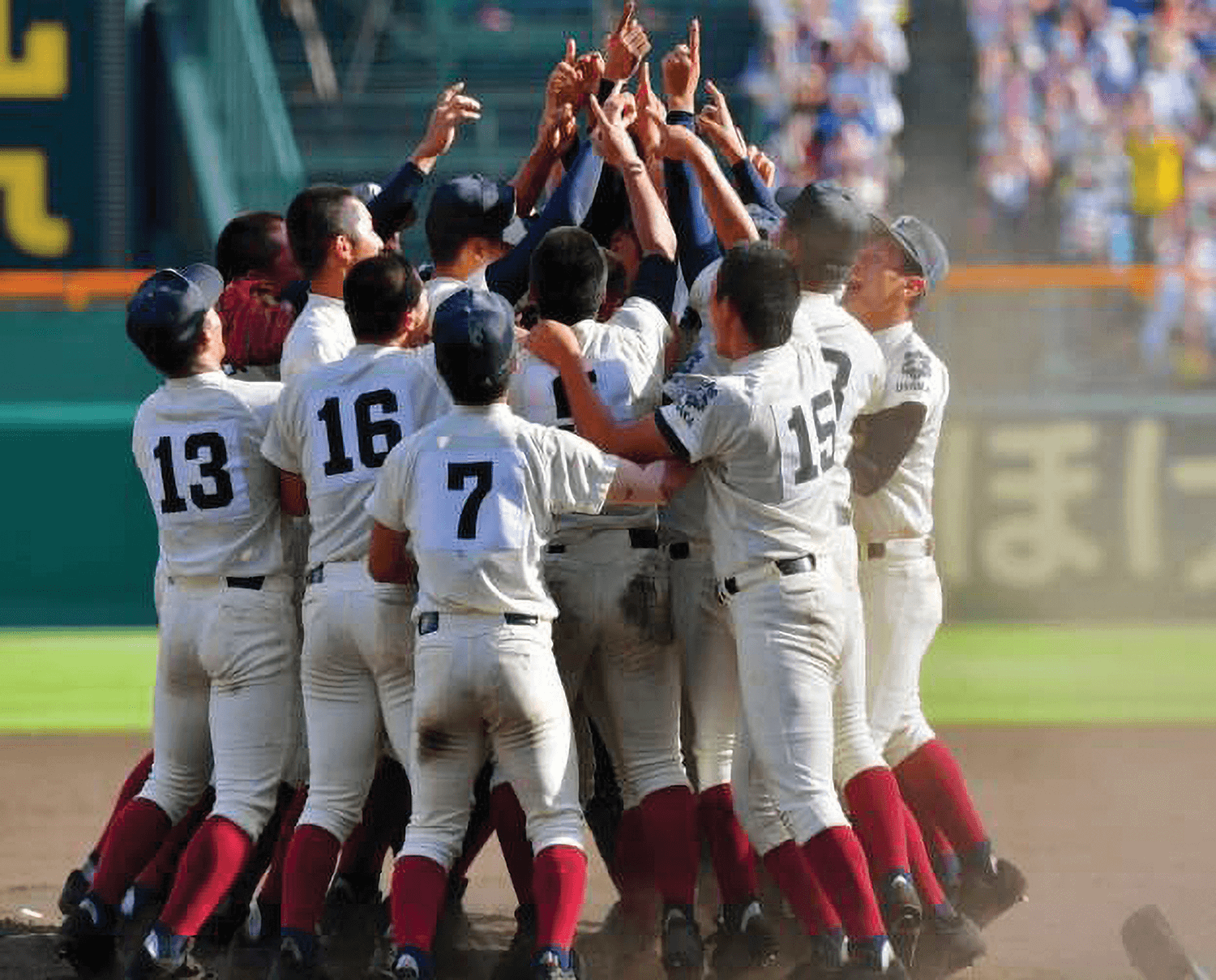
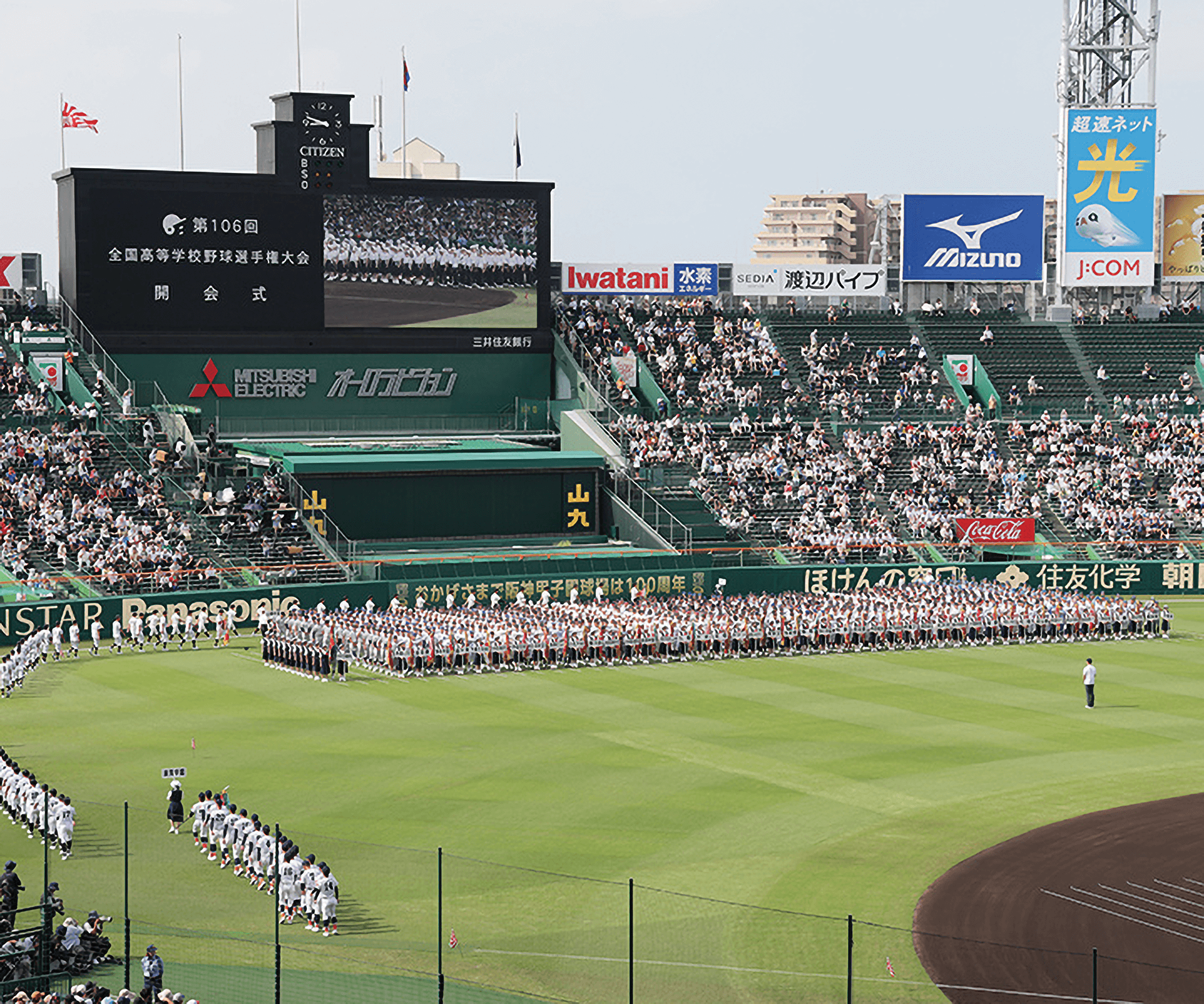
In this tournament, where young ballplayers clash with all their might aiming for the summit of approximately 3,400 schools nationwide, about 900,000 spectators pack the stands each year, while tens of millions watch on television. This is not merely a venue for competition; it is a place where the values of Japanese Baseball are condensed.
全国およそ3,700校の頂点を目指し、球児たちが全力をぶつけ合うこの大会には、毎年およそ60万人の観客が詰めかけ、テレビの前には数千万人の視線が注がれます。ここは単なる競技の場ではありません。日本野球の価値観が凝縮された場所なのです。
Shohei Ohtani stood on this “Koshien” stage as a member of Hanamaki Higashi High School, representing Iwate Prefecture. Ichiro stood there as a player for Aikodai Meiden High School, representing Aichi Prefecture. Many of the Japanese players currently starring in the Major Leagues aimed for “Koshien” during their high school days, and a great number of them actually experienced that stage.
大谷翔平は、岩手県代表・花巻東高校の一員として、この「甲子園」の舞台に立ちました。イチローは、愛知県代表・愛工大名電高校の選手として。現在メジャーリーグで活躍する日本人選手の多くが、高校時代に「甲子園」を目指し、その多くが実際にその舞台を経験しています。
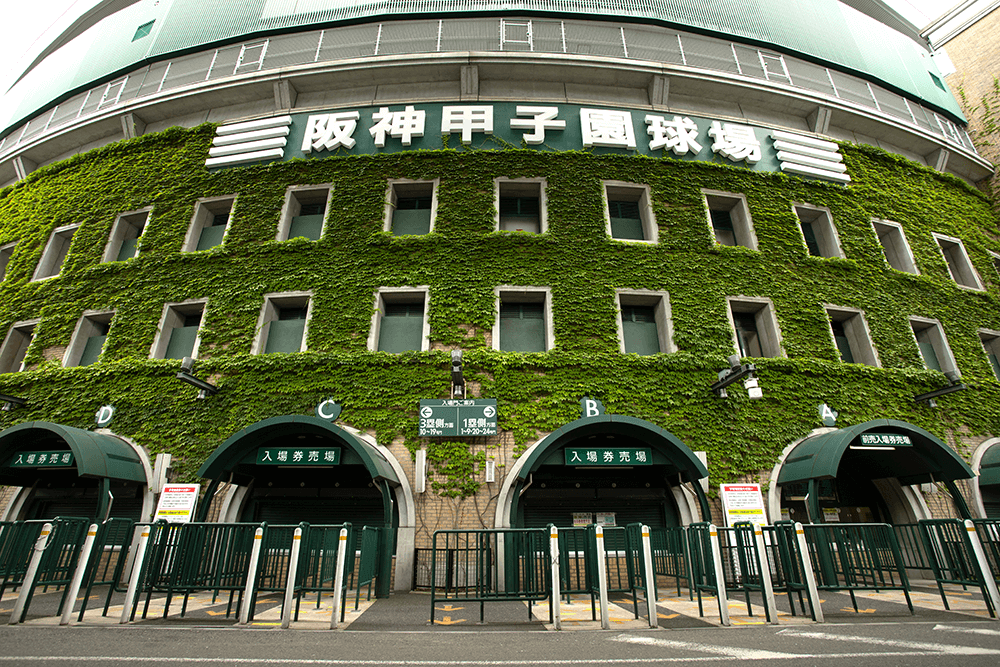
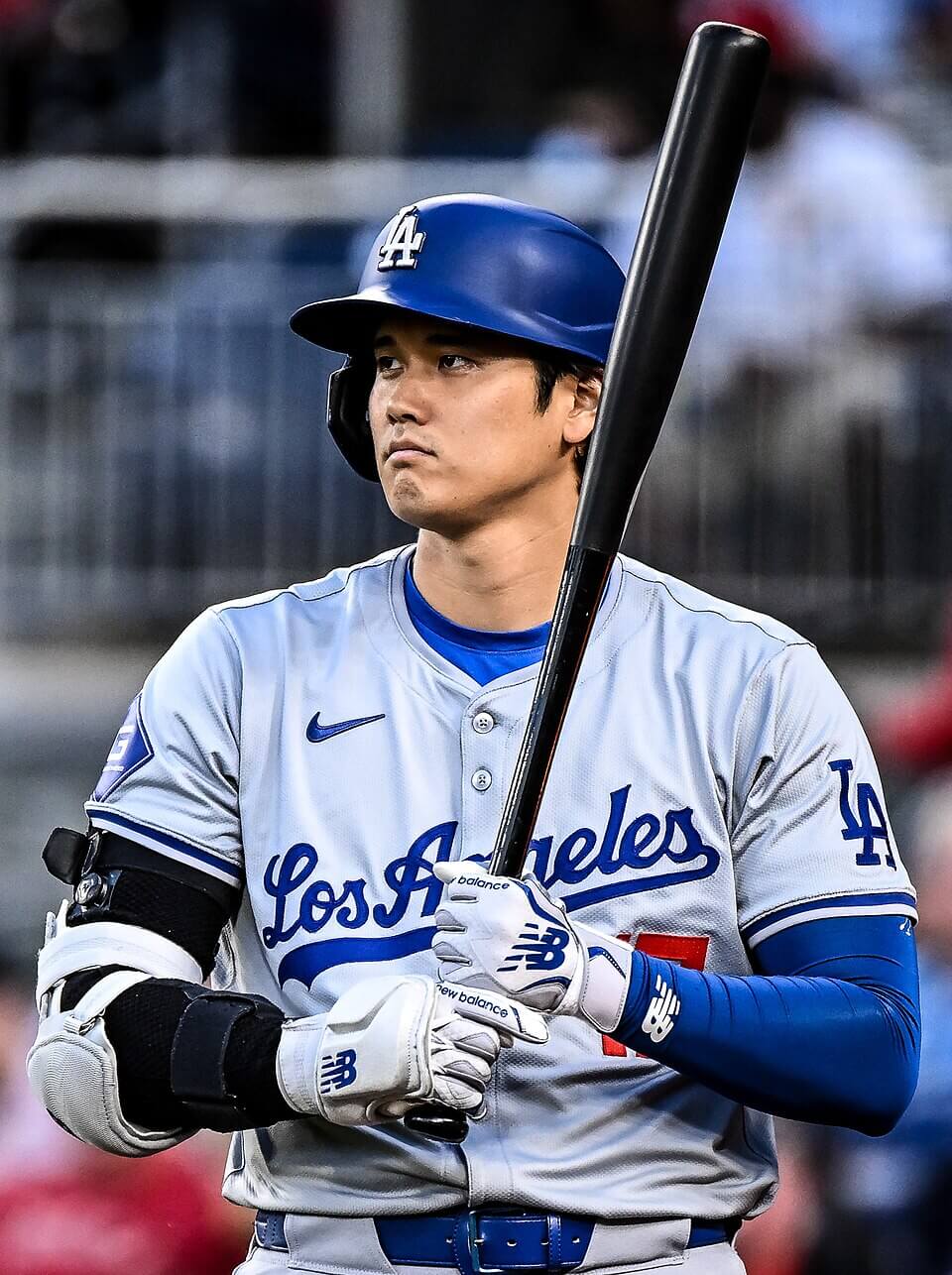
“Koshien,” where the passion of millions of Japanese people reaches a fever pitch and where their collective gaze and spirit collide, is the very apparatus that has led Japanese Baseball to the top of the world. What did Japanese players, including today’s Major Leaguers, experience at “Koshien”? What did they etch into their souls? Let us embark on a journey to trace these origins.
多くの日本人が熱狂し、その眼差しと精神がぶつかり合う「甲子園」は、日本野球を世界一へと導いてきた装置です。日本人メジャーリーガーをはじめとする日本の野球選手たちは、この「甲子園」で何を経験し、何を刻み込んできたのか。その源流を辿る旅に出てみましょう。
Koshien: A Stadium Born for High School Baseball | 甲子園——高校野球のために生まれた球場
This year, on March 19th, “Spring Koshien”—the 98th National High School Baseball Invitational Tournament—will open. Thirty-two schools selected from across the country will participate. In the summer, “Summer Koshien” will be held, where 49 schools that won through the qualifiers will clash. Outside of the high school baseball period, it is used as the home field for the local professional team, the Hanshin Tigers. However, this “Koshien” has a history of being built originally for high school baseball.
今年も3月19日、「春の甲子園」こと第98回選抜高等学校野球大会が開幕します。全国から選ばれた32校が出場。夏には予選を勝ち上がった49校が激突する「夏の甲子園」が行われます。高校野球の期間以外は、地元球団・阪神タイガースの本拠地として使用されています。しかし、この甲子園は、もともと高校野球のために建設されたという歴史があります。
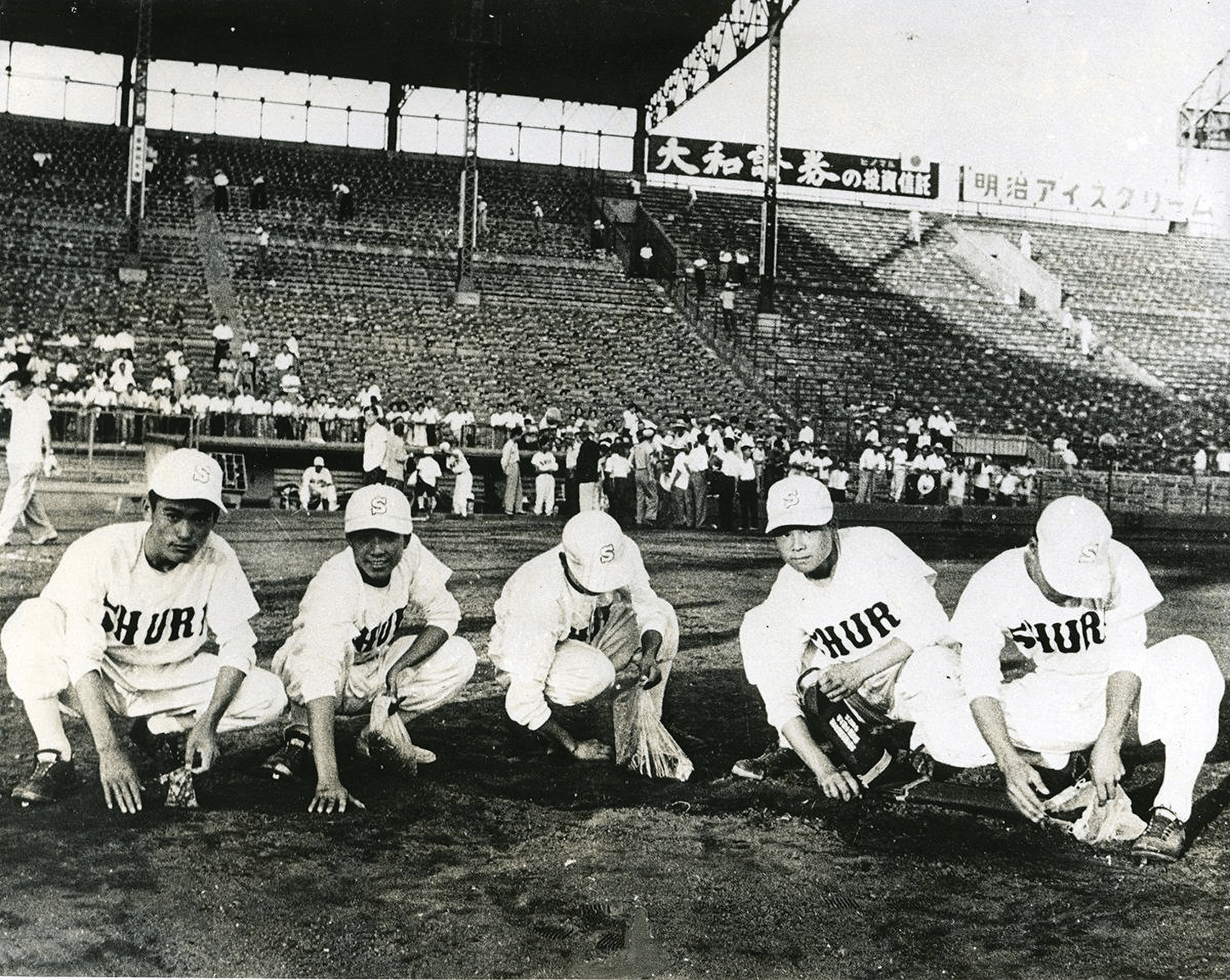
In 1915, the first National Middle School Baseball Championship (currently the National High School Baseball Championship) was held at Toyonaka Stadium in Osaka. There were only 73 participating schools. However, its popularity skyrocketed after that, and Toyonaka Stadium could no longer accommodate the spectators. That is why Koshien Stadium was constructed. The initial capacity was approximately 50,000. It was an unprecedented scale for a high school tournament.
1915年、第1回目の全国中等学校優勝野球大会(現在の全国高等学校野球選手権大会)は、大阪・豊中球場で開催されました。参加校は、わずか73校でした。しかしその後人気は急騰し、豊中球場では観客を収容しきれなくなりました。そこで建設されたのが、甲子園球場です。収容人数は当初約5万人。高校生の大会としては破格の規模でした。
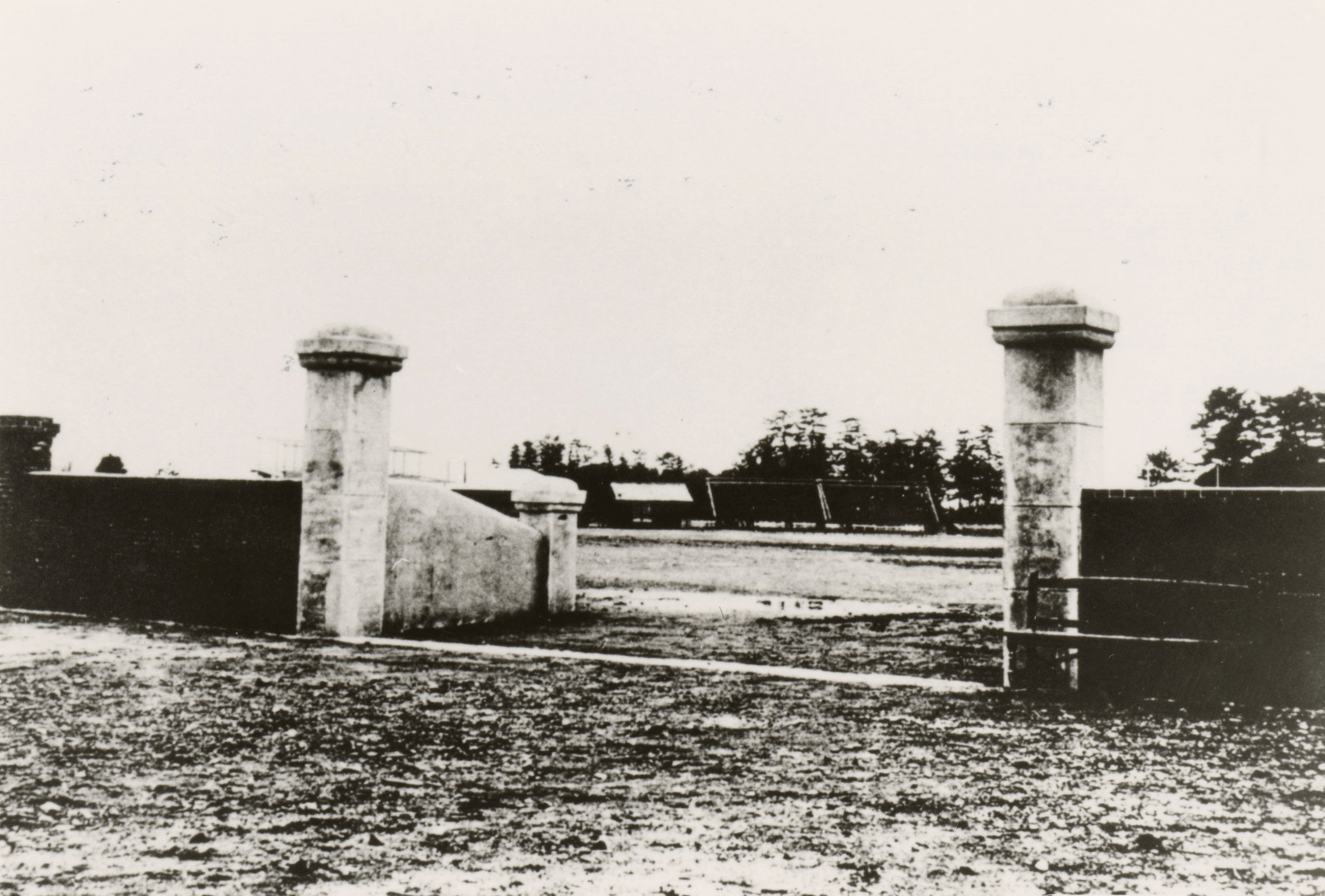
Koshien Stadium was completed in 1924 (the 13th year of the Taisho era), the year of “Kinoene” (also read as “Koshi”). This is the origin of the name “Koshien.” “Koshi” corresponds to the first combination of the ten stems and twelve branches, signifying the “beginning” of a 60-year cycle. 100 years since then—Japanese Baseball has won the World Baseball Classic (WBC) three times and continues to develop even now.
甲子園球場が完成したのは1924年、大正13年の「甲子(きのえね)」の年です。これが「甲子園」という名称の由来です。「甲子」は、十干十二支の組み合わせの第1番目にあたり、60年周期の「始まり」を意味します。それから100年——日本の野球は、ワールド・ベースボール・クラシック(WBC)で3度の優勝を果たし、今もなお発展を続けています。
The Lifelong Title of “Koshien Ballplayer” | 「甲子園球児」という一生の肩書き

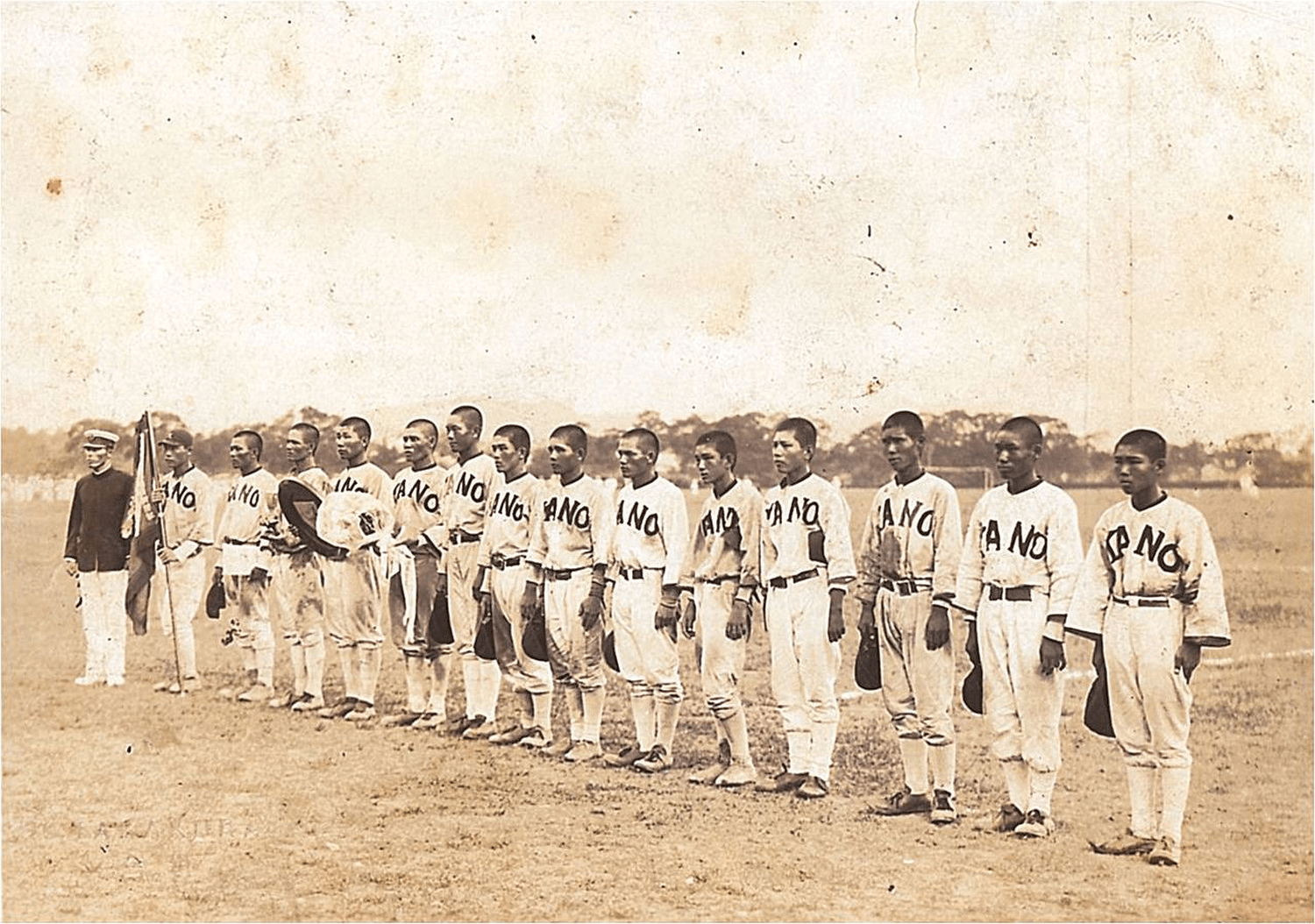
After that, newspaper companies hosted the tournament and supported its development. In 1927, Japan’s first live radio sports broadcast was conducted, and the excitement of “Koshien” began to reach the entire country. Various dramas are born at “Koshien,” both now and in the past. For example, in 1931, when Japan and Taiwan were one country, Kagi Agriculture and Forestry School (representing Taiwan) became the runner-up. It was a mixed team of Japanese, Indigenous Taiwanese, and Han Chinese. “Koshien” was also a stage that transcended ethnicity.
その後、新聞社が大会を主催し、発展を後押ししました。1927年には日本初のスポーツ実況ラジオ中継が行われ、「甲子園」の熱狂は全国に届くようになりました。「甲子園」では、今も昔も様々なドラマが生まれます。例えば、日本と台湾が一つの国だった1931年には、台湾代表の嘉義農林学校が準優勝を果たしました。日本人、台湾原住民、漢民族の混成チーム。「甲子園」は、民族を超えた舞台でもあったのです。
The number of participating schools also continued to increase. It went from 73 schools in 1915 to a peak of 4,163 schools in 2003. Currently, it has decreased to about 3,400 schools due to the impact of the declining birthrate, but it is still a huge number. Even looking across the world, it is rare to find a country where a high school sports tournament attracts this much national attention.
参加校数も増え続けました。1915年の73校から、2003年には4,163校のピークに。現在は少子化の影響で約3,700校に減少していますが、それでも巨大な数字です。世界を見渡しても、高校生のスポーツ大会がこれほど国民的な関心を集める国は珍しいでしょう。
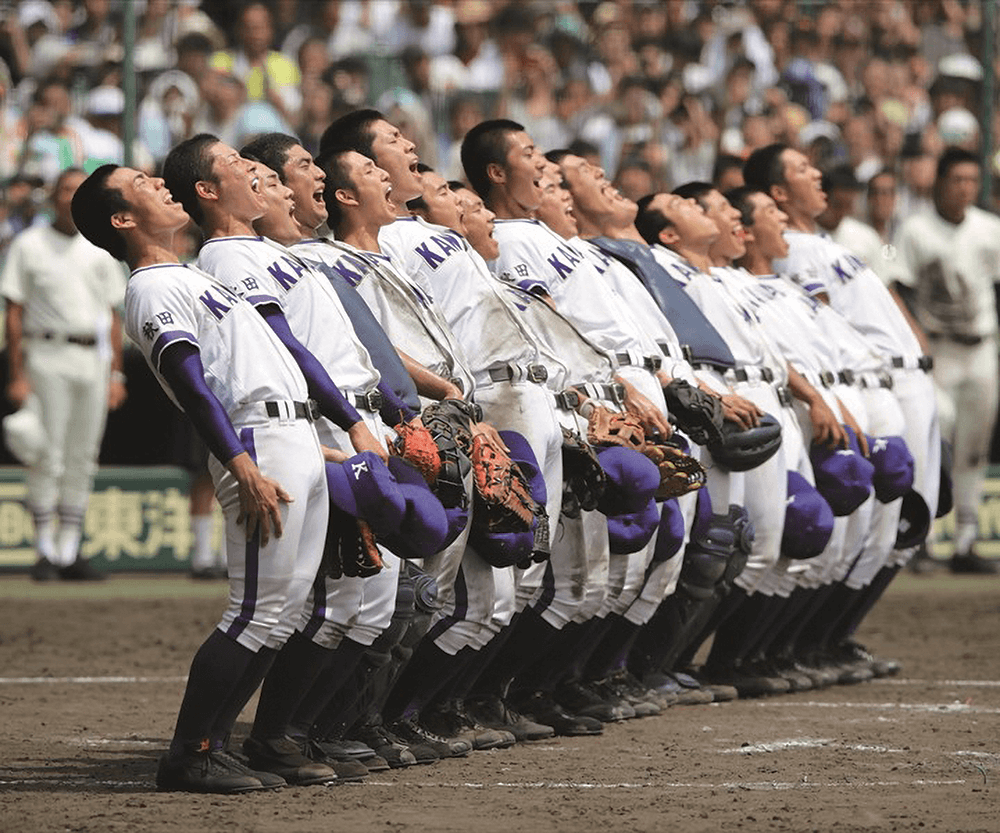
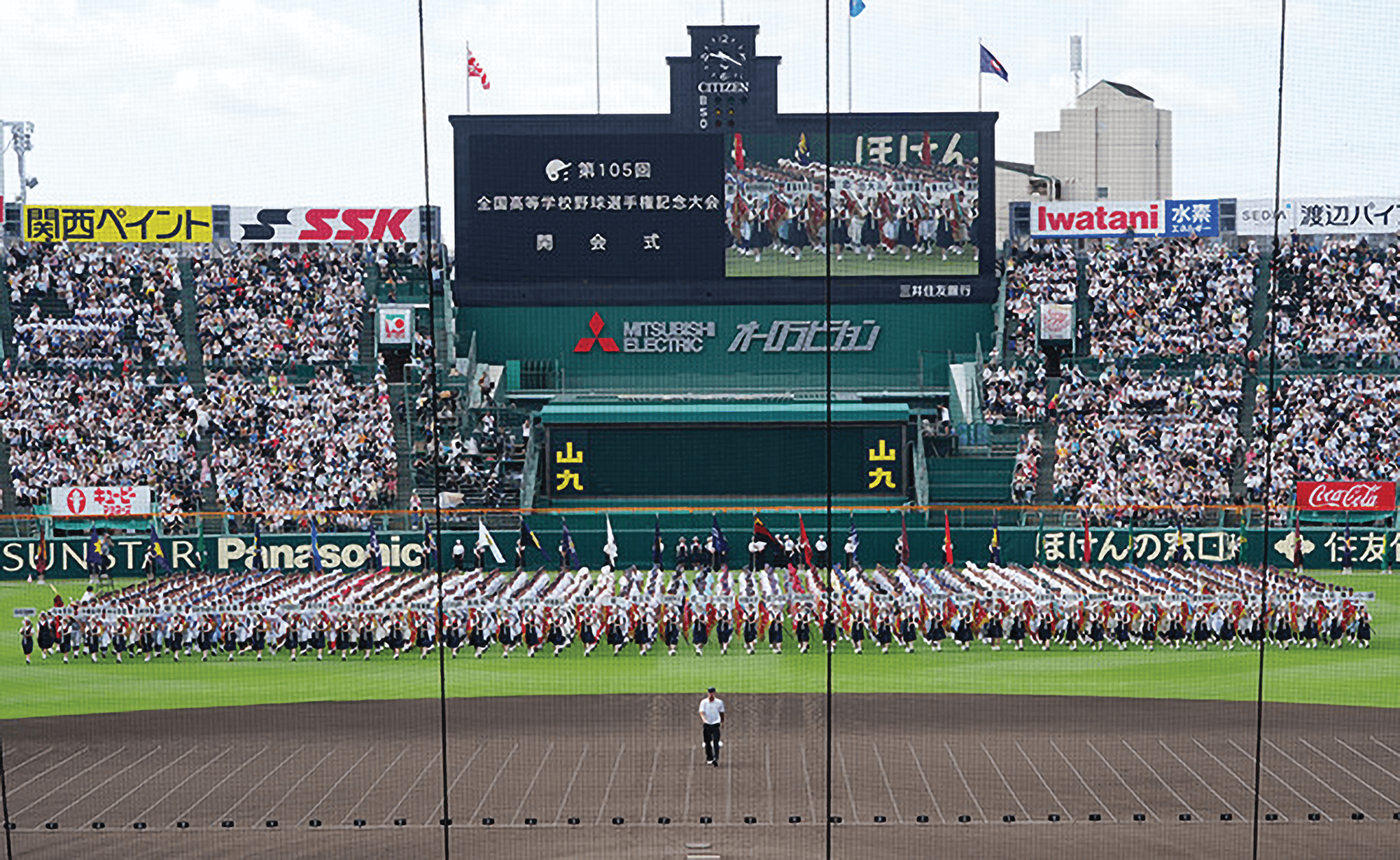
During the period of Spring and Summer “Koshien,” all of Japan pays attention to this tournament. All games are broadcast live on NHK. At companies and schools, the progress of the games becomes a topic of conversation, and when it is a match of a local representative, the entire region is wrapped in a “cheering mode.” In the “Alps Stand,” each school’s brass band performs cheering songs while soaked in sweat. Cheering squads raise their voices for hours under the scorching sun. This, too, is a scene of “Koshien.”
春と夏の「甲子園」期間中、日本中がこの大会に注目します。試合はNHKで全試合生中継。会社や学校でも経過が話題になり、地元代表の試合となれば、地域全体が応援モードに包まれます。アルプススタンドでは、各校のブラスバンドが汗だくで応援曲を演奏。炎天下で何時間も声を張り上げる応援団。それもまた、「甲子園」の風景です。
The background of having “played at Koshien” holds significant meaning in one’s later life. It is even said to have value greater than passing the University of Tokyo. Even if one does not proceed to the pros, the title of “Koshien ballplayer” is a lifelong asset.
「甲子園に出た」という経歴は、その後の人生で大きな意味を持ちます。東京大学に合格すること以上の価値があるとさえ言われます。たとえプロに進まなくても、「甲子園球児」という肩書きは一生の財産なのです。
“Yakyu-do”—A Spiritual Culture Beyond Baseball | 「野球道」——ベースボールを超えた精神文化
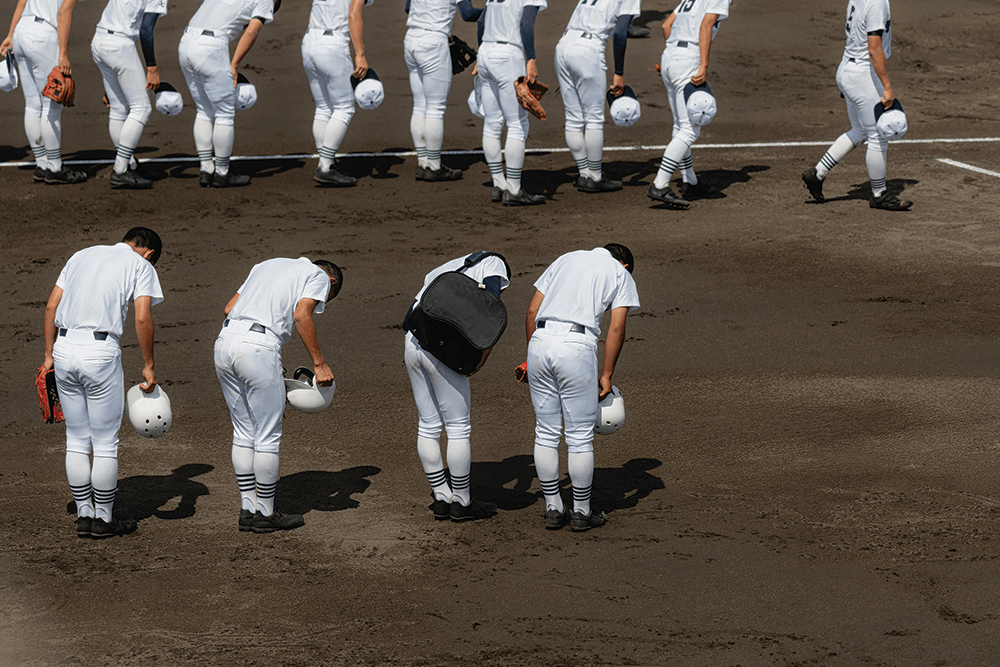
Seeing Japanese high school baseball, people from overseas are surprised. Why do high school students play baseball so seriously and so ritualistically? Why do they have shaved heads? Why do they bow to the ground? Why do defeated teams take soil home? Why do they frequently use “sacrifice bunts,” where they voluntarily get out? That appearance is already a different sport from “baseball.” It begins with respect and ends with respect—like Kendo. That is the reason it is called “Yakyu-do” (The Way of Baseball).
日本の高校野球を見て、海外の人は驚きます。なぜ高校生があれほど真剣に、あれほど儀式的に野球をするのか。なぜ坊主頭なのか。なぜグラウンドに一礼するのか。なぜ敗れたチームは土を持ち帰るのか。なぜ自らアウトになる「犠牲バント」を多用するのか。その姿は、もはやベースボールとは別のスポーツ。礼に始まり礼に終わる——剣道のように。それが「野球道」と言われる所以です。
However, a sports culture similar to this exists in the West, too. It is rugby in 19th-century England. Rugby is said to be a “sport that teaches self-sacrifice.” In 1828, Thomas Arnold became the headmaster of Rugby School, and under the philosophy of “Muscular Christianity,” he promoted character education through sports.
しかし、西洋にもこれに通じるスポーツ文化が存在します。19世紀イギリスのラグビーです。ラグビーは「自己犠牲を教えるスポーツ」と言われます。1828年、トマス・アーノルドがラグビー校の校長に就任し、「Muscular Christianity(筋肉的キリスト教)」という思想のもと、スポーツを通じた人格教育を推進しました。
The purpose was to cultivate this spirit—”One for all, All for one.” Japan’s “Yakyu-do” can be understood in parallel with this. England has connected the “spirit of Chivalry” to the modern age through rugby, while Japan has connected the “spirit of Bushido” through baseball.
「One for all, All for one(一人は皆のために、皆は一人のために)」——この精神を培うことが目的でした。日本の野球道は、これと並べて理解できます。イギリスはラグビーを通じて「騎士道的精神」、日本は野球を通じて「武士道的精神」を現代に繋いできたのです。

Continue Reading in Hiragana Times
続きを読む — Hiragana Times 本誌へ
Digital Packages
Read and listen in your browser — available in bundles.
誌面と音声を、パッケージでご利用いただけます。
Information From Hiragana Times


Topics in Japan
-
![Japanese Minka—Homes Alive with Nature <br src=]() 自然の中で生きている日本民家" />
Japanese Minka—Homes Alive with Nature
自然の中で生きている日本民家" />
Japanese Minka—Homes Alive with Nature
自然の中で生きている日本民家 -
![The Man Who Chose Harmony in an Age of Blood | Prince Shōtoku <br src=]() 血の時代に、和を選んだ人 | 聖徳太子" />
The Man Who Chose Harmony in an Age of Blood | Prince Shōtoku
血の時代に、和を選んだ人 | 聖徳太子" />
The Man Who Chose Harmony in an Age of Blood | Prince Shōtoku
血の時代に、和を選んだ人 | 聖徳太子 -
![The Fish That Leads the Way into Autumn <br src=]() 秋の先頭を泳ぐ魚" />
The Fish That Leads the Way into Autumn
秋の先頭を泳ぐ魚" />
The Fish That Leads the Way into Autumn
秋の先頭を泳ぐ魚 -
![The House Has Ears, Eyes—and a Mouth <br src=]() 耳と目と口を持つ家" />
The House Has Ears, Eyes—and a Mouth
耳と目と口を持つ家" />
The House Has Ears, Eyes—and a Mouth
耳と目と口を持つ家 -
![Words the Home Holds <br src=]() 家がつつむ言の葉" />
Words the Home Holds
家がつつむ言の葉" />
Words the Home Holds
家がつつむ言の葉
 自然の中で生きている日本民家" />
 血の時代に、和を選んだ人 | 聖徳太子" />
 秋の先頭を泳ぐ魚" />
 耳と目と口を持つ家" />
 家がつつむ言の葉" />

