

October 2026

Hiragana Times | August 2026
Hiragana Times Oct-1 2026

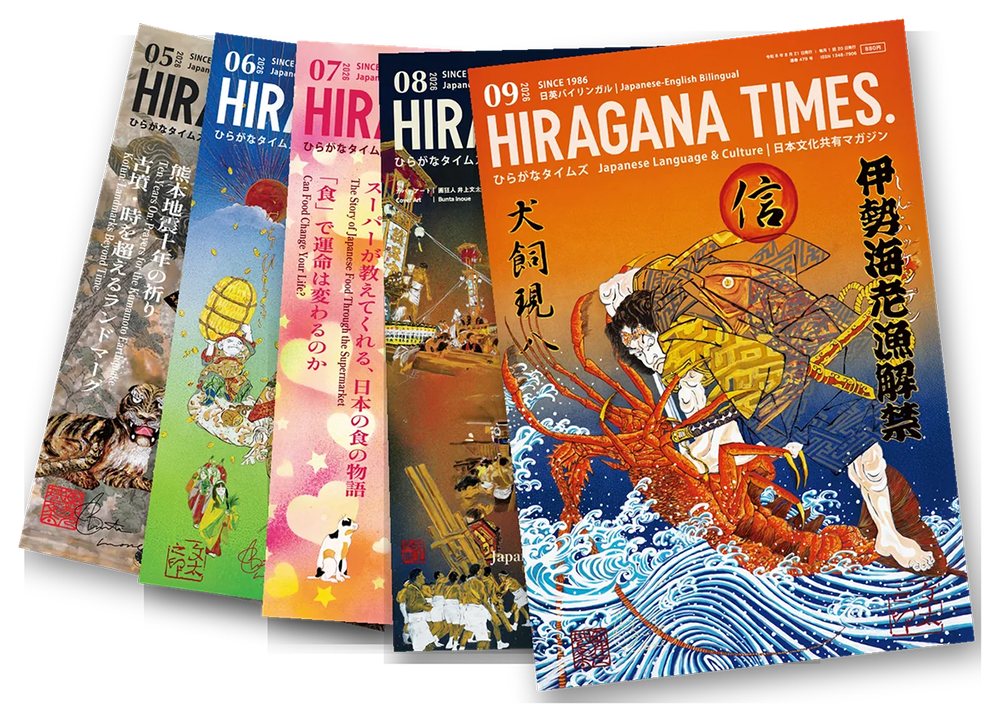
Hiragana Times October 2026 Issue

ひらがなタイムズ 2026年10月号

Japan has long listened to the voices of insects as more than simple sounds of nature—they are part of the changing seasons, language, memory, and the rhythm of life itself. The October issue explores how cicadas, crickets, butterflies, and other insects have shaped Japanese sensibilities, from autumn evenings filled with insect song to ideas of transformation, impermanence, and the connection between all living things. It also follows the life and vision of Itō Jakuchū, whose extraordinary paintings reveal a world in which animals, plants, and even the smallest creatures are observed with remarkable attention and brought vividly to life.
日本では古くから、虫の声を単なる自然の音ではなく、季節の移ろいや記憶、そして命の営みを感じさせるものとして受け止めてきました。10月号では、蝉や鈴虫、蝶などの虫たちを通して、日本人が自然の音に「声」を感じてきた感性や、変化していく命、無常、そしてすべての生きもののつながりを紐解きます。さらに、動物や植物、小さな虫にまで深いまなざしを向けた絵師・伊藤若冲の生涯と作品をたどり、その独創的な世界観と、今なお人々を魅了し続ける生命表現の魅力に迫ります。

Japan Explore

日本探究 & 再発見

coveroct

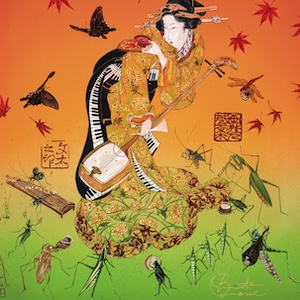
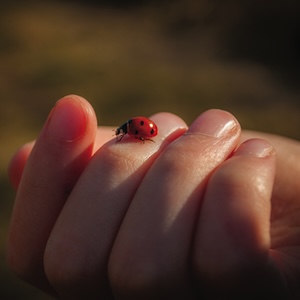
When the Voices of Insects Become Music

When the voices of insects become music, autumn in Japan transforms into an orchestra from the universe. From the songs of crickets and cicadas to butterflies as symbols of transformation and rebirth, discover how people have listened to insects as voices connecting nature, language, memory, and the cycle of life and death.
虫の声が音楽になるとき、日本の秋はまるで宇宙から届くオーケストラのように響き始めます。鈴虫や蝉の声、変化や再生を象徴する蝶などを通して、人々が虫の声に自然や言葉、記憶、そして生と死の巡りをどのように感じてきたのかを紐解きます。
Read Article | Coming soon
IbukiOct

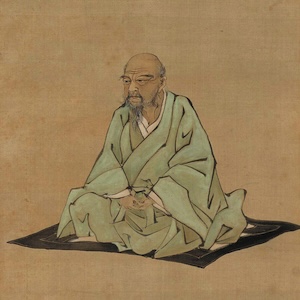
An Eye for Life | Itō Jakuchū

Explore the life and vision of Itō Jakuchū, the Edo-period painter who observed chickens, insects, flowers, and other living beings with extraordinary intensity. Rather than simply copying their outward forms, Jakuchū sought to understand life from within, creating works filled with vitality and revealing the deep connections among all living things.
鶏や虫、草花など、あらゆる命を見つめ続けた江戸時代の絵師・伊藤若冲。目に見える姿をただ写すのではなく、その存在そのものを深く捉え、内側から湧き上がる生命を描こうとしました。独自のまなざしから生まれた作品を通して、若冲の生涯と、すべての生きものがつながる生命の世界を紐解きます。

Read Article | Coming soon
insects

Voices of Insects — An Orchestra from the Universe

Explore the uniquely Japanese sensitivity to insects—their voices, names, and symbolism woven into language, seasons, and ideas of life and death. From the songs of cicadas and crickets to butterflies representing transformation and rebirth, discover how these tiny creatures have long connected people with nature and the rhythms of the universe.
蝉や鈴虫の声、蝶が象徴する変化と再生など、虫たちは日本人の言葉や季節感、生と死の捉え方に深く結びついてきました。虫の「声」に耳を澄ませ、その名前や象徴に込められた意味をたどりながら、小さな命を通して自然や宇宙とのつながりを感じてきた日本人の感性を紐解きます。

Read Article | Coming soon

Japan Now

日本の今

muhi News Review
🎧 Audio Available

Japan's Summer Staple "Muhi" Turns 100!

にほん の なつ の ていばん 「ムヒ」 が ひゃくさいに!

Read Article | Coming soon
buzz2026 New Expression & Buzzwords
🎧 Audio Available

フレネミー | Frenemy

Read Article | Coming soon
🎧 Audio Available

ドパガキ | Dopamine brat

Read Article | Coming soon
jishin Close Up Japan
🎧 Audio Available

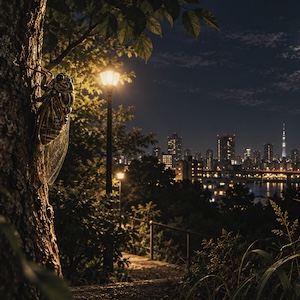
Cicadas Robbed of the Night

夜を奪われた蝉たち

Read Article | Coming soon
Pro and Con 2026 Pros and Cons with Insight
🎧 Audio Available

Can Humanity Save the Earth?

人類が地球を救う?

Read Article | Coming soon

Nihongo Do

日本語道

Voice Wave

Voice Wave | 言波

Explore the Japanese expression hara no mushi—“worms in the belly”—and the curious connection between language, emotion, the body, and the universe. From the gut as our “second brain” and the countless microorganisms living within us to cells, atoms, and elements born from the cosmos, discover how an ancient expression can reveal a surprisingly modern way of seeing the life inside us.
日本語の「腹の虫」という不思議な表現から、感情、身体、そして宇宙のつながりをたどります。「第二の脳」とも呼ばれる腸や、体内に共生する無数の微生物、さらに細胞や原子、その先にある宇宙まで。昔から使われてきた「腹の虫」という言葉を通して、私たちの内側に息づく生命の世界を見つめ直します。

Word Leaves

Word Leaves | 言の葉

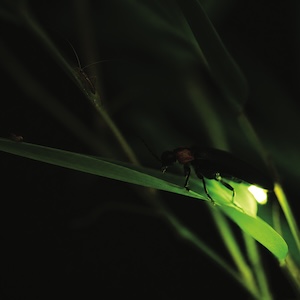
Discover how insects have taken root in the Japanese language, reflecting people's close relationship with nature and the emotions woven into everyday life. Through words connected to larvae, adult insects, insect cages, firefly catching, and more, explore how generations of Japanese people have lived alongside these tiny creatures and captured their presence in words.
人の思いや感情を宿し、受け継がれていく「言の葉」。幼虫、成虫、虫かご、蛍狩りなど、虫にまつわるさまざまな言葉を通して、日本人が小さな生きものたちとどのように暮らし、その姿や営みを言葉の中に刻んできたのかを紐解きます。

Voice-Word Art

Voice-Word Art | 言技

Explore the distinctly Japanese idea of placing emotions inside the belly, where anger, irritation, and even likes and dislikes are imagined as a “bug” living within us. Through the expression hara no mushi ga osamaranai, discover how Japanese wordplay turns an invisible feeling into a vivid presence inside the body.
怒りや不機嫌、さらには好き嫌いまでを、自分自身ではなく「腹の中にいる虫」のせいにする日本独特の感覚。「腹の虫がおさまらない」という表現を通して、目に見えない感情を体の中に生きる存在として捉えてきた、日本語ならではの言技を紐解きます。

SavvyOct2026

Japan Savvy | 日本通

Discover how the chirping of crickets, bell crickets, and other insects became an essential sound of autumn in Japan. From the tradition of mushikiki (insect listening) to insect sellers, seasonal haiku, and richly expressive onomatopoeia, explore how Japanese people have long heard these tiny sounds not simply as noise, but as meaningful “voices” of nature.
コオロギや鈴虫など、秋の夜に響く虫の声。日本では古くから、虫の音を単なる「音」ではなく、自然が語りかける「声」として味わってきました。「虫聞き」や虫売り、俳句の季語、豊かな擬音語などを通して、虫の声を日本の秋のBGMとして楽しんできた独特の感性を紐解きます。

Read Article | Coming soon
Discord

💬 Join the Hiragana Times Discord Community — Free!

Connect with readers worldwide — free, open, and always welcoming.

Join Us →

Leave a Reply