

Japanese Minka—Homes Alive with Nature
自然の中で生きている日本民家The Fish That Leads the Way into Autumn
秋の先頭を泳ぐ魚
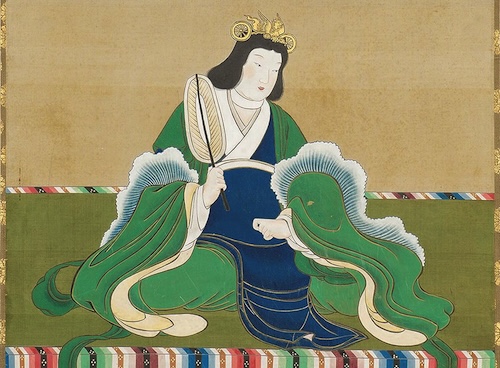
The Man Who Chose Harmony in an Age of Blood | Prince Shōtoku
血の時代に、和を選んだ人 | 聖徳太子
IBUKI – Hiragana Times September 2026 issue
Listen to the Audio:
The Man Who Chose Harmony in an Age of Blood | Prince Shōtoku
血の時代に、和を選んだ人 | 聖徳太子
Returning to the Origins of This Nation
第一部:この国の始まりに立ち返る
Fertile land, enriched by minerals from volcanic soil. Deeply indented coastlines where fish carried by warm and cold currents gather to spawn. In the mountains, deer, wild boar, and sansai (wild mountain vegetables). Japan is an island nation blessed with the bounty of both sea and mountain.
火山によるミネラルが豊富な肥沃な土地。暖流と寒流に運ばれた魚が集まり、産卵する入り組んだ海岸。山には、鹿、猪、そして山菜。海の幸、山の幸に恵まれた島国日本。

Throughout the Jōmon period, which lasted for more than ten thousand years, no evidence of large-scale warfare has been found in this archipelago. It was not an age of enclosing land or fighting over it. Nature’s bounty was abundant, and there was little reason to sustain conflict. Rather than enclosing the land, people lived within nature itself.
縄文時代、一万数千年の間、この列島には大規模な戦いの形跡がありません。土地を囲い込み、奪い合う時代ではありませんでした。自然の恵みは豊かにあり、戦いを続ける理由もなかったのでしょう。人々は土地を囲い込むのではなく、自然の中で暮らしていました。
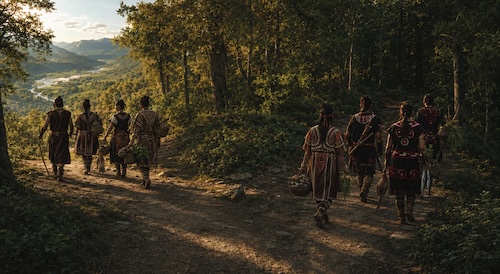
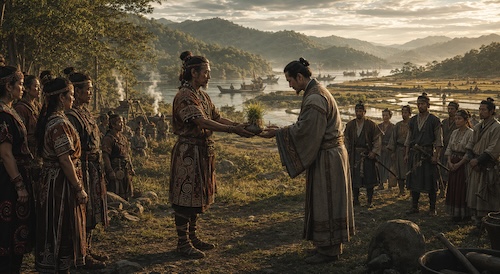
In time, people began arriving from the Asian continent. Rice cultivation was introduced, land ownership began, iron was forged into weapons, and powerful clans arose throughout the country. Even so, traces remain of Japan’s efforts to avoid conflict. One is the myth of Kuni-yuzuri—the “yielding of the land.” Rather than seizing the land through battle, it was received when another willingly yielded it.
やがて大陸から人が渡り始めます。稲作が入り、土地の所有が始まり、鉄が武器に変わり、各地に豪族が立ち上がっていきます。それでもこの国は争いを避けることに努めた形跡が残っています。「国譲り」という神話です。戦って奪うのではなく、譲り受ける。
Thus, according to tradition, Emperor Jinmu became Japan’s first emperor. His imperial edict declares: “Let us nurture righteousness and thereby govern all under heaven.” In other words, let us continue to consider together what righteousness means. This starting point—the refusal to define righteousness once and for all—has been passed down to the present day, through to Japan’s 126th emperor.
そうして最初の天皇となった神武天皇の詔には、「正しきを養い、もって天下を治めん」——正しさを皆で考え続けよう、と書かれています。この「正しさを固定しない」出発点が、現在に至る第126代天皇まで引き継がれていきます。
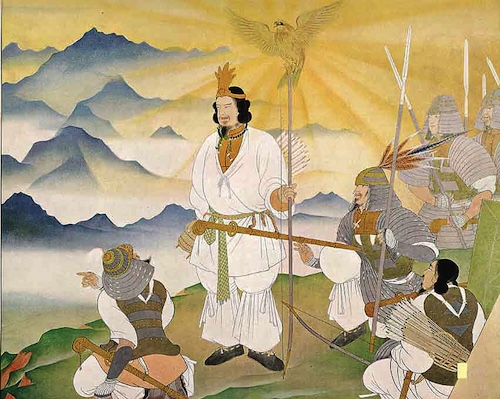
In the sixth century, East Asia underwent a dramatic transformation. In China, the Sui dynasty unified the entire country, and a superpower on an entirely different scale emerged. Its waves reached Japan. Within Japan itself, forces backed by continental civilization were rising and beginning to clash with the ancient order.
六世紀、東アジアが激変します。中国で隋が全土を統一し、桁違いの超大国が出現しました。その波は日本にも届いていました。国内にも大陸の文明を後ろ盾にした勢力が台頭し、古来の秩序とぶつかり始めていたのです。
To reject it, or to accept it? At this moment, one figure made a decisive choice: Prince Shōtoku. He embraced Buddhism without abandoning Shintō. He chose to bring together within a single vessel two civilizations: the Japanese civilization that had lived in communion with the spiritual presence of nature since Jōmon times, and the continental civilization that possessed the power to reshape nature itself.
排除するか、受け入れるか。このとき、一人の人物が決断を下します。聖徳太子です。太子は神道を捨てずに仏教を取り入れる。縄文以来の自然の霊性と共に在った日本文明と、自然を変える力を持った大陸の文明を、一つの器の中で融合させる道を選びました。
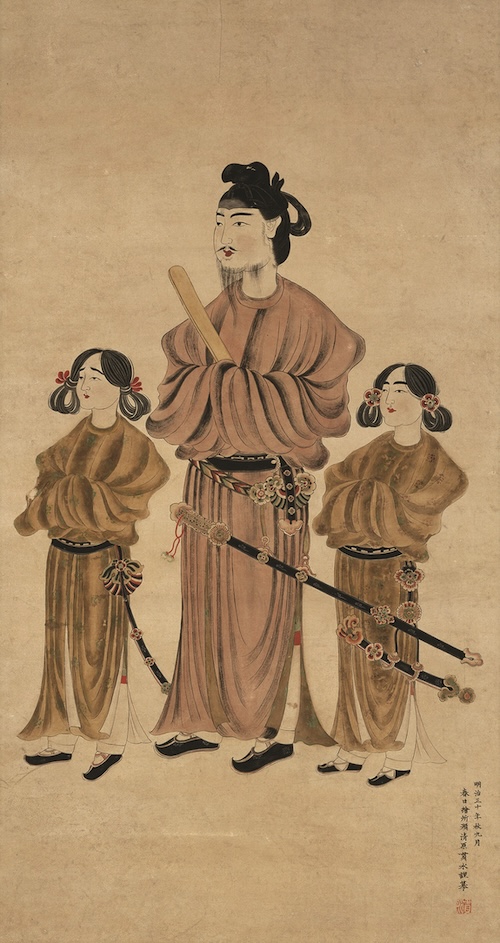
This fusion later came to be known as Shinbutsu-shūgō—the syncretic union of Shintō and Buddhism—and it would shape the country for more than a thousand years. Even today, Japanese people hold weddings at Shintō shrines and funerals at Buddhist temples. They celebrate Christmas, listen to temple bells on New Year’s Eve, and visit shrines at the beginning of the new year. No one finds this strange. Follow that sensibility back to its roots, and it leads to the great work of Prince Shōtoku.
この融合は、後に「神仏習合」と呼ばれ、千年以上この国を貫きます。今も日本人は結婚式を神社で挙げ、葬式を寺で行い、クリスマスを祝い、除夜の鐘を聞き、初詣に行きます。誰もそれに違和感を持っていません。その原点を遡ると、聖徳太子の偉業に繋がっています。

The Seventeen-Article Constitution promulgated by Shōtoku begins with a single line: “Harmony is to be valued.” Wa wo motte tōtoshi to nasu. What, then, is wa? Surely it was not merely a slogan meaning, “Let us all get along.” This is the story of the true meaning—and the resolve—behind those words.
太子が制定した十七条憲法は、「和を以て貴しと為す」の一行から始まります。「和」とは何なのか。「みんな仲良く」という標語ではないはずです。その真意と覚悟の物語を辿ります。

An Age of Blood
第二部:血が流れる時代
Shōtoku was born in 574, during the Asuka period. At that time, two powerful forces were locked in fierce conflict over the wave of Chinese civilization arriving from the continent: the Soga clan and the Mononobe clan.
太子が生まれたのは574年。飛鳥の時代。この時代の日本は、大陸から押し寄せる中国文明の波をめぐり、二つの勢力が激しくぶつかっていました。蘇我氏と物部氏です。
The Soga possessed knowledge of the continent and extensive connections there. They sought to introduce continental civilization into Japan—systems of government, architecture, medicine, diplomacy, and, at the heart of it all, Buddhism. The Mononobe, by contrast, were among the imperial family’s oldest allies, their lineage reaching back to the founding myths of the nation. They had long guarded its rituals, its military traditions, and the spiritual life of the land.
蘇我氏は大陸の知識と人脈を持ち、大陸の文明——統治の仕組み、建築、医学、外交、そしてその中核にある仏教——を国に取り込もうとしていました。一方の物部氏は、建国の神話にまで遡る天皇家の最古の盟友——祭祀、武、そしてこの国の霊性を守ってきた一族です。
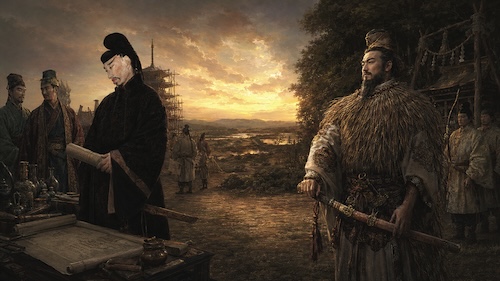
In 587, armed conflict finally erupted. Shōtoku was fourteen years old and is said to have taken part. The immediate cause of the clash was the strong resistance of Mononobe no Moriya, head of the Mononobe clan, to the acceptance of continental civilization with Buddhism at its core.
587年、ついに武力衝突が起きます。太子14歳。この戦いに加わったとされています。この衝突の発端は、物部氏の長・物部守屋が、仏教を中核とする大陸文明の受容に強く抵抗したことにあります。
Shōtoku sided with the Soga. Yet this was not a religious war between Buddhism and Shintō. Shōtoku did not reject Shintō. Even Shitennō-ji, the temple he later founded, had a Shintō shrine within its grounds. What Shōtoku chose was not the Soga clan itself, but the path of coexistence. The true divide was coexistence versus exclusion. The battle ended in victory for the Soga side, and Moriya was slain. Yet this cannot have been the outcome Shōtoku truly desired. The Mononobe were ancient allies who had walked alongside the imperial family for centuries.
この争いで、太子は蘇我氏の側に立ちました。しかしこれは「仏教 対 神道」の宗教戦争ではありません。太子は神道を否定していません。後に建てた四天王寺にも神社が併設されています。太子が選んだのは蘇我氏ではなく、共存という道でした。構図は「共存 対 排除」だったのです。戦いは蘇我氏側の勝利に終わり、守屋は討たれました。しかしこれは、太子が心から望んだ結末ではなかったはずです。物部氏は何百年も天皇家と共に歩んできた盟友だったからです。
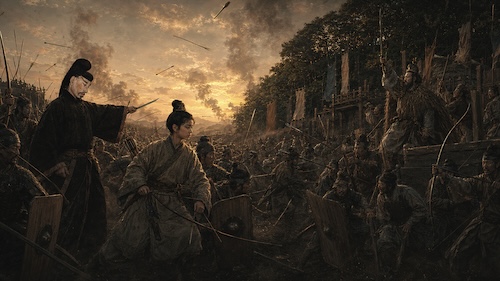
Then, in 592, an even more shocking event occurred. Emperor Sushun, who was on the throne at the time, was assassinated by Soga no Umako, head of the Soga clan. It is the only assassination of an emperor recorded in Japan’s official histories. Moreover, Umako is believed to have been the father of Shōtoku’s wife—in other words, his father-in-law. His own father-in-law had killed an emperor who was also a member of Shōtoku’s family. Shōtoku carried that reality with him when he became regent the following year.
そして592年、さらに衝撃的な事件が起きます。当時の天皇であった崇峻天皇が、蘇我氏の頭領・蘇我馬子によって暗殺されたのです。日本の正史に記された、唯一の天皇の暗殺事件です。しかも蘇我馬子は、太子の妻の父——つまり義父であったとされています。自らの義父が親族でもある天皇を殺した。太子はその現実を背負いながら、翌年、摂政に就きます。
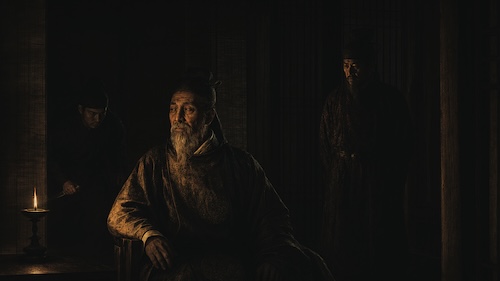
It was an age in which an emperor could be murdered. Shōtoku was only nineteen. The words that would later emerge—”Harmony is to be valued”—were not gentle idealism. They were words of resolve, wrung from an age of blood.
天皇が殺される時代。太子はこの時19歳。後に誕生する「和を以て貴しと為す」という言葉は、こうした血の中から絞り出された決意の言葉だったのです。
No One Wanted the Throne
第三部:誰も天皇になりたくなかった
Unlock Full Article | 記事全文を読む
Digital Packages
Read and listen in your browser — available in bundles.
誌面と音声を、パッケージでご利用いただけます。
More From Hiragana Times

Join the Hiragana Times Discord Community — Free!
Connect with readers worldwide — free, open, and always welcoming.
世界の読者とつながる、無料のDiscordコミュニティへようこそ。

Online Japanese lessons, run by Hiragana Times.
One month free for Hiragana Times subscribers.
ひらがなタイムズ定期購読者は、1ヶ月無料でご受講いただけます。
Information From Hiragana Times


Topics in Japan
-
![Words That Live with Insects <br src=]() 虫と暮らす言の葉" />
Words That Live with Insects
虫と暮らす言の葉" />
Words That Live with Insects
虫と暮らす言の葉 -
![Bugs Live in the Belly <br src=]() 腹に虫が住む" />
Bugs Live in the Belly
腹に虫が住む" />
Bugs Live in the Belly
腹に虫が住む -
![Voices of Insects — The Soundtrack of Autumn in Japan <br src=]() 虫の声 ― 日本の秋のBGM" />
Voices of Insects — The Soundtrack of Autumn in Japan
虫の声 ― 日本の秋のBGM" />
Voices of Insects — The Soundtrack of Autumn in Japan
虫の声 ― 日本の秋のBGM -
![The Worms Within Came from the Universe <br src=]() 腹の虫は、宇宙から来た" />
The Worms Within Came from the Universe
腹の虫は、宇宙から来た" />
The Worms Within Came from the Universe
腹の虫は、宇宙から来た -
![Ito Jakuchū — An Eye for Life <br src=]() 伊藤若冲 ―― いのちを見る眼" />
Ito Jakuchū — An Eye for Life
伊藤若冲 ―― いのちを見る眼" />
Ito Jakuchū — An Eye for Life
伊藤若冲 ―― いのちを見る眼
 虫と暮らす言の葉" />
 腹に虫が住む" />
 虫の声 ― 日本の秋のBGM" />
 腹の虫は、宇宙から来た" />
 伊藤若冲 ―― いのちを見る眼" />

