Yanagita Kunio: A Life in Dialogue with the Depths of This Land
柳田國男:この国の肚と、対話し続けた生涯


IBUKI: The Breath of the People – Hiragana Times August 2026 issue

Listen to the Audio:

Yanagita Kunio: A Life in Dialogue with the Depths of This Land

柳田國男やなぎたくにお:このくにはらと、対話たいわつづけた生涯しょうがい


Japan is an island nation floating in the Northern Hemisphere, at the eastern edge of the Eurasian continent.
日本にほんは、地球ちきゅう北半球きたはんきゅう、ユーラシア大陸たいりくひがしのはしにかぶ島国しまぐにです。

Surrounded by the sea, rich in mountains, and blessed with vividly changing seasons, it has also long lived face to face with the forces of nature—earthquakes, typhoons, heavy rains, heavy snow, and volcanic eruptions.
うみかこまれ、やまおおく、四季しきあざやかにめぐる一方いっぽうで、地震じしん台風たいふう大雨おおあめ大雪おおゆき火山噴火かざんふんかなど、自然しぜん脅威きょういともってきました。

This land, both harsh and abundant, has taught the people who live here to endure, to help one another, and to hold nature in awe and reverence.
このきびしくもゆたかな土地とちは、そこにきる人々ひとびとに、えること、たすうこと、そして自然しぜんおそうやまこころおしえてきました。

Within it live the ways of people who have inhabited this land since ancient times, as well as the wisdom of those who crossed the sea to arrive here. In more recent times, too, there are those who have made their lives in this country and, while being shaped by Japan’s climate and culture, have become part of what forms Japan today.
そこには、太古たいこからこのきてきた人々ひとびといとなみと、うみわたってきた人々ひとびと知恵ちえがあります。さらに近年きんねんこのくにみ、日本にほん風土ふうどまりながら、このくにをともにかたちづくる人々ひとびと息吹いぶきもあります。

In this section, through the lives of figures shaped by Japan’s climate, land, and history, we trace the breath of the people that lives within this nation.
このコーナーでは、日本にほん風土ふうど歴史れきしはぐくんだ人物じんぶつたちをとおして、このくにの「たみのいぶき」をたどります。

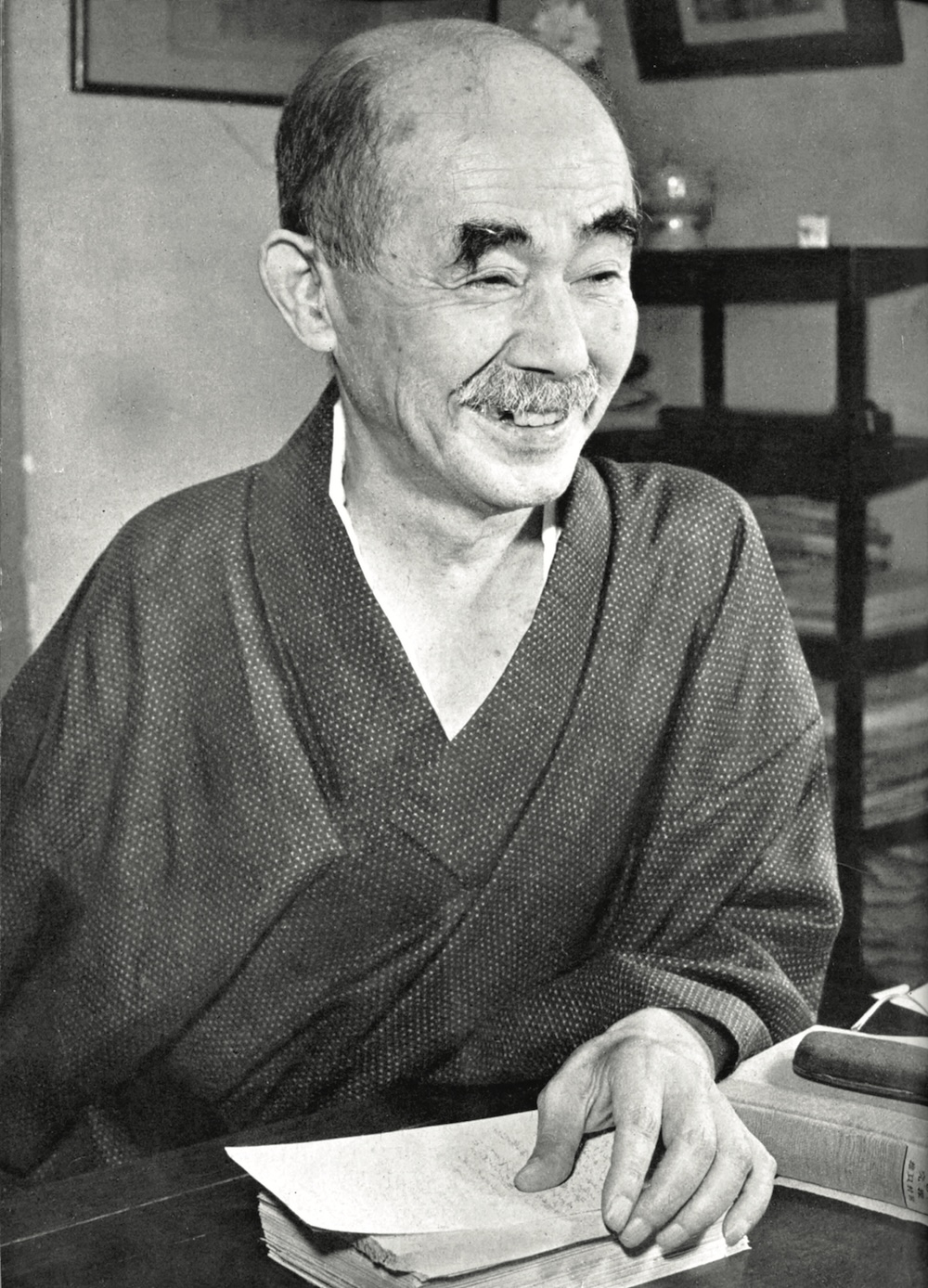
Yanagita Kunio

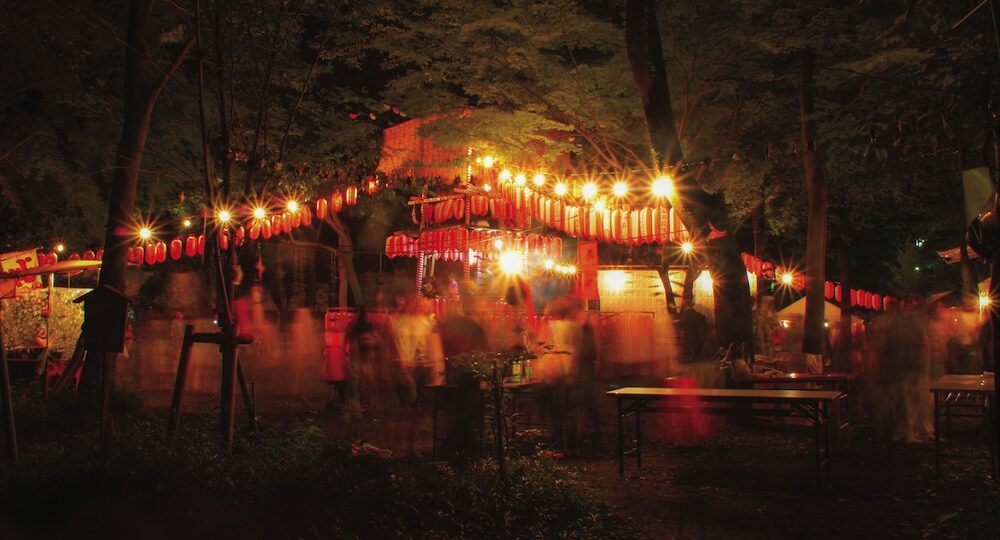
On the night of a summer matsuri, without realizing it, we touch upon a certain world. Welcoming the kami, remembering our ancestors, facing what cannot be seen—there was a man who spent his entire life gazing into this disposition of the heart. He was the father of Japanese folklore studies, Yanagita Kunio.
夏祭なつまつりのよるわたしたちはらずらず、ある世界せかいれています。かみむかえ、先祖せんぞおもい、えないものとう——そのこころりようを、生涯しょうがいをかけてつめたひとがいます。日本民俗学にほんみんぞくがくちち柳田國男やなぎたくにおです。

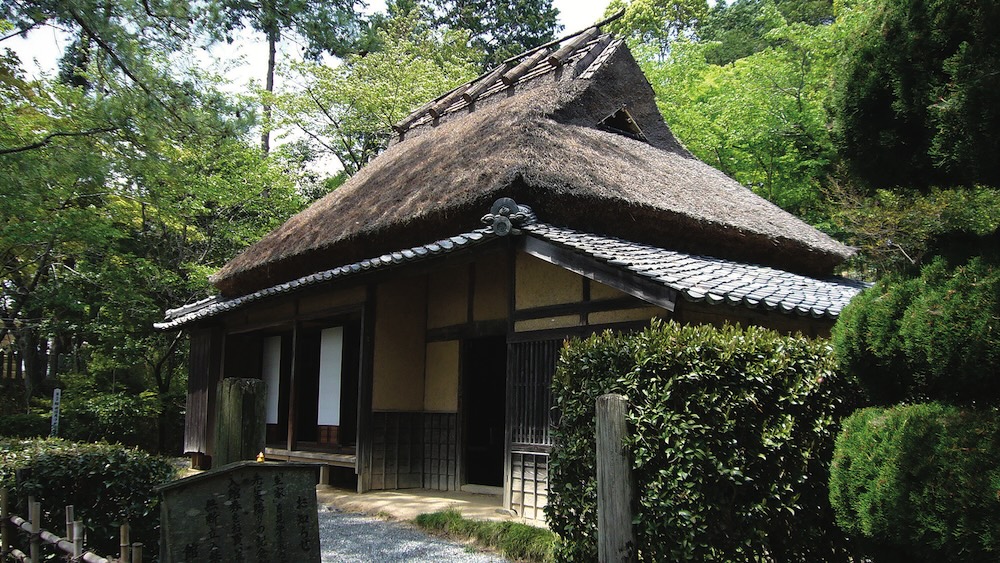
Yanagita was born and raised in Tsujikawa, in Hyōgo Prefecture. He was born the sixth of eight brothers into the Matsuoka family, who had practiced medicine for generations (the name Yanagita came later, through adoption). Of the eight, three died in early childhood, and five grew up. The house where he was born, Yanagita would later call “the smallest house in Japan.”
柳田やなぎたまれそだったのは、兵庫県ひょうごけん辻川つじかわ代々だいだい家業かぎょうとする松岡まつおかの、八人兄弟はちにんきょうだい六番目ろくばんめとしてまれました(柳田姓やなぎたせいは、のち養子ようしによる)。八人はちにんのうち三人さんにんは、おさないうちにり、そだったのは五人ごにん。その生家せいかを、柳田やなぎたはのちに「日本一にほんいちちいさないえ」とびました。

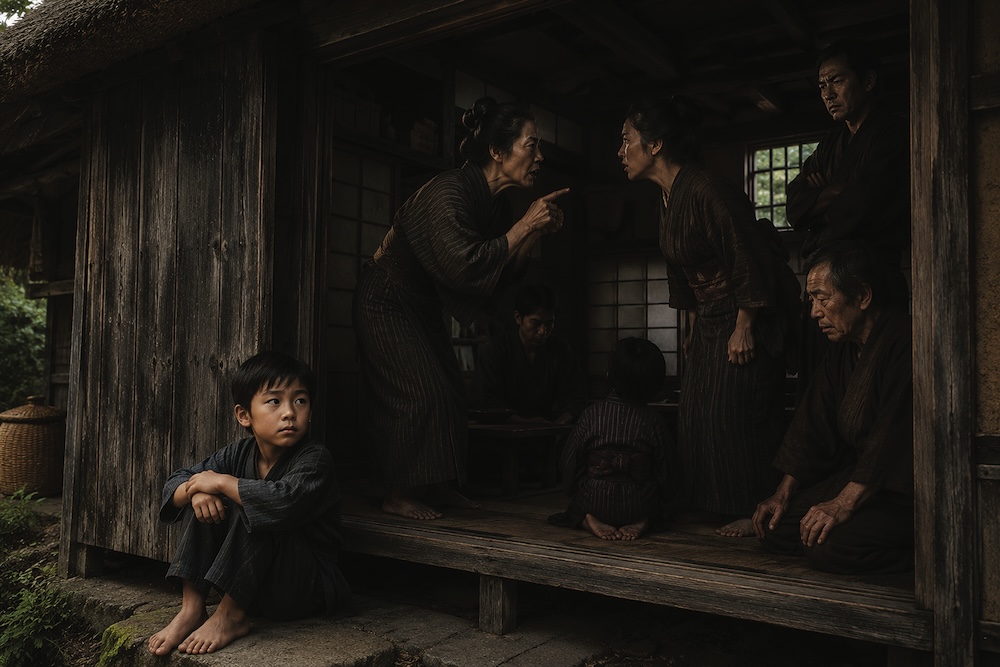
A family of scholarly blood, and yet their life was cramped and poor. In that small house, the parents and the eldest son’s couple were forced to live together; wife and mother-in-law quarreled, until at last the eldest brother divorced—and this confinement, the young Yanagita came to know in his very skin as he grew.
学問がくもん血筋ちすじでありながら、らしはせまく、まずしい。せまいえ親夫婦おやふうふ長男夫婦ちょうなんふうふ無理むり同居どうきょし、よめしゅうとめがいさかい、ついには長兄ちょうけい離縁りえんする——その窮屈きゅうくつさを、おさな柳田やなぎたは、はだってそだちました。

Why must this house be so small? Why must people crowd together, only to turn against one another? The shape of a house, and the human heart. The seed of that question had already taken root within him, here in this small house.
なぜ、いえはこれほどせまいのか。なぜ、ひとあつまって、いがみわねばならないのか。いえのかたちと、ひとこころ。そのいのは、すでにこのちいさないえで、かれなか宿やどっていたのです。

Yanagita's birthplace

When Yanagita was nine, the family moved to Hōjō, also in Hyōgo, the home village of his mother. And there, Yanagita saw a scene he would never forget for the rest of his life. A famine. That year, hunger struck the village.
柳田やなぎたが9さいのとき、一家いっかは、おな兵庫ひょうごの、はは故郷こきょうである北条ほうじょううつります。そしてそので、柳田やなぎたは、生涯しょうがいわすれえぬ光景こうけいました。飢饉ききんです。そのとしむらえがおそいました。

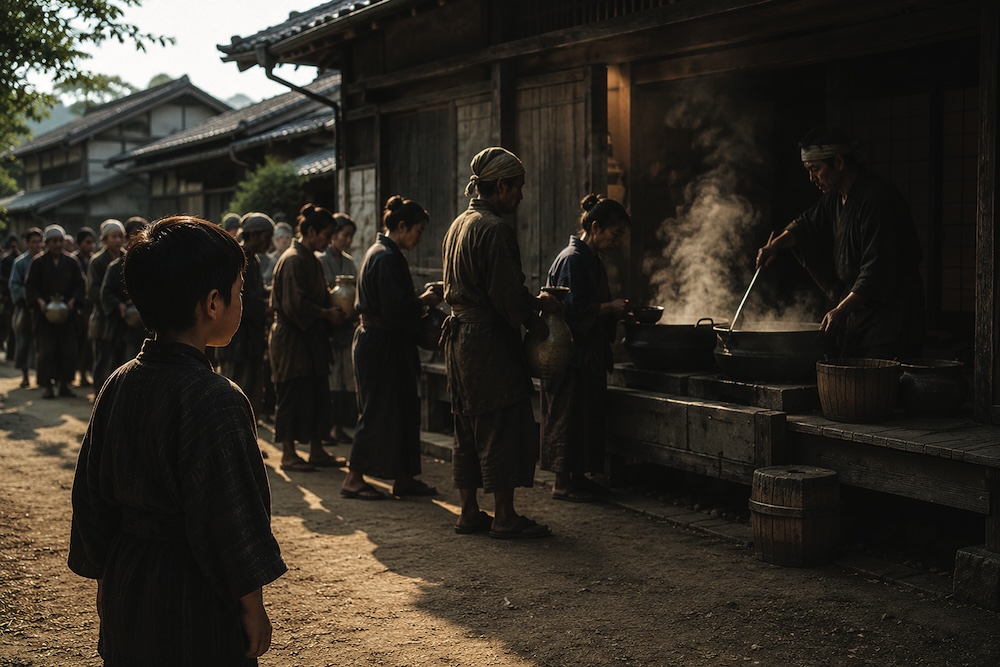
A wealthy merchant house built a stove beneath its eaves and cooked rice gruel to give away. Gaunt, wasted people, holding earthenware pots, formed a long line. A single bowl of gruel, held out. A bony hand, receiving it. This scene, they say, went on for a whole month. The young Yanagita must have watched that line without once blinking. In Japan, a land that should have been blessed with abundant harvests—why must people go so hungry?
ゆたかな商家しょうかが、軒先のきさきかまどきずいて、かゆす。ほそった人々ひとびとが、土瓶どびんげて、ながれつをつくる。される、一杯いっぱいかゆ。それをる、ほねばった。その光景こうけいが、ひとつきものあいだ、つづいたといいます。少年しょうねん柳田やなぎたは、まばたきもせず、そのれつつめていたことでしょう。みのりのくにであるはずの日本にほんで、なぜ、ひとはこれほどえるのか——。

Famine scene 1
Famine scene 2

In time, while still a boy, Yanagita went east, to rely on his eldest brother. This brother, Kanae, was fifteen years his senior—a brother who was almost like a father. He had become a doctor, and had opened a practice in Fukawa, in Ibaraki, on the banks of the Tone River. There, under his brother’s roof, Yanagita came upon another scene.
やがて柳田やなぎたは、少年しょうねんのころ、いちばんうえあにたのって、ひがしうつります。長兄ちょうけいかなえは、柳田やなぎたより十五もとしはなれた、ちちのようなあにでした。医者いしゃとなり、利根川とねがわのほとりの茨城いばらき布川ふかわで、医院いいんひらいていた。そのあにのもとで、柳田やなぎたは、もうひとつの光景こうけい出会であいます。

Fukawa region

In a temple in Fukawa, a single painting had been offered. What it depicted was this—a mother raising her hand against her newborn child. “Mabiki.” The reality of the common people, who, in their poverty, had no choice but to give up a child they could not raise. On the paper screen behind the mother, her shadow fell like a demon, and beside her, a Jizō, grieving for the lost child, stood quietly. Yanagita could not move from before that painting.
布川ふかわてらに、一枚いちまい奉納ほうのうされていました。そこにえがかれていたのは——まれたばかりのに、母親ははおやをかける姿すがたでした。「間引まびき」です。まずしさゆえにそだてることのできぬを、あきらめるしかなかった、たみ現実げんじつはは背後はいご障子しょうじには、そのかげおにのようにうつり、かたわらには、いた地蔵じぞうが、しずかにっていました。柳田やなぎたは、そのまえから、うごけませんでした。

Temple painting Mabiki

The line of people waiting for food, seen in his home province. The figure of a mother giving up her child, seen in the temple. Just behind the modern age, with all its striving for wealth, people had been living lives this desperate. Why must people starve to death? Why must a mother give up her own child? These questions never left Yanagita, all his life. And they crystallized into a single conviction—famine must be wiped from this world.
故郷こきょうた、えになら人々ひとびとれつてらた、あきらめるはは姿すがたゆたかさをきそ近代きんだいの、すぐ裏側うらがわで、人々ひとびとはこれほど切実せつじつきてきた。なぜ、ひとえてなねばならないのか。なぜ、ははは、わがあきらめねばならないのか。このいは、生涯しょうがい柳田やなぎたはなしませんでした。そして、ひとつの信念しんねんへと結晶けっしょうします——飢饉ききんを、このから、やさねばならない。

That resolve set him on the path of agricultural policy. He studied agricultural administration at Tokyo Imperial University and became an official in the Ministry of Agriculture and Commerce. A nation shaped so that its people would never go hungry—this he sought to build from the side of the institutions. Yet, as he walked through villages across the country, another question began to take root in Yanagita’s heart.
そのこころざしが、かれを、農政のうせいみちすすませました。東京帝国大学とうきょうていこくだいがく農政のうせいまなび、農商務省のうしょうむしょう官僚かんりょうとなります。たみえさせぬくにのかたちを、かれは、制度せいどがわからきずこうとしたのです。けれど、全国ぜんこく村々むらむらあるくうちに、柳田やなぎたこころに、もうひとつのいが芽生めばえます。

Agricultural policy 1
Agricultural policy 2

If there is enough rice, are people truly happy? If the belly is full, are they thereby saved? No, he began to feel. It is not rice alone that keeps people alive. There are matsuri, there is prayer, there is the bond with one’s ancestors. The heart that reveres what cannot be seen. The act of welcoming the kami, of welcoming the spirits, with each turning season. Lose that richness of the heart, and however full the belly, people can never be truly rich—.
こめりれば、ひと本当ほんとうしあわせなのか。はらちれば、それですくわれるのか。ちがう、とかれかんじはじめます。ひとかしているのは、こめだけではない。まつりがあり、いのりがあり、祖先そせんとのつながりがある。えぬものをうやまこころ季節きせつごとにかみむかえ、たましいむかえるいとなみ。そのこころゆたかさをうしなえば、どれほどはらちても、ひとは、本当ほんとうにはゆたかになれない——。

A turning point came. While traveling through Kyushu as an official, Yanagita visited Shiiba, a village deep in the mountains of Miyazaki Prefecture. Together with the village headman of those days, he made his way into the mountains. The headman spoke of the laws of the mountains. The ways and the prayers, handed down through generations of hunters, for taking boar and deer.
転機てんきおとずれます。官僚かんりょうとして九州きゅうしゅうめぐっていた柳田やなぎたは、宮崎県みやざきけん山深やまぶかくにある椎葉村しいばそんたずねました。当時とうじ村長そんちょうとともに、やまる。村長そんちょうかたる、やまおきて狩人かりゅうどたちが代々だいだいいできた、いのしし鹿しかるための作法さほうと、いのり。

Mountain hunting laws

Written down in no book, they had been kept and passed on by word of mouth, only by those who lived in that land. To each and every one of them, Yanagita listened, spellbound. That single week changed him. The following year, he gathered this experience into a book, “Nochi no Kari Kotoba no Ki.” It was his first—the very book of which Yanagita himself would say, “This became the starting point of Japanese folklore studies.”
書物しょもつのどこにもしるされず、その土地とちきるものだけがくちづてにまもつたえてきたものでした。そのひとつひとつに、柳田やなぎた夢中むちゅうります。この一週間いっしゅうかんが、柳田やなぎたえました。翌年よくねんかれはこの体験たいけんを『後狩詞記のちのかりことばのき』にまとめます。柳田自身やなぎたじしんが「これが日本にほん民俗学みんぞくがく出発点しゅっぱつてんになった」とかたる、最初さいしょ一冊いっさつでした。

Book cover

In Japanese, the sound “minzoku” can be written in two ways. One, 民族, means a people who share the same language and culture—an ethnic group. The other, 民俗, means the customs, the beliefs, and the matsuri that those people have handed down through their daily lives—folk tradition. If 民族 is the study of a people, then 民俗学—folklore studies—is the study of how they live. What Yanagita founded was the latter.
日本語にほんごで「ミンゾク」とくとき、「民俗みんぞく」と「民族みんぞく」のふたつがあります。「民族みんぞく」とは、おな言語げんご文化ぶんかつ、人々ひとびと集団しゅうだんのこと。これにたいし「民俗みんぞく」とは、その人々ひとびとらしのなかいできた、ならわしや信仰しんこうまつりのことです。民族みんぞくが「ひと」を学問がくもんなら、民俗学みんぞくがくは「らし」を学問がくもん柳田やなぎたおこしたのは、後者こうしゃでした。

The movement to make this 民俗—this folk tradition—into a field of study began in Europe. In an age when modernization was advancing and every nation was changing in the same way, the people of Germany stopped and asked themselves: every people has a soul all its own, a soul that belongs to no other.
この「民俗みんぞく」を学問がくもんにするうごきは、ヨーロッパからはじまりました。近代化きんだいかすすみ、どこのくにおなじようにわっていく時代じだいに、ドイツの人々ひとびとは、まってかんがえます。どの民族みんぞくにも、そのたみにしかない固有こゆうたましいがある。

The philosopher Herder taught that the soul of a people dwells in its folk songs, and the Brothers Grimm gathered the old tales passed down through the ages—the very Grimm’s Fairy Tales that everyone knew as a child. To find one’s own roots in the vanishing stories of the people, and to protect them—that was the folklore studies of Europe.
哲学者てつがくしゃヘルダーは、たみうた(民謡みんよう)にこそ民族みんぞくたましい宿やどるとき、グリム兄弟きょうだいは、かたがれてきた昔話むかしばなしあつめました。だれもがどものころしたしんだ、あのグリム童話どうわです。うしなわれゆくたみ物語ものがたりなかに、自分じぶんたちの見出みいだし、まもろうとする——それが、ヨーロッパの民俗学みんぞくがくでした。

Johann Gottfried Herder

What Yanagita was drawn toward was, in truth, the Japanese version of this very endeavor. Yanagita, too, before they could vanish, set down in writing the values and the spirit shared by the people who live upon these islands.
柳田やなぎたみちびかれたのは、まさに、このいとなみの日本版にほんばんでした。柳田やなぎたもまた、この列島れっとうきる人々ひとびとかち価値観かちかん精神性せいしんせいを、えるまえに、文字もじめたのです。

In 1910, “The Legends of Tōno,” which gathered the lore of the Tōno region in Iwate, came into the world. Mountain gods, kappa, zashiki-warashi, the souls of the dead—. And yet, what Yanagita sought to record was not these wondrous tales themselves. It was the heart of the people, who had received such tales as a matter of course, and who had lived in step with nature. In the very things the modern age had cast aside as “superstition,” Yanagita saw the roots of the Japanese heart.
明治めいじ43ねん(1910ねん)に、岩手いわて遠野郷とおのごう伝承でんしょうをまとめた『遠野物語とおのものがたり』がます。やまかみ河童かっぱ座敷童子ざしきわらし死者ししゃたましい——。けれど柳田やなぎたしるそうとしたのは、こうした不思議ふしぎはなしそのものではありません。そのはなしたりまえのものとしてぎ、自然しぜんとともにきてきた、人々ひとびとこころでした。近代きんだいが「迷信めいしん」とてたもののなかにこそ、柳田やなぎたは、日本人にほんじんこころたのです。

Tono folklore 1
Tono folklore 2
Tono folklore 3

Above all, what he gazed upon was the destination of the souls of the dead. When a person dies, the soul does not depart for some distant heaven. It settles upon the nearby mountains, becomes an ancestral spirit watching over its descendants, and at each Bon and each matsuri, returns to the village—.
とりわけかれつめたのは、死者ししゃたましいのゆくえでした。ひとぬと、とお天国てんごくるのではない。ちかくのやましずまり、祖霊それいとなって子孫しそん見守みまもり、ぼんまつりのたびに、むらかえってくる——。

The time came when that view of life and death would be tested most keenly of all. It was the final stage of the Pacific War. In 1945, the indiscriminate bombing by American forces began to set all of Japan ablaze. In the small hours of March 10, the old downtown of Tokyo became, in a single night, a sea of fire.
その死生観しせいかんが、もっと切実せつじつためされるときます。太平洋戦争たいへいようせんそうの、末期まっきでした。昭和しょうわ20ねん(1945ねん)、アメリカぐん無差別爆撃むさべつばくげきが、日本全土にほんぜんどきはじめます。3がつ10とおか未明みめい東京とうきょう下町したまちは、一夜いちやにしてうみとなりました。

Tokyo air raids

Yanagita left a record of that night in his diary. Bombers covering the sky; a great fire staining the whole of the eastern heavens. In the dread that at any moment an incendiary bomb might fall upon him, he waited, trembling, for the dawn.
柳田やなぎたは、そのよるのことを日記にっきのこしています。そらおお爆撃機ばくげききひがしそらめる一面いちめん大火たいか。いつ自分じぶんうえ焼夷弾しょういだんちるかもしれぬ不安ふあんなかで、ふるえて夜明よあけをった、と。

Firebombed sky

At this time, Yanagita was seventy. Day after day the air-raid sirens would not cease, and he himself could not know when his own life might end. In the midst of that urgency, he sat at his desk, writing on, page by page, a single book. “Senzo no Hanashi”—”About Our Ancestors.” He wrote it as his last testament, Yanagita would later say.
このとき柳田やなぎたは、70さい連日れんじつ警報けいほうりやまず、みずからもいついのちとすかからない。その切迫せっぱくなかつくえかい、一冊いっさつほんいでいました。『先祖せんぞはなし』です。遺書いしょのつもりでいた、と、のち柳田やなぎたかたっています。

Senzo no Hanashi

Why this book, at this time? What drove Yanagita was a single question. The young men dying cruel deaths in this war—most of them were still young, with no wife and no child. What, then, would become of their souls? Who would enshrine them? Would they join the spirits of the ancestors, and be welcomed as ancestral spirits themselves—?
なぜ、このときに、このほんだったのか。柳田やなぎたうごかしたのは、ひとつのいでした。この戦争せんそうで、無惨むざんんでいく若者わかものたち——そのおおくは、つまもない、まだわかおとこたちです。かれらのたましいは、いったい、どうなるのか。だれが、まつるのか。先祖せんぞれい仲間入なかまいりをして、祖霊それいとして、むかえられるのか——。

Young soldiers 1
Young soldiers 2

The state declared that it would enshrine them as gods at Yasukuni Shrine. But Yanagita doubted whether that could be a true consolation. More than such a grand and solemn ceremony, in which the nation enshrines them as a matter of state, might there not be another form of mourning—one the people of this land had carried on, far more anciently, within their daily lives?
くには、かれらを、靖国やすくにやしろかみとしてまつる、といました。けれど柳田やなぎたは、それが本当ほんとうなぐさめになるのか、うたがっていました。国家こっか制度せいどとしてまつる、そのれがましいまつりより、もっとふるくから、このくに人々ひとびとが、らしのなかつづけてきたとむらいのかたちがあるのではないか。

Yasukuni Shrine

The dead do not go far away. They remain upon the mountains near their homes, watched over by their descendants, and at Bon and at the New Year, they return home—it is through this faith in the ancestral spirits, surely, that the souls of those young men could be truly consoled. In a country going up in flames, Yanagita sought to set down in writing that spirit, breathing quietly, since ancient times, in the depths of the people’s hearts.
死者ししゃは、とおくへはかない。いえちかくのやまとどまり、子孫しそん見守みまもられ、ぼん正月しょうがつに、いえかえってくる——その、祖霊それいへの信仰しんこうによってこそ、若者わかものたちのたましいは、本当ほんとうなぐさめられるのではないか。柳田やなぎたは、かれゆくくになかで、人々ひとびとこころおくふるくからいきづく、その精神せいしんを、めようとしたのです。

And then, his final work, “Kaijō no Michi”—”The Sea Road.” This was a story that had begun in the summer of his twenty-third year. The young Yanagita, on the sandy shore of the Atsumi Peninsula, saw a coconut that had drifted in. From a far southern sea, riding the Kuroshio current, this single nut had journeyed all the way here—. That sight never left his heart, as long as he lived.
そして、最後さいご著作ちょさく海上かいじょうみち』。これは、23さいなつはじまった物語ものがたりでした。わか柳田やなぎたは、渥美半島あつみはんとう砂浜すなはまで、椰子やしながいているのをます。はるかみなみうみから、黒潮くろしおって、このたびしてきた——。その光景こうけいは、生涯しょうがいかれこころはなしませんでした。

Coconut on shore

For sixty long years, that coconut went on drifting within Yanagita’s heart. And in the year before his death, as the summation of his life’s work, he poured into this book a single grand vision. The Japanese, and their rice cultivation, had come from the south of China, riding the Kuroshio, island by island, across to this archipelago. Of this Yanagita was certain—the roots of Japan’s rice-growing culture lie not to the north, but far away, beyond the southern sea.
60ねんものあいだ、その椰子やしは、柳田やなぎたむねなかただよつづけました。そして前年ぜんねん柳田やなぎたは、生涯しょうがい総決算そうけっさんとして、この著書ちょしょにひとつの雄大ゆうだい構想こうそうめます。日本人にほんじんと、その稲作いなさくは、中国ちゅうごくみなみから、黒潮くろしおり、島々しまじまつたって、この列島れっとうわたってきたのだ、と。柳田やなぎたは、確信かくしんしていました——日本にほん稲作文化いなさくぶんかは、きたではなく、みなみうみ彼方かなたにある、と。

Kuroshio current

To trace the origins of a whole people from a single coconut washed up on a beach. At the time, this grand vision was scarcely taken seriously. A baseless dream, a poet’s fancy—so it was dismissed.
砂浜すなはまながいた椰子やしから、民族みんぞくかたく。当時とうじ、この壮大そうだい構想こうそうは、まともに相手あいてにされませんでした。証拠しょうこのない夢物語ゆめものがたり詩人しじん空想くうそう——そうかたづけられたのです。

And yet, Yanagita was right. In recent years, genetics and archaeology have, one after another, borne out the “flow from the south” that Yanagita had sensed by intuition. From the basin of the Yangtze in China—the homeland of rice cultivation—people crossed the sea and came, and they shaped fully half of who the Japanese are today. So it has come to be understood.
けれど、柳田やなぎたただしかった。近年きんねん遺伝学いでんがく考古学こうこがくは、柳田やなぎた直感ちょっかんした「みなみからのながれ」を、次々つぎつぎうらづけています。稲作いなさく故郷こきょうである中国ちゅうごく長江ちょうこう流域りゅういきから、うみえてわたってきた人々ひとびとが、いまの日本人にほんじんの、なかばをもかたちづくった——そうかんがえられるようになってきたのです。

Seen in this light, Okinawa is no separate country, cut off from the mainland. From ancient times, it was the first “gateway” through which culture entered this land.
こうしてれば、沖縄おきなわは、本土ほんどはなされた、べつくになどではありません。古代こだいから、このくにへと文化ぶんかはいってくる、最初さいしょの「玄関げんかん」だったのです。

Okinawa gateway

The following year, Yanagita Kunio brought his life of eighty-seven years to a close.
その翌年よくねん柳田國男やなぎたくにおは、87ねん生涯しょうがいまくじました。

The folklore studies he founded were never merely a matter of gathering up old legends and writing them down. What he kept asking was this: what is a Japanese? And the answer lay not in race, nor in bloodline. It lay in sharing a certain spirit—the daily life, the matsuri, the prayer, the bond with one’s ancestors, all that had been nurtured upon these islands.
かれおこした民俗学みんぞくがくは、ただふる伝承でんしょうあつめて、のこすことではありませんでした。つづけたのは、「日本人にほんじんとはなにか」ということでした。そのこたえは、人種じんしゅでも、血筋ちすじでもありません。この列島れっとうはぐくまれてきたらし、まつり、いのり、祖先そせんとのつながり——そうした精神せいしんかちうことでした。

Today, in Japan, public opinion is divided over the rights and wrongs of immigration and of a multicultural society. And yet, beyond all such positions, there is one thing that can be said in common. We are all given life upon these islands—we are, as it were, “people of the Japanese archipelago.”
現在げんざい日本にほんでは、移民いみん多文化共生たぶんかきょうせい是非ぜひをめぐって、世論よろんれています。けれど、立場たちばえて、ひとつ、共通きょうつうしてえることがあります。わたしたちはみな、この列島れっとうかされている——いわば「日本列島人にほんれっとうじん」だということです。

Multicultural Japan

Before we assert anything, before we argue, we would do well first to learn, with humility, the spirit these islands have nurtured over long ages. What Yanagita Kunio left behind was not old tales, nor tales of the supernatural. It is a record of the heart—of the people who have lived upon these islands, who revered what cannot be seen, who thought of their ancestors, and who walked together with nature.
なにかを主張しゅちょうし、ろんまえに、まず、この列島れっとうなが歳月さいげつをかけてはぐくんできた精神性せいしんせいを、謙虚けんきょまなぶこと。柳田國男やなぎたくにおのこしたのは、昔話むかしばなしでも、妖怪ようかいでもありません。この列島れっとうきてきた人々ひとびとが、えないものをうやまい、祖先そせんおもい、自然しぜんとともにあゆんできた、そのこころ記録きろくです。

When we quietly lend our ear to that heart—then, surely, we will find the answer to the question “what is a Japanese?” within our own selves. And each time summer comes, we will know the true nature of what returns, on the night of the matsuri.
そのこころに、そっとみみますとき。わたしたちはきっと、「日本人にほんじんとはなにか」といういのこたえを、自分自身じぶんじしんうちに、つけるはずです。そしてなつるたび、まつりのよるかえってくるものの正体しょうたいを、るのです。

Matsuri night