
80 Years Postwar: Should We Speak of ‘Reflection’?
[Pros and Cons with Insights / 賛否と洞察] – October 2025 Issue]
80 Years Postwar: Should We Speak of ‘Reflection’?
戦後80年、「反省」を語るべきか?
Background | 背景:
The Prime Minister’s statement, which expresses ‘reflection’ and ‘apology’ every 10 years on the anniversary of the end of the war, has become a custom.
終戦記念日に10年ごと、「反省」と「お詫び」を述べる総理談話が慣習となっている。
This year, the 80th anniversary of the war’s end, a debate arose over the pros and cons of its continuation.
戦後80年の今年、その継続の是非をめぐって議論が起きた。
Pros | 賛成:
For the sake of future peace, words of ‘reflection’ should be presented as the Prime Minister’s statement.
未来の平和のためにも、「反省」の言葉を総理の談話として示すべきだ。
Cons | 反対:
Why must Japan alone continue to apologize repeatedly? The ‘statements’ are already unnecessary.
なぜ日本だけが繰り返し謝罪し続けねばならないのか。「談話」はもはや不要だ。
Insight | 洞察:
‘To apologize, or not to apologize.’ ‘To state reflection, or not to state.’
「謝罪する、しない」「反省を述べる、述べない」。
Before questioning that dualism, isn’t ‘gratitude’ towards our predecessors what we should first confront?
その二元論を問う前に、私たちがまず向き合うべきは、先人たちへの「感謝」ではないだろうか。
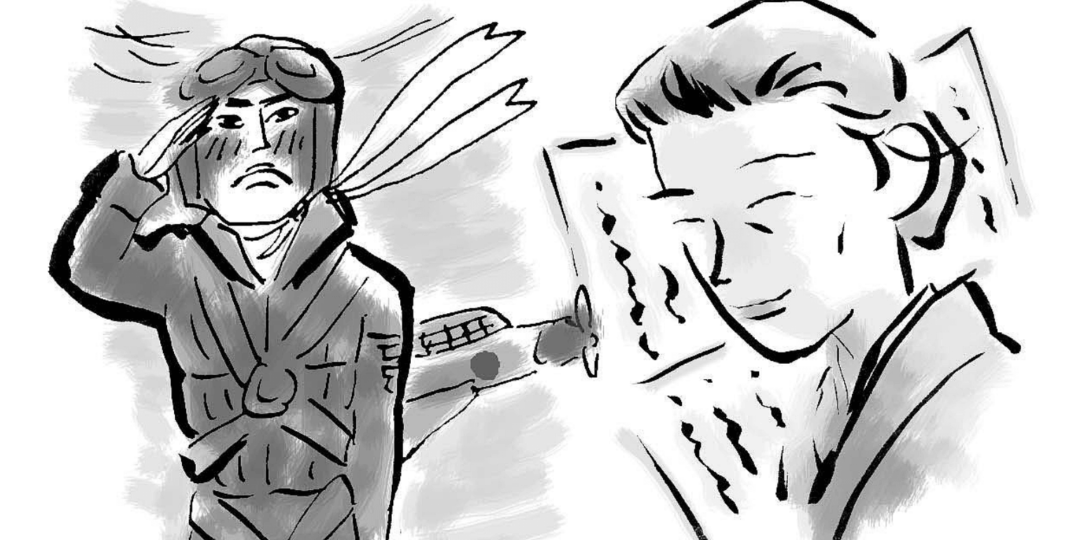
After the defeat, while holding feelings of remorse, they chose the path of rebirth, not revenge.
敗戦後、彼らは忸怩たる思いを抱えながらも、復讐ではなく再生の道を選んだ。
They accepted American values, absorbed capitalism, and accomplished the ‘miracle’ of high economic growth.
アメリカの価値観を受け入れ、資本主義を吸収し、高度経済成長という”奇跡”を成し遂げた。
That progress was also the very essence of a deep ‘reflec- tion, shown not by ‘statements’ but by actions
その歩みは、「談話」ではなく行動で示された、深い「反省」そのものでもあった。
Now that 80 years have passed, would they be wishing for us to repeat the back-and-forth of ‘who was wrong’?
80年の歳月が流れた今、「どちらが悪いか」といった応酬を繰り返すことを、彼らは望んでいるだろうか?
People from the Middle East, where conflict continues even now, sometimes ask, ‘Why do Japanese people have no desire for revenge against America?”
今も争いが続く中東の人が「なぜ日本人はアメリカへの復讐心がないのか」と問うときがある。
Many Japanese people would probably answer as follows.
多くの日本人はこう答えるだろう。
What will we leave for our descendants if we take revenge? Our ancestors departed, shouldering everything themselves, in order not to pass down their anger and sadness to their descendants.
「復讐して子孫に何を残すのか?私たちの祖先は、子孫に怒りや悲しみを引き継がせないために、すべてを背負って旅立って行ったのです。」
This article is from the October 2025 issue of Hiragana Times.
この記事は、月刊誌『ひらがなタイムズ』2025年10月号より掲載しています。
Related Posts



Information From Hiragana Times


Topics in Japan
-
![Words That Live with Insects <br src=]() 虫と暮らす言の葉" />
Words That Live with Insects
虫と暮らす言の葉" />
Words That Live with Insects
虫と暮らす言の葉 -
![Bugs Live in the Belly <br src=]() 腹に虫が住む" />
Bugs Live in the Belly
腹に虫が住む" />
Bugs Live in the Belly
腹に虫が住む -
![Voices of Insects — The Soundtrack of Autumn in Japan <br src=]() 虫の声 ― 日本の秋のBGM" />
Voices of Insects — The Soundtrack of Autumn in Japan
虫の声 ― 日本の秋のBGM" />
Voices of Insects — The Soundtrack of Autumn in Japan
虫の声 ― 日本の秋のBGM -
![The Worms Within Came from the Universe <br src=]() 腹の虫は、宇宙から来た" />
The Worms Within Came from the Universe
腹の虫は、宇宙から来た" />
The Worms Within Came from the Universe
腹の虫は、宇宙から来た -
![Ito Jakuchū — An Eye for Life <br src=]() 伊藤若冲 ―― いのちを見る眼" />
Ito Jakuchū — An Eye for Life
伊藤若冲 ―― いのちを見る眼" />
Ito Jakuchū — An Eye for Life
伊藤若冲 ―― いのちを見る眼
 虫と暮らす言の葉" />
 腹に虫が住む" />
 虫の声 ― 日本の秋のBGM" />
 腹の虫は、宇宙から来た" />
 伊藤若冲 ―― いのちを見る眼" />

