January 2026 Issue – Available as a Back Issue

Hiragana Times | January 2026
Hiragana Times January 2026

Hiragana Times

ひらがなタイムズ 2026年1月号

Step into the new year with stories of tradition and transformation. This issue explores Japan's timeless customs and the winds of change shaping humanity's path forward.
伝統と変革の物語とともに新年へ。日本の不変の慣習と、人類の未来を形作る変化の風を探る。

Japan Explore

日本探究 & 再発見

The New Year's Bell

The New Year's Bell Opens the Gate of Heaven

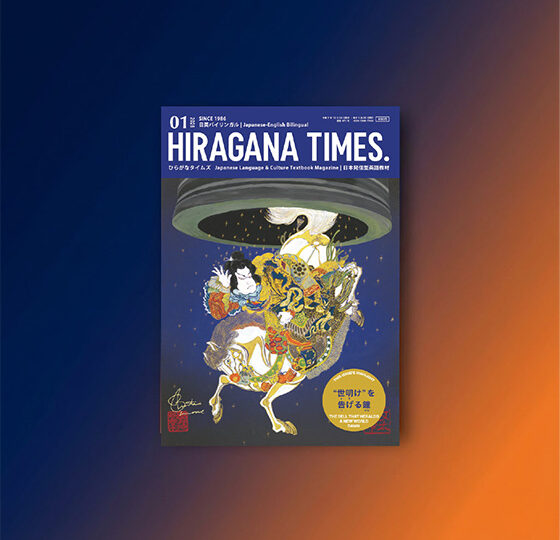
As the Joya-no-Kane tolls at midnight, a celestial horse descends from within the bell—bearing the spirit of the Soma clan, who have lived alongside horses for over a thousand years. Fifteen years after the 2011 disaster, Fukushima's long darkness gives way to renewed light.
除夜の鐘の中から天馬が降り立つ——千年以上馬と共に生きてきた相馬氏の魂を宿して。震災から15年、福島の長い暗がりが、再生の光へと変わる。

Read Article →
Ume Blossoms

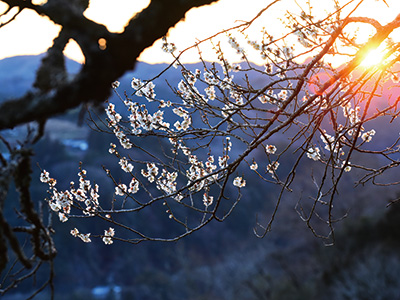
Ume: The Ibuki of January

In Japanese, the unseen seasonal surge that stirs all life is called "Ibuki"—the breath of life. The ume blooms before spring arrives, its very name echoing the primordial sound "u" (ウ) of life awakening. Before cherry blossoms took center stage, ume was Japan's original flower of hanami.
目には見えないけれど確かな季節の衝動——それを日本語で「いぶき」と呼ぶ。梅は春に先駆けて咲き、その名は生命の芽吹きを表す「ウ」の音に由来するとも。桜より前、花見の主役は梅だった。

English → 日本語 →
2025 Turning Point

2025: A Turning Point for Humanity

Bears once revered as sacred now descend into cities like Godzilla—a warning that nature's balance is collapsing. As AI watches and learns from our every action, will we teach it cold elimination, or coexistence and compassion? The code we write now determines humanity's future.
かつて神として崇められた熊が、ゴジラのように街へ現れる——自然界のバランスが崩れつつある警告。AIは私たちのすべての行動を学習し続けている。冷徹な排除か、共存と慈愛か。今刻むコードが、人類の未来を決める。

English → 日本語 →

Japan Now

日本の今

News Review News Review
🎧 Audio Available

Who Is This Year's 'Lucky Man'? Nishinomiya Shrine's 'Running Worship'

今年の福男は誰?西宮神社の「走り参り」

Read →
Buzzwords New Expression & Buzzwords
🎧 Audio Available

サナ活 | Sana-activity

Read →
🎧 Audio Available

鬱袋 | Depressing bag

Read →
Close Up Close Up Japan
🎧 Audio Available

The Young Hero Who Crosses the Fires of War, Anoishiki, Becomes a New Ozeki

戦火を越えた若き英雄、安青錦が新大関へ

Read →
Pros and Cons Pros and Cons with Insight
🎧 Audio Available

Legalization of the Use of Old Surnames, Yet the Controversy Continues

旧姓使用が法制化、それでも続く「選択的夫婦別姓」論争

Read →

Nihongo Do

日本語道

Voice Wave

Voice Wave | 言波

Yamato words—the ancient Japanese read in kun-yomi—carry a "resonance of the heart" that modern borrowed words have lost. When "respect" becomes "toutobi," warmth and meaning surface. These words were woven by hijiri (霊知り), sages who aligned truth with the movements of the heart.
訓読みで読む古代の日本語「大和ことば」には、現代の外来語が失った"心の響き"が宿る。「尊敬」を「とうとび」に解けば、温もりと意味が浮かび上がる。これらは霊知り——心と真実を重ねた古代の賢者たちが紡いだ言葉。

Word Leaves

Word Leaves | 言の葉

Mutsuki (睦月)—January's ancient name—means "the month of coming together." Families reunite, New Year cards cross paths, and first shrine visits carry prayers for the year ahead. From shimenawa purification to seven-herb porridge, these quiet rituals shape the gentle, hopeful rhythm of Japan's new year.
睦月——1月の古名は「親しくむつまじくする月」。家族が集い、年賀状が行き交い、初詣で一年の祈りを捧げる。しめ縄から七草粥まで、静かな儀礼が日本の新年の穏やかで希望に満ちたリズムを形作る。

Voice-Word Art

Voice-Word Art | 言技

"When yin reaches its extreme, it turns to yang." Rooted in classical Chinese thought, this proverb reveals nature's cyclical truth: the deepest cold precedes warmth, the hardest trials precede recovery. Conditions are never fixed—extremes always reverse.
「陰極まれば陽に転ずる」——中国古典に由来するこの言葉は、自然の循環の真理を示す。最も寒い時期の後に暖気が来るように、困難の後には好転が訪れる。物事は固定されず、極まれば必ず反転する。

Japan Savvy

Japan Savvy | 日本通

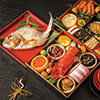
Osechi—New Year's cuisine—celebrates the cosmic "fushi" (node) where sun and moon are reborn. At the winter solstice, yin reaches its extreme and yang emerges; with the new moon, light returns from darkness. Ancient people honored this overlap of celestial rebirths as Shogatsu. Each dish carries wishes woven into its name, color, and shape.
おせち料理は、太陽と月が生まれ直す宇宙の「節(ふし)」を祝う。冬至で陰が極まり陽が生まれ、新月で闘から光が宿り始める。古代の人々はこの二つの再生が重なる時を「正月」として寿いだ。一品一品に、名前・色・形に込められた願いが宿る。

Japan Maze

Japan Maze | 迷宮ニホン

"Mō ippai"—does it mean "I've had enough" or "one more cup"? Japanese is rich with homophones that sound identical but carry different meanings. This duality creates charming misunderstandings and playful puns. Same to the ear, different to the eye—that's the magic of Japanese.
「もういっぱい」——「もう十分」か「もう一杯」か?日本語には音が同じで意味が異なる言葉が溢れている。この二重性が、愛すべき行き違いや言葉遊びを生む。耳では同じ、目では違う——それが日本語の魅力。

HT Talk Lounge

💬 Join this month's HT Talk Lounge!

Step into the Lounge — where words and culture come alive.

Learn More →

Leave a Reply