
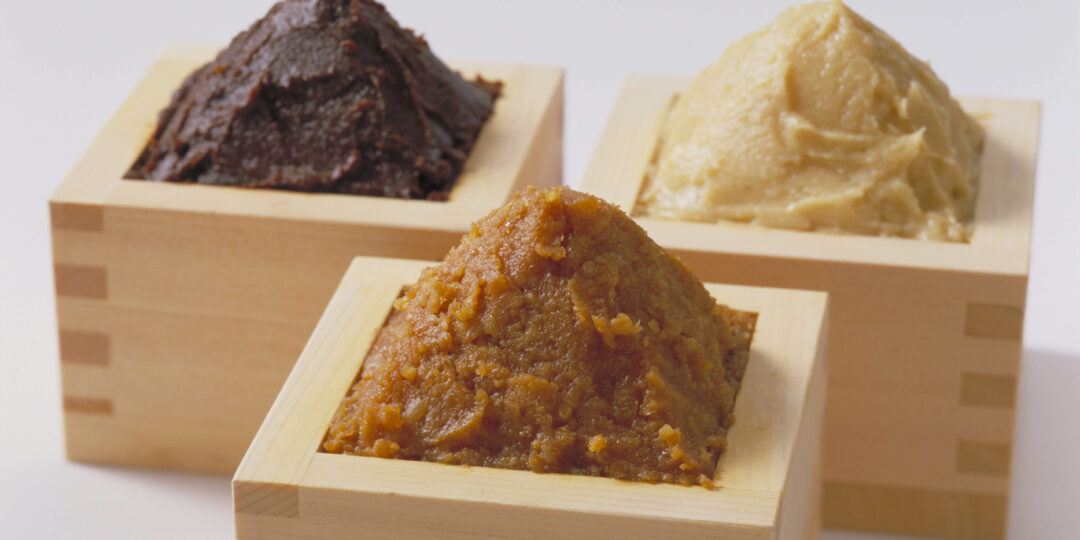
Japan’s Food Culture Living with Microorganisms —Flavors and Traditions Nurtured by Fermentation
[Japan Savvy – October 2025 Issue]
Japan’s Food Culture Living with Microorganisms
—Flavors and Traditions Nurtured by Fermentation
菌と生きる日本の食文化 ― 発酵が育む味と伝統
Speaking of autumn, it is the season of harvest. Overcoming the heat, various crops reach their peak of harvesting.
秋といえば、実りの季節。暑さを乗り越えて、様々な作物が収穫のピークを迎えます。
In the era without refrigerators, the Japanese devised many ways to preserve these precious harvests for a long time.
冷蔵庫のない時代、この貴重な収穫物を長期保存するために、日本では様々な工夫がされてきました。
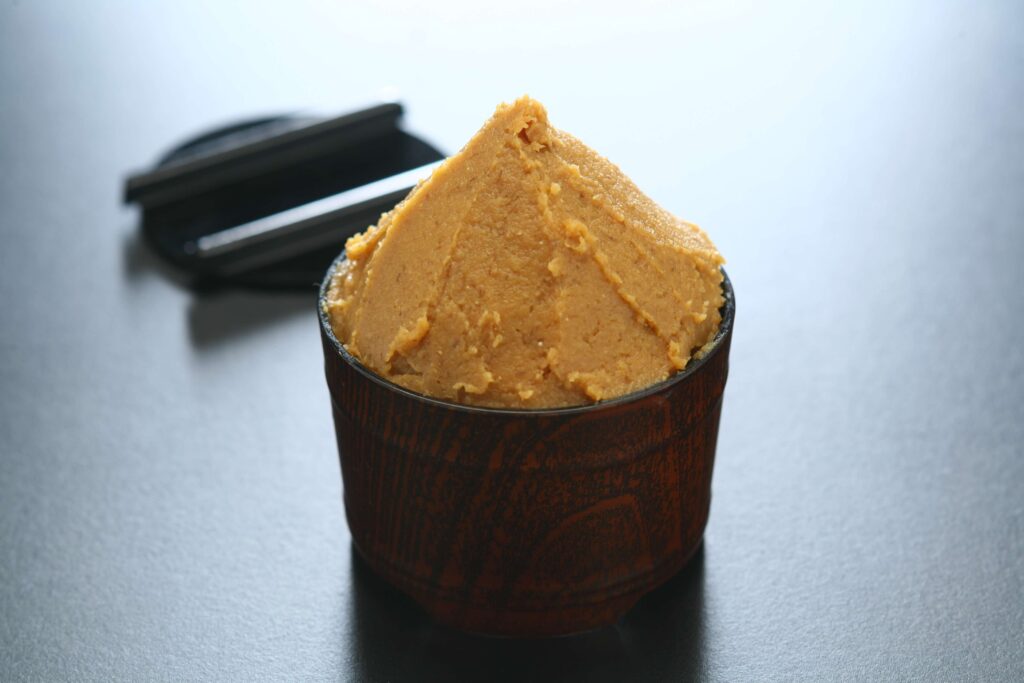
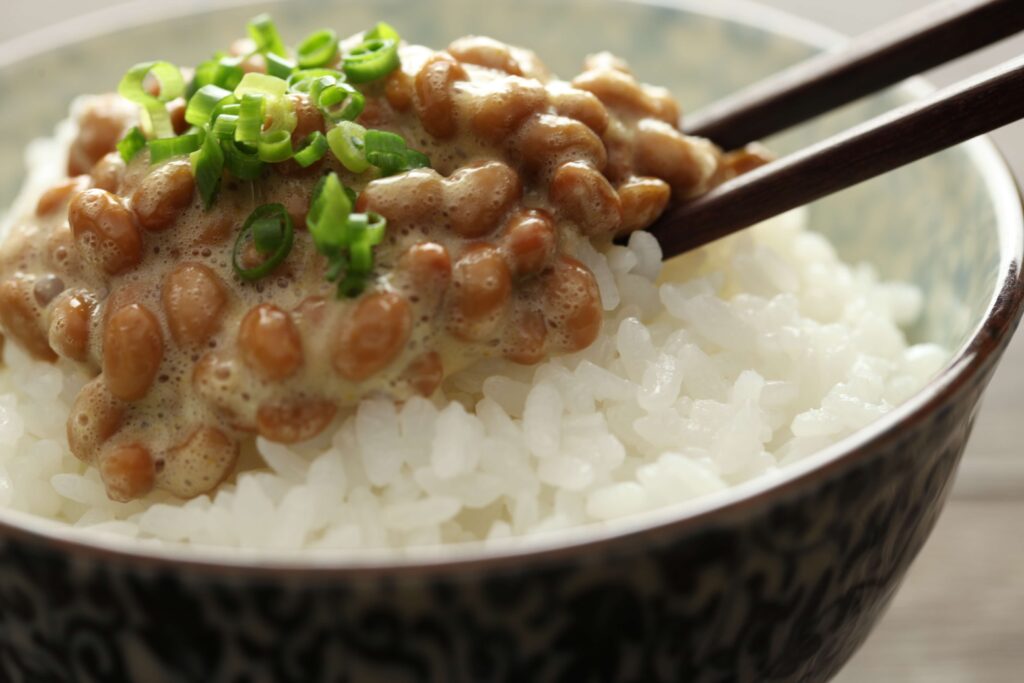
The representative among them is “fermentation.” By using the power of microorganisms to preserve and transform ingredients, people created unique fermented foods such as miso, soy sauce, and natto.
その代表格が「発酵」です。菌の力で食材を保存・変化させ、味噌や醤油、納豆といった独自の発酵食品を生み出しました。
Japanese fermentation culture goes back to the Jomon period, and it is said that people at that time preserved nuts and fish by salting them.
日本の発酵文化は縄文時代までさかのぼり、当時の人々は木の実や魚を塩漬けにして保存していたと伝えられています。
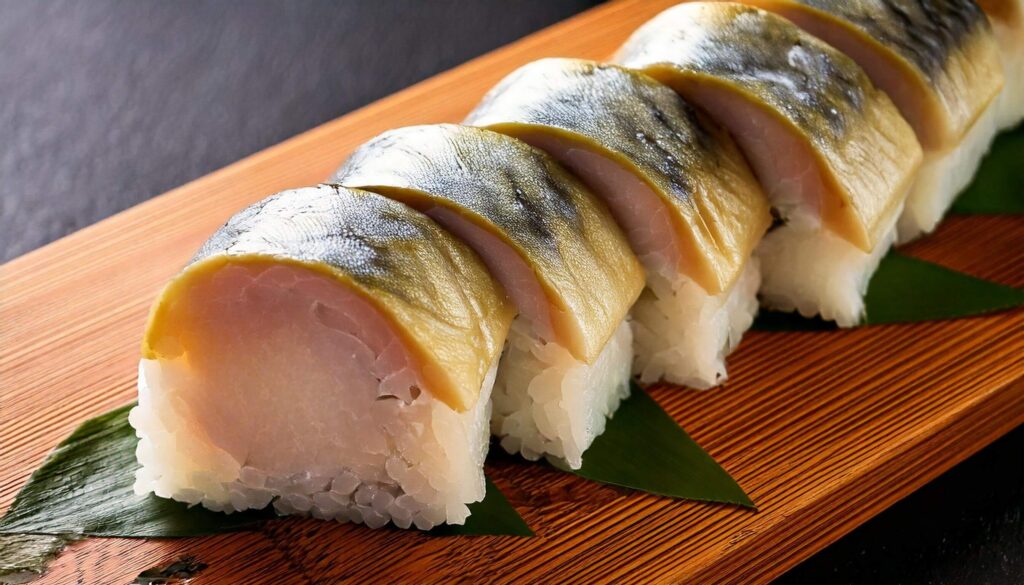
Sushi, a representative of Japanese food, also began when the technique of fermenting fish with rice was introduced along with rice cultivation.
日本食の代表・寿司も、魚を米と発酵させる技法が稲作とともに伝わったことに始まります。
The humid climate of Japan accepted this technique and became soil that further nurtured fermentation culture.
湿度の高い日本の風土は、この技法を受け入れ、発酵文化をさらに育む土壌となったのです。
The people of ancient times may have been making use of the mysterious power of microorganisms in their lives, while conversing with them.
古代の人々は、菌と対話しながら、その神秘的な力を暮らしに生かしていたのかもしれません。
 ”Warm Up ウォームアップ”
 ”Warm Up ウォームアップ”
hakko JapaNEEDS
Useful words
- 実り(みのり)-harvest, fruitful
- 乗り越える(のりこえる)-overcome
- 冷蔵庫(れいぞうこ)-refrigerator
- 保存(ほぞん)-preserve, keep
- 発酵(はっこう)-fermentation
- 菌(きん)-microorganisms, bacteria
- 塩漬け(しおづけ)-pickling in salt
- 湿度(しつど)-humidity
- 風土(ふうど)-climate
- 土壌(どじょう)-soil
- 古代(こだい)-ancient times
- 対話(たいわ)-dialogue, conversation
- 神秘的(しんぴてき)-mysterious
Ice Breaker Questions
What is your favorite Japanese food? Please also tell us the reason.
好きな日本の食べ物は何ですか?理由も教えてください。
Speaking of fermented foods, what comes to your mind?
発酵食品といえば、何を思い浮かべますか?
What kinds of fermented foods are there in your country?
あなたの国の発酵食品にはどんなものがありますか?
If you were to make fermented food yourself, what would you like to try?
もし自分で発酵食品を作るとしたら、何に挑戦してみたいですか?
When you eat fermented foods, what effects do you think they have on the body and health?
発酵食品を食べると、体や健康にどんな効果があると思いますか?
”Work Up ワークアップ”
 ”Work Up ワークアップ”
hakko Discussion
Vanessa: Japanese food really does have a healthy image, doesn’t it?
ヴァネッサ:日本食って、やっぱり健康的なイメージがありますよね。
Will: Especially natto! It seems that in the Jomon period too, they ate something like natto.
ウィル:特に納豆!縄文時代にも納豆みたいなものを食べてたらしいですよ。
Jose: Really? That stickiness existed since ancient times?
ホセ:本当ですか?あのネバネバ、古代からあったんですか!
Mayumi: That stickiness comes from natto bacteria. In the human intestine, there are tens of trillions of other bacteria that keep us healthy.
まゆみ:そのネバネバは納豆菌。人間の腸内には、他にも何十兆もの菌がいて、私たちの健康を保っているんですよ。
Vanessa: That many!? Then our bodies are like a “planet” of bacteria?
ヴァネッサ:そんなに!?じゃあ私たちの体って、菌たちの「惑星」みたいなもの?
Will: And bacteria were on Earth long before humans. Depending on how you think, maybe humans exist for the sake of bacteria.
ウィル:しかも菌は人間よりずっと前から地球にいたんです。考えようによっては、人間のほうが菌のために存在してるのかもしれませんね。
Jose: People in the old days must have felt that firsthand and lived while respecting the power of bacteria.
ホセ:昔の人はそれを肌で感じて、菌の力を尊びながら生きてきたんでしょうね。
Mayumi: In Japan, by borrowing the power of bacteria, they made miso, soy sauce, and pickles, and by eating them, they gave “food” to the bacteria inside the body. Koji mold was even designated the “national fungus” in 2006.
まゆみ:日本では、菌の力を借りて味噌や醤油、漬物を作り、それを食べることで体内の菌に「餌」を与えてきたんです。麹菌なんて2006年には「国菌」に認定されましたよ。
Vanessa: Not a national treasure, but a national fungus!
ヴァネッサ:国宝ならぬ国菌!ですね(笑)
Will: Modern people… even though it’s the same “kin,” they only think about “金 (gold).”
ウィル:現代人は…同じ「キン」でも「金」のほうばかり考えてますね。
Jose: Hahaha! And the “kin” in the wallet doesn’t grow at all!
ホセ:あはは!しかも財布の「キン」は全然育たない(笑)
”Wrap Up ラップアップ”
 ”Wrap Up ラップアップ”
hakko Knowledge
Fermented foods are the wisdom of preservation in the era without refrigerators, and they also enhance nutrition and umami.
発酵食品は、冷蔵庫のない時代の保存の知恵であり、栄養やうま味も高めてくれます。
It is said that sake had already been made since the Yayoi period, but the oldest record is from the Nara period, describing “sake made from koji =mold grown on rice.”
日本酒は弥生時代から造られていたとされますが、奈良時代の記録にある「ご飯に生えたカビ=麹で造った酒」が最古の記録です。
In the Edo period, fermentation techniqu
es advanced, the method of making sake close to today’s form was established, and soy sauce and miso also spread to the tables of ordinary people.
江戸時代には発酵技術が進み、今に近い日本酒の製法が整うとともに、醤油や味噌も庶民の食卓に広がりました。
Among dried bonito, known as the hardest food in the world, the highest grade “honkarebushi” is a fermented food.
世界一かたい食品として知られる鰹節の中でも、最高級の「本枯節」は発酵食品です。
Soy sauce, miso, and vinegar are called the “three great fermented seasonings.”
醤油・味噌・お酢は「三大発酵調味料」と呼ばれています。
For the main player of fermentation, “koji,” there are both “麹”, and the unique Japanese character “糀” named because the white hyphae on rice look like flowers.
発酵の主役「こうじ」には「麹
」と日本独自の字「糀」があり、米に白い菌糸が花のように見えることから名付けられました。
Fermentation reflects the climate of the land and created unique flavors in each region, such as Akita’s “iburigakko,” Tokyo’s “kusaya,” and Ibaraki’s “Mito natto.”
発酵は土地の風土を映し取り、秋田の「いぶりがっこ」、東京の「くさや」、茨城の「水戸納豆」など、地域ごとの独自の味を生みました。
Miso also differs by region, with rice miso, barley miso, and soybean miso, and further differences such as sweet or salty taste.
味噌も地域ごとに米味噌・麦味噌・豆味噌があり、さらに甘口や辛口といった味の違いがあります。
Today, with the rise of health consciousness, more people are making fermented foods themselves, such as miso and nukazuke.
現在、健康志向の高まりから、味噌やぬか漬けなど発酵食品を自分で手作りする人も増えています。
This article is from the October 2025 issue of Hiragana Times.
この記事は、月刊誌『ひらがなタイムズ』2025年10月号より掲載しています。
Related Posts

Information From Hiragana Times


Topics in Japan
-
![Expanding Our Features on note & Medium<br src=]() note・Mediumにて特集記事を展開中" />
Expanding Our Features on note & Medium
note・Mediumにて特集記事を展開中" />
Expanding Our Features on note & Medium
note・Mediumにて特集記事を展開中 -
![Seasonal Voice-Word Art: “January slips away, February runs away, March goes away”<br src=]() 季節の言技:「一月往ぬる二月逃げる三月去る」" />
Seasonal Voice-Word Art: “January slips away, February runs away, March goes away”
季節の言技:「一月往ぬる二月逃げる三月去る」" />
Seasonal Voice-Word Art: “January slips away, February runs away, March goes away”
季節の言技:「一月往ぬる二月逃げる三月去る」 -
![National Foundation Day — A Day to Reflect on Japan’s Beginnings <br src=]() 建国記念の日――日本の「はじまり」を考える日" />
National Foundation Day — A Day to Reflect on Japan’s Beginnings
建国記念の日――日本の「はじまり」を考える日" />
National Foundation Day — A Day to Reflect on Japan’s Beginnings
建国記念の日――日本の「はじまり」を考える日 -
“Chappi-” 「チャッピー」
-
![A Television Culture That Has Shaped Japanese Mornings <br src=]() 日本人の朝をつくってきたテレビ文化" />
A Television Culture That Has Shaped Japanese Mornings
日本人の朝をつくってきたテレビ文化" />
A Television Culture That Has Shaped Japanese Mornings
日本人の朝をつくってきたテレビ文化
 note・Mediumにて特集記事を展開中" />
 季節の言技:「一月往ぬる二月逃げる三月去る」" />
 建国記念の日――日本の「はじまり」を考える日" />

 日本人の朝をつくってきたテレビ文化" />

