Feb2026

February 2026 Issue

Hiragana Times | February 2026
Hiragana Times February 2026

Hiragana Times

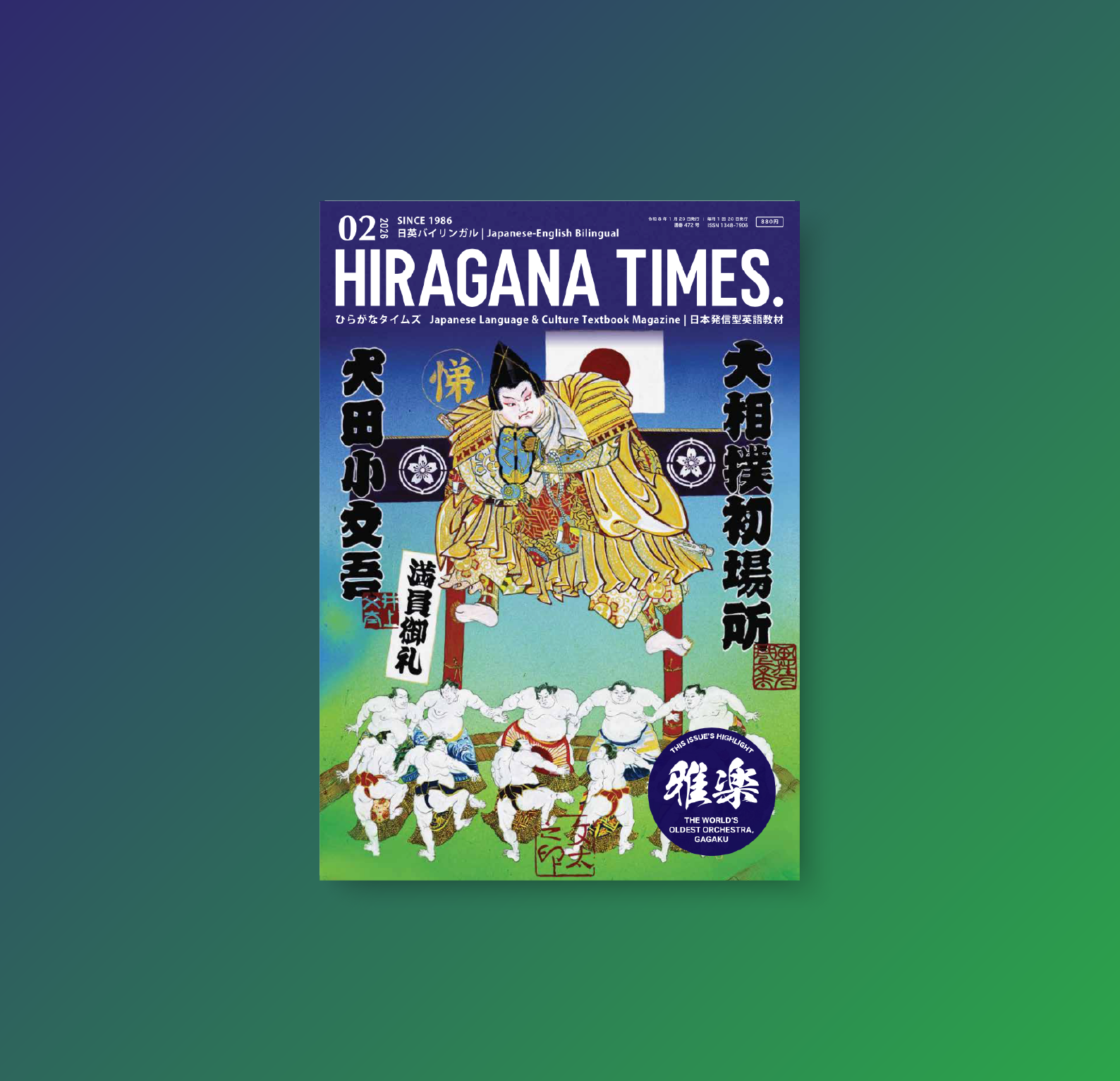
ひらがなタイムズ 2026年2月号

Enter a world shaped by tradition and melody. This issue explores Gagaku, the world’s oldest orchestra.
伝統と旋律が形づくる世界へ。本号では、世界最古のオーケストラ「雅楽」を探ります。

Japan Explore

日本探究 & 再発見

Grand sumo

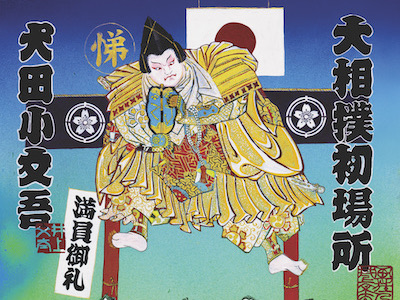
The Grand Sumo Tournament - The Ring-Entering Ceremony

The sacred world of sumo through Dohyō-iri, as depicted in Gakyōjin Bunta Inoue’s New Year cover artwork, revealing sumo’s origins as a ritual of prayer rather than sport. The feature also introduces Inoue’s “Reiwa Ukiyo-e,” a bold fusion of Edo-period spirit and contemporary culture.
画狂人・井上文太による新年の表紙作品を通して、競技ではなく神事としての相撲――土俵入りの本質に迫ります。あわせて、江戸の精神と現代文化を融合させた「令和の浮世絵」の世界を紹介します。

Read Article | Coming Soon →
Dandelion flower

Zassou: The Ibuki of February–The Wisdom of Living with Resilience

Explores the unseen seasonal life force that moves all living things, focusing on zassou—wild-growing plants that survive through patience, adaptability, and quiet strength. From mythology to modern streets, these humble grasses reveal profound wisdom about resilience, timing, and the origins of human life itself.
万物を動かす目に見えない季節の生命力に光を当て、しなやかに生き抜く雑草の姿を通して、その知恵と強さを描きます。神話から現代の足元まで、雑草は忍耐と適応の象徴として、私たちの命の原点を静かに語りかけます。

English | Coming Soon → 日本語 | 近日公開 →
Gagaku

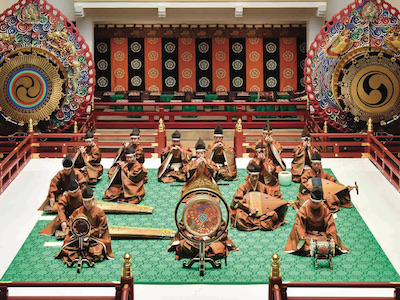
Gagaku — The World’s Oldest Orchestra, Dedicated to Nature

BGagaku, the world’s oldest orchestra, is music performed not for people but for nature, expressing the sounds of wind, earth, and sky through instruments shaped by ancient prayers. Unchanged for over 1,300 years, it embodies the Japanese spirit of harmony—uniting humans, nature, and the cosmos in sound.
1300年以上ほとんど姿を変えずに受け継がれてきた雅楽は、人のためではなく自然に捧げられる音楽です。風や大地、天地の響きを奏でるその音には、人と自然、そして宇宙をつなぐ日本の「和」の精神が息づいています。

English | Coming Soon→ 日本語 | 近日公開 →

Japan Now

日本の今

News Review2026 News Review
🎧 Audio Available

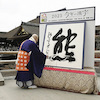
The Kanji That Represents the Mood of Society in 2025'

2025年の世相を表す漢字

Read Article | Coming Soon →
buzz2026 New Expression & Buzzwords
🎧 Audio Available

チャッピー | ChatGPT

Read Article | Coming Soon →
🎧 Audio Available

横転 | Falling-over

Read Article | Coming Soon →
bakebake Close Up Japan
🎧 Audio Available

A Television Culture That Has Shaped Japanese Mornings

日本人の朝をつくってきたテレビ文化

Read Article | Coming Soon →
Pro and Con 2026 Pros and Cons with Insight
🎧 Audio Available

Controversy Over Cabinet Official's Nuclear Remarks

首相官邸幹部の「核保有発言」をめぐる論争

Read Article | Coming Soon →

Nihongo Do

日本語道

Voice Wave

Voice Wave | 言波

This essay explores the idea that Japanese kana (仮名) were originally kami-na—“divine names”—born from ancient people’s reverence for nature and the movements of the human heart. By reading mythology, language, and sound as expressions of kokoro, it reveals words as vessels through which life, meaning, and the universe itself are named into being.
本稿は、日本語の「仮名」が本来「神名」であり、自然や心の動きを写し取った音であったという視点から、日本語と言葉の起源を探ります。神話・文字・音を「心」の表現として読み解くことで、言葉が命と世界を立ち上げる力であったことを浮かび上がらせます。

Word Leaves

Word Leaves | 言の葉

Mutsuki (睦月)—Seasonal Word Leaves: Japan's February, "Kisaragi" - lingering winter chill, early spring signs, and days that seem to slip away.
季節の言の葉: 日本の2月「如月」一残る寒さと芽吹きの気配、そして足早に過ぎていく日々。

Voice-Word Art

Voice-Word Art | 言技

Seasonal Voice-Word Art: "January slips away, February runs away, March goes away" - the early months of the year pass in the blink of an eye.
季節の言技:「一月往ぬる二月逃げる三月去る」年のはじめ三か月は、あっという間に過ぎていく。

SavvyFeb2026

Japan Savvy | 日本通

National Foundation Day on February 11 commemorates the legendary enthronement of Emperor Jimmu in 660 BCE, blending history and mythology to reflect Japan’s deep sense of continuity. Rather than marking a single political event, the day invites reflection on the nation’s long, layered past and its origins rooted in myth, nature, and lineage.
2月11日の建国記念の日は、紀元前660年に神武天皇が即位したと伝えられる日に由来し、日本の歴史と神話が重なり合う国の始まりを象徴しています。明確な出来事よりも、果てしなく続く時間の流れの中で日本の起源に思いを馳せる日です。

MazeFeb2026

Japan Maze | 迷宮ニホン

"This shows how Japanese numbers carry sounds and meanings beyond their numerical value. Through wordplay like goro-awase, numbers can feel unlucky, humorous, polite, or even act as hidden codes, revealing the playful and symbolic side of Japanese language and culture.
日本語の数字が単なる数ではなく、音や意味をもつ存在であることを紹介しています。語呂合わせによって、数字が不吉に感じられたり、ユーモアや感謝の気持ちを表したり、隠語として使われたりするなど、日本語文化の遊び心と象徴性が見えてきます。

Cover Feb 2026

💬 Join this month's HT Talk Lounge!

Step into the Lounge — where words and culture come alive.

Learn More →

Leave a Reply