×
  • December 2026

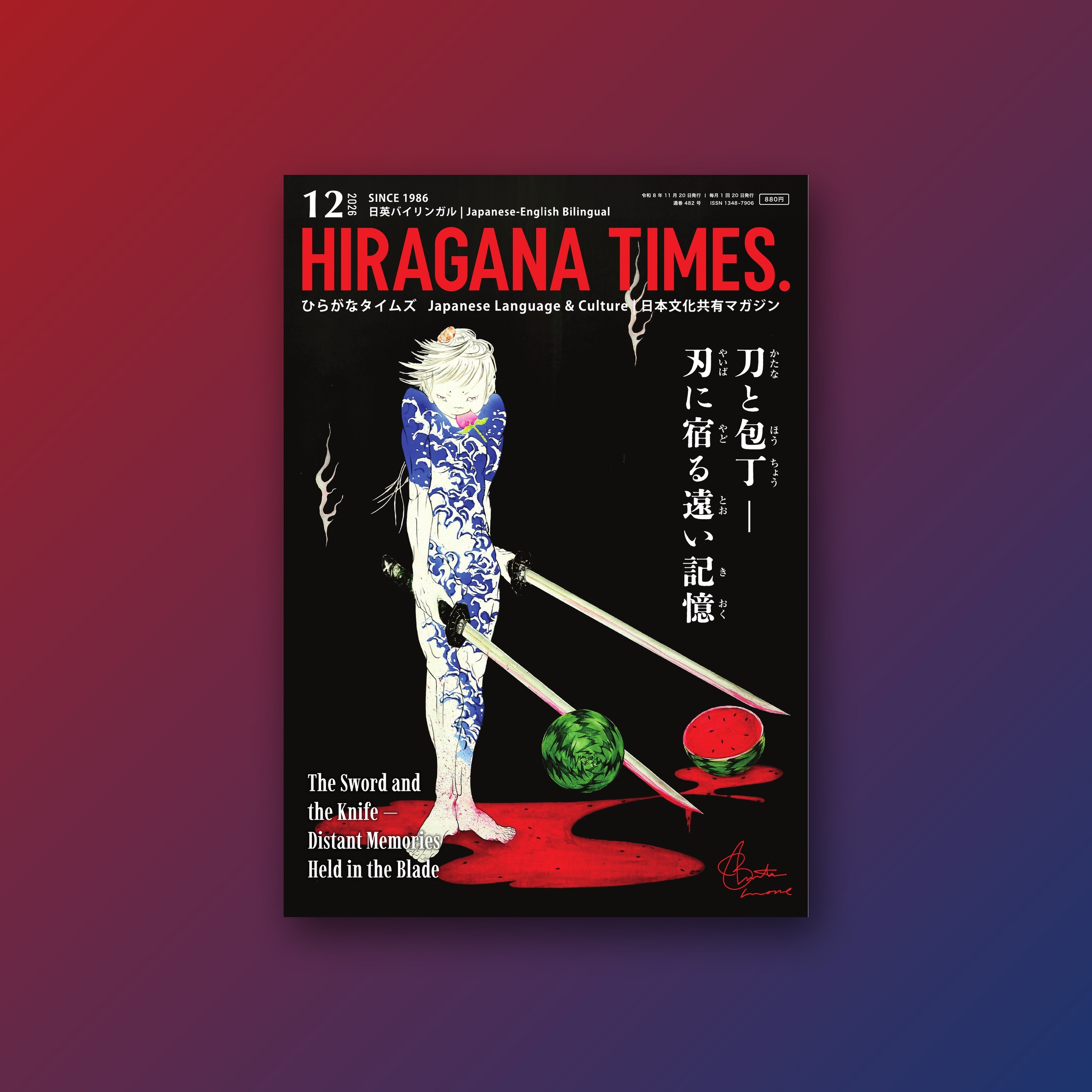
    Hiragana Times December 2026 issue cover

    Pre-order now · On sale November 20, 2026

    Hiragana Times December 2026 Issue

    ひらがなタイムズ 2026年12月号

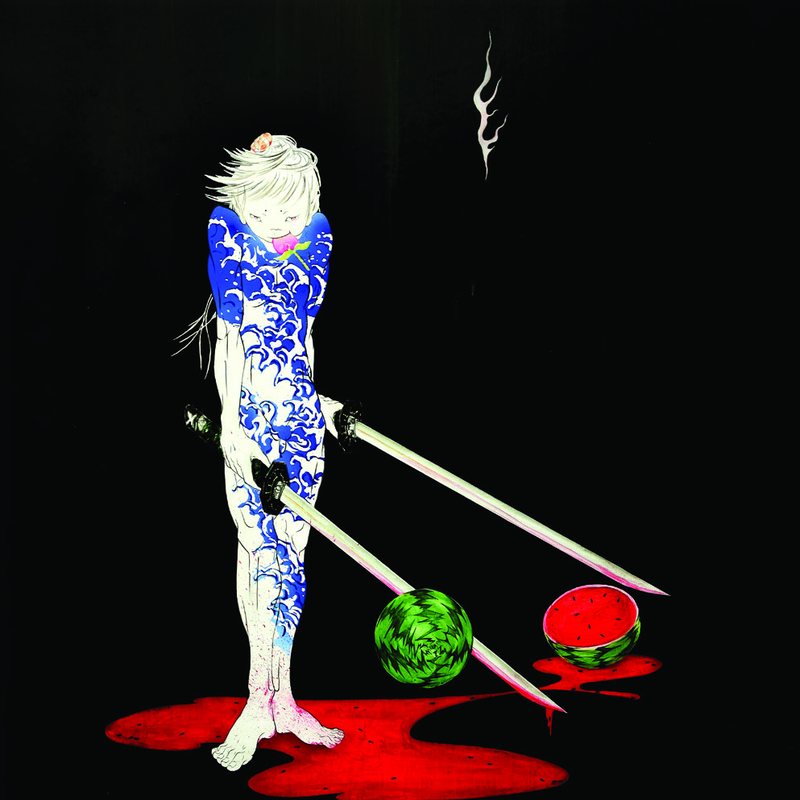
    On the cover of the December issue, of all things, a watermelon. This issue traces distant memories through the blade. Japan Style is "The Sword and the Knife," Breath of the People features the hero Yamato Takeru, and Japan Savvy presents the Three Sacred Treasures. In Voice & Word Art, the hyottoko mask shows the faces of people who worked alongside fire. At the year's end, those distant memories live on even in the hand that grips a kitchen knife.
    12月号の表紙に、まさかのスイカ。本号は、遠い記憶を刃から追いました。Japan Styleは「刀と包丁」、民のいぶきは英雄ヤマトタケル、Japan Savvyは三種の神器。言技では、ひょっとこの面に、火とともに働いた人々の顔を見ます。年の瀬、台所で包丁を握る手にも、その遠い記憶は続いています。

    Subscribe today and your subscription starts with the current November issue — this December issue will follow automatically.
    今お申し込みいただくと、発売中の11月号からお届けし、この12月号も自動でお手元に届きます。

    Available as 📱 App · 📕 Print · 💻 Digital

    Japan Explore

    日本探究 & 再発見

    Cover Story「割れたのは、スイカ」 — 2026年12月号より

    What Split Open Was a Watermelon

    Bunta Inoue, the artist mad about painting (gakyōjin), paints Momotaro with tattoos of blue waves, standing with two swords that drip red. What was cut is a watermelon. From the tattooed sea people recorded in the Records of Wei to the legends of Oki, follow a story that connects the mountains and the sea.
    画狂人 井上文太氏が描くのは、青い波の刺青をまとい、赤いしずくが落ちる2本の刀を手にした桃太郎。斬られたのはスイカです。『魏志倭人伝』に記された刺青の海人、隠岐の言い伝えから、山と海をつなぐ物語をたどります。

    Read Article — November 20 | 11月20日公開
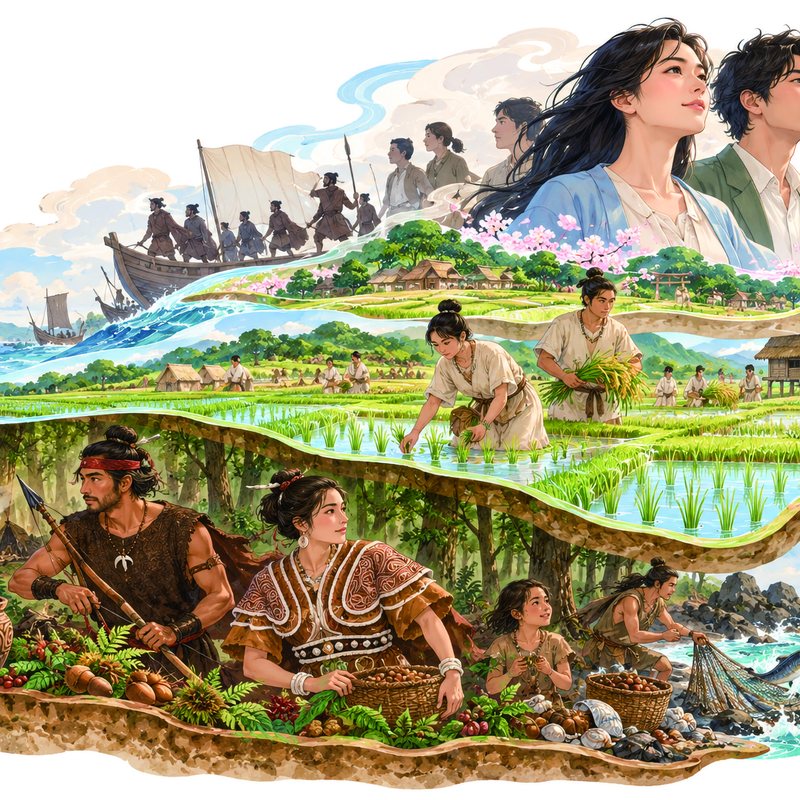
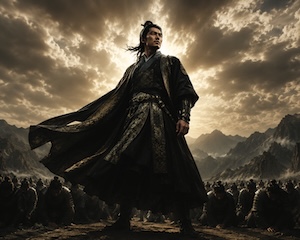
    IBUKI「ヤマトタケル ―― 白い鳥になった皇子」 — 2026年12月号より

    Yamato Takeru — The Prince Who Became a White Bird

    The story of the hero Yamato Takeru, the prince who, it is told, became a white bird.
    白い鳥になったと伝わる皇子、英雄ヤマトタケルの物語です。

    Read Article — November 20 | 11月20日公開

    Japan Style「刀と包丁 ―― 刃に宿る遠い記憶」 — 2026年12月号より

    The Sword and the Knife — Distant Memories Held in the Blade

    From the sword to the kitchen knife, trace the distant memories held in the Japanese blade.
    刀から台所の包丁まで。日本の刃に宿る遠い記憶をたどります。

    Read Article — November 20 | 11月20日公開
    Japan Now

    日本の今

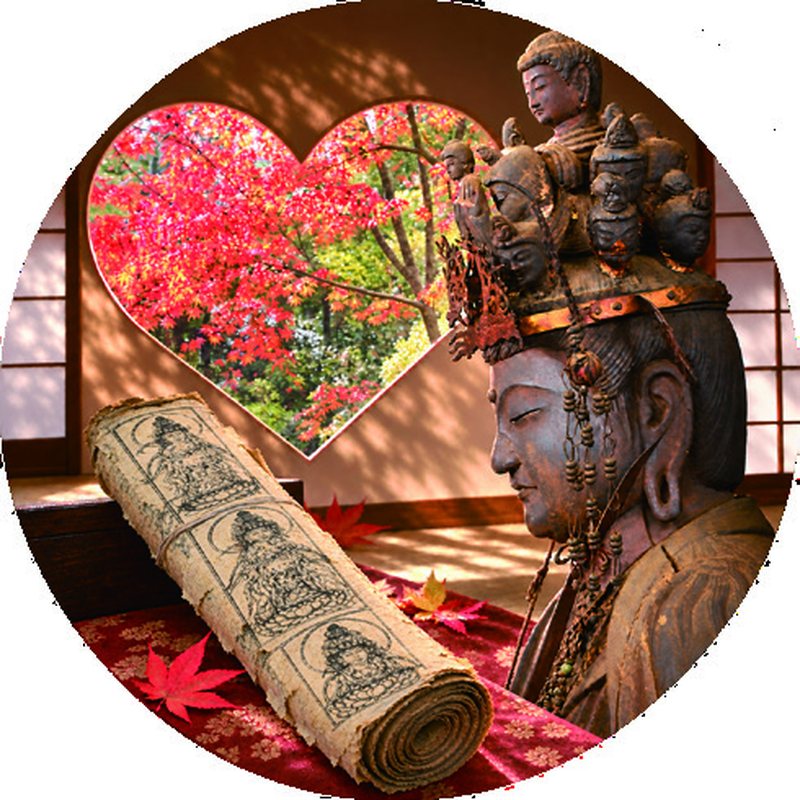
    News Review「秘仏の胎内に眠っていた巻物」 — 2026年12月号より News Review

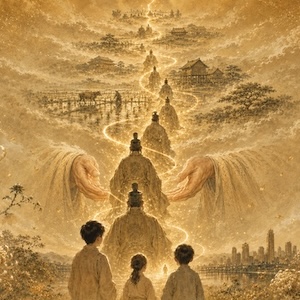
    The Scroll That Slept in the Womb of a Secret Buddha

    秘仏の胎内に眠っていた巻物

    Read Article — November 20 | 11月20日公開

    New Expression & Buzzwords「ラヴ上等」「ギュン」 — 2026年12月号より New Expression & Buzzwords

    ラヴ上等 | Badly in Love

    Read Article — November 20 | 11月20日公開
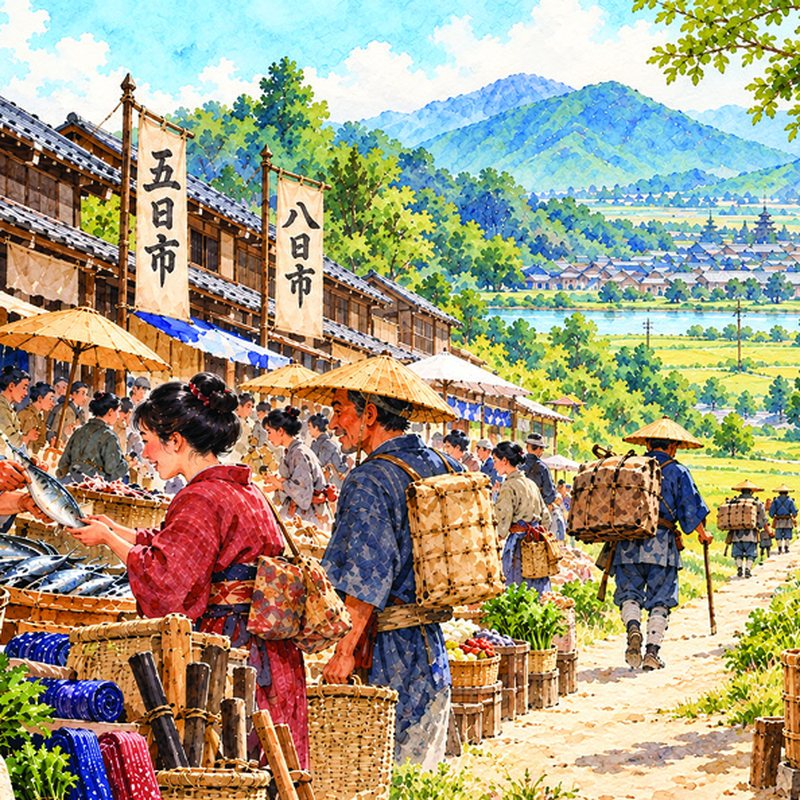
    ギュン | Smitten

    Read Article — November 20 | 11月20日公開
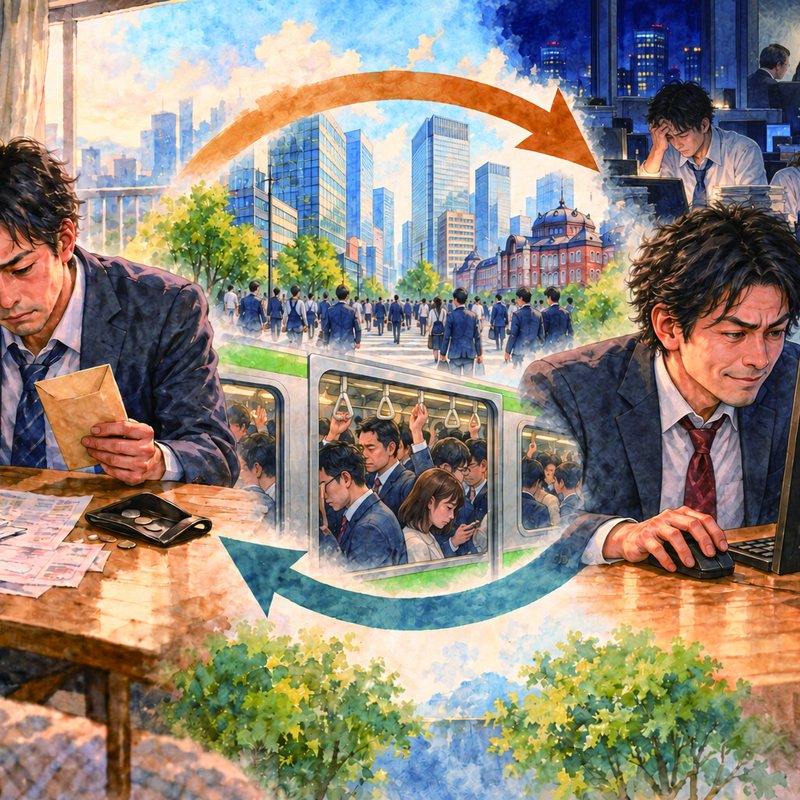
    Close Up Japan「乗り遅れたくない」 — 2026年12月号より Close Up Japan

    “I Don’t Want to Miss Out” — Young People Rushing into Investment

    「乗り遅れたくない」―― 投資に走る若者たち

    Read Article — November 20 | 11月20日公開
    Pros and Cons with Insight「投資は、社会を本当に豊かにしているか?」 — 2026年12月号より Pros and Cons with Insight

    Is Investment Really Making Society Richer?

    投資は、社会を本当に豊かにしているか?

    Read Article — November 20 | 11月20日公開
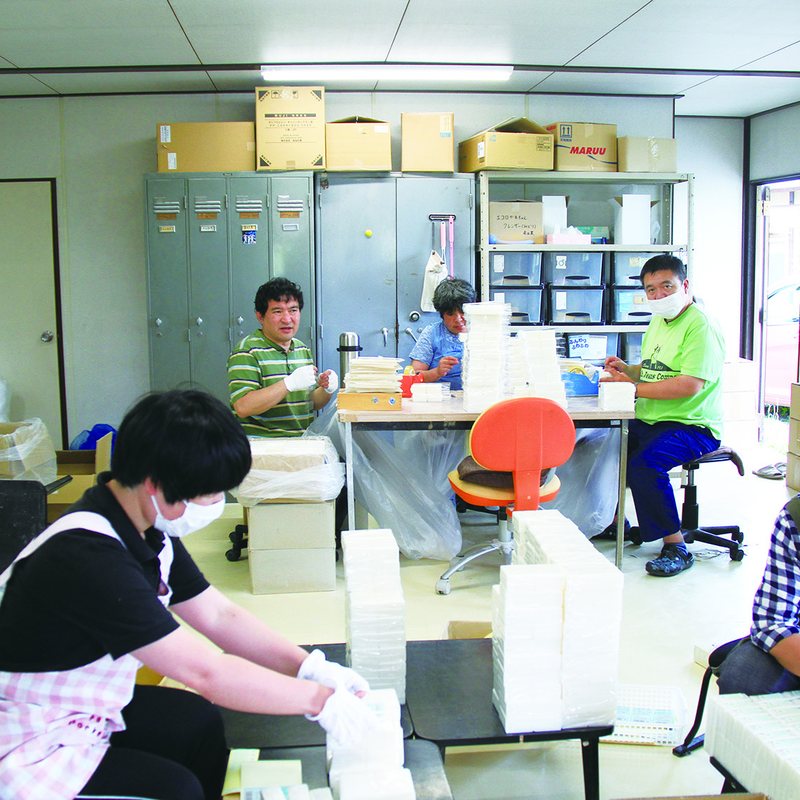
    Topics & Events「台所用の石鹸が、コスメ大賞の殿堂入り」 — 2026年12月号より Topics & Events

    A Kitchen Soap Enters the Cosmetics Awards Hall of Fame

    台所用の石鹸が、コスメ大賞の殿堂入り

    Read Article — November 20 | 11月20日公開

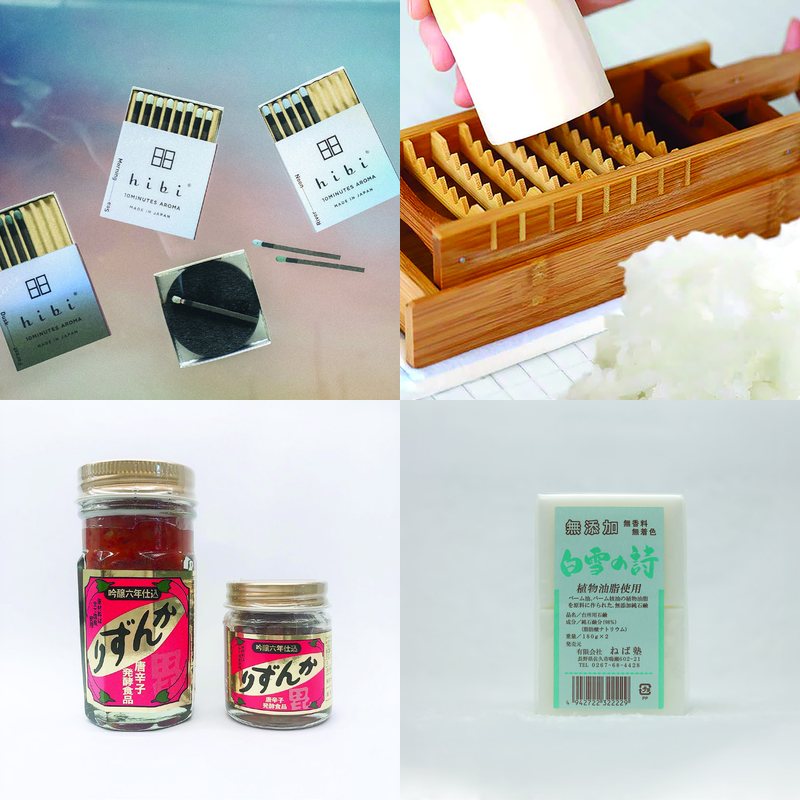
    Japan Products 2026年12月号の紹介商品 Japan Products

    Japan Products — December 2026

    ジャパン製品

    Read Article — November 20 | 11月20日公開

    Living in Japan「棚に並ぶ日本」 — 2026年12月号より Living in Japan

    Japan on the Shelves

    棚に並ぶ日本

    Read Article — November 20 | 11月20日公開
    Nihongo Do

    日本語道

    日本語道 言波(Voice Wave)— 2026年12月号より

    Voice Wave | 言波

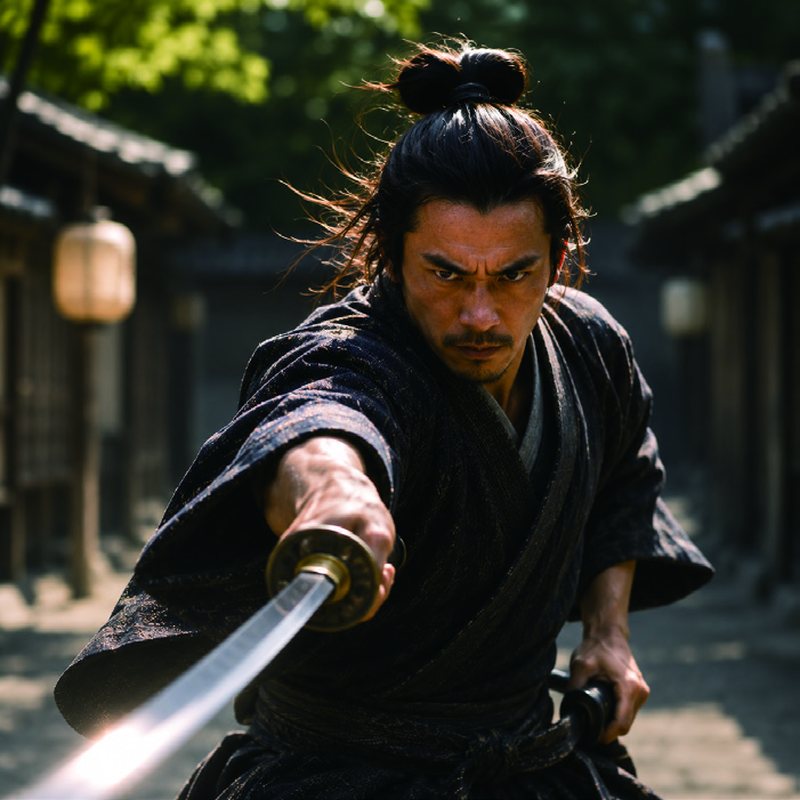
    A sword that is still left where it was placed, and the richness of not knowing.
    今も置かれたままの大刀と、分からないという豊かさ。

    Read Article — November 20 | 11月20日公開
    日本語道 言の葉(Word Leaves)「刀が磨いた言の葉」 — 2026年12月号より

    Word Leaves | 言の葉

    Through nine words related to katana—from shinai and sukedachi to ittō-ryōdan and tantō-chokunyū—trace how the sword still lives on today, from practice tools to the operating room and everyday words.
    竹刀、助太刀、一刀両断、単刀直入など、「刀」にまつわる9つの言葉を通して、稽古の道具から手術室、日々の言葉まで、今も息づく刀の姿をたどります。

    Read Article — November 20 | 11月20日公開
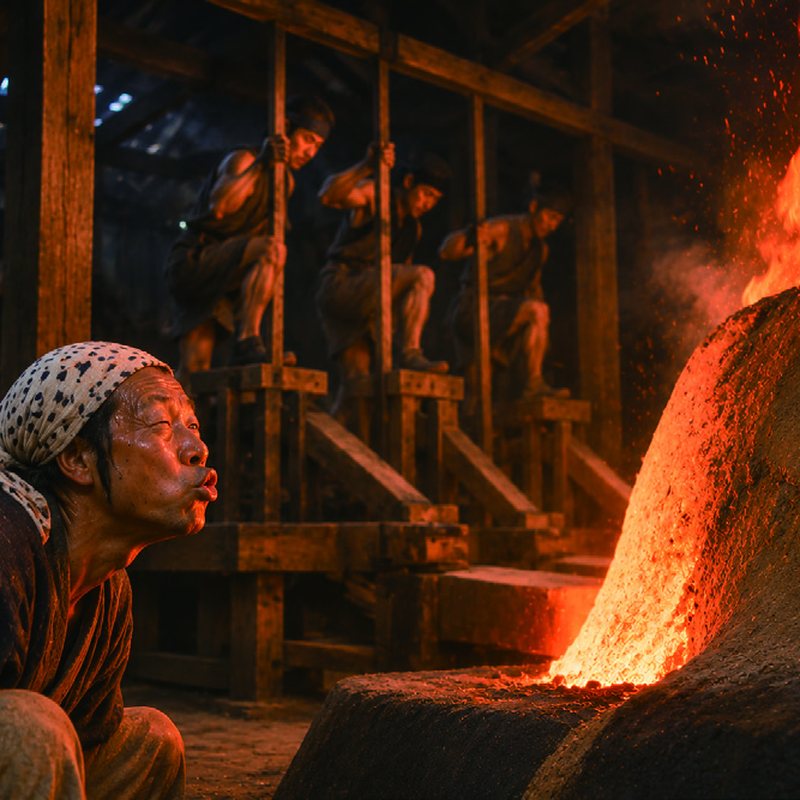
    日本語道 言技(Voice-Word Art)「ひょっとこの素顔」 — 2026年12月号より

    Voice-Word Art | 言技

    Beside the fire that gave birth to swords and mirrors, there was always the figure of a person blowing on the flames. Enjoy the word art born from fire and iron, from jidanda wo fumu to the hyottoko mask.
    刀や鏡を生んだ火のそばには、いつも火を吹く人の姿がありました。「地団駄を踏む」から「ひょっとこ」まで、火と鉄から生まれた言技をお楽しみください。

    Read Article — November 20 | 11月20日公開
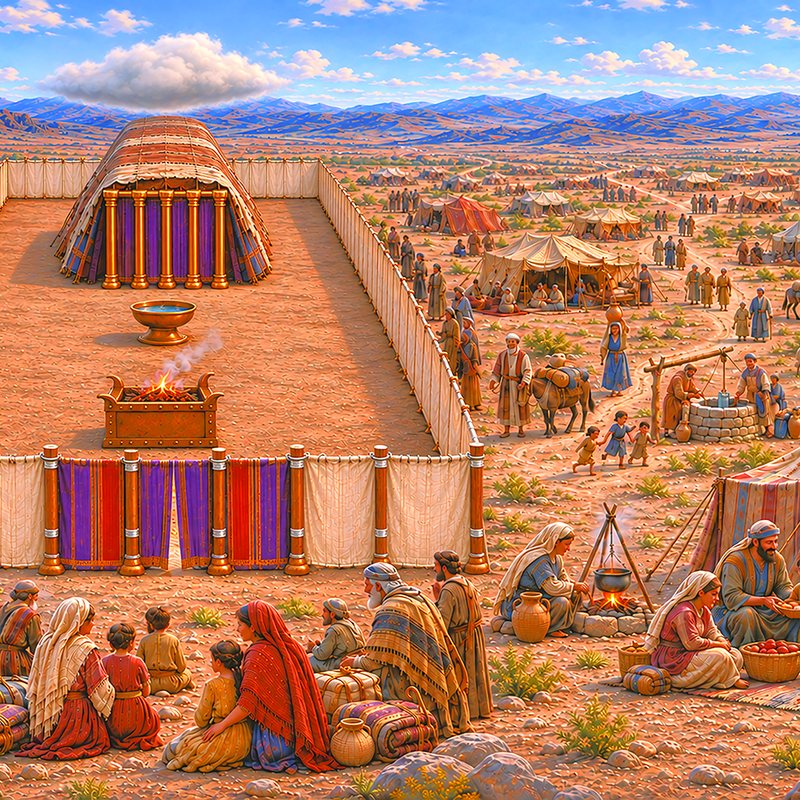
    Japan Savvy「国の命をつなぐ秘宝」 — 2026年12月号より

    Japan Savvy | 日本通

    An introduction to the Three Sacred Treasures.
    三種の神器を紹介します。

    Read Article — November 20 | 11月20日公開
    For Japanese Teachers | 日本語の先生へ

    A lesson guide for all articles in this issue will be published on November 20.
    この号の全記事の授業ガイドは、11月20日に公開します。

    Discord

    💬 Join the Hiragana Times Discord Community — Free!

    Connect with readers worldwide — free, open, and always welcoming.

    Join Us →
    Read More
  • November 2026

    Hiragana Times November 2026 issue cover

    Hiragana Times November 2026 Issue

    ひらがなタイムズ 2026年11月号

    Play in Japan is more than a way to pass the time—it can turn fear into laughter, an opponent into an ally, and a player into a maker. The November issue explores shogi's journey from ancient India to Japan, the captured pieces that return to the board, and the words the game has brought into everyday Japanese. It also follows the makers behind Oink Games, Love Letter, and Bomb Busters, and the communities in which people create and share their own work. From Bunta Inoue's meeting of the Night Parade of One Hundred Demons and Halloween to hanafuda and the changing characters of Wa and Yamato, discover the imagination that grows through play.
    日本の遊びは、単なる暇つぶしではありません。怖さを笑いに変え、敵を味方に変え、遊ぶ人を作る人へと変えていきます。11月号では、古代インドから日本へと伝わった将棋の歩みや、取られても盤上に戻る持ち駒、日常の日本語に息づく将棋の言葉をたどります。さらに、オインクゲームズや『ラブレター』『ボムバスターズ』を生んだ作り手と、作品を作り、分かち合う人々のつながりにも注目。井上文太氏が描く百鬼夜行とハロウィンの出会いから、花札、「倭」「和」「大和」の文字の物語まで、遊びを通して育まれる想像力を紐解きます。

    Japan Explore

    日本探究 & 再発見

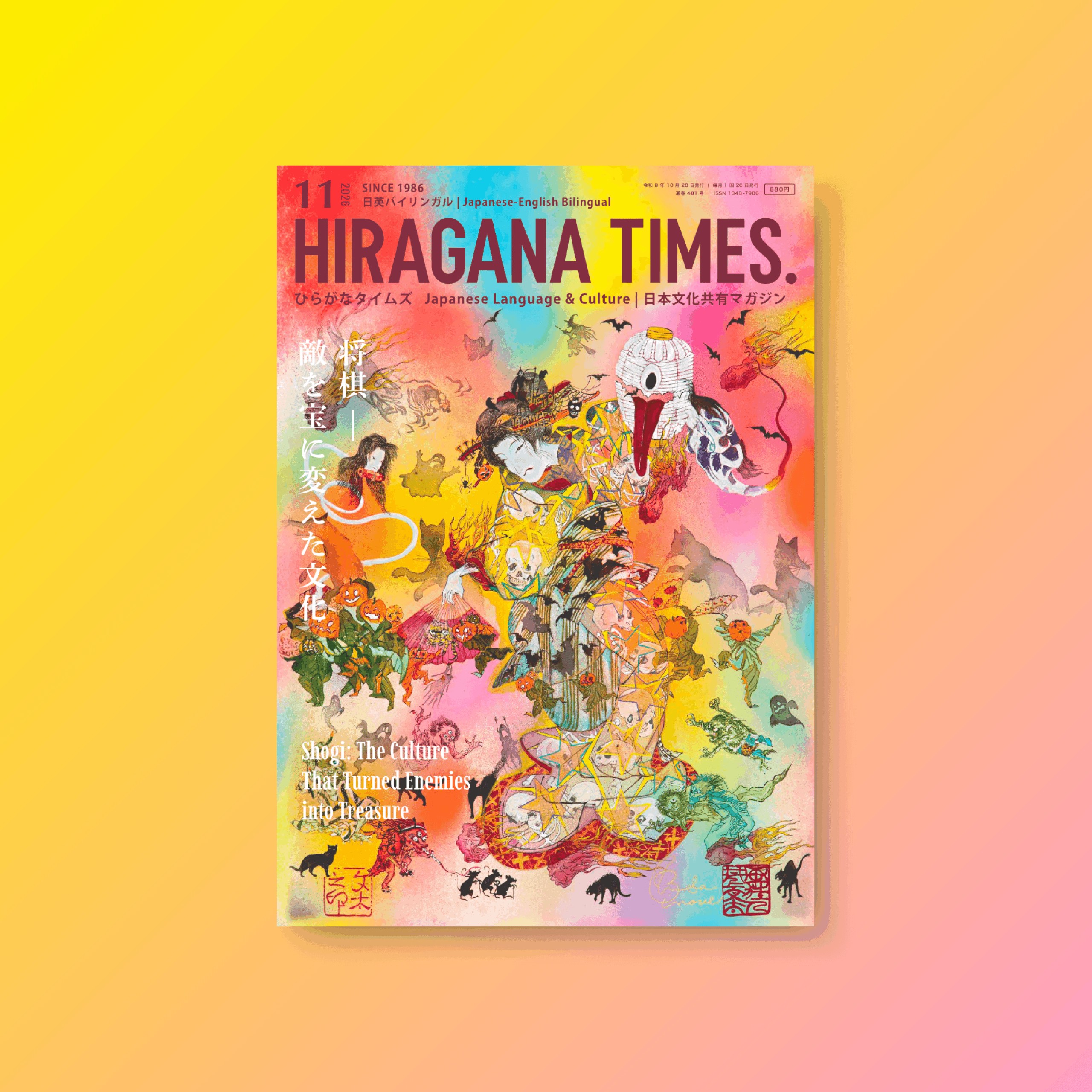
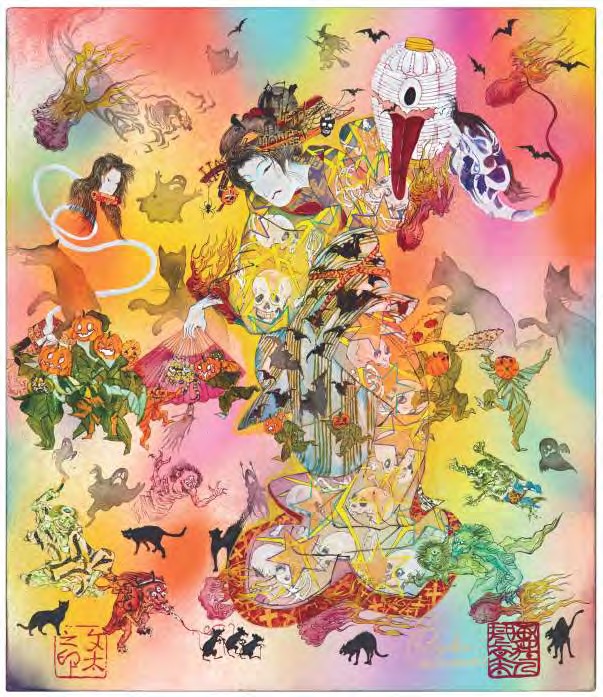
    百鬼夜行とハロウィンを描いた井上文太の表紙作品

    The Country That Turns Even Fear into Play

    Bunta Inoue's cover brings the Night Parade of One Hundred Demons together with Halloween. Around Tamazusa, a figure from Nanso Satomi Hakkenden, lanterns, pumpkins, cats, and witches turn a frightening night into a playful gathering. Explore an imagination that turns fear into laughter and welcomes a festival from abroad.
    井上文太氏の表紙に、百鬼夜行とハロウィンが出会います。『南総里見八犬伝』の玉梓を囲み、提灯、かぼちゃ、黒猫や魔女が集う夜。恐怖を笑いに変え、異国の祭りまで仲間に入れてしまう、遊びの柔らかな想像力を紐解きます。

    Read Article
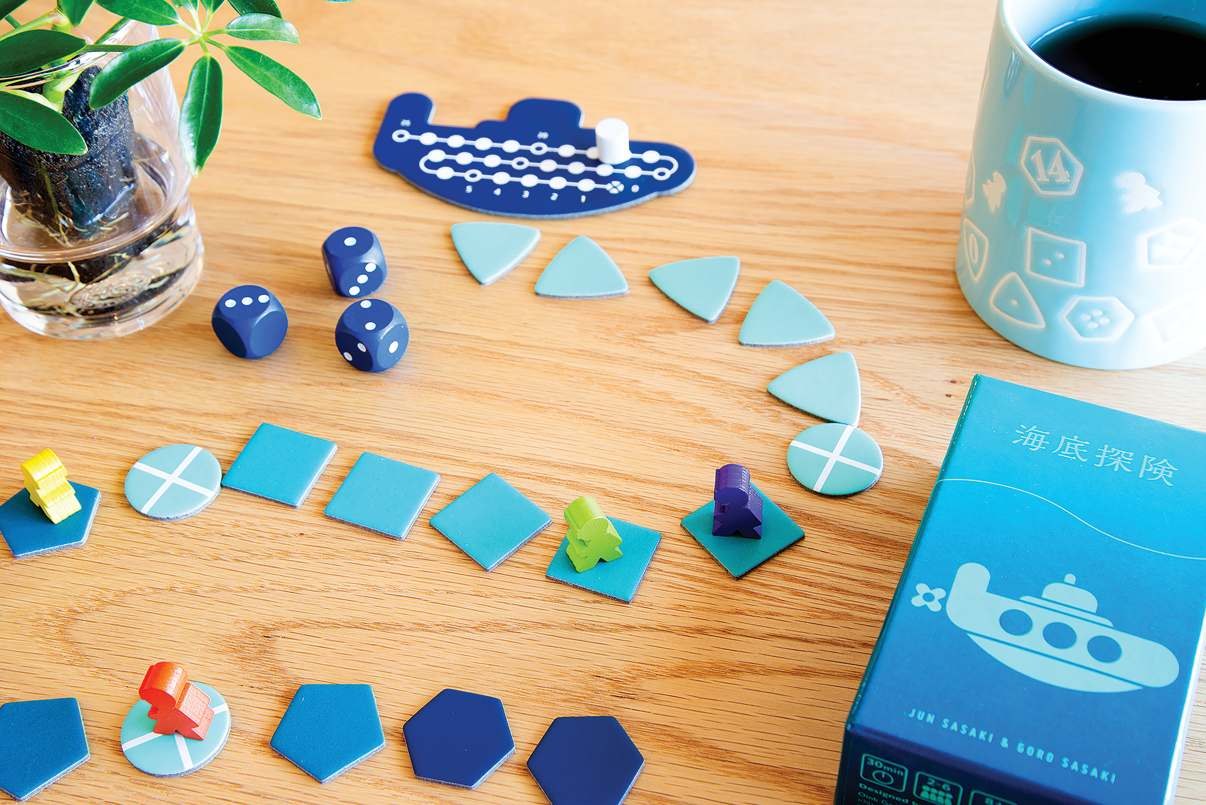
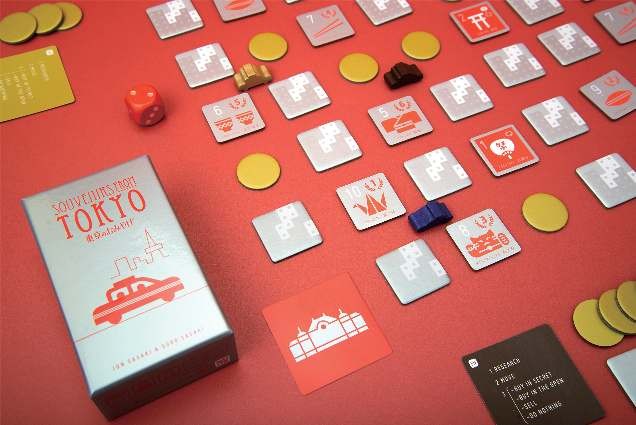
    オインクゲームズの「海底探険」— 2026年11月号より

    People Who Can't Help Making Things

    Meet Sasaki Jun of Oink Games, Love Letter creator Kanai Seiji, and Bomb Busters designer Hayashi Hisashi. Their stories lead into Game Market and the culture of making and sharing work with others. Follow the connections through which readers become writers, players become makers, and small personal creations reach tables around the world.
    オインクゲームズの佐々木隼さん、『ラブレター』のカナイセイジさん、『ボムバスターズ』の林尚志さん。ゲームを生み出した人々の物語から、ゲームマーケットや同人文化へと視野を広げます。読む人が書く人に、遊ぶ人が作る人になる。小さな手作りの作品が世界へ届く、そのつながりをたどります。

    Read Article
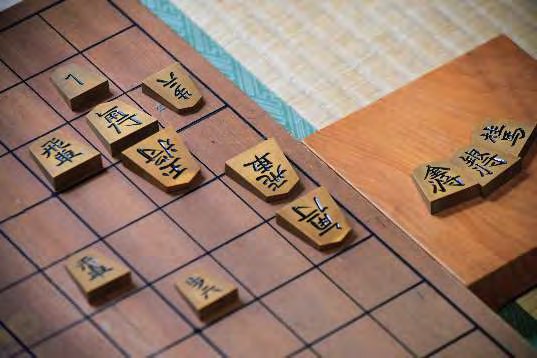
    日本の将棋盤と駒 — 2026年11月号

    Shogi: The Culture That Turned Enemies into Treasure

    Follow shogi from its ancestor, chaturanga, to the game that took root in Japanese language and daily life. Explore pieces whose names combine military and treasure imagery, the pentagonal shape that identifies friend and foe by direction, and the captured pieces that return as allies. The article also considers shogi as a profession, a cultural practice, and a field of study alongside AI.
    古代インドのチャトランガから、日本語や暮らしに根を張った将棋へ。軍隊と宝物の言葉が重なる駒の名、向きで敵味方を見分ける五角形、取った駒を味方として使う持ち駒をたどります。さらに、棋士という職業や対局の所作、AIを研究の相手にする現代の姿から、遊びを超えた将棋の文化を見つめます。

    Read Article

    Japan Now

    日本の今

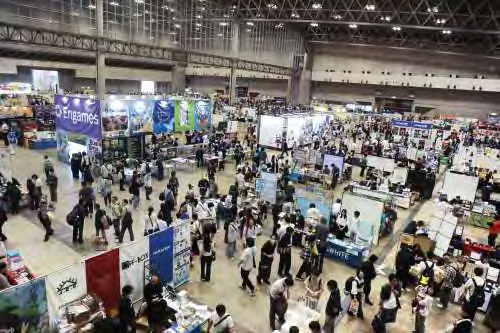
    ゲームマーケットの会場風景 News Review
    🎧 Audio | Listen

    The Origin of Games Is Still Alive

    ゲームの原点は、今も生きている

    Read Article
    新語「ギュられる」に添えられたAIと人々のイラスト New Expression & Buzzwords
    🎧 Audio | Listen

    ギュられる | AI-displaced

    Read Article
    🎧 Audio | Listen

    メンブレ | Mental breakdown

    Read Article
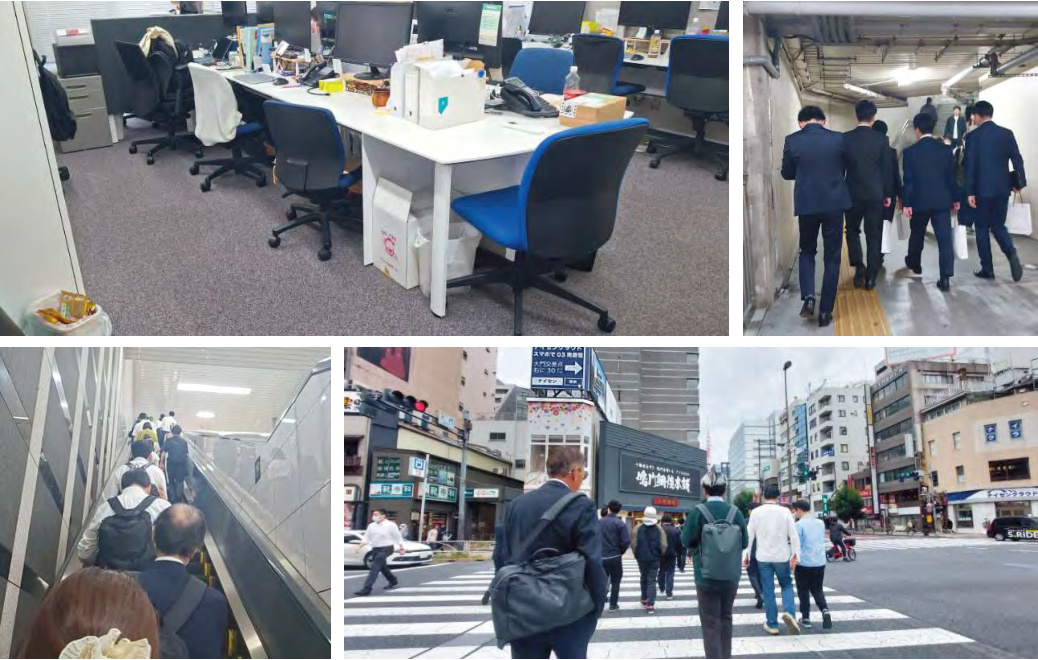
    国連憲章と国連本部を組み合わせた誌面のイラスト Close Up Japan
    🎧 Audio | Listen

    The United Nations That Runs on “Victors’ Justice”

    「勝者の正義」で動く国連

    Read Article
    AIと人間の共存を考える子どもと天秤のイラスト Pros and Cons with Insight
    🎧 Audio | Listen

    Is AI a Threat to Humanity?

    AIは人類の脅威か?

    Read Article
    Spotlight「ごみ拾いが宝探しになる街」— 2026年11月号よりSpotlight

    A City Where Picking Up Trash Becomes a “Treasure Hunt”

    ごみ拾いが「宝探し」になる街

    Read Article
    Japan Products 2026年11月号の紹介商品Japan Products

    Japan Products — November 2026

    ジャパン製品

    Read Article
    Living in Japan「でも、伝わってくる」— 2026年11月号よりLiving in Japan

    Nobody Tells You

    でも、伝わってくる

    Read Article

    Nihongo Do

    日本語道

    日本語道 言波(Voice Wave)— 倭・和・大和

    Voice Wave | 言波

    Trace the characters 倭, 和, and 大和 through old records, the sound wa, and the story of Japan becoming a country. The article explores interpretations of names and sounds, the idea of entrusting oneself to nature, and the image of each life as a game played on a larger board.
    古い記録に残る「倭」から、「和」、そして「大和」へ。文字と「わ」の音を手がかりに、日本が一つの国へとまとまっていく歩みをたどります。名前や音の解釈、自然に身を委ねる感覚、そして大きな盤の上でそれぞれの人生を生きるという見方を紐解きます。

    日本語道 言の葉(Word Leaves)— こま

    Word Leaves | 言の葉

    Explore the sound koma across horses, shogi pieces, spinning tops, and scenes in manga and film. Through words such as komaba, komadori, mochigoma, sutegoma, and komaokuri, discover how play and everyday life meet in words that share a sound even when their written characters differ.
    馬や将棋の駒、独楽、漫画や映画のコマまで。「駒場」「駒鳥」「持ち駒」「捨て駒」「コマ送り」などの言葉を通して、字が違っても同じ音でつながる「こま」の世界をたどり、遊びと暮らしの結びつきを見つめます。

    日本語道 言技(Voice-Word Art)— 瓢箪から駒

    Voice-Word Art | 言技

    A horse emerging from a bottle gourd: the Japanese expression hyotan kara koma describes an unexpected event, or a joke that comes true. Discover why koma here means a horse rather than a shogi piece, and how the story behind the expression gives shape to a surprising turn of events.
    小さな瓢箪から、馬が飛び出す。「瓢箪から駒」は、思いがけない出来事や、冗談が本当になるときに使う表現です。ここでいう「駒」が将棋の駒ではなく馬を指すことや、その背景にある物語をたどり、不思議な情景が生む言技を楽しみます。

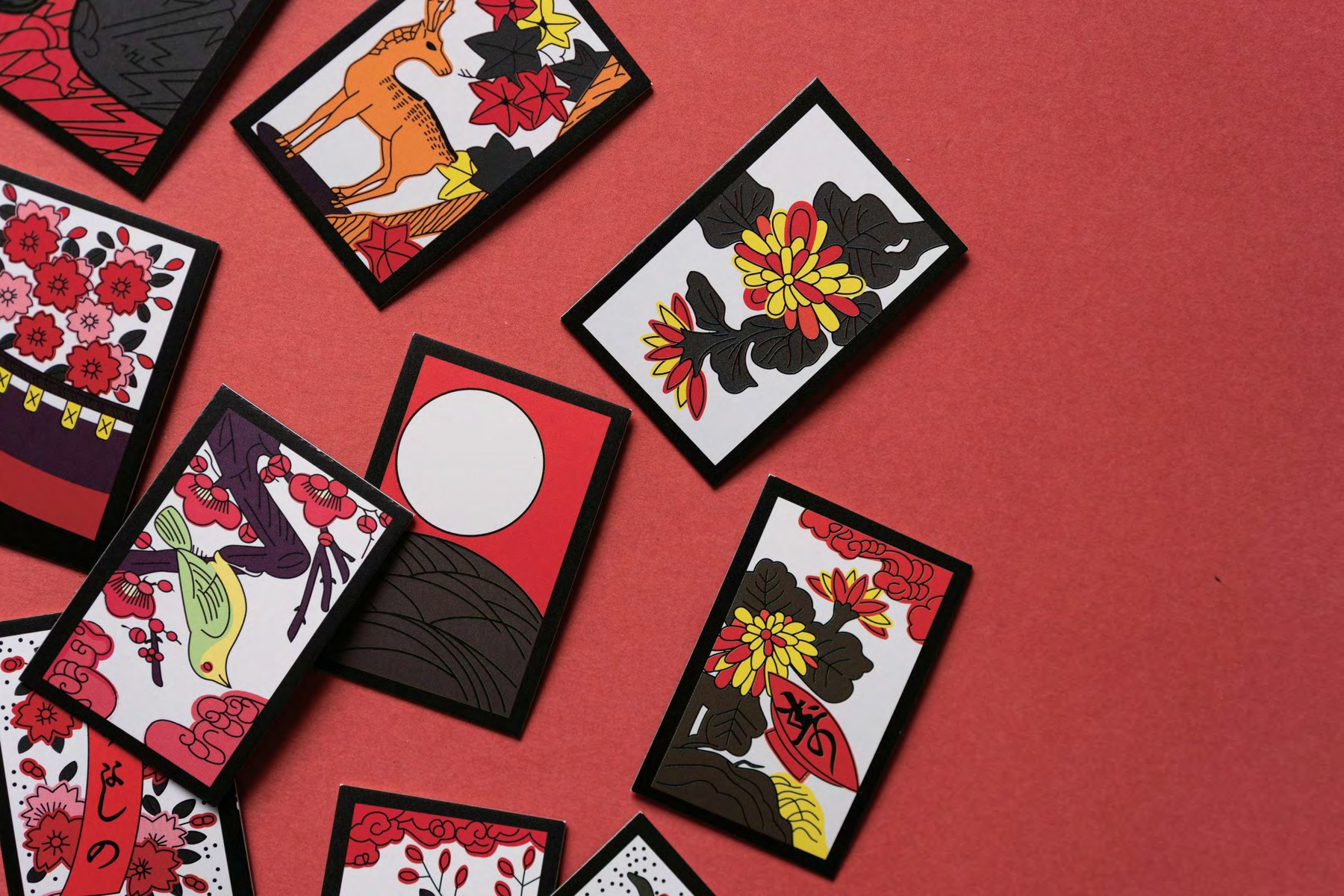
    花や鳥などを描いた花札

    Japan Savvy | 日本通

    From Sei Shonagon’s words about go, sugoroku, and tales in The Pillow Book to karuta, hanafuda, and Nintendo, follow the ways Japanese people have turned idle hours into enjoyment. The forms of play change, but the wish to lift one’s spirits connects the past with the games people open on their smartphones today.
    清少納言が『枕草子』に記した、碁、双六、物語。そこからカルタ、花札、任天堂へと、日本人が退屈な時間を楽しみに変えてきた歩みをたどります。遊びの形は変わっても、心を晴らす知恵は、昔も今も変わりません。

    Read Article

    For Japanese Teachers | 日本語の先生へ

    How to use the 15 articles of this issue in class
    この号の15記事を授業でどう使うか

    Lesson Guide | 授業ガイド
    Discord

    💬 Join the Hiragana Times Discord Community — Free!

    Connect with readers worldwide — free, open, and always welcoming.

    Join Us →
    Read More
  • October 2026 – Available as a back issue

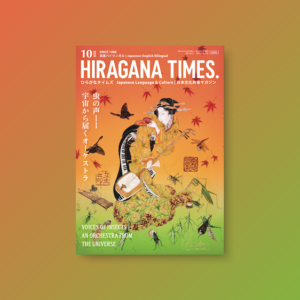
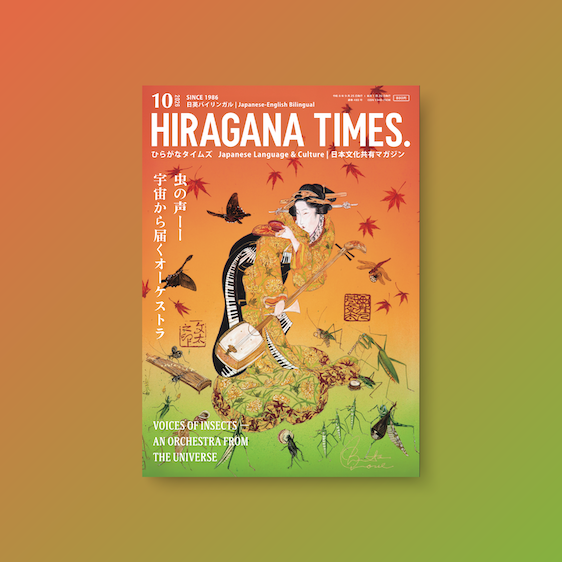
    Hiragana Times Oct-1 2026

    Hiragana Times October 2026 Issue

    ひらがなタイムズ 2026年10月号

    Japan has long listened to the voices of insects as more than simple sounds of nature—they are part of the changing seasons, language, memory, and the rhythm of life itself. The October issue explores how cicadas, crickets, butterflies, and other insects have shaped Japanese sensibilities, from autumn evenings filled with insect song to ideas of transformation, impermanence, and the connection between all living things. It also follows the life and vision of Itō Jakuchū, whose extraordinary paintings reveal a world in which animals, plants, and even the smallest creatures are observed with remarkable attention and brought vividly to life.
    日本では古くから、虫の声を単なる自然の音ではなく、季節の移ろいや記憶、そして命の営みを感じさせるものとして受け止めてきました。10月号では、蝉や鈴虫、蝶などの虫たちを通して、日本人が自然の音に「声」を感じてきた感性や、変化していく命、無常、そしてすべての生きもののつながりを紐解きます。さらに、動物や植物、小さな虫にまで深いまなざしを向けた絵師・伊藤若冲の生涯と作品をたどり、その独創的な世界観と、今なお人々を魅了し続ける生命表現の魅力に迫ります。

    Japan Explore

    日本探究 & 再発見

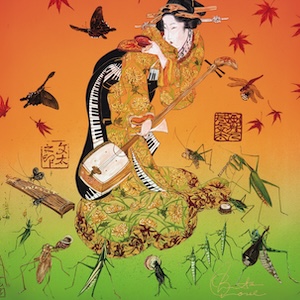
    Cover Story「虫の声が音楽になるとき」 — 2026年10月号より

    When the Voices of Insects Become Music

    When the voices of insects become music, autumn in Japan transforms into an orchestra from the universe. From the songs of crickets and cicadas to butterflies as symbols of transformation and rebirth, discover how people have listened to insects as voices connecting nature, language, memory, and the cycle of life and death.
    虫の声が音楽になるとき、日本の秋はまるで宇宙から届くオーケストラのように響き始めます。鈴虫や蝉の声、変化や再生を象徴する蝶などを通して、人々が虫の声に自然や言葉、記憶、そして生と死の巡りをどのように感じてきたのかを紐解きます。

    Read Article
    IBUKI - The Breath of People「いのちを見る眼」 — 2026年10月号より

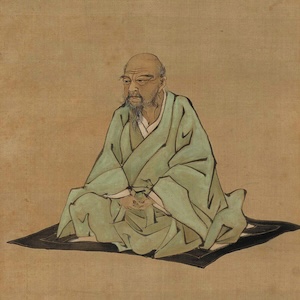
    An Eye for Life | Itō Jakuchū

    Explore the life and vision of Itō Jakuchū, the Edo-period painter who observed chickens, insects, flowers, and other living beings with extraordinary intensity. Rather than simply copying their outward forms, Jakuchū sought to understand life from within, creating works filled with vitality and revealing the deep connections among all living things.
    鶏や虫、草花など、あらゆる命を見つめ続けた江戸時代の絵師・伊藤若冲。目に見える姿をただ写すのではなく、その存在そのものを深く捉え、内側から湧き上がる生命を描こうとしました。独自のまなざしから生まれた作品を通して、若冲の生涯と、すべての生きものがつながる生命の世界を紐解きます。

    Read Article
    Japan Style「虫の声 ― 宇宙から届くオーケストラ」 — 2026年10月号より

    Voices of Insects — An Orchestra from the Universe

    Explore the uniquely Japanese sensitivity to insects—their voices, names, and symbolism woven into language, seasons, and ideas of life and death. From the songs of cicadas and crickets to butterflies representing transformation and rebirth, discover how these tiny creatures have long connected people with nature and the rhythms of the universe.
    蝉や鈴虫の声、蝶が象徴する変化と再生など、虫たちは日本人の言葉や季節感、生と死の捉え方に深く結びついてきました。虫の「声」に耳を澄ませ、その名前や象徴に込められた意味をたどりながら、小さな命を通して自然や宇宙とのつながりを感じてきた日本人の感性を紐解きます。

    Read Article

    Japan Now

    日本の今

    News Review「にほん の なつ の ていばん 「ムヒ」 が ひゃくさいに!」 — 2026年10月号より News Review
    🎧 Audio | Listen

    Japan's Summer Staple "Muhi" Turns 100!

    にほん の なつ の ていばん 「ムヒ」 が ひゃくさいに!

    Read Article
    New Expression & Buzzwords「フレネミー」 — 2026年10月号より New Expression & Buzzwords
    🎧 Audio | Listen

    フレネミー | Frenemy

    Read Article
    🎧 Audio | Listen

    ドパガキ | Dopamine brat

    Read Article
    Close Up Japan「夜を奪われた蝉たち」 — 2026年10月号より Close Up Japan
    🎧 Audio | Listen

    Cicadas Robbed of the Night

    夜を奪われた蝉たち

    Read Article
    Pros and Cons with Insight「人類が地球を救う?」 — 2026年10月号より Pros and Cons with Insight
    🎧 Audio | Listen

    Can Humanity Save the Earth?

    人類が地球を救う?

    Read Article

    Nihongo Do

    日本語道

    Voice Wave | 言波「腹の虫は、宇宙から来た」 — 2026年10月号より

    Voice Wave | 言波

    Explore the Japanese expression hara no mushi—“worms in the belly”—and the curious connection between language, emotion, the body, and the universe. From the gut as our “second brain” and the countless microorganisms living within us to cells, atoms, and elements born from the cosmos, discover how an ancient expression can reveal a surprisingly modern way of seeing the life inside us.
    日本語の「腹の虫」という不思議な表現から、感情、身体、そして宇宙のつながりをたどります。「第二の脳」とも呼ばれる腸や、体内に共生する無数の微生物、さらに細胞や原子、その先にある宇宙まで。昔から使われてきた「腹の虫」という言葉を通して、私たちの内側に息づく生命の世界を見つめ直します。

    Word Leaves | 言の葉「虫と暮らす言の葉」 — 2026年10月号より

    Word Leaves | 言の葉

    Discover how insects have taken root in the Japanese language, reflecting people's close relationship with nature and the emotions woven into everyday life. Through words connected to larvae, adult insects, insect cages, firefly catching, and more, explore how generations of Japanese people have lived alongside these tiny creatures and captured their presence in words.
    人の思いや感情を宿し、受け継がれていく「言の葉」。幼虫、成虫、虫かご、蛍狩りなど、虫にまつわるさまざまな言葉を通して、日本人が小さな生きものたちとどのように暮らし、その姿や営みを言葉の中に刻んできたのかを紐解きます。

    Voice-Word Art | 言技「腹に虫が住む」 — 2026年10月号より

    Voice-Word Art | 言技

    Explore the distinctly Japanese idea of placing emotions inside the belly, where anger, irritation, and even likes and dislikes are imagined as a “bug” living within us. Through the expression hara no mushi ga osamaranai, discover how Japanese wordplay turns an invisible feeling into a vivid presence inside the body.
    怒りや不機嫌、さらには好き嫌いまでを、自分自身ではなく「腹の中にいる虫」のせいにする日本独特の感覚。「腹の虫がおさまらない」という表現を通して、目に見えない感情を体の中に生きる存在として捉えてきた、日本語ならではの言技を紐解きます。

    Japan Savvy | 日本通「虫の声 ― 日本の秋のBGM」 — 2026年10月号より

    Japan Savvy | 日本通

    Discover how the chirping of crickets, bell crickets, and other insects became an essential sound of autumn in Japan. From the tradition of mushikiki (insect listening) to insect sellers, seasonal haiku, and richly expressive onomatopoeia, explore how Japanese people have long heard these tiny sounds not simply as noise, but as meaningful “voices” of nature.
    コオロギや鈴虫など、秋の夜に響く虫の声。日本では古くから、虫の音を単なる「音」ではなく、自然が語りかける「声」として味わってきました。「虫聞き」や虫売り、俳句の季語、豊かな擬音語などを通して、虫の声を日本の秋のBGMとして楽しんできた独特の感性を紐解きます。

    Read Article

    For Japanese Teachers | 日本語の先生へ

    How to use the 12 articles of this issue in class
    この号の12記事を授業でどう使うか

    Lesson Guide | 授業ガイド
    Discord

    💬 Join the Hiragana Times Discord Community — Free!

    Connect with readers worldwide — free, open, and always welcoming.

    Join Us →
    Read More
  • September 2026 – Available as a back issue

    Hiragana Times Sep-1 2026

    Hiragana Times September 2026 Issue

    ひらがなタイムズ 2026年9月号

    Japan’s traditional minka are more than old houses—they are living spaces shaped by nature, climate, seasons, and community. The September issue explores how these homes breathe with their surroundings, from flexible rooms and natural airflow to summer and winter wisdom, household hearths, and spaces that bring families and people together. It reveals how traditional Japanese architecture reflects a way of living within nature rather than apart from it.
    日本の伝統的な「民家」は、単なる古い建物ではなく、自然や気候、季節、そして人々の暮らしとともに生きる空間です。9月号では、仕切りを変えて一つの大きな空間として使う間取り、風を取り込む工夫、夏と冬を乗り切る知恵、火を囲む暮らしなどを通して、自然と共生してきた日本の住まいの姿を紐解きます。さらに、血なまぐさい時代に「和」を選んだ聖徳太子の生涯をたどり、日本という国の始まりと平和への思想にも迫ります。

    Japan Explore

    日本探究 & 再発見

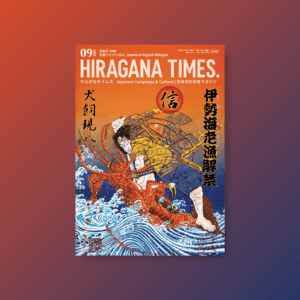
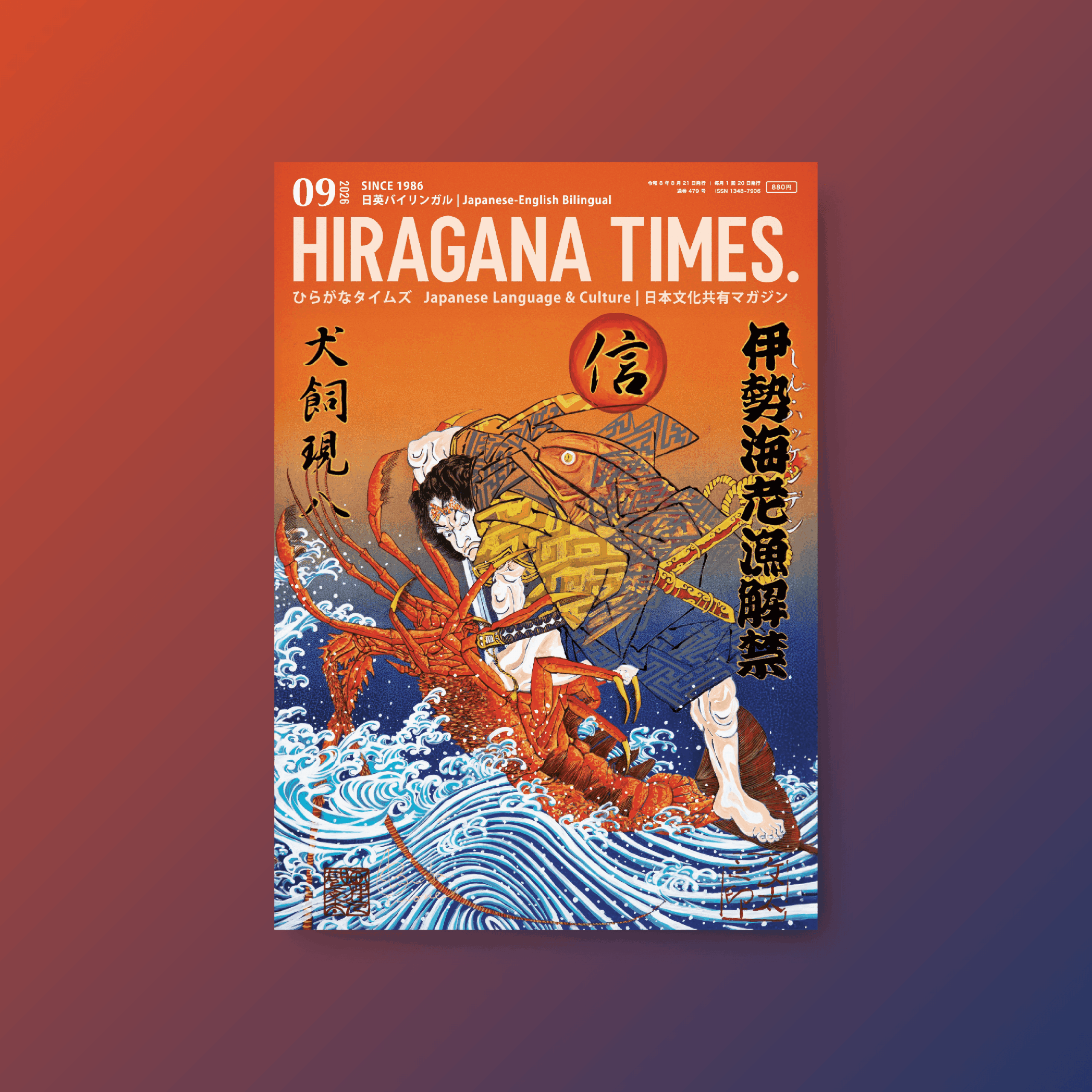
    Cover Story「海の恵みをつなぐ「信」」 — 2026年9月号より

    “Faith” That Carries the Sea’s Bounty Forward

    Discover Bunta Inoue’s vivid artwork depicting Inukai Genpachi confronting a giant lobster, mirroring the spirit of local fishermen who honor nature's rhythms to preserve the ocean's life for future generations.
    画狂人・井上文太氏が描く「シン・八犬伝」の犬飼現八。荒波の中で巨大な伊勢海老と向き合う力強い姿を通して、自然と共生し、海の恵みを未来へと守りつなぐ漁師たちの「信」の精神を紐解きます。

    Read Article
    IBUKI - The Breath of People「血の時代に、和を選んだ人」 — 2026年9月号より

    The Man Who Chose Harmony in an Age of Blood | Prince Shōtoku

    Follow the life of Prince Shōtoku, who fused continental civilization with Japan's ancient spiritual roots during a time of turmoil, embedding the principle of coexistence (wa) into the foundation of the nation.
    政争と流血が渦巻く激動の時代に、古来の神道と大陸の仏教を融合させ「神仏習合」の原点を築いた聖徳太子。排除ではなく共存(和)を選び、1500年続くこの国の理念を打ち立てた彼の覚悟と生涯を辿ります。

    Read Article
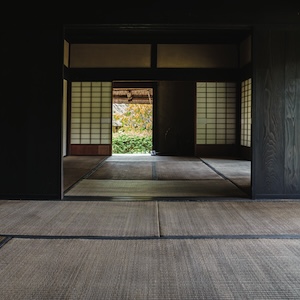
    Japan Style「自然の中で生きている日本民家」 — 2026年9月号より

    Japanese Minka—Homes Alive with Nature

    Discover how traditional Japanese minka reflect an ancient philosophy of living as one with nature—from flexible spaces and natural, earth-born materials to shared hearths that warm body and soul.
    一つの空間を柔軟に変化させ、土や木などの自然素材で造られた日本の「民家」。エアコンや気密性に頼る現代住宅とは異なり、自然の力を上手に取り込み、家族や先祖と温もりを分け合いながら暮らしてきた「家」という空間の真の豊かさを紐解きます。

    Read Article

    Japan Now

    日本の今

    News Review「世界最古の会社は日本にある」 — 2026年9月号より News Review
    🎧 Audio | Listen

    The World's Oldest Company Is in Japan

    世界最古の会社は日本にある

    Read Article
    New Expression & Buzzwords「無双」 — 2026年9月号より New Expression & Buzzwords
    🎧 Audio | Listen

    無双 | Unrivaled

    Read Article
    🎧 Audio | Listen

    スペパ | Space performance

    Read Article
    Close Up Japan「揺れる大地は、生きている」 — 2026年9月号より Close Up Japan
    🎧 Audio | Listen

    The Trembling Earth Is Alive

    揺れる大地は、生きている

    Read Article
    Pros and Cons with Insight「言葉狩りか時代適応か。|野球用語見直しが問う、言葉と時代。」 — 2026年9月号より Pros and Cons with Insight
    🎧 Audio | Listen

    Word Policing or Adaptation? | Rethinking Baseball Terms and the Times They Reflect

    言葉狩りか時代適応か。|野球用語見直しが問う、言葉と時代。

    Read Article

    Nihongo Do

    日本語道

    Voice Wave | 言波「木のように生き、水のように続く」 — 2026年9月号より

    Voice Wave | 言波

    Contrast Western "stone culture," which values clear logic and individual will (ishi), with Japan's "wood and water culture," which embraces suppleness, forgiving flow (yurusu), and impermanent life (ki).
    硬いロジックや意思(石)を尊ぶ西洋の「石の文化」に対し、しなやかに再生する気(木)と、執着を洗い流す「水の文化」を育んできた日本。戦わずに時間をかけて形を変えていく、自然の摂理に学んだ柔らかな生き方の知恵を紐解きます。

    Word Leaves | 言の葉「家がつつむ言の葉」 — 2026年9月号より

    Word Leaves | 言の葉

    Explore how words act like leaves on a tree, carrying human emotion and natural reverence, through Japanese vocabulary centered around the concept of ie (home and family).
    人の心や自然への敬意を宿す「言の葉」。「家」にまつわる様々な言葉を通して、日本人が一つ屋根の下でどのように暮らし、その営みと絆を受け継いできたのかを紐解きます。

    Voice-Word Art | 言技「耳と目と口を持つ家」 — 2026年9月号より

    Voice-Word Art | 言技

    Explore how a universal warning evolved in Japan into a vivid reflection of traditional wooden and paper architecture, subtly reminding us that secrets can easily pass through light partitions—and human mouths.
    世界共通の「壁に耳あり」に、日本の伝統的な建具である障子を合わせた独特の言技。「どこで誰が見聞きしているか分からない」という戒めを通し、木と紙でつくられた日本の家の構造と情景に迫ります。

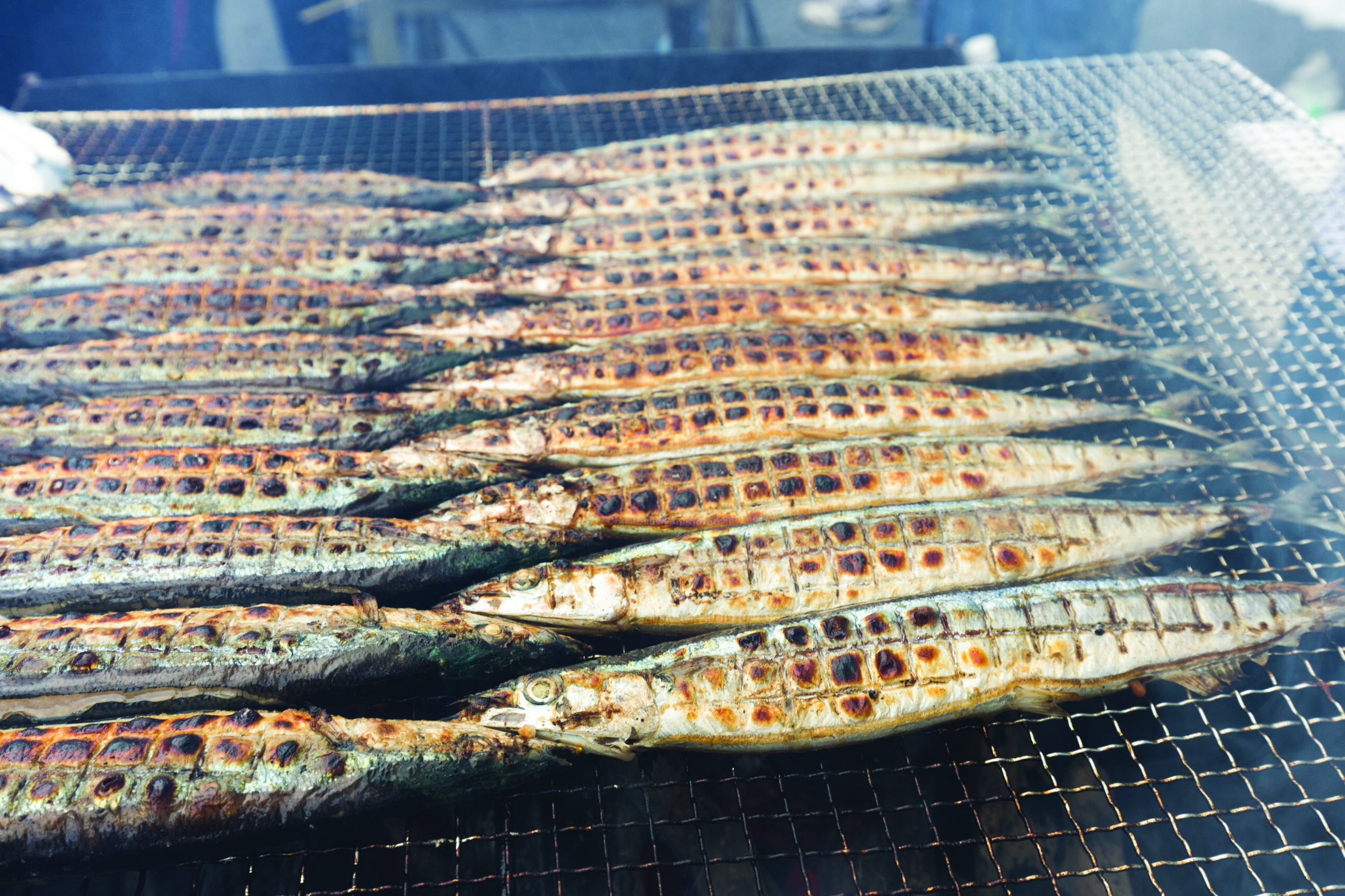
    Japan Savvy | 日本通「秋の先頭を泳ぐ魚」 — 2026年9月号より

    Japan Savvy | 日本通

    Explore how the Pacific saury (sanma) captured the hearts and palates of ordinary people, spawning classic rakugo tales like "Sanma of Meguro" and defining the rich culinary traditions of a Japanese autumn.
    塩焼きの香ばしい匂いと炊きたての新米――。かつて庶民の味として愛され、落語『目黒のさんま』の題材にもなった秋刀魚(さんま)を通して、海と田畑の恵みが交差する日本の秋の食文化を紐解きます。

    For Japanese Teachers | 日本語の先生へ

    How to use the 12 articles of this issue in class
    この号の12記事を授業でどう使うか

    Lesson Guide | 授業ガイド
    Discord

    💬 Join the Hiragana Times Discord Community — Free!

    Connect with readers worldwide — free, open, and always welcoming.

    Join Us →
    Read More
  • August 2026 – Available as a back issue

    Hiragana Times Aug-1 2026

    Hiragana Times August 2026 Issue

    ひらがなタイムズ 2026年8月号

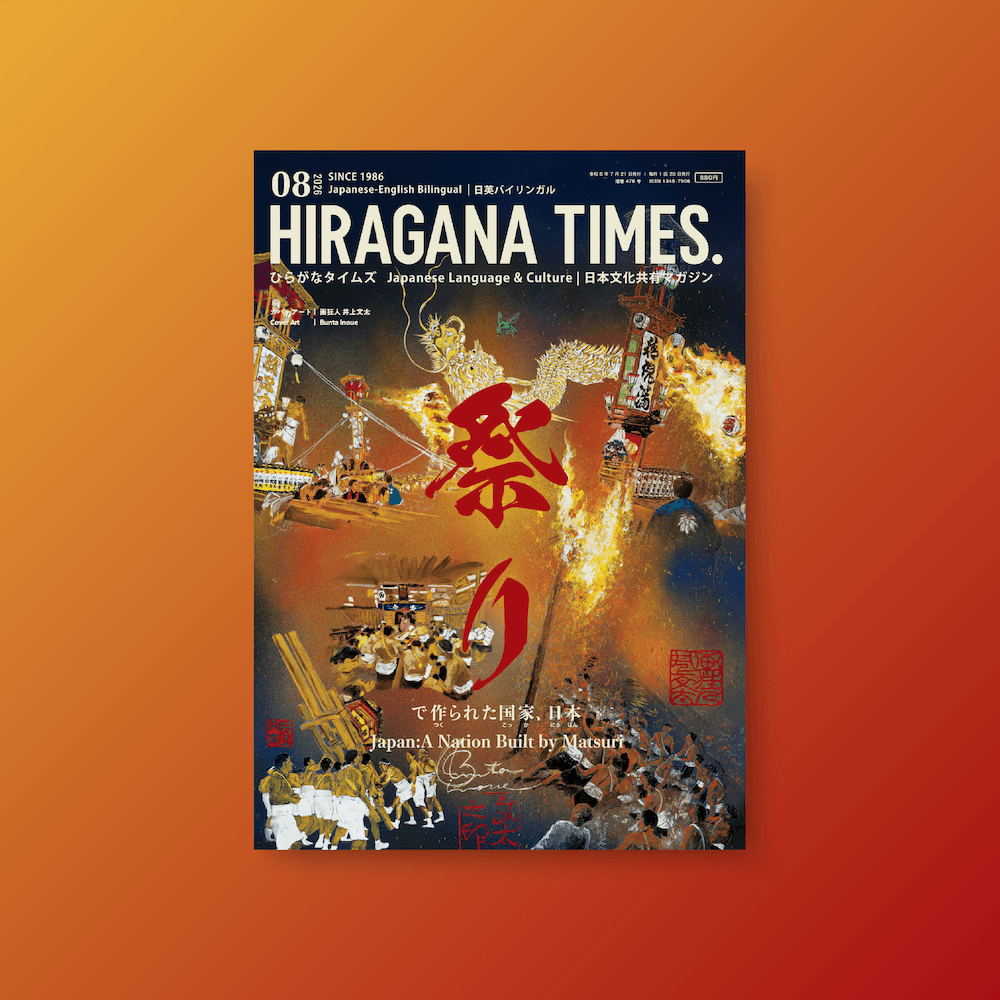
    Long before modern politics, Japan was bound together by matsuri—a sacred rhythm uniting nature, people, and governance. The August issue explores the deep spiritual ties that define Japan, from Noto's fierce Abare Festival and the ancestral reunions of Obon to the visceral wisdom of hara and the folklore legacy of Yanagita Kunio.
    民主主義や資本主義の遥か以前、日本は神と自然、そして人々を結びつける「まつり」によって国を形づくってきました。8月号では、能登の荒々しい「あばれ祭」から先祖を迎えるお盆の習慣、日本独自の「肚の文化」、そして民俗学の父・柳田國男が残した精神の記録まで、この国に息づく深遠な物語を紐解きます。

    Japan Explore

    日本探究 & 再発見

    Cover Story「暴れるほどに、魂は甦る — 能登・あばれ祭」 — 2026年8月号より

    The More It Rages, the More the Soul Revives — Noto's Abare Matsuri

    Discover the fierce intensity of Noto's Abare Festival depicted by artist Bunta Inoue—a raging spectacle of fire and sea that serves as a powerful prayer for recovery and a testament to the resilient Japanese spirit.
    画狂人・井上文太氏が描く能登・宇出津の「あばれ祭」。炎と海に神輿を投げ込む荒々しい祭りの姿を通して、震災からの復興への祈りと、自然への畏敬を捧げる人々の力強い生命力を紐解きます。

    Read Article
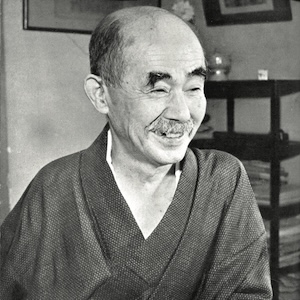
    IBUKI - The Breath of People「柳田國男:この国の肚と、対話し続けた生涯」 — 2026年8月号より

    Yanagita Kunio: A Life in Dialogue with the Depths of This Land

    Follow the life of Yanagita Kunio, the founder of Japanese folklore studies, who dedicated his career to recording the quiet faith, daily practices, and ancestral bonds of ordinary Japanese people.
    「日本人とは何か」を問い続け、名もなき人々の暮らし、祭り、そして死者への祈りを文字に書き留めた日本民俗学の父・柳田國男の信念の足跡を辿ります。

    Read Article
    Japan Style「「まつり」で作られた国家、日本」 — 2026年8月号より

    Japan: A Nation Built by Matsuri

    Long before modern politics, Japan was governed by matsurigoto—a system where worship and governance were one, uniting nature, rulers, and the people through shared prayer. Explore how the ancient spirit of matsuri continues to pulse through the nation today.
    民主主義や資本主義のはるか以前、日本は「まつり(政・祭り)」を通して神と自然、そして人々を結びつけ、国をまとめてきました。一万年を超えて受け継がれてきた「祭政一致」の精神と、今も日本列島を脈打たせる「まつり」の本当の意味をたどります。

    Read Article

    Japan Now

    日本の今

    News Review「歩くだけでOK!?「顔パス」の改札が登場」 — 2026年8月号より News Review
    🎧 Audio | Listen

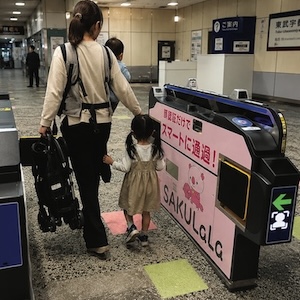
    Just Walk Through! “Face-Pass” Ticket Gates Debut

    歩くだけでOK!?「顔パス」の改札が登場

    Read Article
    New Expression & Buzzwords「ホビ活」 — 2026年8月号より New Expression & Buzzwords
    🎧 Audio | Listen

    Hobby activity | ホビ活

    Read Article
    🎧 Audio | Listen

    Big drink | デカドリンク

    Read Article
    Close Up Japan「ブラジルと互角に渡り合う —— 学び、つくり変えてきた日本サッカー」 — 2026年8月号より Close Up Japan
    🎧 Audio | Listen

    Toe to Toe with Brazil — The Football Japan Learned and Remade

    ブラジルと互角に渡り合う —— 学び、つくり変えてきた日本サッカー

    Read Article
    Pros and Cons with Insight「二千年の糸を、断つのか。|女系天皇容認に揺れる日本。」 — 2026年8月号より Pros and Cons with Insight
    🎧 Audio | Listen

    Shall We Cut a Two Thousand Years Thread? Japan and the female-line emperor.

    二千年の糸を、断つのか。|女系天皇容認に揺れる日本。

    Read Article

    Nihongo Do

    日本語道

    Voice Wave | 言波「日本には、肚の文化がある」 — 2026年8月号より

    Voice Wave | 言波

    Uncover the deep connection between the gut, mind, and spirit in Japanese culture, where true wisdom (tanshiki) and unshakable resolve dwell not in the head, but in the hara.
    知識や頭脳を超えた、人間としての覚悟や決断力――最新の医学「脳腸相関」とも重なる、古来日本人が大切にしてきた「肚(はら)」と「胆識」の文化に迫ります。

    Word Leaves | 言の葉「祭が結ぶ言の葉」 — 2026年8月号より

    Word Leaves | 言の葉

    Explore how words act like leaves on a tree, carrying human emotion and natural reverence, through Japanese vocabulary centered around the concept of matsuri (festivals and rites).
    人の心や自然への敬意を宿す「言の葉」。「祭」にまつわる様々な言葉を通して、日本人が神々や祖先とどのように向き合ってきたのかを紐解きます。

    Voice-Word Art | 言技「後の祭り」 — 2026年8月号より

    Voice-Word Art | 言技

    Delve into the famous phrase Ato no Matsuri—a proverb of late regret that subtly teaches us the vital wisdom of speaking our hearts and acting before time slips away.
    「時機を逃し、悔やんでも間に合わない」ことを意味する「後の祭り」。諦めの言葉の裏に込められた、間に合ううちに手を尽くし想いを伝えるという先人たちの生きた知恵を学びます。

    Japan Savvy | 日本通「お盆 ― 先祖と過ごす夏のひととき」 — 2026年8月号より

    Japan Savvy | 日本通

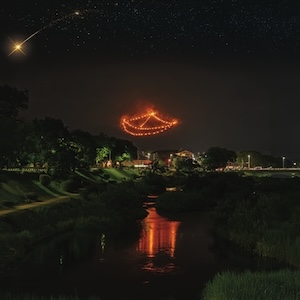
    Step into the traditions of Obon, from welcoming fires (mukaebi) and cucumber "horses" to Kyoto's iconic Gozan no Okuribi, as families gather to honor their departed ancestors.
    きゅうりの馬やなすの牛、そして京都の五山送り火――先祖の霊を家に迎え、再び温かく見送る日本のお盆の深い情愛と風習を紐解きます。

    For Japanese Teachers | 日本語の先生へ

    How to use the 12 articles of this issue in class
    この号の12記事を授業でどう使うか

    Lesson Guide | 授業ガイド
    Discord

    💬 Join the Hiragana Times Discord Community — Free!

    Connect with readers worldwide — free, open, and always welcoming.

    Join Us →
    Read More
  • July 2026 Issue – Available as a back issue

    Hiragana Times Jul-1 2026

    Hiragana Times July 2026 Issue

    ひらがなタイムズ 2026年7月号

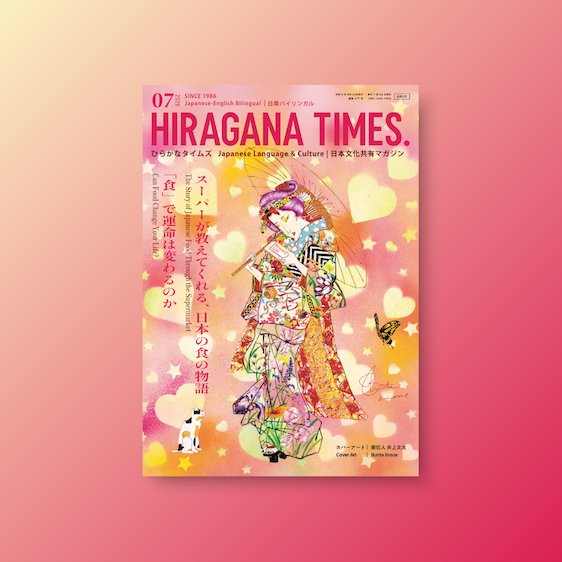
    Behind the ingredients lining a Japanese supermarket's shelves lies a story of daily life rooted in more than ten thousand years of history. This July issue explores how the twin rhythms of hare (special days) and ke (everyday life) shaped traditional food culture, from sticky natto to the refreshing summer taste of hiyashi chuka.
    日本の「スーパー」に並ぶ食材の背後には、縄文時代から1万数千年も続いてきた食と暮らしの物語があります。今号の7月号では、日本人の精神文化の根底にある「ハレ」と「ケ」のリズムが生み出した伝統的な食文化から、夏の風物詩である「冷やし中華」の歴史までを紐解きます。

    Japan Explore

    日本探究 & 再発見

    Cover Story「日本には寶がいっぱいあ〜る」 — 2026年7月号より

    Japan Is Full of Treasures

    The cover of this issue features Bunta Inoue’s "Reiwa Ukiyo-e," a modern take on traditional woodblock prints that layers today's fashion and values onto the timeless forms of the Edo period. Reflecting the theme "Japan Is Full of Treasures," it revives the original spirit of ukiyo-e—which functioned much like modern social media—to gracefully bridge historical aesthetics with contemporary sensibilities.
    今号の表紙を飾るのは、江戸の心と型を核に据えながら、現代のファッションや価値観を大胆に重ね合わせた井上文太氏の「令和の浮世絵」です。「日本には寶がいっぱいあ〜る」というテーマのもと、かつて雑誌やSNSのように流行を発信していた浮世絵本来の精神を現代に蘇らせ、伝統と最先端の感覚をしなやかに融合させています。

    Read Article
    IBUKI - The Breath of People「「食」で運命は変わるのか —— 江戸の観相家・水野南北」 — 2026年7月号より

    Can "Food" Change Your Destiny? —— Mizuno Nanboku, the Edo-Era Physiognomist

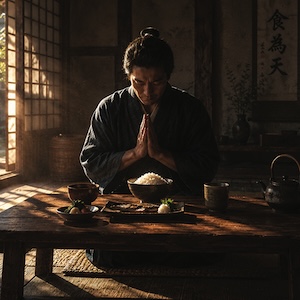
    In the Edo period, the legendary physiognomist Mizuno Nanboku became famous for reading destinies through facial features, eventually discovering that a person's fate is ultimately shaped by their relationship with food. This feature explores his philosophy of "restraint in eating"—practicing moderation in amount, simplicity, and timing—as a lived wisdom to order the mind, accumulate hidden virtue, and transform one's destiny.
    江戸時代、「当たりすぎる」と絶大な人気を博した観相家・水野南北は、人の運命の根本に「食」があることを見出しました。今号では、量・質・時間を律する「食の慎み」によって心身を整え、陰徳を積むことで自らの運命をも切り拓いていくという、彼のリアルな経験から生まれた開運の知恵と現代人へのメッセージを紐解きます。

    English 日本語
    Japan Style「スーパーが教えてくれる、日本の食の物語」 — 2026年7月号より

    The Story of Japanese Food, Told by the Supermarket

    Behind the ingredients lining a Japanese supermarket's shelves lies a story of daily life rooted in more than ten thousand years of history. This July issue explores how the twin rhythms of hare (special days) and ke (everyday life) shaped traditional food culture, from fermented natto to the deep umami of tsukudani.
    日本の「スーパー」に並ぶ食材の背後には、縄文時代から1万数千年も続いてきた食と暮らしの物語があります。今号の7月号では、日本人の精神文化の根底にある「ハレ」と「ケ」という二つのリズムが生み出した、伝統的な保存食や一汁一菜の食卓に宿る知恵を紐解きます。

    English 日本語

    Japan Now

    日本の今

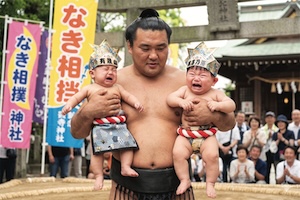
    News Review「泣いたら勝ち!?赤ちゃんの「泣き相撲」」 — 2026年7月号より News Review

    Crying means winning!? Babies' "Naki Sumo"

    泣いたら勝ち!?赤ちゃんの「泣き相撲」

    Read Article
    New Expression & Buzzwords「酷暑日」 — 2026年7月号より New Expression & Buzzwords

    酷暑日 | Brutal heat day

    Read Article

    トゥンクトゥンク | Tunku Tunku

    Read Article
    Close Up Japan「日本人はどこから来たのか ― DNAが語り始めた新しい物語」 — 2026年7月号より Close Up Japan
    🎧 Audio | Listen

    Where Did the Japanese Come From? ― A New Story DNA Has Begun to Tell

    日本人はどこから来たのか ― DNAが語り始めた新しい物語

    Read Article
    Pros and Cons with Insight「AIに相談した娘、考えることを止めた大人たち」 — 2026年7月号より Pros and Cons with Insight
    🎧 Audio | Listen

    The daughter who consulted an AI; the adults who stopped thinking

    AIに相談した娘、考えることを止めた大人たち

    Read Article

    Nihongo Do

    日本語道

    Voice Wave | 言波「言葉にしない、という言葉」 — 2026年7月号より

    Voice Wave | 言波

    Often critiqued as vague, the Japanese custom of sassuru—reading unspoken feelings—is actually a deeply rooted social wisdom. Nurtured by long-shared communities and the practice-based nature of Shinto, this approach values harmony over rigid black-and-white dualism. Rather than simple indecision, it represents a "strategic ambiguity" that leaves room for differing perspectives to coexist without conflict.
    「曖昧」と見られがちな日本独特の「察する」文化。長い年月を共にしてきた地域社会や、日々の実践を重んじる神道の精神から生まれたこの感覚は、単なる優柔不断ではありません。白黒を急がず、相手の立場を思いやりながら共に生きるための「戦略的な曖昧さ」という知恵であり、対立を避けて調和をもたらす豊かな可能性を秘めています。

    Word Leaves | 言の葉「食に育まれた言の葉」 — 2026年7月号より

    Word Leaves | 言の葉

    Words are like leaves on a tree, colored by our thoughts and carried from person to person—a concept beautifully reflected in the Japanese word kotoba (words), which uses the character for "leaf" due to a deep-rooted reverence for nature. In alignment with this issue's culinary theme, we explore the vocabulary of food—from everyday teishoku (set meals) to mindful soshoku (plain meals)—tracing the unique cultural sensibilities and dietary habits they have nurtured within the daily lives of the Japanese people.
    言葉はまるで、人の心や考えに色づけられて他者へと伝わっていく木の葉のようです。「ことば」に「葉」という漢字が当てられた背景には、日本人が古くから抱いてきた自然崇拝の心が深く関係していると考えられています。今号の「食」をテーマにした語彙コーナーでは、「定食」や「粗食」といった食にまつわる言葉を通して、日本人の日々の暮らしのなかに脈々と育まれてきた豊かな感性と食習慣の数々をたどります。

    Voice-Word Art | 言技「食が映す、生き方のかたち」 — 2026年7月号より

    Voice-Word Art | 言技

    The Japanese expression hara hachibunme ni isha irazu teaches that eating until only eight-tenths full ensures good health, reflecting a cultural belief that moderation is best in all things. This concept goes beyond diet, mirroring a traditional aesthetic that finds deep beauty and meaning in leaving a little room—an intentional "unfilled space"—whether in gardens, poetry, or in conversations where one avoids completely arguing down an opponent.
    「腹八分目に医者いらず」という言葉は、食べ過ぎずにほどほどで留めることが健康をもたらすという、古くからの暮らしの知恵を伝えています。この教えは単なる食事の量にとどまらず、器や庭、和歌、さらには議論で相手を言い負かさない会話の間に至るまで、すべてを満たしきらない「余白の美しさ」や「足るを知る」という日本人の豊かな生き方そのものを映し出しています。

    Japan Savvy | 日本通「冷やし中華はじめました。」 — 2026年7月号より

    Japan Savvy | 日本通

    Born from a passion to enjoy ramen even in sweltering heat, hiyashi chuka is a uniquely Japanese summer dish. Developed in the early Showa period, these noodles are chilled in ice water, topped with colorful ingredients like cucumber and ham, and dressed in a refreshing soy or sesame sauce. This feature explores Japan's deep love for summer noodles, tracing their evolution from Sendai's original ryanbanmen to region-specific cold favorites.
    「暑い夏でもラーメンを食べたい!」という情熱から生まれた冷やし中華は、日本の夏の訪れを告げる一皿です。冷房がなかった昭和初期に独自に発展し、冷水でしめた麺にきゅうりやハムをのせ、さっぱりとしたタレで味わう工夫が凝らされています。今号では、発祥の地とされる仙台の歴史から、東北が誇る個性豊かなご当地冷やし麺の世界までを紐解きます。

    For Japanese Teachers | 日本語の先生へ

    How to use the articles of this issue in class
    この号の記事を授業でどう使うか

    Lesson Guide | 授業ガイド
    Discord

    💬 Join the Hiragana Times Discord Community — Free!

    Connect with readers worldwide — free, open, and always welcoming.

    Join Us →
    Read More
  • June 2026 Issue – Available as a Back Issue

    Hiragana Times Jun-1 2026

    Hiragana Times June 2026 Issue

    ひらがなタイムズ 2026年6月号

    More than mere mountain training, Shugendo represents the spiritual source of the Japanese soul. This issue explores the path of the Yamabushi, tracing how they cross boundaries between the sacred and the worldly to restore inner balance through silent dialogue with the earth.
    単なる山岳修行を超えた、日本人の精神の源流「修験道」。大自然を舞台に「聖と俗」の境界をまたぐ山伏たちの足跡を紐解き、過酷な経験を通じて心身を整えていく先人たちの知恵と静かなる祈りに迫ります。

    Japan Explore

    日本探究 & 再発見

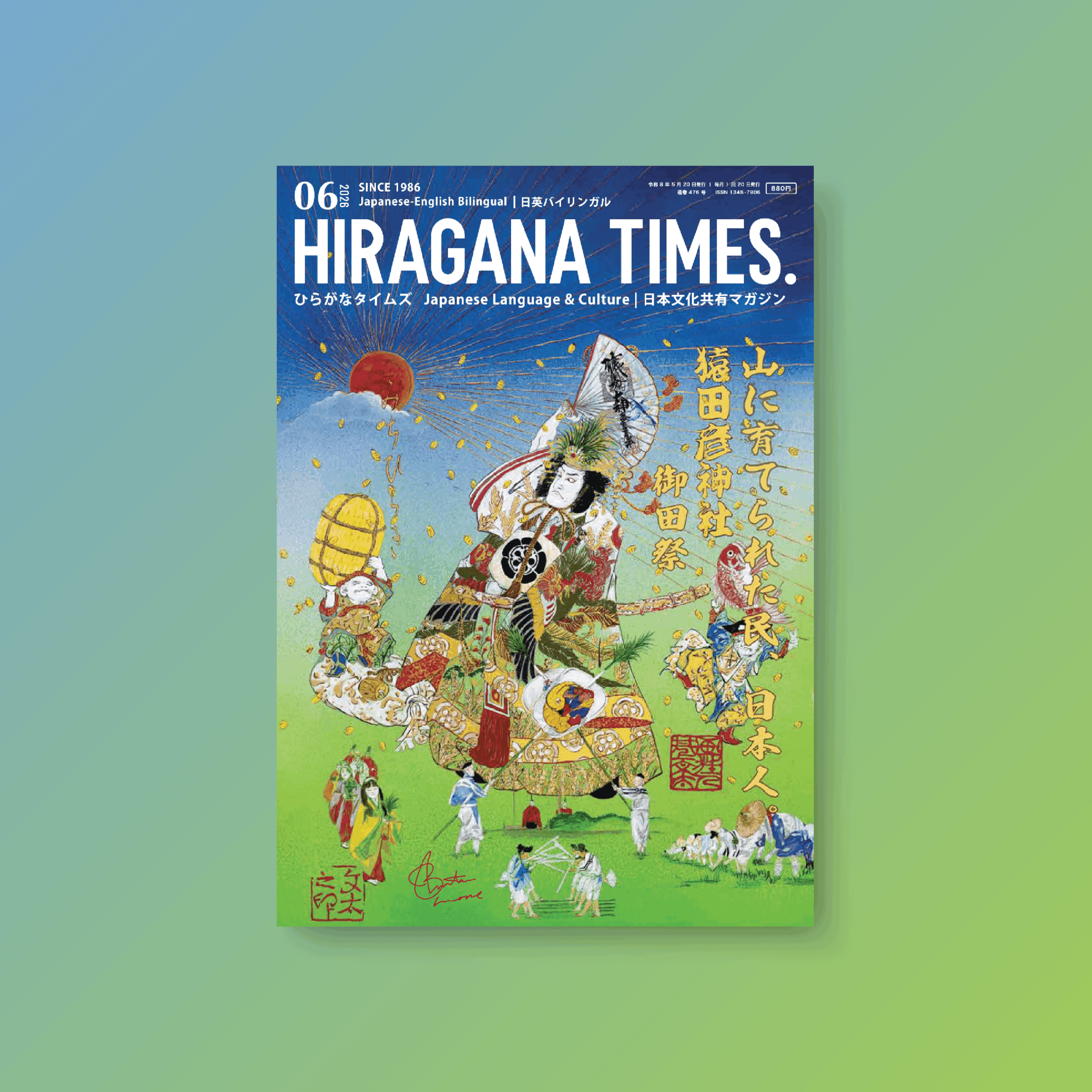
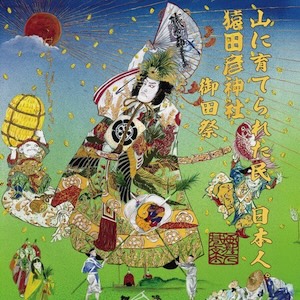
    Cover Story「境界に立つ神 — 御田祭に現れる猿田彦」 — 2026年6月号より

    The God at the Threshold — Sarutahiko in the Omita Matsuri

    Inspired by the Omita Matsuri, this month's cover features Bunta Inoue’s vivid depiction of Sarutahiko, the deity standing at the threshold where worlds shift. The artwork captures the harmony between heaven and earth, perfectly setting the stage for this issue's special feature on the boundary-crossing lives of the Yamabushi.
    今月号の表紙は、伊勢の御田祭を題材とした井上文太氏による猿田彦の作品です 。天地の境界に立ち、流れを正しい方向へと導く神の姿は、本号の特集である「山伏」たちが体現する、自らを見つめ直し境界を越える力へと私たちを誘います。

    Read Article
    IBUKI - The Breath of People「役行者:山を歩き、道を作った者」 — 2026年6月号より

    En no Gyōja: The One Who Walked the Mountains and Forged the Path

    More than a mere historical figure, En no Gyōja is the legendary father of Shugendō who carved a path of enduring spirituality directly into the rugged topography of Japan. This issue traces his journey as an enigmatic practitioner who mastered the severity of the mountains to heal the sick, tame invisible forces, and lay down footprints that modern Yamabushi still retrace today.
    超自然的な伝説に彩られ、実態は謎に包まれた「役行者」の真実の生涯。道なき山々を歩き、自然の厳しさを受け入れることで「修験道」の礎を築いた彼の知恵は、生薬や和漢薬、そして今なお山伏たちがたどる信仰の足跡として、現代の日本の風景の中に深く息づいています。

    English 日本語
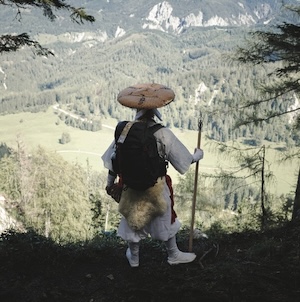
    Japan Style「山伏——日本の神髄とともに、山に伏し続けた者たち」 — 2026年6月号より

    Yamabushi: The Mountain Ascetics Who Carry Japan's Essence

    More than mere mountain training, Shugendo represents the spiritual source of the Japanese soul. This issue explores the path of the Yamabushi, tracing how they cross boundaries between the sacred and the worldly to restore inner balance through intense bodily experience and a deep, silent surrender to the earth.
    単なる山岳修行を超えた、日本人の精神の源流「修験道」 。大自然を舞台に「聖と俗」の境界をまたぐ山伏たちの足跡を紐解き、過酷な身体的経験を通じて自らを浄化し、心身を整えていく先人たちの知えと静かなる祈りの物語に迫ります。

    English 日本語

    Japan Now

    日本の今

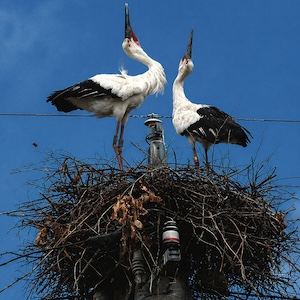
    News Review「広島の電柱に巣作り命を運ぶ鳥、春を告げる」 — 2026年6月号より News Review
    🎧 Audio | Listen

    A Stork Nests in Hiroshima — The Bird That Brings Life Heralds Spring

    広島の電柱に巣作り命を運ぶ鳥、春を告げる

    Read Article
    New Expression & Buzzwords「めじるしアクセサリー」 — 2026年6月号より New Expression & Buzzwords
    🎧 Audio | Listen

    めじるしアクセサリー | Marker accessories

    Read Article
    🎧 Audio | Listen

    アルファ世代 | Generation Alpha

    Read Article
    Close Up Japan「昭和100年――いまに息づく時代の記憶」 — 2026年6月号より Close Up Japan
    🎧 Audio | Listen

    Shōwa 100 — The Living Memory of an Era

    昭和100年――いまに息づく時代の記憶

    Read Article
    Pros and Cons with Insight「高市首相の「時が来た」発言に、揺れる社会。」 — 2026年6月号より Pros and Cons with Insight
    🎧 Audio | Listen

    Prime Minister Sanae Takaichi's "The Time Has Come" Stirs the Nation.

    高市首相の「時が来た」発言に、揺れる社会。

    Read Article

    Nihongo Do

    日本語道

    Voice Wave | 言波「なぜ日本人は年齢を気にするのか — 関係を読む文化」 — 2026年6月号より

    Voice Wave | 言波

    While Westerners are often puzzled by why Japanese people routinely ask about age, this habit reflects a cultural need to discern social hierarchy and navigate relationships. Rooted in Confucian philosophy layered with ancestral reverence and nature worship, this mindset heavily influences behavioral decorum and honorific language (keigo). This issue examines how these traditional vertical ties are shifting in the modern era, reshaping Japan's contemporary social order.
    「なぜ日本人はすぐに年齢を尋ねるのか」という西洋人の疑問。その背景には、年齢差から人間関係の「型」を見極め、適切な敬語や振る舞いを選択しようとする独自の文化があります。儒教や先祖・自然崇拝が重なり合って育まれたこの上下の感覚が、縦のつながりが薄れる現代社会でどのように変化しているのか、その深層に迫ります。

    Word Leaves | 言の葉「山に息づく言の葉」 — 2026年6月号より

    Word Leaves | 言の葉

    Just as leaves on a tree capture the changing colors of the seasons, the components of the word kotoba (words) reflect a deep connection to nature and human emotion. This feature explores Japan's linguistic landscape through mountain-related vocabulary, revealing how these natural markers have shaped the unique cultural sensibilities, ancestral wisdom, and spiritual traditions of the Japanese people.
    人の心や考えをのせて他者へと伝わっていく木の葉のような「言葉」。言の葉に「葉」という漢字があてられた背景には、日本人が古くから育んできた自然を敬う心が深く関係しています。今号では、自然崇拝の象徴でもある「山」にまつわる美しく豊かな表現を通して、日本人の感性の源流や精神文化の奥深さを紐解きます。

    Voice-Word Art | 言技「人生、山あり谷あり。」 — 2026年6月号より

    Voice-Word Art | 言技

    Go beyond the traditional definition of proverbs to explore 言技 (word art)—a unique fusion where kotoba (word leaves) and kotonami (voice waves) intermingle to nurture human sensibility. This feature delves into the wealth of mountain-inspired expressions born from Japan's rugged landscape, revealing how the peaks and valleys of the terrain have seamlessly translated into a profound vocabulary for navigating the ups and downs of life itself.
    単なる「諺」の枠を超え、論語や和歌、現代口語にいたるまで、「言波」と「言の葉」が融合して感性を育ててきた言葉のアート「言技(ことわざ)」。古くから広大な山々とともに生きてきた日本人が、その過酷で美しい自然の情景を人生の浮き沈みに重ね合わせて生み出してきた、山の国・日本ならではの豊かな表現と知恵の数々に迫ります。

    Japan Savvy | 日本通「天狗 —— 境界に立つ物」 — 2026年6月号より

    Japan Savvy | 日本通

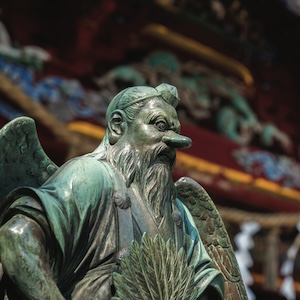
    Originally derived from a Chinese concept for ominous celestial phenomena, Tengu evolved in Japan by merging with local mountain worship and legends of shape-shifting foxes. Depicted as red-faced, long-nosed mountain beings, they stand at the literal and spiritual crossroads between heaven and earth, acting as mystical guardians of the threshold where humanity meets the divine.
    元々は空に現れる不吉な異常現象を指す中国の言葉だった「天狗」 。日本に伝わると独自の山岳信仰や狐の伝承と結びつき、赤い顔と長い鼻を持つ現在の姿へと変化しました 。天と地、人と神のあわい(境界)に立つ存在として、過酷な自然への畏怖と聖なる世界を今に繋いでいます。

    For Japanese Teachers | 日本語の先生へ

    How to use the articles of this issue in class
    この号の記事を授業でどう使うか

    Lesson Guide | 授業ガイド
    Discord

    💬 Join the Hiragana Times Discord Community — Free!

    Connect with readers worldwide — free, open, and always welcoming.

    Join Us →
    Read More
  • May 2026 Issue – Available as a Back Issue

    Hiragana Times May-2 2026

    Hiragana Times May 2026 Issue

    ひらがなタイムズ 2026年5月号

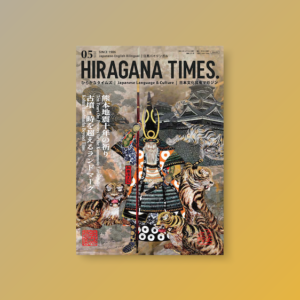
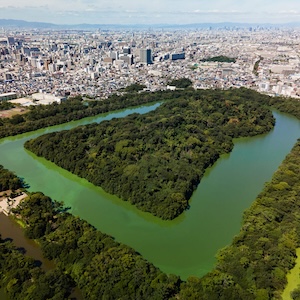
    More than mere monuments, Kofun are landmarks beyond time. This issue explores these ancient burial mounds as the foundation of Japanese society, reflecting a deep spiritual bond with the land and the wisdom of those who shaped the nation's identity.
    単なる遺跡を超えた、時を越えるランドマーク「古墳」 。日本社会の源流を紐解き、土地との精神的な絆や、国のアイデンティティを形づくった先人たちの想いと物語に迫ります 。

    Japan Explore

    日本探究 & 再発見

    Cover Story「復興への祈りを描く」 — 2026年5月号より

    Depicting a Prayer for Recover

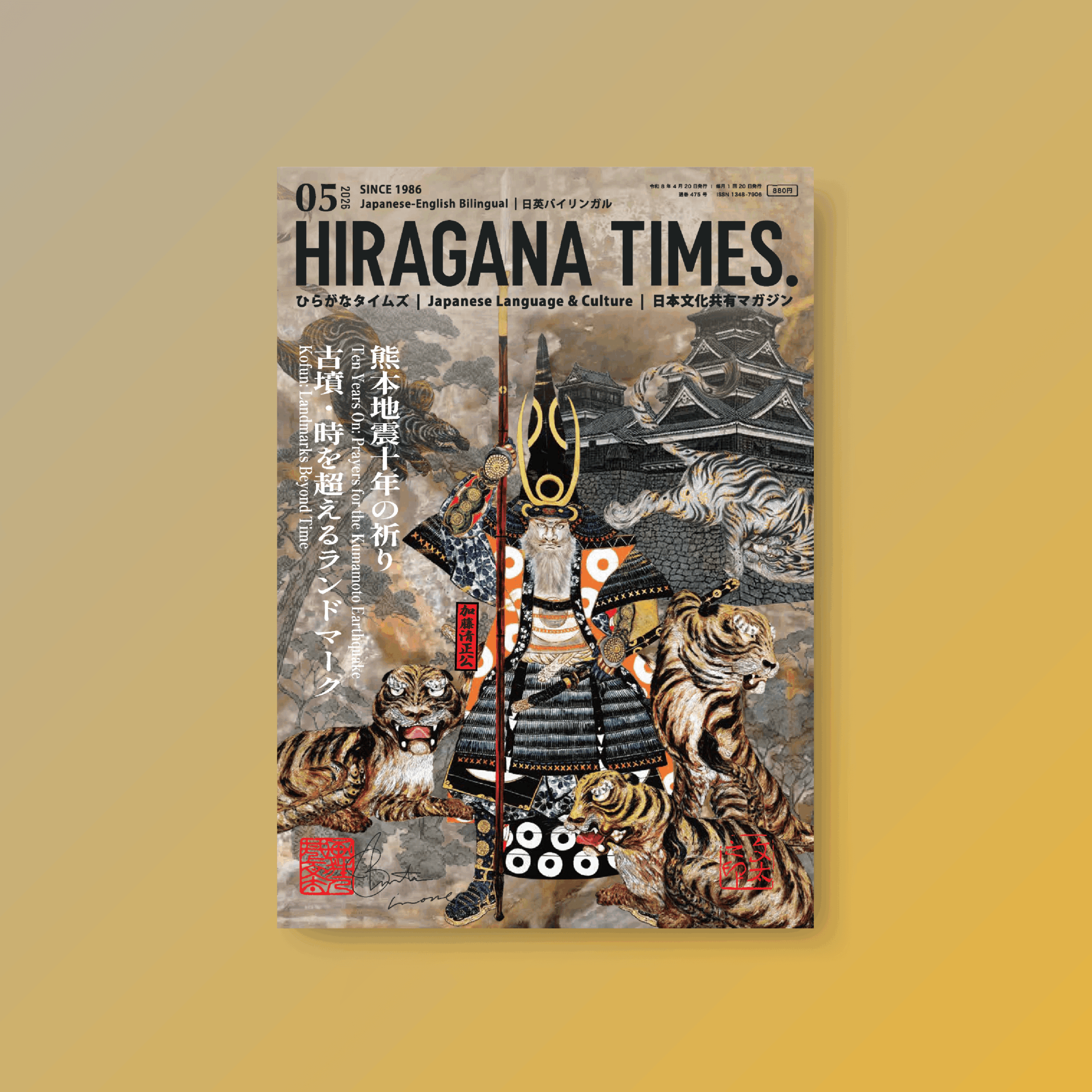
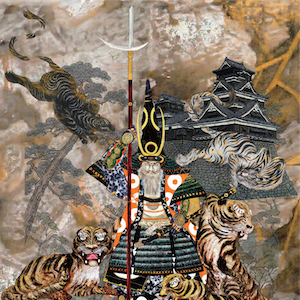
    Marking ten years since the Kumamoto Earthquake, this month's cover features artist Bunta Inoue's portrayal of Kato Kiyomasa. Originally a grand ceiling painting dedicated to Kato Shrine, the work serves as a powerful prayer for recovery and a symbol of hope for the future.
    熊本地震から10年。今月号の表紙は、井上文太氏が描いた加藤清正公です 。加藤神社に奉納された大天井画を元にしたこの作品は、復興への切なる祈りと、人々の心に灯る未来への希望を象徴しています 。

    Read Article
    IBUKI - The Breath of People「卑弥呼:謎に包まれた女王」 — 2026年5月号より

    Himiko:The Queen Shrouded in Mystery

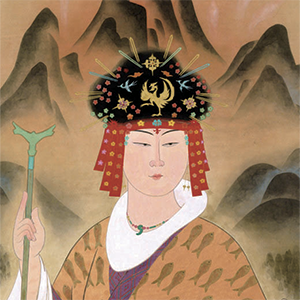
    This issue explores the mysterious reign of Queen Himiko and the origins of Yamataikoku, immortalized through the grand landmarks of the Kofun Era. By tracing these ancient fragments, we uncover the resilient spirit and foundational traditions that continue to shape the Japanese identity.
    女王・卑弥呼が統治した邪馬台国の謎と、時を超えて今に伝わる古墳時代の壮大な遺産に迫ります 。古代の断片をたどることで、現代の日本人のアイデンティティの礎となった強靭な精神と伝統を解き明かします 。

    English 日本語
    Japan Style「古墳——時を超えるランドマーク」 — 2026年5月号より

    Kofun: Landmarks Beyond Time

    More than mere monuments, Kofun are landmarks beyond time that reflect the very foundations of Japanese society. This issue explores how these ancient burial mounds arose from massive engineering projects and spiritual traditions, embodying the resilient spirit and diverse cultural wisdom of those who shaped the nation's early history.
    単なる遺跡を超えた、時を越えるランドマーク「古墳」 。日本社会の源流を紐解き、大規模な土木事業や精神的伝統から生まれた巨大墳墓の成り立ち、そして国のアイデンティティを形づくった先人たちの強靭な精神と物語に迫ります 。

    English 日本語

    Japan Now

    日本の今

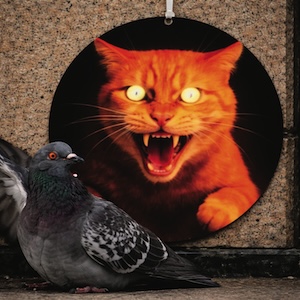
    News Review「ネコの写真でハト対策!?」 — 2026年5月号より News Review
    🎧 Audio | Listen

    Using Cat Photos to Scare Off Pigeons!?

    ネコの写真でハト対策!?

    Read Article
    New Expression & Buzzwords「墓コス」 — 2026年5月号より New Expression & Buzzwords
    🎧 Audio | Listen

    墓コス | Ride-or-die makeup

    Read Article
    🎧 Audio | Listen

    ミリしら | Totally clueless

    Read Article
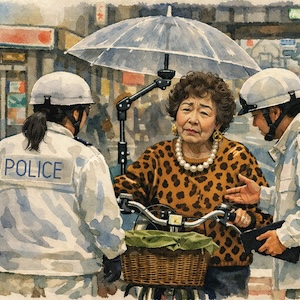
    Close Up Japan「自転車にも反則金?!新制度、スタート」 — 2026年5月号より Close Up Japan
    🎧 Audio | Listen

    Cyclists Can Now Face Fines?! A New System Begins

    自転車にも反則金?!新制度、スタート

    Read Article
    Pros and Cons with Insight「グレーゾーンはセーフゾーンなのか?」 — 2026年5月号より Pros and Cons with Insight
    🎧 Audio | Listen

    Is the Gray Zone Really a Safe Zone?

    グレーゾーンはセーフゾーンなのか?

    Read Article

    Nihongo Do

    日本語道

    Voice Wave | 言波「世界が戸惑う日本人の笑顔」 — 2026年5月号より

    Voice Wave | 言波

    Beyond mere joy, the Japanese smile often functions as a social "mask" to maintain harmony, show respect, and conceal inner tension. This uniquely Japanese "grammar of smiles" can lead to misunderstandings in global settings, where a smile during serious situations may be mistaken for insincerity rather than an unconscious reaction to pressure.
    「楽しいから笑う」のではなく、場の空気を壊さず、相手を傷つけないための「作法」として受け継がれてきた日本人の笑顔 。緊張が高まるほど口元に笑みが浮かぶという日本特有の「笑いの文法」は、時にグローバルな場での誤解を招くこともありますが、それは調和を重んじる精神が生んだ大切な文化財産でもあります 。

    Word Leaves | 言の葉「皐月」 — 2026年5月号より

    Word Leaves | 言の葉

    Seasonal Words: Japan's May, Satsuki — A Month When Life Grows and Gratitude Blooms.
    季節の言の葉:日本の5月「皐月(さつき)」— 命が伸び、感謝が芽生える月。

    Voice-Word Art | 言技「衣食足りて礼節を知る」 — 2026年5月号より

    Voice-Word Art | 言技

    Seasonal This "Voice-Word Art" section introduces seasonal sayings that carry both natural and human wisdom. Enjoy how old phrases fold hope into everyday life.
    この「言技」セクションでは、季節に結びついた言葉を通して、自然と人の営みが紡ぐ知恵を紹介します。時代を超えて響く言葉の美をお楽しみください。

    Japan Savvy | 日本通「節句 —— 一年を整える、五つの節目」 — 2026年5月号より

    Japan Savvy | 日本通

    Rooted in ancient Chinese philosophy and adapted through Japanese tradition, Gosekku (the Five Seasonal Festivals) mark vital turning points in the year intended to ward off evil and restore balance. These festivals typically fall on dates with matching odd numbers—historically seen as periods of powerful "yang" energy—beginning with the conditioning of the mind and body on January 7 and continuing through March 3, May 5, July 7, and September 9.
    「陽」の気が強まる節目の日に、邪気を祓い心身を整える「五節句」。中国の陰陽思想をルーツに、日本の自然崇拝や武家精神と結びついて育まれたこれらの伝統行事は、一年のリズムを整え、健やかな成長や豊穣を願う大切な文化として今に受け継がれています。

    For Japanese Teachers | 日本語の先生へ

    How to use the articles of this issue in class
    この号の記事を授業でどう使うか

    Lesson Guide | 授業ガイド
    Discord

    💬 Join the Hiragana Times Discord Community — Free!

    Connect with readers worldwide — free, open, and always welcoming.

    Join Us →
    Read More
  • April 2026 Issue – Available as a Back Issue

    Hiragana Times April-1 2026

    Hiragana Times

    ひらがなタイムズ 2026年4月号

    Beyond superhero myths, this issue explores the true "Shinobi." These nameless intelligence masters prioritized a "Righteous Heart" and survival over combat, shaping history from the shadows.
    ヒーロー像を超えた「忍び」の真実。戦いよりも「正心」と生存を重んじ、影から歴史を支えた名もなき知のプロフェッショナルたちの姿に迫ります.

    Japan Explore

    日本探究 & 再発見

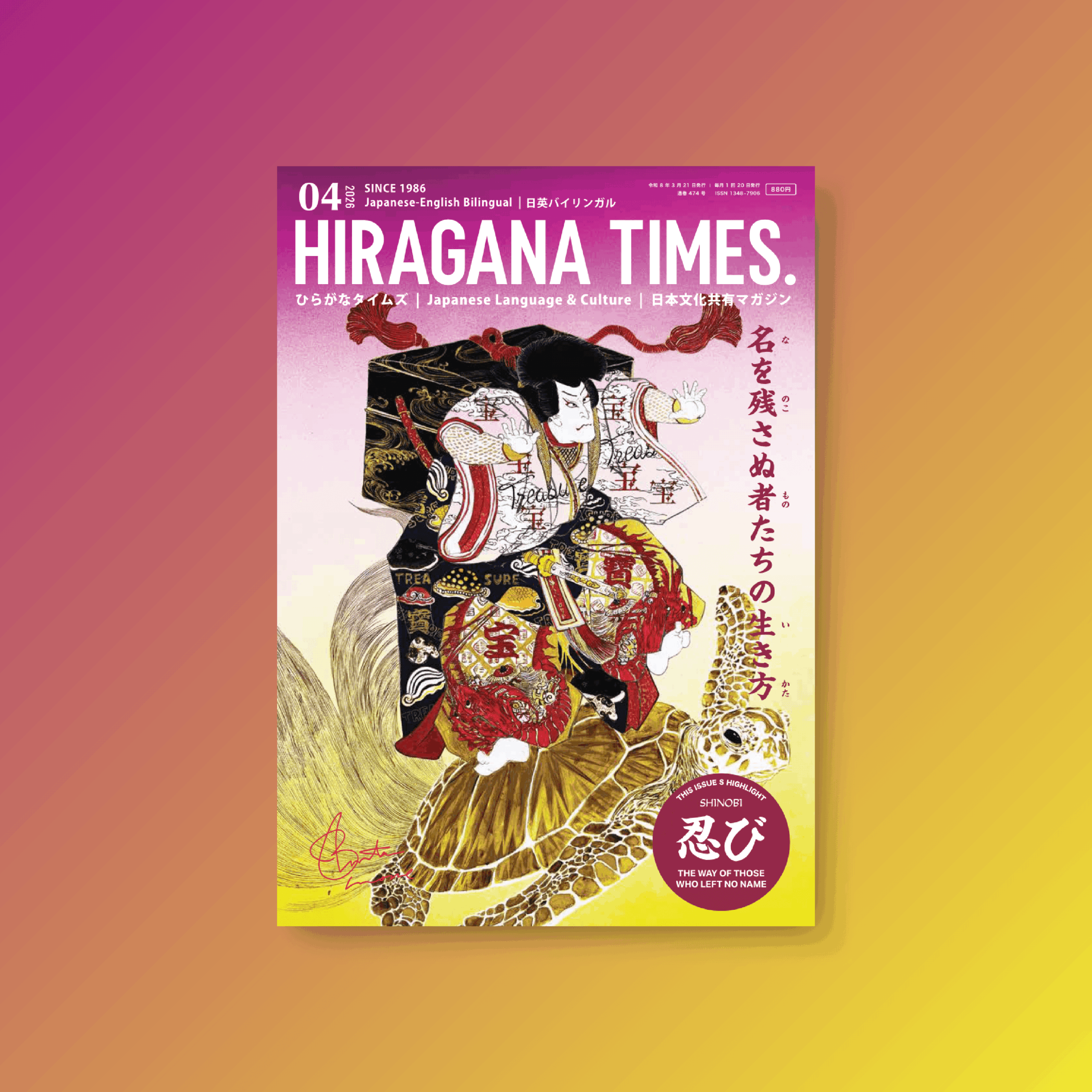
    宝

    The Treasure Bearer Who Left No Name

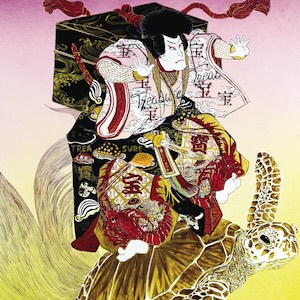
    This month's cover features "Shin Hakkenden: Inuta Kobungo, Treasure" by Bunta Inoue. It depicts the hero Inuta Kobungo riding a sea turtle to carry treasures , symbolizing the "nameless bearer"—those who, like the shinobi, support our world quietly without seeking fame or reward.
    今月の表紙は、画狂人・井上文太氏による「しん・ハッケンデン 犬田小文吾 宝」です 。海亀に乗り宝を運ぶ英雄の姿を通し、忍びのように名を残さず、見返りも求めずに、陰ながら世界を支え続ける「名もなき運び人」の生き方を描いています 。

    Read Article
    IBUKI「桜――日本の時を動かす花」 — 2026年4月号より

    Sakura: Sakura — The Flower That Sets Japan’s Time in Motion

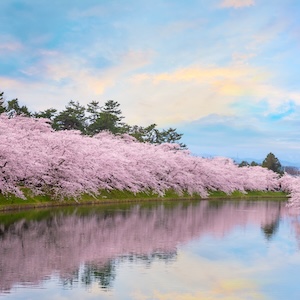
    The fleeting beauty of cherry blossoms has long been a reflection of life itself in Japan. From the early-blooming Kawazu-zakura to the dominant Somei Yoshino—which accounts for 80% of cherry trees in the country—these flowers continue to captivate the hearts of those who eagerly await their bloom.
    桜はその儚い美しさゆえに、古来より日本人の人生そのものに例えられてきました。 早咲きの河津桜から、国内の約8割を占める代表的な染井吉野まで、桜は開花を待ちわびる人々の心を惹きつけ続けています。

    English 日本語
    Japan Style「忍び──名を残さぬ者たちの生き方」 — 2026年4月号より

    Shinobi: The Way of Those Who Left No Name

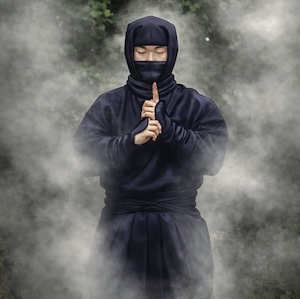
    Contrary to the popular "superhero" image of ninjas in black costumes, the shinobi were masters of intelligence who lived and died in the shadows without leaving their names. Their true mission was not combat, but gathering vital information and returning alive through a deep understanding of medicine, psychology, and nature.
    現代のヒーロー像とは異なり、「忍び」の真の姿は、戦うことよりも情報を持ち帰り、影から歴史を支えることにありました。彼らは武力ではなく、医学、心理学、天文などの膨大な知識を武器に、名を残さず生きる道を選んだ知のプロフェッショナルだったのです。

    English 日本語

    Japan Now

    日本の今

    News Review「母の代わりはぬいぐるみ 子ザルの成長物語」 — 2026年4月号より News Review
    🎧 Audio | Listen

    A Stuffed Toy as His Mother: A Baby Monkey’s Story of Growth

    母の代わりはぬいぐるみ 子ザルの成長物語

    Read Article
    New Expression & Buzzwords「〇〇すぎて滅」 — 2026年4月号より New Expression & Buzzwords
    🎧 Audio | Listen

    〇〇すぎて滅 | Too xx to survive

    Read Article
    🎧 Audio | Listen

    メンパ | Mental performance

    Read Article
    Close Up Japan「競うことで、争わない ― オリンピックという思想」 — 2026年4月号より Close Up Japan
    🎧 Audio | Listen

    Contest, Not Conflict — The Olympic Ideal

    競うことで、争わない ― オリンピックという思想

    Read Article
    Pros and Cons with Insight「「国旗損壊罪法案」をどう考えるか」 — 2026年4月号より Pros and Cons with Insight
    🎧 Audio | Listen

    How Should We Consider the 'National Flag Destruction Crime Bill'?

    「国旗損壊罪法案」をどう考えるか

    Read Article

    Nihongo Do

    日本語道

    Voice Wave | 言波「この世で最も「日本的なもの」とは?」 — 2026年4月号より

    Voice Wave | 言波

    While modern Japan preserves traditions like the tea ceremony and sumo, many of these are only a few hundred to a thousand years old. This issue explores the idea that the Japanese language itself is the oldest and most fundamental element of "Japaneseness," having nurtured the nation's culture for over two thousand years.
    茶道や相撲といった伝統が守られる現代の日本において、それらの多くは数百から千年前後の歴史に収まります 。本号では、二千年以上にわたり日本文化を育んできた「日本語」こそが、最も古く、かつ根源的な「日本的なもの」であるという視点を探ります 。

    Word Leaves | 言の葉「卯月」 — 2026年4月号より

    Word Leaves | 言の葉

    Seasonal Words: Japan’s April, Uzuki — A Month When a New Everyday Life Begins.
    季節の言の葉:日本の4月「卯月(うづき)」— 新しい日常が始まる月。

    Voice-Word Art | 言技「身を捨ててこそ浮かぶ瀬もあれ」 — 2026年4月号より

    Voice-Word Art | 言技

    Seasonal This proverb teaches that by letting go of the desperate need for self-protection or victory, one can find the calmness and courage to overcome difficult situations. It suggests that when you stop struggling against the current and accept reality as it is, a path forward—the "shallows"—will naturally appear.
    「身を捨ててこそ浮かぶ瀬もあれ」という言葉は、自分を守ろうとする執着を手放すことで、かえって窮地を脱する冷静さと勇気が得られることを教えています 。川の流れに抗うのをやめ、現実をあるがままに受け入れたとき、道(浅瀬)がひらけるという教えです 。

    Japan Savvy | 日本通「武士・侍とは何者か?」 — 2026年4月号より

    Japan Savvy | 日本通

    While many cultures have history's "fighters," the Japanese terms Bushi and Samurai represent more than mere combatants. They were defined by a specific way of life rooted in resolve and the protection of the social and ritual order centered on the Emperor.
    世界には様々な「戦う者」が存在しましたが、日本の「武士」や「侍」は単なる戦闘集団ではありません 。それは身分を指す言葉以上に、天皇を中心とした秩序を支え、覚悟を持って生きる「生き方」そのものを表しています 。

    Japan Maze | 迷宮ニホン「「おんな」はやっかい」 — 2026年4月号より

    Japan Maze | 迷宮ニホン

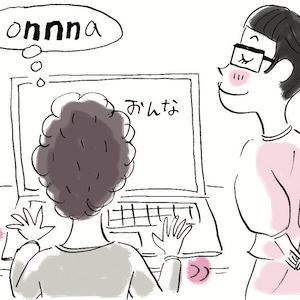
    "TThis section uses a four-panel manga to highlight the complexities of Japanese romaji input and cultural understanding. Jimmy attempts to type the word "onna" (woman) and discovers that a simple conversion requires more precision than expected—mirroring the depth of Japanese phonology and relationships.
    「おんな」という簡単な言葉の入力に隠された「罠」を通し、日本語の音韻体系と文化の本質を4コマ漫画で探求します 。ローマ字入力の意外な難しさは、日本語の音の成り立ちや、言葉の奥深さを理解するための入り口となります 。

    For Japanese Teachers | 日本語の先生へ

    How to use the articles of this issue in class
    この号の記事を授業でどう使うか

    Lesson Guide | 授業ガイド
    Discord

    💬 Join the Hiragana Times Discord Community — Free!

    Connect with readers worldwide — free, open, and always welcoming.

    Join Us →
    Read More
  • March 2026 Issue – Available as a Back Issue

    Hiragana Times March 2026

    Hiragana Times March 2026 Issue

    ひらがなタイムズ 2026年3月号

    A century of spirit carved into black soil. This issue explores Koshien, the sacred ground where "Baseball" was reborn as "Yakyu."
    黒土に刻まれた、百年の精神。本号では、ベースボールが「野球」へと昇華した聖地「甲子園」を探ります。

    Japan Explore

    日本探究 & 再発見

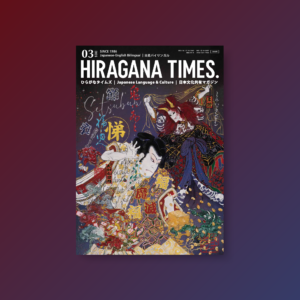
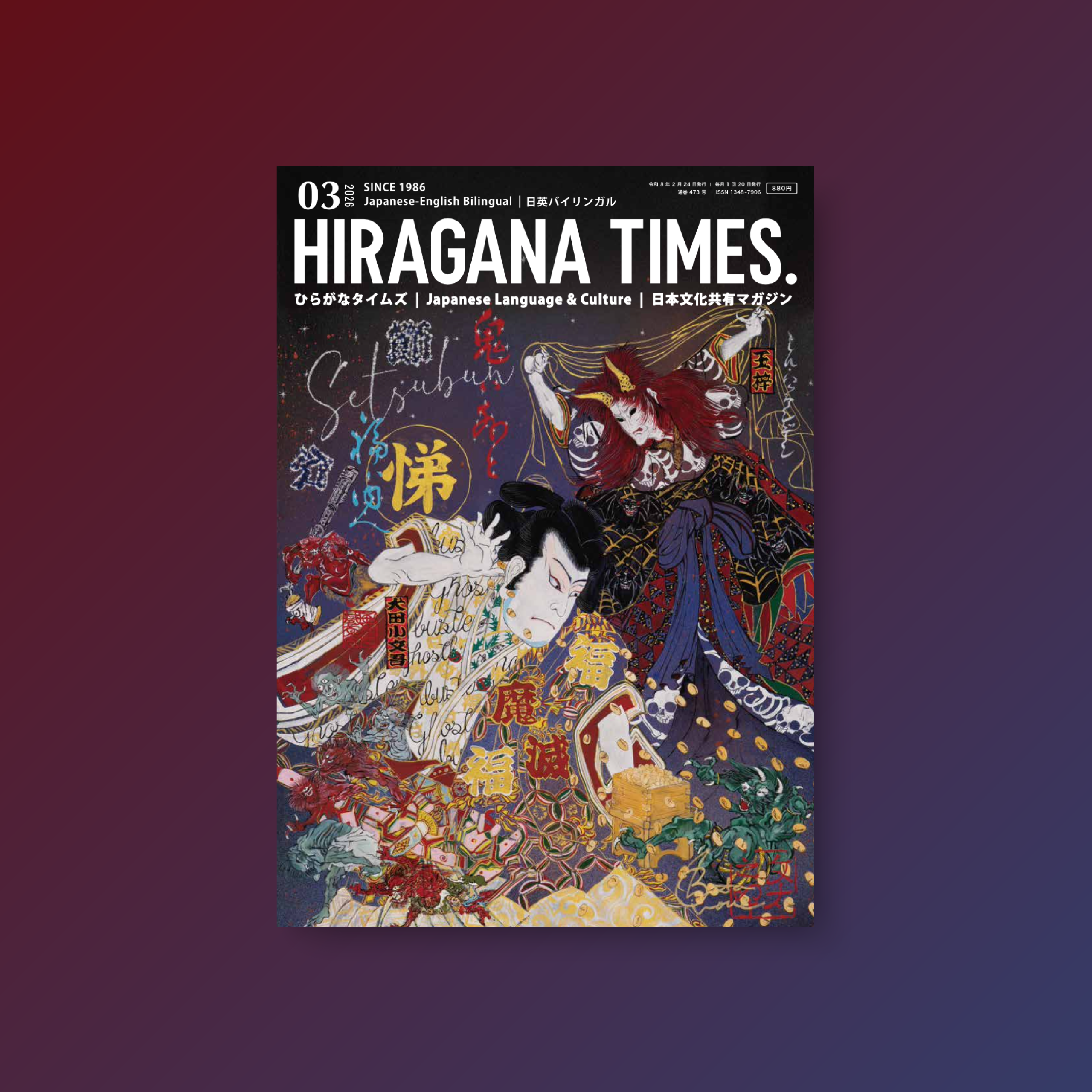
    Cover Story「節分 ―― 季節の分け目 豆で魔を滅する」 — 2026年3月号より

    Setsubun — The Divide Between Seasons, Driving Out Evil with Beans

    This month's cover features the work "Shin Hakkenden: Inuta Kobungo, Setsubun" by the painting madman, Bunta Inoue. The painting depicts Inuta Kobungo, a hero from the classic tale "Nansō Satomi Hakkenden," confronting an oni — a demon.
    今月号の表紙は、画狂人・井上文太氏による作品「しん・ハッケンデン 犬田小文吾 節分」です。描かれているのは、南総里見八犬伝の犬田小文吾が鬼に立ち向かう姿です。

    Read Article
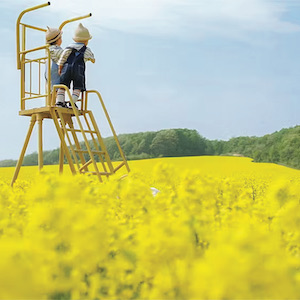
    IBUKI「菜の花:3月のいぶきー暮らしを照らす黄色い花」 — 2026年3月号より

    Nanohana: The Ibuki of March–A Yellow Flower That Lights Everyday Life

    After enduring the cold of winter, as signs of spring gradually begin to be felt, the Japanese landscape starts to color itself all at once. Just before the cherry blossoms bloom, the sight of rapeseed flowers spreading along riverbank embankments has long been cherished in Japan as something that signals the beginning of spring.
    冬の寒さを乗り越え、春の気配が感じられるようになるころ、日本の風景は一気に色づき始めます。桜が咲く少し前、日本では、川沿いの土手に広がる菜の花の風景が、春の始まりを告げるものとして親しまれてきました。

    English 日本語
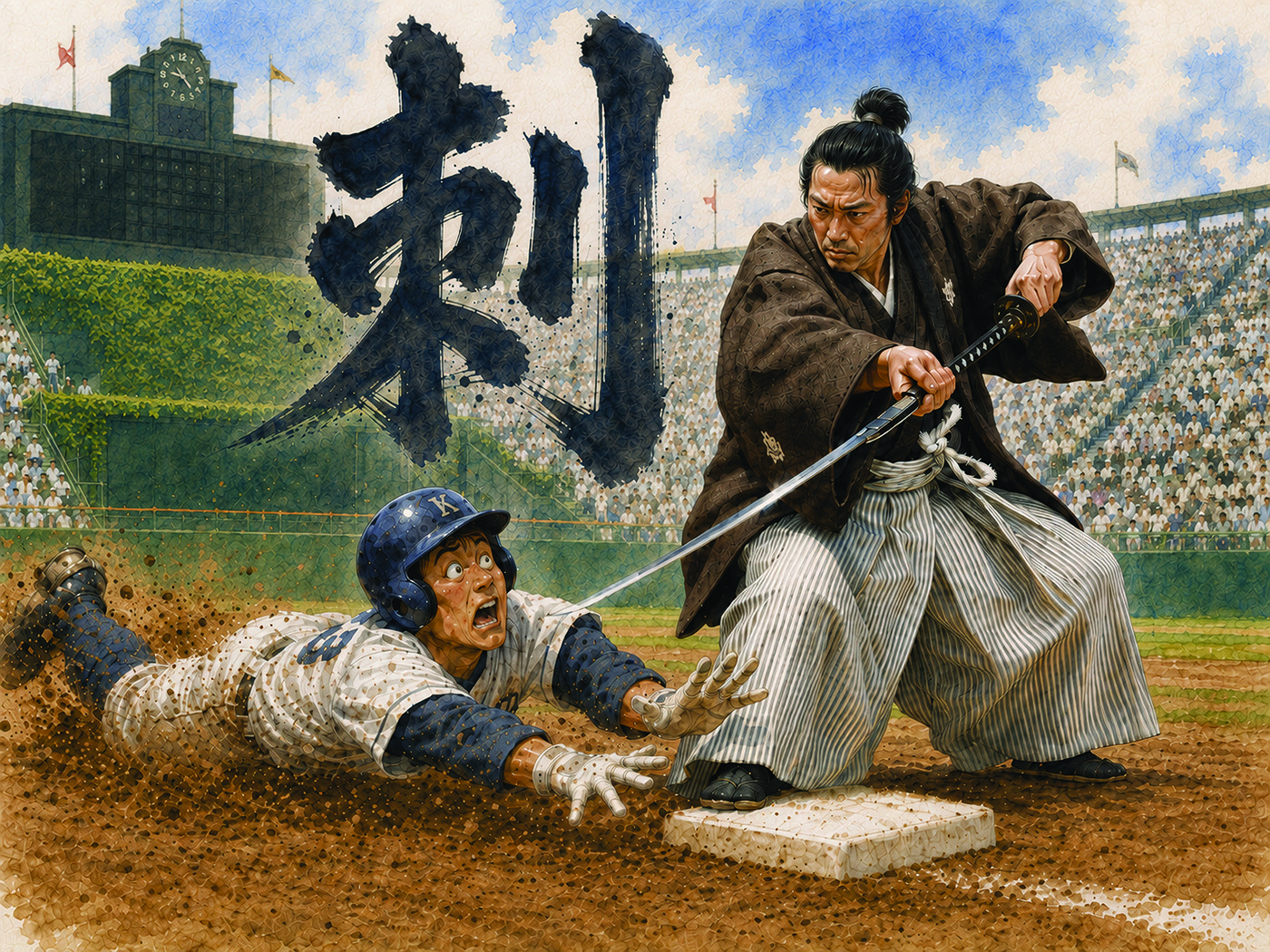
    Japan Style「甲子園 —— ベースボールが「野球」になった場所」 — 2026年3月号より

    Koshien — Where Baseball Became "Yakyu"

    Born in America, baseball crossed the ocean to Japan, where it was transformed into "Yakyu." It evolved into a unique culture, layered not only with physical skills but with respect, unyielding effort, and compassion for one's teammates. As a symbol of this evolution, there is a stage that has been giving birth to stories for over a century. That stage is "Koshien."
    アメリカで誕生したベースボールは、日本に渡り「野球」となりました。技術だけでなく、礼や努力、仲間を思う心が重ねられ、独自の文化へと育っていきました。その象徴として、100年以上にわたり物語を生み続けてきた舞台があります。それが「甲子園」です。

    English 日本語

    Japan Now

    日本の今

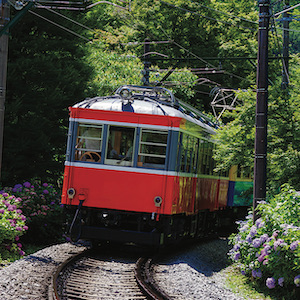
    News Review「箱根の名物レトロ車両、引退へ」 — 2026年3月号より News Review
    🎧 Audio | Listen

    Hakone's Iconic Retro Train to Be Retired

    箱根の名物レトロ車両、引退へ

    Read Article
    New Expression & Buzzwords「ボンボンドロップシール」 — 2026年3月号より New Expression & Buzzwords
    🎧 Audio | Listen

    ボンボンドロップシール | Bonbon drop stickers

    Read Article
    🎧 Audio | Listen

    ゆるつら | Low-effort yet tough

    Read Article
    Close Up Japan「つば九郎 ― 神宮に還る魂」 — 2026年3月号より Close Up Japan
    🎧 Audio | Listen

    Tsubakuro — The Soul Returns to Jingu

    つば九郎 ― 神宮に還る魂

    Read Article
    Pros and Cons with Insight「政治と宗教――装置にされた信仰」 — 2026年3月号より Pros and Cons with Insight
    🎧 Audio | Listen

    Politics and Religion — Faith as a Machine

    政治と宗教――装置にされた信仰

    Read Article

    Nihongo Do

    日本語道

    Voice Wave | 言波「日本語の省略力—— 4拍のリズム、3拍の躍動、そして言葉の源流」 — 2026年3月号より

    Voice Wave | 言波

    The standard Shinto prayer—two bows, two claps, and a final bow—establishes a 2 + 2 physical cadence. This suggests that the four-beat pattern is not just linguistic, but deeply embedded in the spiritual and sensory habits of the Japanese people.
    神社での参拝作法である「二礼二拍手一礼」は、「2+2」の身体的なリズムを生み出しています。このことから、4拍子のパターンは単なる言語上のルールではなく、日本人の精神性や感覚的な習慣に深く根ざしていることが伺えます。

    Word Leaves | 言の葉「弥生」 — 2026年3月号より

    Word Leaves | 言の葉

    Seasonal Word Leaves: Japan's March, "Yayoi" — endings, departures, and the quiet momentum toward what comes next.
    季節の言の葉:日本の3月「弥生」— 締めくくりと別れ、そして次へ向かう静かな動き。

    Voice-Word Art | 言技「左馬」 — 2026年3月号より

    Voice-Word Art | 言技

    Seasonal Voice-Word Art: Hidari-uma (Left Horse)"—Flip a character, turn your fortune.
    季節の言技:「左馬」— 文字を反転させ、運を転じる。
    In this month's "Voice-Word Art" section, we introduce a uniquely Japanese word art: by simply changing the orientation of a single kanji, a story emerges and meaning multiplies.
    今月号の「言技」セクションでは、漢字一文字でも向きを変えるだけでストーリーが生まれ、意味が増幅する、日本語ならではの言葉の技を紹介します。

    Japan Savvy | 日本通「干支ーー宇宙の設計図を紐解く東洋の思想」 — 2026年3月号より

    Japan Savvy | 日本通

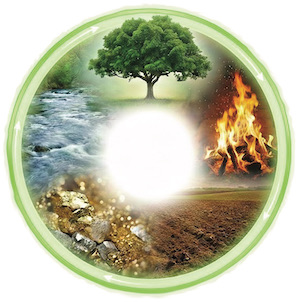
    In the East, it is said that this universe operates through the circulation of five elements. Wood, Fire, Earth, Metal, and Water. These five elements are called Gogyō.
    東洋では、この宇宙は、五つの要素の循環で回っていると言います。木・火・土・金・水。これら五要素を「五行」と呼びます。

    Japan Maze | 迷宮ニホン「妻の浮気」 — 2026年3月号より

    Japan Maze | 迷宮ニホン

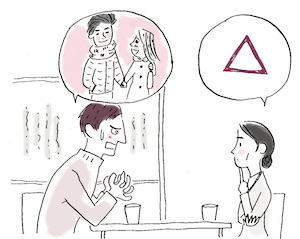
    This shows how geometric shapes and symbols in Japan serve as a visual language, where marks like the circle (maru) for harmony or the cross (batsu) for divorce carry deep social, emotional, and moral meanings beyond their literal forms.
    日本の記号や図形は、単なる形を超えて、円(まる)が調和を表し、バツが離婚を意味するように、社会的な文脈や感情、道徳的な意味を深く宿した「視覚言語」として機能していることを紹介しています。

    For Japanese Teachers | 日本語の先生へ

    How to use the articles of this issue in class
    この号の記事を授業でどう使うか

    Lesson Guide | 授業ガイド
    Discord

    💬 Join the Hiragana Times Discord Community — Free!

    Connect with readers worldwide — free, open, and always welcoming.

    Join Us →
    Read More