
A Television Culture That Has Shaped Japanese Mornings
日本人の朝をつくってきたテレビ文化
[Close up Japan – February 2026 Issue]
A Television Culture That Has Shaped Japanese Mornings
日本人の朝をつくってきたテレビ文化
In Japan, NHK’s morning serial drama, commonly known as “Asadora,” airs at 8 o’clock in the morning on weekdays.
日本では平日の朝8時、NHKの朝の連続テレビ小説、通称「朝ドラ」が流れます。
This Asadora, which began in 1961, has accompanied the daily lives of Japanese people through 15-minute episodes.
1961年に始まったこの朝ドラは、1話15分の物語で、日本人の日常に寄り添ってきました。
Rather than flashy developments, the careful portrayal of family, work, and the passage of time is its defining feature.
派手な展開よりも、家族や仕事、時代の移ろいを丁寧に描く点が特徴です。
“Oshin,” which aired in 1983, depicted a woman who endured poverty and survived, and received high acclaim overseas, including in the Middle East.
1983年放送の『おしん』は、貧しさに耐え生き抜く女性を描き、中東を含む海外でも高い評価を受けました。
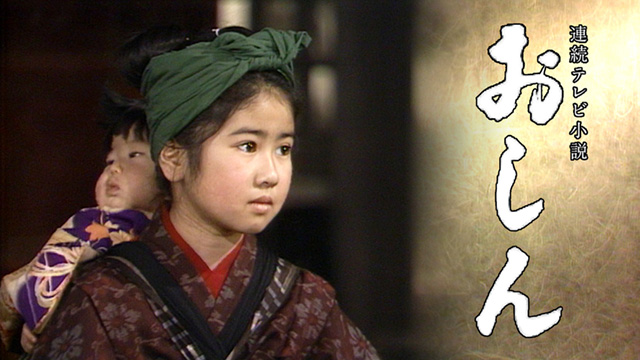
Asadora, while being Japanese stories, has conveyed universal human emotions.
朝ドラは、日本の物語でありながら、普遍的な人間の感情を伝えてきました。
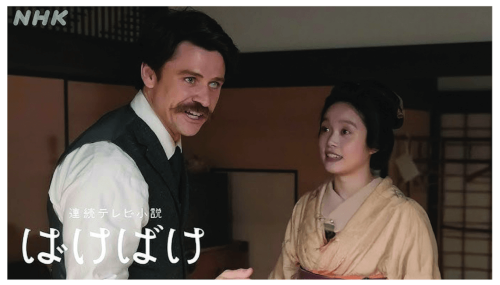
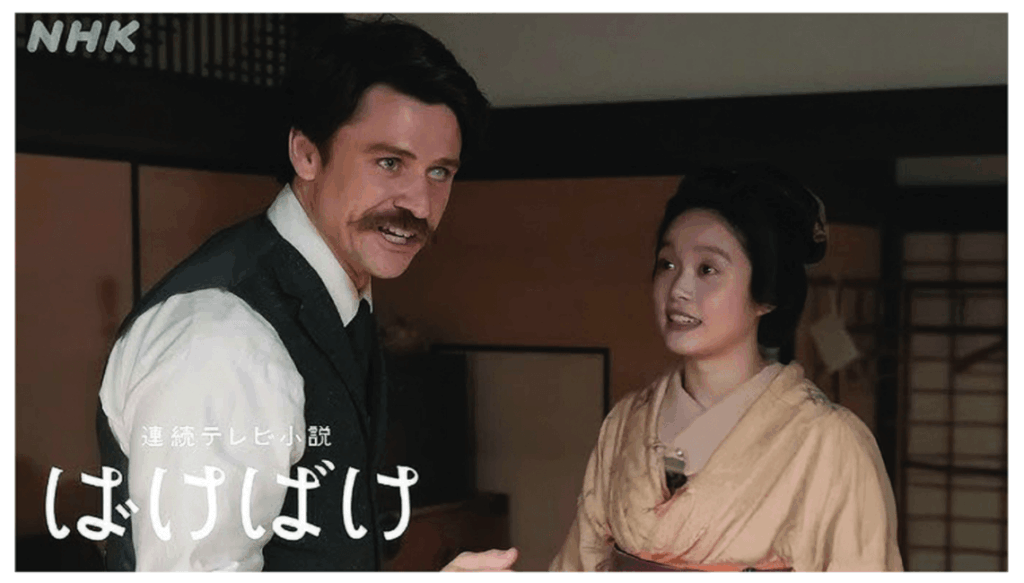
What that Asadora is currently depicting is “Bakebake.”
その朝ドラが現在描いているのが、『ばけばけ』です。
The model for the protagonist is the writer Koizumi Yakumo, who was active during the Meiji period (1850–1904).
主人公のモデルは、明治期(1868年〜1912年)に活躍した作家・小泉八雲。
He is a Greek-born Westerner of Irish descent, known in the West as Lafcadio Hearn.
彼は西洋ではラフカディオ・ハーンとして知られる、ギリシャ生まれのアイルランド系西洋人です。
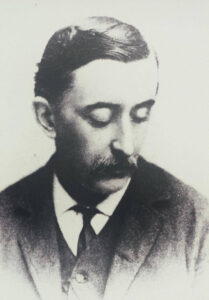
After working as a journalist in America, he came to Japan out of an interest in Japanese culture, and eventually became a naturalized citizen.
アメリカで記者として活動したのち、日本文化への関心から来日し、やがて帰化しました。
He was fascinated by the spiritual culture of the Japanese people, such as ghost stories, yokai, and folk beliefs, and introduced them to the world in English.
怪談や妖怪、民間信仰といった日本人の精神文化に魅了され、それらを英語で世界に紹介しました。
In them is embedded a uniquely Japanese sensibility—not only fear, but also reverence for nature and coexistence with the dead.
そこには、恐怖とともに、自然への畏れや死者との共存という日本独自の感性が込められています。
The title Bakebake comes from the word bakeru (“to transform”) and symbolizes a worldview in which invisible things reveal themselves.
タイトルの『ばけばけ』は、「化ける」という言葉から来ており、見えないものが姿を現す世界観を象徴しています。
This quiet 15-minute morning story continues to reflect the depths of Japanese culture even today.
静かな朝の15分の物語は、今もなお、日本文化の深層を映し続けています。
This article is from the February 2026 issue of Hiragana Times.
この記事は、月刊誌『ひらがなタイムズ』2026年2月号より掲載しています。
Related Posts


Information From Hiragana Times


Topics in Japan
-
![Japanese Minka—Homes Alive with Nature <br src=]() 自然の中で生きている日本民家" />
Japanese Minka—Homes Alive with Nature
自然の中で生きている日本民家" />
Japanese Minka—Homes Alive with Nature
自然の中で生きている日本民家 -
![The Man Who Chose Harmony in an Age of Blood | Prince Shōtoku <br src=]() 血の時代に、和を選んだ人 | 聖徳太子" />
The Man Who Chose Harmony in an Age of Blood | Prince Shōtoku
血の時代に、和を選んだ人 | 聖徳太子" />
The Man Who Chose Harmony in an Age of Blood | Prince Shōtoku
血の時代に、和を選んだ人 | 聖徳太子 -
![The Fish That Leads the Way into Autumn <br src=]() 秋の先頭を泳ぐ魚" />
The Fish That Leads the Way into Autumn
秋の先頭を泳ぐ魚" />
The Fish That Leads the Way into Autumn
秋の先頭を泳ぐ魚 -
![The House Has Ears, Eyes—and a Mouth <br src=]() 耳と目と口を持つ家" />
The House Has Ears, Eyes—and a Mouth
耳と目と口を持つ家" />
The House Has Ears, Eyes—and a Mouth
耳と目と口を持つ家 -
![Words the Home Holds <br src=]() 家がつつむ言の葉" />
Words the Home Holds
家がつつむ言の葉" />
Words the Home Holds
家がつつむ言の葉
 自然の中で生きている日本民家" />
 血の時代に、和を選んだ人 | 聖徳太子" />
 秋の先頭を泳ぐ魚" />
 耳と目と口を持つ家" />
 家がつつむ言の葉" />

