
Shogatsu—Osechi Cuisine Celebrating the “Fushi” (Nodes) of the Sun and Moon
正月――太陽と月の節(ふし)を祝うお節料理
[Japan Savvy – January 2026 Issue]
Shogatsu—Osechi Cuisine Celebrating the “Fushi” (Nodes) of the Sun and Moon
正月――太陽と月の節(ふし)を祝うお節料理
‘Osechi ryori’ is indispensable for the Japanese New Year.
日本のお正月に欠かせない「おせち料理」。
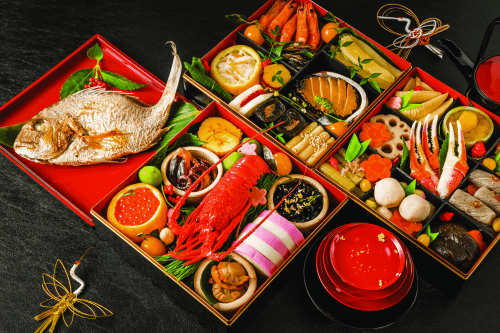
It is a special cuisine that celebrates the new year, with various dishes beautifully packed in ‘jubako’ (tiered boxes).
いろいろな料理を重箱に美しく詰めた、新しい年を祝う特別な料理です。
In kanji, it is written as “御節料理” (Osechi Ryori).
漢字では「御節料理」と書きます。
This ‘sechi’ (node/season) is read as ‘fushi’ in Yamato Kotoba (native Japanese words).
この「節(せち)」は、大和言葉では「ふし」と読みます。
‘Fushi’ is a switching point of things, and it means a regeneration point where new life is born again.
ふしとは、ものごとの切り替わりであり、新たな生命が生まれ直す再生点を意味します。
The sun weakens the most in the year, and the turning point where it begins to regain its power again from there is the ‘Winter Solstice’.
太陽が一年で最も弱まり、そこから再び力を取り戻し始める転換点──「冬至」。
That is the moment when ‘Yin’ reaches its extreme and ‘Yang’ is born.
それは、陰が極まり、陽が生まれる瞬間です。
And, the new moon that comes around before long. It is the time when the moon returns to darkness, and begins to harbor light from there.
そして、やがて巡ってくる新月。闇に戻った月が再び光を宿し始める時です。
At the Winter Solstice, the sun is born anew, and with the new moon that follows, the moon is born anew as well—
冬至で太陽が生まれ直し、続いて訪れる新月で月が生まれ直す──
Ancient people living under the lunar calendar celebrated this great “Fushi” (node) of the universe—where these two rebirths overlap—as ‘Shogatsu’ and ‘Gantan’.
太陰暦に生きていた古代の人々は、この二つの再生が重なる宇宙の大きな節(ふし)を「正月」「元旦」として寿ぎました(ことほぎました)。
And the cuisine that celebrates that “Fushi” is Osechi Ryori.
そしてその節を祝う料理が、お節料理なのです。
Become a Osechi Savvy おせち通になる
WARM UP | Osechi JapaNEEDS
Useful Words 役立つ言葉
正月(しょうがつ) – New Year
御節料理(おせちりょうり) – New Year’s dishes
節(ふし) – joint; node; turning point
再生(さいせい) – renewal; rebirth
冬至(とうじ) – winter solstice
新月(しんげつ) – new moon
太陰暦(たいいんれき) – lunar calendar
重箱(じゅうばこ) – tiered food box
祝う(いわう) – to celebrate
寿ぐ(ことほぐ) – to offer congratulations
意味(いみ) – meaning
願う(ねがう) – to wish; to hope
生命(いのち) – life
Ice Breaker Questions 会話のきっかけ
1. Which osechi dish would you most like to try?
おせち料理の中で、一番食べてみたいものは何ですか?
2. What New Year’s traditions or customs do people follow in your country?
あなたの国では、お正月にどんな行事や習慣がありますか?
3. Within the year, what day is considered the most important in your country?
一年の中で、あなたの国ではいちばん大切にしている日はいつですか?
4. How would you like to spend this New Year’s holiday?
今年のお正月は、どんなふうに過ごしたいですか?
5. What is the wish you most hope to come true this year?
今年、あなたが一番かなえたい願いは何ですか?
WORK UP | Osechi Discussion
DISCUSSION ディスカッション
Ali: What’s your favorite dish in osechi ryōri?
アリ: おせち料理では、みなさん何が好きですか。
Bob: I like black soybeans!
ボブ: 黒豆が好き!
Mayumi: They represent the wish to “work diligently” and “stay healthy,” because mame also means “hard-working.”
まゆみ: 黒豆には「まめに働く」という願いが込められています。
Vanessa: I love the luxurious sea bream! It literally means “good fortune,” right?
ヴァネッサ: 私は豪華な鯛!これは「めでたい」という意味ですよね?
Bob: Wait—does every osechi dish have some kind of meaning like that?
ボブ: もしかして、おせちって全部そんなふうに意味があるんですか?
Mayumi: Exactly! Each dish has a special wish behind it—not only in the wordplay, but also in the food itself. For example, kazunoko is full of symbolism for future generations. And kurikinton is golden, so it represents wealth and good fortune.
まゆみ: その通りです!おせちはそれぞれ、言葉遊びだけでなく、食材そのものにも意味が込められています。たとえば数の子は子孫繁栄、栗きんとんは黄金色から財運をもたらします。
Ali: I see. Even the shape and color of the ingredients have meanings.
アリ: なるほど。食材の形や色、意味があるんですね。
Mayumi: That’s right. In Japan, people traditionally believed the sound of words, as well as colors, shapes, and numbers, all carry a kind of spiritual power.
まゆみ: そうなんです。日本では、言葉の響きや色、形、数字などにも、それぞれ力が宿ると考えられてきました。
Bob: All right! My New Year’s resolution is to “chew well.” I want to savor the meaning of each dish and live this year mindfully.
ボブ: よし!今年の新年の抱負はよく噛むことにします。一つ一つのおせちの意味を味わいながら、一年を大切に過ごす!
WRAP UP | Osechi Knowledge
NEW KNOWLEDGE 新しい知識
Osechi is prepared at the end of the year. This is because using a knife during the New Year period is believed to “cut off” good relationships or good fortune.
おせちは年末に準備します。これは、お正月に包丁を使うと「縁を切る」と考えられてきたためです。
It is also said that people should avoid using fire during the first three days of the year, so as not to anger Kōjin, the deity of fire.
また、三が日は火を使わない方が良いとされ、火の神である荒神様を怒らせないためだと伝えられています。
For these reasons, many osechi dishes are seasoned strongly so that they will keep for several days.
そのため、おせち料理は日持ちするように、味付けが濃いものが多くなります。
The stacked lacquered boxes (jūbako) symbolize the wish for “layers of good fortune.”
重箱には、「福が重なりますように」という願いが込められています。
Shrimp represents longevity, with the hope that one will live long enough for one’s back to bend like a shrimp.
えびは、「腰が曲がるまで長生きできますように」という長寿の象徴です。
Datemaki resembles a scroll, so it is eaten with wishes for academic success and increased knowledge.
伊達巻は巻物に似ていることから、学問成就や知識向上を願う料理です。
Kobumaki (kelp rolls) is associated with the word yorokobu (“to be happy”), and it also symbolizes long life as “yōro-kombu,” meaning longevity kelp.
昆布巻は、「喜ぶ」にかけて縁起を担うほか、「養老昆布」として長寿を願う意味もあります。
Kama-boko is considered auspicious because its shape resembles the rising sun on New Year’s Day.
かまぼこは初日の出を思わせる形で、縁起の良い食べ物とされています。
This article is from the January 2026 issue of Hiragana Times.
この記事は、月刊誌『ひらがなタイムズ』2026年1月号より掲載しています。
もういっぱいSeasonal Voice-Word Art: “When yin reaches its extreme, it turns to yang” — even at the lowest point, signs of improvement will soon appear.
季節の言技:「陰極まれば陽に転ずる」― どん底のときほど、やがて好転の兆しが訪れる。



Information From Hiragana Times


Topics in Japan
-
![Japanese Minka—Homes Alive with Nature <br src=]() 自然の中で生きている日本民家" />
Japanese Minka—Homes Alive with Nature
自然の中で生きている日本民家" />
Japanese Minka—Homes Alive with Nature
自然の中で生きている日本民家 -
![The Man Who Chose Harmony in an Age of Blood | Prince Shōtoku <br src=]() 血の時代に、和を選んだ人 | 聖徳太子" />
The Man Who Chose Harmony in an Age of Blood | Prince Shōtoku
血の時代に、和を選んだ人 | 聖徳太子" />
The Man Who Chose Harmony in an Age of Blood | Prince Shōtoku
血の時代に、和を選んだ人 | 聖徳太子 -
![The Fish That Leads the Way into Autumn <br src=]() 秋の先頭を泳ぐ魚" />
The Fish That Leads the Way into Autumn
秋の先頭を泳ぐ魚" />
The Fish That Leads the Way into Autumn
秋の先頭を泳ぐ魚 -
![The House Has Ears, Eyes—and a Mouth <br src=]() 耳と目と口を持つ家" />
The House Has Ears, Eyes—and a Mouth
耳と目と口を持つ家" />
The House Has Ears, Eyes—and a Mouth
耳と目と口を持つ家 -
![Words the Home Holds <br src=]() 家がつつむ言の葉" />
Words the Home Holds
家がつつむ言の葉" />
Words the Home Holds
家がつつむ言の葉
 自然の中で生きている日本民家" />
 血の時代に、和を選んだ人 | 聖徳太子" />
 秋の先頭を泳ぐ魚" />
 耳と目と口を持つ家" />
 家がつつむ言の葉" />

