
Check in
チェックイン
[JAPAN MAZE | 迷宮ニホン – February 2026 Issue]
You may understand the words, but still get lost in communication. This corner takes you on a fun journey through the maze of Japanese language and culture with four-panel manga. Unlocking the punchline is the key – it reveals the essence of Japanese expression and leads you to the exit, with a smile and a fresh insight.
言葉の意味はわかるのに、なぜか通じない――。日本語と日本文化の迷宮を、4コマ漫画で楽しく探検するコーナーです。 “オチ”を読み解けば、日本語の本質が見えてくる。迷宮の出口には、気づきと笑いが待っています。
チェックイン | Check in
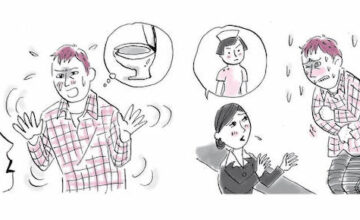
Scene 1
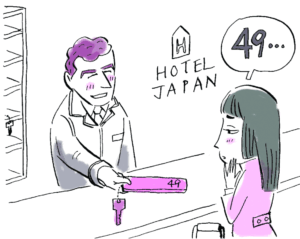
スタッフ:ごゆっくりどうぞ。
Staff : Take your time.
日本人客:でも、番号がシキュウ。
Japanese guest : But, the number reads shikyuu (urgent).
Scene 2
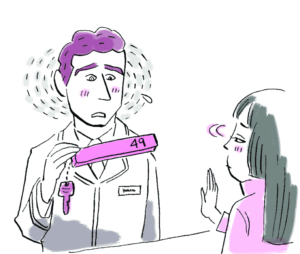
スタッフ:お部屋の番号が気になりますか。
Staff: Are you concerned about room numbers?
日本人客:縁起の悪い数字ですからね。
Japanese guest : I am, because it’s an unlucky number.
Scene 3

スタッフ:では、53号室が空いてますが …… 。
Staff : Well then, room 53 is available.
日本人客:今度はゴミ部屋?
Japanese guest : This time it’s the garbage room is it?
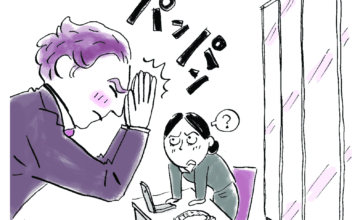
Scene 4
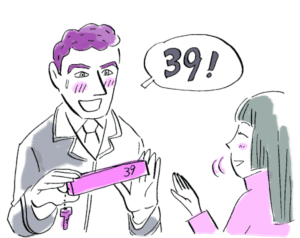
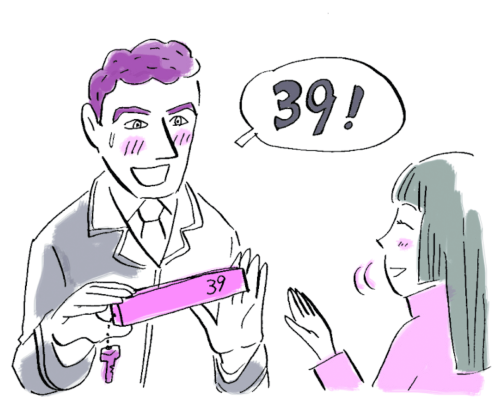
スタッフ:すみません。39号室はいかがですか。
Staff : I’m sorry. How about room 39?
日本人客:いいですね。サンキュウ。
Japanese guest : Good. Thank you.
Maze Navigation / 迷宮ナビ
Let’s break down each scene | それぞれのシーンを理解しよう。
Scene 1
At hotel check-in, the staff assigns Room 49. In Japanese, 4 is read “shi” and 9 is read “ku,” and together they form shikyuu, meaning “urgent.”
ホテルのチェックイン。スタッフは49号室を案内します。日本では、4は「し」、9は「きゅう」と読み、合わせると「至急」という意味になります。そのため、「しきゅう」と言われた案内と、部屋番号の意味が矛盾します。
■ 案内する [to guide / to assign]
■ 至急 [urgent]
■ 意味 [meaning]
■ 矛盾する [to contradict]
Scene 2
The receptionist thinks the guest is simply worried about the room number. In Japan, both 4 (shi) and 9 (ku/kyuu) are seen as unlucky: shi sounds like “death,” and ku sounds like “suffering.” This superstition makes the guest uneasy.
スタッフは、お客が番号を気にしているのだと思っています。日本では、4(し)は「死」、9(く/きゅう)は「苦」と連想させる不吉な数字とされています。そのため、客はどうしても気になってしまいます。
■ 番号 [number]
■ 気にする [to be concerned about]
■ 不吉 [unlucky / ominous]
■ 死 [death]
■ 苦 [suffering / hardship]
Scene 3
Now the guest is being shown to Room 53. But 5 can be read go and 3 can be read mi, which together form gomi (“garbage”). So the guest can’t help thinking, “A garbage room?”
今度は53号室を案内します。しかし、5は「ご」、3は「み」とも読み、続けると「ゴミ」になります。そのため客は「ゴミ部屋?」と連想してしまいます。
■ 続ける [to put together / to combine]
■ ごみ [garbage / trash]
■ 連想する [to associate with / to be reminded of]
Scene 4
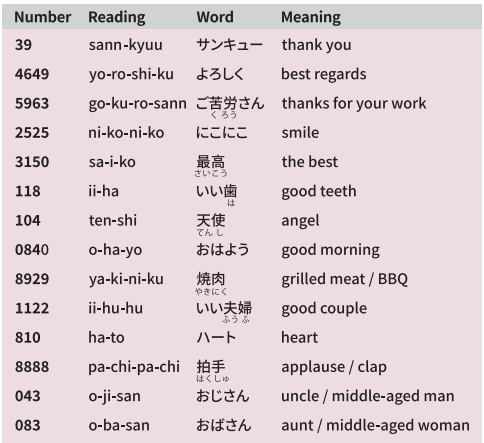
Finally, they suggest Room 39. The number 39 can be read san-kyuu, which sounds very close to “thank you” in English. This kind of wordplay is something many Japanese people enjoy.
最後は39号室を提案しました。39は「サンキュー」と読めるため、英語の “thank you” によく似た音になります。こうした語呂合わせは、日本人にとても親しまれています。
■ 提案する [to suggest]
■ 語呂合わせ [wordplay / pun]
■ 親しまれている [be liked / be familiar to]
Maze Exit / 迷宮出口
What did the punchline reveal? / 今回のオチでわかったこと
Cultural Insight / 新しい発想・文化知識
Goro-Awase, Hidden Codes, and Wordplay in Japanese Numbers
数字が語る日本語の世界
Japanese numbers carry more than numerical value—they echo sounds, meanings, and even hidden messages. From playful goro-awase puns to coded expressions used online, numbers in Japanese culture often “speak” in creative and surprising ways. Once you begin to recognize these patterns, simple digits start to reveal humor, and personality.
日本語の数字は、単なる数ではなく、音や意味、リズムをもって“語る”存在です。語呂合わせや隠語、ネット表現など、数字は日本語文化の中で多様な役割を担っています。仕組みを知ると、数字の裏に潜むユーモアや感性が見えてきます。
Standard & Useful Goro-awase
一般の語呂合わせ
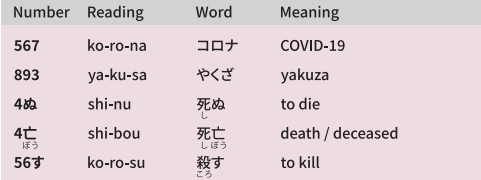
Hidden slang, BAN-avoidance, and other coded number expressions
隠語・BAN回避などの数字表現
On platforms where certain words (death, violence, illness, etc.) may be restricted, Japanese speakers often use numbers to express those concepts indirectly. Some of these codes also come from long-standing slang or subcultural usage.
SNSや動画サイトでは、死亡・暴力・病名などがNGワードになることがあり、数字で言い換える文化があります。また、古くから使われる隠語の数字も存在します。
This article is from the February 2026 issue of Hiragana Times.
この記事は、月刊誌『ひらがなタイムズ』2026年2月号より掲載しています。
建国記念の日――日本の「はじまり」を考える日Controversy Over Cabinet Official’s Nuclear Remarks
首相官邸幹部の「核保有発言」をめぐる論争
Information From Hiragana Times


Topics in Japan
-
![Japanese Minka—Homes Alive with Nature <br src=]() 自然の中で生きている日本民家" />
Japanese Minka—Homes Alive with Nature
自然の中で生きている日本民家" />
Japanese Minka—Homes Alive with Nature
自然の中で生きている日本民家 -
![The Man Who Chose Harmony in an Age of Blood | Prince Shōtoku <br src=]() 血の時代に、和を選んだ人 | 聖徳太子" />
The Man Who Chose Harmony in an Age of Blood | Prince Shōtoku
血の時代に、和を選んだ人 | 聖徳太子" />
The Man Who Chose Harmony in an Age of Blood | Prince Shōtoku
血の時代に、和を選んだ人 | 聖徳太子 -
![The Fish That Leads the Way into Autumn <br src=]() 秋の先頭を泳ぐ魚" />
The Fish That Leads the Way into Autumn
秋の先頭を泳ぐ魚" />
The Fish That Leads the Way into Autumn
秋の先頭を泳ぐ魚 -
![The House Has Ears, Eyes—and a Mouth <br src=]() 耳と目と口を持つ家" />
The House Has Ears, Eyes—and a Mouth
耳と目と口を持つ家" />
The House Has Ears, Eyes—and a Mouth
耳と目と口を持つ家 -
![Words the Home Holds <br src=]() 家がつつむ言の葉" />
Words the Home Holds
家がつつむ言の葉" />
Words the Home Holds
家がつつむ言の葉
 自然の中で生きている日本民家" />
 血の時代に、和を選んだ人 | 聖徳太子" />
 秋の先頭を泳ぐ魚" />
 耳と目と口を持つ家" />
 家がつつむ言の葉" />

