
Sumo as a Sacred Ritual / 相撲という神事
Japan Style – Hiragana Times August 2025 issue
Listen to the Audio:
Sumo as a Sacred Ritual: The Divine Contest of Strength that Has Long Protected Japan’s Land
相撲という神事――聖なる力比べが守り続けた日本の大地
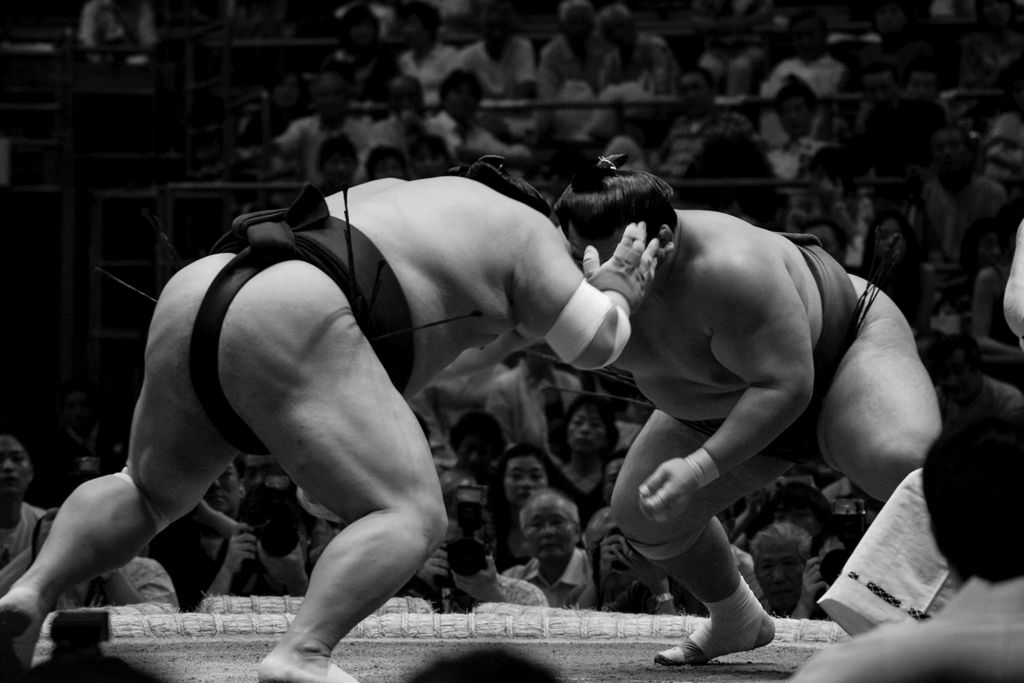
Sumo is a uniquely Japanese physical art form, in which wrestlers wearing only a ceremonial loincloth (mawashi) clash atop the earthen ring. With bodies forged through spirit and technique, they confront one another not merely in competition, but as a solemn expression of discipline and reverence. Underlying this tradition is a deep-rooted belief: that the human body is a sacred gift from the divine—pure, unarmed, and to be honored as such.
相撲は、廻しを締めた力士が土俵でぶつかり合う、日本独自の身体文化です。力士は廻し一つの姿で土に立ち、精神と技によって鍛え抜かれた身体をぶつけ合います。そこには、身体は神から授かった清らかなものとする考えが根づいています。
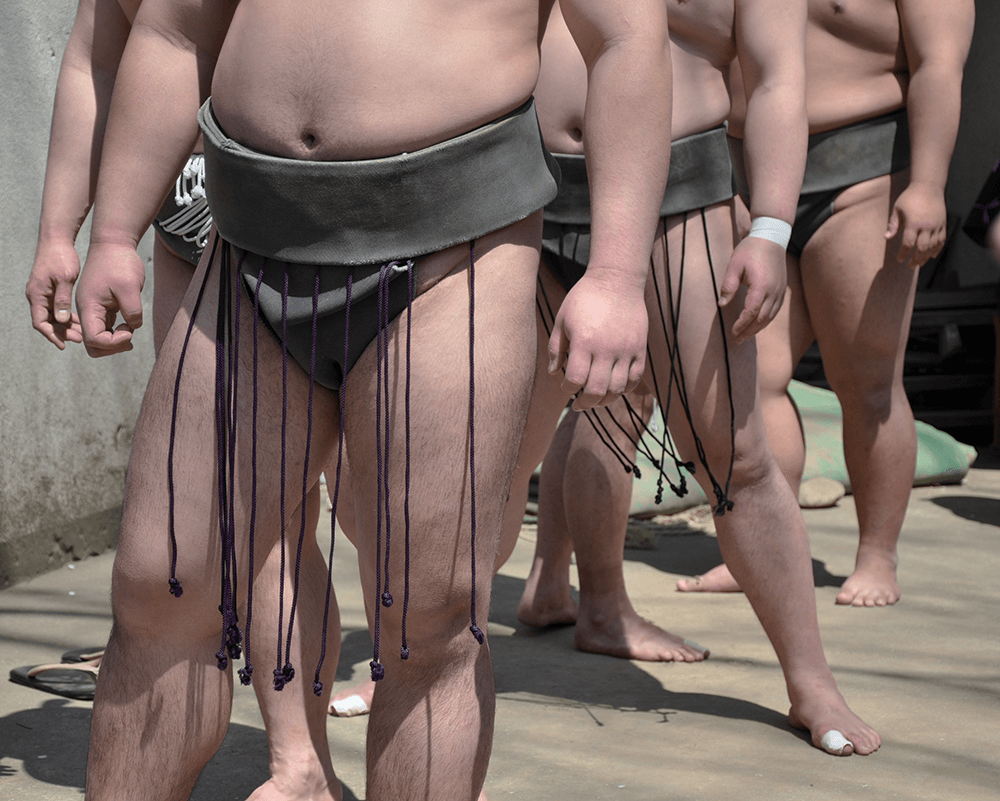
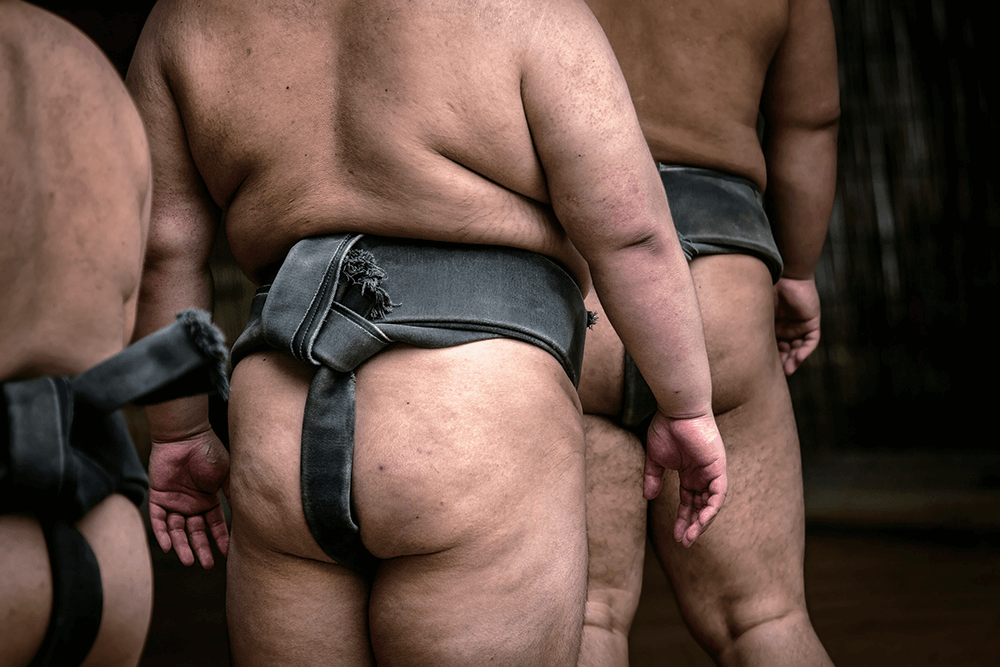
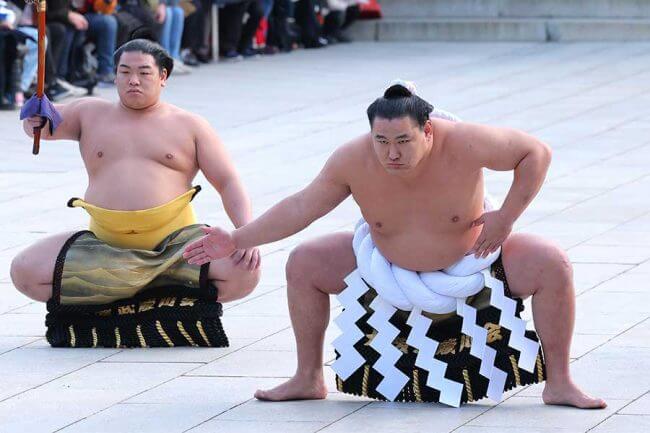
The mawashi is not merely a piece of clothing. Like the sacred rope (shimenawa) found at Shinto shrines, it is thick, twisted counterclockwise (to the left), and carries spiritual significance. Hanging from the front are sagari—strips that mark the boundary between the sacred and the secular. The very appearance of the wrestler, clad in this ritual attire, signifies that he stands within a sacred space, embodying the presence of one who enters a realm of divine encounter.
この「廻し」は、単なる衣服ではありません。神社のしめ縄と同じく太く、左撚り(反時計回り)に綯われた神聖な装束であり、前面には神域と俗世を隔てる「さがり」が垂れ下がっています。力士の姿そのものが、神聖な場に身を置く存在であることを物語っています。
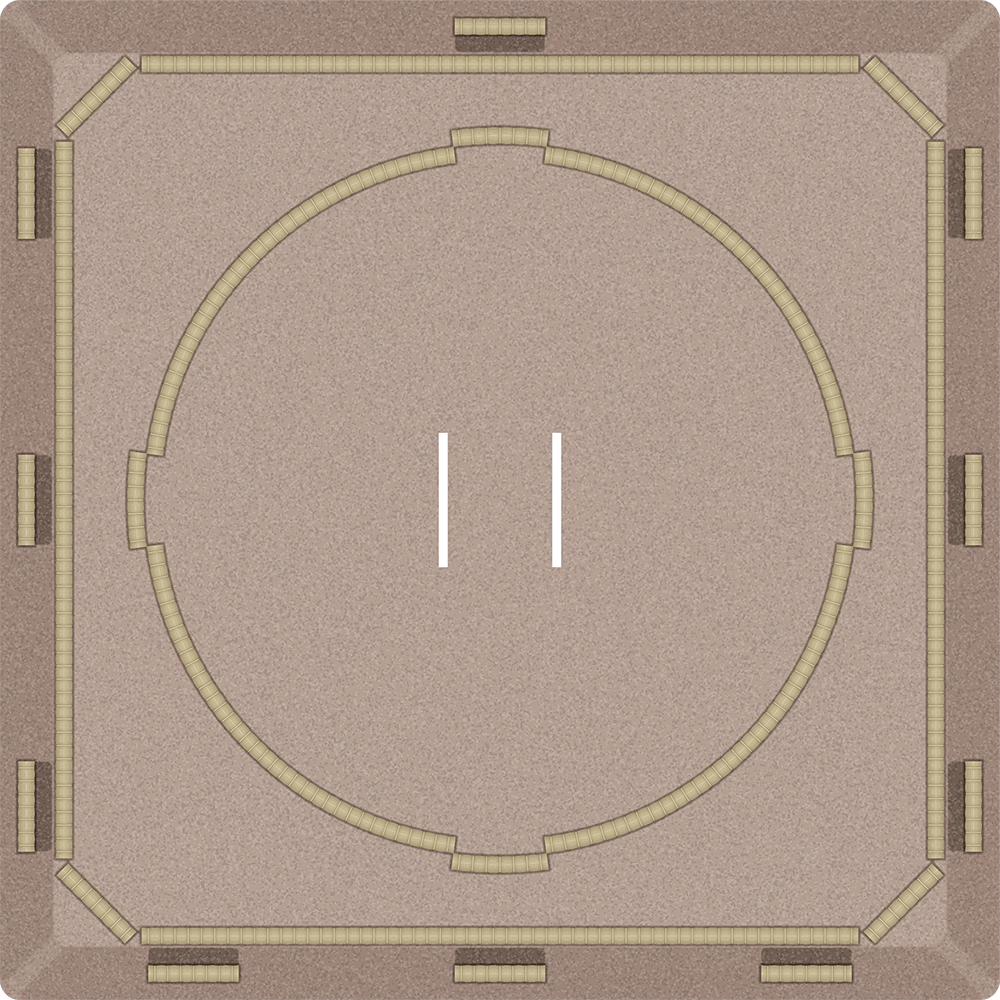
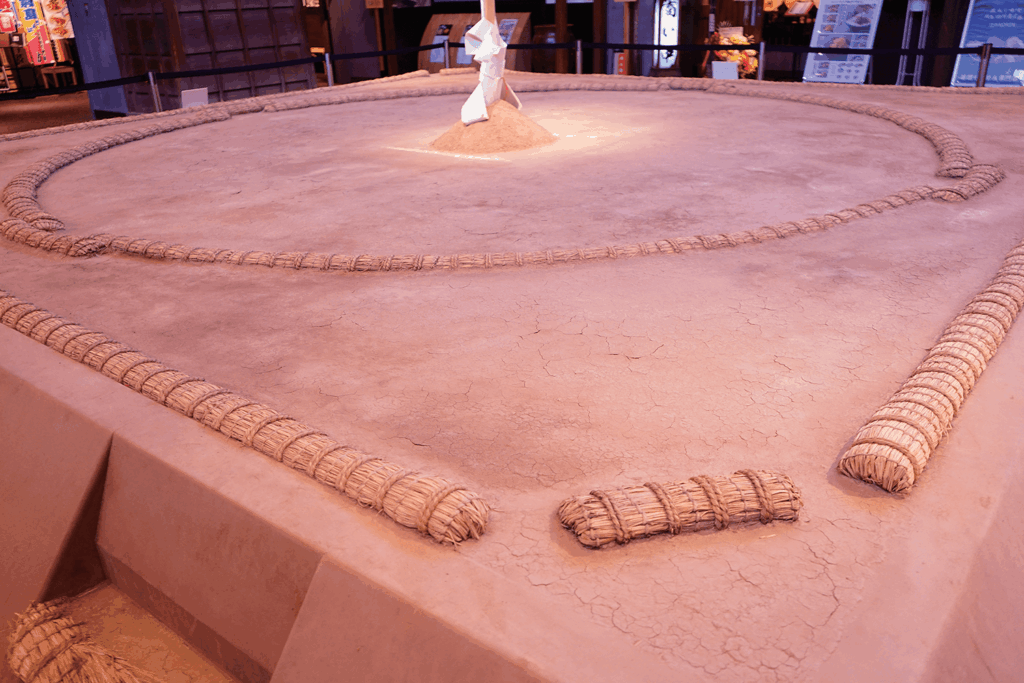
In the world of sumo—aptly called Kakukai, meaning “the square world”—the dohyō (sumo ring) is constructed by firmly packing the earth into a square base. At its center, a perfect circle measuring 4.55 meters (15 shaku) in diameter is outlined with rice-straw bales.
相撲の世界が「角界」と呼ばれるように、土俵は四角く土を突き固めて築かれ、その中央に直径4.55メートル(15尺)の円が俵で描かれています。
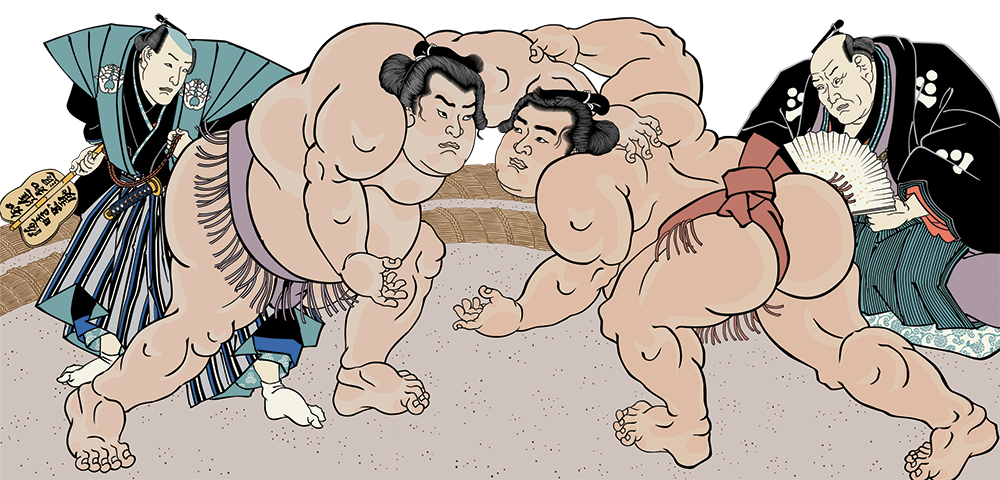
In the past, sumo matches were sometimes held on square dohyō without the circular ring we see today. Even now, in regions such as Iwate and Okayama, traditional sumo is still practiced on kaku-dohyō—square rings. Going further back in history, it is said that sumo was performed without any defined ring at all, inside a hitogaki—a naturally formed circle of spectators who gathered around the wrestlers.
かつては四角いままの土俵で取られていたこともあり、今も岩手県や岡山県では「角土俵」による相撲が伝えられています。さらに古くは、土俵という構造自体がなく、観客が自然に円を描く「人垣」の中で行われていたと伝えられています。
This circular formation is regarded as the prototype of today’s dohyō. Because it allowed the match to be viewed clearly from all four directions—east, west, south, and north—it eliminated blind spots, making it possible to judge the instant a wrestler stepped out with fairness and clarity.
この円形こそが現在の土俵の原型とされ、東西南北どの方向からも見渡せるため「死角」がなく、足が出た瞬間の判定も公正に行えました。
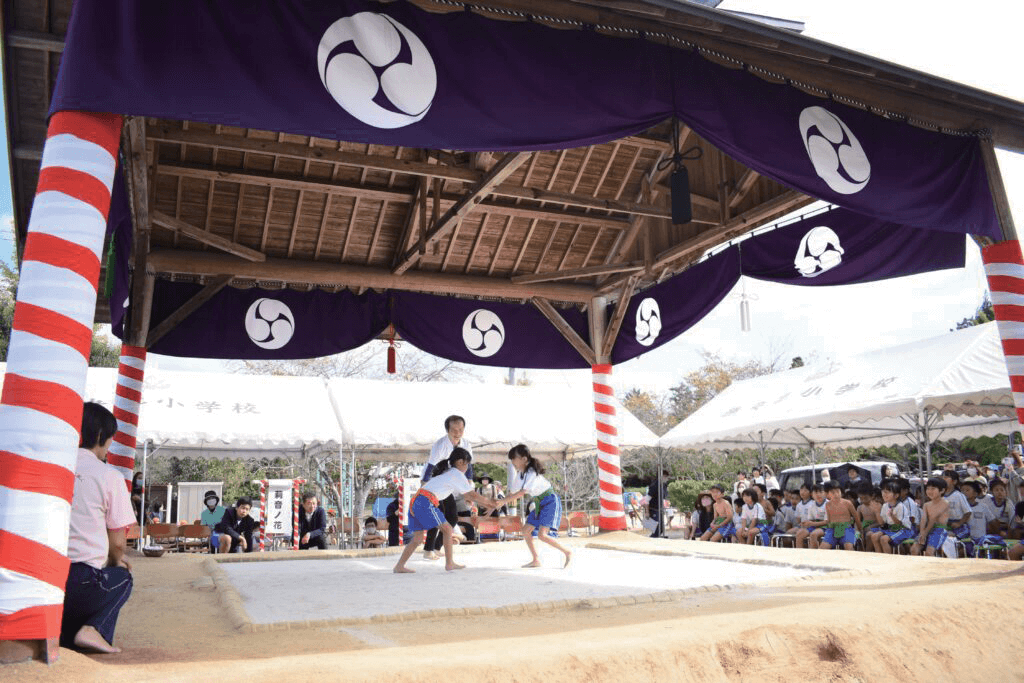
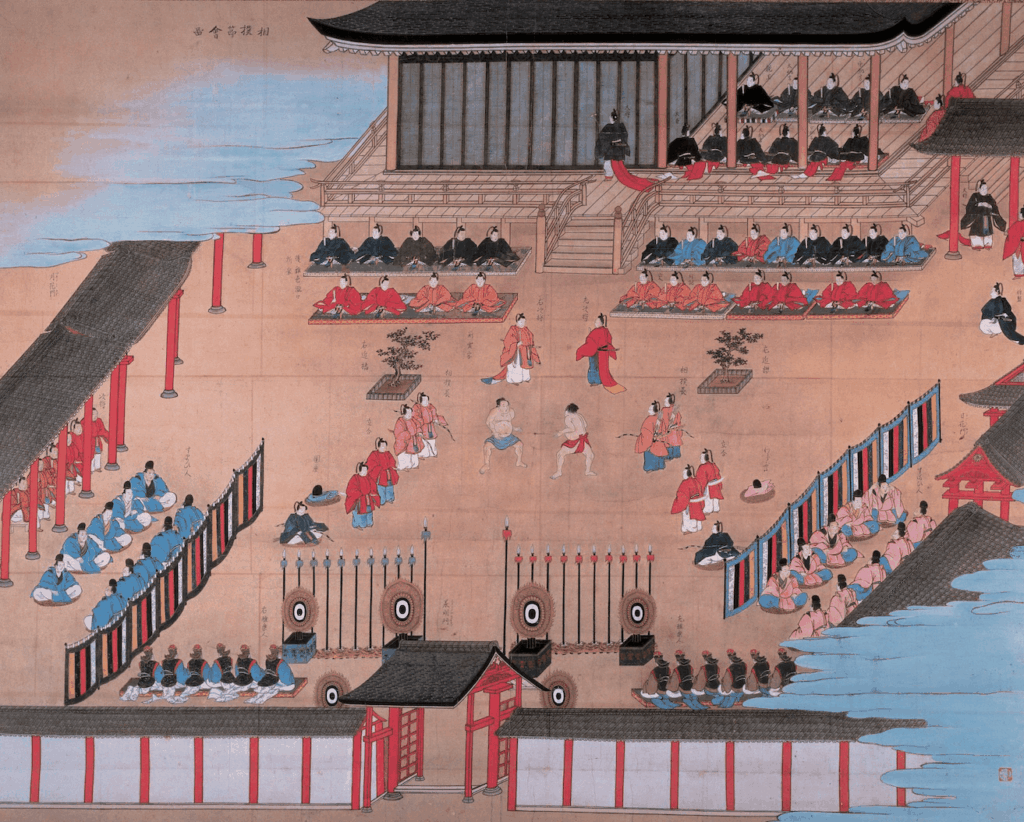
Sumo boasts a history of at least 1,500 years, evolving in form and function over the ages as it has been handed down to the present day. Its origins appear in mythology as a test of strength among the gods, and historical records of sumo first emerge during the Nara period. By the Heian period, it had become an established court ritual known as Sumai no Sechie, held to pray for a bountiful harvest.
相撲は、少なくとも1500年以上の歴史をもち、時代を追うごとに姿と役割を変えながら、現代へと受け継がれてきました。起源は神々の「力比べ」として神話に登場し、文献上は奈良時代にその記録が現れます。平安時代には、五穀豊穣を願う宮中の祭事「相撲節」として定着しました。
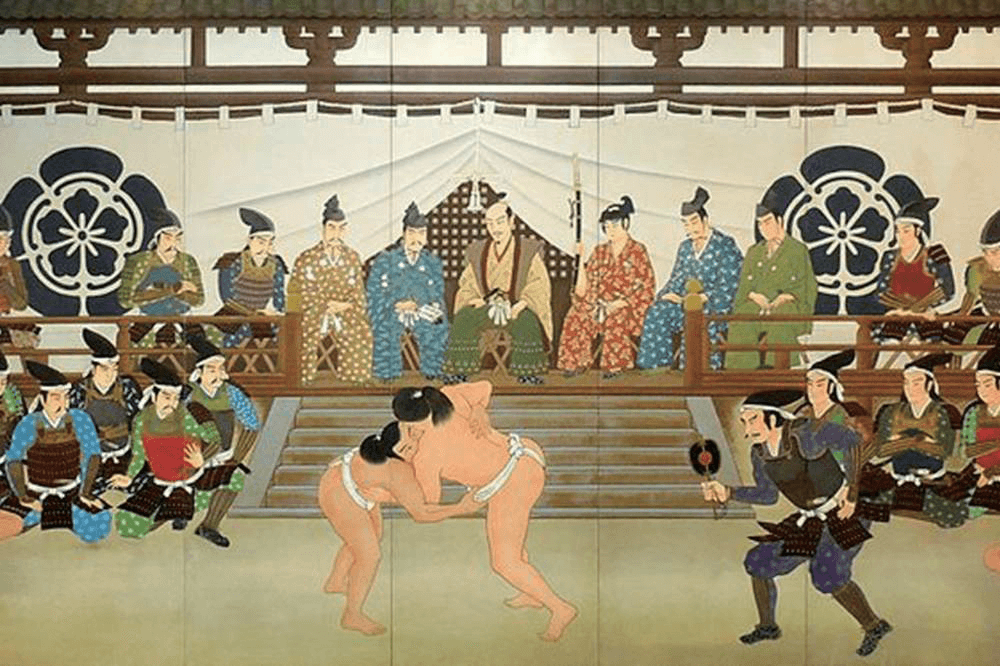
During the Warring States period (Sengoku Jidai), sumo was employed as a practical means to assess the strength and skill of retainers. Historical records also note that Oda Nobunaga held sumo matches, demonstrating its significance even in military and political contexts.
戦国時代には、家臣の力量を見極める実践的な手段として用いられ、織田信長も相撲を催した記録が残っています。
During the Edo period, sumo became a major form of entertainment among the common people, standing alongside kabuki in popularity. It was during this era that the foundations of modern ōzumō (professional sumo) were firmly established.
江戸時代には、歌舞伎と並ぶ庶民の一大娯楽となり、現在の大相撲の原型が形づくられました。
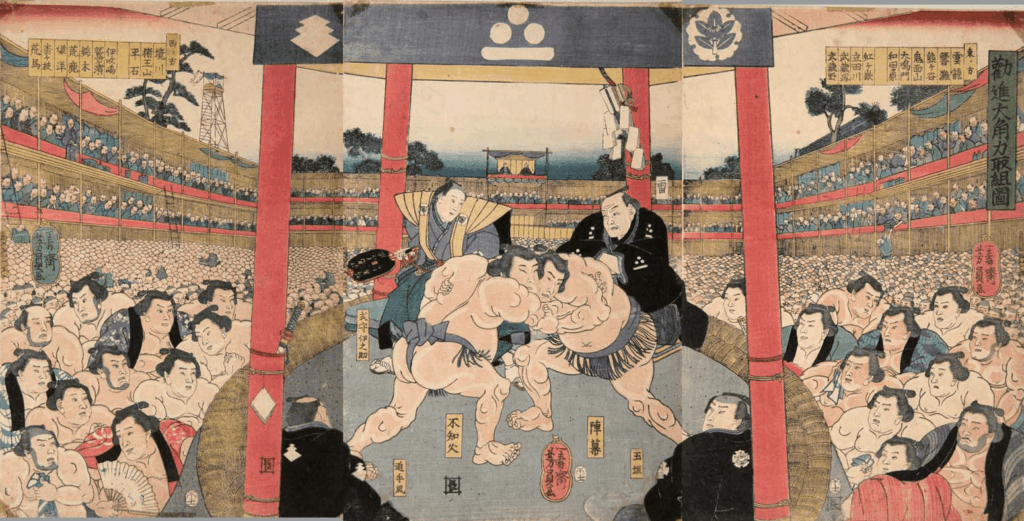
In this way, sumo has never been merely a contest of strength—it has been deeply intertwined with sacred ritual, politics, performing arts, and martial discipline, forming a core part of the Japanese spiritual and cultural identity. Above all, its role as a shinji—a ritual praying for bountiful harvests and national peace—has endured, with hōnō-zumō (dedicatory sumo) still held at shrines throughout Japan today.
このように相撲は、単なる勝負事ではなく、神事・政治・芸能・武道と深く結びつき、日本人の精神文化の中核を成してきたのです。なかでも、五穀豊穣や国の安寧を祈る”神事“としての性格は今も受け継がれ、奉納相撲は全国各地で続いています。
Even during ōzumō (grand sumo) regional tours, wrestlers step onto local dohyō to stamp the earth, drive out evil spirits, and purify the land. In this sense, sumo serves as a “traveling ritual,” delivering prayers across the country. The spirit of sumo as shinji—a sacred rite—continues to live on today in the wrestlers’ movements and in the very structure of the dohyō itself.
大相撲の巡業でも、各地の土俵で力士が大地を踏み鎮め、邪気を祓い、土地を清める——相撲は”移動する神事“として、日本各地に祈りを届けているのです。こうした”神事“としての相撲の精神は、力士の所作や土俵の構造に今なお息づいています。
🟤 The Ritual Movements of the Rikishi (Sumo Wrestlers) | 力士の所作
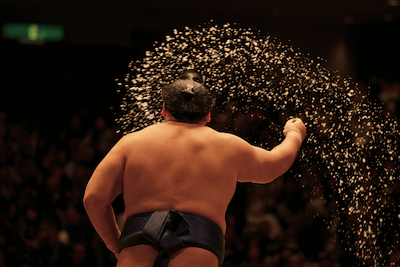
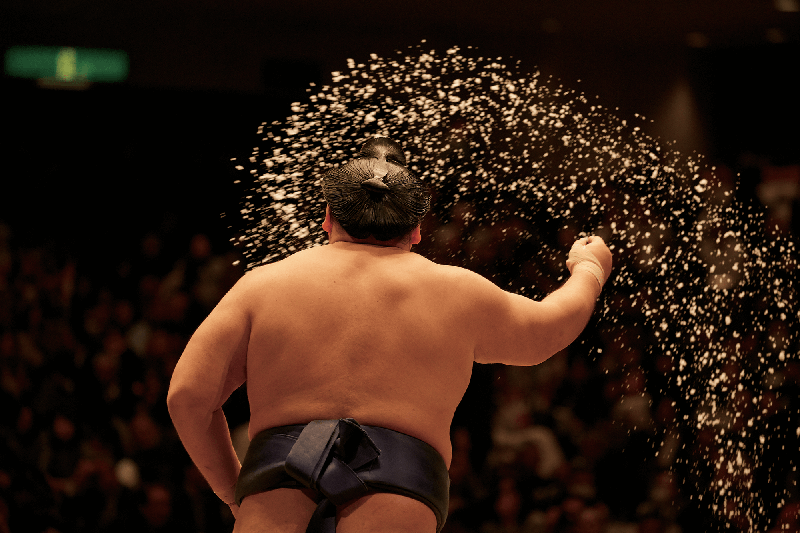
Scattering Salt — Purifying the Ring and Offering Prayers to the Divine|塩まき――土俵を清め、神に祈る
Before stepping into the ring, a rikishi scatters salt onto the dohyo. Known as “cleansing salt,” this act is akin to purification rituals performed at Shinto shrines. It serves to ward off evil spirits, sanctify the ground, and offer silent prayers before taking the first step. Each wrestler has their own unique way of casting the salt, making this simple gesture a personal expression of reverence.
力士は土俵に上がる前に塩を撒きます。これは「清めの塩」と呼ばれ、神社で行われるお祓いと同じ意味を持ちます。土俵を清め、邪気を祓い、神への祈りを込めて一歩を踏み出します。取り組みごとに何度も撒かれ、撒き方にも力士ごとの個性があります。
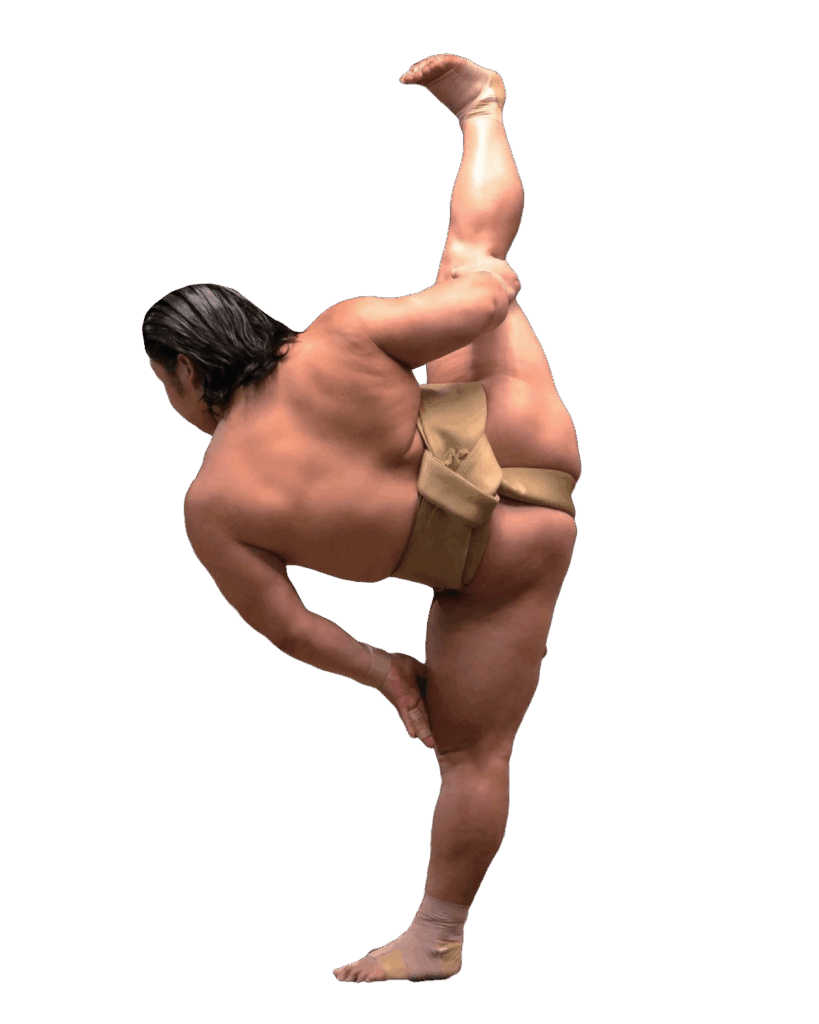
Shiko — Stomping to Suppress Evil Spirits|四股――邪気を踏み鎮める
One of the most striking movements on the dohyo is shiko, in which a wrestler lifts one leg high and forcefully stomps it down. Since ancient times, this act has symbolized the subjugation of “impure” or evil forces. It is a sacred motion believed to drive out malevolent spirits lurking in the earth and to purify the arena, reaffirming the spiritual foundation of sumo.
土俵上で最も印象的な動作「四股」は、片足を高く上げ、力強く踏み下ろす所作です。古くから「醜いもの」を地に封じる意味があり、地中に潜む邪気を鎮め、場を清める神聖な動作とされています。
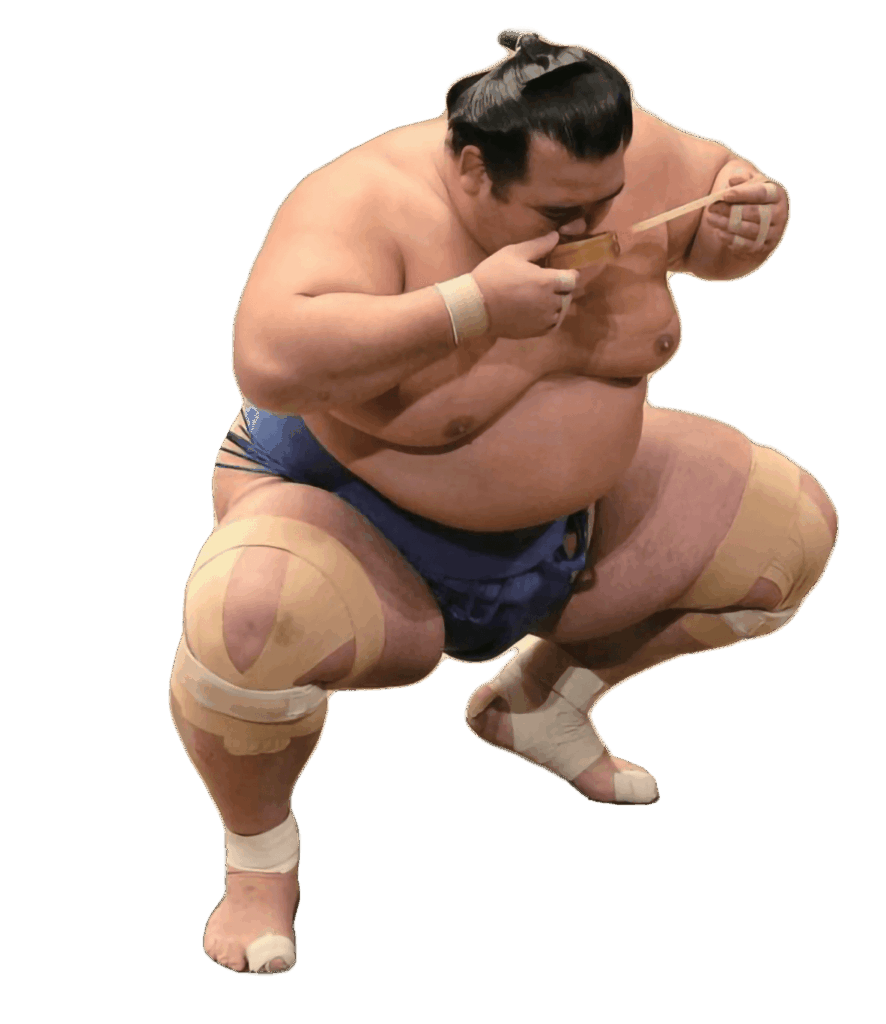
Chikara-mizu and Chikara-gami — Purifying Body and Mind|力水・力紙――身体と心を清める
Before a bout, wrestlers rinse their mouths with chikara-mizu (“power water”), a ritual act similar to the temizu purification performed before entering a Shinto shrine. They then wipe their mouths with a white paper cloth called chikara-gami. Together, these actions serve to cleanse both body and spirit, allowing the wrestler to step onto the dohyo in a state of ritual purity.
取り組み前に口をすすぐ「力水」は、神事における手水と同様の意味を持ちます。続けて白い「力紙」で口を拭うことで、心身を清め、清らかな状態で土俵に臨みます。
Sonkyo — A Posture of Respect and Readiness|蹲踞――敬意と覚悟の姿勢
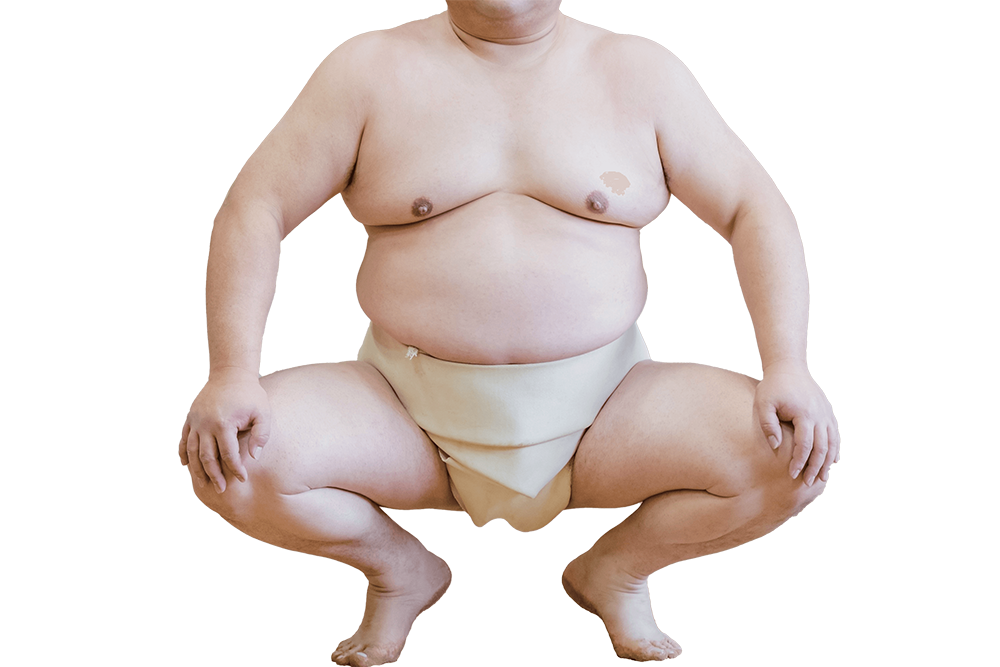
Sonkyo is the fundamental stance a wrestler assumes upon stepping onto the dohyo. With knees wide apart, back straight, and fingertips resting lightly on the knees while standing on the balls of the feet, this posture embodies both reverence toward the opponent and a calm mental readiness. Seen in traditional martial arts and religious rituals alike, sonkyo is a classic expression of “stillness and respect” in Japanese spiritual culture.
土俵に上がった力士が取る基本姿勢が「蹲踞」。爪先立ちで膝を大きく開き、背筋を伸ばして手を膝に置くこの姿勢は、相手に対する敬意と、心身を整える覚悟の表れです。蹲踞は武道や神事でも見られる「静と礼」の基本姿勢です。
Chirichozu — A Vow to Fight Unarmed|塵手水――刀を持たぬ戦いの誓い
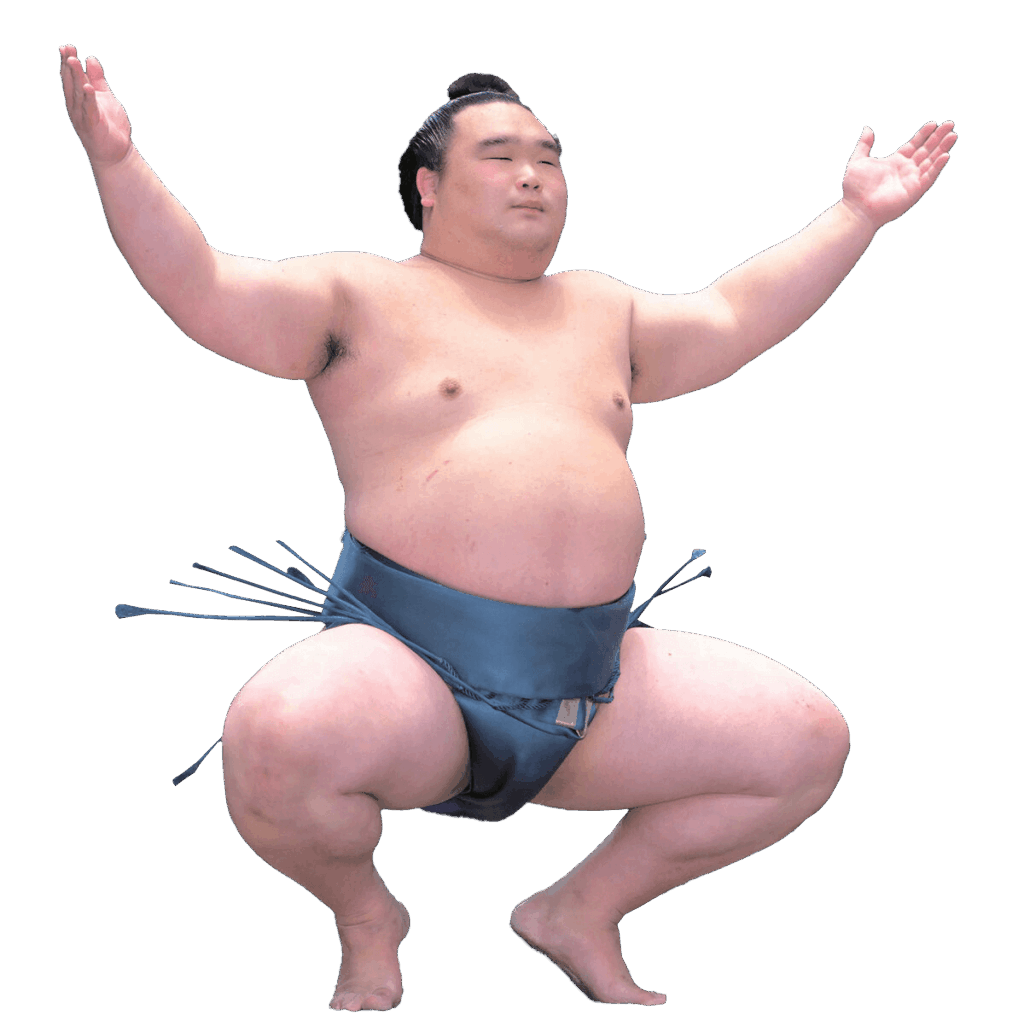
Chirichozu is the ritual gesture performed after sonkyo, where the wrestler claps his hands, extends his arms, and displays his open palms to the audience. This act purifies the body and spirit while also symbolizing the absence of weapons—a declaration of fair combat. It is a solemn moment in which the wrestler pledges sincerity, respect for the opponent, and readiness to face the match with honor, reflecting the sacred nature of sumo as a ritual rather than mere sport.
蹲踞の後、力士は柏手を打ち、両手を広げて手のひらを見せる所作を行います。これは身の穢れを払い、心を整え、「武器は持っていません」という潔白の証であり、相手への敬意を示す意味も含みます。力士が神と相手、そして自身の内なる誓いに向き合う瞬間でもあります。
A-un no Kokyū — Harmonizing Breath, Connecting Hearts|阿吽の呼吸――呼吸を合わせて心を通わせる
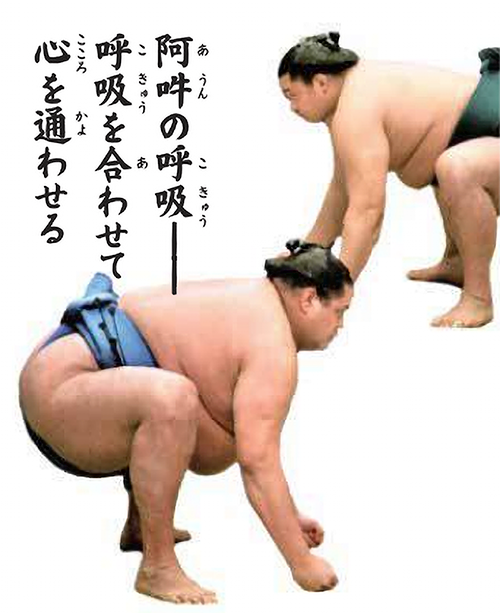
The a-un no kokyū—literally “the breath of A and Un”—is a concept rooted in Buddhism, referring to the synchronized breathing between two individuals. In sumo, it is the sacred exchange that takes place at the tachiai (initial charge), as the two wrestlers seek a shared moment of harmony before clashing. Within that intense stillness, their spirits rise, and the moment of release becomes an explosion of stored energy. It is here, in this silent communion, that the spiritual intensity and dramatic power of sumo truly reside.
相撲の立ち合いで求められる「阿吽の呼吸」は、仏教に由来し、呼吸を合わせて心を通わせることで、力士同士が”調和の間“を探る神聖なやり取りです。その静けさの中で気が高まり、蓄えられたエネルギーが一気に解き放たれる――そこにこそ、立ち合いの迫力と神聖さが宿っています。
Ring Names and Nature Worship — Invoking the Spirit of Mountains, Seas, Wind, and Sky|力士の名前と自然信仰――山・海・風・空に宿る力
Many rikishi adopt ring names (shikona) that include characters like “-yama” (mountain), “-umi” (sea), “kaze” (wind), or “ryū” (dragon)—symbols drawn from nature and the spiritual realm. These names reflect Japan’s ancient tradition of nature worship, or animism, in which all things in the natural world are believed to possess a spiritual essence. In this way, a sumo wrestler’s name becomes more than an identity—it becomes a vessel of sacred power, echoing the forces of nature they embody in the ring.
多くの力士の四股名には「○○山」「○○海」「風」「龍」など、自然や霊的な存在を表す文字が使われています。これは、日本古来の自然信仰(アニミズム)を体現しているとも言えるでしょう。
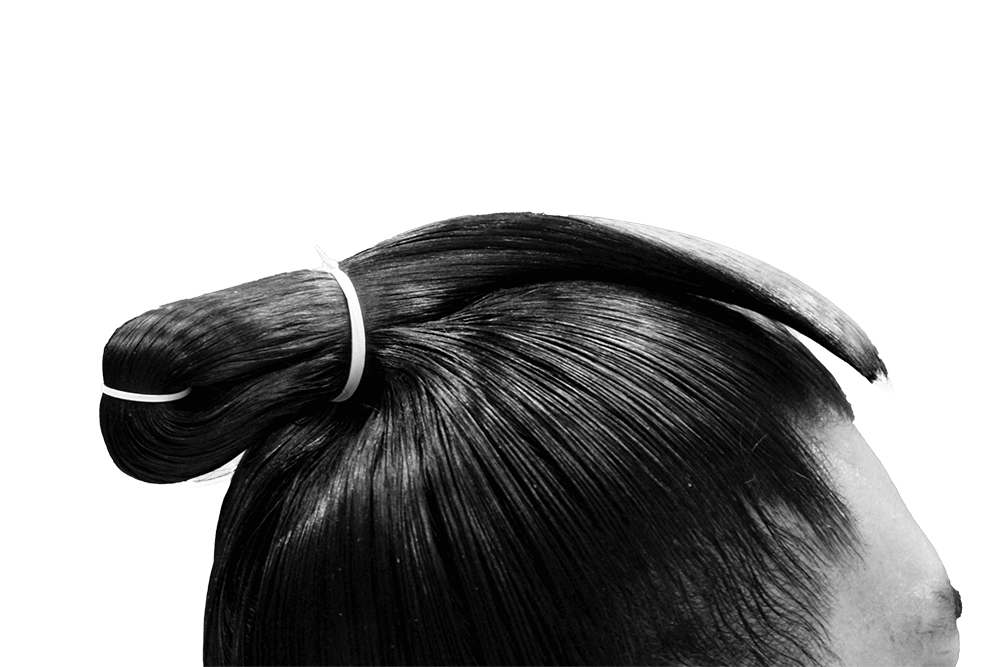
The Topknot (Mage) — A Symbol of Dignity and Sacred Devotion|髷――威厳と祈りを背負う象徴的な姿
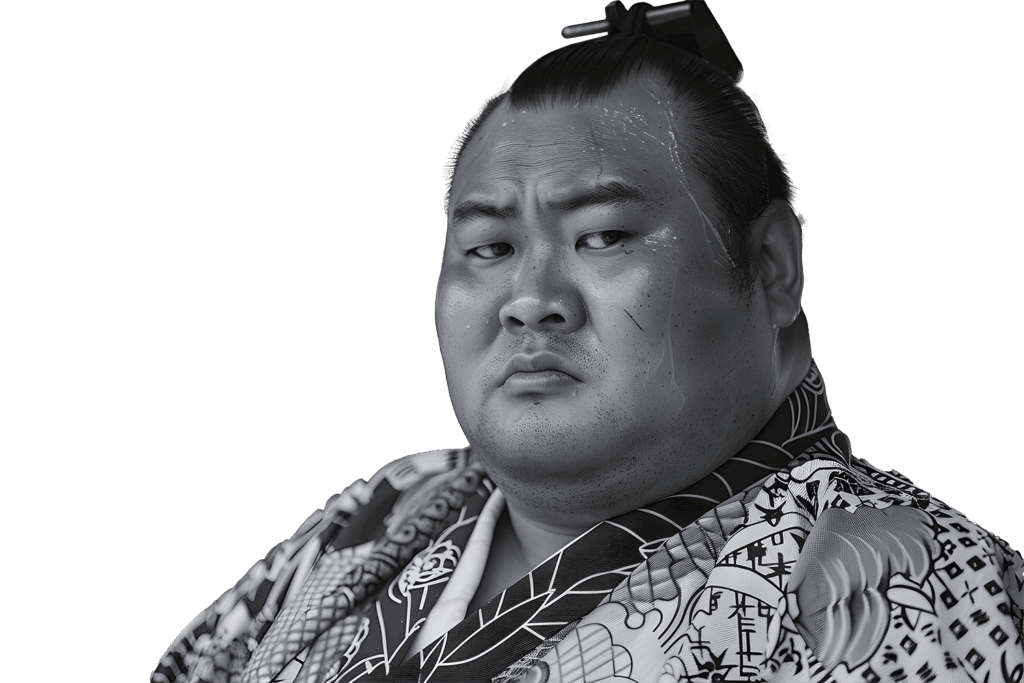
The topknot (mage) worn by sumo wrestlers is more than a hairstyle—it is a sacred adornment that embodies the dignity of those who step into the ring. The ōichō (great ginkgo leaf) style, in particular, traces its origins to the samurai of the Edo period and conveys a sense of formality and refinement. As a part of sacred ceremony, the mage signifies the wrestler’s solemn readiness to participate in divine rituals. Upon retirement, a ritual hair-cutting ceremony (danpatsu-shiki) is held, during which the topknot is severed—a powerful moment that marks the close of a wrestler’s career, witnessed with reverence, gratitude, and heartfelt prayers.
力士の髷は、神聖な姿を整えるための重要な所作です。なかでも「大銀杏」と呼ばれる結い方は、江戸時代の武士に由来し、格式と品格を象徴します。髷は、神事の場に立つ者の威厳と覚悟を示す、神聖な装束でもあります。引退の際には髷を切り落とす断髪式が行われ、その人生の節目を多くの人が見届け、労いと祈りを捧げます。
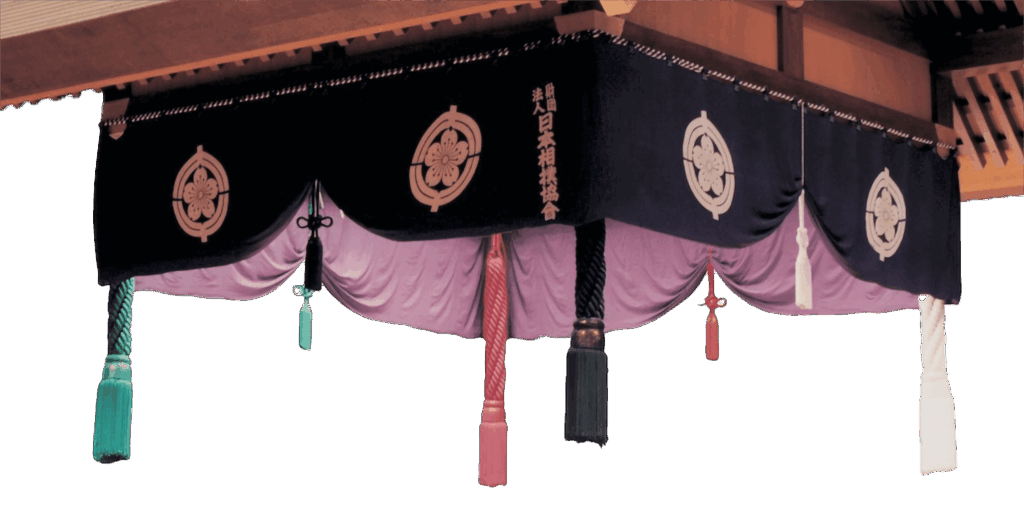
🟤 The Dohyō and Its Symbolism | 土俵とその象徴性
Continue Reading in Hiragana Times
続きを読む — Hiragana Times 本誌へ

Digital Packages
Read and listen in your browser — available in bundles.
誌面と音声を、パッケージでご利用いただけます。
More From Hiragana Times

Join the Hiragana Times Discord Community — Free!
Connect with readers worldwide — free, open, and always welcoming.
世界の読者とつながる、無料のDiscordコミュニティへようこそ。

Online Japanese lessons, run by Hiragana Times.
One month free for Hiragana Times subscribers.
ひらがなタイムズ定期購読者は、1ヶ月無料でご受講いただけます。
Information From Hiragana Times


Topics in Japan
-
![Words That Live with Insects <br src=]() 虫と暮らす言の葉" />
Words That Live with Insects
虫と暮らす言の葉" />
Words That Live with Insects
虫と暮らす言の葉 -
![Bugs Live in the Belly <br src=]() 腹に虫が住む" />
Bugs Live in the Belly
腹に虫が住む" />
Bugs Live in the Belly
腹に虫が住む -
![Voices of Insects — The Soundtrack of Autumn in Japan <br src=]() 虫の声 ― 日本の秋のBGM" />
Voices of Insects — The Soundtrack of Autumn in Japan
虫の声 ― 日本の秋のBGM" />
Voices of Insects — The Soundtrack of Autumn in Japan
虫の声 ― 日本の秋のBGM -
![The Worms Within Came from the Universe <br src=]() 腹の虫は、宇宙から来た" />
The Worms Within Came from the Universe
腹の虫は、宇宙から来た" />
The Worms Within Came from the Universe
腹の虫は、宇宙から来た -
![Ito Jakuchū — An Eye for Life <br src=]() 伊藤若冲 ―― いのちを見る眼" />
Ito Jakuchū — An Eye for Life
伊藤若冲 ―― いのちを見る眼" />
Ito Jakuchū — An Eye for Life
伊藤若冲 ―― いのちを見る眼
 虫と暮らす言の葉" />
 腹に虫が住む" />
 虫の声 ― 日本の秋のBGM" />
 腹の虫は、宇宙から来た" />
 伊藤若冲 ―― いのちを見る眼" />

