Japan: A Nation of Addition, Multiplication, and Harmony


Japan Style – Hiragana Times February 2025 Issue

Listen to the Audio:

Japan: A Nation of Addition, Multiplication, and Harmony

して、けて、するくに日本にほん


In the United States, over 240 million people, accounting for about 70% of the population, identify as Christians, and there are approximately 120,000 churches.
アメリカAmericaでは、人口じんこうやく70%にあたる2おく4,000万人まんにん以上いじょうキリストChrist教徒きょうとであり、教会きょうかいかずはおよそ12まんにものぼります。

On the other hand, Japan, with a total population of about 120 million, roughly 2/5 that of the United States, and a land area just 1/26 of the size, has approximately 165,000 shrines and temples. Furthermore, when including smaller shrines attached to major ones, the number of shrines is said to exceed 300,000.
一方いっぽう日本にほん総人口そうじんこうやく1おく2,000万人まんにんアメリカAmericaやく2/5であり、国土面積こくどめんせきいたっては1/26程度ていど大幅おおはばちいさいにもかかわらず、やく16まん5,000の神社仏閣じんじゃぶっかく存在そんざいします。さらに、神社じんじゃにおいては、主要しゅよう神社じんじゃ付属ふぞくする小規模しょうきぼ神社じんじゃふくめるとそのかずは30万社まんしゃ以上いじょうたっするとわれています。

Shrines are facilities where the deities of Japan’s indigenous Shinto religion are enshrined, and rituals are performed, while temples (Buddhist temples) house Buddhist statues and conduct Buddhist ceremonies.
神社じんじゃ日本にほん固有こゆう神道しんとう神々かみがみまつ神事しんじおこなう、てら仏閣ぶっかく)は仏像ぶつぞうまつ仏事ぶつじおこな施設しせつです。

The history of shrines is older than that of temples, dating back to the 5th to 3rd centuries BCE. Before the arrival of Buddhism, mountains, forests, rivers, and rocks themselves were revered as sacred and became objects of worship.
神社じんじゃ歴史れきしてらよりもふるく、紀元前きげんぜん5~3世紀せいきまでさかのぼるとされています。仏教ぶっきょう伝来でんらいする以前いぜん日本にほんではやまもりかわいわなど、自然しぜんそのものが神聖視しんせいしされ、崇拝すうはい対象たいしょうとされていました。

This practice, known as animism, later merged with Buddhism, forming a unique Japanese religious system called Shinbutsu-shūgō (the syncretism of Shinto and Buddhism) that endured for over 1,000 years.
これが自然崇拝しぜんすうはいアニミズムanimism)であり、この土着信仰どちゃくしんこう仏教ぶっきょう融合ゆうごうし、神仏習合しんぶつしゅうごうというかたちで1000年以上ねんいじょうにわたり日本独自にほんどくじ信仰体系しんこうたいけい形成けいせいされてきました。

However, with the Meiji Restoration in 1868 and the enactment of the Shinbutsu Bunri (Separation of Shinto and Buddhism), shrines and temples were formally divided, resulting in the independent institutions we see today.
しかし、明治維新めいじいしん(1868ねん)の神仏分離令しんぶつぶんりれいにより、神社じんじゃてら分離ぶんりされ、現在げんざいのようにそれぞれ独立どくりつした施設しせつとして存在そんざいするようになりました。

During the Jomon period, which was centered around hunting and gathering, it is believed that a peaceful and prosperous society flourished for over 10,000 years.
狩猟しゅりょう中心ちゅうしんだった縄文時代じょうもんじだいには、1万年以上まんねんいじょうにわたり平和へいわ繁栄はんえいした社会しゃかいきずかれていたとかんがえられています。

The descendants of the sun goddess Amaterasu, known as the Tenson clan (migratory people), sought to claim this land.
このを、天照大神あまてらすおおみかみとする天孫族てんそんぞく渡来系民族とらいけいみんぞく)がれようとしました。

At that time, the region was governed by the land of Izumo, and Amaterasu Ōmikami sent emissaries many times. However, some of the emissaries were so captivated by the richness and allure of the land that they ended up staying there, and negotiations did not proceed as intended.
当時とうじその統括とうかつしていたのは出雲いずもくにであり、天照大神あまてらすおおみかみ何度なんど使者ししゃおくりました。しかし、使者ししゃたちはそのゆたかさや魅力みりょくこころうばわれてそのまま居着いついてしまうこともあり、交渉こうしょうおもうようにすすみませんでした。

Ultimately, Amaterasu sent Takemikazuchi-no-Mikoto and Futsunushi-no-Okami, gods of war, to negotiate by demonstrating their power. As a result, a peaceful transfer of the land was achieved, avoiding conflict.
最終的さいしゅうてきに、天照大神あまてらすおおみかみたたかいのかみである武甕槌命たけみかづちのみこと経津主大神ふつぬしのおおかみおくり、ちからせつけるかたち交渉こうしょうおこないました。結果けっかあらそいをけた平和的へいわてき国譲くにゆずりが実現じつげんしました。

Takemikazuchi-no-Mikoto and Futsunushi-no-Ōkami, who played key roles in this negotiation, were later enshrined in Kashima Jingū (then known as Kashima Shrine) and Katori Jingū (then known as Katori Shrine), respectively.
この交渉こうしょう活躍かつやくした武甕槌命たけみかづちのみこと経津主大神ふつぬしのおおかみはその後、鹿島神宮かしまじんぐう当時とうじ鹿島社かしましゃ)と香取神宮かとりじんぐう当時とうじ香取社かとりしゃ)にそれぞれまつられることになりました。

Kashima Jingū (in Kashima City, Ibaraki Prefecture) and Katori Jingū (in Katori City, Chiba Prefecture) have a Kanameishi (keystone), which is believed to have the power to calm earthquakes. This Kanameishi is a massive natural stone buried deep underground and has been revered by ancient people.
鹿島神宮かしまじんぐう茨城県いばらきけん鹿嶋市かしまし)と香取神宮かとりじんぐう千葉県ちばけん香取市かとりし)には、地震じしんしずめるちからがあるとされる要石かなめいし存在そんざいします。この要石かなめいし地中深ちちゅうふかくまでまっている巨大きょだい自然石しぜんせきで、古代こだい人々ひとびとあがめられてきました。

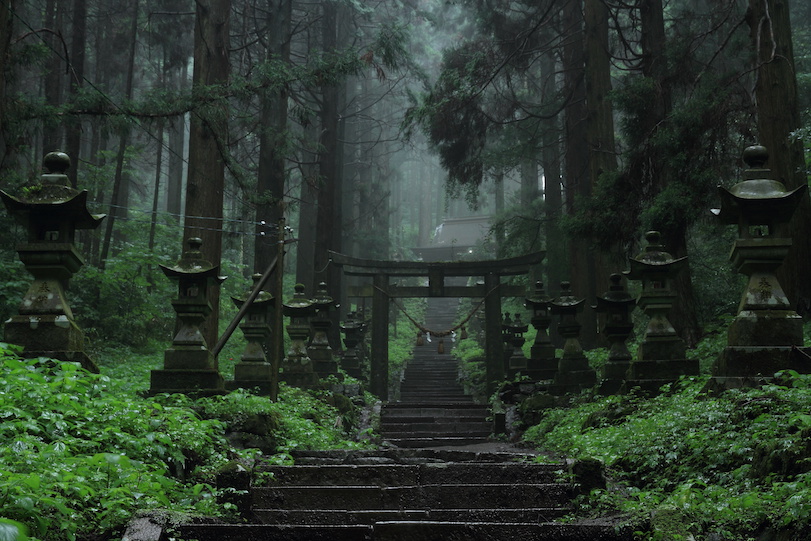
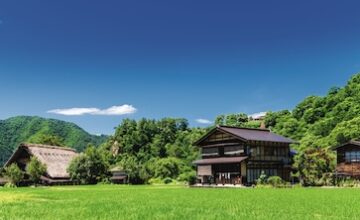
Shrine in forest

Additionally, Kashima Jingū also enshrines Ōkuninushi-no-Mikoto, who was the counterpart in the land transfer negotiations. In addition to calming earthquakes, it plays an important role alongside the gods who brought peace, supporting the peace and order of all Japan.
さらに、鹿島神宮かしまじんぐうには国譲くにゆずりの相手あいてであった大国主命おおくにぬしのみことまつられています。地震じしん鎮静ちんせいだけでなく、平和へいわをもたらした神々かみがみともに、日本全体にほんぜんたい平和へいわ秩序ちつじょささえる存在そんざいとして重要じゅうよう役割やくわりたしています。

The Tenson clan gained governing authority through the land transfer, but their effective control did not immediately extend across all of Japan. Indigenous clans and powers were still scattered across the Japanese archipelago, and the Yamato region (modern-day Nara) was especially known as a politically and geographically important hub.
天孫族てんそんぞくは、国譲くにゆずりによって統治権とうちけんったものの、その実効力じっこうりょく即座そくざ日本全土にほんぜんどおよぶことはありませんでした。依然いぜんとして、土着どちゃく豪族ごうぞく勢力せいりょく日本列島各地にほんれっとうかくち分散ぶんさんしており、とく大和地方やまとちほう現在げんざい奈良なら)は、政治的せいじてきにも地理的ちりてきにも重要じゅうよう拠点きょてんとしてられていました。

Thus, Amaterasu Ōmikami entrusted her grandson Ninigi-no-Mikoto with the Three Sacred Treasures and initiated new governance over the Japanese archipelago. Ninigi-no-Mikoto established his base in the land of Takachiho, consolidating his power and laying the foundation for governance.
そこで、天照大神あまてらすおおみかみまご瓊瓊杵尊ににぎのみこと三種みくさ神器じんぎたくし、日本列島にほんれっとうでのあらたな統治とうち開始かいしさせました。瓊瓊杵尊ににぎのみこと高千穂たかちほ拠点きょてん勢力せいりょくかため、統治とうち基盤きばんきずきました。

Later, during the era of his great-grandson Iwarebiko, efforts to expand governance further led to a campaign eastward toward the Yamato region. Yamato, with its vast plains suitable for agriculture, had long been a land of powerful clans and was a key region for extending the Tenson clan’s governance across Japan.
そして、曽孫ひまごにあたるイワレビコIwarebiko時代じだいになると、統治とうちをさらに拡大かくだいしようと大和地方やまとちほう目指めざしてひがし進軍しんぐんします。大和やまと平地へいちひろがり農業のうぎょうにもてきしており、ふるくから豪族ごうぞくたちがちから土地とちひとつで、天孫族てんそんぞく統治とうち日本全土にほんぜんどひろげるかぎとなる土地とちだったのです。

After three failed attempts, on the fourth attempt, they were guided by a figure (or clan) known as Yatagarasu, and finally defeated Nagasunehiko, who ruled over the Nara region, successfully conquering the land.
3失敗しっぱいて、4度目どめこころみで八咫烏やたがらすばれる人物じんぶつみちびきにたすけられ、ついには奈良なら支配しはいしていた長髄彦ながすねひこ勝利しょうりし、奈良なら征服せいふくしました。

Yatagarasu is known as a three-legged being and is now the symbol of the Japan Football Association. Additionally, some believe that the image of this three-legged crow represents an elderly person with a staff, symbolizing “wisdom,” “experience,” and “spiritual guidance.”
八咫烏やたがらす」は3ほんあし存在そんざいとしてられ、現在げんざいでは日本にほんサッカーsoccer協会きょうかいシンボルsymbolにもなっています。また、この3ほんあしったカラスの姿すがたは、「知恵ちえ」「経験けいけん」「霊的れいてきみちびき」を象徴しょうちょうするつえをついた老人ろうじんしているのではないかとかんがえるひともいます。

Having conquered the land of Yamato, Iwarebiko ascended the throne as Emperor Jimmu, the first emperor of the Yamato Court. This event is traditionally dated to January 1, 660 BCE (according to the lunar calendar). From that day to the present 126th Emperor, Reiwa Tennō, the Japanese imperial line has been passed down as a single unbroken lineage.
こうして大和やまと征服せいふくしたイワレビコIwarebikoは、ヤマトYamato王権おうけん初代しょだい天皇てんのうである神武天皇じんむてんのうとして即位そくいします。その時期じき紀元前きげんぜん660ねん1がつ1にち旧暦きゅうれき)とされています。このから現在げんざいだい126だい令和天皇れいわてんのういたるまで、日本にほん天皇てんのうひとつの血統けっとうとしてがれてきました。

Yatagarasu symbol

The Three Sacred Treasures entrusted by Amaterasu Ōmikami to the Tenson clan (Ninigi-no-Mikoto) consist of the Yata-no-Kagami, representing “wisdom”; the Kusanagi-no-Tsurugi, representing “military power”; and the Yasakani-no-Magatama, representing “spiritual power.” The emperor has always carried these treasures as symbols of authority and used them to govern the nation.
天照大神あまてらすおおみかみ天孫族てんそんぞく瓊瓊杵尊ににぎのみこと)にたくした三種みくさ神器じんぎは、「知力ちりょく」をつかさど八咫鏡やたのかがみ、「武力ぶりょく」をつかさど草薙剣くさなぎのつるぎ、そして「霊力れいりょく」をつかさど八尺瓊勾玉やさかにのまがたまからります。天皇てんのうはこれらの神器じんぎつねたずさえ、国家統治こっかとうちおこなってきました。

However, during the reign of the 10th Emperor, Emperor Sujin, a series of epidemics and disasters occurred, and it was decided that the spiritual power of the sacred treasures was too strong, leading to their being enshrined separately.
しかし、疫病えきびょう災害さいがい相次あいついだだい10だい崇神天皇すじんてんのう時代じだいに、神器じんぎ霊力れいりょくつよすぎるとして神器じんぎ分散ぶんさんしてまつることになりました。

The Yata-no-Kagami was moved to Ise Jingū as a symbol of Amaterasu Ōmikami. The Kusanagi-no-Tsurugi was used during the reign of the 12th Emperor, Emperor Keikō, by his son, Ōusu, to suppress rebellious local clans and foreign forces, thereby strengthening governance.
八咫鏡やたのかがみ天照大神あまてらすおおみかみ象徴しょうちょうとして伊勢神宮いせじんぐううつされました。草薙剣くさなぎのつるぎは、12だい景行天皇けいこうてんのう時代じだいに、その息子むすこである小碓おうす地方豪族ちほうごうぞく異民族いみんぞくなどの反乱勢力はんらんせいりょく平定へいていし、統治とうち強化きょうかするさい使用しようされました。

Ōusu was given the name Yamato Takeru as a brave figure who unified Japan, and after his death, the Kusanagi-no-Tsurugi was enshrined at Atsuta Shrine in Aichi Prefecture.
小碓おうす日本にほん統一とういつした勇猛ゆうもう人物じんぶつとしてヤマトタケルYamato Takeru名付なづけられ、かれ死後しご草薙剣くさなぎのつるぎ愛知県あいちけん熱田神宮あつたじんぐうまつられました。

In this way, only the Yasakani-no-Magatama remained with the emperor and is still kept in the Imperial Palace today.
こうして、八尺瓊勾玉やさかにのまがたまだけが天皇てんのう手元てもとのこり、現在げんざい皇居内こうきょない保管ほかんされています。

As Japan developed into a unified nation, the spread of wet rice cultivation progressed, enabling a stable food supply. As a result, the population, estimated to have been around 200,000 to 260,000 during the mid-Jomon period (around 3000 BCE), is believed to have grown to 1 to 1.5 million by the late Yayoi period.
統一国家とういつこっかへと発展はってんした日本にほん水田稲作すいでんいなさく普及ふきゅうすすみ、安定あんていした食料供給しょくりょうきょうきゅう可能かのうとなりました。その結果けっか縄文時代中期じょうもんじだいちゅうき紀元前きげんぜん3000年頃ねんごろ)には推定すいてい20~26万人程度まんにんていどとされる人口じんこうが、弥生時代後期やよいじだいこうきには100~150万人まんにんたっしたとかんがえられています。

Subsequently, irrigation projects aimed at developing rice fields advanced, and the soil excavated during these efforts was used to construct burial mounds. During the Kofun period, the population is estimated to have reached 4 to 5 million.
そのも、稲作地開墾いなさくちかいこん目的もくてき灌漑事業かんがいじぎょうすすみ、そのさいつちもちいて古墳こふんつくられるようになりました。古墳時代こふんじだいには人口じんこう400~500万人まんにんたっしたと推測すいそくされています。

Shrines were also deeply connected to the development of rice cultivation and spread throughout the country. For example, Inari shrines, with Fushimi Inari Taisha as their main shrine, number approximately 30,000 across Japan and are widely revered as shrines dedicated to the deity of rice (ine).
神社じんじゃ稲作いなさく発展はってんふかむすびつき、全国ぜんこくひろがっていきました。たとえば、伏見稲荷大社ふしみいなりたいしゃ総本宮そうほんぐうとする稲荷神社いなりじんじゃ日本全国にほんぜんこくやく3万社まんしゃあり、「いねこめ)」の神様かみさまとしてひろ信仰しんこうされています。

Shrines are adorned with shimenawa, which symbolize thunderclouds, and these ropes are accompanied by bells and strands of rope. The white paper strips (shide) hanging from the shimenawa are jagged in shape, representing lightning. Additionally, the straw hanging from the shimenawa symbolizes rain, representing the natural phenomena essential for rice cultivation.
神社じんじゃには雷雲らいうん象徴しょうちょうする「しめなわ」がかざられており、そこにはすずなわいています。しめなわにぶらがるしろ紙垂しで稲妻いなずまあらわすギザギザのかたちをしています。また、しめなわかられるワラはあめ象徴しょうちょうし、稲作いなさく必要ひつよう自然現象しぜんげんしょうあらわしています。

Since ancient times, years with frequent thunderstorms have been considered years of good harvests. For this reason, people visiting shrines would view the ropes hanging from the shimenawa as pillars of clouds and shake these ropes and bells to “create thunder,” praying for a bountiful harvest.
古来こらいよりかみなりおおとし豊作ほうさくとされてきました。そのため、神社じんじゃおとずれる人々ひとびとは、しめなわかられるなわくもはしら見立みたて、そのなわすずらし「かみなり」をらすことで豊作ほうさくいのりました。

Nitrogen (N₂) in the air is a component that serves as fertilizer for plants, but plants cannot directly absorb it from the atmosphere. However, when lightning occurs, the components in the air are broken down, and nitrogen (N₂) dissolves into the soil along with rain, becoming fertilizer.
空気中くうきちゅうにはふくまれる窒素ちっそ(N₂)は植物しょくぶつ肥料ひりょうとなる成分せいぶんですが、植物しょくぶつ空気中くうきちゅうから直接ちょくせつむことができません。しかし、かみなり発生はっせいすると空気中くうきちゅう成分せいぶん分解ぶんかいされ、窒素ちっそ(N₂)があめとともに土壌どじょうんで肥料ひりょうとなります。

Nitrogen is an essential nutrient for crop growth and is still used as a component of chemical fertilizers today. In ancient times, people regarded lightning as the “wife of rice.” They had discerned the mechanisms of nature.
窒素ちっそ作物さくもつ成長せいちょうかせない栄養素えいようそであり、現代げんだいでも化学肥料かがくひりょうとして利用りようされています。古代こだい人々ひとびと稲妻いなずまを「いねつま」ととらえていました。自然しぜんメカニズムmechanism見抜みぬいていたのです。

Shrines were not only places to pray for bountiful harvests but were also built in safe locations, such as on mountains, in disaster-prone Japan and were used for storing rice and cultivating or distributing seedlings. They also functioned as hubs connecting the central imperial court with local regions.
神社じんじゃ豊作ほうさくいのであるだけでなく、災害さいがいおお日本にほんではやまうえなど安全あんぜん場所ばしょてられ、こめ保管ほかんなえ栽培さいばい配布はいふおこなとしても利用りようされてきました。また、中央ちゅうおう朝廷ちょうてい地方ちほうをつなぐハブhubとしても機能きのうしました。

The “shrine network” is thought to have played a role in gathering information on regional economic and disaster conditions, thereby supporting a sense of unity across the nation.
神社じんじゃネットワークnetwork」は各地かくち景気けいき災害状況さいがいじょうきょう情報じょうほう集約しゅうやくし、国家こっか一体感いったいかんささえる役割やくわりたしていたとかんがえられます。

Shrine network

It is astonishing that such advanced knowledge and systems existed in ancient times, and it could even be said that ancient people may have understood the mechanisms of earthquakes.
こうした進歩的しんぽてき知識ちしきシステムsystem古代こだいから存在そんざいしていたことにおどろかされますが、さらにえば、古代こだい人々ひとびと地震じしんメカニズムmechanismさえも理解りかいしていた可能性かのうせいがあります。

The Japanese archipelago is traversed by a massive fault line called the Median Tectonic Line, which stretches from the Kanto region to Kyushu. This fault has frequently caused large earthquakes. Located at what is believed to be the starting point of this fault is Kashima Jingū, which houses the Kanameishi, a stone believed to possess the power to calm earthquakes.
日本列島にほんれっとうには、関東地方かんとうちほうから九州地方きゅうしゅうちほうにかけてひろがる中央構造線ちゅうおうこうぞうせんという巨大きょだい断層だんそうがあります。この断層だんそうはたびたびおおきな地震じしんこしてきました。その起点きてんとされる場所ばしょにあるのが、地震じしんしずめるちからつとしんじられてきた要石かなめいしようする鹿島神宮かしまじんぐうです。

How people in ancient times, without geological surveying tools, came to recognize the importance of this location remains a mystery to this day. Furthermore, Kashima Jingū is not only a shrine believed to calm earthquakes but also enshrines deities who brought peace through military strength, symbolizing peace and order throughout Japan.
地質調査機器ちしつちょうさききもない古代こだいにおいて、この重要性じゅうようせいをどのようにたのかはいまなぞのままです。さらに鹿島神宮かしまじんぐうは、地震じしんしずめるだけでなく、武力ぶりょくによって平和へいわをもたらした神々かみがみまつやしろであり、日本全体にほんぜんたい平和へいわ秩序ちつじょ象徴しょうちょうする存在そんざいとされています。

In modern times, we tend to view ancient civilizations with the preconception that they were primitive. However, there is no doubt that they possessed “human qualities”—such as sensitivity, intellect, and even morality—that far surpassed those of modern people.
現代げんだいわたしたちは、古代こだい原始的げんしてきであるという先入観せんにゅうかんをもってとらえがちです。しかしかれらは、感性かんせい知性ちせい、さらには道徳性どうとくせいにおいても、現代人げんだいじんをはるかに上回うわまわる「人間力にんげんりょく」をそなえていたことは間違まちがいありません。

Continue Reading In Hiragana Times

つづきをむ — Hiragana Times 本誌ほんし


Direct Subscription
Direct Subscription RECOMMENDED
Special Rate Up To 30% Off
直販ページからのお申込で最大30%OFF

Digital Packages
Read and listen in your browser — available in bundles.
誌面と音声を、パッケージでご利用いただけます。
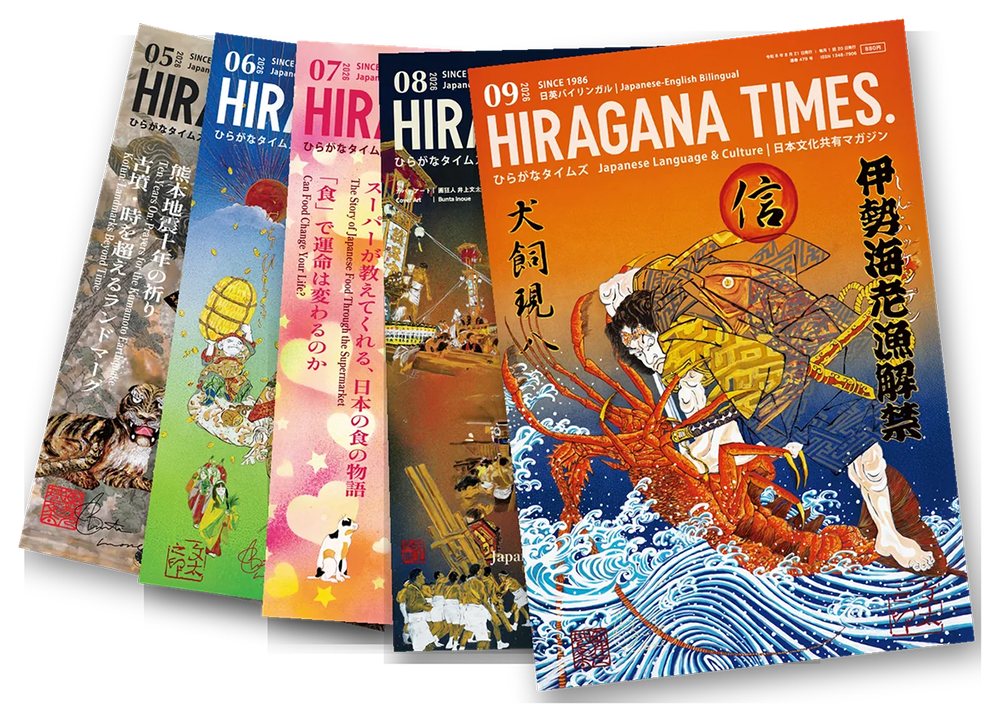
Print Back Issues
Print Back Issues
Explore our archive of past editions.
過去の号を探す。

More From Hiragana Times

Hiragana Times Discord Community
Join the Hiragana Times Discord Community — Free!
Connect with readers worldwide — free, open, and always welcoming.
世界の読者とつながる、無料のDiscordコミュニティへようこそ。

nihongo.net
Online Japanese lessons, run by Hiragana Times.
One month free for Hiragana Times subscribers.
ひらがなタイムズ定期購読者は、1ヶ月無料でご受講いただけます。
Leave a Reply