
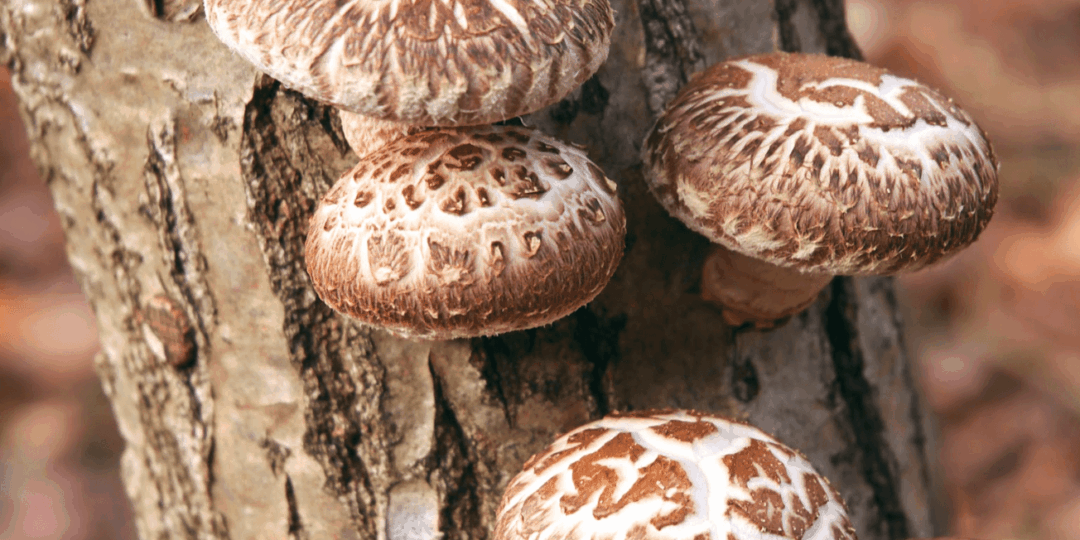
Kinoko and the Japanese People — A Relationship Nurtured by the Forest
Kinoko and the Japanese People — A Relationship Nurtured by the Forest
きのこと日本人――森に育まれた関係
As a quintessential “taste of autumn,” kinoko (mushrooms) have long been an essential part of Japanese tables.
「秋の味覚」を代表するきのこは、古くから日本の食卓に欠かせない存在です。
The origin of the word “kinoko” is said to be “ki no kodomo (child of a tree),” and it was named so because it grows near trees.
「きのこ」という言葉は「木の子ども」が語源で、木のそばに生えることから名付けられたといわれています。
The main body of kinoko is actually the thread-like structure called “kinshi (hypha)” that spreads underground.
きのこの本体は、実は地中に広がる「菌糸」と呼ばれる糸のような構造です。
Kinshi connects with tree roots and plays the role of a network that links plants in the forest by exchanging nutrients.
菌糸は木の根とつながり、栄養をやり取りしながら森の植物を結ぶネットワークの役割を果たしています。
In recent years, kinshi has been called the “internet of the forest” and has attracted attention as a presence that connects the lives that live in the forest.
近年、菌糸は「森のインターネット」とも呼ばれ、森に生きる命をつなぐ存在として注目されています。
Matsutake, shiitake, eringi (king trumpet,) and maitake—what we see as “kinoko” are the presence like the “fruit” that kinshi sends up above ground.
松茸、椎茸、エリンギ、舞茸など、私たちが目にする「きのこ」は、菌糸が地上に出した「果実」のような存在です。
In Japan, kinoko are said to have already been eaten during the Jomon period.
日本では、縄文時代にはすでに食されていたと言われるきのこ。
The taste of the Jomon people, who lived with nature in forests where kinshi spread, has been passed down to us today.
菌糸が広がる森で自然と共に暮らした縄文人の味覚は、今も私たちに受け継がれています。
Become a Kinoko Savvy きのこ通になる
Warm Up ウォームアップ” Kinoko JapaNEEDS
Useful words
- 秋(あき)-autumn
- 味覚(みかく)-taste
- きのこ -mushroom
- 食卓(しょくたく)-table
- 語源(ごげん)-origin of a word
- 生える(はえる)-grow
- 菌糸(きんし)-hypha
- 根(ね)-root
- 森(もり)-forest
- つなぐ -connect
- 地上(ちじょう)-above ground
- 広がる(ひろがる)-spread
- 自然(しぜん)-nature
Ice Breaker Questions
What do you feel like eating when autumn comes?
秋になると、何が食べたくなりますか?
What kinds of kinoko do you often see in your country?
あなたの国では、どんなきのこをよく見かけますか?
What’s your favorite kinoko dish?
好きなきのこ料理は何ですか?
What kind of activities come to mind when you think of autumn?
秋のアクティビティといえば、何が思い浮かびますか?
What kind of “autumn of 〇〇” would you like to have this year? (For example, an “autumn of reading”)
今年の秋は、どんな「〇〇の秋」にしたいですか?(例えば「読書の秋」など)
”Work Up ワークアップ” Kinoko Discussion
Bob: Kinoko often appear in games and movies, don’t they?
ボブ:きのこって、ゲームや映画にもよく出てきますよね。
Louise: Like the kinoko in Super Mario Bros.—the one that makes you grow!
ルイーズ:スーパーマリオブラザーズの食べると大きくなるきのこ!
Ari: That one’s actually based on a poisonous mushroom, right? It’s called fly agaric. It looks cute, but…
アリ:あれ、実は毒きのこがモデルなんですよね?ベニテングタケっていう。見た目はかわいいけど。
Yumi: It’s interesting how it became “a symbol of gaining power.”
ゆみ:それが「力を得る象徴」になっているのが面白いですよね。
Bob: In Alice in Wonderland, Alice eats a kinoko to change her size, too.
ボブ:『不思議の国のアリス』でも、アリスがきのこを食べて体のサイズを変えますよね。
Louise: Kinoko is like a symbol of “change.” They feel like something that exists between dreams and reality.
ルイーズ:きのこって、「変化」のシンボルみたい。現実と夢のあいだにいるような存在というか。
Ari: Even in Ghibli films, you see spores floating in the Sea of Decay.—Kinoko really aren’t just ordinary things, are they?
アリ:ジブリでも腐海の森に胞子が舞ってたり、きのこって「ただ者じゃない」ですね。
Yumi: Actually, kinoko are said to have appeared on land earlier than any other plant, and they’ve been living with Earth long before humans.
ゆみ:実は、きのこはどの植物よりも早く地上に現れ、人類よりずっと前から地球と共に生きていたそうです。
Louise: And the kinoko we see are just a tiny part that appears above ground.
ルイーズ:そして、私たちが目にするきのこって、地上に出たほんの一部なんですね。
Ari: Beneath the ground, kinoko’s “threads of communication” spread out… It’s like mythology.
アリ:地面の下には、きのこの「交信の糸」が広がっている……まるで神話みたい。
Yumi: Kinoko aren’t just food—they’re mysterious beings that hold the memory of Earth.
ゆみ:きのこは、単なる食べ物じゃなくて、地球の記憶を宿した神秘的な存在ですね。
Bob: Kinoko is our “great elders,” and “guardian deity” of the forest.
ボブ:私たち人間の「大先輩」であり、森の「守神」ですね。
”Wrap Up ラップアップ” Kinoko Knowledge
Matsutake grows at the base of Matsu trees (pine, mainly Japanese red pine). It is highly aromatic, difficult to cultivate artificially, and rare, which makes it a luxury food.
松茸は、松の木(主にアカマツ)の根元に生えるきのこです。香り高く、人工栽培が難しく、希少価値が高いため高級食材になっています。
Shiitake grows on Shii trees. It is thick and has a strong umami flavor. When dried, it is often used as dashi (broth) and is essential in Japanese cuisine.
椎茸は、椎(しい)の木に生えるきのこです。肉厚でうま味が強く、干すことで出汁としても使われ、和食に欠かせない存在です。
Enokitake grows on Enoki trees (hackberry). Cultivated ones are thin and white, but wild Enokitake are brown and have open caps.
榎茸は、榎(えのき)の木に生えるきのこです。栽培品は白く細長い姿ですが、自然のものは茶色く傘が開いています。
Maitake grows at the base of broadleaf trees such as beech and mizunara oak. Known for its rich aroma and good texture, its name is said to come from the story that people danced with joy when they found it.
舞茸は、ブナやミズナラなどの広葉樹の根元に生えるきのこです。香りと歯ごたえがよく、見つけた人が嬉しさのあまり舞い上がったことが名前の由来とされています。
Shimeji is said to include the meaning from an old Japanese word “shimijimi to oishii kinoko (deeply flavorful kinoko).” There is also a theory that its name comes from the fact that it grows in shimechi (wetlands).
しめじは、「しみじみとおいしいきのこ」という古語の意味を含んでいたとされるほか、「湿地(しめち)」に生えることから名付けられたという説もあります。
There is a Japanese proverb: “Kaori Matsutake, Aji Shimeji,” meaning that while matsutake excels in aroma, shimeji is superior in taste.
「香り松茸、味しめじ」ということわざがあります。香りの良さでは松茸、味の良さではしめじが優れているという意味です。
Japan ranks second in the world in kinoko production, following China.
日本は、中国に続いてきのこの生産量が世界第2位です。
In terms of domestic production, enoki, bunashimeji, and shiitake are the most produced, in that order. These three types account for about 70% of the total.
国内の生産量では、えのき、ぶなしめじ、しいたけの順に多く、この3種類で全体の約7割を占めています。
October 15 is designated as “Kinoko Day.” This is because many types of kinoko are in season in autumn, when both harvesting and consumption peak.
10月15日は「きのこの日」に制定されています。秋になると多くのきのこが旬を迎え、収穫や消費が盛んになることから生まれました。
The story related to kinoko have appeared not only in “Manyoshu,” but also in “Kokin Wakashu,” and “Konjaku Monogatari.”
きのこに関する話は、『万葉集』だけでなく、『古今和歌集』や『今昔物語』にも登場します。
Shiitake, said to be a favorite of Toyotomi Hideyoshi, began to be cultivated artificially during the Edo period. Until then, it was reportedly more valuable than Matsutake.
豊臣秀吉の好物だった椎茸は、江戸時代に人工栽培が始まったとされています。それまでは、松茸よりも高価だったともいわれています。
Among kyogen, there is a piece titled “Kusabira.” In the story, a man is troubled by kinoko growing in his residence, so he calls a yamabushi (mountain priest) to pray. However, the mushrooms only keep multiplying —a humorous tale.
狂言の演目には「茸[くさびら]」という作品があります。屋敷に茸(きのこ)が生えて困った男が山伏を呼び、祈祷してもらうのですが、かえってきのこがどんどん増えてしまうという物語です。
Hiragana Times September 2025 issue
This article is from the September 2025 issue of Hiragana Times.
この記事は、月刊誌『ひらがなタイムズ』2025年9月号より掲載しています。



 武士・侍とは何者か?" />
 「おんな」はやっかい" />
 「〇〇すぎて滅」" />

 今月の言技:「身を捨ててこそ浮かぶ瀬もあれ」" />

