
Shōwa 100 — The Living Memory of an Era
昭和100年――いまに息づく時代の記憶
[Close up Japan – June 2026 Issue]
Shōwa 100 — The Living Memory of an Era
昭和(しょうわ)100年(ねん)――いまに息(い)づく時代(じだい)の記憶(きおく)
The Japanese era “Showa” lasted from December 25, 1926 to January 7, 1989.
日本(にほん)の元号(げんごう)「昭和(しょうわ)」は、1926年12月25日から1989年1月7日まで続(つづ)きました。
The year 2026, counting from its beginning, falls on the milestone of “Showa 100”.
2026年(ねん)は、その始(はじ)まりから数(かぞ)えて「昭和(しょうわ)100年(ねん)」という節目(ふしめ)にあたります。
On “Showa Day” on April 29 (originally Tencho-setsu, the birthday of Emperor Showa), a commemorative ceremony was held.
4月29日(がつ29にち)の「昭和(しょうわ)の日(ひ)」(もともとは天長節(てんちょうせつ)・昭和天皇(しょうわてんのう)の誕生日(たんじょうび))には、記念式典(きねんしきてん)が開催(かいさい)されました。
With Their Majesties the Emperor and Empress at the center, the heads of the three branches lined up on the stage.
天皇皇后両陛下(てんのうこうごうりょうへいか)を中心(ちゅうしん)に、三権(さんけん)の長(ちょう)が壇上(だんじょう)に並(なら)びました。
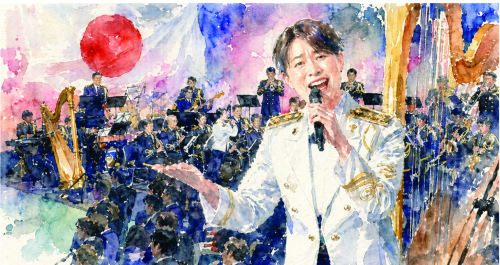
At the venue, Showa hit songs by the Maritime Self-Defense Force Band were performed, evoking memories of the era.
会場(かいじょう)では、海上自衛隊音楽隊(かいじょうじえいたいおんがくたい)による昭和(しょうわ)のヒット曲(きょく)が演奏(えんそう)され、時代(じだい)の記憶(きおく)を呼(よ)び起(お)こしました。
Spanning about 63 years, Showa is the longest era among Japanese eras.
約(やく)63年(ねん)にわたる昭和(しょうわ)は、日本(にほん)の元号(げんごう)の中(なか)で最(もっと)も長(なが)い時代(じだい)です。
War, the end of the war, reconstruction, and rapid economic growth—Japan experienced dramatic changes.
戦争(せんそう)、終戦(しゅうせん)、復興(ふっこう)、そして高度経済成長(こうどけいざいせいちょう)――日本(にほん)は劇的(げきてき)な変化(へんか)を経験(けいけん)しました。
The memories of a “turbulent era” where hardships and leaps intertwined are still breathing within Japan’s landscapes and sensibilities today.
困難(こんなん)と飛躍(ひやく)が折(お)り重(かさ)なった「激動(げきどう)の時代(じだい)」の記憶(きおく)は、今(いま)も日本(にほん)の風景(ふうけい)と感性(かんせい)のなかに息(い)づいています。
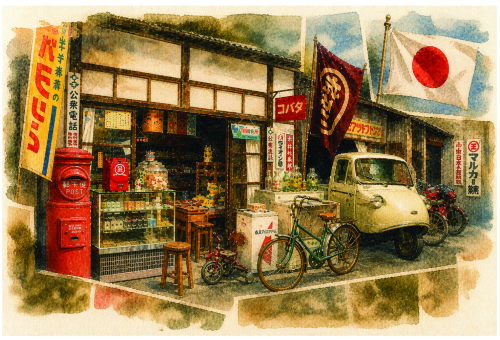
Buildings and signboards in corners of the town are cherished as “Showa Retro”, and perseverance and spiritualism are described as “Showa-esque”.
街(まち)の片隅(かたすみ)の建物(たてもの)や看板(かんばん)は「昭和(しょうわ)レトロ」として親(した)しまれ、粘(ねば)り強(づよ)さや精神論(せいしんろん)は「昭和的(しょうわてき)」と形容(けいよう)されます。
It is also a single value rooted in Japanese people living today, transcending generations.
それは、世代(せだい)を超(こ)えて、今(いま)を生(い)きる日本人(にほんじん)の中(なか)に根(ね)づく一(ひと)つの価値観(かちかん)でもあります。
Currently, amid population decline and stagnant economic growth, Japan is facing a fluctuation of the world order.
現在(げんざい)、日本(にほん)は人口減少(じんこうげんしょう)と経済成長(けいざいせいちょう)の低迷(ていめい)の中(なか)で、世界秩序(せかいちつじょ)の揺(ゆ)らぎに直面(ちょくめん)しています。
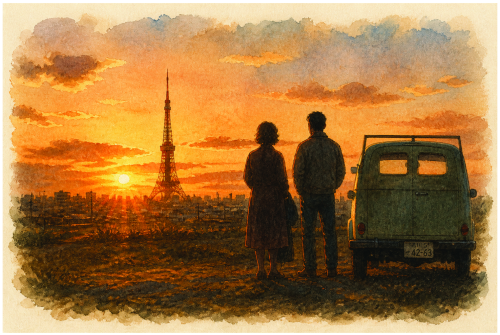
“Tomorrow will be better than today”—in Showa, there certainly was such a real feeling.
「今日(きょう)より明日(あした)は良(よ)くなる」――昭和(しょうわ)には確(たし)かに、そうした実感(じっかん)がありました。
When listening to Showa’s masterpiece songs, that feeling revives even now.
昭和(しょうわ)の名曲(めいきょく)に耳(みみ)を傾(かたむ)けると、その感覚(かんかく)が今(いま)もよみがえってきます。
This article is from the June 2026 issue of Hiragana Times.
この記事(きじ)は、月刊誌(げっかんし)『ひらがなタイムズ』2026年(ねん)6月号(がつごう)より掲載(けいさい)しています。
高市首相の「時が来た」発言に、揺れる社会。“Generation Alpha” 「アルファ世代」


Information From Hiragana Times


Topics in Japan
-
![Words That Live with Insects <br src=]() 虫と暮らす言の葉" />
Words That Live with Insects
虫と暮らす言の葉" />
Words That Live with Insects
虫と暮らす言の葉 -
![Bugs Live in the Belly <br src=]() 腹に虫が住む" />
Bugs Live in the Belly
腹に虫が住む" />
Bugs Live in the Belly
腹に虫が住む -
![Voices of Insects — The Soundtrack of Autumn in Japan <br src=]() 虫の声 ― 日本の秋のBGM" />
Voices of Insects — The Soundtrack of Autumn in Japan
虫の声 ― 日本の秋のBGM" />
Voices of Insects — The Soundtrack of Autumn in Japan
虫の声 ― 日本の秋のBGM -
![The Worms Within Came from the Universe <br src=]() 腹の虫は、宇宙から来た" />
The Worms Within Came from the Universe
腹の虫は、宇宙から来た" />
The Worms Within Came from the Universe
腹の虫は、宇宙から来た -
![Ito Jakuchū — An Eye for Life <br src=]() 伊藤若冲 ―― いのちを見る眼" />
Ito Jakuchū — An Eye for Life
伊藤若冲 ―― いのちを見る眼" />
Ito Jakuchū — An Eye for Life
伊藤若冲 ―― いのちを見る眼
 虫と暮らす言の葉" />
 腹に虫が住む" />
 虫の声 ― 日本の秋のBGM" />
 腹の虫は、宇宙から来た" />
 伊藤若冲 ―― いのちを見る眼" />

