April 2026 Issue

Hiragana Times | April 2026
Hiragana Times April-1 2026

Hiragana Times

ひらがなタイムズ 2026年4月号

Beyond superhero myths, this issue explores the true "Shinobi." These nameless intelligence masters prioritized a "Righteous Heart" and survival over combat, shaping history from the shadows.
ヒーロー像を超えた「忍び」の真実。戦いよりも「正心」と生存を重んじ、影から歴史を支えた名もなき知のプロフェッショナルたちの姿に迫ります.

Japan Explore

日本探究 & 再発見

宝

The Treasure Bearer Who Left No Name

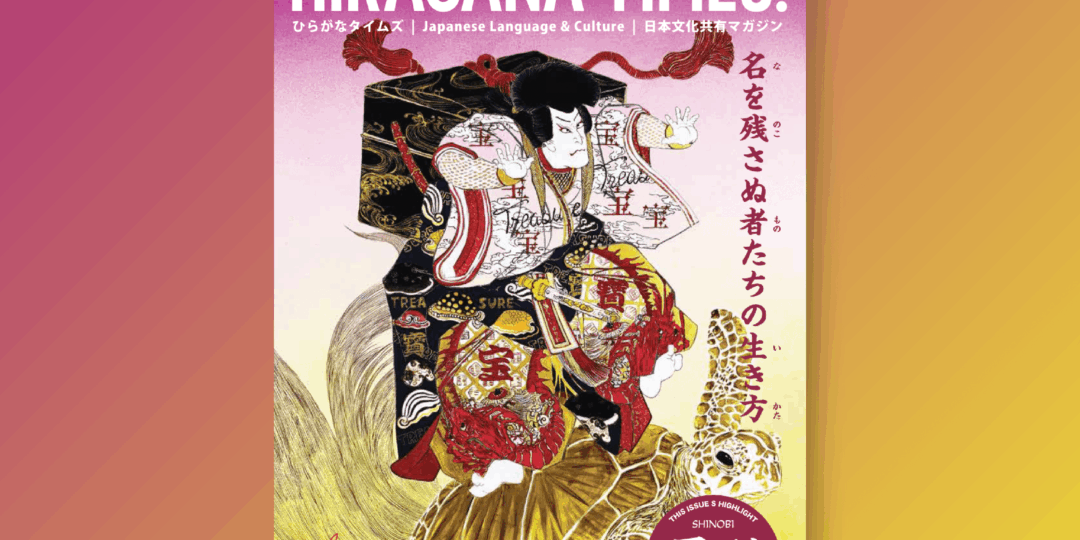
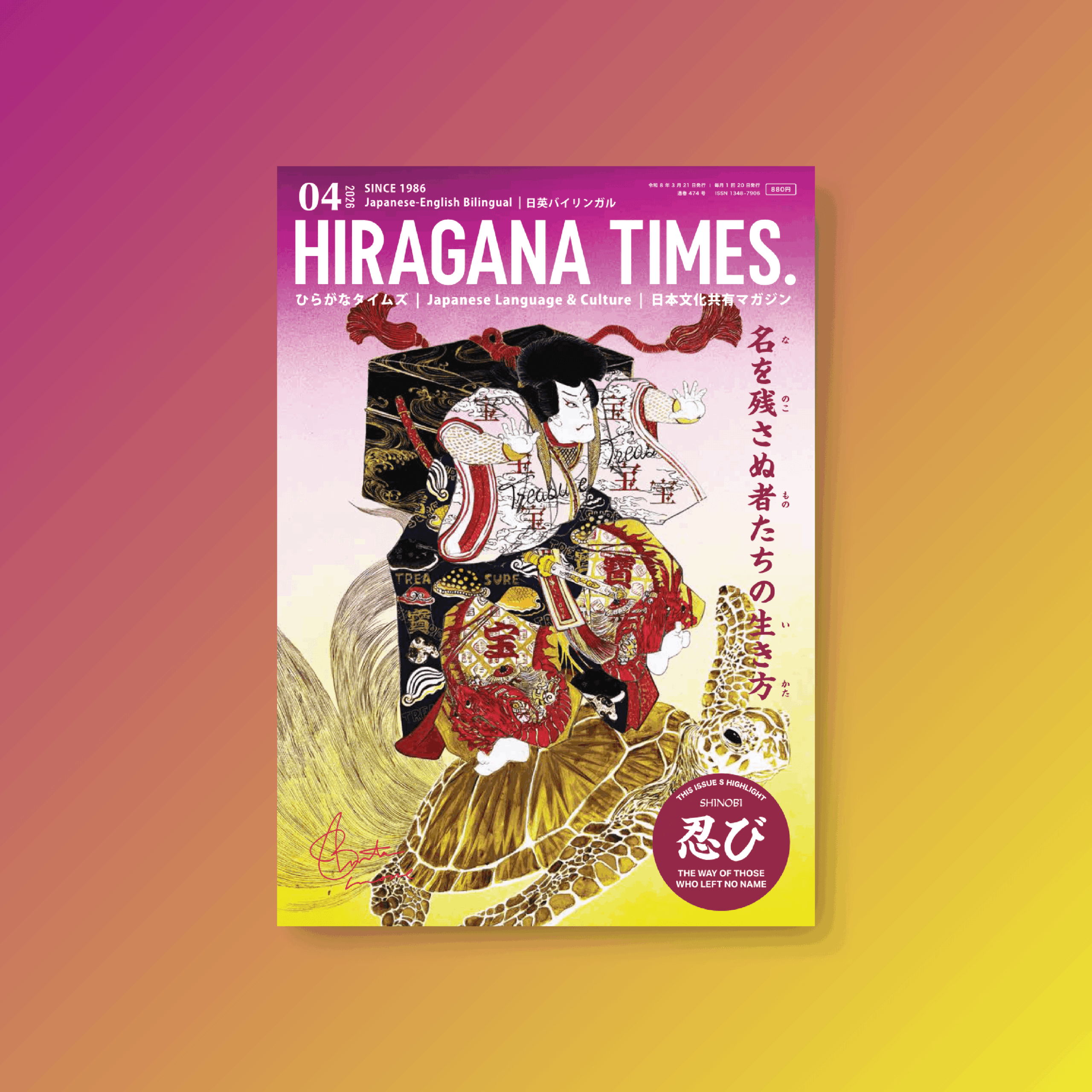
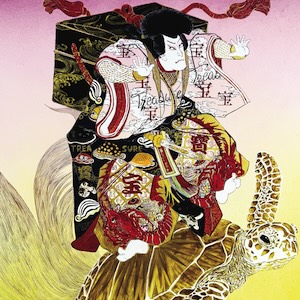
This month's cover features "Shin Hakkenden: Inuta Kobungo, Treasure" by Bunta Inoue. It depicts the hero Inuta Kobungo riding a sea turtle to carry treasures , symbolizing the "nameless bearer"—those who, like the shinobi, support our world quietly without seeking fame or reward.
今月の表紙は、画狂人・井上文太氏による「しん・ハッケンデン 犬田小文吾 宝」です 。海亀に乗り宝を運ぶ英雄の姿を通し、忍びのように名を残さず、見返りも求めずに、陰ながら世界を支え続ける「名もなき運び人」の生き方を描いています 。

Read Article
Sakura

Sakura: Sakura — The Flower That Sets Japan’s Time in Motion

The fleeting beauty of cherry blossoms has long been a reflection of life itself in Japan. From the early-blooming Kawazu-zakura to the dominant Somei Yoshino—which accounts for 80% of cherry trees in the country—these flowers continue to captivate the hearts of those who eagerly await their bloom.
桜はその儚い美しさゆえに、古来より日本人の人生そのものに例えられてきました。 早咲きの河津桜から、国内の約8割を占める代表的な染井吉野まで、桜は開花を待ちわびる人々の心を惹きつけ続けています。

English | Coming soon 日本語 | 近日公開
Ninja

Shinobi: The Way of Those Who Left No Name

Contrary to the popular "superhero" image of ninjas in black costumes, the shinobi were masters of intelligence who lived and died in the shadows without leaving their names. Their true mission was not combat, but gathering vital information and returning alive through a deep understanding of medicine, psychology, and nature.
現代のヒーロー像とは異なり、「忍び」の真の姿は、戦うことよりも情報を持ち帰り、影から歴史を支えることにありました。彼らは武力ではなく、医学、心理学、天文などの膨大な知識を武器に、名を残さず生きる道を選んだ知のプロフェッショナルだったのです。

English | Coming soon 日本語 | 近日公開

Japan Now

日本の今

Punch News Review
🎧 Audio Available

A Stuffed Toy as His Mother: A Baby Monkey’s Story of Growth

母の代わりはぬいぐるみ 子ザルの成長物語

Read Article
buzz2026 New Expression & Buzzwords
🎧 Audio Available

〇〇すぎて滅 | Too xx to survive

Read Article | Coming soon
🎧 Audio Available

メンパ | Mental performance

Read Article | Coming soon
Firefly Close Up Japan
🎧 Audio Available

Contest, Not Conflict — The Olympic Ideal

競うことで、争わない ― オリンピックという思想

Read Article
Pro and Con 2026 Pros and Cons with Insight
🎧 Audio Available

How Should We Consider the 'National Flag Destruction Crime Bill'?

「国旗損壊罪法案」をどう考えるか

Read Article

Nihongo Do

日本語道

Voice Wave

Voice Wave | 言波

While modern Japan preserves traditions like the tea ceremony and sumo, many of these are only a few hundred to a thousand years old. This issue explores the idea that the Japanese language itself is the oldest and most fundamental element of "Japaneseness," having nurtured the nation's culture for over two thousand years.
茶道や相撲といった伝統が守られる現代の日本において、それらの多くは数百から千年前後の歴史に収まります 。本号では、二千年以上にわたり日本文化を育んできた「日本語」こそが、最も古く、かつ根源的な「日本的なもの」であるという視点を探ります 。

Word Leaves

Word Leaves | 言の葉

Seasonal Words: Japan’s April, Uzuki — A Month When a New Everyday Life Begins.
季節の言の葉:日本の4月「卯月(うづき)」— 新しい日常が始まる月。

Voice-Word Art

Voice-Word Art | 言技

Seasonal This proverb teaches that by letting go of the desperate need for self-protection or victory, one can find the calmness and courage to overcome difficult situations. It suggests that when you stop struggling against the current and accept reality as it is, a path forward—the "shallows"—will naturally appear.
「身を捨ててこそ浮かぶ瀬もあれ」という言葉は、自分を守ろうとする執着を手放すことで、かえって窮地を脱する冷静さと勇気が得られることを教えています 。川の流れに抗うのをやめ、現実をあるがままに受け入れたとき、道(浅瀬)がひらけるという教えです 。

SavvyApr2026

Japan Savvy | 日本通

While many cultures have history's "fighters," the Japanese terms Bushi and Samurai represent more than mere combatants. They were defined by a specific way of life rooted in resolve and the protection of the social and ritual order centered on the Emperor.
世界には様々な「戦う者」が存在しましたが、日本の「武士」や「侍」は単なる戦闘集団ではありません 。それは身分を指す言葉以上に、天皇を中心とした秩序を支え、覚悟を持って生きる「生き方」そのものを表しています 。

MazeApril2026

Japan Maze | 迷宮ニホン

"TThis section uses a four-panel manga to highlight the complexities of Japanese romaji input and cultural understanding. Jimmy attempts to type the word "onna" (woman) and discovers that a simple conversion requires more precision than expected—mirroring the depth of Japanese phonology and relationships.
「おんな」という簡単な言葉の入力に隠された「罠」を通し、日本語の音韻体系と文化の本質を4コマ漫画で探求します 。ローマ字入力の意外な難しさは、日本語の音の成り立ちや、言葉の奥深さを理解するための入り口となります 。

Discord

💬 Join the Hiragana Times Discord Community — Free!

Connect with readers worldwide — free, open, and always welcoming.

Join Us →

Leave a Reply