

June 2026 Issue

Hiragana Times | June 2026
Hiragana Times Jun-1 2026

Hiragana Times June 2026 Issue

ひらがなタイムズ 2026年6月号

More than mere mountain training, Shugendo represents the spiritual source of the Japanese soul. This issue explores the path of the Yamabushi, tracing how they cross boundaries between the sacred and the worldly to restore inner balance through silent dialogue with the earth.
単なる山岳修行を超えた、日本人の精神の源流「修験道」。大自然を舞台に「聖と俗」の境界をまたぐ山伏たちの足跡を紐解き、過酷な経験を通じて心身を整えていく先人たちの知恵と静かなる祈りに迫ります。

Japan Explore

日本探究 & 再発見

sarutahiko

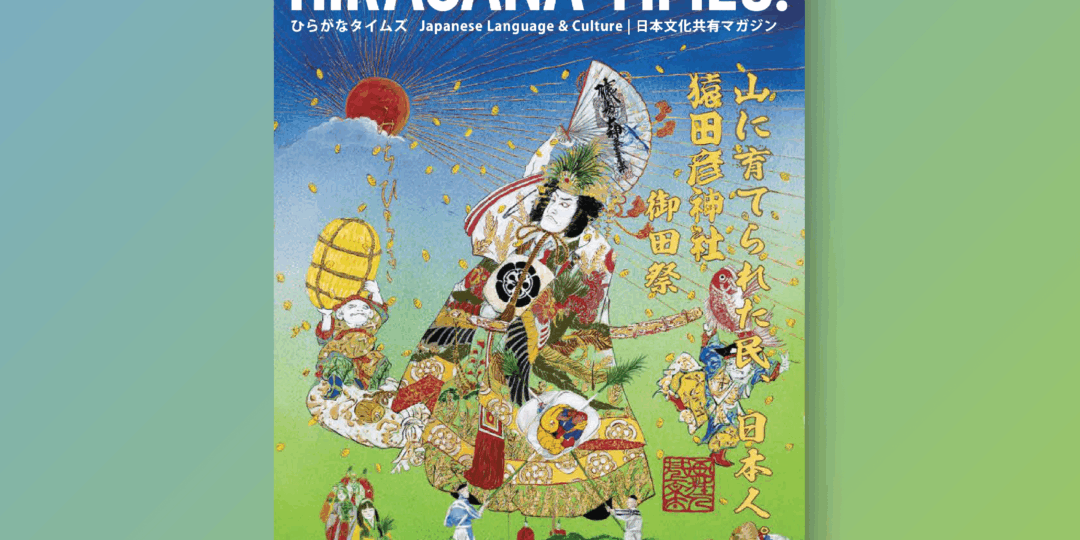
The God at the Threshold — Sarutahiko in the Omita Matsuri

Inspired by the Omita Matsuri, this month's cover features Bunta Inoue’s vivid depiction of Sarutahiko, the deity standing at the threshold where worlds shift. The artwork captures the harmony between heaven and earth, perfectly setting the stage for this issue's special feature on the boundary-crossing lives of the Yamabushi.
今月号の表紙は、伊勢の御田祭を題材とした井上文太氏による猿田彦の作品です 。天地の境界に立ち、流れを正しい方向へと導く神の姿は、本号の特集である「山伏」たちが体現する、自らを見つめ直し境界を越える力へと私たちを誘います。

Read Article
EnnoGyoja

En no Gyōja: The One Who Walked the Mountains and Forged the Path

More than a mere historical figure, En no Gyōja is the legendary father of Shugendō who carved a path of enduring spirituality directly into the rugged topography of Japan. This issue traces his journey as an enigmatic practitioner who mastered the severity of the mountains to heal the sick, tame invisible forces, and lay down footprints that modern Yamabushi still retrace today.
超自然的な伝説に彩られ、実態は謎に包まれた「役行者」の真実の生涯。道なき山々を歩き、自然の厳しさを受け入れることで「修験道」の礎を築いた彼の知恵は、生薬や和漢薬、そして今なお山伏たちがたどる信仰の足跡として、現代の日本の風景の中に深く息づいています。

English 日本語
Yamabushi

Yamabushi: The Mountain Ascetics Who Carry Japan's Essence

More than mere mountain training, Shugendo represents the spiritual source of the Japanese soul. This issue explores the path of the Yamabushi, tracing how they cross boundaries between the sacred and the worldly to restore inner balance through intense bodily experience and a deep, silent surrender to the earth.
単なる山岳修行を超えた、日本人の精神の源流「修験道」 。大自然を舞台に「聖と俗」の境界をまたぐ山伏たちの足跡を紐解き、過酷な身体的経験を通じて自らを浄化し、心身を整えていく先人たちの知えと静かなる祈りの物語に迫ります。

English 日本語

Japan Now

日本の今

Bird News Review
🎧 Audio Available

A Stork Nests in Hiroshima — The Bird That Brings Life Heralds Spring

広島の電柱に巣作り命を運ぶ鳥、春を告げる

Read Article
buzz2026 New Expression & Buzzwords
🎧 Audio Available

めじるしアクセサリー | Marker accessories

Read Article
🎧 Audio Available

アルファ世代 | Generation Alpha

Read Article
Shōwa Close Up Japan
🎧 Audio Available

Shōwa 100 — The Living Memory of an Era

昭和100年――いまに息づく時代の記憶

Read Article
Pro and Con 2026 Pros and Cons with Insight
🎧 Audio Available

Prime Minister Sanae Takaichi's "The Time Has Come" Stirs the Nation.

高市首相の「時が来た」発言に、揺れる社会。

Read Article

Nihongo Do

日本語道

Voice Wave

Voice Wave | 言波

While Westerners are often puzzled by why Japanese people routinely ask about age, this habit reflects a cultural need to discern social hierarchy and navigate relationships. Rooted in Confucian philosophy layered with ancestral reverence and nature worship, this mindset heavily influences behavioral decorum and honorific language (keigo). This issue examines how these traditional vertical ties are shifting in the modern era, reshaping Japan's contemporary social order.
「なぜ日本人はすぐに年齢を尋ねるのか」という西洋人の疑問。その背景には、年齢差から人間関係の「型」を見極め、適切な敬語や振る舞いを選択しようとする独自の文化があります。儒教や先祖・自然崇拝が重なり合って育まれたこの上下の感覚が、縦のつながりが薄れる現代社会でどのように変化しているのか、その深層に迫ります。

Word Leaves

Word Leaves | 言の葉

Just as leaves on a tree capture the changing colors of the seasons, the components of the word kotoba (words) reflect a deep connection to nature and human emotion. This feature explores Japan's linguistic landscape through mountain-related vocabulary, revealing how these natural markers have shaped the unique cultural sensibilities, ancestral wisdom, and spiritual traditions of the Japanese people.
人の心や考えをのせて他者へと伝わっていく木の葉のような「言葉」。言の葉に「葉」という漢字があてられた背景には、日本人が古くから育んできた自然を敬う心が深く関係しています。今号では、自然崇拝の象徴でもある「山」にまつわる美しく豊かな表現を通して、日本人の感性の源流や精神文化の奥深さを紐解きます。

Voice-Word Art

Voice-Word Art | 言技

Go beyond the traditional definition of proverbs to explore 言技 (word art)—a unique fusion where kotoba (word leaves) and kotonami (voice waves) intermingle to nurture human sensibility. This feature delves into the wealth of mountain-inspired expressions born from Japan's rugged landscape, revealing how the peaks and valleys of the terrain have seamlessly translated into a profound vocabulary for navigating the ups and downs of life itself.
単なる「諺」の枠を超え、論語や和歌、現代口語にいたるまで、「言波」と「言の葉」が融合して感性を育ててきた言葉のアート「言技(ことわざ)」。古くから広大な山々とともに生きてきた日本人が、その過酷で美しい自然の情景を人生の浮き沈みに重ね合わせて生み出してきた、山の国・日本ならではの豊かな表現と知恵の数々に迫ります。

SavvyJune2026

Japan Savvy | 日本通

Originally derived from a Chinese concept for ominous celestial phenomena, Tengu evolved in Japan by merging with local mountain worship and legends of shape-shifting foxes. Depicted as red-faced, long-nosed mountain beings, they stand at the literal and spiritual crossroads between heaven and earth, acting as mystical guardians of the threshold where humanity meets the divine.
元々は空に現れる不吉な異常現象を指す中国の言葉だった「天狗」 。日本に伝わると独自の山岳信仰や狐の伝承と結びつき、赤い顔と長い鼻を持つ現在の姿へと変化しました 。天と地、人と神のあわい(境界)に立つ存在として、過酷な自然への畏怖と聖なる世界を今に繋いでいます。

Discord

💬 Join the Hiragana Times Discord Community — Free!

Connect with readers worldwide — free, open, and always welcoming.

Join Us →

Leave a Reply