-
[News Review – May 2026 Issue]
Using Cat Photos to Scare Off Pigeons!?
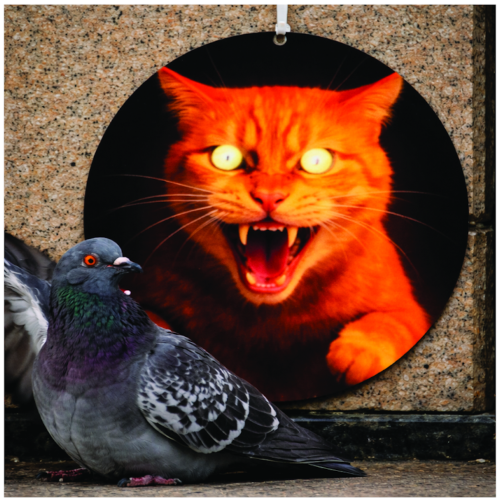
ネコの写真でハト対策!?In Shinjuku suffering from pigeon damage, a slightly unusual countermeasure is a hot topic.
ハト被害に悩む新宿で、ちょっと変わった対策が話題です。
Installed at stations and in the city are photos of cats baring their fangs.
駅や街なかに設置されたのは、牙をむき出しにしたネコの写真。
Moreover, their eyes shine brightly, and they glare at the pigeons.
しかも目はキラリと光り、ハトをにらみつけます。
They seem to have tried photos of snakes and owls too, but the most effective one was the cat.
ヘビやフクロウの写真も試したそうですが、いちばん効果があったのはネコでした。
That reputation spread outside of Shinjuku too, but there are also figures of pigeons relaxing calmly in front of the photos.
その評判は新宿の外にも広がりましたが、写真の前で平然とくつろぐハトの姿も。
The battle of wits between people and pigeons seems to continue still.
人とハトの知恵くらべは、まだ続きそうです。

This article is from the May 2026 issue of Hiragana Times.
この記事は、月刊誌『ひらがなタイムズ』2026年5月号より掲載しています。
-
[Cover story – May 2026 Issue]
Depicting a Prayer for Recovery
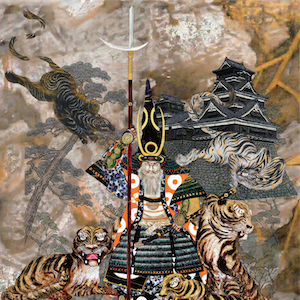
復興への祈りを描くThis month’s cover features a work by the mad artist Bunta Inoue, portraying Kato Kiyomasa. With Kumamoto Castle behind him, Kiyomasa gazes straight ahead. At his feet stand three tigers, while above him a black tiger and a white tiger race through the sky, filling the entire image with both powerful intensity and an air of prayer.
今月号の表紙を飾るのは、画狂人・井上文太氏による加藤清正公の作品です。熊本城を背に正面を見据える清正公。足元の三頭の虎に加え、上空には黒虎と白虎が駆け、画面全体に気迫と祈りの気配が満ちています。
This April, when our May issue reaches bookstores, marks exactly ten years since the Kumamoto Earthquake struck on April 14, 2016. The source of this work was a large ceiling painting that Inoue dedicated in April 2025 to Kato Shrine within Kumamoto Castle as a prayer for recovery, and that same prayer is distilled into this cover as well.
5月号が店頭に並ぶこの4月は、2016年4月14日に発生した熊本地震から、ちょうど10年にあたります。この作品のもとになったのは、井上氏が2025年4月、熊本城内の加藤神社に復興祈願として奉納した大天井画で、その祈りがこの作品にも凝縮されています。
Completed in 1607, Kumamoto Castle had preserved its majestic form for more than four centuries. That such a castle suffered severe damage reminds us once again of the overwhelming force of the earthquake. At the same time, the wounding of this symbol of Kumamoto left a deep scar in the hearts of many people.
1607年に完成した熊本城。400年以上にわたって威容を保ってきたこの城が大きな被害を受けたことは、地震の凄まじさをあらためて思い知らせます。同時に、熊本の人々のシンボルであったこの城が傷ついたことは、多くの人の心にも深い傷を残しました。
That is why Inoue dedicated the ceiling painting to Kato Shrine within Kumamoto Castle, praying not only for the recovery of the disaster-stricken area, but also for the return of hope to the hearts of the people of Kumamoto.
それだけに井上氏は、熊本城内の加藤神社に天井画を奉納し、被災地の復興と、熊本の人々の心に再び希望の光が差すことを願ったのです。
Although Kato Kiyomasa is known as a fierce warrior, he is still deeply revered in Kumamoto as the man who built the town and laid the foundations of people’s lives. Inoue portrays Kiyomasa as a figure who longs for peace and coexistence, and the tigers too are shown not as symbols of hostility, but as companions beside him, praying together for recovery.
加藤清正は、勇猛な武将として知られる一方、町を築き、人々の暮らしの基盤を整えた人物として、熊本で今なお深く敬われています。井上氏は、清正公を「平和」と「共生」を願う存在として描き出し、虎たちもまた、敵意ではなく、その傍らでともに復興を祈る存在として表しました。
Bunta Inoue has continued to create works infused with prayers for recovery, including those inspired by the Great East Japan Earthquake and the recent Noto Peninsula Earthquake. Art has the power to draw close to wounded hearts and help restore hope. Recovery is not only about rebuilding buildings and roads, but above all, about restoring a light of hope for the future within people’s hearts.
井上文太氏は、東日本大震災や先般の能登半島地震を含め、復興への祈りを込めた作品を描き続けています。芸術は、傷ついた心に寄り添い、希望を取り戻す力になります。復興とは、建物や道路だけでなく、まず何よりも、人の心に未来への光を取り戻すことにあるのです。
This article is from the May 2026 issue of Hiragana Times.
この記事は、月刊誌『ひらがなタイムズ』2026年5月号より掲載しています。
-
[JAPAN MAZE | 迷宮ニホン – April 2026 Issue]
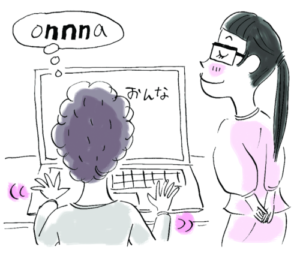
Women are trouble「おんな」はやっかい
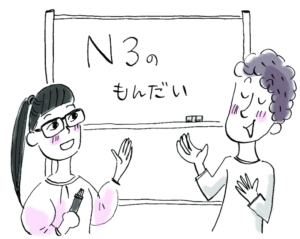
You may understand the words, but still get lost in communication. This corner takes you on a fun journey through the maze of Japanese language and culture with four-panel manga. Unlocking the punchline is the key-it reveals the essence of Japanese expression and leads you to the exit, with a smile and a fresh insight.
言葉の意味はわかるのに、なぜか通じない――。日本語と日本文化の迷宮を、4コマ漫画で楽しく探検するコーナーです。 “オチ”を読み解けば、日本語の本質が見えてくる。迷宮の出口には、気づきと笑いが待っています。
Scene 1
Yumi: Type it in using the Roman alphabet on your computer, then convert it into the hiragana “おんな” (woman).
Jimmy: Easy! Is this really an N3 question?
ゆみ:パソコンにアルファベットで入力し、ひらがなの「おんな」に変換してください。
ジミー :とても簡単です。ほんとにN3の問題ですか。
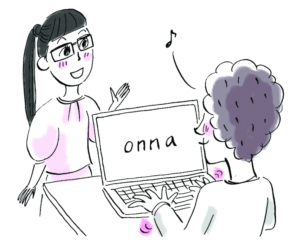
Scene 2
Yumi: This is an n3 question, not n2.
Jimmy: “Oh! Nice, nice, Amicable Women!”
ゆみ: これはn2ではなく、n3の問題です。
ジミー: 「オー! ナイスナイス、アミカブルウーメン」
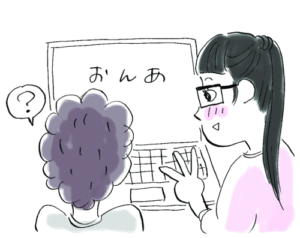
Scene 3
Jimmy: Wait – it won’t convert to “おんな.” How come?
Yumi: “おんな,” you have to type three n’s in a row like “nice, nice, nice.”
ジミー: あれ? 「おんな」にならない。どうして?
ゆみ:「おんな」はnice, nice, niceとnを 3回続けて入力しないとだめです。
Scene 4
Jimmy: Oh wow, it worked! It’s “おんな”r now.
Yumi: See? “おんな” looks innocent enough – but she’s trouble. Get it?
ジミー: ほんとだ。今度は素直に「おんな」になった。
ゆみ:「おんな」はやさしく見えるけど、 やっかいなんです。わかった?
Maze Navigation / 迷宮ナビ
Let’s break down each scene | それぞれのシーンを理解しよう。Scene 1
Yumi gives Jimmy a simple-sounding task: type “おんな” (woman) in the Roman alphabet and convert it to hiragana. Easy enough, right? Jimmy certainly thinks so. But that confidence is exactly what makes the trap so satisfying.ゆみ先生がジミーに課題を出します。「おんな」をローマ字入力してひらがなに変換してください。――一見、簡単そうです。ジミーも余裕の表情。しかしこの「簡単そう」が罠なんです。
■ 課題 [task, assignment]
■ 変換 [conversion, to convert]
■ 表情 [facial expression]
■ 余裕 [composure, easy]Scene 2
Yumi reminds him it’s an N3-level question — but Jimmy is all confidence. He types “onna” and gets ready to convert. So easy, in fact, that he can’t help but sing: “Nice, nice, Amicable Women!”ゆみ先生の「N3レベルの問題ですよ」とhttps://hiraganatimes.com/audio/2026/04/maze_n.mp3いう言葉に、ジミーは余裕の笑顔。“onna” と入力して「おんな」に変換――簡単すぎる、とばかりに、思わず「ナイスナイス、アミカブルウーメン!」と口ずさんでしまいます。
■ 問題 [question, problem]
■ 笑顔 [smile]
■ 思わず [without thinking, involuntarily]
■ 口ずさむ [to hum, to sing to oneself]Scene 3
It won’t convert. The answer “おんな” needs three N’s. In Japanese, “ん” is the only character that stands alone, without a vowel. The double N speaks to that solitary strength of “ん.”変換しても「おんな」にならない。答えは――「おんな」には、n が3つ必要。「ん」は日本語で唯一、母音なしに単独で存在します。二重のnは「ん」の孤高な強さを感じさせます。
■ 母音 [vowel]
■ 孤高 [solitary, standing alone]
■ 単独 [solo, independent]
■ 二重 [double, twofold]Scene 4
Yumi then “nudges” — and it finally converts. “Women look gentle, but they’re trouble” — through the simple act of typing, Yumi leads Jimmy toward a deeper understanding of women.今度は素直に「おんな」に変換されました。「女はやさしく見えるけど、やっかい」――ゆみ先生はジミーに、文字の変換を通して、女性への理解を促しました。
■ やっかい [trouble, troublesome]
■ 理解 [understanding, comprehension]
■ 促す [to encourage, to nudge]
Maze Exit / 迷宮出口
What did the punchline reveal? / 今回のオチでわかったことCultural Insight / 新しい発想・文化知識
Glomaji: Unlocking the Sound World of Japanese
グローマ字が開く、日本語の音の世界Station names, place names, people’s names — romaji is everywhere in Japan. It is helpful for foreign visitors, but once learners begin studying Japanese, this same romaji can become a source of confusion.
駅名や地名、人名など、日本の街にはローマ字があふれています。外国人旅行者のガイドとしては便利ですが、いざ日本語学習を始めると、このローマ字がかえって混乱の原因になることがあります。
For example, は is often written “wa,” and 富士山 as “Fuji-san” — yet in English “f,” with lip touching teeth. It is closer to “hu,” a soft fricative. In Glomaji, 富士山 is “Hujisan.” Type it, and it converts — the sound, faithfully reproduced.
たとえば、「は」が “wa” と表記されていたり、「富士山」が “Fuji-san” と書かれていたり――しかし実際の「ふ」は、英語の “f” のように唇を歯に当てる音ではなく、“hu” に近い、やわらかな摩擦音です。グローマ字では、富士山は “Hujisann” と入力されそのまま変換され、音も忠実に再現できます。
To solve this confusion, Hiragana Times developed Glomaji (Global Romaji) — a highly practical system that converts directly into Japanese when typed on a keyboard. The particle は is written “ha.” This is not simply a rule, but a deliberate choice to pass on the written culture of Japanese to learners.
この混乱を解決するために、ひらがなタイムズが考案したのが「グローマ字(Global Romaji)」です。キーボードではそのまま日本語に変換される、実用性の高いシステムです。「わ」とは書かず「は」は “ha” と書きます。これは単なるルールではなく、日本語の表記文化そのものを学習者に伝えるための選択です。
And Glomaji’s deepest gift is the way it makes Japanese phonology visible. The single character か holds within it both “k” and “a.” In the Japanese tradition of kotodama(言霊), “k” is called the “father sound” and “a” the “mother sound.” Where father sound and mother sound meet, the “child sound” — か — is born. Sound is energy; sound is life itself — and that story is encoded in every character of Japanese.
そしてグローマ字の最も深い贈り物は、日本語の音韻体系を可視化することです。「か」という一文字の中に、k と a が宿っています。日本の言霊学では、k を父音、a を母音と呼びます。父音と母音が出会うところに、子音として「か」が生まれます。音はエネルギーであり、命そのもの――日本語の文字には、そのような世界観が刻まれているのです。
Glomaji is not only a tool for typing — it is a window through which to feel the essence of language.
グローマ字は、文字を「打つ」道具であると同時に、言語の本質を「感じる窓」でもあります。
This article is from the April 2026 issue of Hiragana Times.
この記事は、月刊誌『ひらがなタイムズ』2026年4月号より掲載しています。
-
[Japan Savvy– April 2026 Issue]
What Are Bushi and Samurai?
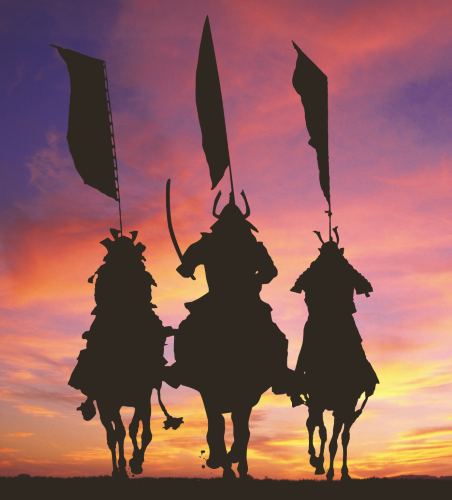
武士・侍とは何者か?Around the world, there have been many kinds of “fighters,” such as soldiers, knights, and guards.
世界には、兵士や騎士団、警備隊など、さまざまな「戦う者」たちが存在しました。
Yet the word “bushi” in Japan carries a somehow unique resonance.
しかし、日本の「武士」という言葉には、どこか特別な響きがあります。
‘Bushi’ consists of ‘bu’ of weapon and ‘shi’ representing an adult male, but it is not a mere combat group.
「武士」は、武器の「武」と成人男性を表す「士」から成りますが、単なる戦闘集団ではありません。
They were entities that supported the order of politics and rituals centered on the Emperor by military force.
彼らは天皇を中心とする政治と祭祀の秩序を、武力によって支える存在でした。
Eventually, by ‘saburau’ (serving) nobles and the imperial family, it comes to overlap with the appellation called ‘Samurai’.
やがて貴族や皇族に「さぶらう(仕える)」ことで、「侍」という呼称と重なっていきます。
In ‘Hagakure’, which recorded the teachings of Bushi, there is a famous passage that says, “Bushidō is to find death.”
武士の心得を記した『葉隠』には、「武士道と云うは死ぬことと見つけたり。」という有名な一節があります。
It is not a simple teaching that tells one to throw away one’s life for one’s lord.
それは主君のために命を投げ出せ、という単純な教えではありません。
When one discards the mind that clings only to protecting oneself, a way out opens up for the first time.
自分を守ることばかりに執着する心を捨てたとき、はじめて活路が開ける。
What lies there is the resolve to let go of egocentrism and self-protection.
そこにあるのは、自己中心や自己保身を手放す覚悟にあります。
“Only by casting oneself aside can one remain afloat.”The core of Bushido lies there.
「身を捨ててこそ浮かぶ瀬もあれ。」そこに武士道の核心があります。
‘Bushi’ and ‘Samurai’ are not the name of a social status, but the way of life itself of living with resolve.
「武士」や「侍」とは、身分の名ではなく、覚悟をもって生きる生き方そのものです。
Become a Samurai Savvy 侍通になる
WARM UP | Samurai JapaNEEDS
◎ USEFUL WORDS 役立つ言葉
- 武士 bushi — warrior
- 侍 samurai — samurai
- 刀 katana — sword
- 武士道 bushidou — the code of the samurai
- 覚悟 kakugo — resolve / preparedness
- 仕える tsukaeru — to serve
- 執着 shuuchaku — attachment / clinging
- 活路 katsuro — way forward
- 刃傷沙汰 ninjou zata — sword incident
- 抜く nuku — to draw (a sword)
- 責任 sekinin — responsibility
- 恥 haji — shame / disgrace
- 真剣 shinken — real sword / serious
◎ Ice Breaker Question 会話のきっかけ
Have you seen any samurai characters in movies or anime?
映画やアニメで見たことのある侍のキャラクターはいますか?
When you hear the word “samurai,” what image comes to mind first?
「侍」と聞いて、まずどんなイメージが浮かびますか?
What does a “strong person” mean to you?
あなたにとって「強い人」とはどんな人ですか?
Does your country have historical warriors similar to the samurai?
あなたの国にも、侍のような歴史的な戦士はいますか?
Do you think the “spirit of the samurai” still exists in modern society?
現代社会に「侍の精神」は残っていると思いますか?
WORK UP | Samurai Discussion
DISCUSSION ディスカッション
Michael: Japanese swords are beautiful, and though they are weapons, they are also treated as works of art.
マイケル:日本刀は美しく、武器でありながら美術品としても扱われていますね。Emily: I’ve heard that this culture of polishing weapons into beauty comes from the fact that the sword was also something turned toward oneself.
エミリー:武器を美しく磨き上げる文化は、日本刀が自分に向けるものでもあったからだと聞きました。Mayumi: Yes. A samurai was expected to have the resolve to end his own life rather than live in disgrace.
まゆみ:はい。武士は、恥をさらして生きるくらいなら、自ら命を絶つ覚悟を求められました。Emily: If it were only a tool to harm others, a rougher blade might actually be more effective.
エミリー:他人を傷つけるだけの道具なら、むしろ荒々しい方が効果的ですよね。Mayumi: In fact, before battle, the edge was sometimes deliberately roughened to increase its killing power.
まゆみ:実際、戦の前には刃を荒らし、殺傷力を高めることもあったといいます。Michael: Samurai always carried their swords, yet during the 260 years of the Edo period, violent incidents were said to be extremely rare.
マイケル:武士は常に刀を差して歩いていましたが、江戸時代の260年間、刃傷沙汰はほとんど起きなかったと聞きました。Mayumi: That is because the moment a sword was drawn, responsibility arose.
まゆみ:刀は、抜いた瞬間に責任が生じるものだったからです。Pierre: Once drawn, one had to accept either cutting down the opponent or losing one’s own life.
ピエール:抜けば、相手を斬るか、自分が死ぬか——どちらかを引き受けなければならない。Emily: So whether you drew it or not, your life was always at stake.
エミリー:抜いても、抜かなくても、命がけということですね。Min: In other words, they lived with a “true sword”—truly in earnest.
ミン:まさに「真剣」に生きていたということですね。
WRAP UP | Samurai Knowledge
NEW KNOWLEDGE 新しい知識
The bushi were also called mononofu. This is an ancient Yamato word meaning “warrior” or “man of arms,” and it is often associated with the Mononobe clan, an early military lineage.
武士は「もののふ」とも呼ばれます。これは「武士」「武人」を表す大和言葉で、古代の軍事氏族・物部氏との関連が指摘されています。
The “mono” in Mononobe is said to refer to weapons, and some theories connect it to mononoke—spiritual or supernatural beings. In ancient times (from the Yayoi to the Nara period), military power and ritual practices were closely intertwined.
物部氏の「物」は武器を意味するとされ、モノノケ(霊的存在)と通じるという説もあります。古代(弥生〜奈良時代)には、軍事と祭祀は密接に結びついていました。
The bushi developed distinctive forms of speech, and their spirit still lives on in modern Japanese. Words such as menbokunai (ashamed), fukaku (carelessness or failure), and kakugo (resolve) reflect values rooted in samurai society
武士は独特の言葉遣いを持ち、その精神は現代日本語にも残っています。「面目ない」「不覚」「覚悟」などは、武士社会の価値観を背景に持つ言葉です。
The proverb “A samurai does not speak twice” expresses the importance of keeping one’s word and upholding one’s honor.
「武士に二言はない」ということわざは、約束を守る信義の精神を表しています。
The hairstyle known as sakayaki, in which the top of the head was shaved, developed to prevent overheating when wearing a helmet.
月代(さかやき)と呼ばれる頭頂部を剃る髪型は、兜をかぶった際に蒸れを防ぐために生まれました。
In 1871, the Edict on Hair and Sword Abolition made hairstyles and the wearing of swords optional, advancing Japan’s modernization.
1871年の散髪脱刀令により髪型や帯刀は自由となり、近代化が進められました。
Furthermore, in 1876, the Haitōrei (Sword Abolishment Edict) prohibited the carrying of swords, which had been regarded as “the soul of the samurai.”
さらに1876年の廃刀令によって「武士の魂」だった刀の携帯は禁止されました。
Even today, Japan’s national teams in baseball and soccer are often referred to as “Samurai Japan,” and the word “samurai” continues to symbolize Japan.
現代でも、野球やサッカーの日本代表は「侍ジャパン」と呼ばれるなど、「侍」は日本を象徴する言葉として使われ続けています。
This article is from the April 2026 issue of Hiragana Times.
この記事は、月刊誌『ひらがなタイムズ』2026年4月号より掲載しています。
-
[NIHONGO DO – Voice-word Art– April 2026 Issue]
‘Only by throwing oneself away, is there also a shallow to float.’ — When you make up your mind and face reality, a path may open.
今月の言技:「身を捨ててこそ浮かぶ瀬もあれ」― 覚悟を決めたとき、道がひらける。
In this month’s “Voice-Word Art” section, we revisit a phrase featured in “Japan Savvy” and take a closer look at it. We hope you’ll savor the deeper meaning behind the words in your own way.
今月の「言技」セクションでは、”Japan Savvy” で触れた言葉を取り上げ、深掘りしていきます。言葉の奥にある深い意味を、あなたなりの感性で味わってみてください。
‘Only by throwing oneself away, is there also a shallow to float.’
「身を捨ててこそ浮かぶ瀬もあれ」
The more you think, “I want to protect myself,” “I want to live,” “I don’t want to lose,” the more fear clings to you. But once you let go—once you stop clinging—there’s suddenly nothing to fear. When you’re cornered, if you make up your mind and accept reality as it is, a path can open.
「自分を守りたい」「生きたい」「負けたくない」と思えば思うほど、恐怖はまとわりつく。でも、いったん身を捨ててしまえば、怖いものはなくなる。追い詰められたとき、覚悟を決めて現実をまるごと受け入れれば道がひらける——
This proverb offers exactly that kind of calmness and courage. For example, akirameru (“to give up”) is sometimes said to be linked to the idea of “see clearly” — not quitting in a reckless, defeated way, but looking the situation straight in the eye and accepting it. And “to cast yourself away” here does not mean rushing into reckless self-sacrifice. Rather than struggling against the current, trying to handle everything on your own, it points to the moment you loosen your grip, surrender to the flow, and suddenly stay afloat—only to find your feet touching the shallows before you know it.
この言葉は、そんな冷静さと勇気を与えてくれます。例えば、「諦める」は、投げやりに断念することではなく、「明らかに見る」に通じると言われます。状況を澄んだ目で見定めて受け入れる、という感覚です。また、ここで言う「身を捨てる」は、無謀に自己犠牲へ突っ込むことではありません。「自分だけで何とかしよう」と川の流れに抗って足掻くのではなく、力を抜いて流れに身を委ねたとき、ふっと体が浮き、気づけば浅瀬に足がつく——。そんな情景を表しています。
Although the source of this line is debated, it is also handed down as part of a poem linked to Kūya Shōnin, a mid-Heian-period figure remembered for walking Kyoto’s streets chanting the nembutsu. Rather than carrying everything alone through “self-power” (jiriki), it points to accepting your limits, noticing the “other-power” (tariki) that supports you—connections, circumstances, unseen workings—and receiving it with gratitude. Loosen the “self-power” grip on your own ideas and past experience, and things can begin to move—one layer of meaning this line holds.
この句の出典には諸説ありますが、平安中期、京の町をひたすら念仏を唱えながら歩き回り続けたと伝えられる空也上人にまつわる歌として伝わっています。
“自力”で抱え込むのではなく、自分の限界を受け入れ、支えてくれている“他力”(縁・環境・目に見えないはたらき)に気づき、感謝して受け取る。自分の考えや過去の経験にしがみつく“自力”の手をほどいた時、物事は動き出す——そんな含みがあります。In Buddhism, there is a teaching called engi (dependent arising). It holds that nothing exists on its own: everything comes into being through connection, and is always shifting—changing shape as it goes. This “network of connection without a fixed substance” is what Buddhism calls kū (“emptiness”). To loosen the grip of what you’ve been clinging to—that is, to cast yourself away. When you truly recognize and accept engi, you can float in this world of kū… and be carried along.
仏教には「縁起」という教えがあります。この世界は、何ひとつ単体で存在しているのではなく、すべてはつながり合って成り立ち、いつも形を変えながらゆらいでいる——という考え方です。
その「実体のないつながりのネットワーク」を、「空」と呼びます。握りしめていた執着を手放す。つまり、身を捨てる——。「縁起」を自覚し、受け入れたとき、人は「空」の世界に浮かぶことができる。そして、運ばれていくのです。
This article is from the April 2026 issue of Hiragana Times.
この記事は、月刊誌『ひらがなタイムズ』2026年4月号より掲載しています。
This article is from the April 2026 issue of Hiragana Times.
この記事は、月刊誌『ひらがなタイムズ』2026年4月号より掲載しています。
-
[ NIHONGO DO – Word Leaves – April 2026 Issue]
Seasonal Words: Japan’s April, Uzuki — A Month When a New Everyday Life Begins.
季節の言の葉:日本の4月「卯月(うづき)」— 新しい日常が始まる月。The name Uzuki is said to come, in one view, from U (the Rabbit), the fourth sign of the zodiac. At the same time, it also carries a seasonal feel: Uetsuki, a month for tending the rice fields, and the time when unohana—the white blossoms of utsugi—begin to appear. The sound “u” itself is also said to have a resonance of “coming into being,” echoing words like ui (“first”) and ubu (“newborn”).
卯月という名の由来は、十二支の四番目「卯」に由来するとされる一方、卯に手を入れる「植月」や、白い房をつける「卯の花」の白という季節感も含まれます。さらに「う」の音には、はぐくみを「うみ」、を「むかしる」音があるとも言われます。この4月号では、そんな「始まり」に寄り添う言葉を集めてみました。
This article is from the April 2026 issue of Hiragana Times.
この記事は、月刊誌『ひらがなタイムズ』2026年4月号より掲載しています。
-
[Pros and Cons with Insight – April 2026 Issue]
How Should We Consider the ‘National Flag Destruction Crime Bill’?
「国旗(こっき)損壊罪(そんかいざい)法案(ほうあん)」をどう考(かんが)えるか Background | 背景(はいけい)
The establishment of the ‘National Flag Destruction Crime Bill’, which punishes the act of intentionally destroying and insulting the national flag, is being aimed at.
国旗(こっき)を故意(こい)に損壊(そんかい)・侮辱(ぶじょく)する行為(こうい)を処罰(しょばつ)する「国旗損壊罪法案(こっきそんかいざいほうあん)」の成立(せいりつ)が目指(めざ)されている。
Over freedom of expression and so on, various opinions are being exchanged.
表現(ひょうげん)の自由(じゆう)などをめぐり、さまざまな意見(いけん)が交(か)わされている。
 Pros | 賛成意見(さんせいいけん)
The national flag is not a mere cloth. Its destruction is an insult to the whole country, and could shake the order of society.
国旗(こっき)は単(たん)なる布(ぬの)ではない。その損壊(そんかい)は国全体(くにぜんたい)への侮辱(ぶじょく)であり、社会(しゃかい)の秩序(ちつじょ)を揺(ゆ)るがしかねない。
 Cons | 反対意見(はんたいいけん)
National flag destruction is a form of political protest. Controlling it with punishment will chill freedom of expression.
国旗損壊(こっきそんかい)は政治的(せいじてき)抗議(こうぎ)の一形態(いちけいたい)。それを刑罰(けいばつ)で取(と)り締(し)まることは、表現(ひょうげん)の自由(じゆう)を萎縮(いしゅく)させる。
 Insight | 洞察(どうさつ)
In Japan, there is an atmosphere that feels hesitation in hoisting one’s own country’s national flag daily or incorporating it into clothes.
日本(にほん)では、自国(じこく)の国旗(こっき)を日常的(にちじょうてき)に掲(かか)げたり、衣服(いふく)に取(と)り入(い)れることに、ためらいを感(かん)じる空気(くうき)がある。
In its background, there is a reality that the Hinomaru has been imprinted negatively as a symbol of militarism after the war.
その背景(はいけい)には、戦後(せんご)日(ひ)の丸(まる)が軍国主義(ぐんこくしゅぎ)の象徴(しょうちょう)として否定的(ひていてき)に刷(す)り込(こ)まれてきた現実(げんじつ)がある。
When asked ‘What is the symbol of your country?’ in a foreign country, Japanese people who can talk with confidence are few.
外国(がいこく)で「あなたの国(くに)のシンボル(symbol)は?」と問(と)われた時(とき)、自信(じしん)をもって語(かた)れる日本人(にほんじん)は少(すく)ない。
Japan, since Jomon and Yayoi, even with people from overseas, has fostered a large-family-like sense of community based on land and blood relations.
日本(にほん)は、縄文(じょうもん)・弥生(やよい)以来(いらい)、渡来人(とらいじん)とも、土地(とち)と血縁(けつえん)を基盤(きばん)とした大家族的(だいかぞくてき)な共同体意識(きょうどうたいいしき)を育(はぐく)んできた。
Between the English ‘Nation’ and the Japanese ‘Kuni’, there is a difference in resonance, and ‘Ie’ is not a vessel called ‘house’.
英語(えいご)のNationと、日本語(にほんご)の「国(くに)」には、響(ひび)きの違(ちが)いがあり、「家(いえ)」とは、houseという器(うつわ)ではない。
‘Kokka’ contains a sense close to ‘Ie’ more than the frameworks called ‘nation’ and ‘country’.
「国家(こっか)」とは、nationやcountryという枠組(わくぐ)み以上(いじょう)に、「家(いえ)」に近(ちか)い感覚(かんかく)を含(ふく)んでいる。
Japan is the name of that one family, and means ‘Hinomoto’, a country that has been kept alive under the sun from generation to generation.
日本(にほん)はその一家(いっか)の名前(なまえ)であり、先祖代々(せんぞだいだい)太陽(たいよう)のもとで生(い)かされてきた国(くに)、「日(ひ)の本(もと)」を意味(いみ)する。
The Hinomaru is a family crest in which the sun, which is the symbol of Japan, is expressed.
日(ひ)の丸(まる)は、日本(にほん)のシンボル(symbol)である太陽(たいよう)が表(あらわ)された家紋(かもん)である。
Even if opinions do not match among family members, one does not put a cross on the family crest.
たとえ家族間(かぞくかん)で意見(いけん)が合(あ)わずとも、家紋(かもん)にバツ(cross)は付(つ)けない。
Our family crest must not be a weak thing that should be protected by punishment.
我々(われわれ)の家紋(かもん)は罰(ばつ)で守(まも)られるべき弱(よわ)いものであってはならない。
We want it to be a strong family crest that continues to be talked about.
語(かた)られ続(つづ)ける強(つよ)い家紋(かもん)でありたい。
And that family crest tells that all members who can have gratitude and pride in it are a family.
そしてその家紋(かもん)は、そこに感謝(かんしゃ)と誇(ほこ)りを持(も)てる全員(ぜんいん)が家族(かぞく)であると語(かた)っている。
This article is from the April 2026 issue of Hiragana Times.
この記事(きじ)は、月刊誌(げっかんし)『ひらがなタイムズ』2026年(ねん)4月号(がつごう)より掲載(けいさい)しています。
-
[Close Up Japan – April 2026 Issue]
Contest, Not Conflict — The Olympic Ideal
競(きそ)うことで、争(あらそ)わない ― オリンピックという思想(しそう)The Olympics originate from an athletic festival that began in ancient Greece in 776 BC.
オリンピックは、紀元前(きげんぜん)776年(ねん)に古代(こだい)ギリシャで始(はじ)まった競技祭(きょうぎさい)を起源(きげん)とします。
During the period, a ‘sacred truce’ was declared, and people stopped fighting and gathered safely.
期間中(きかんちゅう)は「聖(せい)なる休戦(きゅうせん)」が宣言(せんげん)され、人々(ひとびと)は戦(たたか)いを止(や)めて安全(あんぜん)に集(つど)いました。
The competitions were not merely a contest of strength, but were also a mechanism to maintain order and peace.
競技(きょうぎ)は単(たん)なる力比(ちからくら)べではなく、秩序(ちつじょ)と平和(へいわ)を保(たも)つ仕組(しく)みでもあったのです。
What revived that spirit in modern times was the 1st modern Olympics held in Athens in 1896.
その精神(せいしん)を近代(きんだい)に蘇(よみがえ)らせたのが、1896年(ねん)にアテネで開催(かいさい)された第(だい)1回(かい)近代(きんだい)オリンピックでした。
A world where nations compete with each other not with weapons but with sports was considered ideal.
国家同士(こっかどうし)が武器(ぶき)ではなく、スポーツで競(きそ)い合(あ)う世界(せかい)が理想(りそう)とされました。
The Winter Games were born in Chamonix, France in 1924.
冬季大会(とうきたいかい)は、1924年(ねん)フランス・シャモニーで誕生(たんじょう)しました。
It was in 1928 that Japan participated in the Winter Games for the first time.
日本(にほん)が冬季大会(とうきたいかい)に初参加(はつさんか)したのは1928年(ねん)。
In 1972, it hosted Asia’s first Winter Olympics in Sapporo.
1972年(ねん)には札幌(さっぽろ)でアジア初(はつ)の冬季(とうき)オリンピックを開催(かいさい)しました。
In 1998, it achieved hosting in its own country again in Nagano, and acquired many gold medals.
1998年(ねん)には長野(ながの)で再(ふたた)び自国開催(じこくかいさい)を果(は)たし、多(おお)くの金(きん)メダルを獲得(かくとく)。
It impressed Japan as a snow country upon the world.
雪国(ゆきぐに)としての日本(にほん)を世界(せかい)に印象(いんしょう)づけました。
After that too, it has accumulated results in figure skating and snowboarding, etc.
その後(ご)もフィギュアスケートやスノーボードなどで成果(せいか)を重(かさ)ねてきました。
And the 2026 Milan Games. Japanese athletes showed unconstrained performances and powerful gliding.
そして2026年(ねん)ミラノ大会(たいかい)。日本選手(にほんせんしゅ)たちは伸(の)びやかな演技(えんぎ)や力強(ちからづよ)い滑走(かっそう)を見(み)せました。
Athletes of each country also moved the hearts of the spectators with their figures praising each other, more than medals.
各国(かっこく)の選手(せんしゅ)たちも、メダル以上(いじょう)に、互(たが)いを称(たた)え合(あ)う姿(すがた)で観客(かんきゃく)の心(こころ)を動(うご)かしました。
Crossing the time of about 2800 years, inside the Olympic rings, the young generation is embodying the ideals.
約(やく)2800年(ねん)の時(とき)を超(こ)え、オリンピックのリングの内側(うちがわ)では、若(わか)い世代(せだい)が理念(りねん)を体現(たいげん)しています。
Ironically, just a few days after this tournament closed its curtains, new fires of war are rising in the world.
皮肉(ひにく)にも、この大会(たいかい)が幕(まく)を閉(と)じたわずか数日後(すうじつご)、世界(せかい)では新(あら)たな戦火(せんか)が上(あ)がっています。
We hope the ‘sacred truce’ becomes an eternal promise, not a limited-time one.
「聖(せい)なる休戦(きゅうせん)」は、期間限定(きかんげんてい)でなく永遠(えいえん)の約束(やくそく)になってほしいものです。
This article is from the April 2026 issue of Hiragana Times.
この記事(きじ)は、月刊誌(げっかんし)『ひらがなタイムズ』2026年(ねん)4月号(がつごう)より掲載(けいさい)しています。
-
[New Expressions & Buzzwords – April 2026 Issue]
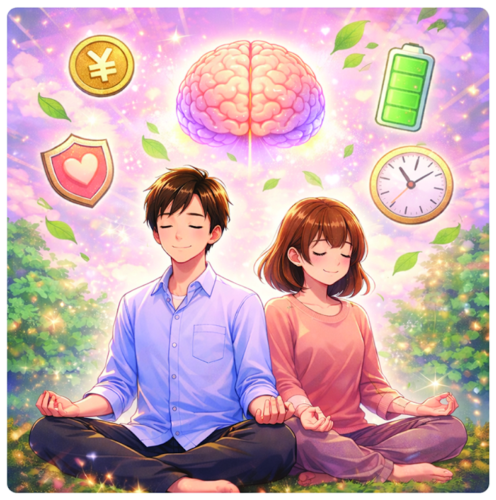
メンパ | Mental performance
💗 メンパ
 pronounced: Menpa
 definition: Mental performance
It is an abbreviation of ‘Mental performance’.
「メンタルパフォーマンス」の略です。
It is a word expressing a new sense of values, following ‘Cospa’ and ‘Taipa’ which emphasize money and time.
お金や時間を重視する「コスパ」や「タイパ」に続く、新しい価値観を表す言葉です。
It refers to a way of thinking that values not getting one’s mind tired or worn out.
心が疲れたり、すり減ったりしないことを大切にする考え方を指します。
In modern times where information and choices overflow, maintaining mental stability is becoming more emphasized.
情報や選択肢があふれる現代では、心の安定を保つことがより重視されるようになっています。
This article is from the April 2026 issue of Hiragana Times.
この記事は、月刊誌『ひらがなタイムズ』2026年4月号より掲載しています。
-
[New Expressions & Buzzwords – April 2026 Issue]
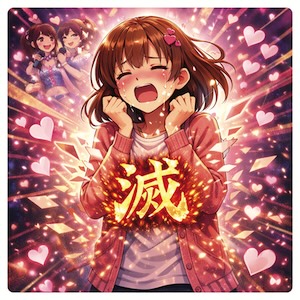
〇〇すぎて滅 | Too xx to survive
😍 〇〇すぎて滅
pronounced: xx sugite metsu definition: Too xx to surviveIt is an internet slang used when emotions exceed the limit.
感情が限界を超えたときに使われるネットスラングです。
It spread triggered by a musical piece of an idol group.
アイドルグループの楽曲をきっかけに広まりました。
‘Metsu’ means ‘to disappear’ and ‘to vanish’, and expresses strong emotions to the extent that oneself seems to disappear.
「滅」は「なくなる」「消える」という意味で、自分が消えてしまいそうになるほどの強い感情を表します。
It is mainly used for positive emotions, such as loving too much and being too cute.
好きすぎる、かわいすぎるなど、主にポジティブな感情に対して使われます。
This article is from the April 2026 issue of Hiragana Times.
この記事は、月刊誌『ひらがなタイムズ』2026年4月号より掲載しています。