-
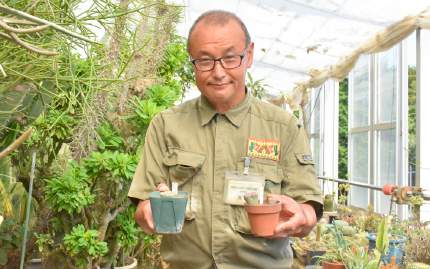
A cactus competition showcasing rare shapes
珍しい形のサボテンが集まる品評会[News Reviews – December 2024 Issue]
At the Izu Shaboten Zoo in Ito City, Shizuoka Prefecture, about 1,500 species of cacti and succulents are on display.
静岡県伊東市の伊豆シャボテン動物公園では、約1,500種類のサボテンや多肉植物が展示されています。Every autumn, the “Interesting Cactus Competition” is held here.
ここでは毎年秋に「おもしろサボテン品評会」が開催されます。10 particularly unique plants, including rare cacti and secret specimens not usually displayed to the public, are exhibited, and a popularity vote is conducted.
普段は公開されていない秘蔵の植物や珍しいサボテンから10株を披露し、人気投票を行います。The event also includes entertaining commentary from the famous staff member, Mr. Manabe, known as the “Cactus Doctor,” who has 34 years of experience growing cacti.
生育歴34年の”サボテン博士”としておなじみの名物スタッフ、真鍋[ルビ:まなべ]さんによるユニークな解説も人気です。
Last year’s popularity vote attracted more than 10,000 votes.
昨年の人気投票では1万票以上が集まりました。
-

The Japanese, Given Life by Rice
お米に生かされてきた日本人
[Japan Style – December 2024 Issue]
About 13.8 billion years ago, a flash of light spread through the infinite darkness, marking the Big Bang. Several hundred million years later, galaxies began to form, starting the grand narrative of the universe. The birth of Earth would still require a further 9 billion years.
今から約138億年前、無限の闇の中に閃光が広がり、ビッグバンが起こりました。それから数億年後に銀河が姿を現し、壮大な宇宙の物語が幕を開けたのです。地球の誕生は、さらに約90億年を待つこととなります。The newly born Earth was a wild landscape, with a sea of boiling magma stretching as far as the eye could see. Over time, however, it gradually cooled and solidified, taking shape. Eventually, icy meteorites from Jupiter showered down, filling the surface with water. It is believed that these meteorites also contained carbon, which is considered the source of life.
誕生したばかりの地球は、煮えたぎるマグマの海が広がる荒々しい姿でした。しかし、時が経つにつれて徐々に冷え固まり、形を整えていきました。やがて木星から氷の隕石が降り注ぎ、地表は水で満たされます。その氷には、生命の根源である炭素も含まれていたと言われています。Thus, the blue planet Earth—covered in carbon and water—came into being. Then, a mysterious process of the Sun known as “photosynthesis” began, producing the carbohydrates that serve as the source of life.
こうして、炭素と水に覆われた青い惑星「地球」が誕生したのです。そこに、太陽の神秘的な営みである「光合成」が始まり、私たちの生命の源である炭水化物が生まれました。Now, we move our bodies using the sugars contained in those carbohydrates. From the birth of the universe to the present day, we have been living within this cycle. Carbohydrates have spread in harmony with the natural environments of various regions across the Earth.
今、私たちはその炭水化物に含まれる糖質をエネルギーにして身体を動かしています。宇宙の始まりから今日に至るまで、私たちはこの循環の中で生き続けているのです。炭水化物は地球上のさまざまな土地の自然と調和しながら広がっています。In dry regions, strong wheat grows, while in water-rich areas, moist rice thrives. In warm highlands, corn continues to be cultivated, and in humid tropical islands, taro is grown as a staple, each fostering unique food cultures.
乾燥した地域では力強く麦が実り、水が豊かな土地ではしっとりとした米が育ちます。温暖な高原地帯ではとうもろこしが、湿潤な熱帯の島々ではタロイモが、それぞれ主食として作り続けられ、独自の食文化を育んできました。In Japan, which is blessed with abundant water, rice naturally became the staple food—an indispensable part of our lives. For Japanese people, rice—nurtured by the blessings of the sun, water, and earth—is life itself.
水に恵まれた日本では、やはり米が主食となり、私たちの暮らしに欠かせない存在となりました。米は、まさに太陽と水、そして大地の恵みを受けて育つ、日本人にとって生命そのものなのです。For over 10,000 years, during the Jomon period, the Japanese lived off nature’s blessings by hunting animals, catching fish, and gathering nuts and wild plants.
1万年以上も続いていたとされる縄文時代。日本人は、動物を捕まえ魚を獲り、木の実や山菜を採取して、自然の恵みを頂いて暮らしていました。It has been discovered that primitive rice was cultivated in Fukui Prefecture around this time. Paddy rice farming was introduced from the Chinese continent toward the end of the Jomon period.
この頃すでに、福井県で原始米が栽培されていたことが分かっています。水田稲作が中国大陸から伝わってきたのが縄文時代の終わり頃でした。The large-scale cultivation of rice using paddy fields, which allowed for nutritious and delicious rice to be produced in abundance, spread rapidly during the Yayoi period. As a result, villages centered around rice production emerged, bringing together people specializing in rice farming, pottery making, and tool crafting, leading to settled communities.
おいしくて栄養価が高い米を量産できる水田稲作は、弥生時代になって一気に広がります。それにより、米を作る人、土器を作る人、道具を作る人など米づくりを中心に人が集まる村ができ、定住して暮らすようになります。Rice became a fundamental support for the Japanese spirit and a symbol of power. Leaders emerged to oversee festivals and agricultural activities, with those who possessed rice accumulating wealth and power, creating distinctions in social class and wealth. Competition arose for fertile land suitable for rice production, leading to conflicts to protect stored rice. Stronger villages began to dominate surrounding ones, eventually forming larger nations.
米は日本人の心の支えとなり、さらに支配力の象徴にもなっていきます。祭りや農作業のリーダーとなる指導者が現れ、米を持つものが富と権力を持ち、身分や貧富の差が生まれました。米づくりに適した土地を奪い合うようになり、保存した米を守るための争いも起きます。そして、強い村が周囲の村を支配し、やがて大きな国となっていきました。In 646, a system was established in which the state controlled all land and people. They distributed fields to the people and required them to pay taxes in the form of rice. This tax system continued in various forms until 1873. Rice played an essential role as a form of currency, with salaries paid in rice. It was only in the Meiji era that taxes transitioned from rice to currency.
646年、国が全ての土地と人を支配する制度ができ、人々に田を与えて、米を税として納めさせるようになりました。この納税の仕組みは、形を変えながら1873年まで続きました。米は通貨として重要な役割を果たし、給料も米で支給されました。明治時代になってようやく、税は米から貨幣に変わったのです。In the Edo period (1603–1868), rice production served as a direct indicator of a daimyo’s economic power and authority, measured in units called kokudaka (1 koku = approximately 180 liters). Kokudaka was determined by land surveys conducted by the shogunate, based on the size and productivity of a daimyo’s territory. The daimyo’s tax and military obligations were set according to their kokudaka. Those with higher kokudaka held greater political influence and social status. For example, the Maeda family of the Kaga domain (in present-day Ishikawa and Toyama prefectures) was known as a powerful clan, with kokudaka exceeding one million koku.
江戸時代(1603年~1868年)には、米の生産量が大名の経済力や権力を示す指標とされ、「石高」という単位で計算されました。(1石=約180リットル)石高は幕府が行う検地によって、領地の広さや土地の生産性を基に決定され、大名は石高に応じて年貢や軍役を負担しました。石高が高いほど大名の政治的発言力や地位も高まり、例えば加賀藩(現在の石川県と富山県)の前田家は100万石を超える石高を持つ有力な存在として知られていました。Today, when it comes to Japanese rice available in supermarkets, varieties such as Koshihikari, Hitomebore, Akitakomachi, and Nanatsuboshi are popular. Among them, the top brand is Koshihikari from Uonuma in Niigata Prefecture.
今日、スーパーで売られている日本のお米といえば、コシヒカリ、ひとめぼれ、あきたこまち、ななつぼし……多くの品種がありますが、中でもトップブランドは、新潟県魚沼産のコシヒカリ。Koshihikari, introduced in 1956 after multiple improvements, became popular for its high quality, early harvest, and excellent flavor. It ranks first in planted area and production nationwide and remains highly popular. Its subtle sweetness and soft, chewy texture are widely appreciated.
品種改良が重ねられて1956年に登場したコシヒカリは、出荷が早く高品質、味も良いと評判になりました。作付面積も生産量も全国トップとなり、今も人気が続いています。ほんのりした甘みと、柔らかくもっちりした食感が好まれています。Each year, from mid-September to mid-October, new rice begins appearing in stores across Japan. For Japanese people, new rice is special, with anticipation similar to the excitement for Beaujolais Nouveau in France. Cooking fresh, water-rich new rice brings out glossy, smooth grains. Serve it steaming hot in a bowl, and enjoy it while it’s warm. Although it may be a bit expensive, the taste of new rice is exquisite.
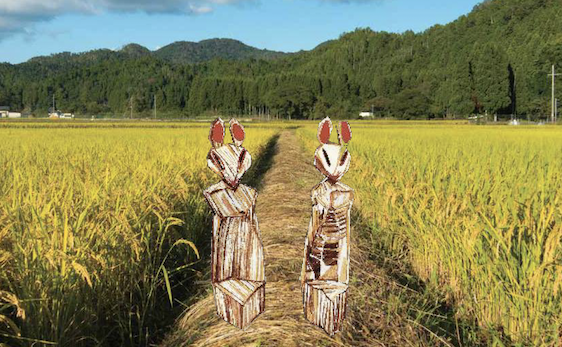
毎年、9月中旬を過ぎ10月も半ばになると、日本全国の新米が店頭に並び始めます。日本人にとって新米は特別。新米を待ち遠しく思うのは、ボジョレーヌーヴォーを想う気持ちと同じでしょうか。水をたっぷり含んだ新米を炊くと、ぴかぴかつるつるの美しい米粒が立ち上がって見えます。ほかほかのご飯を茶碗によそって、湯気の立ったところを召し上がれ。少々高くても、新米の味は絶品です。When we leave the city and see the rice fields changing with the seasons—lush green in the summer and golden during the autumn harvest—every Japanese person feels a deep sense of nostalgia. It is as if this landscape is deeply etched in our blood, sustained by the very life force of rice.
都心を離れて、青々とした夏や黄金色に輝く秋の収穫期など、季節ごとに姿を変える田んぼの景色を目にするとき、私たち日本人は誰もが懐かしさを覚えます。それはまるで、この風景が米の命に生かされてきた私たちの血液に深く記憶されているかのようです。文・岩崎由美
Text ・Yumi Iwasaki -
The Spirit of “Musuhi,” The Force that Generates Life and Unity
[Cover Story – December 2024 Issue]
Japan is symbolized by the sun, as depicted in its national flag, the Hinomaru.
日本は、国旗の日の丸が示すように太陽をシンボルとしています。The sun goddess Amaterasu Omikami is regarded as the ancestor of Japan’s emperors and a unifying spirit for the Japanese people.
太陽の神「天照大神」は日本の天皇の祖先であり、国民の祖神とされています。Amaterasu bestowed the “Three Sacred Treasures” and the “Three Great Imperial Decrees” upon her descendant Ninigi-no-Mikoto, sending him to the earthly realm.
天照大神は「三種の神器」と「三大神勅」を孫である邇邇藝命に授け、日本の地に送り出しました。One of the Three Great Imperial Decrees is the “Yuniwa no Inaho,” which emphasizes the importance of agriculture, instructing that rice should be carefully cultivated by future generations to maintain the nation’s prosperity.
三大神勅の一つには、「稲穂を子孫代々大切に育て、国を豊かに保つように」という農業の重要性を説いた「斎庭稲穂」があります。This decree has been passed down through the ages, and even today, the Emperor enters the sacred rice fields to plant and harvest rice.
この神勅は伝承され、現代においても天皇は神田に入り、田植えや稲刈りを行います。The Niiname-sai, or Harvest Festival, held on November 23, is a significant ritual rooted in this decree.
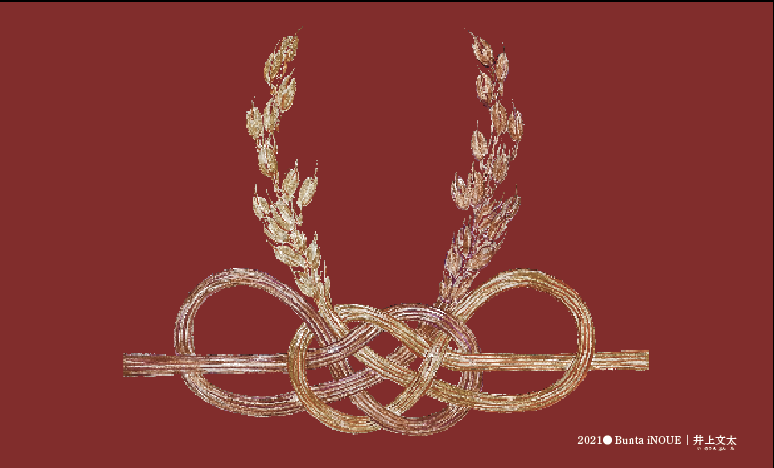
11月23日の新嘗祭は、この神勅に由来する大切な祭祀です。The cover of this month’s issue features mizuhiki, a traditional Japanese decorative knot.
今月号の表紙には、日本の伝統的な装飾結びである「水引」が描かれています。Mizuhiki follows strict rules regarding the number of cords and knotting styles, with each style serving a distinct purpose.
水引には、本数や結び方において用途ごとに定められた厳格なルールが存在します。Additionally, mizuhiki made from rice ears is used in special Shinto rituals, such as the Niiname-sai.
また、稲穂で作られた水引は、新嘗祭などの特別な神事で用いられます。In Shinto, rice cultivation is considered a sacred act of “musubi,” a term that also means “to tie” or “to bind.”
神道では、稲作は神聖な「産霊」であり「結び」も意味します。This mizuhiki symbolizes the power to connect various elements and generate life.
この水引は、さまざまなものを結びつけ、生命を生み出す力を象徴しているのです。 -
A new café blending into Jimbocho — Mafumi Coffee and Books
神保町になじむ新しい喫茶店——眞踏珈琲店[Spotlight – November 2024 Issue]
Mafumi Coffee and Books, which opened in 2016 in Jimbocho (Chiyoda Ward, Tokyo), one of Japan’s most famous secondhand book districts, is still a relatively new presence in the area. The owner, Mr. Mafumi Oyama, is also a sociology researcher with fieldwork experience in the United States.
日本屈指の古書店街である神保町(東京都千代田区)に2016年にオープンした「眞踏珈琲店」は、この町ではまだ新しい存在です。店主の大山眞踏さんは社会学研究者でもあり、米国でのフィールドワーク経験もあります。
The roughly 5,000 books lining the shop’s shelves are mostly from Mr. Oyama’s personal collection. Inside the remodeled standalone house, there is a large counter on the first floor, and the second floor, as well as the stairs, are packed with books. The shelves hold books from a wide range of genres, including literature, philosophy, and sociology.
店内に並ぶ約5,000冊の本の大半は、大山さんの私物です。一軒家を改装した店内には1階に大きなカウンターがあり、2階、そして階段にも所狭しと蔵書が並んでいます。棚にあるのは、文学、哲学、社会学など多岐にわたるジャンルの本です。The reason Mr. Oyama opened the café stems from his deep affection for a café where he once trained. He was strongly drawn to the relationships between the customers and the atmosphere of that café. He chose Jimbocho because he felt a connection with the town’s culture, which is home to many long-standing cafés that have been around for 50, 60, or even 70 years. It also suited his own love of books.
大山さんがこの店を開店したきっかけは、深く愛着を持って修業していた喫茶店での経験です。そこでのお客様と店の関係性や雰囲気に強く惹かれたといいます。神保町を選んだのは、50年、60年、70年と長く続く老舗の喫茶店が数多ある町の文化と、本好きの自分の気質が合ったからだそうです。At the café, Mr. Oyama roasts the beans himself and uses the nel drip method to brew coffee, respecting the freedom of how customers choose to spend their time. Some people might feel intimidated by coffee specialty shops, but at Mafumi Coffee and Books, it’s perfectly fine to chat, read a book, or just daydream. The shop stays open until 11 p.m. on weekdays to make it easy for people to drop by after work.
店では、大山さん自身が焙煎した豆をネルドリップで淹れ、お客さんの自由な過ごし方を尊重しています。コーヒー専門店に敷居の高さを感じてしまうという人もいますが、この眞踏珈琲店では雑談をしても、本を読んでも、ぼんやりしていても構いません。平日に23時まで営業しているのは、仕事帰りの人も気軽に立ち寄れるようにという考えからです。Mr. Oyama puts his heart into each daily cup of coffee, aiming for the shop to last “50 years, or ideally even 100 years.”
大山さんは「50年、できれば100年後も残る店でありたい」と、日々の1杯のコーヒーに思いを込めています。Every autumn in Kanda-Jimbocho, the “Kanda Secondhand Book Festival” is held. In 2024, it is scheduled from October 25 to November 4. Many people will likely take a break at Mafumi Coffee and Books while browsing for books.
神田神保町では毎年秋に「神田古本まつり」が開催され、2024年は10月25日から11月4日までの予定です。本選びの合間に、眞踏珈琲店で一息つく人も多いことでしょう。Photo: Mafumi Coffee and Books
Text: IKEDA Miki写真提供:眞踏珈琲店
文:池田美樹 -
Shiiba Village, Miyazaki Prefecture: A Hidden Mountain Sanctuary Where History and Culture Live On
宮崎県椎葉村——歴史と文化の息づく山岳地帯の秘境[Place – November 2024 Issue]
Deep in the mountains of Kyushu lies Shiiba Village in Miyazaki Prefecture. Alongside Shirakawa-go in Gifu Prefecture and Iya in Tokushima Prefecture, it is considered one of Japan’s three great hidden regions. This mystical village, situated in a rugged, densely forested mountainous area, is dotted with small settlements.
九州山地の奥深くに位置する宮崎県椎葉村。ここは、岐阜県の白川郷、徳島県の祖谷[ルビ:いや]と並ぶ日本三大秘境の一つ、険しく緑深い山岳地帯に集落が点在する神秘的な村です。
In the village, a distinctive culture has flourished in the daily lives of its people for centuries. “Shiiba Kagura,” a sacred dance dedicated to the gods, has been passed down for over 600 years and is performed throughout the night. This kagura was designated as an Important Intangible Folk Cultural Property by the Japanese government in 1978 and remains one of the village’s greatest sources of pride.
村では、古くから人々の生活に特色ある文化が息づいています。600年以上受け継がれてきた「椎葉神楽」は神々への奉納の舞で、夜を徹して行われます。この神楽は1978年に国の重要無形民俗文化財に指定され、村の誇りのひとつとなっています。The village is also known for its stunning natural beauty. Highlights include the “Okubo No Hinoki” cypress tree, which is over 800 years old and designated as a National Natural Monument, and the towering “Yamura Sugi,” which stands 54.4 meters tall. The moss-covered trees in the wetlands of Shiratori Mountain are often enveloped in thick mist, and the area is revered as a sacred place by the villagers.
大自然も村の魅力のひとつです。国の天然記念物である樹齢800年の「大久保のヒノキ」や、54.4mの高さを誇る「八村杉」など、そのスケールは人々を圧倒します。苔むした木々が立ち並ぶ白鳥山の湿地帯は時に霧が深く立ちこめ、村人に聖地としてあがめられています。Shiiba Village is also famous as the place where the survivors of the Taira clan, who were defeated in the Battle of Dan-no-ura at the end of the Heian period, took refuge. Their sorrowful yet beautiful story is still passed down today, reminding people that Shiiba was an important chapter in Japan’s history.
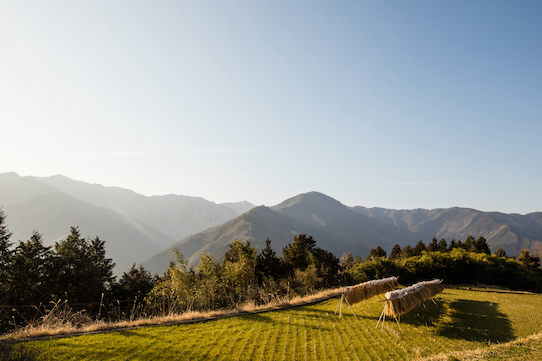
椎葉村は、平安時代末期に壇ノ浦の戦いで敗れた平家の落人たちが隠れ住んだ場所としても知られています。彼らの悲しくも美しい物語は今も語り継がれ、椎葉村が歴史の重要な舞台であったことを伝えています。The village preserves the traditional Japanese rural landscape, featuring terraced rice fields and stone walls. Particularly notable is the traditional slash-and-burn farming, which has been recognized for its contributions to environmental preservation, earning it a designation as a Globally Important Agricultural Heritage Site in 2015.
集落には棚田や石垣など、昔ながらの日本の農村の景観が残されています。特に、伝統的な焼畑農業は環境保全の観点からも評価され、2015年に世界農業遺産に認定されました。Shiiba Village is a mystical place where culture, history, and nature intertwine. This hidden sanctuary, untouched by the passage of time, leaves a profound and lasting impression on all who visit.
文化、歴史、そして自然が織りなす神秘の舞台、椎葉村。この秘境は、時代の波に揺るがぬ魅力を放ち、訪れる者の胸に深く刻まれることでしょう。Access
Approximately 1 hour and 45 minutes from Haneda Airport to Miyazaki Airport, followed by a 1 hour and 30 minute train ride on the JR Nippo Main Line from Miyazaki Airport Station to Hyuga City Station, and then a 2 hour and 30 minute bus ride from Hyuga City Station.
・About a 3-hour drive from Miyazaki City.
・About a 2-hour and 15-minute drive from Kumamoto City.アクセス
羽田空港から宮崎空港まで約1時間45分、JR日豊本線宮崎空港駅から日向市駅まで1時間30分、日向市駅から路線バスで約2時間30分
・宮崎市より車で約3時間
・熊本市より車で約2時間15分 -
Autumn Leaf-peeping in Search of Autumn
秋を求めて紅葉狩り[Japan Savvy – November 2024 Issue]
When it comes to enjoying nature in Japan, cherry blossom viewing in spring is popular, but autumn leaf viewing is equally unmissable.
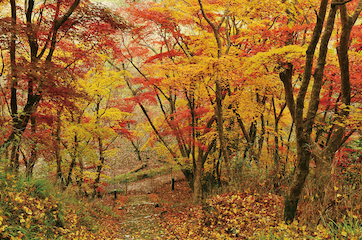
日本で人気の自然の楽しみ方といえば春のお花見ですが、秋の紅葉見物[けんぶつ]も欠かせません。The sight of the trees’ leaves turning various shades of red, crimson, vermilion, reddish brown, orange, yellow, and gold is breathtakingly beautiful.
木々の葉が赤、紅、朱、えんじ、だいだい、黄、黄金色と、濃淡さまざまに染まる様子は息をのむほどの美しさです。The culture of enjoying the autumn leaves dates back to the Nara and Heian periods.
紅葉を楽しむ文化の起源は、奈良から平安時代にさかのぼります。It was a popular activity among aristocrats to hold parties where they would drink sake, admire the autumn leaves, and compose waka poems about their beauty.
紅葉見物をしながら酒を酌み交わす宴を開き、その美しさを和歌に詠むという遊びが貴族の間で流行していました。It wasn’t until the Edo period that “momijigari” (autumn leaf-peeping) spread among the common people, and since then, people have headed to the fields and mountains in search of autumn once summer ends.
紅葉狩りが庶民に広がるのは江戸時代になってからで、それ以降、夏が終わると人々は秋を求めて野山へと繰り出します。 -
Balletcore | バレエコア
[New Expressions & Buzzwords – November 2024 Issue]
🩰 バレエコア
🗣️ pronounced: Baree koa
🖊️ definition: Balletcore
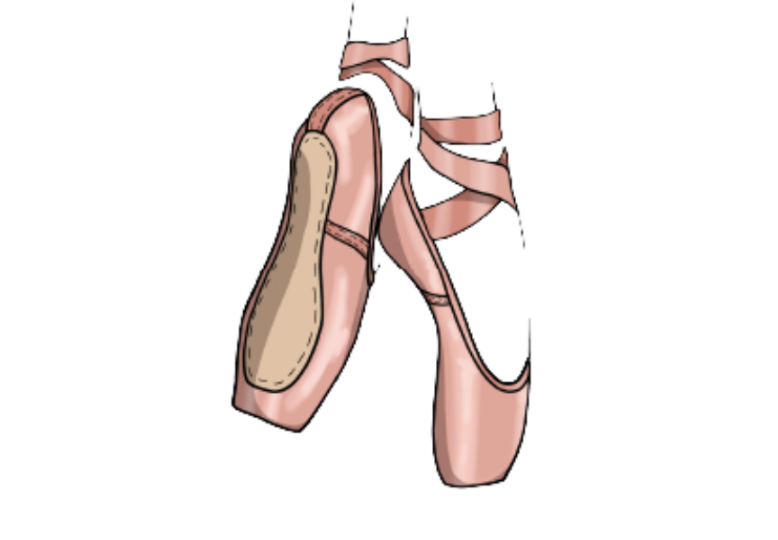
It’s a fashion style inspired by ballerinas.
バレリーナをイメージしたファッションのことです。Items used in ballet, such as ribbons, tulle, and leg warmers, are incorporated into the fashion style.
リボンやチュール、レッグウォーマーなど、バレエに使われるアイテムをスタイルに取り入れています。The key point is not only its cuteness but also its ease of movement.
かわいらしさだけでなく、動きやすさもポイントです。 -
Dystopian food | ディストピア飯
[New Expressions & Buzzwords – November 2024 Issue]
🍱 ディストピア飯
🗣️ pronounced: Dhisutopia meshi
🖊️ definition: Dystopian food
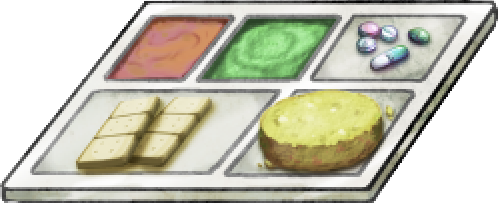
It refers to a recreated dish inspired by meals that appear in dystopian worlds.
ディストピアに出てくる食事をイメージした再現料理のことです。It is characterized by unappetizing-looking, mysterious ingredients served on an inorganic, single plate.
食欲をそそらない見た目の謎の食材が無気質なワンプレートで提供されているのが特徴です。The purpose is simply to get nutrients efficiently.
栄養を効率的に摂ることだけを目的にしています。 -
A writer aiming to become an author moves to a village: “The Hidden Village Writer.”
村に移住して作家を目指す「秘境の文筆家」[News Review – November 2024 Issue]
A “hidden village writer” has taken up a post in Shiiba Village, Miyazaki Prefecture. This village is considered one of Japan’s three most secluded regionssts.
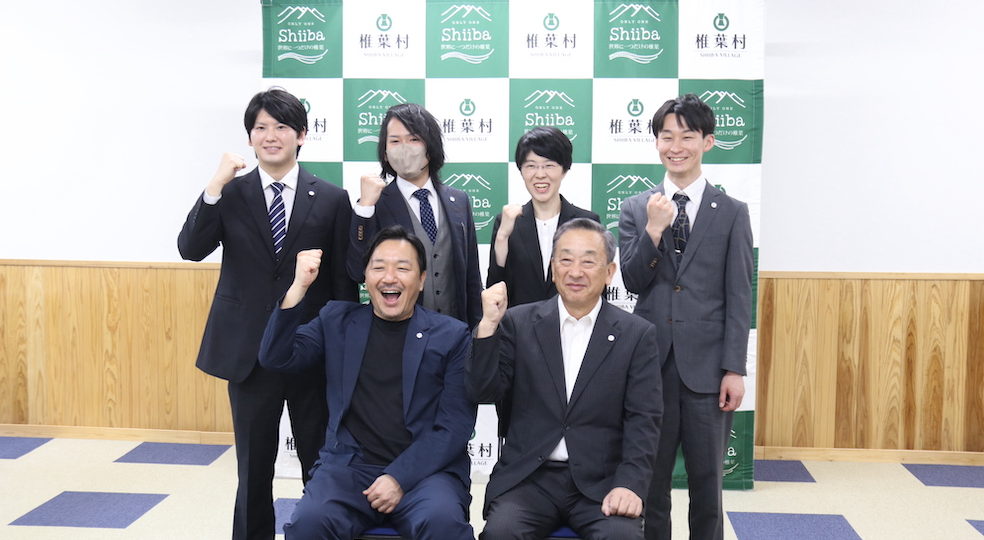
宮崎県椎葉村に「秘境の文筆家」が着任しました。この村は「日本三大秘境」の一つとされています。This project invites individuals aspiring to become novelists to move to Shiiba Village as members of a regional revitalization team, where they engage in various activities. Four individuals were selected from 92 applicants.
これは、小説家デビューを目指す人が地域おこし協力隊として椎葉村に移住し、活動するプロジェクトです。92人の応募者から4人が選ばれました。They live in houses provided by the village, receive a monthly salary, and can spend up to three years writing novels. Naoki Prize-winning author Shogo Imamura and editors will support them in their writing endeavors.
彼らは村が用意した家に住み、月給をもらいながら最大3年間小説を執筆します。直木賞作家の今村翔吾さんや編集者が作品作りを支援します。In the near future, a new author might emerge from this secluded region.
近い将来、秘境から新しい作家が生まれるかもしれません。 -
“Wagyu” Co-Being with “Wajin”
“和人” とともに在る“和牛”。
[Japan Style – November 2024 Issue]
Throughout the world, food cultures rooted in the natural environment have developed in different regions. For example, northern Europe, including northern England and Ireland, is cold and has many grasslands, making it suitable for cattle and sheep grazing. As a result, livestock farming has developed as an important industry.
地球上では、各地で風土に根ざした食文化が育まれてきました。例えば、イギリス北部、アイルランドなどを含むヨーロッパ北部は寒冷で牧草地が多く、牛や羊の放牧に適していることから牧畜が重要な産業として発展しました。In Japan as well, Hokkaido, with its cool climate similar to northern Europe, takes advantage of its vast land for dairy farming. The number of dairy cattle raised there is overwhelming, and the production of raw milk, the base for dairy products, accounts for more than 50% of the nation’s total. Hokkaido also ranks first in the country for beef cattle production, but there is not much production of what is considered “Wagyu.”
日本でも、ヨーロッパ北部に似た冷涼な気候の北海道では、広大な土地を生かして酪農が盛んです。特に乳牛の飼育頭数は圧倒的で、乳製品の原料となる生乳の生産量は全国の50%超。肉牛生産でも全国1位ですが、いわゆる「和牛」とされる肉用牛の生産は多くありません。The place considered the origin of “Wagyu” is Niimi City in Okayama Prefecture. In Niimi City, known for producing high-quality iron sand, farmland was limited, so livestock farming developed as a substitute industry during the Edo period. The cattle raised in this area later became the foundation for Wagyu, which spread nationwide and was gradually improved into what is now known as “Wagyu.”
「和牛」の発祥とされているのが岡山県新見市です。良質な砂鉄の産出地として知られた新見市では耕作地が限られていたため、江戸時代に畜産が代替産業として発展しました。この地で飼育された牛が後に和牛の基礎となって全国へと広がり、現在の「和牛」へと改良されていきました。The three most famous Wagyu brands—Kobe beef, Matsusaka beef, and Omi beef—are known for their beautiful cut surfaces and tenderness. The “Tajima beef” (from the Tajima region of Hyogo Prefecture), which forms the basis of many of these well-known brands, is famous for its long history of bloodline management and breed improvement. In the Kyushu region, brands like “Miyazaki beef” and “Kagoshima Kuro-ushi” (black cattle) are famous for maintaining Wagyu’s superior bloodline while incorporating local breed improvements, and in the Tohoku region, “Yamagata beef” and “Maesawa beef” are well-known.
三大銘柄と言われる神戸ビーフ、松阪牛、近江牛は切断面が美しく、柔らかさが特徴です。これらの知名度が高いブランド牛の多くの基になっている「但馬牛」(兵庫県但馬地方)は、血統管理や品種改良の歴史が深いことで知られています。九州地方では、和牛の優れた血統を引き継ぎつつ地域特有の改良が施されたブランド牛「宮崎牛」や「鹿児島黒牛」が、東北地方では「山形牛」や「前沢牛」が有名です。In Japan, from the birth of a calf to when it becomes meat, everyone involved treats the cattle with great care, paying close attention and showing affection. Each calf is registered with a name, birthdate, bloodline—including parents, grandparents, and great-grandparents—where it was born, and who raised it. Each cow is given an individual identification number. This thoroughly managed traceability (production history) provides peace of mind.
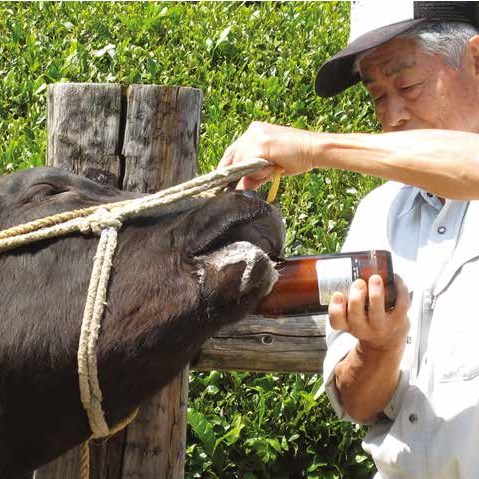
日本では、牛の誕生から食肉になるまで、全ての関わる人たちが丁寧に細やかに心を配り、愛情を注いで扱います。生まれた子牛の名前、生年月日、両親、祖父母、祖父母の父母までの血統、どこの牛農家で生まれ誰が育てたのかといった戸籍があり、1頭ごとに個体識別番号が与えられます。きっちり管理されたトレーサビリティ(生産履歴)は、安心感につながります。Cattle farmers put their hearts into raising the cattle. In addition to grains, they feed the cows rice straw that has been aged for one to two years, and the 20 to 50 liters of water they drink daily is natural spring water. In summer, when the cows’ appetite decreases, they are even given beer. Farmers brush the cows every morning without fail, massage them with shochu, shampoo them to make their coats glossy, and in winter, they even splash cold water on the cows to stimulate the growth of soft, fluffy winter fur. Through constant trial and error, farmers spare no effort or labor.
牛農家は心を砕いて育てます。穀類のほか、1~2年熟成させた稲わらを食べさせたり、1日に20~50リットル飲む水は天然水、食欲が落ちる夏はビールを飲ませたりします。ブラッシングは毎朝欠かさず、焼酎を使って全身をマッサージ。毛並みを美しくするためにシャンプーをし、冬はあえて冷たい水をかけて身体を冷やしてふわふわの冬毛が生えてくるようにするなど、手間と労力を惜しまず試行錯誤を繰り返してきました。Cattle that are carefully raised like family by skilled and dedicated producers have calm expressions and beautiful physiques. It is said that the better the cow looks, the better the meat tastes. When it’s time for shipment, farmers reportedly pray, saying, “Thank you for growing up so well. Now, please go on to sustain the lives of many people.” They feel pride in raising cows that will become essential to human life and express gratitude to the cows for supporting human existence.
生産者の技術と人柄で家族のように大切に育てられた牛は、顔つきが穏やかで体軀も美しくなります。牛は見た目に比例して肉の味も良くなるのだそうです。出荷となり送り出す時、「ここまで育ってくれてありがとう。この先はたくさんの人の命になってくれ」と祈るのだとか。牛農家は、人間の命を支えてくれる牛に感謝しながら、育てた牛がみんなの命になることに誇りを持って育てています。Today, “Japanese Wagyu” has become incredibly popular worldwide and is recognized as Japan’s finest food product. The characteristic of “Japanese Wagyu” lies in its “marbled meat,” where fat is interwoven like a web among the lean meat, creating a melt-in-your-mouth richness. This is rare overseas and has garnered high praise. The tender meat, which can be cut with chopsticks, and the sweet fat that spreads in your mouth can only be experienced with Wagyu raised in Japan.
今や「日本の和牛」は世界で大人気となり、日本が誇る最高の食材となりました。「日本の和牛」の特徴は、赤身の間に網の目のように入ったサシ(脂肪)がとろけるような旨みを生み出す「霜降り肉」にあります。これは海外では珍しく、高い評価を得ています。箸で切れるほどに軟らかく、口の中に甘さが広がる良質な肉の脂は、日本で育てられた和牛でしか味わえません。Looking around the world now, Wagyu crossbred with Japanese bloodlines, known as Wagyu, is flourishing overseas. Australia, in particular, is the largest producer of Wagyu and has gained significant recognition. However, it is a completely different product from the Wagyu produced in Japan. Japanese Wagyu, raised with the passion and dedication of farmers who tend to their cattle daily, offers a deep flavor, smooth texture, and melt-in-your-mouth harmony that will be etched in your memory once you taste it.
今、世界を見渡すと、和牛の遺伝子を交配した海外産のWagyuが幅を利かせています。特にオーストラリアは最大のWgyu生産国で、知名度も高いのが現状ですが、日本で生産される和牛とは全くの別物です。真摯に日々牛に向き合う生産者の情熱とこだわりが込められた和牛は、一度口にすれば奥深い風味と滑らかな舌触り、とろける口当たりのハーモニーが記憶に刻み込まれることでしょう。