-
[JAPAN MAZE | 迷宮ニホン – January 2026 Issue]
You may understand the words, but still get lost in communication. This corner takes you on a fun journey through the maze of Japanese language and culture with four-panel manga. Unlocking the punchline is the key – it reveals the essence of Japanese expression and leads you to the exit, with a smile and a fresh insight.
言葉の意味はわかるのに、なぜか通じない――。日本語と日本文化の迷宮を、4コマ漫画で楽しく探検するコーナーです。 “オチ”を読み解けば、日本語の本質が見えてくる。迷宮の出口には、気づきと笑いが待っています。
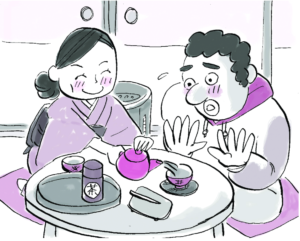
もういっぱい | Another Drink
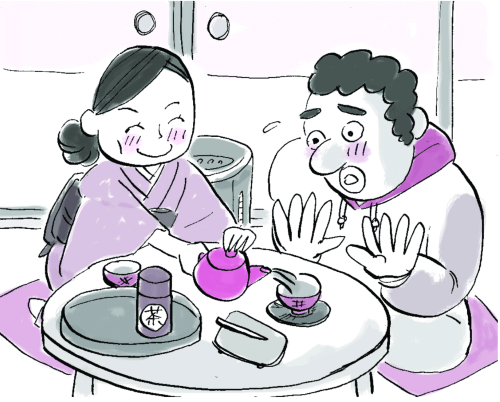
Scene 1

ホストマザー:お茶はいかがですか。
Host Mother: How about a cup of tea?
留学生:ありがとう。
Foreign Student: Thank you.
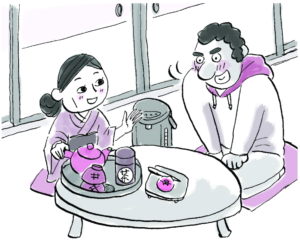
Scene 2
留学生:とてもおいしい。
Foreign Student: It’s really good.ホストマザー:そう、それではもう一杯いかがですか。
Host Mother: Well then, how about another cup?Scene 3
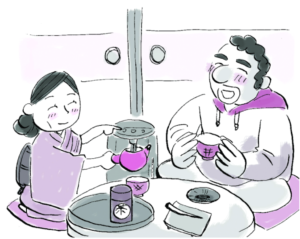
留学生:すみません。もういっぱい。
Foreign Student: Thank you, I have had enough.ホストマザー:あなた、本当にお茶が好きなんですね。
Host Mother: You really like tea.
さあ、さあ。
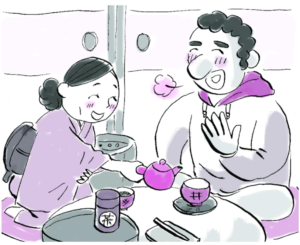
Please please.Scene 4
留学生:もういっぱい。たくさんです
Foreign Student: I have had enough, no more thanks.ホストマザー:そう、どうぞ、どうぞ。たくさん飲んで!
Host Mother: Good, please, please. Drink a lot!
Maze Navigation / 迷宮ナビ
Let’s break down each scene | それぞれのシーンを理解しよう。Scene 1
When visiting a Japanese home, it is common to be welcomed with a warm cup of tea. In this scene, the host mother offers tea to a student who has just arrived in Japan. Serving tea is a Japanese custom that expresses “welcome,” and the student gladly responds.
日本の家庭を訪問すると、温かいお茶でもてなされることがよくあります。このシーンでは、訪日したばかりの留学生に、ホストマザーがお茶を勧めています。お茶は「ようこそ」の気持ちを伝える日本の習慣で、留学生も喜んで応じています。
■ 家庭 [home]
■ もてなす [to welcome / to treat]
■ 勧める [to offer / to recommend]
■ 習慣 [custom]Scene 2
In many Japanese homes, a hot-water pot is kept so that tea can be prepared anytime. The host mother pours hot water into a teapot and carefully serves the tea into a cup. The student relaxes and smiles, saying it tastes good.
日本の家庭では、温かいお茶をすぐ入れられるよう、保温ポットを置いていることがよくあります。ホストマザーは急須にお湯を注ぎ、丁寧に湯呑みにお茶をついでいます。留学生はリラックスし、おいしいと、笑顔を見せています。
■ 保温 [keep warm]
■ 急須 [teapot]
■ お湯 [hot water]
■ 注ぐ [to pour]
■ 丁寧に [carefully / politely]Scene 3
The student thinks he is saying “mō ippai,” meaning “I’ve had enough,” but the host mother hears it as “mō ippai,” meaning “one more cup.” This misunderstanding leads her to assume he reallyt loves tea, and she continues to offer him more.
留学生は「もういっぱい、イコール、もう十分です、と断っているつもりですが、ホストマザーはそれを、もう一杯、イコール、おかわり、と受け取りました。行き違いが生まれ、お茶好きだと思い込んだホストマザーは、さらに勧めています。
■ 断る[to refuse]
■ 受け取る[to take, to interpret as]
■ 行き違い[misunderstanding]
■ 思い込む[to assume]Scene 4
Finally, the student says, “Mō ippai, takusan desu,” meaning he’s had more than enough. However, the host mother hears it as “One more cup, a lot please,” and continues pouring tea for him.
とうとう、留学生は「もういっぱい、たくさんです」と断っていますが、ホストマザーはそれを「もう一杯、たくさん欲しい」と受け取り、さらにお茶を注ぎます。
■ もう一杯 [one more cup]
■ いっぱい [enough / full]
■ たくさん [a lot]
■ さらに [further / additionally]
Maze Exit / 迷宮出口
What did the punchline reveal? / 今回のオチでわかったことCultural Insight / 新しい発想・文化知識
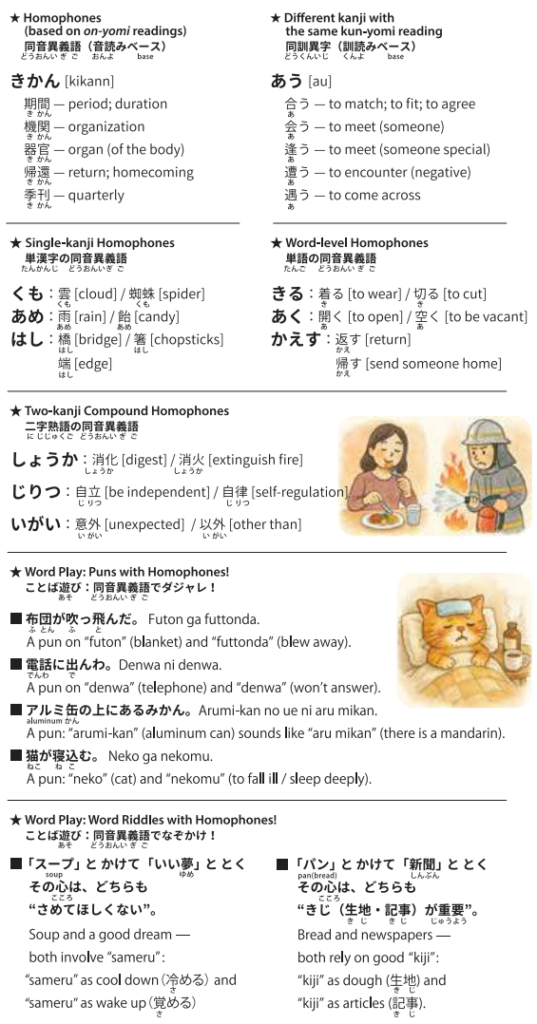
Japanese has an exceptionally large number of homophones—words that sound the same but have different meanings. This may seem difficult at first, but English has similar examples such as “knight” and “night,” or “pair” and “pear.” Even when words sound identical, their meanings become clear from context.
日本語には、音が同じで意味が異なる言葉(同音異義語)が非常に多く存在します。最初は難しく感じるかもしれませんが、英語にも “knight / night” や “pair / pear” のような例があります。音が同じでも、文脈によって意味は自然に理解されます。
Homophones in Japanese form a world where depth and playfulness coexist. They sound the same to the ear, yet look and feel different to the eye—this duality is part of the charm of the Japanese language.
同音異義語は、日本語の奥深さと遊び心が混ざり合った世界。耳では同じ、目では違う、その二重性こそが、日本語の魅力です。
This article is from the January 2026 issue of Hiragana Times.
この記事は、月刊誌『ひらがなタイムズ』2026年1月号より掲載しています。
-
[Japan Savvy – January 2026 Issue]
Shogatsu—Osechi Cuisine Celebrating the “Fushi” (Nodes) of the Sun and Moon
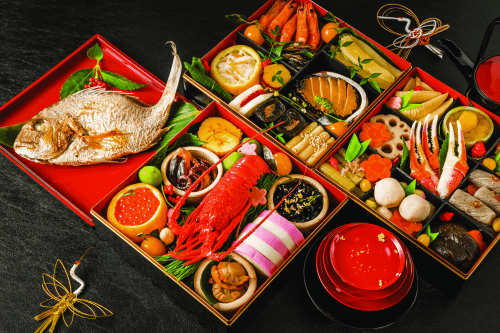
正月――太陽と月の節(ふし)を祝うお節料理‘Osechi ryori’ is indispensable for the Japanese New Year.
日本のお正月に欠かせない「おせち料理」。
It is a special cuisine that celebrates the new year, with various dishes beautifully packed in ‘jubako’ (tiered boxes).
いろいろな料理を重箱に美しく詰めた、新しい年を祝う特別な料理です。
In kanji, it is written as “御節料理” (Osechi Ryori).
漢字では「御節料理」と書きます。
This ‘sechi’ (node/season) is read as ‘fushi’ in Yamato Kotoba (native Japanese words).
この「節(せち)」は、大和言葉では「ふし」と読みます。
‘Fushi’ is a switching point of things, and it means a regeneration point where new life is born again.
ふしとは、ものごとの切り替わりであり、新たな生命が生まれ直す再生点を意味します。
The sun weakens the most in the year, and the turning point where it begins to regain its power again from there is the ‘Winter Solstice’.
太陽が一年で最も弱まり、そこから再び力を取り戻し始める転換点──「冬至」。
That is the moment when ‘Yin’ reaches its extreme and ‘Yang’ is born.
それは、陰が極まり、陽が生まれる瞬間です。And, the new moon that comes around before long. It is the time when the moon returns to darkness, and begins to harbor light from there.
そして、やがて巡ってくる新月。闇に戻った月が再び光を宿し始める時です。
At the Winter Solstice, the sun is born anew, and with the new moon that follows, the moon is born anew as well—
冬至で太陽が生まれ直し、続いて訪れる新月で月が生まれ直す──
Ancient people living under the lunar calendar celebrated this great “Fushi” (node) of the universe—where these two rebirths overlap—as ‘Shogatsu’ and ‘Gantan’.
太陰暦に生きていた古代の人々は、この二つの再生が重なる宇宙の大きな節(ふし)を「正月」「元旦」として寿ぎました(ことほぎました)。
And the cuisine that celebrates that “Fushi” is Osechi Ryori.
そしてその節を祝う料理が、お節料理なのです。
Become a Osechi Savvy おせち通になる
WARM UP | Osechi JapaNEEDS
Useful Words 役立つ言葉
正月(しょうがつ) – New Year御節料理(おせちりょうり) – New Year’s dishes
節(ふし) – joint; node; turning point
再生(さいせい) – renewal; rebirth
冬至(とうじ) – winter solstice
新月(しんげつ) – new moon
太陰暦(たいいんれき) – lunar calendar
重箱(じゅうばこ) – tiered food box
祝う(いわう) – to celebrate
寿ぐ(ことほぐ) – to offer congratulations
意味(いみ) – meaning
願う(ねがう) – to wish; to hope
生命(いのち) – life
Ice Breaker Questions 会話のきっかけ
1. Which osechi dish would you most like to try?
おせち料理の中で、一番食べてみたいものは何ですか?2. What New Year’s traditions or customs do people follow in your country?
あなたの国では、お正月にどんな行事や習慣がありますか?3. Within the year, what day is considered the most important in your country?
一年の中で、あなたの国ではいちばん大切にしている日はいつですか?4. How would you like to spend this New Year’s holiday?
今年のお正月は、どんなふうに過ごしたいですか?5. What is the wish you most hope to come true this year?
今年、あなたが一番かなえたい願いは何ですか?WORK UP | Osechi Discussion
DISCUSSION ディスカッション
Ali: What’s your favorite dish in osechi ryōri?
アリ: おせち料理では、みなさん何が好きですか。
Bob: I like black soybeans!
ボブ: 黒豆が好き!
Mayumi: They represent the wish to “work diligently” and “stay healthy,” because mame also means “hard-working.”
まゆみ: 黒豆には「まめに働く」という願いが込められています。
Vanessa: I love the luxurious sea bream! It literally means “good fortune,” right?
ヴァネッサ: 私は豪華な鯛!これは「めでたい」という意味ですよね?
Bob: Wait—does every osechi dish have some kind of meaning like that?
ボブ: もしかして、おせちって全部そんなふうに意味があるんですか?
Mayumi: Exactly! Each dish has a special wish behind it—not only in the wordplay, but also in the food itself. For example, kazunoko is full of symbolism for future generations. And kurikinton is golden, so it represents wealth and good fortune.
まゆみ: その通りです!おせちはそれぞれ、言葉遊びだけでなく、食材そのものにも意味が込められています。たとえば数の子は子孫繁栄、栗きんとんは黄金色から財運をもたらします。
Ali: I see. Even the shape and color of the ingredients have meanings.
アリ: なるほど。食材の形や色、意味があるんですね。
Mayumi: That’s right. In Japan, people traditionally believed the sound of words, as well as colors, shapes, and numbers, all carry a kind of spiritual power.
まゆみ: そうなんです。日本では、言葉の響きや色、形、数字などにも、それぞれ力が宿ると考えられてきました。
Bob: All right! My New Year’s resolution is to “chew well.” I want to savor the meaning of each dish and live this year mindfully.
ボブ: よし!今年の新年の抱負はよく噛むことにします。一つ一つのおせちの意味を味わいながら、一年を大切に過ごす!WRAP UP | Osechi Knowledge
NEW KNOWLEDGE 新しい知識
Osechi is prepared at the end of the year. This is because using a knife during the New Year period is believed to “cut off” good relationships or good fortune.
おせちは年末に準備します。これは、お正月に包丁を使うと「縁を切る」と考えられてきたためです。It is also said that people should avoid using fire during the first three days of the year, so as not to anger Kōjin, the deity of fire.
また、三が日は火を使わない方が良いとされ、火の神である荒神様を怒らせないためだと伝えられています。For these reasons, many osechi dishes are seasoned strongly so that they will keep for several days.
そのため、おせち料理は日持ちするように、味付けが濃いものが多くなります。The stacked lacquered boxes (jūbako) symbolize the wish for “layers of good fortune.”
重箱には、「福が重なりますように」という願いが込められています。Shrimp represents longevity, with the hope that one will live long enough for one’s back to bend like a shrimp.
えびは、「腰が曲がるまで長生きできますように」という長寿の象徴です。Datemaki resembles a scroll, so it is eaten with wishes for academic success and increased knowledge.
伊達巻は巻物に似ていることから、学問成就や知識向上を願う料理です。Kobumaki (kelp rolls) is associated with the word yorokobu (“to be happy”), and it also symbolizes long life as “yōro-kombu,” meaning longevity kelp.
昆布巻は、「喜ぶ」にかけて縁起を担うほか、「養老昆布」として長寿を願う意味もあります。Kama-boko is considered auspicious because its shape resembles the rising sun on New Year’s Day.
かまぼこは初日の出を思わせる形で、縁起の良い食べ物とされています。
This article is from the January 2026 issue of Hiragana Times.
この記事は、月刊誌『ひらがなタイムズ』2026年1月号より掲載しています。
-
[NIHONGO DO – Voice-word Art –January 2026 Issue]
Seasonal Voice-Word Art: “When yin reaches its extreme, it turns to yang” — even at the lowest point, signs of improvement will soon appear.
季節の言技:「陰極まれば陽に転ずる」― どん底のときほど、やがて好転の兆しが訪れる。
This “Voice-Word Art” section introduces seasonal sayings that carry both natural and human wisdom. Enjoy how old phrases fold hope into everyday life.
この「言技」セクションでは、季節に結びついた言葉を通して、自然と人の営みが紡ぐ知恵を紹介します。時代を超えて響く言葉の美をお楽しみください。
“When darkness reaches its limit, it turns to light.” | 陰極まれば陽に転ずる
■ Explanation / 解説
Rooted in classical Chinese thought, the proverb expresses a cyclical view: extremes reverse. In seasonal terms, the deepest cold precedes warmth; in life, the hardest trials can precede recovery. It comforts and reminds us that conditions are not fixed forever.
中国古典の思想に由来するこの言葉は、物事が極まると反転するという循環観を示します。季節なら最も寒い時期の後に暖気が来るように、人生の困難もいずれ好転する――そうした慰めと希望を込めて用いられます。■ Meaning / 意味
- 陰(いん / in) — darkness, passivity, the waning side.
暗やみ、陰の側面。 - 極まれば(きわまれば / kiwamareba) — when it reaches the extreme; the point of culmination.
極限に達したとき。 - 陽(よう / yō) — light, activity, the waxing side.
明るさ、陽の側面。 - 転ずる(てんずる / tennzuru) — to turn, to transform, to reverse.
反転する、変わる。
■ Usage / 使う場面
A: Hey — what’s wrong? Did something happen?
A:どうしたの?何かあったの?
B: I overslept and ran down the station stairs, fell, and to make matters worse my phone broke…
B:寝坊して駅の階段を走って降りたら転んでしまった。しかも、そのときスマホが壊れちゃって…。A: That’s really rotten luck. But good things will come.
A:それは踏んだり蹴ったりだね。でも、いいことあるよ。B: Why do you say that?
B:なんで?
A: You know the saying, “When darkness reaches its limit, it turns to light.” From now on, only good things will happen.
A:「陰極まれば陽に転ずる」って言うじゃない。これからは、いいことしか起こらないよ。
This article is from the January 2026 issue of Hiragana Times.
この記事は、月刊誌『ひらがなタイムズ』2026年1月号より掲載しています。
- 陰(いん / in) — darkness, passivity, the waning side.
-
[NIHONGO DO – Word Leaves – January 2026 Issue]
Seasonal Word Leaves: Japan’s January, “Mutsuki” — New-year gatherings, fresh starts, and quiet winter mornings across the islands.
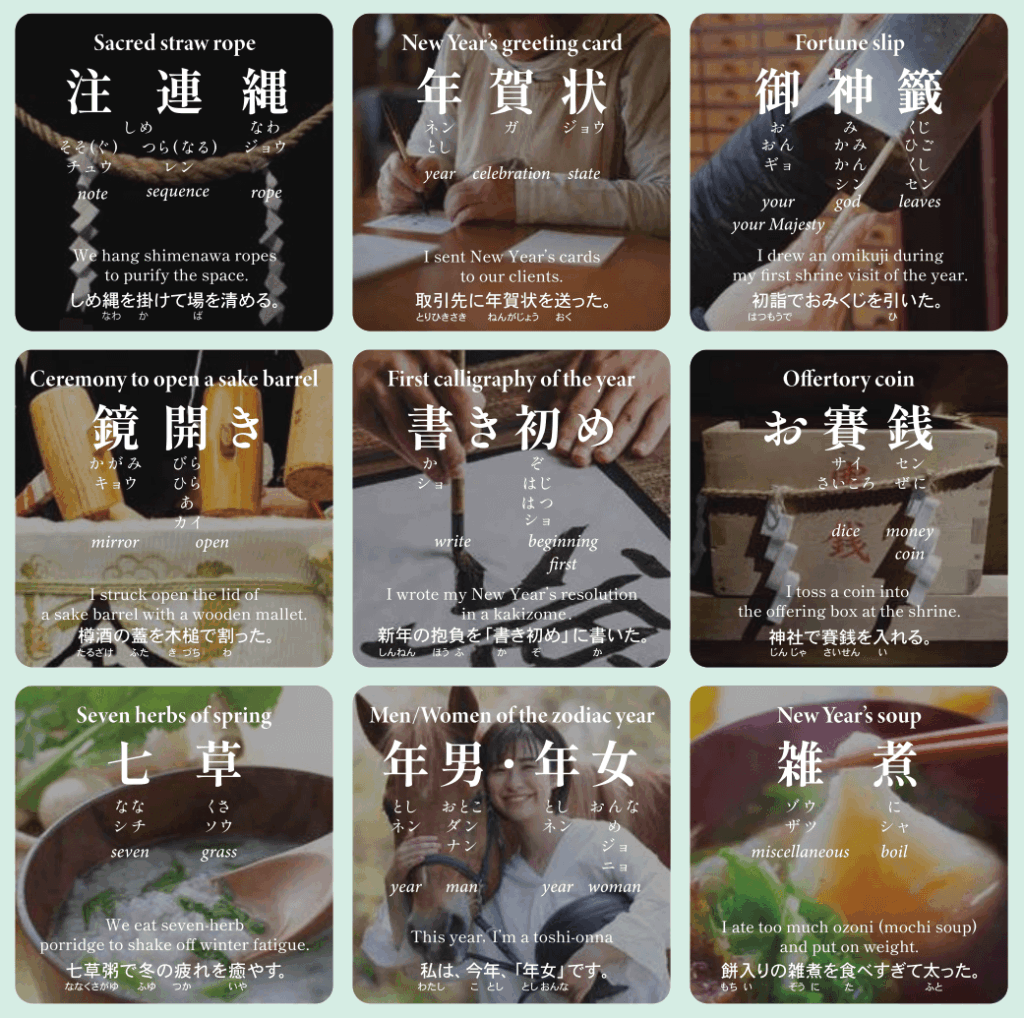
季節の言の葉:日本の1月「睦月(むつき)」— 新年の集いと新たな始まり、そして静かな冬の朝。Mutsuki (the first month) carries the sense of coming together. Families reunite, New Year cards are exchanged, and first shrine visits offer prayers for the year ahead. Streets show festive cheer while mornings remain quiet; kagami-mochi and steaming ozoni fill the home with warmth. These small rituals and shared meals—moments of prayer, conversation, and comfort—shape Mutsuki’s gentle, hopeful rhythm.
睦月は「親しくむつまじくする月」という語感をもつ新年の季節です。家族が集い、年賀状が行き交い、初詣で一年の祈りを捧げる。街は晴れやかな賑わいを見せる一方で、朝の静けさが残り、鏡餅や雑煮の湯気が家庭を満たします。こうした小さな儀礼や食卓の時間が、睦月の穏やかで希望に満ちたリズムを形作ります。
This article is from the January 2026 issue of Hiragana Times.
この記事は、月刊誌『ひらがなタイムズ』2026年1月号より掲載しています。
-
[Pros and Cons with Insights / 賛否と洞察] – January 2026 Issue]
Legalization of the Use of Old Surnames, Yet the Controversy over ‘Selective Separate Surnames’ Continues
旧姓使用が法制化、それでも続く「選択的夫婦別姓」論争
Background | 背景The government has solidified a policy to proceed with the ‘legalization of the use of old surnames,’ expanding the scope where surnames before marriage (old surnames) can be used officially.
政府は、結婚前の姓(旧姓)を公的に使用できる範囲を広げる「旧姓使用の法制化」を進める方針を固めた。Due to this, the outlook is that practical inconveniences accompanying the change of surname will be significantly alleviated.
これにより、改姓に伴う実務的な不便は大幅に軽減される見通しである。Even so, the movement seeking the legalization of ‘selective separate surnames’ is still deep-rooted.
それでもなお「選択的夫婦別姓」の法制化を求める動きはなお根強い。Pros | 賛成意見The surname is the core of an individual’s identity, and the freedom to maintain it should be recognized.
姓は個人のアイデンティティの核であり、それを維持する自由が認められるべきだ。 Cons | 反対意見If practical inconveniences are resolved, there is no need to change Japan’s tradition that ‘a family takes one surname’.
実務上の不便が解消されるなら、日本の「家族は一つの姓を名乗る」という伝統を改める必要はない。 Insight | 洞察Regarding the surname systems of the world, it tends to be talked about as if ‘separate surnames are the mainstream’.
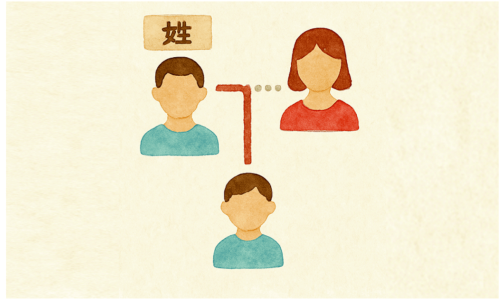
世界の姓制度は「別姓が主流」のように語られがちである。However, in the West, although there is indeed no legal compulsion, a culture where couples and families take the same surname has taken root.
しかし欧米では法の強制こそないものの、夫婦や家族が同じ姓を名乗る文化が根づいている。On the other hand, the fact that separate surnames for couples are common in the Muslim sphere and the Chinese sphere is not due to egalitarian thought, but is because historically, women have not been regarded as beings who “enter” the husband’s family line.
一方、ムスリム圏や中国圏で夫婦別姓が一般的なのは、平等思想によるものではなく、歴史的に女性が夫の家系に“入る”存在とは見なされてこなかったためである。A clear patrilineal structure continues, where the wife is not permitted to take the husband’s surname, and furthermore, the child’s surname is fixed to the paternal line.
妻は夫の姓を名乗ることを許されず、さらに子どもの姓は父系に固定されるという明確な父系中心の構造が続いている。In other words, ‘separate surnames’ in the world are not necessarily a symbol of equality or respect for the individual.
つまり、世界における「別姓」は必ずしも平等や個人尊重の象徴とは限らない。The meaning contained in the surname goes beyond the problem of the system, and is a theme that re-questions the values themselves of Japanese society, asking ‘what is a family’.
姓に込められた意味は制度の問題を超え、「家族とは何か」という日本社会の価値観そのものを問い直すテーマである。
This article is from the January 2026 issue of Hiragana Times.
この記事は、月刊誌『ひらがなタイムズ』2026年1月号より掲載しています。
-
[Close up Japan – January 2026 Issue]
The Young Hero Who Crossed the Fires of War, Aonishiki, Becomes a New Ozeki
戦火を越えた若き英雄、安青錦が新大関へ
In 2025, a new page was carved into the history of Grand Sumo.
2025年、大相撲の歴史に新たな1ページが刻まれました。A Sumo wrestler from Ukraine, Aonishiki Arata.
ウクライナ出身の力士、安青錦 新大(あおにしき・あらた)。The ‘An’ of that shikona(ring name) derives from the name of his master, the former Aminishiki.
その四股名の「安」は、師匠である元安美錦の名に由来します。And ‘Ao’ expresses the color of his mother country Ukraine’s national flag and the color of his own eyes.
そして「青」は、母国ウクライナ国旗の色と、自身の瞳の色を表しています。The Makuuchi championship victory in merely 14 tournaments from his debut is the second fastest record in history.
初土俵からわずか14場所での幕内優勝は史上2番目のスピード記録。Also, obtaining the Emperor’s Cup at 21 years and 8 months old became the 4th youngest in history.
また、21歳8か月での賜杯獲得は史上4番目の若さとなりました。In the background of the birth of this young Ozeki, there is a deep bond.
この若き大関誕生の背景には、深い絆があります。The “Arata” part of his ring name was taken from his best friend, Arata Yamanaka—who accepted and supported him when he wished to evacuate to Japan, refusing to abandon his sumo dream even amidst the fires of war.
四股名の“新大”の部分は、戦火の中でも相撲の夢を捨てたくないと日本への避難を望んだ彼を受け入れ、支え続けた親友――山中新大さんの名をいただいたものです。Aonishiki’s physique of 182.0cm and 140.0kg cannot be said to be big by any means in the Sumo world.
182cm・140kgという安青錦の体格は、相撲界では決して大きいとは言えません。However, what makes one not feel that handicap is the strong core learned from wrestling forged in his home country, and the sharp attacks launched from a low posture.
しかし、そのハンデを感じさせないのが、母国で鍛えたレスリング仕込みの強靭な体幹と、低い姿勢から繰り出す鋭い攻め。That fighting style which toys with giant wrestlers is the crystal of polished technique.
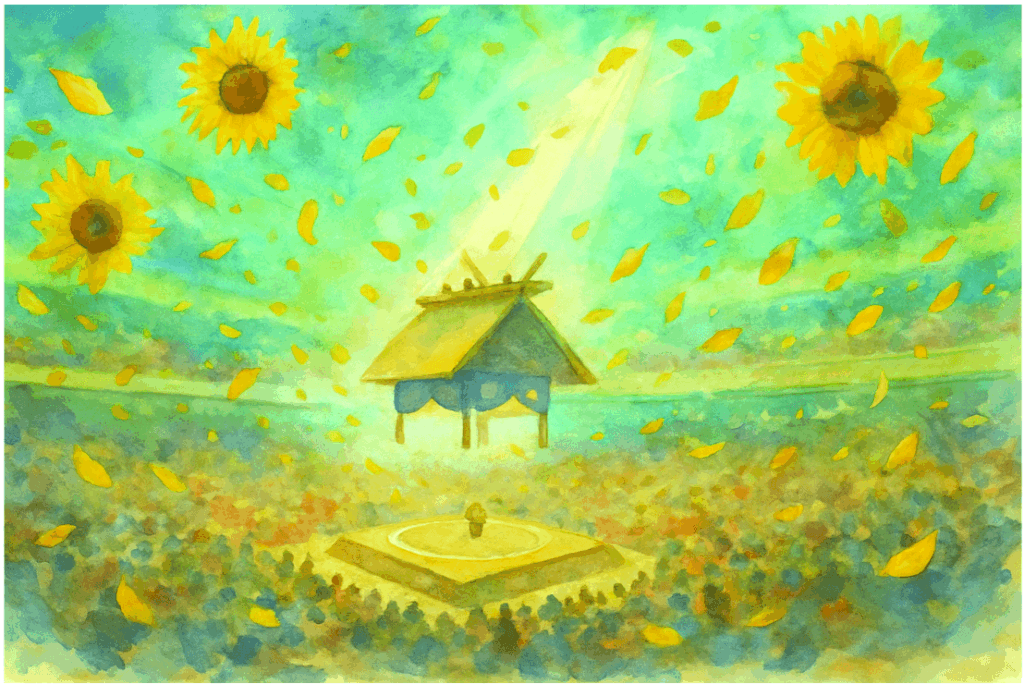
巨漢力士を翻弄するその戦いぶりは、磨き上げた技術の結晶です。On his Kesho-mawashi, a vivid yellow sunflower, which is the national flower of Ukraine, and a clear blue sky symbolizing peace are depicted.
彼の化粧廻しには、ウクライナの国花である鮮やかな黄色のヒマワリと、平和を象徴する澄んだ青空が描かれています。Prayer and gratitude to his hometown far away. And, with the warm bond with Japan in his heart.
遠く離れた故郷への祈りと感謝。そして、日本との温かな絆を胸に。A new star risen in the Sumo world is beginning to vividly illuminate the dohyo.
相撲界に昇った新しい星が、土俵を鮮やかに照らし始めています。
This article is from the January 2026 issue of Hiragana Times.
この記事は、月刊誌『ひらがなタイムズ』2026年1月号より掲載しています。
-
[New Expressions & Buzzwords – January 2026 Issue]
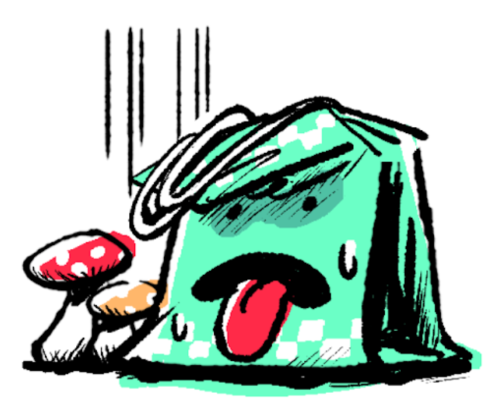
鬱袋 |Depressing bag
😑鬱袋
pronounced: Utsubukuro definition: Depressing bagIn Japan, “fukubukuro” (lucky bags) are sold at New Year.
日本では、新年に「福袋」が販売されます。
A fukubukuro is a value-packed set containing various items.
福袋は、さまざまなアイテムが入ったお得なセットです。
On the other hand, when the contents turn out to be disappointing, people use the term “utsubukuro.”
その一方で、中身が期待はずれだったときに使われるのが「鬱袋」です。
The word “utsu” conveys feelings of disappointment or being depressed.
「鬱」には、がっかりしたり、落ち込んだりする気持ちが込められています。
This article is from the January 2026 issue of Hiragana Times.
この記事は、月刊誌『ひらがなタイムズ』2026年1月号より掲載しています。
-
[New Expressions & Buzzwords – January 2026 Issue]
サナ活 | Sana-activity
👩 サナ活
pronounced: Sanakatsu definition: Sana-activityIn Japan, proactive activities taken toward a particular purpose are described with “◯◯-katsu”.
日本では、ある目的に向けて行う積極的な行動を「◯◯活」と表現します。
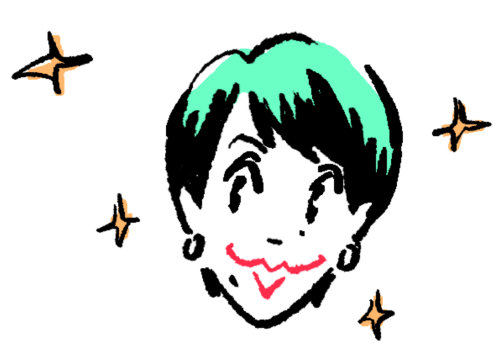
Recently, “Sana-katsu,” referring to supporting Prime Minister Sanae Takaichi, has become popular.
昨今、高市早苗総理を応援する「サナ活」が人気です。
Among young people, there is a growing trend of imitating her fashion and belongings.
若者の間では、彼女のファッションや持ち物をまねる動きが広がっています。
It’s also gaining attention as a way to spark greater interest in politics.
政治への関心を高めるきっかけとしても注目されています。
This article is from the January 2026 issue of Hiragana Times.
この記事は、月刊誌『ひらがなタイムズ』2026年1月号より掲載しています。
-
[News Review –January 2026 Issue]
Who Is This Year’s ‘Lucky Man’? Nishinomiya Shrine’s ‘Running Worship’
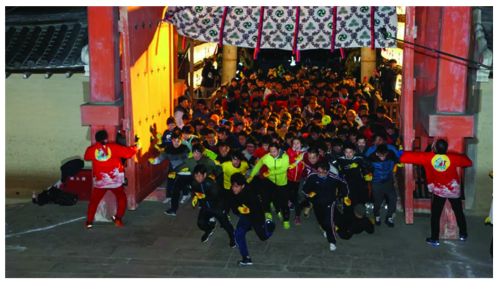
今年の福男は誰?西宮神社の「走り参り」Every year on January 10th, the ‘Gate-Opening Ritual Lucky Man Selection’ is held at Nishinomiya Shrine in Hyogo Prefecture.
毎年1月10日に、兵庫県の西宮神社で「開門神事福男選び」が行われます。
This place is known as a shrine that enshrines ‘Ebisu-sama’, the god of business prosperity.
ここは、商売繁盛の神様「えびす様」を祀る神社として知られています。
The worshipers aiming for ‘Lucky Man’ run all at once toward the main hall, about 230 meters away from the gate.
福男を目指す参拝者たちは、門から約230メートル離れた本殿へ一斉に走ります。
At 6:00 AM, at the moment the gate opens, they start.
午前6時、門が開いた瞬間にスタート。
A powerful scene of sprinting at full speed unfolds.
全力疾走の迫力ある光景が広がります。
The top three people who arrive at the main hall first are certified as that year’s ‘Lucky Men’.
最初に本殿に到着した上位3人が、その年の「福男」に認定されます。
The name of the event is “Fuku-otoko” (Lucky Man), but of course women can participate as well.
行事名は「福男」ですが、もちろん女性も参加できます。
Who will grasp the ‘luck’ this year? Every year, it attracts great attention.
今年は誰が“福”をつかむのか――毎年、大きな注目を集めています。
This article is from the January 2026 issue of Hiragana Times.
この記事は、月刊誌『ひらがなタイムズ』2026年1月号より掲載しています。
-
[Cover story – January 2026 Issue]
The New Year’s Bell Opens the Gate of Heaven
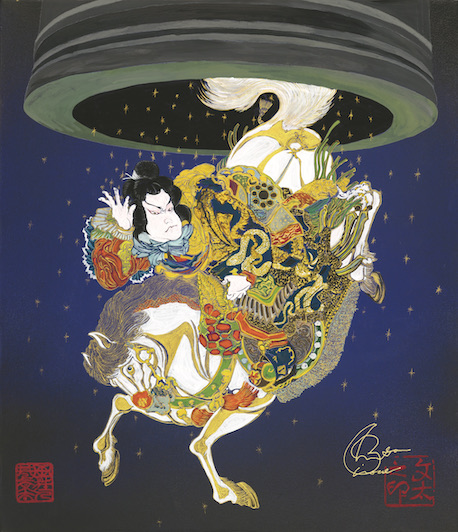
“世明け”を告げる鐘In the deep silence of midnight as the New Year arrives, the solemn peal of Joya-no-Kane—the New Year’s Bell— resonates through the darkness. Its heavy vibrations, said to sweep away worldly desires and cast off the old, carry the power to open a new gate. What appears on this month’s cover is the very moment that the gate of the new world dawn swings open.
新しい年を迎える深夜、深い静寂の中に除夜の鐘が響きわたります。古いものを払い、煩悩を祓うとされるその重い振動は、やがて 新たな世の夜明けの門 をひらく力となります。今月の表紙に描かれているのは、まさにその 「新しい世界の門」が開く刹那 なのです。
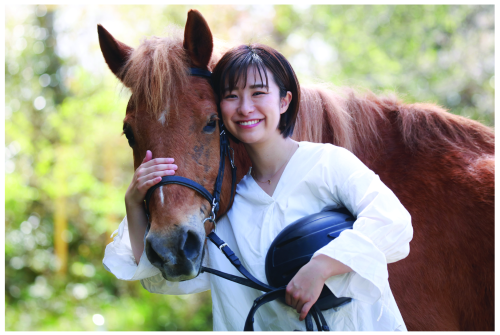
From within the bell—opening like a passage into the depths of the cosmos— the new zodiac sign, the Horse, descends together with shimmering stars. As tradition tells, the celestial steed touches the earth with its forelegs first— a single step marking a dawn moment when auspicious light begins to seep into the world. And this heavenly horse is none other than the very horse of the Soma clan, a lineage that has lived alongside horses for more than a thousand years.
宇宙の深淵へと続く鐘の中から、瞬く星々とともに新しい干支・午が降りてきます。伝承の通り、天馬は前足から地を踏みしめます。その一歩は、よき兆しが地上へ染みわたる黎明の一瞬です。そしてその天馬は、千年以上にわたり馬と共に生きてきた相馬氏の馬そのものです。
Rooted in Fukushima and known as descendants of Taira no Masakado, the Soma clan has lived every battle, every prayer, and every moment of daily life side by side with their horses. The spirit of Soma Nomaoi—an ancient equestrian tradition found nowhere else in the world and now designated as a National Important Intangible Folk Cultural Property— is the very pride of Soma itself.
福島県に根を張り、平将門の後裔として知られる相馬氏は、戦いも祈りも暮らしも、常に馬と共にありました。世界に類を見ない古式馬事、相馬野馬追(のまおい)の精神は、国の重要無形民俗文化財にも指定された、相馬の誇りそのものです。
On the armor of the samurai riding the celestial steed shines the Kuyō crest, borne for generations by the Soma clan who inherit the lineage of Masakado. It glows in harmony with the stars of the universe. On the samurai’s robe, the serpent of the previous year’s zodiac is depicted, quietly embodying the continuity of time, the cycle of life, and the layers of history that flow beneath the present moment.
天馬に跨る侍の甲冑には、将門の流れを継ぐ相馬氏が代々掲げてきた九曜紋が輝き、宇宙の星々と共鳴しています。侍の衣には、前年の干支・巳が描かれ、時間の連続性や命のめぐり、歴史の重なりが静かに息づいています。
Fukushima Prefecture, homeland of the Soma clan, is the third largest in Japan and is composed of three distinct regions: Hamadori, Nakadori, and Aizu. Hamadori, shaped by the sea and wind; Nakadori, a fertile heartland; and Aizu, a region embraced by mountains— each has nurtured its own history and culture over the centuries.
相馬氏ゆかりの地である福島県は、日本で三番目に広く、「浜通り」「中通り」「会津」から成る県です。海と風の「浜通り」、実りの大地「中通り」、山々に守られた「会津」——それぞれが異なる歴史と文化を育んできました。
Among these regions, Hamadori—where the city of Soma lies— bore deep wounds from the 2011 Great East Japan Earthquake, the tsunami, and the nuclear disaster that followed. The year 2026 marks fifteen years since that day. For this region, which has walked through a long stretch of darkness, the “dark interior” of the bell depicted on this cover stands as a symbol of the shadows of its past.
その中で相馬市が位置する浜通りは、2011年の東日本大震災と津波、そして原発事故という深い傷を負いました。2026年は、あの日から15年の節目。長い暗がりを歩んできたこの地域にとって、この表紙に描かれた鐘の“暗き内側”は、過去の影を象徴しています。
Yet—this darkness is quietly coming to an end. In the new Year of the Horse, starlight will once again pour down upon the land, and a renewed radiance will begin to fill the year ahead. And this horse will race across the whole of Japan, its gallop tracing a lineage that reaches back a thousand years, ultimately leading to Taira no Masakado,
the revered ancestor of the Soma clan.けれども——その暗がりは、静かに終わりを告げつつあります。新しい午の年は、星の輝きが再び大地へと降りそそぎ、再生の光が満ちていく一年となるでしょう。そして、その馬は、日本全土へと駆け抜けていきます。その姿は、千年の系譜を遡り、相馬氏の祖・平将門へと結ばれていきます。
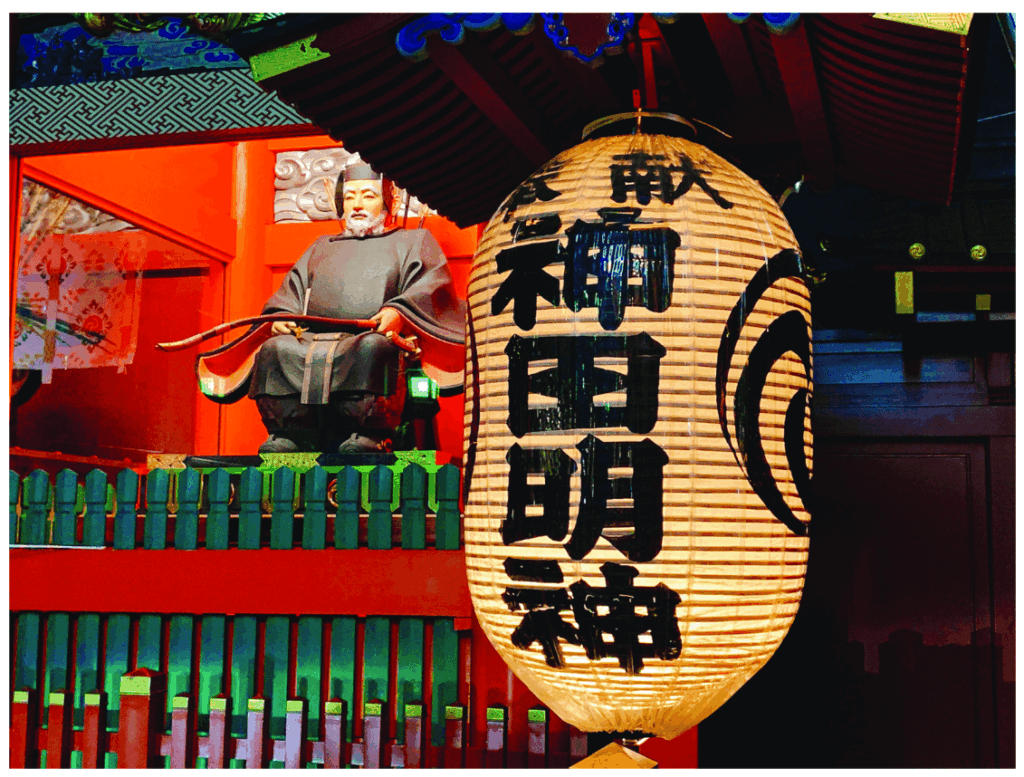
Kanda Myōjin in Tokyo, where Masakado is enshrined, will celebrate the 1,300th anniversary of its founding in 2030, four years from now. The prayers of Masakado—who once stood for the people of the eastern provinces and longed for a new and better age— continue to breathe across a millennium.
将門を祀る東京都の神田明神は、4年後の令和十二年(2030年)、創建一三〇〇年の節目を迎えます。かつて東国の民を思い、新しき世を願った将門の祈りは、千年の時を越えて息づいています。
A new era is quietly beginning— a time in which the stories carried by this lineage will once again reclaim their light. May the year 2026 become a radiant Year of the Horse, galloping forward with hope, courage, and renewed brightness.
その系譜に連なる物語が、再び光を取り戻す時代が、いま静かに始まりつつあります。2026年が、希望と勇気と光へと駆け抜ける美しい午の年となりますように。
This article is from the January 2026 issue of Hiragana Times.
この記事は、月刊誌『ひらがなタイムズ』2026年1月号より掲載しています。


 Background | 背景
 Pros | 賛成意見
 Cons | 反対意見
 Insight | 洞察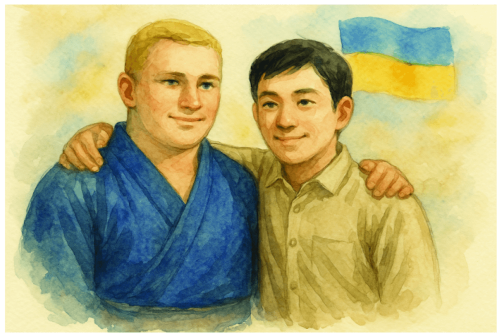
 pronounced: Utsubukuro