-
Fushimi Inari Taisha Hatsuma Taisai | 伏見稲荷大社初午大祭
[Cover Story – February 2025 Issue]
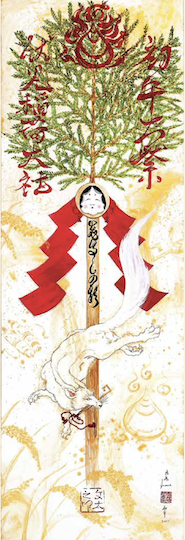
The cover of this month’s issue features a painting by Bunta Inoue, which was dedicated to the 2024 Hatsuma Taisai at Fushimi Inari Taisha in Kyoto.
今月号の表紙は、井上文太氏が2024年の京都・伏見稲荷大社初午祭に奉納した絵画です。The deity of Inari is known as the guardian of agriculture and commerce, and the key to the rice granary, held in the mouth of the deity’s messenger, the fox, is regarded as a symbol of protecting rice, the fundamental source of life for people.
稲荷神は農業や商業の守護神として知られ、その神使である狐がくわえている米蔵の鍵は、人々の命の根源である米を守る象徴とされています。The main subject of the painting, the “Shirushi no Sugi” (Symbolic Cedar), is cherished as a good luck charm.
絵の主題である「しるし(験)の杉」は、縁起物として親しまれています。Its origins are believed to lie in the Kumano Pilgrimage, which was widely practiced from the Heian to Kamakura periods.
その起源は、平安時代から鎌倉時代にかけて広く行われた熊野詣にあるとされています。The Kumano Kodo is famous as a network of pilgrimage routes that span the mountainous regions of the Kii Peninsula.
熊野古道は紀伊半島の山岳地帯に広がる巡礼路として有名です。It might be called the Japanese version of the Camino de Santiago.
日本のカミーノ・デ・サンティアゴと言えるかもしれません。The people of Kyoto would visit Fushimi Inari Taisha on their way back from the Kumano Pilgrimage and receive a “Shirushi no Sugi” as a token of their pilgrimage’s fulfillment and as a symbol of prayers for the prosperity of their families and communities.
京都の人々は熊野詣の帰路に伏見稲荷大社を訪れ、巡礼成就の証として、そして家族や地域の繁栄を祈願したしるしとして「しるしの杉」を受け取っていました。The Hatsuma Taisai is held on the first “Day of the Horse” (in a 12-day cycle) of the new year, and its key ceremonies take place during the “Hour of the Horse” (11:00 a.m. to 1:00 p.m.).
初午祭は、新年最初の「午の日」(12日周期)に行われ、重要な儀式は「午の刻」(午前11時~午後1時)にとり行われます。In traditional Japanese cosmology, “Horse” represents summer in the seasons, south in direction, and the time when the sun is at its highest point.
「午」は四季では夏、方角では南、太陽が最も高い位置にある時を表します。Originally, the festival’s purpose was to pray for abundant crops in the coming year, timed to this specific day and hour.
この日のこの時間に合わせ、その年の五穀豊穣を祈願するのが初午祭の本来の目的でした。Today, it has become an important event not only for agriculture but also for praying for business prosperity.
現在では、農業だけでなく商売繁盛も祈願する重要な行事となっています。 -

The Power of Mochi: Japanese Tradition Coloring the New Year | 餅の力:新年を彩る日本の伝統
[Japan Savvy – January 2025 Issue]
Mochi, made from glutinous rice and characterized by a chewy texture, is an essential food for the Japanese New Year. In particular, mochi pounding, where family, friends, and community members work together to make mochi, has played an important role in strengthening bonds among people.
もち米から作られ、もちもちとした食感の餅は、日本のお正月に欠かせない食べ物です。特に家族や友人、地域の人々が力を合わせて行う餅つきは、人と人との絆を深める重要な役割を果たしてきました。The kanji for “mochi” (餅) means “baked food made from flour” in Chinese. It is believed that this kanji was adopted for the Yamato kotoba (ancient Japanese language) word “mochi” due to its similar appearance.
「餅」という漢字は、中国語では「小麦粉で作った焼き物」を意味します。見た目が似ていたことから、大和言葉の「もち」にこの漢字が当てられたと考えられます。There are several theories about the origin of the Japanese word “mochi.” One theory suggests that the word “mochiii,” a portable rice dish similar to “hoshiii” (dried rice), that was used as preserved food, eventually evolved into “mochi.”
日本語の「もち」の語源にはいくつかの説があります。保存食としての「干し飯[ほしいひ]」と同じく携帯できる飯である「もちいひ」が「もち」になった説。Another theory is that the word originated from its value as a food that could be stored for a long time, referred to as “nagamochi” (lasting a long time). There is also a theory that it derives from “百道 (mochi),” meaning “a hundred lessons.”
長期間保存でき「長持ち」する食べ物として重宝されたことに由来する説。さらには、「百の教え」という意味の「百道(もち)」に由来するという説まであります。Because mochi is made by layering numerous grains of sacred rice, it has long been cherished as an offering to the gods.
餅は神聖な米を何粒も重ねて作られることから、古くより神様への供え物として大切にされてきました。 -
The Charm of Osaka Conveyed Through Kabuki | 歌舞伎で伝える大阪の魅力
[News Review – January 2025 Issue]
The Osaka-Kansai Expo will be held starting April 13.
大阪・関西万博が4月13日から開催されます。In preparation for the Expo, a project is currently underway to convey the charms of Osaka’s culture and arts.
万博に向けて現在、大阪の文化や芸術の魅力を発信するプロジェクトが進行中です。A special Kabuki performance will be held in February as part of these projects. This follows last year’s performance, and Governor YOSHIMURA Hirofumi said, “I hope people of all generations will see this performance.”
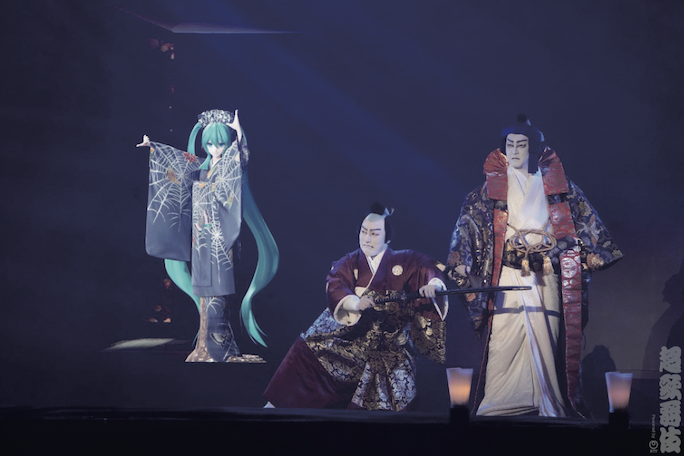
その一つとして、2月に歌舞伎の特別公演が行われます。昨年に続いての開催で、吉村洋文府知事は「いろいろな世代の人に観てほしい」と話しました。The Kabuki program will feature plays mainly connected to the Kansai region.
歌舞伎の演目は、関西にゆかりのあるものを中心に上演します。Additionally, the Expo will feature “Cho-Kabuki” with the popular virtual singer “HATSUNE Miku,” attracting attention from around the world.
また、万博では、人気のバーチャルシンガー「初音ミク」が出演する「超歌舞伎」が上演予定で、世界からも注目を集めています。 -
Japan Style – Hiragana Times January 2025 Issue
Listen to the Audio:
The Interwoven Story of Things and People: The Expo
モノと者が織りなす物語、万博
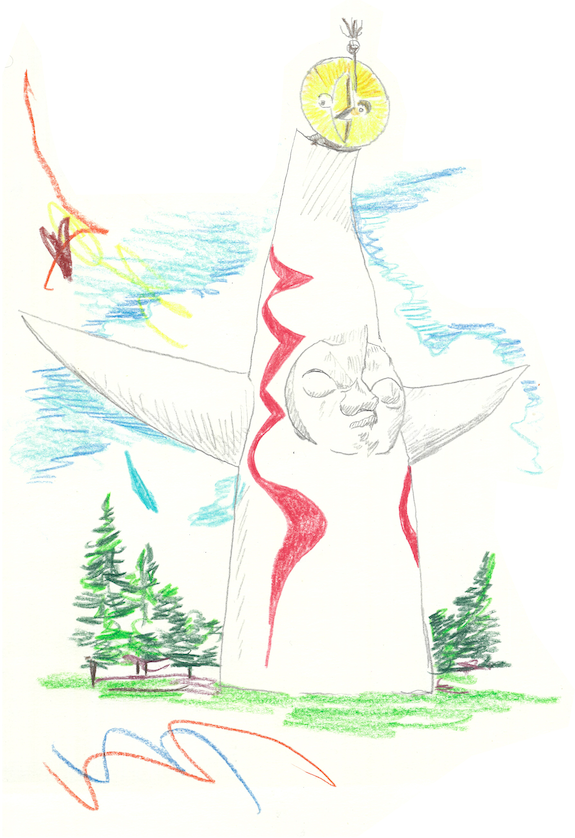
The Japan World Exposition (Expo) will be held in Osaka from April 13, 2025, for 185 days.
2025年4月13日から185日間、大阪で「日本国際博覧会」(万博)が開催されます。Various expositions are held around the world, but those officially recognized by the Bureau International des Expositions (BIE) are classified into the following four types based on their scale and theme.
世界各地でさまざまな博覧会が開催されていますが国際博覧会事務局(BIE)が認定する「万博」は、規模やテーマによって以下の4種類に分けられます。● Registered Expos: The largest type of expo, addressing global challenges and the future of international society. In Japan, this will be the third such expo, following the 1970 Osaka Expo and the 2005 Aichi Expo.
●登録博覧会:国際社会全体の課題や未来を探求する、最も規模の大きな博覧会。日本では1970年の大阪万博、2005年の愛知万博に続き、今回が3回目の開催。● Specialized Expos: Expositions focusing on specific fields such as science, technology, energy, and the oceans. In Japan, past examples include the 1975 Okinawa Ocean Expo and the 1985 Tsukuba Science Expo.
●特別博覧会:科学技術、エネルギー、海洋などに特化した博覧会。日本では過去に、1975年の沖縄海洋博覧会、1985年の筑波科学万博を開催。● Horticultural Expos: Expositions centered on flowers, greenery, environmental conservation, and urban greening. In Japan, the 1990 Osaka International Garden and Greenery Expo was held, and the Yokohama International Horticultural Exposition is scheduled for 2027.
●園芸博覧会:花や緑、環境保護、都市緑化などがテーマの博覧会。日本では1990年に大阪花博が開催され、2027年には横浜国際園芸博覧会が開催予定。● The Milan Triennale: An exposition specializing in design, fashion, and urban planning, held every three years in Milan, Italy.
●ミラノ・トリエンナーレ:デザイン、ファッション、都市計画などに特化した博覧会。3年に1度、イタリアのミラノで開催。
© BUNTA iNOUE | 井上 文太
The Bureau International des Expositions (BIE), established in Paris, highlights the deep connection between France and the concept of expos.
パリに設立された「万博」の事務局BIEは、フランスと万博の深い結びつきを示しています。The roots of the expo can be traced back to the French Revolution (1789). Following the revolution, treasures and artworks from the royal family were made available for public viewing in various locations.
万博の源流はフランス革命(1789年)にまでさかのぼります。革命後、王家の財宝や芸術品が各地で一般公開されるようになりました。One of the symbolic initiatives was the opening of the Republic Museum (Musée de la République) within the Louvre Palace in 1793. After major renovations, the entire palace was transformed into a museum.
その象徴的な取り組みの一つとして1793年、ルーヴル宮殿内に共和国美術館(ミュゼ・ドゥ・ラ・ルピュブリック)が開館。その後、ルーブル宮の大改造を経て、宮殿全体が美術館として生まれ変わりました。
© BUNTA iNOUE | 井上 文太
This movement spread across Europe, leading to the establishment of institutions such as the British Museum, the Berlin Museum, and the Hermitage Museum.
この動きはヨーロッパ全土に広がり、大英博物館、ベルリン美術館、エルミタージュ美術館などが誕生します。
© BUNTA iNOUE | 井上 文太
The public display of royal collections not only elevated national pride and alleviated discontent, but also served as a means to assert cultural superiority over other nations.
王室コレクションの公開は国民の誇りを高め、不満の緩和を促し、他国への文化的優位性をアピールする役割をも果たしました。Looking even further back, records show that in ancient Egypt and Persia, royal coronation ceremonies featured displays of art and royal garments for the public, while in ancient Rome, war spoils and enslaved captives were paraded as symbols of conquest.
さらにさかのぼれば、古代のエジプトやペルシャでは国王即位の祝典で芸術品や王族の衣類が民衆に披露され、古代ローマでは征服戦争で得た戦利品や奴隷が誇示されたことが記録にあります。Humanity may have instinctively understood that showcasing something fosters unity and solidarity.
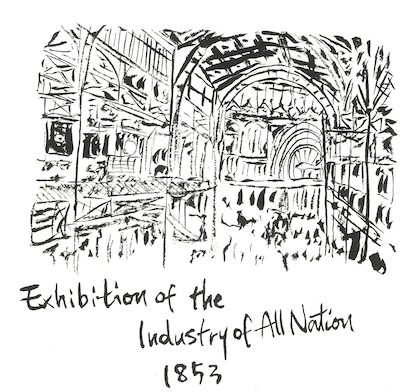
人類は古来、何かを披露することで連帯が高まることを本能的に知っていたのかもしれません。Britain, the industrial powerhouse, transformed expos from domestic exhibitions into global platforms for nations to promote themselves, with the first World Expo held in London in 1851.
主に自国民向けだった「博覧会」を、自国を世界に向けてアピールする場へと変えたのが、産業革命で台頭したイギリスが1851年に開催した第1回「ロンドン万博」です。Held in London’s Hyde Park, the expo featured the magnificent Crystal Palace, a grand structure covered in approximately 290,000 panes of glass, which became a major highlight.
ロンドンのハイドパークで開催されたこの万博では、約29万枚のガラスで覆われた壮大な建築「クリスタルパレス(水晶宮)」が大きな話題となりました。
© BUNTA iNOUE | 井上 文太
Continue Reading In Hiragana Times
続きを読む — Hiragana Times 本誌へ
Digital PackagesRead and listen in your browser — available in bundles.誌面と音声を、パッケージでご利用いただけます。More From Hiragana Times
Join the Hiragana Times Discord Community — Free!Connect with readers worldwide — free, open, and always welcoming.世界の読者とつながる、無料のDiscordコミュニティへようこそ。
Online Japanese lessons, run by Hiragana Times.One month free for Hiragana Times subscribers.ひらがなタイムズ定期購読者は、1ヶ月無料でご受講いただけます。 -
Japan’s Power of Storytelling | 日本の物語力
[Cover Story – January 2025 Issue]
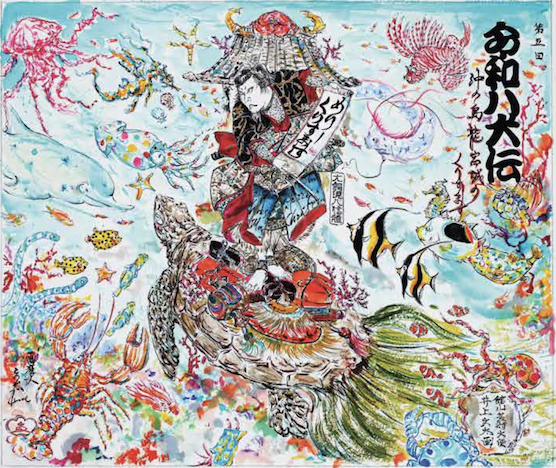
In the history of the world, “books” have primarily been works such as “大説 (great opinions/views)” that record the doctrines of politicians and philosophers. In contrast, in Japan, 小説 (personal opinions/views), which reflect individual thoughts or creative stories written freely, have been widely enjoyed by the general public since ancient times.
世界の歴史においては、「書物」と言えば政治家や思想家の教義を記した「大説」が主流です。対して、日本では古くから、個人が自分の思いや創作物語を自由に書く「小説」が、庶民に広く親しまれてきました。The poetry anthology Man’yōshū, whose compilation began in the late 7th century, includes songs not only from emperors and nobles but also from farmers and soldiers without discrimination. In the early 11th century, the Tale of Genji, regarded as the world’s oldest full-length novel, was born.
7 世紀後半に編纂が始まった歌集『万集 』には 、天皇や貴族だけでなく、農民や兵士の歌も分け隔てなく収録されています。そして、11世紀初頭には世界最古の長編小説とされる『源氏物語』が誕生しました。During the Edo period, a genre called “Edo popular tales” developed, catering to the common people. Among these, Tōkaidōchū Hizakurige (Jippensha Ikku, 1802‒1809), classified as a “comical book,” gained popularity, and it is said that Edo townspeople laughed out loud while enjoying it.
江戸時代には、「江戸娯楽物語」と呼ばれる庶民向けのジャンルが発展します。その中でも『東海道中膝栗毛』(十返舎一九、1802年~1809年)は「滑稽本」として人気を集め、江戸の庶民たちは声を上げて笑いながら楽しんだと言われています。Furthermore, Nansō Satomi Hakkenden (Takizawa Bakin, 1814‒1842), written on a grand scale across 98 volumes and 106 books, has something in common with the modern manga One Piece.
さらに、全98巻106冊という壮大なスケールで書かれた『南総里見八犬伝』(滝沢馬琴、1814年~1842年)は、現代の漫画『ワンピース』にも通じるものがあります。Bakin’s close friend, Katsushika Hokusai, illustrated the work, contributing to its immense popularity. This epic tale, depicting eight swordsmen with jewel-like orbs inscribed with “benevolence,” “righteousness,” “propriety,” “wisdom,” “loyalty,” “faith,” “filial piety,” and “brotherly love” leading the fallen Satomi clan to restoration, is said to have inspired the manga Dragon Ball.
馬琴の親友であった葛飾北斎が挿絵を担当し、大人気となりました。「仁・義・礼・智・忠・信・孝・悌」の文字が刻まれた玉を持つ八剣士が没落した里見家を復興に導くまでを描いた大長編物語は、後に漫画『ドラゴンボール』の元になったとも言われています。“Nansō” refers to the central and southern regions of present-day Chiba Prefecture. Please enjoy the cover art for this issue, featuring the Reiwa-era Nansō Satomi Hakkenden illustrated by Bunta Inoue, who has an atelier in that area and also serves as an art ambassador for Minami-Bōsō, Chiba. Be sure to also appreciate the illustrations included within this issue.
「南総」は現在の千葉県中部および南部を指します。その地にアトリエを構え、千葉南総の芸術大使も務める井上文太氏が手掛けた表紙、令和版「南総里見八犬伝」とともに、本号内の挿絵もお楽しみください。 -
From Ancestry to 6,000 Descendant Varieties: The Lineage of Rice in India
祖先から6,000種の子孫へ:インドに生きる稲の系譜
[Spotlights – December 2024 Issue]
We are blessed to partake in the seeds of rice plants.
私たちは、稲の種子であるお米をいただいています。
Rice is believed to have first appeared as a wild species around 10 to 15 million years ago.
稲が野生種として現れ始めたのは約1500万〜1000万年前とされています。
Wild species, such as Oryza rufipogon, began to take root and thrive along the warm, humid riverbanks and wetlands of Southeast and South Asia, signaling the first pulse of life.
温暖で湿潤な東南アジアや南アジアの川沿い・湿地帯に適応したオリザ・ルフィポゴン(Oryza rufipogon)などの野生種が自生するようになりました。
Ancient rice has also been discovered at Jomon-era archaeological sites in Japan, indicating that rice plants have existed on the Japanese archipelago since ancient times.
日本でも縄文時代の遺跡から古代米が発見されており、日本列島でも古くから稲が生息していたとされています。
These wild species originally displayed a trait known as “shattering,” in which seeds naturally fell when ripe. However, humans selected non-shattering mutations, making them easier to harvest, and continued to cultivate them over many generations.
この野生種は、穂が熟すと種子が自然に落ちる「脱落性」をもっていましたが、人類は収穫しやすい「非脱落性」の変異種を選び、何世代にもわたり栽培を続けました。
Eventually, around 9,000 years ago (7,000 BCE), stable paddy rice cultivation practices developed along China’s Yangtze River.
やがて、9000年前(紀元前7000年)頃には、中国の長江流域で安定した水田稲作が発展します。
Japonica rice (found in Japan and China), Indica rice (common in India and Southeast Asia), and other varieties spread across Asia, adapting to and taking root in each region.
ジャポニカ米(日本や中国)、インディカ米(インドや東南アジア)などがアジア各地へ広がり、地域特有の品種がそれぞれ根付いていきました。
Wild rice species still exist today, but in many rice-growing areas worldwide, they are often regarded as an unwelcome form of “weedy rice.”
野生種は現在も存在しますが、世界の稲作地域の多くでは「雑草型イネ」として嫌われています。
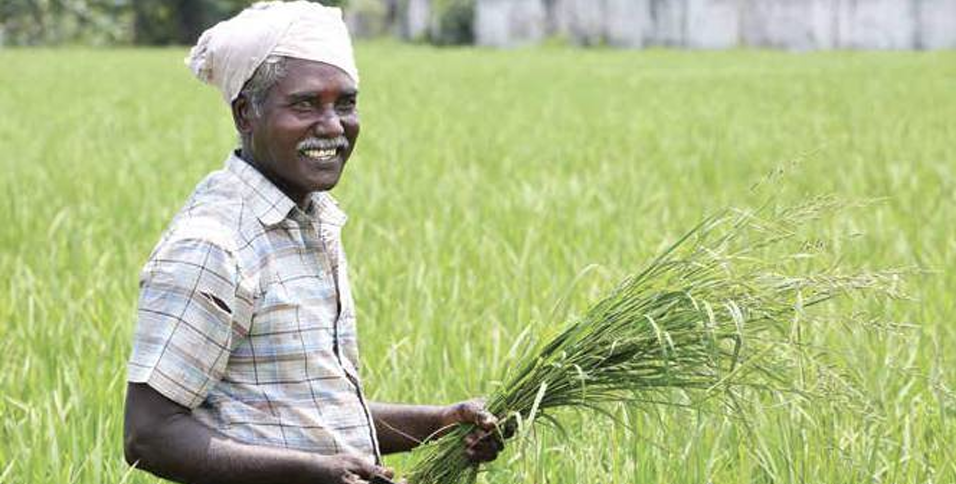
In certain regions of India, however, wild rice is respected as a valuable traditional crop, and it is cultivated and harvested using age-old methods.
一方、インドの一部地域では野生種が価値ある伝統的な稲として受け入れられ、昔ながらの手法で栽培・収穫が行われています。
At its core lies a longstanding respect for these ancient species and a deep-seated desire for harmony with the natural environment.
その背景には、長年親しまれてきた野生種への敬意、自然環境との共存を願う心があります。
In Hindu wedding ceremonies, rice symbolizes fertility and union. As part of the ritual, the couple showers each other with handfuls of rice, enveloping each other in blessings and well-wishes for a prosperous future together.
また、ヒンドゥー教の結婚式では米は豊穣と結合の象徴とされ、夫婦が互いに米を振りかけ合って幸運を祈る儀式が行われます。
This ritual is based on the belief that the bride brings prosperity to her new home, symbolizing the cultural and spiritual importance of rice.
これは花嫁が新しい家に富をもたらすという言い伝えに基づいており、米の精神的・文化的な重要性を象徴しています。
India currently cultivates over 6,000 varieties of rice and is the world’s largest rice exporter.
インドでは現在6,000種類以上の米が栽培されており、世界最大の米輸出国となっています。
Just as Buddhism and other philosophical teachings originated in India, the origins of rice can also be traced back to this land.
仏教をはじめとする哲学思想の発祥がインドであるように、米の起原もインドにたどり着きます。
A journey to discover the “root of life (i-ne),” through rice ultimately becomes a journey into the origins of humanity itself.
「イネ(命の根)」を巡る旅は、人類の命のルーツを探る旅となるでしょう。 -
Minamiuonuma City – A Region of Japan Renowned for Its Rice, Cuisine, and Culture
南魚沼市——日本屈指の米どころが誇る食と文化
[Place – December Issue 2024]
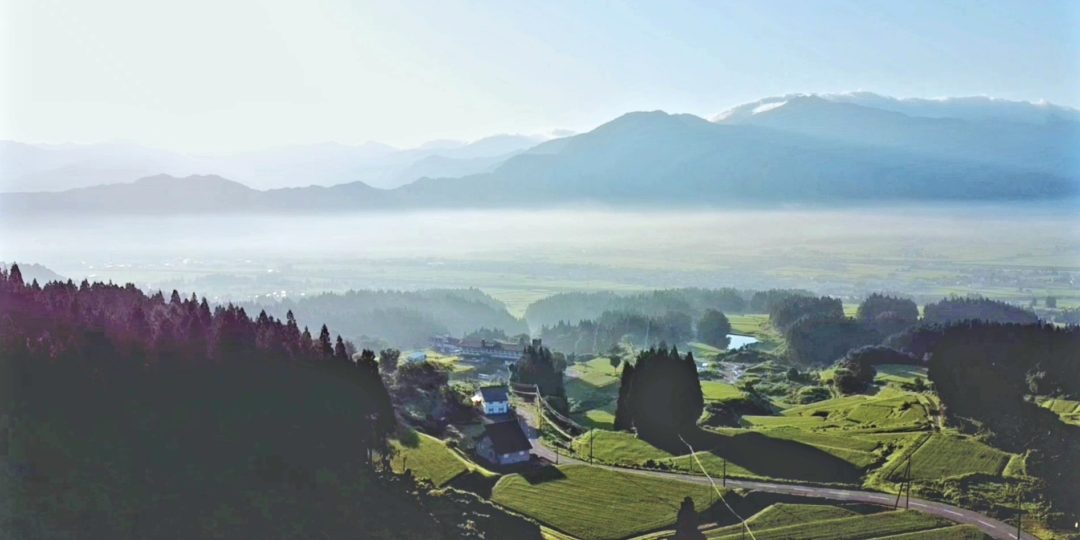
Niigata Prefecture’s Minamiuonuma City is one of Japan’s foremost rice-producing regions. The premium rice, “Minami-Uonuma-origin Koshihikari brand rice,” is known for its unique stickiness, shine, and fragrant aroma, created by pure snowmelt water and temperature differences between day and night, continually captivating many food enthusiasts.
新潟県南魚沼市は、日本を代表する米どころです。ブランド米「南魚沼産コシヒカリ」は、清らかな雪解け水、昼夜の寒暖差が生み出す独特の粘りと艶、香りの高さで知られ、多くの食通を魅了し続けています。
Minamiuonuma is also one of Japan’s snowiest regions, where the local food culture reflects the snowy environment. For example, vegetables stored in a natural “snow room” (a type of refrigerator that uses snow) gain significantly more sweetness. This preservation method is a tradition of wisdom passed down by ancestors who skillfully harnessed nature’s power.
南魚沼市は全国有数の豪雪地でもあり、雪国ならではの食文化も楽しめます。例えば、雪を利用した天然の冷蔵庫である雪室に貯蔵した野菜は、甘みがグンと増すのです。この保存方法は、自然の力を巧みに利用した先人の知恵の結晶です。The locally produced sake, including the renowned “Hakkaisan,” named after a long-revered sacred mountain, is made from pristine, cold water and high-quality rice, delighting sake enthusiasts nationwide. Additionally, “hegisoba,” a type of soba noodle that uses the seaweed “funori” as a binder, is loved for its unique texture and flavor.
古くから霊山としてあがめられてきた山の名を冠した「八海山」をはじめとする、清らかで冷たい水と良質な米から生まれる日本酒は、全国の酒好きを唸らせます。また、海藻の一種「ふのり」をつなぎに使用した「へぎそば」も、独特の歯ごたえと風味で愛されています。As for cultural heritage, the linen fabric “Echigo jofu” is recognized as a UNESCO Intangible Cultural Heritage, and the silk fabric “Shiozawa tsumugi,” known for its graceful luster, is designated as a traditional craft. These textile industries developed around Shiozawa-juku, a post town along the historic Mikuni Road that once connected Edo and Echigo, and traces of history can still be seen today on “Bokushi-dori Street” in Shiozawa-juku.
文化的遺産としては、麻織物「越後上布」がユネスコ無形文化遺産に、優美な光沢が特徴の絹織物「塩沢紬」が伝統工芸品に指定されています。これらの織物産業は、かつて江戸と越後を結んだ三国街道の宿場町だった塩沢宿[ルビ:しおざわじゅく]を中心に発展し、現在も「塩沢宿 牧之通り」に歴史の面影が残ります。In spring, the “snow bleaching” of Echigo jofu is performed. This traditional technique uses snow to bleach the fabric, and the sight has long been a hallmark of the season.
春には越後上布の「雪ざらし」が行われます。雪を利用して布を漂白する伝統的な技法で、その光景は古くから春の風物詩となっています。Another attraction in Minamiuonuma is the abundance of hot springs nurtured by snowmelt. The various hot springs scattered across the city each have unique mineral qualities that soothe both body and mind.
雪解け水が生み出す豊富な温泉も南魚沼市の魅力の一つです。各所に点在する温泉地では、それぞれの独特の泉質が人々の心身を癒やしています。
The picturesque landscapes shaped by rich nature, culinary culture, and tradition leave a beautiful and lasting impression on visitors to Minamiuonuma City.
豊かな自然、それを活かした食文化と伝統が織りなす風景は、南魚沼市を訪れた人に美しい余韻を残してくれることでしょう。(Access)
・Approximately 1 hour and 30 minutes by Joetsu Shinkansen from Tokyo Station to Echigo-Yuzawa Station, followed by about 15 minutes from Echigo-Yuzawa Station to Shiozawa Station via the JR Joetsu Line or Hoku Hoku Line.
・Approximately 2 hours and 30 minutes by car from Tokyo (Nerima IC) via the Kan-Etsu Expressway.
・About 2 hours by car from Niigata Airport.
(アクセス)
・東京駅から上越新幹線で越後湯沢駅まで約1時間30分、越後湯沢駅からJR上越線またはほくほく線で塩沢駅まで約15分
・東京(練馬IC)から関越自動車道利用で約2時間30分
・新潟空港から車で約2時間
-
A Day to Appreciate Labor and the Harvest
勤労と収穫に感謝する日
[Japan Savvy – December 2024 Issue]
There are many public holidays in Japan, and the last one of the year is “Labor Thanksgiving Day” on November 23.
日本には多くの祝日がありますが、1年間で最後の祝日は11月23日の「勤労感謝の日」です。In Christianity, labor is regarded as a punishment imposed on humans, but in Japan, labor has been a virtue since ancient times, and “Labor Thanksgiving Day” is, as the name suggests, a day to honor and appreciate work.
キリスト教において労働は人間に課せられた罰とされていますが、日本では古来、労働は美徳であり、「勤労感謝の日」は名前の通り勤労を尊び感謝する日です。Labor Thanksgiving Day was established in 1948, but this day was originally a holiday called “Niiname-sai.”
1948年に制定された勤労感謝の日ですが、もともとこの日は「新嘗祭[にいなめさい]」という祭日でした。In “Niiname-sai,” the character “新” represents new grains (the grains harvested that year), and “嘗” means a feast, which expresses gratitude by offering new rice and other crops to the gods.
新嘗祭の「新」は新穀[しんこく](=その年に取れた穀物)を、「嘗」はごちそうを意味していて、新米などを神様にお供えし、感謝を表します。Rituals of Niiname-sai are held at shrines throughout Japan, and the Emperor, the “Saishi-ou,” who is at the pinnacle of the priesthood, offers the new grain he has grown himself and performs the strenuous task of praying throughout the night for a bountiful harvest and the peace of the people.
新嘗祭の儀式は全国の神社で行われますが、その神職の頂点である祭祀王[さいしおう]である天皇は、自ら育てた新穀を供え、五穀豊穣と国民の安寧を夜通し祈るという激務を果たします。 -
A cactus competition showcasing rare shapes
珍しい形のサボテンが集まる品評会[News Reviews – December 2024 Issue]
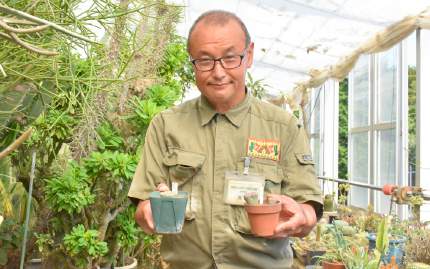
At the Izu Shaboten Zoo in Ito City, Shizuoka Prefecture, about 1,500 species of cacti and succulents are on display.
静岡県伊東市の伊豆シャボテン動物公園では、約1,500種類のサボテンや多肉植物が展示されています。Every autumn, the “Interesting Cactus Competition” is held here.
ここでは毎年秋に「おもしろサボテン品評会」が開催されます。10 particularly unique plants, including rare cacti and secret specimens not usually displayed to the public, are exhibited, and a popularity vote is conducted.
普段は公開されていない秘蔵の植物や珍しいサボテンから10株を披露し、人気投票を行います。The event also includes entertaining commentary from the famous staff member, Mr. Manabe, known as the “Cactus Doctor,” who has 34 years of experience growing cacti.
生育歴34年の”サボテン博士”としておなじみの名物スタッフ、真鍋[ルビ:まなべ]さんによるユニークな解説も人気です。
Last year’s popularity vote attracted more than 10,000 votes.
昨年の人気投票では1万票以上が集まりました。
-
The Japanese, Given Life by Rice
お米に生かされてきた日本人
[Japan Style – December 2024 Issue]
About 13.8 billion years ago, a flash of light spread through the infinite darkness, marking the Big Bang. Several hundred million years later, galaxies began to form, starting the grand narrative of the universe. The birth of Earth would still require a further 9 billion years.
今から約138億年前、無限の闇の中に閃光が広がり、ビッグバンが起こりました。それから数億年後に銀河が姿を現し、壮大な宇宙の物語が幕を開けたのです。地球の誕生は、さらに約90億年を待つこととなります。The newly born Earth was a wild landscape, with a sea of boiling magma stretching as far as the eye could see. Over time, however, it gradually cooled and solidified, taking shape. Eventually, icy meteorites from Jupiter showered down, filling the surface with water. It is believed that these meteorites also contained carbon, which is considered the source of life.
誕生したばかりの地球は、煮えたぎるマグマの海が広がる荒々しい姿でした。しかし、時が経つにつれて徐々に冷え固まり、形を整えていきました。やがて木星から氷の隕石が降り注ぎ、地表は水で満たされます。その氷には、生命の根源である炭素も含まれていたと言われています。Thus, the blue planet Earth—covered in carbon and water—came into being. Then, a mysterious process of the Sun known as “photosynthesis” began, producing the carbohydrates that serve as the source of life.
こうして、炭素と水に覆われた青い惑星「地球」が誕生したのです。そこに、太陽の神秘的な営みである「光合成」が始まり、私たちの生命の源である炭水化物が生まれました。Now, we move our bodies using the sugars contained in those carbohydrates. From the birth of the universe to the present day, we have been living within this cycle. Carbohydrates have spread in harmony with the natural environments of various regions across the Earth.
今、私たちはその炭水化物に含まれる糖質をエネルギーにして身体を動かしています。宇宙の始まりから今日に至るまで、私たちはこの循環の中で生き続けているのです。炭水化物は地球上のさまざまな土地の自然と調和しながら広がっています。In dry regions, strong wheat grows, while in water-rich areas, moist rice thrives. In warm highlands, corn continues to be cultivated, and in humid tropical islands, taro is grown as a staple, each fostering unique food cultures.
乾燥した地域では力強く麦が実り、水が豊かな土地ではしっとりとした米が育ちます。温暖な高原地帯ではとうもろこしが、湿潤な熱帯の島々ではタロイモが、それぞれ主食として作り続けられ、独自の食文化を育んできました。In Japan, which is blessed with abundant water, rice naturally became the staple food—an indispensable part of our lives. For Japanese people, rice—nurtured by the blessings of the sun, water, and earth—is life itself.
水に恵まれた日本では、やはり米が主食となり、私たちの暮らしに欠かせない存在となりました。米は、まさに太陽と水、そして大地の恵みを受けて育つ、日本人にとって生命そのものなのです。For over 10,000 years, during the Jomon period, the Japanese lived off nature’s blessings by hunting animals, catching fish, and gathering nuts and wild plants.
1万年以上も続いていたとされる縄文時代。日本人は、動物を捕まえ魚を獲り、木の実や山菜を採取して、自然の恵みを頂いて暮らしていました。It has been discovered that primitive rice was cultivated in Fukui Prefecture around this time. Paddy rice farming was introduced from the Chinese continent toward the end of the Jomon period.
この頃すでに、福井県で原始米が栽培されていたことが分かっています。水田稲作が中国大陸から伝わってきたのが縄文時代の終わり頃でした。The large-scale cultivation of rice using paddy fields, which allowed for nutritious and delicious rice to be produced in abundance, spread rapidly during the Yayoi period. As a result, villages centered around rice production emerged, bringing together people specializing in rice farming, pottery making, and tool crafting, leading to settled communities.
おいしくて栄養価が高い米を量産できる水田稲作は、弥生時代になって一気に広がります。それにより、米を作る人、土器を作る人、道具を作る人など米づくりを中心に人が集まる村ができ、定住して暮らすようになります。Rice became a fundamental support for the Japanese spirit and a symbol of power. Leaders emerged to oversee festivals and agricultural activities, with those who possessed rice accumulating wealth and power, creating distinctions in social class and wealth. Competition arose for fertile land suitable for rice production, leading to conflicts to protect stored rice. Stronger villages began to dominate surrounding ones, eventually forming larger nations.
米は日本人の心の支えとなり、さらに支配力の象徴にもなっていきます。祭りや農作業のリーダーとなる指導者が現れ、米を持つものが富と権力を持ち、身分や貧富の差が生まれました。米づくりに適した土地を奪い合うようになり、保存した米を守るための争いも起きます。そして、強い村が周囲の村を支配し、やがて大きな国となっていきました。In 646, a system was established in which the state controlled all land and people. They distributed fields to the people and required them to pay taxes in the form of rice. This tax system continued in various forms until 1873. Rice played an essential role as a form of currency, with salaries paid in rice. It was only in the Meiji era that taxes transitioned from rice to currency.
646年、国が全ての土地と人を支配する制度ができ、人々に田を与えて、米を税として納めさせるようになりました。この納税の仕組みは、形を変えながら1873年まで続きました。米は通貨として重要な役割を果たし、給料も米で支給されました。明治時代になってようやく、税は米から貨幣に変わったのです。In the Edo period (1603–1868), rice production served as a direct indicator of a daimyo’s economic power and authority, measured in units called kokudaka (1 koku = approximately 180 liters). Kokudaka was determined by land surveys conducted by the shogunate, based on the size and productivity of a daimyo’s territory. The daimyo’s tax and military obligations were set according to their kokudaka. Those with higher kokudaka held greater political influence and social status. For example, the Maeda family of the Kaga domain (in present-day Ishikawa and Toyama prefectures) was known as a powerful clan, with kokudaka exceeding one million koku.
江戸時代(1603年~1868年)には、米の生産量が大名の経済力や権力を示す指標とされ、「石高」という単位で計算されました。(1石=約180リットル)石高は幕府が行う検地によって、領地の広さや土地の生産性を基に決定され、大名は石高に応じて年貢や軍役を負担しました。石高が高いほど大名の政治的発言力や地位も高まり、例えば加賀藩(現在の石川県と富山県)の前田家は100万石を超える石高を持つ有力な存在として知られていました。Today, when it comes to Japanese rice available in supermarkets, varieties such as Koshihikari, Hitomebore, Akitakomachi, and Nanatsuboshi are popular. Among them, the top brand is Koshihikari from Uonuma in Niigata Prefecture.
今日、スーパーで売られている日本のお米といえば、コシヒカリ、ひとめぼれ、あきたこまち、ななつぼし……多くの品種がありますが、中でもトップブランドは、新潟県魚沼産のコシヒカリ。Koshihikari, introduced in 1956 after multiple improvements, became popular for its high quality, early harvest, and excellent flavor. It ranks first in planted area and production nationwide and remains highly popular. Its subtle sweetness and soft, chewy texture are widely appreciated.
品種改良が重ねられて1956年に登場したコシヒカリは、出荷が早く高品質、味も良いと評判になりました。作付面積も生産量も全国トップとなり、今も人気が続いています。ほんのりした甘みと、柔らかくもっちりした食感が好まれています。Each year, from mid-September to mid-October, new rice begins appearing in stores across Japan. For Japanese people, new rice is special, with anticipation similar to the excitement for Beaujolais Nouveau in France. Cooking fresh, water-rich new rice brings out glossy, smooth grains. Serve it steaming hot in a bowl, and enjoy it while it’s warm. Although it may be a bit expensive, the taste of new rice is exquisite.
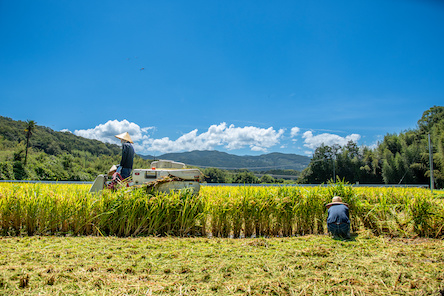
毎年、9月中旬を過ぎ10月も半ばになると、日本全国の新米が店頭に並び始めます。日本人にとって新米は特別。新米を待ち遠しく思うのは、ボジョレーヌーヴォーを想う気持ちと同じでしょうか。水をたっぷり含んだ新米を炊くと、ぴかぴかつるつるの美しい米粒が立ち上がって見えます。ほかほかのご飯を茶碗によそって、湯気の立ったところを召し上がれ。少々高くても、新米の味は絶品です。When we leave the city and see the rice fields changing with the seasons—lush green in the summer and golden during the autumn harvest—every Japanese person feels a deep sense of nostalgia. It is as if this landscape is deeply etched in our blood, sustained by the very life force of rice.
都心を離れて、青々とした夏や黄金色に輝く秋の収穫期など、季節ごとに姿を変える田んぼの景色を目にするとき、私たち日本人は誰もが懐かしさを覚えます。それはまるで、この風景が米の命に生かされてきた私たちの血液に深く記憶されているかのようです。文・岩崎由美
Text ・Yumi Iwasaki