-
[Close up Japan – December 2025 Issue]
Two Japanese Scientists Win the 2025 Nobel Prize
日本人科学者ふたり、2025年ノーベル賞に輝く
In October 2025, the Nobel Prize awards for two Japanese scientists were announced.
2025年10月、日本人科学者ふたりのノーベル賞受賞が発表されました。
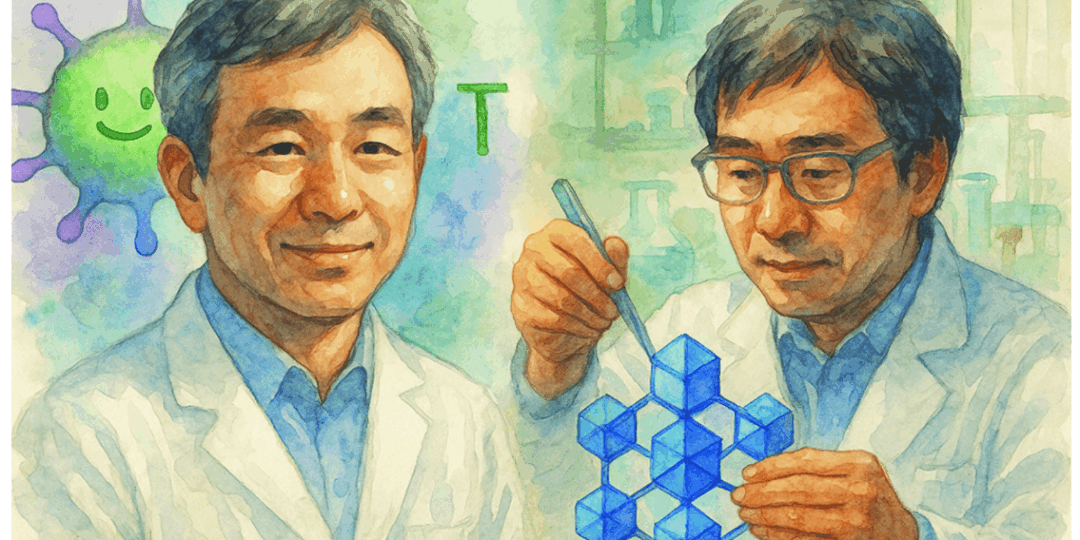
Shimon Sakaguchi, who received the Nobel Prize in Physiology or Medicine, discovered ‘regulatory T cells (Tregs),’ which control immunity so that the body does not mistakenly attack itself.
医学・生理学賞を受賞した坂口志文さんは、自分の体を誤って攻撃しないよう免疫を制御する「制御性T細胞(Tレグ)」を発見しました。
As a ‘brake role’ that suppresses the rampage of immunity, expectations are placed on them for autoimmune diseases and cancer treatments.
免疫の暴走を抑える“ブレーキ役”として、自己免疫疾患やがん治療に期待が寄せられています。
Furthermore, he also established technology to artificially increase Tregs, and greatly contributed to the practical application of medicine.
さらに、Tレグを人工的に増やす技術も確立し、医療の実用化に大きく貢献しました。
Susumu Kitagawa, who received the Chemistry Prize, developed ‘metal-organic frameworks (MOFs)’.
化学賞を受賞した北川進さんは、「金属有機構造体(MOF)」を開発しました。
It is a material that can take in and separate gases and moisture from the air into countless pores at the molecular level (about one one-hundred-millionth the size of a grain of rice).
分子レベル(米粒の1億分の1ほどのサイズ)の無数の穴に、空気中のガスや水分を取り込み、分けることができる素材です。
It is attracting attention as a material for solving environmental and energy problems, such as CO₂ capture and hydrogen storage, and furthermore, as a material that opens the door to a future where metals connect with life.
CO₂の回収や水素の貯蔵など、環境・エネルギー問題の解決、さらには金属が生命とつながる未来への扉を開く素材としても注目されています。
With these awards, the Nobel Prize laureates from Japan have become a cumulative total of 32 people.
今回の受賞により、日本のノーベル賞受賞者は累計32人となりました。
Also, at the Ig Nobel Prizes, which honor unusual ways of thinking, a Japanese person won again this year.
また、風変わりな発想を讃えるイグ・ノーベル賞では、今年も日本人が受賞。

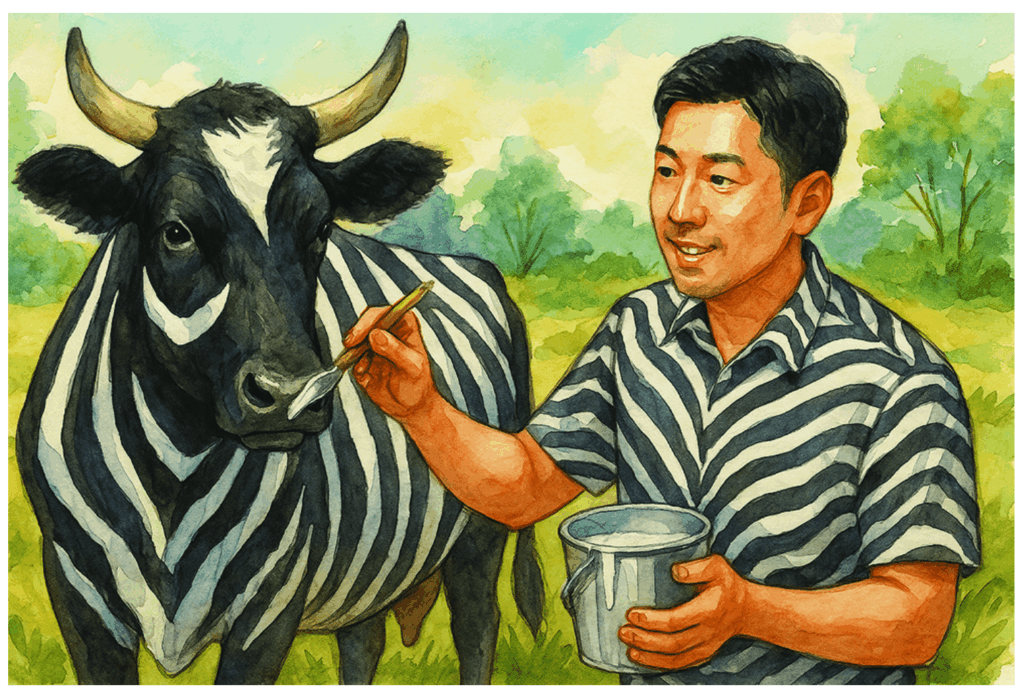
The research team of Tomoki Kojima gathered attention for their unique and practical idea of reducing horsefly damage by painting white stripes on black cows.
兒島朋貴(こじま ともき)さんの研究チームは、黒い牛に白い縞を描くことでアブの被害を減らすという、ユニークかつ実用的な発想で注目を集めました。
This marks the 19th consecutive year of a Japanese Ig Nobel Prize win.
日本のイグ・ノーベル賞受賞は、これで19年連続となります。
While being peaceful, it is sometimes exposed to the harshness of nature—perhaps such a natural climate in Japan is nurturing a quiet and resilient creativity.
平和でありながら、時に自然の厳しさにさらされる―― そんな日本の風土が、静かでたくましい創造力を育んでいるのかもしれません。
This article is from the December 2025 issue of Hiragana Times.
この記事は、月刊誌『ひらがなタイムズ』2025年12月号より掲載しています。
-
[New Expressions & Buzzwords – December 2025 Issue]
ガチ勢 | Enthusiast
😤 ガチ勢
🗣️ pronounced: Gachizei
🖊️ definition: Enthusiast
It refers to people who engage in a certain thing with all their might and seriousness.
ある物事に全力で、真剣に取り組む人たちのことを指します。
“Gachi” is a word that is an abbreviation of “gachinko”.
「ガチ」は「がちんこ」を略した言葉です。
“Gachinko” originally means a “serious match”.
「がちんこ」は、もともと「真剣勝負」という意味です。
In other words, it expresses the feeling of “seriously” or “earnestly”.
つまり、「本気で」「真剣に」という気持ちを表します。
On the other hand, people whose purpose is to have fun are called the “enjoy-zei”.
一方、楽しむことを目的とする人たちは「エンジョイ勢」と呼ばれます。
This article is from the December 2025 issue of Hiragana Times.
この記事は、月刊誌『ひらがなタイムズ』2025年12月号より掲載しています。
-
[New Expressions & Buzzwords – December 2025 Issue]
フキハラ | Displeasure harassment
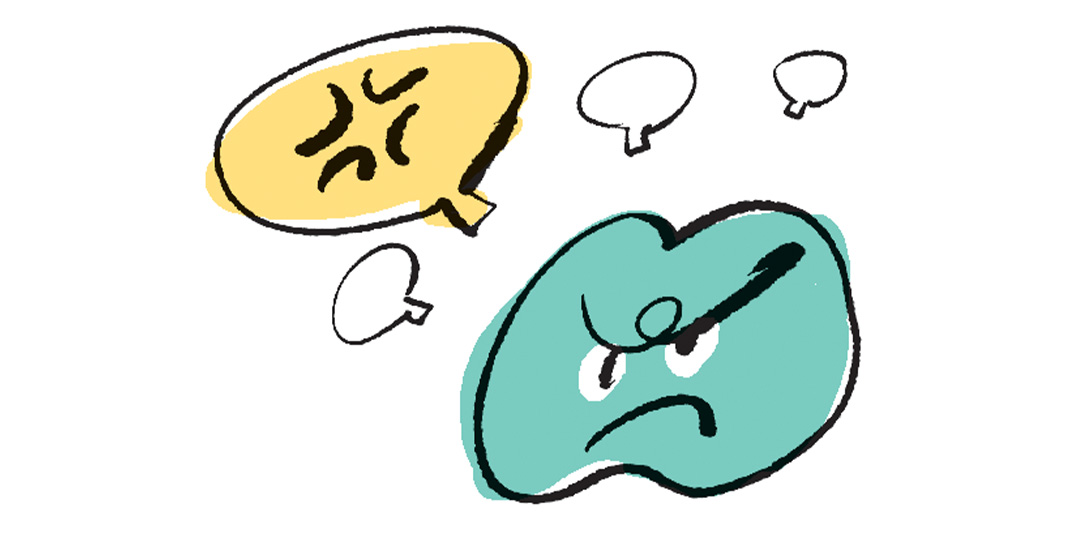
😠 フキハラ
🗣️ pronounced: Fukihara
🖊️ definition: Displeasure harassment
It is a word that is an abbreviation of “fukigen harassment” (displeasure harassment).
「不機嫌ハラスメント」を略した言葉です。
It refers to taking a displeased attitude and giving those around a feeling of discomfort or intimidation.
不機嫌な態度をとって、周囲に不快感や威圧感を与えることを指します。
For example, actions such as sighing or slamming doors also fall under “Fukihara”.
例えば、ため息をついたり、ドアを強く閉めたりといった行動も「フキハラ」に当たります。
It is becoming a problem not only in the workplace but also in various situations such as the home.
職場だけでなく、家庭などさまざまな場面で問題になっています。
This article is from the December 2025 issue of Hiragana Times.
この記事は、月刊誌『ひらがなタイムズ』2025年12月号より掲載しています。
-
[News Review – December 2025 Issue]
Halloween in the Sand Dunes!? Tottori’s Unique Party
ハロウィーンは砂丘で!?鳥取のユニークなパーティー
Regarding Halloween, congestion and trouble sometimes become problems in urban areas.
ハロウィーンは、都市部では混雑やトラブルが問題になることもあります。
Amidst that situation, Tottori Prefecture held an event at the Tottori Sand Dunes, saying, ‘Let’s have fun at the spacious sand dunes!’
そんな中、鳥取県は「広々とした砂丘で楽しもう!」と、鳥取砂丘でイベントを開催しました。
The slogan was ‘Trick or Tottreat’.
合言葉は「トリック・オア・トットリート」。
Approximately 2,800 people dressed in costumes paraded on the sand dunes, and the venue was very lively.
仮装した約2800人が砂丘をパレードし、会場は大にぎわい。
This year, ‘Myaku-Myaku,’ the character for the Osaka-Kansai Expo, and idols from Tottori also appeared, and livened up the event.
今年は、大阪・関西万博のキャラクター「ミャクミャク」や鳥取出身のアイドルも登場し、イベントを盛り上げました。
That liveliness also became a big topic on social media.
そのにぎわいはSNSでも大きな話題になりました。
Tottori Prefecture is aiming to become the ‘sacred place of Halloween’.
鳥取県は“ハロウィーンの聖地”を目指しています。
This article is from the December 2025 issue of Hiragana Times.
この記事は、月刊誌『ひらがなタイムズ』2025年12月号より掲載しています。
-
[Japan Savvy – December 2025 Issue]
Year-End Cleaning —Purifying for the New Year
大掃除 ― 清めて迎える新しい年
December is the month that concludes the year.
12月は、1年の締めくくりの月です。
In Japan, it is also a month for expressing gratitude for having passed the year safely, and for making preparations to greet the new year pleasantly.
日本では、1年間を無事に過ごせたことへの感謝と、気持ちよく新しい年を迎えるための準備をする月でもあります。
A representative custom of this is the ‘Ōsōji’ (big cleaning).
その代表的な習慣が「大掃除」です。
Unlike regular cleaning, people polish every nook and cranny of the house until it sparkles.
普段の掃除とは違い、家の隅々までピカピカに磨き上げます。
This custom was already practiced among the common people in the Edo period, but at that time it was called ‘Susu-harai’ (soot sweeping).
この習慣は、江戸時代にはすでに庶民の間で行われていましたが、当時は「煤払い(すすはらい)」と呼ばれていました。
Susu-harai was held on December 13th and was a sacred event for welcoming the ‘Toshigami-sama’ (New Year’s deity).
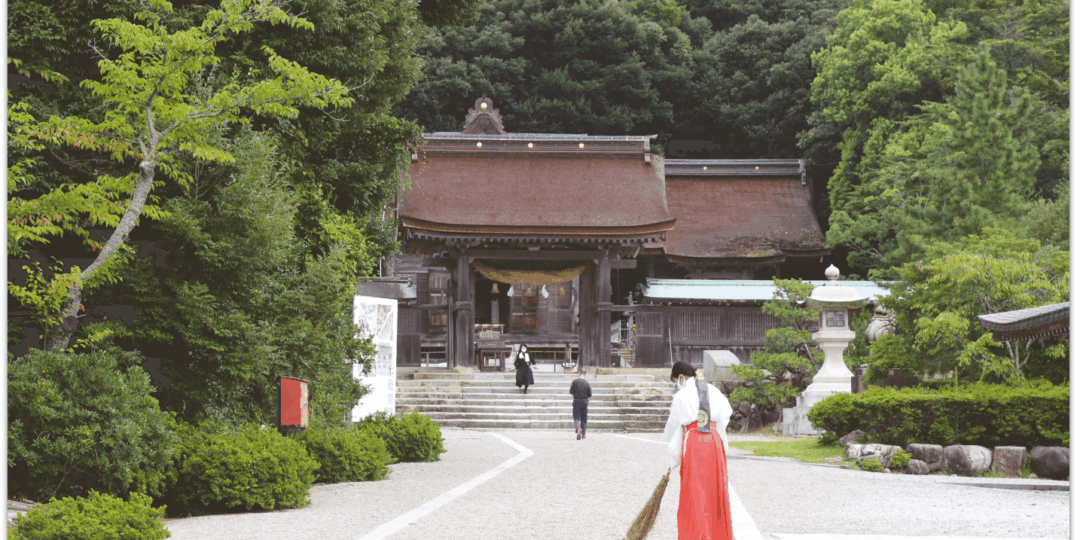
煤払いは12月13日に行われ、「年神様」を迎えるための神聖な行事でした。
The word ‘harau’ is written both as ‘払う’ (to sweep/pay) and ‘祓う’ (to exorcise/purify).
「はらう」という言葉は、「払う」とも「祓う」とも書きます。
The former expresses the action of sweeping away physical things, while the latter expresses the act of purifying misfortune and defilement.
前者は物を払う動作を、後者は厄や穢れを祓う行為を表します。
In other words, it contains the wish to cleanse not only the dirt of the year but also the misfortune of the heart.
つまり、1年の汚れとともに、心の厄をも清めるという願いが込められているのです。
Cleaning is an act that purifies not only the space but also the heart.
掃除とは、空間だけでなく心をも清める行いなのです。
Perhaps it is a daily ‘sacred ritual’ that is passed down even today.
今も受け継がれる、日々の「神事」なのかもしれません。
”Warm Up ウォームアップ”O-Souji JapaNEEDS
Useful words
- 締めくくり(しめくくり)― conclusion, end
- 無事(ぶじ)― safely, without trouble
- 気持ちいい(きもちいい)― feel good, pleasant
- 準備(じゅんび)― preparation
- 習慣(しゅうかん)― habit, custom
- 大掃除(おおそうじ)― year-end cleaning
- ピカピカ(ぴかぴか)― shiny, sparkling clean
- 煤(すす)― soot
- 神聖(しんせい)― sacred, holy
- 祓う(はらう)― to purify, exorcise
- 清める(きよめる)― to cleanse, purify
- 空間(くうかん)― space
- 心(こころ)― heart, mind
Ice Breaker Questions
Do people in your country do a year-end cleaning?
あなたの国では、大掃除をしますか?How often do you usually clean your home?
ふだん、どのくらいの頻度で掃除をしますか?How do you feel after cleaning?
掃除のあとは、どんな気持ちになりますか?Is there anything you want to do before welcoming the New Year?
新しい年を迎える前に、やっておきたいことはありますか?What do you do when you want to calm or refresh your mind?
気持ちを整えたいとき、どんなことをしますか?”Work Up ワークアップ”O-Souji Discussion
Louise: Streets in Japan are so clean! You hardly ever see any trash lying around.
ルイーズ: 日本って、道にゴミがほとんど落ちていませんよね。Jose: Yes, even after the World Cup, Japanese supporters were cleaning up the stands!
ホセ: サッカーのワールドカップのあとも、日本人のサポーターがスタンドを掃除していましたね!Anisa: Do Japanese people actually enjoy cleaning? It looked like a fun event!
アニサ: 日本人は、そうじが楽しいんですか?まるでイベントみたいでしたよ!Yumi: That’s true, but rather than “fun,” it’s more like a habit we learn from childhood.
ゆみ: そうですね。でも“楽しい”というより、子どものころからの習慣なんですよ。Louise: I heard that in Japanese elementary schools, students clean their classrooms every day.
ルイーズ: たとえば、日本の小学校では、みんなで毎日掃除をするんですよね?Bob: Really? In my country, there are janitors, and students don’t clean at all.
ボブ: 本当ですか?私の国では清掃員がいて、生徒は掃除をしません。Jose: In Japan, we have the idea that you should clean up after yourself. It’s something you naturally learn as a child.
ホセ: 日本では「使った場所は自分で片づける」という考えがあって、子どものころから自然に身につくんです。Anisa: Oh, that’s like the saying “Tatsu tori ato o nigosazu”—“Leave no trace behind.”
アニサ: 「立つ鳥跡を濁さず」ですね。Yumi: And even more, the spirit of leaving a place cleaner than when you arrived is what keeps a city beautiful.
ゆみ: さらには、来たときよりもきれいにして立ち去るくらいの心が、街を美しく保ちます。”Wrap Up ラップアップ”O-Souji Knowledge
December 13 — The Perfect Day for “Susuharai” (Year-End Cleaning)
12月13日――煤払いに最もふさわしい日
During the Edo period (1603–1868), susuharai (soot cleaning) was held at Edo Castle on December 13. Common people followed this custom and began cleaning their homes on the same day.
江戸時代(1603〜1868年)には、12月13日に江戸城で煤払いが行われ、庶民もこの日に合わせて家の掃除をするようになりました。December 13 was often a Kishuku-nichi (Day of the Resting Spirits), considered one of the most auspicious days in the traditional lunar calendar. It fell about twenty days before the New Year—an ideal time to begin preparations to welcome Toshigami-sama (the New Year deity).
旧暦では、12月13日は「鬼宿日(きしゅくにち)」にあたることが多く、特に縁起の良い日とされていました。旧暦の正月までおよそ20日前という時期で、年神様を迎える準備を始めるのにちょうどよいタイミングでもありました。On this day, people believed that evil spirits stayed quietly inside the house. For that very reason, they cleaned thoroughly—to drive away hidden impurities and purify their homes before the New Year.
この日は、鬼(邪気)が家の中に潜んでいると考えられました。だからこそ、家中を徹底的に掃除して厄を祓い清め、新しい年を迎える準備をしたのです。However, weddings were avoided on this day. Since the home was thought to be filled with spirits being purified, it was considered inauspicious to start a new household.
ただし、この日は婚礼を避ける習わしがありました。家の中にはまだ鬼(穢れ)が残っているとされ、新しい家庭を築くにはふさわしくないと考えられたためです。After cleaning, people in the Edo period would celebrate with great excitement, tossing one another into the air and drinking sake together—sharing joy in welcoming the purified new year.
掃除を終えた人々は、胴上げをしたり、酒を酌み交わしたりして大いに盛り上がりました。清めを終え、新しい年を迎える喜びを分かち合っていたのでしょう。Through such beliefs, December 13 became established as the sacred day to begin susuharai—the great year-end cleaning that purifies both home and heart before welcoming the New Year.
こうした信仰のもとで、12月13日は家と心を清める「煤払い」、つまり大掃除を始める神聖な日として定着していきました。
This article is from the December 2025 issue of Hiragana Times.
この記事は、月刊誌『ひらがなタイムズ』2025年12月号より掲載しています。
-
[Cover story – August 2025 Issue]
The Spirit of Summer in Hiroshima : Peace, Memory, and the Bloom of Morning Glories
夏のいぶき、広島に宿る—— 平和と記憶、そして朝顔の花This month’s cover takes us to Hiroshima, a city that carries the weight of history and the hope for peace. At the center of the artwork is a pure white dove—symbol of peace—spreading its wings over a tranquil river, as if to gently protect the city below.
今月号のカバーが描き出すのは、深い歴史と平和への願いを抱く広島の風景。作品の中央には、翼を広げる白い鳩——平和の象徴——が、静かな川の上を舞い、街を優しく包み込むように浮かんでいます。
This year marks the 80th anniversary of the end of World War II. On the morning of August 6, 1945, at 8:15 a.m., when the atomic bomb was dropped on Hiroshima, morning glories must have quietly opened their blooms—just as they did on any other morning—only to be swept away in an instant by the blast.
今年は終戦から80年。1945年8月6日午前8時15分、あの原爆が投下されたその朝にも、朝顔はきっと、いつもの朝と同じように静かに花を広げ、そして儚く、爆風に吹き飛ばされたことでしょう。
And yet today, those same morning glories bloom again, vivid and full of life—having endured across time, they now live on as symbols of life pulsing through the summers of Japan.
その朝顔は、いま、色鮮やかに――時を超えて生き抜き、今も日本列島の夏に息づく命として、いきいきと咲いています。
Also featured in this issue’s Ibuki section, this humble summer flower carries with it both a quiet memory and the strength to look forward.
今号の「いぶき」コーナーでも特集しているこの夏の花が、静かな記憶と、前を向く強さを同時に伝えてくれます。
Landmarks such as the Atomic Bomb Dome, the Peace Memorial Park, and Hiroshima Castle are thoughtfully illustrated, reminding us of the city’s journey from devastation to rebirth. In the bay, a vermilion torii floats on the sea—an iconic image of Itsukushima Shrine, one of Japan’s three most scenic spots.
原爆ドーム、平和記念公園、広島城など、街の歴史を物語る建築物が、丁寧に描き込まれています。広島湾には、日本三景のひとつ、厳島神社の朱塗りの鳥居が海に浮かび、この地の美と信仰を象徴しています。
On the back cover, we find a scene from Bugaku, a ceremonial court dance passed down through centuries at Itsukushima Shrine. Originating in ancient India and traveling through China and Korea to Japan, this art form now survives only here. Still today, traditional pieces like Ranryōō and Banzeiraku are performed on the shrine’s stage, echoing the pulse of time.
裏表紙には、厳島神社で今も奉納される舞楽の様子が描かれています。インドを発祥とし、中国、朝鮮半島を経て伝わったこの芸能は、現在、世界で唯一この神社にのみ伝承されています。蘭陵王や万歳楽など、千年を超えて受け継がれる舞と音が、今も神前に響きます。
Through this vibrant and poetic artwork, Hiroshima is not only a place of memory, but one of living culture and hope. May the breath of peace continue to flow through each passing summer.
この色彩豊かで詩的な作品を通じて、広島は、記憶の地であると同時に、今も生きる文化と希望の場所であることを語りかけてきます。平和のいぶきが、これからも夏ごとにこの街に流れ続けますように。
This article is from the August 2025 issue of Hiragana Times.
この記事は、月刊誌『ひらがなタイムズ』2025年8月号より掲載しています。
-
[Japan Savvy – August 2025 Issue]
A Summer Cooled by Ghost Stories
怪談で涼む夏August is known as a time of intense heat. During this time in Japan, people enjoy scary stories, tests of courage, and haunted houses.
8月といえば、暑さが厳しい季節。日本ではこの時期、怪談や肝試し、お化け屋敷など、怖い話で盛り上がります。
As the phrase “It sends a chill down your spine” suggests, one reason is that fear can make people feel cool. But it is also said that the background of ghost stories becoming a summer tradition is connected to obon and kabuki.
「背筋が寒くなる」という言葉の通り、恐怖で涼しく感じることも理由の一つですが、怪談が夏の風物詩となった背景には、お盆と歌舞伎が関係しているともいわれています。
In kabuki theaters where the heat caused a drop in audience numbers, it was the remaining young actors who came up with ghost stories as a way to entertain the audience.
暑さで客足が減ってしまう歌舞伎小屋で、残された若手の役者たちがどうにかして客を楽しませようと考えたのが、怪談でした。
It was also believed that during obon, the spirits of ancestors return, which made ghost stories a good match.
また、お盆にはご先祖様の魂が帰ってくると信じられており、怪談との相性がよかったのです。
In the Edo period, “One Hundred Ghost Stories” became popular. On summer nights, one hundred candles were lit, and one candle was extinguished for each ghost story told. It was said that when the last candle went out, something mysterious would happen.
江戸時代には「百物語」が流行しました。夏の夜に百本の蝋燭を灯し、怪談を一話語るごとに一本ずつ消していきます。最後の一本が消えると怪異が起こるとされていました。
Scary, yet somehow captivating — the world of ghost stories brings a coolness to Japanese summer.
怖いけれど、どこか心を惹きつける――。そんな怪談の世界が、日本の夏に涼を届けてくれます。
”Warm Up ウォームアップ”Kaidan JapaNEEDS
Useful words
- 怪談(かいだん)-ghost story
- 肝試し(きもだめし)-test of courage
- お化け屋敷(おばけやしき)-haunted house
- 怖い(こわい)-scary
- 背筋(せすじ)-spine
- 若手(わかて)-young member
- ご先祖様(ごせんぞさま)-ancestors
- 魂(たましい)-soul, spirit
- 相性(あいしょう)-compatibility
- 蝋燭(ろうそく)-candle
- 怪異(かいい)-mystery
- 涼(りょう)-coolness
- 届ける(とどける)-deliver
Ice Breaker Questions
Do you like scary stories?
怖い話が好きですか?
What kinds of yokai (Japanese monsters) do you know?
どんな妖怪を知っていますか?
If you were to take part in a “Hyaku Monogatari” (One Hundred Ghost Stories), what kind of story would you tell?
もし「百物語」をするとしたら、どんな話しをしますか?
What are the traditions of summer in your country?
あなたの国の夏の風物詩は何ですか?
What do you do to get through the hot summer?
暑い夏を乗り越えるために、どんな工夫をしていますか?
”Work Up ワークアップ”Kaidan Discussion
José: Japanese ghost stories often feature all kinds of yokai.
ホセ:日本の怖い話には、いろいろな妖怪が出てきますよね。
Mayumi: Have you heard of the “Three Great Yokai of Japan”?
まゆみ:「日本三大妖怪」って知っていますか?
Vanessa: That’s the oni, the kappa, and the tengu!
ヴァネッサ:鬼と河童と天狗ですね!
Tim: The kappa lives in rivers and pulls people into the water, doesn’t it?
ティム:河童は川にいて、人を水の中に引き込む妖怪ですよね?
José: It’s scary how all these yokai feel like they could actually be nearby!
ホセ:なんだか、どの妖怪も身近にいそうな感じがして怖いですね!
Mayumi: In the past, people tried to explain mysterious things or disasters that happened around them—things beyond human control—by using yokai.
まゆみ:昔の人は、身近で起こる不思議なことや災害など、人の力ではどうにもできないことを、妖怪を使って説明しようとしたんですよ。
Vanessa: That’s why they feel so familiar in everyday life! But I also heard that yokai aren’t just scary—they have lessons behind them, too.
ヴァネッサ:だから、生活に溶け込んでいるんですね!でも妖怪は怖いだけじゃなくて、教訓があるとも聞きました。
Tim: I see! So maybe the kappa carries the message, “Be careful when playing by the river.”
ティム:なるほど!そしたら河童には「川で遊ぶときは気をつけよう」というメッセージがあると思います。
Mayumi: Exactly. Yokai were also used to “discipline” and “teach” children. Like, “If you stay up too late or tell lies, a scary yokai will come.”
まゆみ:そうなんです。妖怪は、子どもへの「しつけ」や「教え」にも使われていたんですよ。夜更かししたり、嘘をついたりすると怖い妖怪が出る…みたいに。
José: Giving a name to something you can’t see and imagining what it looks like—that’s amazing, isn’t it?
ホセ:見えないものに名前をつけて、姿を想像するって、すごいことですよね。
Mayumi: I think that’s also related to the animistic way of thinking in Japan. Since ancient times, it has been believed that even nature and things have souls.
まゆみ:それは、日本のアニミズムの考え方も関係していると思います。日本では、古代より、自然や物にも魂があると考えられてきたんですよ。
Vanessa: And nowadays, yokai have become characters and everyone loves them! A lot of them have cute designs, so they feel even more familiar!
ヴァネッサ:今では、妖怪がキャラクターになって、みんなに親しまれていますよね。かわいいデザインも多くて、もっと身近に感じます!
”Wrap Up ラップアップ”Kaidan Knowledge
Tengu is known as one of the “Three Great Yokai” of Japan, but it is not just a being to be feared. It is also revered as a “mountain god.”
天狗は「日本三大妖怪」の一つとして知られていますが、ただ恐れられる存在ではありません。「山の神」としてあがめられることもあります。
As for the “Three Great Evil Yokai of Japan,” they are Shutendoji the oni, Tamamonomae the nine-tailed fox, and Emperor Sutoku, who is said to have died in anger and sadness and become a vengeful spirit.
「日本三大悪妖怪」といえば、鬼の酒呑童子、九尾狐の玉藻前、そして怒りや悲しみの中で亡くなり、怨霊になったとされる祟徳天皇です。
Even in Kojiki, Japan’s oldest historical book, yokai such as oni and Yamata-no-Orochi already appear.
日本最古の歴史書『古事記』でも、すでに鬼やヤマタノオロチなどの妖怪が登場しています。
In the Edo period, yokai were already enjoyed as characters. Many works were created, such as “The Ghost of Oiwa, from the One Hundred Ghost Stories” by Katsushika Hokusai, which attracted people’s interest.
江戸時代には、すでに妖怪がキャラクターとして楽しまれていました。葛飾北斎の「百物語 お岩さん」など、多くの作品が描かれ、人々を惹きつけました。
In the Showa era, “GeGeGe no Kitaro” sparked a yokai boom. Its creator, Shigeru Mizuki, said that when he was a child, he heard many yokai stories from a local elderly woman who knew a lot about superstitions and regional folklore.
昭和に入ると、『ゲゲゲの鬼太郎』が妖怪ブームを巻き起こしました。作者の水木しげるは、子どもの頃、迷信や地元の言い伝えに詳しい近所のおばあさんから、たくさんの妖怪の話を聞いたといいます。
Modern yokai, born in schools and cities, such as Hanako-san of the Toilet and the Slit-Mouthed Woman, are also popular.
「トイレの花子さん」や「口裂け女」など、学校や街の中で生まれた「現代の妖怪」も人気です。
In recent years, “Amabie” gained attention during the COVID-19 pandemic. Amabie is a yokai that predicts good harvests and epidemics. Amabie told people “If an epidemic breaks out, make a picture that copies my appearance and show it to others,” and then disappeared.
近年では、コロナ禍に「アマビエ」が注目を集めました。アマビエは、豊作や疫病を予言する妖怪で、疫病が流行ったら自分の姿を書き写した絵を人々に見せるように告げて去っていきました。
“Hoichi the Earless” is one of the most famous ghost stories. Hoichi, possessed by spirits, had sutras written all over his body to protect himself, but his ears were left unwritten—so in the end, his ears were torn off.
「耳なし芳一」は有名な怪談のひとつです。霊に取り憑かれた芳一は、全身にお経を書いてもらって身を守ろうとしますが、耳だけ書き忘れてしまい、最後は耳をちぎられてしまいます。
This article is from the August 2025 issue of Hiragana Times.
この記事は、月刊誌『ひらがなタイムズ』2025年8月号より掲載しています。
-
[Pros and Cons with Insights / 賛否と洞察] – August 2025 Issue]
A New Burden: Pros and Cons of the ‘Singles Tax’
新たな負担「独身税」への賛否🟤 Background | 背景
As a financial source for the ‘Child-rearing Support Fund, it has been decided that an additional levy will be imposed on social insurance premiums.
「子育て支援金」の財源として、社会保険料に追加徴収が課されることが決まった。Because the benefits are limited to child-rearing households, criticisms that ‘it’s a de facto singles tax’ have been continuing.
恩恵が子育て世帯に限定されるため、「実質的な独身税だ」との批判が相次いでいる。
🟢Pros | 賛成意見
The declining birthrate is a serious social problem. The nation as a whole should support child-rearing households.
少子化は深刻な社会問題。国民全体で子育て世帯を支援すべき。🔴 Cons | 反対意見
Even just my own life is difficult. I don’t want to be forced to bear the burden even of other people’s child-rearing.
自分の生活だけでも苦しい。他人の子育てまで負担させられたくない。🔍 Insight | 洞察
It is not the case that children come into the world because one has money.
子どもは、お金があるから生まれてくるのではない。There is a need to reconsider the government’s way of thinking that says, ‘We will give you money, so have children.’
「お金を渡すから子どもを持て」という政府の発想を問い直す必要がある。The ‘singles tax’ was once introduced in communist states and totalitarian regimes.
「独身税」は、かつて共産主義国家や全体主義体制で導入された。In Romania, the Soviet Union, and Bulgaria, they aimed for an increase in the birth rate by taxing unmarried people.
ルーマニア、ソ連、ブルガリアでは、未婚者に課税することで出生率の向上を図った。As a result, it squeezed people’s livelihoods and had the counter-productive effect of causing a decline in marriage and birth rates.
結果として生活を圧迫し、婚姻率や出生率の低下を招く逆効果となった。Also, in present-day Japan, many single people have no financial leeway in their lives.
現在の日本でも、独身者の多くは生活にゆとりがない。On the other hand, there is also a self-protective ‘true feeling’ of not wanting to change one’s current lifestyle and values.
一方で、今の暮らしや価値観を変えたくないという、自己保身的な“本音”もある。Once, Japan grew by distributing ‘jobs’ rather than money.
かつて日本は、お金ではなく「仕事」を配ることで成長してきた。Nowadays, remote work is possible even during pregnancy and while raising children.
今は、妊娠中や子育て中も在宅ワークが可能だ。Nowadays, reShouldn’t the government either create employment itself, or support companies that create jobs?
政府は、自ら雇用を創出するか、雇用を生む企業を支援すべきではないか。Distributing ‘jobs’ rather than money – There must be a way to achieve both population main- tenance and economic development.
お金ではなく仕事を配る――人口維持と経済発展を両立させる道はあるはず。
This article is from the August 2025 issue of Hiragana Times.
この記事は、月刊誌『ひらがなタイムズ』2025年8月号より掲載しています。
-
[Close up Japan – August 2025 Issue]
Toward a World Without Nuclear Weapons – A U.S. Official’s Appeal
「核なき世界」への願い――米高官、被爆地からの訴え
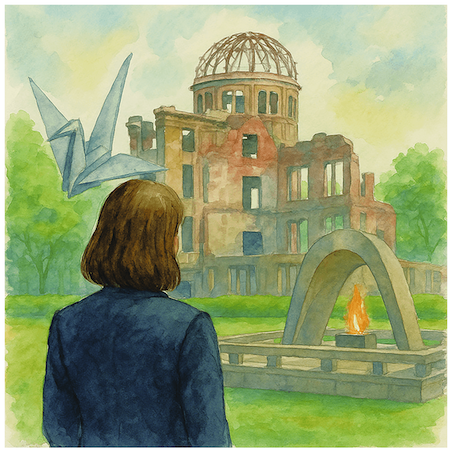
US. Director of National Intelligence Gabbard called for the need for the abolition of nuclear weapons in a video on social media, based on her experience visiting Hiroshima.
アメリカのギャバード国家情報長官は、広島を訪問した経験をもとに、核兵器廃絶の必要性をSNS上の動画で訴えました。It is extremely rare for a sitting U.S. cabinet member to openly express opposition to nuclear weapons.
現職の米閣僚が公に核兵器への反対を示すのは、極めて異例のことです。The director said, “What I saw, what I heard, and the deep sorrow that still remains in my heart cannot be expressed in words.”
長官は、「目にしたもの、耳にした話、そして今も心に残る深い悲しみは、言葉では言い尽くせない」と語りました。She also referred to drawings by atomic bomb survivors based on their experiences, recalling that they conveyed pain and loss even more powerfully than photographs.
また、被爆者が体験をもとに描いた絵を紹介し、「写真よりも強く苦しみと喪失を訴えていた」と振り返りました。Noting that “the power of modern nuclear weapons far surpasses that of the past and that “we are now standing on the brink of total annihilation,” she expressed a strong sense of crisis.
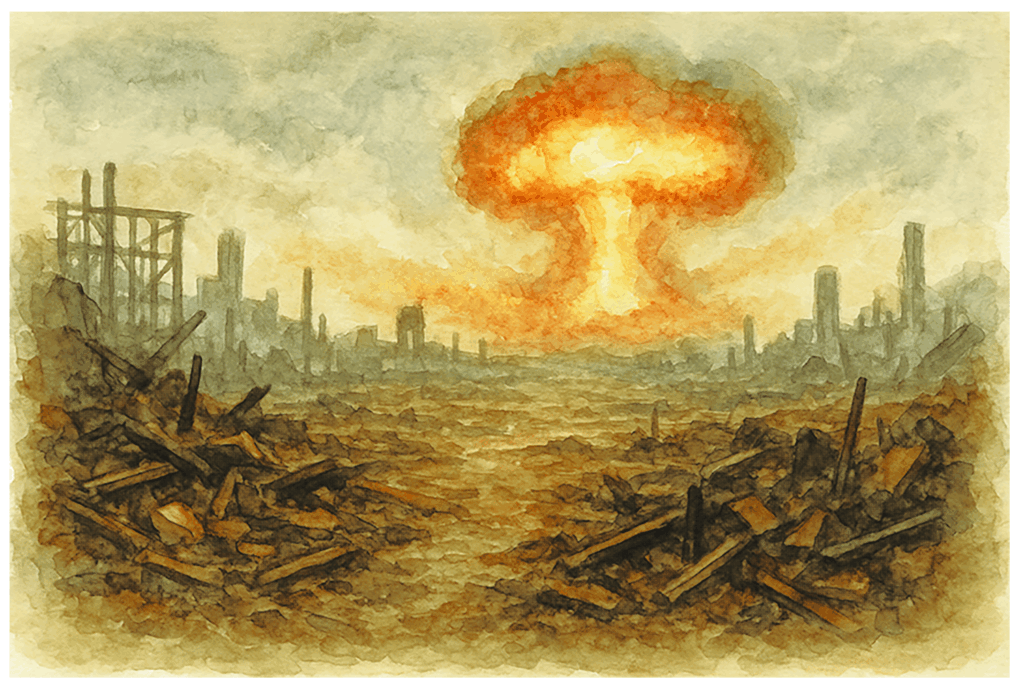
現代の核兵器の威力は当時をはるかに上回っており、「私たちは今、全滅の瀬戸際に立っている」と、強い危機感を表明。Stating, “Each and every one of us must raise our voice and put an end to this madness,” she called for the avoidance of nuclear war.
「一人一人が声を上げ、狂気に終止符を打たなければならない」とし、核戦争の回避を呼びかけました。In response to the statement, Teruko Yokoyama, the representative director of an atomic bomb survivors’ group, praised it, saying, “It is wonderful that a U.S. cabinet member has so clearly called for nuclear abolition.”
この発言に対し、被爆者団体の横山照子代表理事は「米閣僚がここまではっきりと核廃絶を訴えたのは素晴らしい」と評価。She spoke forcefully, saying. “I want them to establish a path to a world without nuclear weapons while we, the atomic bomb survivors, are still alive.”
「私たち被爆者が生きている間に、核兵器のない世界への道筋を立ててほしい」と力強く語りました。She also added, “I believe these words came out precisely because she came into direct contact with the reality of the atomic bombing.”
また、「実際に被爆の実相に触れたからこそ、こうした言葉が出たのでは」とも述べています。“To see,” “to hear,” and “to engrave in one’s heart” the memories of the atomic-bombed lands–from there, perhaps the first step toward a future without nuclear weapons begins.
被爆地の記憶を「見ること」「聞くこと」、そして「心に刻むこと」――そこから核なき未来への一歩が始まるのかもしれません。
This article is from the August 2025 issue of Hiragana Times.
この記事は、月刊誌『ひらがなタイムズ』2025年8月号より掲載しています。
-
J-Bridge: Company-Specific Talent Farm Program | Hiragana Times J-Bridge
A 3-Month Intensive
Recruitment Program
with Pre-Education & Screening:
Your Company-Specific
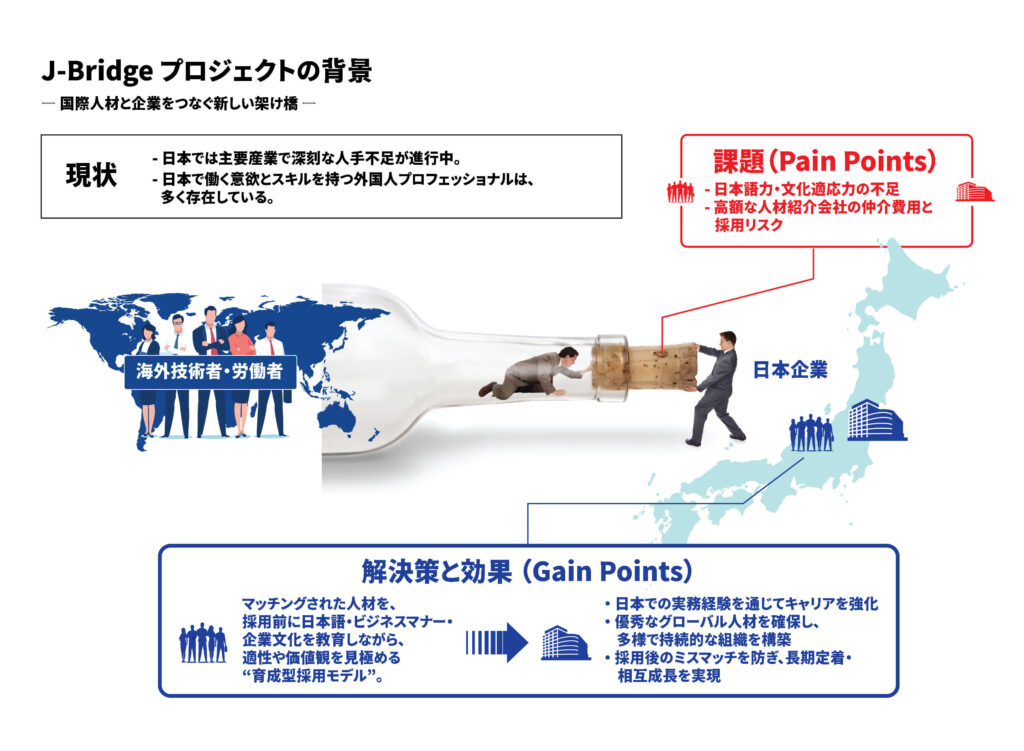
Talent FarmHiragana Times Co., Ltd. (Shibuya-ku, Tokyo / President: Koji Taruishi) is pleased to announce the launch of "J-Bridge".
This is a new service offered through our online Japanese language school nihongo.net.
J-Bridge is a company-specific talent farm.
It enables businesses to cultivate and maintain a pool of foreign talent who have been pre-trained in Japanese language and Japanese corporate culture even before hiring.
What is J-Bridge?
J-Bridge was developed around the concept of "cultivating and screening talent before hiring."
Participants acquire Japanese language skills and business etiquette over a 3-month period.
They also study company philosophy and job responsibilities through customized materials tailored to each enterprise.
This enables companies to assess a candidate's suitability for specific tasks and cultural fit at the pre-hiring stage, and to pre-train compatible individuals as "company-ready talent."
As a result, businesses can avoid post-hiring mismatches and expensive placement fees, achieving higher retention rates.
Why Choose J-Bridge?
International Network and Educational Foundation
The parent organization, Hiragana Times, has built a network with embassies and international cultural institutions over many years.
It is a widely recognized Japanese-English bilingual media outlet overseas.
Additionally, nihongo.net operates Japanese language education on a global scale, serving as an international educational platform where high-quality foreign Japanese learners gather.
Leveraging this international foundation, we provide reliable foreign talent on a stable basis.
Significant Reduction in Talent Costs
Eliminates typical recruitment fees (¥900,000-1,500,000).
Furthermore, costs for post-hire Japanese language training and business etiquette education can be absorbed through pre-training.
Pre-Education
3-month online education covering Japanese language, business etiquette, and cultural understanding.
Utilizes articles from the trusted Hiragana Times and customized materials reflecting each company's operations and culture.
Real-Time Corporate Monitoring System
Through J-Bridge's proprietary "Corporate Training Monitoring Site," HR personnel can check their company's trainees' lesson progress and results at any time.
Lesson reports including instructor feedback on trainee qualities allow real-time understanding of each participant's growth, aptitude, and attitude.
This enables more accurate hiring decisions at the pre-employment stage.
Integration and Retention
Talent familiar with Japanese culture smoothly integrate into the workplace.
Through collaboration with Japanese employees, mutual education is enhanced.
As a result, corporate morale improves and the organization's overall quality rises.
Recommended For
- Companies wanting to hire foreign workers but concerned about Japanese language levels
- Organizations wanting to assess cultural fit beforehand
- Businesses unwilling to pay expensive recruitment fees
- Companies needing immediate workforce for overseas branches or inbound support
J-Bridge Project Philosophy
In recent years, friction and anxiety have emerged in society regarding immigration policy and the rapid increase of foreign workers in Japan. There is a reality that the public has become sensitive to accepting foreign nationals.
In such times, companies involved in hiring foreign workers must demonstrate strong resolve and social responsibility. The goal should not be simply "bringing foreigners into Japan," but rather—if we do accept them—creating an environment where we can work and live together.
At Hiragana Times Co., Ltd., we approach this with full awareness of these challenges. Our focus is not on "whether immigration is right or wrong," but rather on what kind of education we provide to accepted foreign workers and what kind of consciousness we cultivate—in other words, a reception model rooted in Japan's unique cultural foundation.
Foreign talent should learn not only Japanese language as knowledge—grammar and vocabulary—but also the cultural "operating system" behind it: Japanese values, frameworks of thought, and courtesy. Furthermore, understanding should extend to each company's culture, history, and philosophy.
We cultivate talent who can understand, respect, and love Japan, while also nurturing hearts grateful for the company—a "public institution of Japanese society"—that accepts them.
Such talent acts proactively with respect for Japan and their company, generating high productivity and sustainable results.
At the same time, this initiative poses questions to Japanese people themselves. It should serve as an opportunity to reconsider the fundamental themes of "What is Japan?" and "Who are the Japanese people?"—themes that have become diluted in postwar education—and to restore an attitude of honoring the nation and understanding culture.
J-Bridge is an educational project that enhances the soundness and sustainability of Japanese society as a whole by having foreigners and Japanese learn together and deepen cultural understanding. Organizations that share culture and philosophy foster stronger trust and collaboration, and we firmly believe this will become the core of Japan's future talent strategy.
This challenge has been realized precisely because of the experience and DNA of Hiragana Times, which has been communicating "Japan" to the world for 40 years since its founding in 1986.
J-Bridge consolidates that knowledge and proposes to society a new form of talent development that bridges language and culture.
Contact Information
J-Bridge can accommodate from just one person.
Consultations and estimates are free.
We also offer flexible support for ongoing talent development and retention.
Website:
https://nihongo.net/j-bridgeInquiries:
Hiragana Times Co., Ltd. - J-Bridge Division
Contact: King Rermpark
https://nihongo.net/


 ”Warm Up ウォームアップ”
 ”Work Up ワークアップ”
 ”Wrap Up ラップアップ”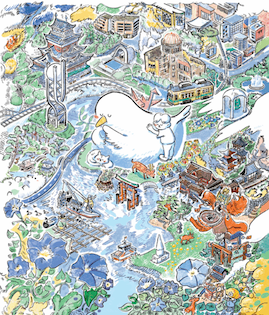

 Stating, “Each and every one of us must raise our voice and put an end to this madness,” she called for the avoidance of nuclear war.