-
[New Expressions & Buzzwords – April 2026 Issue]
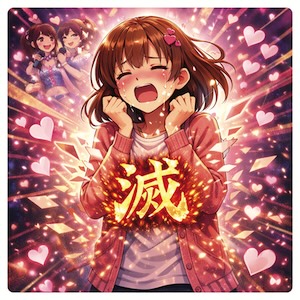
〇〇すぎて滅 | Too xx to survive
😍 〇〇すぎて滅
 pronounced: xx sugite metsu
 definition: Too xx to survive
It is an internet slang used when emotions exceed the limit.
感情が限界を超えたときに使われるネットスラングです。
It spread triggered by a musical piece of an idol group.
アイドルグループの楽曲をきっかけに広まりました。
‘Metsu’ means ‘to disappear’ and ‘to vanish’, and expresses strong emotions to the extent that oneself seems to disappear.
「滅」は「なくなる」「消える」という意味で、自分が消えてしまいそうになるほどの強い感情を表します。
It is mainly used for positive emotions, such as loving too much and being too cute.
好きすぎる、かわいすぎるなど、主にポジティブな感情に対して使われます。
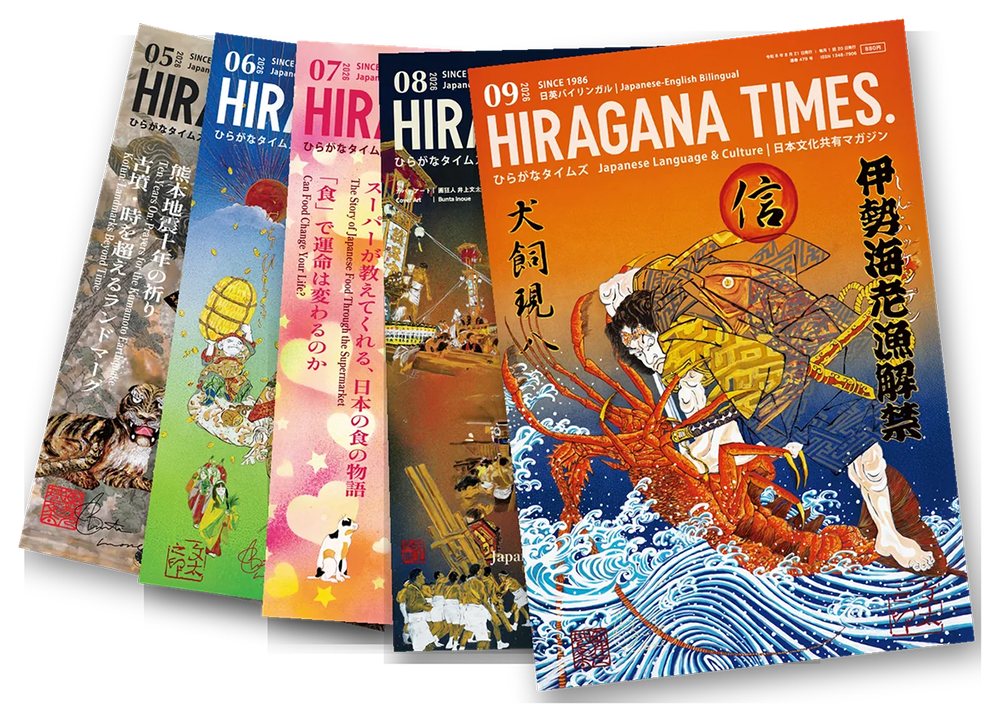
This article is from the April 2026 issue of Hiragana Times.
この記事は、月刊誌『ひらがなタイムズ』2026年4月号より掲載しています。
-

[News Review – April 2026 Issue]
A Stuffed Toy as His Mother: A Baby Monkey’s Story of Growth
母の代わりはぬいぐるみ 子ザルの成長物語
A Japanese macaque at the Ichikawa City Zoological and Botanical Garden in Chiba Prefecture is gathering attention domestically and internationally.
千葉県の市川市動植物園のニホンザルが、国内外で注目を集めています。
His name is ‘Punch’. He is a male born in July 2025.
名前は「パンチ」。2025年7月生まれのオスです。
He was abandoned by his mother shortly after birth, and was raised by artificial rearing.
生後まもなく母親に育児放棄され、人工哺育で育ちました。
At that time, a stuffed orangutan was given as a substitute for his mother.
その際、母親代わりとしてオランウータンのぬいぐるみが与えられました。
Punch shows strong attachment to it, and is hugging and carrying it around.
パンチはそれに強い愛着を示し、抱いたり持ち歩いたりしています。
In January 2026, he joined the original troop of the monkey mountain.
2026年1月、本来のサル山の群れに合流しました。
Currently he lives in the troop together with the stuffed toy and is learning involvement with other monkeys.
現在はぬいぐるみとともに群れで暮らし、他のサルとの関わりを学んでいます。
That brave figure spread on SNS, and is a hot topic around the world saying, ‘I am struck in my heart’ and ‘I want to cheer for him’.
その健気な姿がSNSで広まり、「心を打たれる」「応援したい」と世界中で話題です。
This article is from the April 2026 issue of Hiragana Times.
この記事は、月刊誌『ひらがなタイムズ』2026年4月号より掲載しています。
-
[Cover story – April 2026 Issue]
The Treasure Bearer Who Left No Name
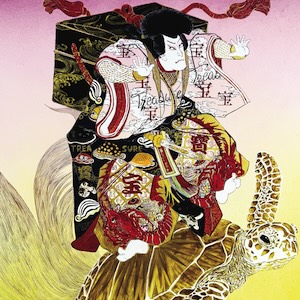
名を残さない宝運び人This month’s cover features the work “Shin Hakkenden: Inuta Kobungo, Treasure” by the painting madman, Bunta Inoue.
今月の表紙は、画狂人・井上文太氏による作品「しん・ハッケンデン 犬田小文吾 宝」です。
It depicts Inuta Kobungo, a hero from the classic tale “Nansō Satomi Hakkenden,” riding a sea turtle and carrying treasures on his back.
描かれているのは、南総里見八犬伝の犬田小文吾が、海亀に乗り宝を運ぶ姿です。
Look closely at the English word “present.” It is made of two parts: “pre” — beforehand, and “sent” — delivered.
英語の “present”(現在)という言葉をよく見ると、”pre”=事前に、”sent”=送られた、で成り立っています。
In other words, the present moment itself feels like something overflowing with gifts already given to us.
つまり、”present”、「今」という時は、贈り物で溢れているということを感じさせてくれます。
In Japanese, after a meal, we murmur “Gochisōsama” — a word that carries within it the meaning: “To all those who ran around for the sake of this meal, thank you.
日本語で食事の後に口ずさむ「ご馳走様」。そこにも「この食事のために走り回ってくださった方へ」という感謝の言葉が込められています。
“ Farmers, fishermen, cooks, and those who quietly set the table — it is a word of gratitude for a pre-sent table, laden with their love, effort, and care.
農家の人、漁師の人、料理する人、そして器を並べた人——その愛情、努力、思いにより、pre-sent された食卓への感謝の言葉です。
This issue’s theme is Shinobi — the way of those who never sought to leave their name.
今号の特集テーマは「忍び」——名を残すことをしない者たちの生き方です。
We still live in an age that praises those who display their power.
力を誇示する者が称えられる時代は、今も続いています。
Yet against that backdrop, the shinobi’s way poses a quiet question:
その中で、忍びの生き方は静かな問いを投げかけています。
To act without leaving a name, to give without seeking reward, to simply do what must be done.
名を残さず、見返りを求めず、ただ為すべきことを為す。
Perhaps this is not only the way of the shinobi. All around us, there are people who leave no mark — yet keep moving, quietly, for the sake of someone else.
それは、忍びだけの話ではないかもしれません。私たちの身の回りにも、名を刻まず、ただ誰かのために動き続けている人たちがいます。
“The day of the Lord will come like a thief” — so says the Bible.
「主の日は、盗人のように来る」——聖書の言葉です。
The salvation that truly matters does not arrive with fanfare — it comes quietly, before we even notice.
本当に大切な救いは、喧伝されてやって来るのではなく、気づかれぬ間に訪れている。
Even today, out at sea, the treasures of our tomorrow are being carried forward.
今日も海では、私たちの明日への宝が運ばれています。
And the one riding on the turtle’s back — he, too, is someone who seeks no applause.
海亀の背に乗るこの人も、称賛を求めない一人です。
This article is from the April 2026 issue of Hiragana Times.
この記事は、月刊誌『ひらがなタイムズ』2026年4月号より掲載しています。
-
Listen to the Audio:
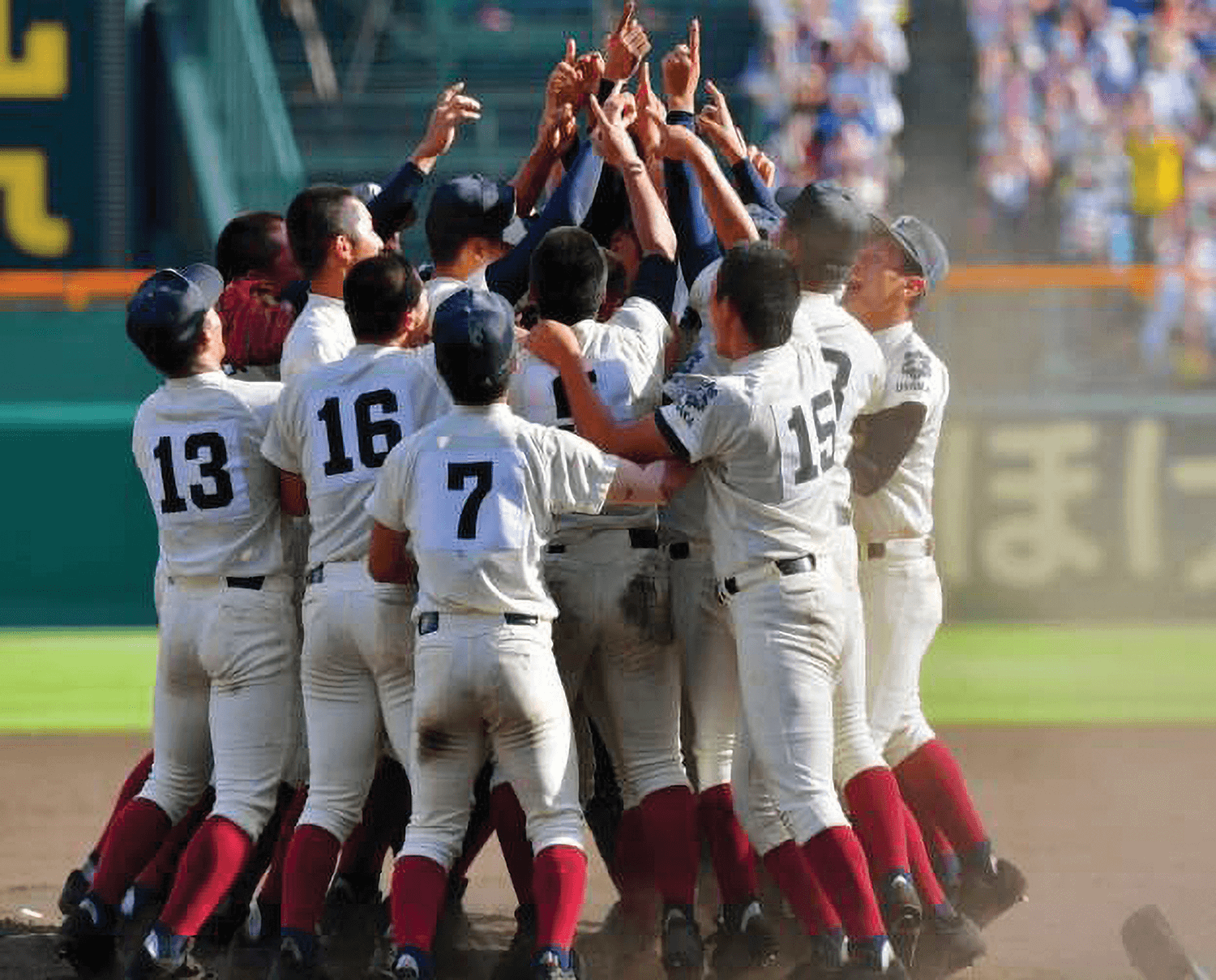
Koshien — Where Baseball Became “Yakyu”
甲子園 —— ベースボールが「野球」になった場所
Born in America, baseball crossed the ocean to Japan, where it was transformed into “Yakyu.” It evolved into a unique culture, layered not only with physical skills but with respect, unyielding effort, and compassion for one’s teammates. As a symbol of this evolution, there is a stage that has been giving birth to stories for over a century. That stage is “Koshien.”
アメリカで誕生したベースボールは、日本に渡り「野球」となりました。技術だけでなく、礼や努力、仲間を思う心が重ねられ、独自の文化へと育っていきました。その象徴として、100年以上にわたり物語を生み続けてきた舞台があります。それが「甲子園」です。The “Apparatus” That Made Japanese Baseball the Best in the World | 日本野球を世界一にした「装置」
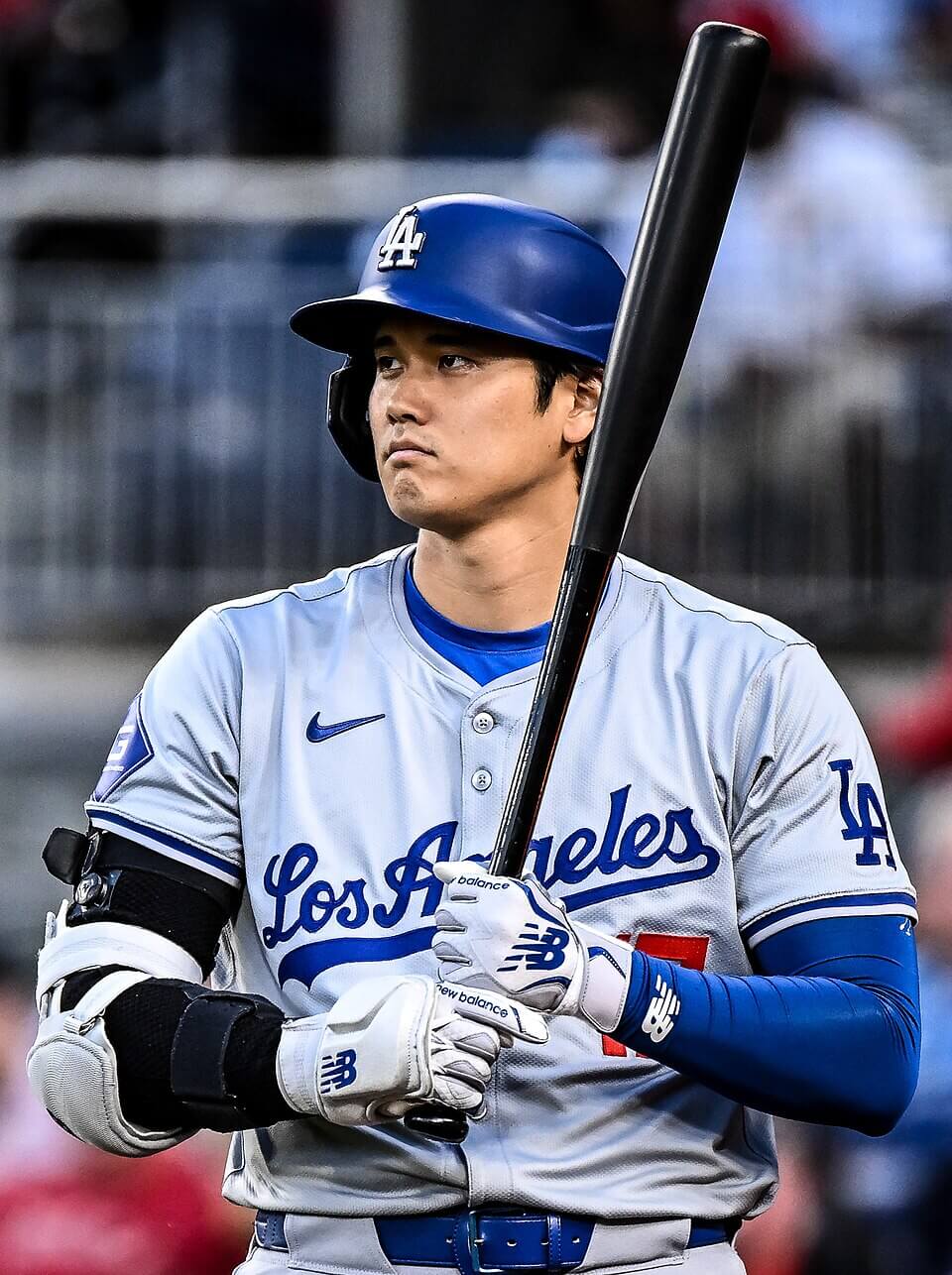
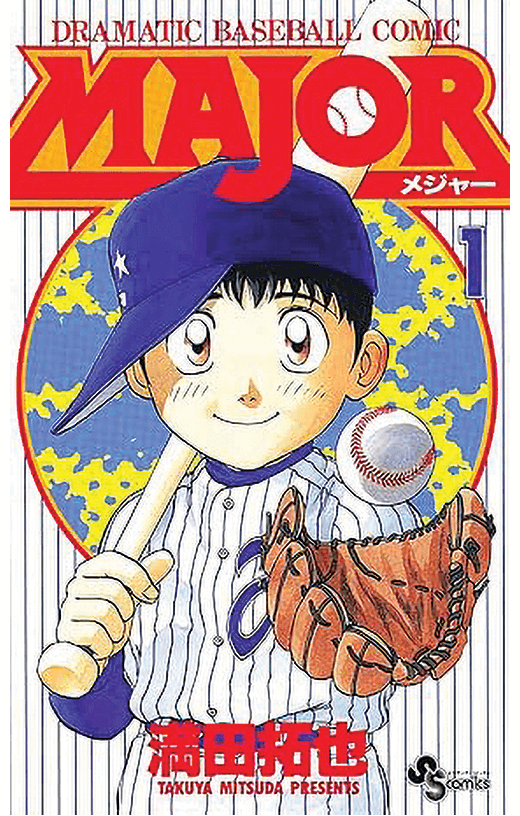
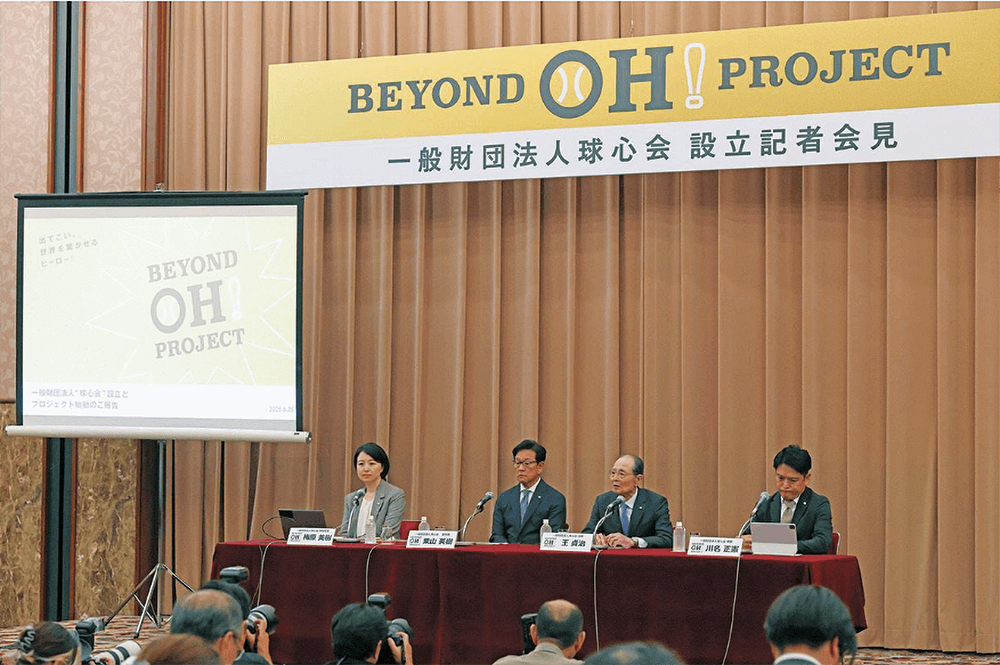
In recent years, Japanese players thriving in Major League Baseball have garnered global attention. Shohei Ohtani, in particular, continues to rewrite the very conventions of the sport as a “two-way” player—excelling as both a pitcher and a hitter. But why are Japanese players so highly valued in America, the birthplace of baseball? Where were their athleticism and skills nurtured, and by what spirit were they guided?
近年、アメリカ・メジャーリーグで活躍する日本人選手が、世界の注目を集めています。中でも大谷翔平は、投手と打者を両立する「二刀流」で、野球の常識そのものを塗り替え続けています。では、なぜ日本の選手たちは、野球の本場アメリカで、これほどまでに高く評価されるのでしょうか。彼らの身体能力や技術は、どこで育まれ、どのような精神性に導かれてきたのでしょうか。Of course, it goes without saying that their exceptional individual effort and talent are what yield these results. Yet, the force that has underpinned that effort and driven players as a clear, definitive goal is Koshien. It is the stage dreamed of by everyone, from elementary school children just starting the game to high schoolers aiming to turn pro. When people hear “Koshien,” they envision the stadium; and to say “I played at Koshien” signifies that one has competed in the National High School Baseball Championship.
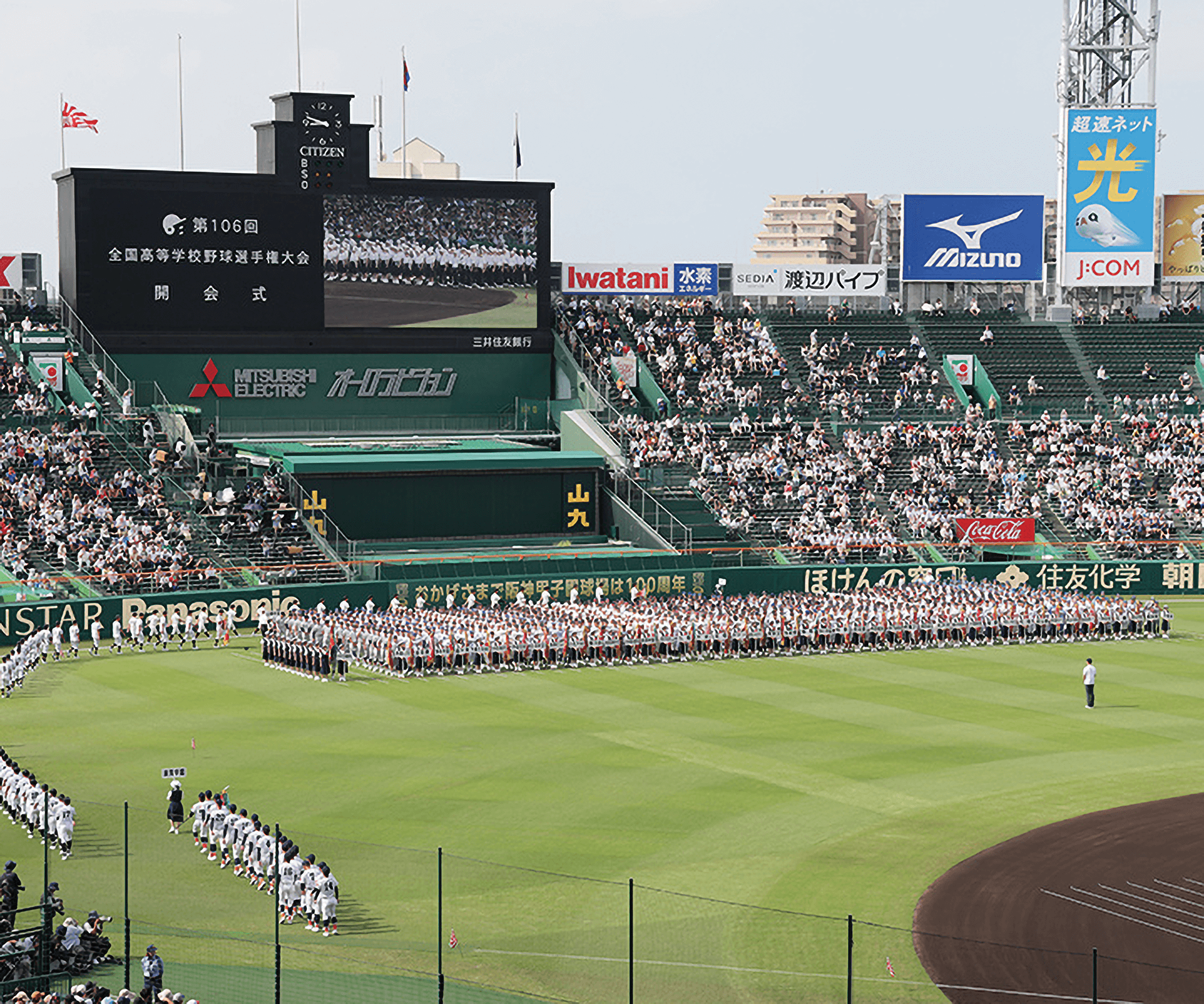
もちろん、彼ら一人ひとりの並外れた努力と才能が、結果を生んでいることは言うまでもありません。その努力を支え、明確な目標として選手たちにモチベーションを与えてきた存在が、「甲子園」です。野球を始めたばかりの小学生から、プロを目指す高校生まで、誰もが夢見る舞台。「甲子園」と聞けば誰もが野球場を思い浮かべ、「甲子園に出た」と言えば、全国高等学校野球選手権大会に出場したことを意味します。In this tournament, where young ballplayers clash with all their might aiming for the summit of approximately 3,400 schools nationwide, about 900,000 spectators pack the stands each year, while tens of millions watch on television. This is not merely a venue for competition; it is a place where the values of Japanese Baseball are condensed.
全国およそ3,700校の頂点を目指し、球児たちが全力をぶつけ合うこの大会には、毎年およそ60万人の観客が詰めかけ、テレビの前には数千万人の視線が注がれます。ここは単なる競技の場ではありません。日本野球の価値観が凝縮された場所なのです。Shohei Ohtani stood on this “Koshien” stage as a member of Hanamaki Higashi High School, representing Iwate Prefecture. Ichiro stood there as a player for Aikodai Meiden High School, representing Aichi Prefecture. Many of the Japanese players currently starring in the Major Leagues aimed for “Koshien” during their high school days, and a great number of them actually experienced that stage.
大谷翔平は、岩手県代表・花巻東高校の一員として、この「甲子園」の舞台に立ちました。イチローは、愛知県代表・愛工大名電高校の選手として。現在メジャーリーグで活躍する日本人選手の多くが、高校時代に「甲子園」を目指し、その多くが実際にその舞台を経験しています。“Koshien,” where the passion of millions of Japanese people reaches a fever pitch and where their collective gaze and spirit collide, is the very apparatus that has led Japanese Baseball to the top of the world. What did Japanese players, including today’s Major Leaguers, experience at “Koshien”? What did they etch into their souls? Let us embark on a journey to trace these origins.
多くの日本人が熱狂し、その眼差しと精神がぶつかり合う「甲子園」は、日本野球を世界一へと導いてきた装置です。日本人メジャーリーガーをはじめとする日本の野球選手たちは、この「甲子園」で何を経験し、何を刻み込んできたのか。その源流を辿る旅に出てみましょう。Koshien: A Stadium Born for High School Baseball | 甲子園——高校野球のために生まれた球場
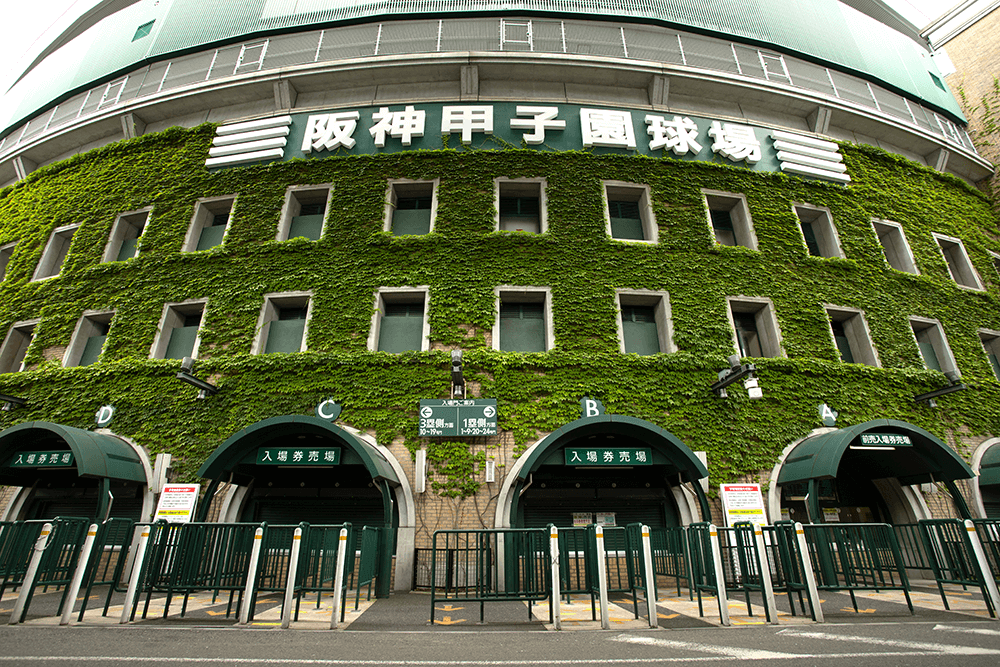
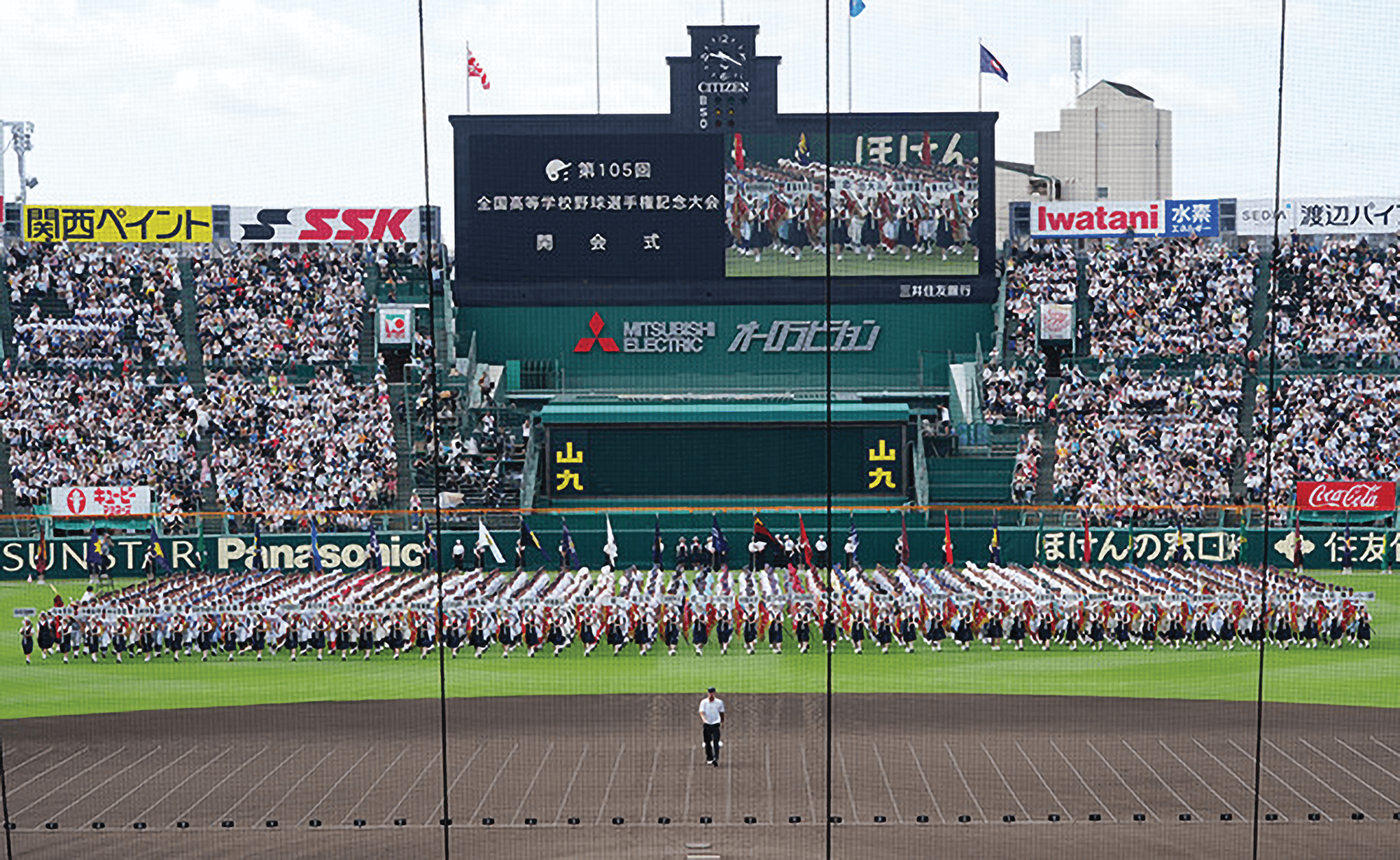
This year, on March 19th, “Spring Koshien”—the 98th National High School Baseball Invitational Tournament—will open. Thirty-two schools selected from across the country will participate. In the summer, “Summer Koshien” will be held, where 49 schools that won through the qualifiers will clash. Outside of the high school baseball period, it is used as the home field for the local professional team, the Hanshin Tigers. However, this “Koshien” has a history of being built originally for high school baseball.
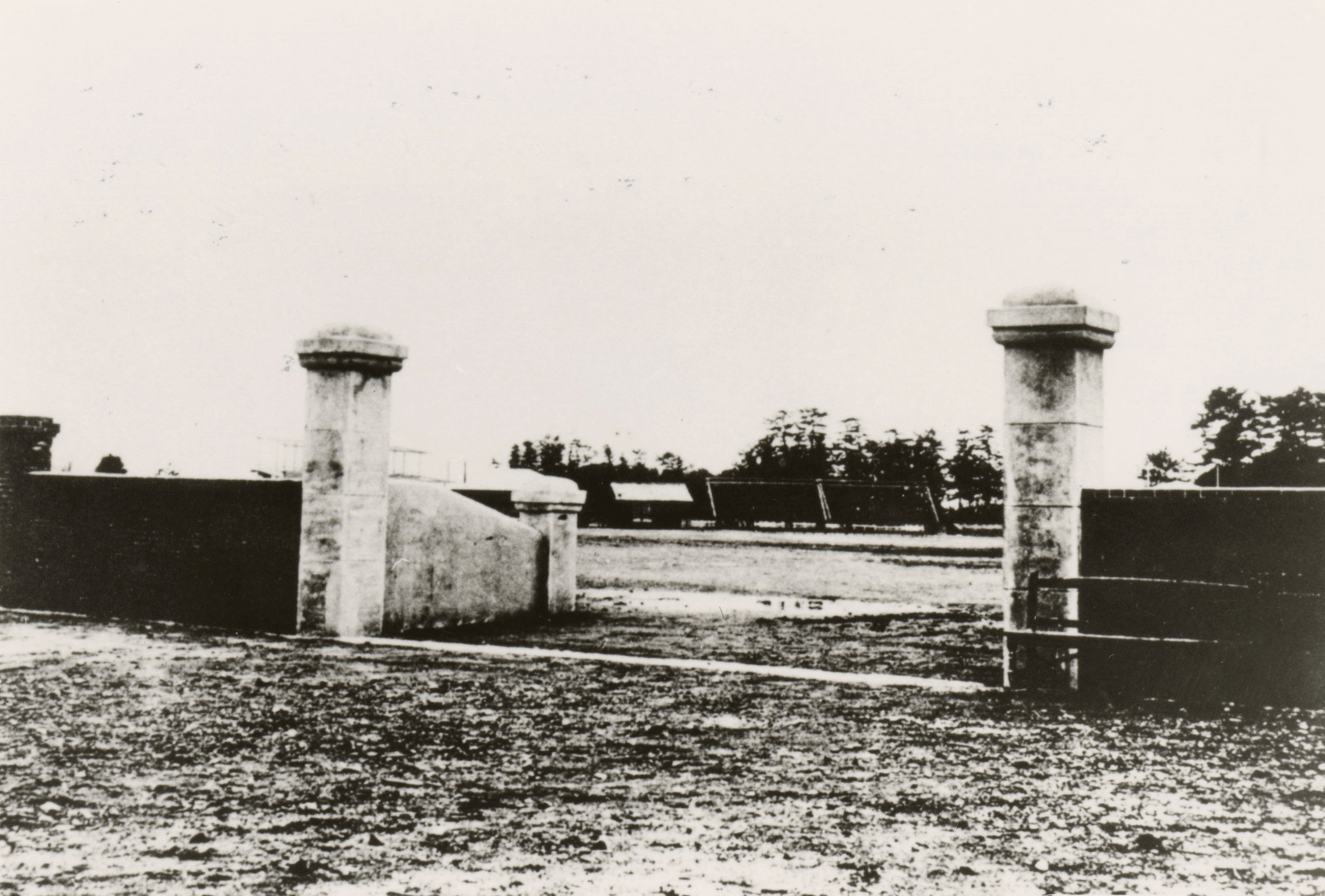
今年も3月19日、「春の甲子園」こと第98回選抜高等学校野球大会が開幕します。全国から選ばれた32校が出場。夏には予選を勝ち上がった49校が激突する「夏の甲子園」が行われます。高校野球の期間以外は、地元球団・阪神タイガースの本拠地として使用されています。しかし、この甲子園は、もともと高校野球のために建設されたという歴史があります。In 1915, the first National Middle School Baseball Championship (currently the National High School Baseball Championship) was held at Toyonaka Stadium in Osaka. There were only 73 participating schools. However, its popularity skyrocketed after that, and Toyonaka Stadium could no longer accommodate the spectators. That is why Koshien Stadium was constructed. The initial capacity was approximately 50,000. It was an unprecedented scale for a high school tournament.
1915年、第1回目の全国中等学校優勝野球大会(現在の全国高等学校野球選手権大会)は、大阪・豊中球場で開催されました。参加校は、わずか73校でした。しかしその後人気は急騰し、豊中球場では観客を収容しきれなくなりました。そこで建設されたのが、甲子園球場です。収容人数は当初約5万人。高校生の大会としては破格の規模でした。Koshien Stadium was completed in 1924 (the 13th year of the Taisho era), the year of “Kinoene” (also read as “Koshi”). This is the origin of the name “Koshien.” “Koshi” corresponds to the first combination of the ten stems and twelve branches, signifying the “beginning” of a 60-year cycle. 100 years since then—Japanese Baseball has won the World Baseball Classic (WBC) three times and continues to develop even now.
甲子園球場が完成したのは1924年、大正13年の「甲子(きのえね)」の年です。これが「甲子園」という名称の由来です。「甲子」は、十干十二支の組み合わせの第1番目にあたり、60年周期の「始まり」を意味します。それから100年——日本の野球は、ワールド・ベースボール・クラシック(WBC)で3度の優勝を果たし、今もなお発展を続けています。The Lifelong Title of “Koshien Ballplayer” | 「甲子園球児」という一生の肩書き
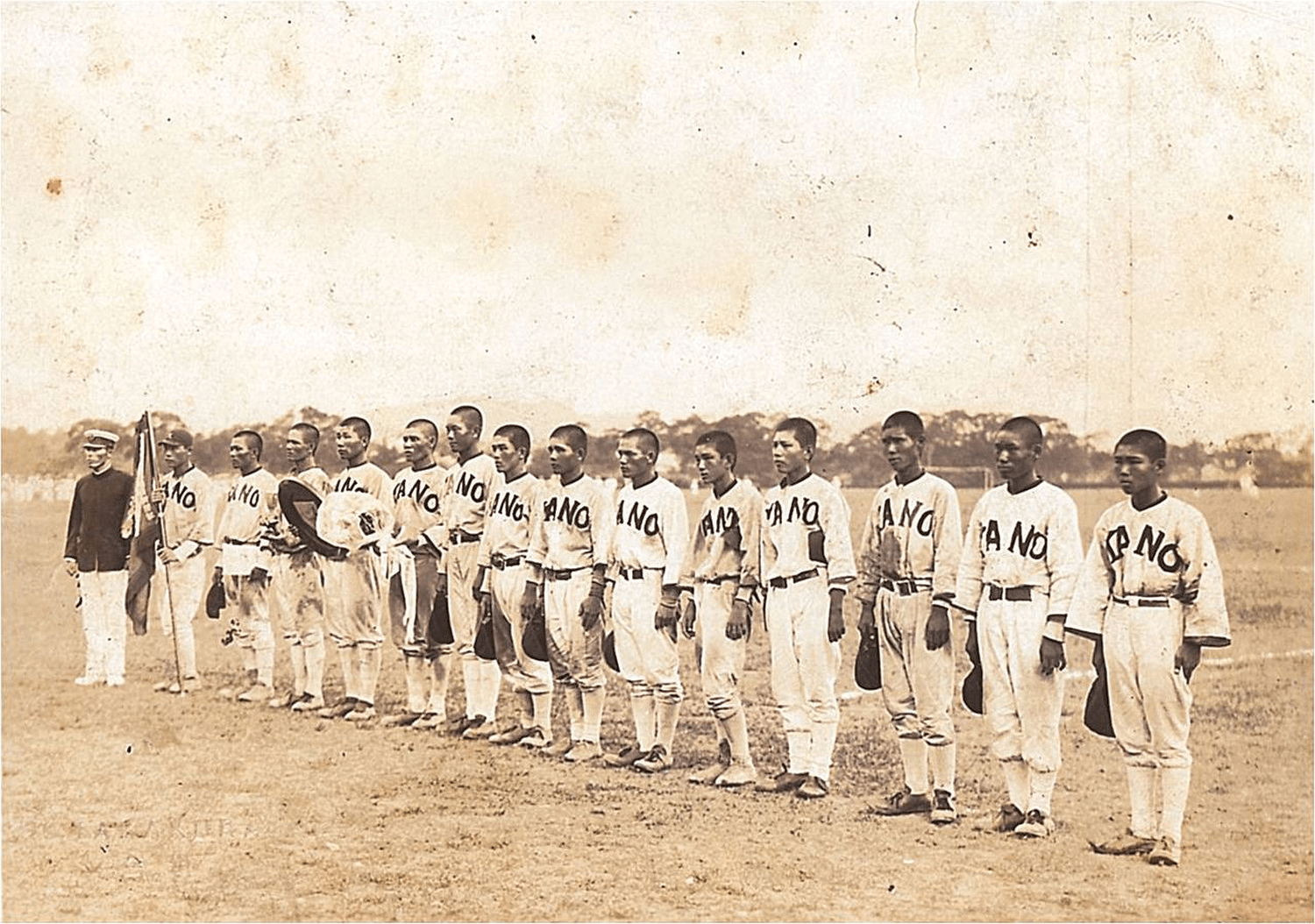
After that, newspaper companies hosted the tournament and supported its development. In 1927, Japan’s first live radio sports broadcast was conducted, and the excitement of “Koshien” began to reach the entire country. Various dramas are born at “Koshien,” both now and in the past. For example, in 1931, when Japan and Taiwan were one country, Kagi Agriculture and Forestry School (representing Taiwan) became the runner-up. It was a mixed team of Japanese, Indigenous Taiwanese, and Han Chinese. “Koshien” was also a stage that transcended ethnicity.
その後、新聞社が大会を主催し、発展を後押ししました。1927年には日本初のスポーツ実況ラジオ中継が行われ、「甲子園」の熱狂は全国に届くようになりました。「甲子園」では、今も昔も様々なドラマが生まれます。例えば、日本と台湾が一つの国だった1931年には、台湾代表の嘉義農林学校が準優勝を果たしました。日本人、台湾原住民、漢民族の混成チーム。「甲子園」は、民族を超えた舞台でもあったのです。The number of participating schools also continued to increase. It went from 73 schools in 1915 to a peak of 4,163 schools in 2003. Currently, it has decreased to about 3,400 schools due to the impact of the declining birthrate, but it is still a huge number. Even looking across the world, it is rare to find a country where a high school sports tournament attracts this much national attention.
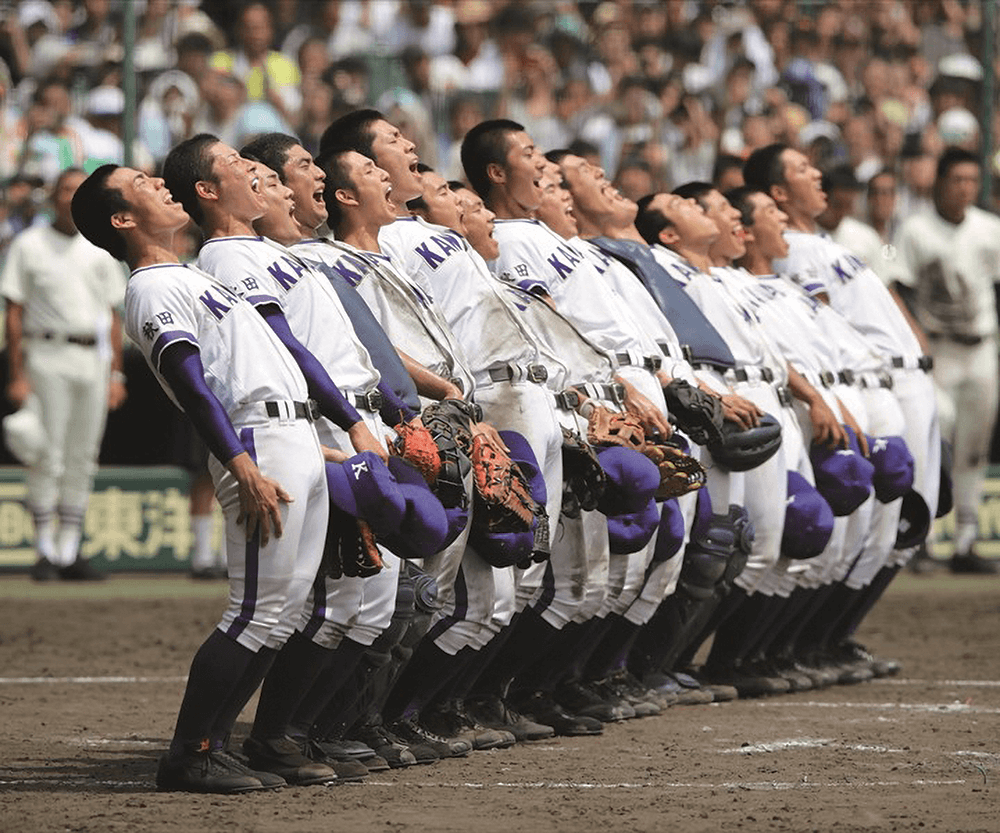
参加校数も増え続けました。1915年の73校から、2003年には4,163校のピークに。現在は少子化の影響で約3,700校に減少していますが、それでも巨大な数字です。世界を見渡しても、高校生のスポーツ大会がこれほど国民的な関心を集める国は珍しいでしょう。During the period of Spring and Summer “Koshien,” all of Japan pays attention to this tournament. All games are broadcast live on NHK. At companies and schools, the progress of the games becomes a topic of conversation, and when it is a match of a local representative, the entire region is wrapped in a “cheering mode.” In the “Alps Stand,” each school’s brass band performs cheering songs while soaked in sweat. Cheering squads raise their voices for hours under the scorching sun. This, too, is a scene of “Koshien.”
春と夏の「甲子園」期間中、日本中がこの大会に注目します。試合はNHKで全試合生中継。会社や学校でも経過が話題になり、地元代表の試合となれば、地域全体が応援モードに包まれます。アルプススタンドでは、各校のブラスバンドが汗だくで応援曲を演奏。炎天下で何時間も声を張り上げる応援団。それもまた、「甲子園」の風景です。The background of having “played at Koshien” holds significant meaning in one’s later life. It is even said to have value greater than passing the University of Tokyo. Even if one does not proceed to the pros, the title of “Koshien ballplayer” is a lifelong asset.
「甲子園に出た」という経歴は、その後の人生で大きな意味を持ちます。東京大学に合格すること以上の価値があるとさえ言われます。たとえプロに進まなくても、「甲子園球児」という肩書きは一生の財産なのです。“Yakyu-do”—A Spiritual Culture Beyond Baseball | 「野球道」——ベースボールを超えた精神文化
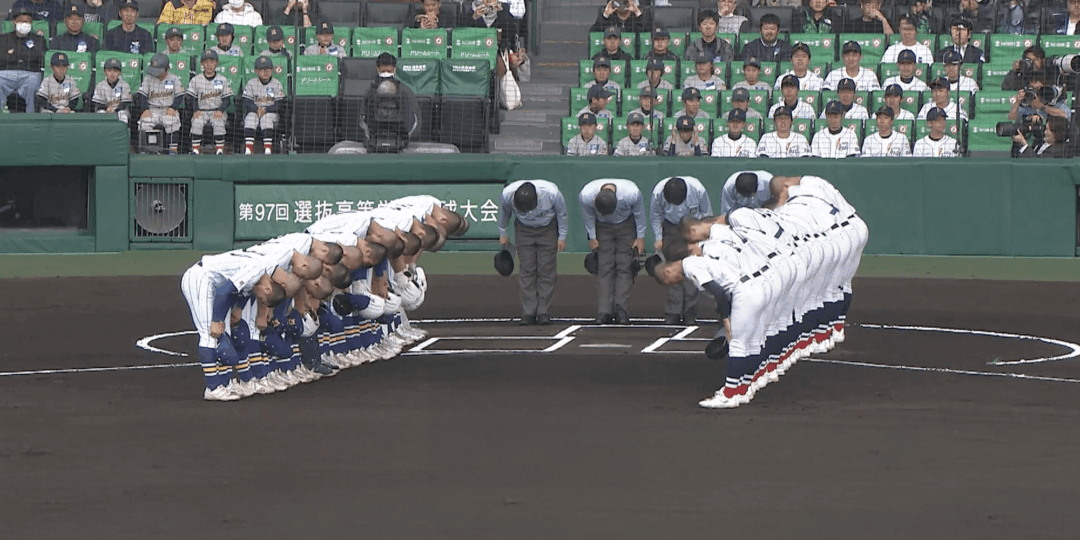
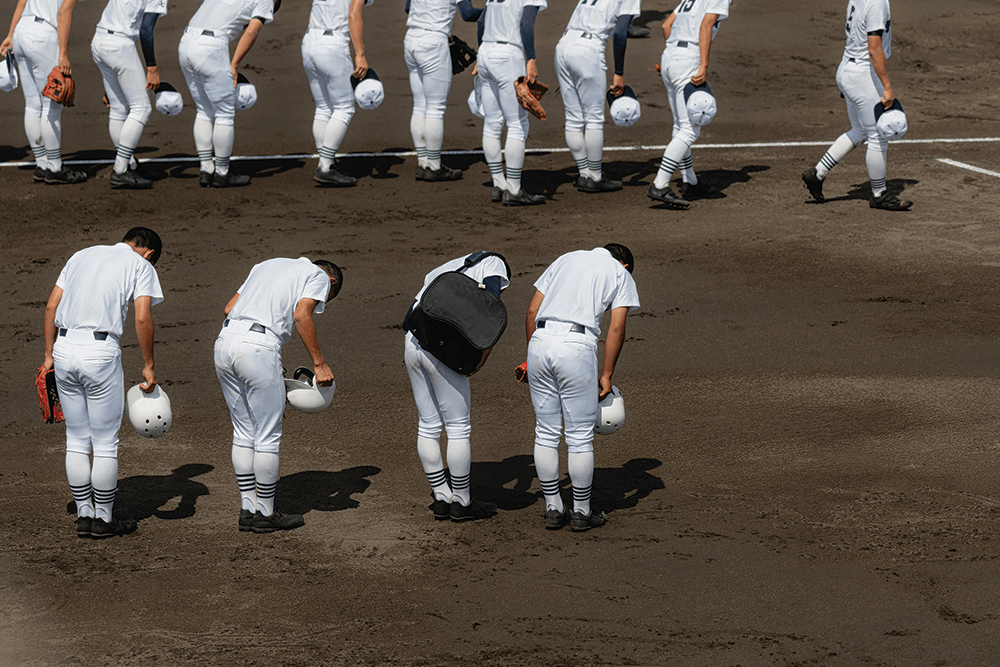
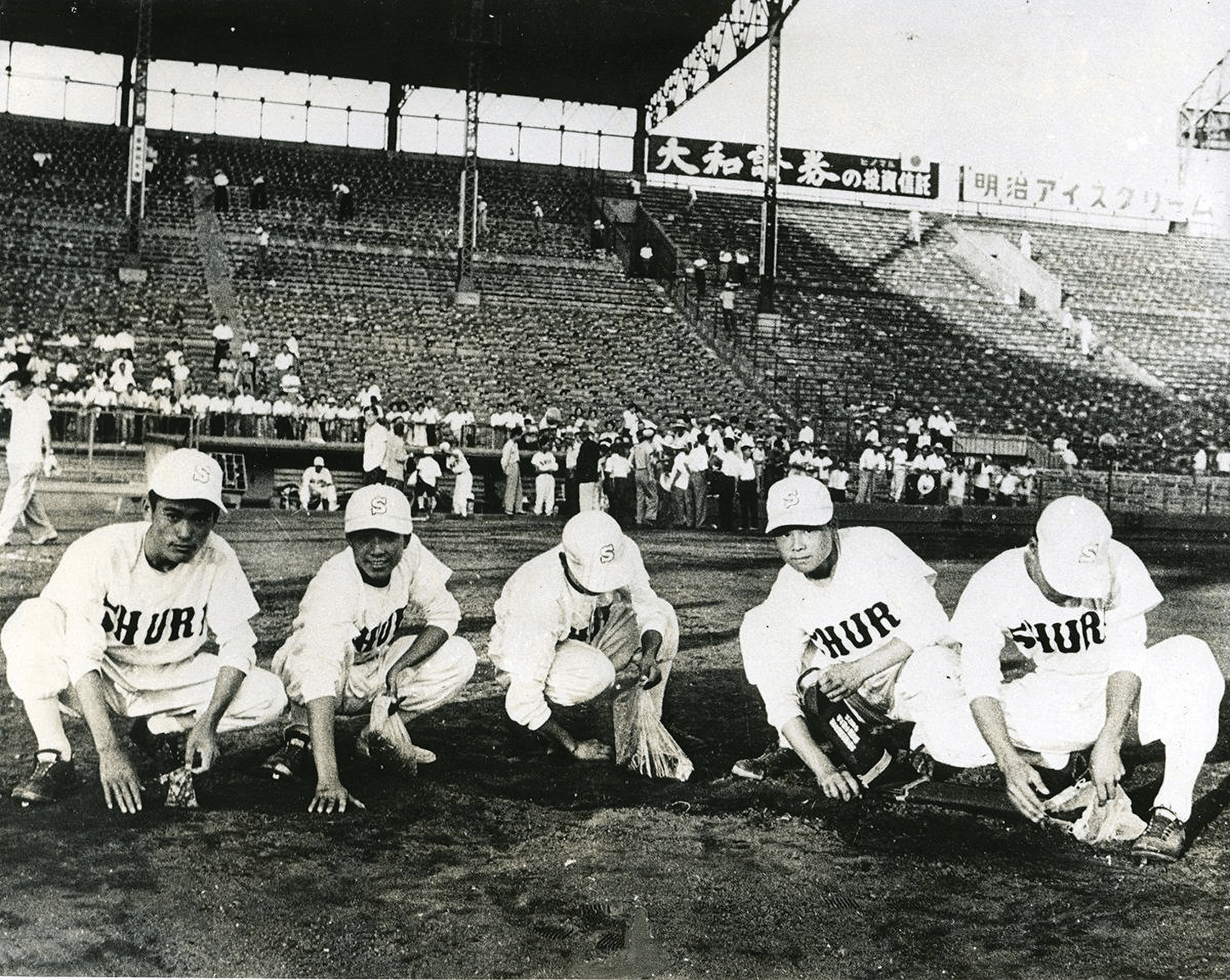
Seeing Japanese high school baseball, people from overseas are surprised. Why do high school students play baseball so seriously and so ritualistically? Why do they have shaved heads? Why do they bow to the ground? Why do defeated teams take soil home? Why do they frequently use “sacrifice bunts,” where they voluntarily get out? That appearance is already a different sport from “baseball.” It begins with respect and ends with respect—like Kendo. That is the reason it is called “Yakyu-do” (The Way of Baseball).
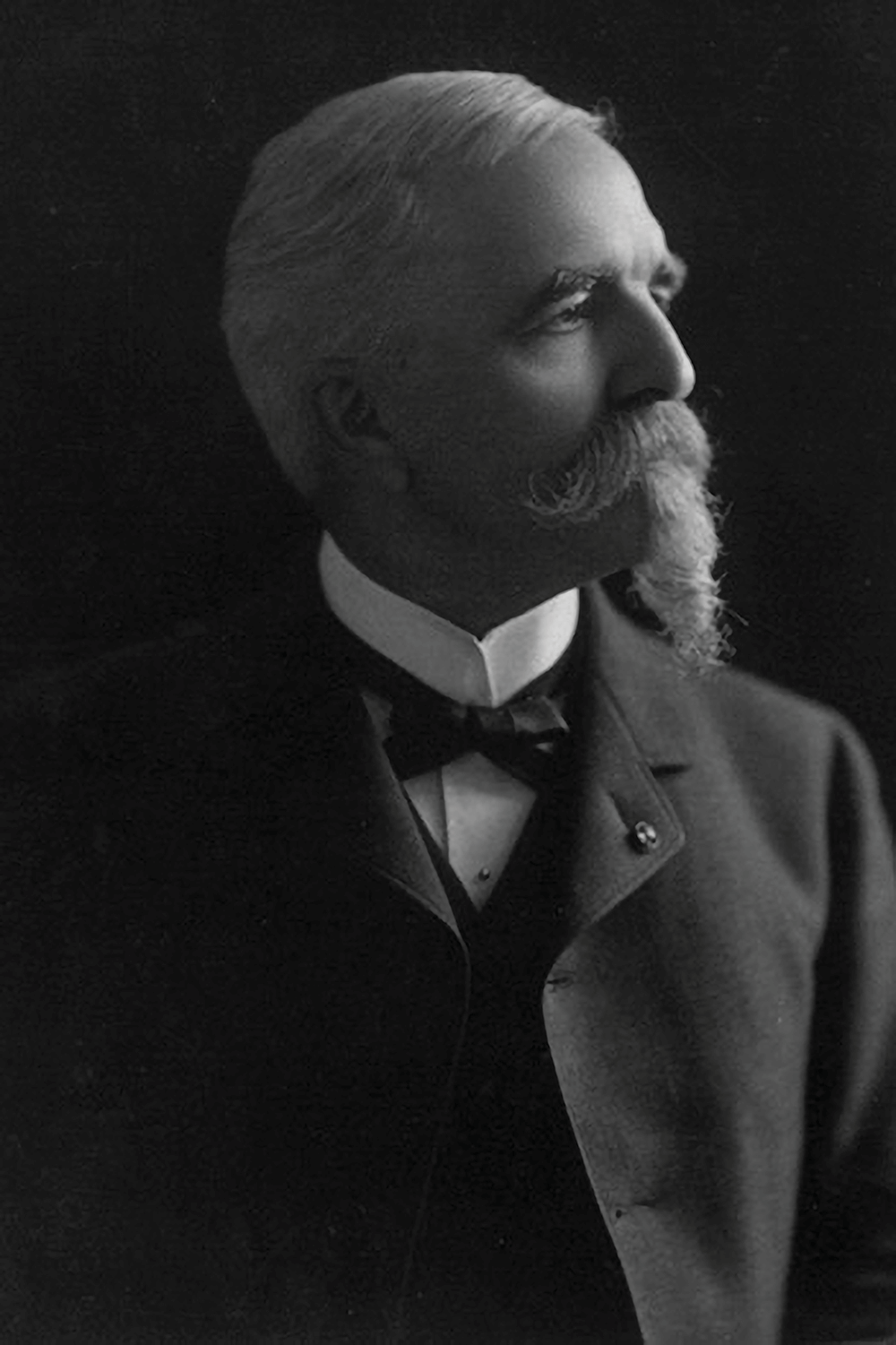
日本の高校野球を見て、海外の人は驚きます。なぜ高校生があれほど真剣に、あれほど儀式的に野球をするのか。なぜ坊主頭なのか。なぜグラウンドに一礼するのか。なぜ敗れたチームは土を持ち帰るのか。なぜ自らアウトになる「犠牲バント」を多用するのか。その姿は、もはやベースボールとは別のスポーツ。礼に始まり礼に終わる——剣道のように。それが「野球道」と言われる所以です。However, a sports culture similar to this exists in the West, too. It is rugby in 19th-century England. Rugby is said to be a “sport that teaches self-sacrifice.” In 1828, Thomas Arnold became the headmaster of Rugby School, and under the philosophy of “Muscular Christianity,” he promoted character education through sports.
しかし、西洋にもこれに通じるスポーツ文化が存在します。19世紀イギリスのラグビーです。ラグビーは「自己犠牲を教えるスポーツ」と言われます。1828年、トマス・アーノルドがラグビー校の校長に就任し、「Muscular Christianity(筋肉的キリスト教)」という思想のもと、スポーツを通じた人格教育を推進しました。The purpose was to cultivate this spirit—”One for all, All for one.” Japan’s “Yakyu-do” can be understood in parallel with this. England has connected the “spirit of Chivalry” to the modern age through rugby, while Japan has connected the “spirit of Bushido” through baseball.
「One for all, All for one(一人は皆のために、皆は一人のために)」——この精神を培うことが目的でした。日本の野球道は、これと並べて理解できます。イギリスはラグビーを通じて「騎士道的精神」、日本は野球を通じて「武士道的精神」を現代に繋いできたのです。Continue Reading in Hiragana Times
続きを読む — Hiragana Times 本誌へ
Digital PackagesRead and listen in your browser — available in bundles.誌面と音声を、パッケージでご利用いただけます。 -
[Japan Savvy – March 2026 Issue]
Eto – An Eastern Philosophy Unraveling the Blueprint of the Universe
干支——宇宙の設計図を紐解く東洋の思想
In the East, it is said that this universe revolves through the circulation of five elements.
東洋では、この宇宙は、五つの要素の循環で回っていると言います。
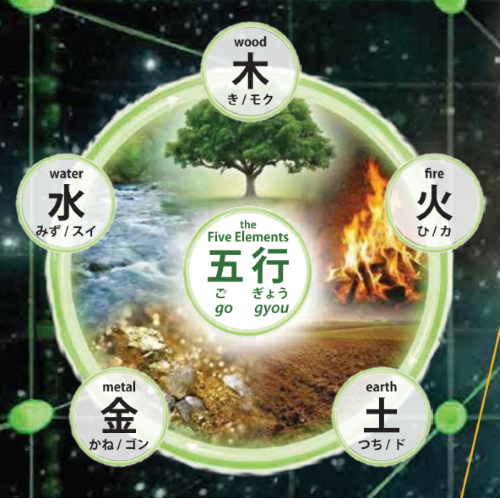
Wood, Fire, Earth, Metal, and Water. These five elements are called Gogyō.
木・火・土・金・水。これら五要素を「五行」と呼びます。
Wood burns Fire, Fire burns out and Earth remains. Within Earth, Metal (minerals) lies, and around the Metal, Water seeps. That Water nourishes Wood —
木が火を燃やし、火が燃え尽きて土が残る。土の中に金(鉱物)があり、金の周りに水が浸る。その水が木を育てる ——
Gogyō refers to “the circulation of the universe” in this way.
五行とは、このような「宇宙の循環」を指します。
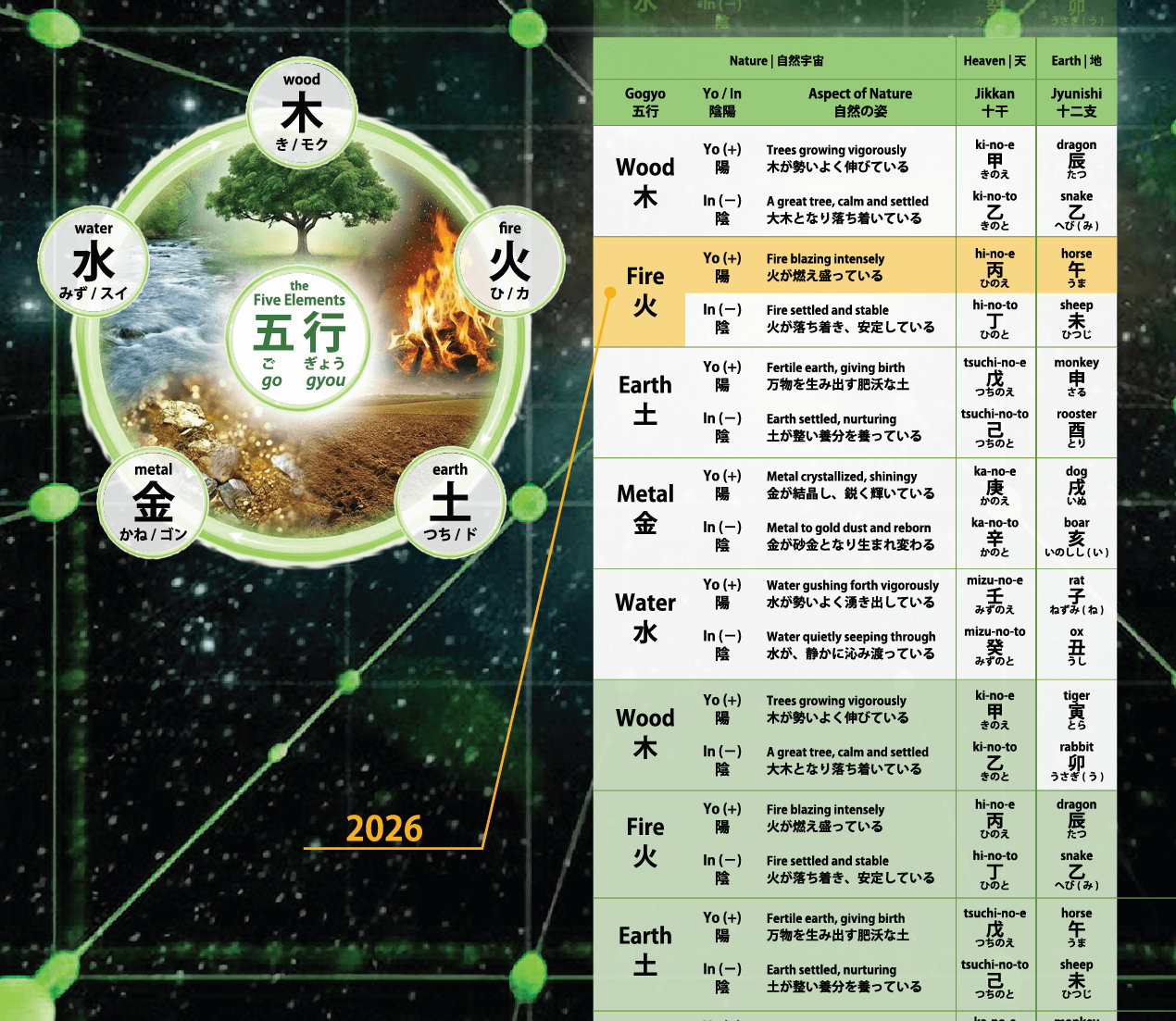
Also, each of these five elements has a time of Yō (positive) and a time of In (negative), and together ten phases are born.
また、これら五つの要素には、それぞれ「陽」の時と「陰」の時があり、合計10の時が生まれます。
Ki (Wood) becomes “甲 (Kinoe, positive)” and “乙 (Kinoto, negative),” Hi (Fire) becomes “丙 (Hinoe, positive)” and “丁 (Hinoto, negative)” . . .
「木」は「甲」(陽) と「乙」(陰)に、火は「丙」(陽) と「丁」(陰)に・・・。
“Ki-no-e” and “Ki-no-to,” “Hi-no-e” and “Hi-no-to” — combine the endings of each pair and you get “e-to.” This is the origin of Eto.
「きの“え”」と「きの“と”」、「ひの“え”」と「ひの“と”」——それぞれの語尾を組み合わせると「えと」になります。これが「干支」の源流です。
These ten phases (Jikkan) represent various aspects of nature. On top of them, the twelve animals of the Jūnishi are layered.
これらの十の時(十干)は、自然の様々な姿を表しています。その上に、十二の動物(十二支)が重なります。
The universe (Gogyō), nature (Jikkan), and animals (Jūnishi) — layered together to divine the year. That is the Eastern way of thinking known as Jikkan Jūnishi.
宇宙の森羅万象(五行)に、自然(十干)、そして動物(十二支)を重ね合わせて、その年を占う。それが、東洋の十干十二支の考え方です。
The year 2026 is the Yō of Fire, Hi-no-e, the Year of the Horse. It is the year of Hinoe-Uma (丙午).
今年2026年は、火の陽、ひのえの午年。丙午の年です。
Become an Eto Savvy 干支通になる
WARM UP | Eto JapaNEEDS
Useful Words 役立つ言葉
- 干支 eto — Eastern zodiac
- 五行 gogyō — five elements
- 循環 junkkan — circulation
- 陽 yō — positive
- 陰 in — negative
- 十干 jikkan — Heavenly Stems
- 十二支 jūnishi — Earthly Branches
- 天 ten — heaven
- 地 chi — earth
- 余白 yohaku — gap
- 天中殺 tenchūsatsu — unlucky period
- 精神的な成長 seishinteki na seichō — spiritual growth
Ice Breaker Questions 会話のきっかけ
- Do you know your Eto (zodiac sign)?
あなたの干支を知っていますか? - What year were you born? What animal is that year?
あなたは何年生まれですか? その年の動物は何ですか? - Do you believe in fortune-telling or astrology?
あなたは占いや占星術を信じますか? - Have you heard of Tenchūsatsu or Daisakkai?
「天中殺」や「大殺界」を聞いたことがありますか? - Do you take time to rest and reflect in your life?
あなたは人生の中で、休息し、内省する時間を取りますか?
WORK UP | Eto Discussion
DISCUSSION ディスカッション
Michael: Did everyone understand Jikkan and Jūnishi?
マイケル: みなさん「十干」と「十二支」は理解できましたか?Emily: Yes. The twelve animals were familiar, but Jikkan was new to me.
エミリー: はい。動物の十二支は馴染みがありましたが、十干は今回初めて聞きました。Mayumi: Jūnishi, the animals, represents “earth.” Jikkan, nature, represents “heaven.”
まゆみ: 動物である十二支は「地」を、自然界の十干は「天」を意味すると言われているんですよ。Ming: So heaven and earth first met at Kō and Ne.
ミン: では、天と地が最初に出会ったのは、甲と子の時ということなんですね。Pierre: But why ten and twelve? Matching numbers seem more balanced.
ピエール: それにしても、なぜ10と12なんですか? 同じ数字にした方がバランスが良さそうなのに。Emily: With ten and twelve, there’s a gap of two at the end.
エミリー: 10と12だと、最後に2つの余白ができますね。Mayumi: That gap keeps the next cycle going. The gap makes it eternal.
まゆみ: その余白を埋めるために次の周が続いていく。余白があるから、永遠に回り続けるんです。Ming: Designed never to end.
ミン: 終わらないための設計なんですね。Mayumi: That gap is called Tenchūsatsu or Daisakkai.
まゆみ: そうなんです。そして、その余白の期間を「天中殺」や「大殺界」と呼んだりもします。Emily: Sounds scary…
エミリー: なんか怖そう…Mayumi: Don’t worry. It’s a time for spiritual growth, not new challenges.
まゆみ: 大丈夫ですよ。その時期は、新しいことへのチャレンジより、精神的な成長を意識する時期と言われています。Pierre: Life needs time to maintain mind and body too.
ピエール: 人生、心身をメンテナンスする時間も必要ですね。Mayumi: Exactly. This gap also appears as two months a year, and two hours a day.
まゆみ: その通りです。実は、この「余白」は、1年の中にも2ヶ月、さらには1日の中にも2時間あるんですよ。Ming: Study Eto, and we can live in sync with the universe.
ミン: 干支を学べば、宇宙に同期して生きれそうですね。WRAP UP | Eto Knowledge
NEW KNOWLEDGE 新しい知識
Kanreki (60th birthday) means completing one full cycle of Eto and returning to the year you were born.
還暦(60歳の誕生日)は、干支が一巡して生まれた年に戻ることを意味します。Kōshien Stadium was built in 1924, the year of Kōshi (甲子) — the first year of the 60-year cycle.
甲子園球場は1924年、甲子(きのえね)の年に建てられました。甲子は60年周期の最初の年です。Due to the superstition that “women born in Hinoe-Uma years are strong-willed and shorten their husband’s life,” births in 1966 dropped 25%.
「丙午(ひのえうま)年の生まれの女性は気性が激しく、夫の命を縮める」という迷信の影響で、1966年は出生数が前年比25%減少しました。According to a 2026 government estimate, people born in the Year of the Horse remain the smallest group among all twelve zodiac signs—940,000 fewer than any other.
2026年の政府の人口推計によると、午年生まれは十二支の中で最も少なく、他のどの干支よりも94万人少ないままです。Some historical events are named after their Eto year: the Jinshin War (672), Boshin War (1868), and Xinhai Revolution (1911).
壬申の乱(672年)、戊辰戦争(1868年)、辛亥革命(1911年)など、その年の干支がそのまま名前になった歴史的事変もあります。In old Japan, time was also told using the twelve animals. “Ushi no koku” (the Hour of the Ox) meant around 1–3 a.m. The word “Shōgo” (noon) comes from “Uma no koku” (the Hour of the Horse).
昔の日本では、時刻も十二支で表していました。「丑の刻(うしのこく)」は午前1時〜3時頃。「正午」という言葉も「午の刻」から来ています。In Japan, having three family members born in the Year of the Tiger is considered lucky.
日本では、家族に寅年生まれが3人いると縁起が良いとされています。If Snake, Tiger, and Monkey are in one household, it is considered bad luck. The pun “mi-tora-saru” sounds like “mitorazaru” (看取らざる = “unable to be at someone’s deathbed”).
巳年・寅年・申年が一つの家庭に揃うと縁起が悪いとされています。「み・とら・さる」=「看取らざる(死に目に会えない)」という語呂合わせです。
This article is from the March 2026 issue of Hiragana Times.
この記事は、月刊誌『ひらがなタイムズ』2026年3月号より掲載しています。Want to discuss this topic at HT Talk Lounge with a native Japanese coach?
-
[NIHONGO DO – Word Leaves – March 2026 Issue]
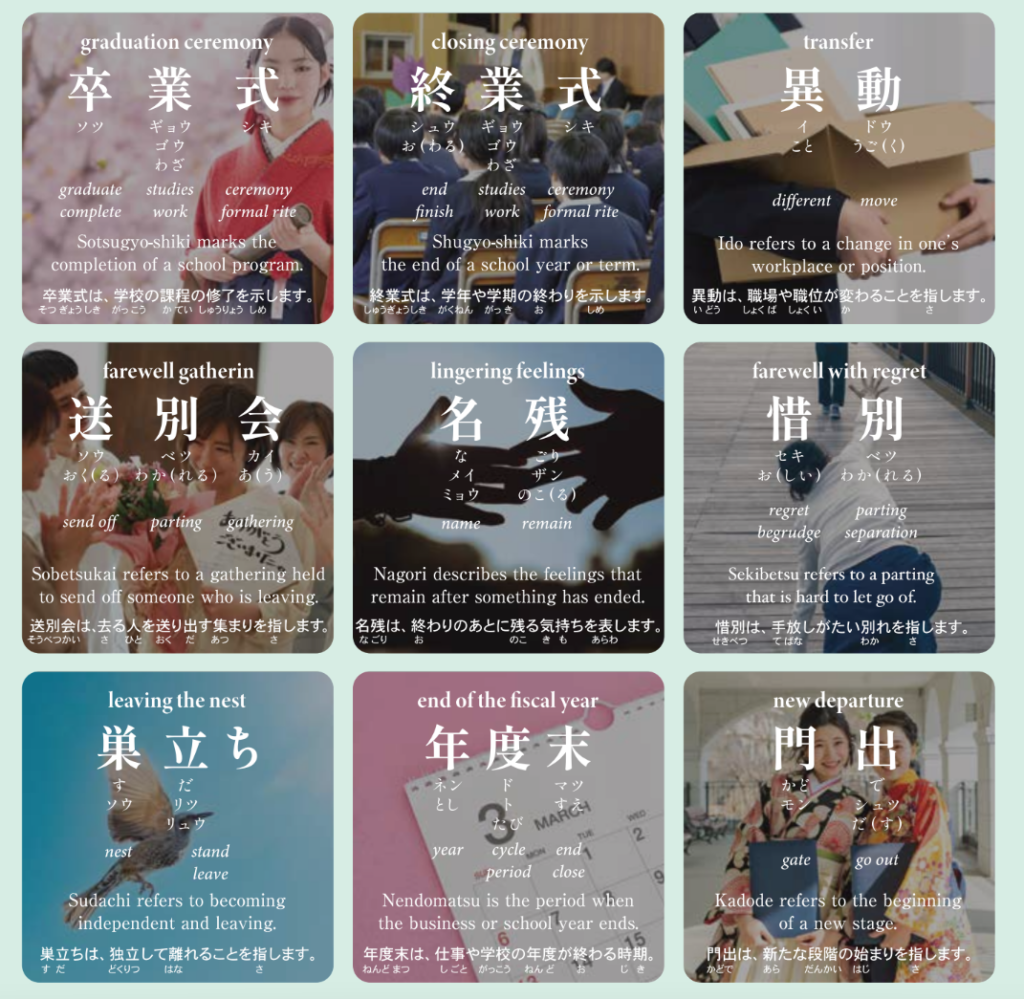
Seasonal Word Leaves: Japan’s March, “Yayoi” — endings, departures, and the quiet momentum toward what comes next.
季節の言の葉:日本の3月「弥生(やよい)」— 締めくくりと別れ、そして次へ向かう静かな動き。
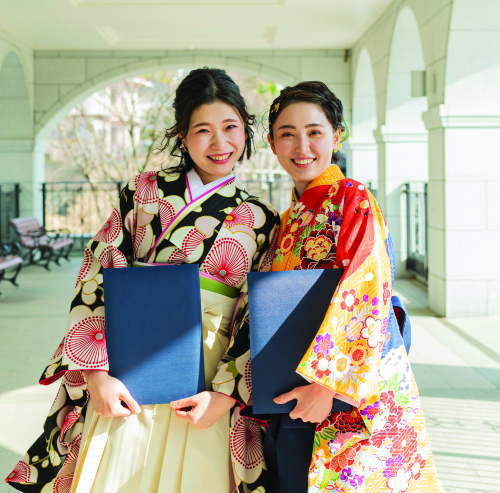
March, known as Yayoi, has long been associated with the time when grasses and trees begin to grow in earnest. As the fiscal year draws to a close, March becomes a season of graduations, closing ceremonies, transfers, and farewells—where endings and partings overlap. In this March issue, we have gathered Word Leaves that reflect these moments of transition. Within the lingering afterglow of closure, a sense of what lies ahead quietly remains.
弥生には、草木がいよいよ生い茂る月という語感が重ねられてきました。年度末を迎える三月は、卒業式や終業式、異動や送別会が続き、区切りと別れが重なる季節です。この3月号では、そうした節目と別れに関わる言の葉を集めてみました。締めくくりの余韻の中に、先へと続く気配が宿っています。
This article is from the March 2026 issue of Hiragana Times.
この記事は、月刊誌『ひらがなタイムズ』2026年3月号より掲載しています。
-
[Pros and Cons with Insight – March 2026 Issue]
Politics and Religion — Faith as a Machine
政治(せいじ)と宗教(しゅうきょう)――装置(そうち)にされた信仰(しんこう)
 Background | 背景(はいけい)
In Japan, a structure has long existed in which politicians backed by the bloc votes of religious organizations hold national office.
日本(にほん)では、宗教団体(しゅうきょうだんたい)の組織票(そしきひょう)に支(ささ)えられた政治家(せいじか)が国政(こくせい)を担(にな)う構造(こうぞう)が長年(ながねん)続(つづ)いている。
Despite the principle of separation of religion and state, the sense that this is abnormal is fading.
政教分離(せいきょうぶんり)の原則(げんそく)がありながら、それを異常(いじょう)と感(かん)じる感覚(かんかく)すら失(うしな)われつつある。
 Pros | 賛成意見(さんせいいけん)
Participating in politics based on one’s faith is a legitimate right in a democracy.
信仰(しんこう)に基(もと)づいて政治(せいじ)に参加(さんか)することは、民主主義(みんしゅしゅぎ)における正当(せいとう)な権利(けんり)だ。
 Cons | 反対意見(はんたいいけん)
When politicians are elected through bloc votes directed by religious organizations, it can hardly be called the will of the people.
宗教団体(しゅうきょうだんたい)の指示(しじ)による組織票(そしきひょう)で選(えら)ばれた政治家(せいじか)が国政(こくせい)を担(にな)うことは、民意(みんい)とは呼(よ)べない。
 Insight | 洞察(どうさつ)
Japan was once a nation where prayer and governance were one and the same.
日本(にほん)はかつて、祈(いの)りと政(まつりごと)が一体(いったい)の国(くに)であった。
The Emperor was a “priestly sovereign,” devoted to praying for the well-being of the people, who were called “Ōmitakara” — the great treasure of the nation.
天皇(てんのう)は「祭祀王(さいしおう)」として「大御宝(おおみたから)」と呼(よ)ばれた国民(こくみん)の安寧(あんねい)を祈(いの)る存在(そんざい)であった。
In time, Buddhism arrived from the continent — something akin to what we would now call MBA-style management methods.
やがて大陸(たいりく)から、今(いま)でいうMBA式(しき)の経営手法(けいえいしゅほう)のような仏教(ぶっきょう)がもたらされた。
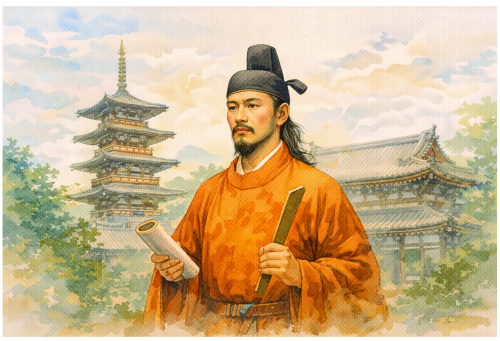
The “CEO” of the era, Prince Shōtoku, established systems of law and rank, and governed the nation through Buddhist principles.
当時(とうじ)の「CEO」聖徳太子(しょうとくたいし)は、憲法(けんぽう)や階位(かいい)を整備(せいび)し、仏教(ぶっきょう)の理念(りねん)で国(くに)を治(おさ)めた。
Yet his ideals were gradually distorted by those who came to power after him.
しかし聖徳太子(しょうとくたいし)の理想(りそう)は、後(のち)の権力者(けんりょくしゃ)たちに歪(ゆが)められていった。
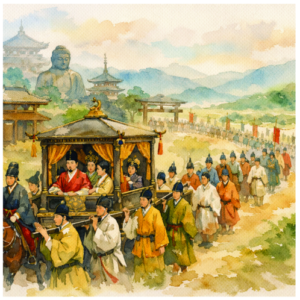
In the Nara period, branch temples called “Kokubunji” were established across the country with Tōdai-ji at the apex. Faith was transformed from something that saved the people into a machine that bred bureaucrats and fed the powerful.
奈良時代(ならじだい)、東大寺(とうだいじ)を頂点(ちょうてん)に全国(ぜんこく)へ国分寺(こくぶんじ)が配置(はいち)され、信仰(しんこう)は国民(こくみん)を救(すく)うものから官僚(かんりょう)を生(う)み権力(けんりょく)を肥(こ)やす装置(そうち)に変(か)わった。
Emperor Kanmu reset everything. He abandoned Nara and built a new capital in Kyoto.
桓武天皇(かんむてんのう)はすべてをリセット(reset)した。奈良(なら)を捨(す)て、京都(きょうと)に新(あら)たな都(みやこ)を築(きず)いた。
He then entrusted the restoration of faith to Saichō (Mt. Hiei) and Kūkai (Mt. Kōya).
そして最澄(さいちょう)(比叡山(ひえいざん))と空海(くうかい)(高野山(こうやさん))に信仰(しんこう)の立(た)て直(なお)しを託(たく)した。
The two revived Buddhism as a faith that nurtures the hearts of the people, and laid the foundation for Shinbutsu-shūgō — the harmonious coexistence of Japan’s native gods and Buddhist teachings.
二人(ふたり)は仏教(ぶっきょう)を国民(こくみん)の心(こころ)を支(ささ)える信仰(しんこう)へと蘇(よみがえ)らせ、神仏習合(しんぶつしゅうごう)の礎(いしずえ)を築(きず)いた。
The Heian capital endured for over 400 years. Japan, the world’s oldest nation, continues to this day thanks to the selfless decisions of its forebears.
平安京(へいあんきょう)は400年以上(ねんいじょう)続(つづ)いた。世界最古(せかいさいこ)の国家(こっか)・日本(にほん)は、先人(せんじん)たちの私心(ししん)なき英断(えいだん)で今日(こんにち)まで続(つづ)いている。
In the recent election, a political party backed by a religious organization suffered a major defeat. We hope for a Reiwa reset.
今回(こんかい)の選挙(せんきょ)で、宗教団体(しゅうきょうだんたい)を母体(ぼたい)とする政党(せいとう)が大敗(たいはい)した。令和(れいわ)のリセット(reset)を期待(きたい)したい。
This article is from the March 2026 issue of Hiragana Times.
この記事(きじ)は、月刊誌(げっかんし)『ひらがなタイムズ』2026年(ねん)3月号(がつごう)より掲載(けいさい)しています。
-
[Close up Japan – March 2026 Issue]
Tsubakuro — The Soul Returns to Jingu
つば九郎(くろう) ― 神宮(じんぐう)に還(かえ)る魂(たましい)
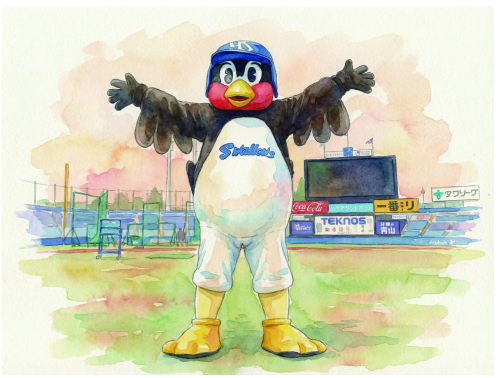
Tsubakuro is the mascot of the Tokyo Yakult Swallows (a Japanese professional baseball team) His uniform number is “2896” (tsu-ba-ku-ro-u).
東京(とうきょう)ヤクルトスワローズのマスコット、つば九郎(くろう)。背番号(せばんごう)は「2896」(ツバクロウ)。
Since his debut in 1994, he has been loved for his sharp-tongued humor and free-spirited character.
1994年(ねん)のデビュー以来(いらい)、毒舌芸(どくぜつげい)と自由奔放(じゆうほんぽう)なキャラクターで愛(あい)されてきました。
Wearing a costume weighing over 20 kilograms, he continued to thrill fans even under the blazing sun.
20キロ超(ちょう)の着(き)ぐるみを身(み)にまとい、炎天下(えんてんか)でもファンを沸(わ)かせ続(つづ)けました。
In 2022, he achieved a first in baseball history: appearing in 2,000 home games.
2022年(ねん)には球界史上初(きゅうかいしじょうはつ)の主催試合(しゅさいしあい)2000試合出場(しあいしゅつじょう)を達成(たっせい)。
He grew to become a mascot that represents Japanese professional baseball.
選手(せんしゅ)をしのぐ人気(にんき)を誇(ほこ)り、日本(にほん)プロ野球(やきゅう)を代表(だいひょう)するマスコットへと成長(せいちょう)しました。
Behind that popularity was one man who played Tsubakuro for 30 years.
その人気(にんき)を支(ささ)えたのは、30年間(ねんかん)つば九郎(くろう)を演(えん)じ続(つづ)けた一人(ひとり)の男性(だんせい)でした。
Over time, he became Tsubakuro, and Tsubakuro became him.
いつしか彼(かれ)がつば九郎(くろう)になり、つば九郎(くろう)が彼(かれ)になっていました。
In Japan, there is a culture where form and performer become one — from Noh actors to puppet masters to Ultraman.
日本(にほん)には、能楽師(のうがくし)、人形遣(にんぎょうつか)い、ウルトラマンまで、器(うつわ)と演者(えんじゃ)が一体(いったい)となる文化(ぶんか)があります。
It could be said that the deeply ingrained Japanese sense of “a spirit dwelling within the form” nurtured Tsubakuro.
「器(うつわ)に魂(たましい)が宿(やど)る」という日本人(にほんじん)に染(し)みついた感覚(かんかく)が、つば九郎(くろう)を育(そだ)てたとも言(い)えるかもしれません。
However, in February 2025, just before the season began, the man behind Tsubakuro suddenly passed away.
しかし2025年(ねん)2月(がつ)、シーズンを前(まえ)にして担当者(たんとうしゃ)が急逝(きゅうせい)。
The team made an unusual announcement and Tsubakuro’s activities were suspended. When the season began, the Swallows sank to last place.
球団(きゅうだん)は異例(いれい)の発表(はっぴょう)を行(おこな)い活動休止(かつどうきゅうし)に。そして始(はじ)まったシーズン、スワローズは最下位(さいかい)に沈(しず)みました。
The poor performance cannot be attributed to this reason alone, but there were many fans who linked it with Tsubakuro’s absence.
成績不振(せいせきふしん)をこの理由(りゆう)だけにはできませんが、つば九郎(くろう)の不在(ふざい)と重(かさ)ねたファンは多(おお)くいました。
Before his passing, Tsubakuro had written: “If Tsubakuro is gone, please think that he has flown into the sky.”
「つば九郎(くろう)」は生前(せいぜん)、こう記(しる)していました。「つばくろうがいなくなったら、そらをとんだとおもってください」
In November, new manager Takahiro Ikeyama announced: “From next season, he will be back.”
11月(がつ)、池山隆寛(いけやまたかひろ)新監督(しんかんとく)が告(つ)げました。「来(らい)シーズンから、彼(かれ)が戻(もど)ってきます。」
Yes. When spring comes, swallows return.
そうです。春(はる)になれば、燕(つばめ)は還(かえ)ってきます。
This article is from the March 2026 issue of Hiragana Times.
この記事(きじ)は、月刊誌(げっかんし)『ひらがなタイムズ』2026年(ねん)3月号(がつごう)より掲載(けいさい)しています。
-
[New Expressions & Buzzwords – March 2026 Issue ]
ゆるつら | Low-effort yet tough
🥳😬 ゆるつら
pronounced: Yurutsura definition: Low-effort yet toughIt is a word combining “yurui” (easygoing/low-effort) and “tsurai” (tough).
「ゆるい」と「つらい」を組み合わせた言葉です。
It expresses the feeling of wanting to take it easy, but also wanting a sense of accomplishment.
楽はしたいけれど、手応えもほしい気持ちを表します。
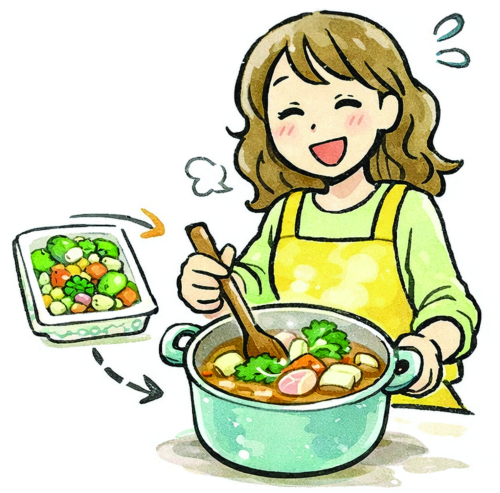
For example, “yurutsura cooking” uses not only a microwave, but also puts it in a pot and heats it.
たとえば「ゆるつら料理」は、電子レンジだけでなく、鍋に入れて火をかけます。
“Yurutsura products,” where you can gain a moderate sense of accomplishment, are attracting attention.
ほどよい達成感を得られる「ゆるつら商品」が注目されています。
This article is from the March 2026 issue of Hiragana Times.
この記事は、月刊誌『ひらがなタイムズ』2026年3月号より掲載しています。
-
[New Expressions & Buzzwords – March 2026 Issue ]
ボンボンドロップシール| Bonbon drop stickers
📒ボンボンドロップシール
pronounced: Bonbon doroppu shi-ru definition: Bonbon drop stickersThese are stickers characterized by a three-dimensional look and transparency, like gummies or candy.
グミやキャンディのような立体感と透明感が特徴のシールです。
The way of enjoying “dekoru” (decorating) by sticking them on things like smartphone cases spread on social media.
スマホケースなどに貼って「デコる」楽しみ方がSNSで広まりました。
Triggered by this, “sticker swapping,” which was a staple among Heisei-era girls, is becoming popular again.
これをきっかけに、平成女児の定番だった「シール交換」が再び流行しています。
Bonbon drop stickers are so popular that they have become difficult to get.
ボンボンドロップシールは、入手困難になるほど人気です。
This article is from the March 2026 issue of Hiragana Times.
この記事は、月刊誌『ひらがなタイムズ』2026年3月号より掲載しています。