-
Japan Style – Hiragana Times September 2026 issue
Listen to the Audio:
Japanese Minka—Homes Alive with Nature
自然の中で生きている日本民家
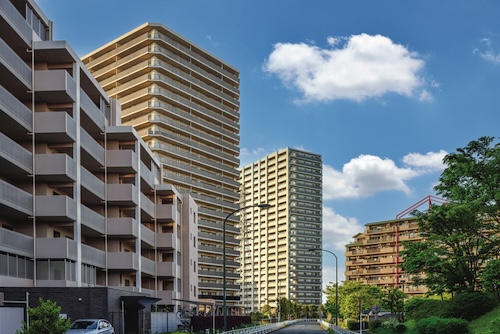
In Western homes, rooms are divided according to their purpose: a living room, a dining room, a bedroom, a guest room. The apartments and houses built in Japanese cities today are basically the same. Looking only at these modern homes, Japanese housing already seems not so different from its Western counterpart.
欧米の住宅では、リビングルーム、ダイニングルーム、ベッドルーム、ゲストルームと、それぞれの目的に合わせて部屋が分けられています。現在の日本の都市に建つマンションや一戸建ても、基本的には同じです。こうした現代の住宅だけを見れば、日本の住まいは、すでに欧米のものと、それほど変わらないように見えます。
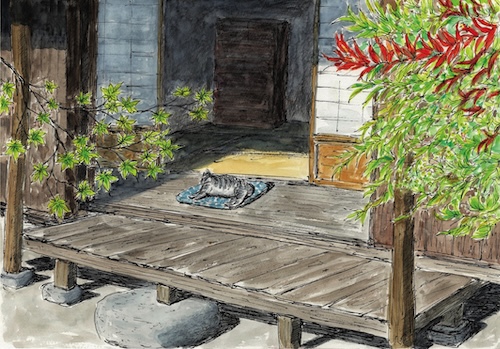
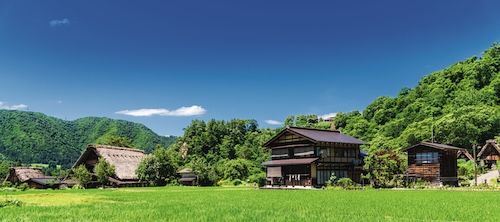
But beyond the cities, you encounter houses of a completely different kind: minka, traditional Japanese folk houses. In an old minka, a single large space is partitioned as needed by shōji and fusuma. Open them, and the rooms connect into one again, and the wind blows through the entire house.
けれど、都市を離れ、地方へ足を運ぶと、まったく異なる家、「民家」に出合います。日本の古い民家では、一つの大きな空間を、障子や襖によって必要に応じて仕切ります。それらを開ければ、部屋は再び一つにつながり、風が家じゅうを吹き抜けます。
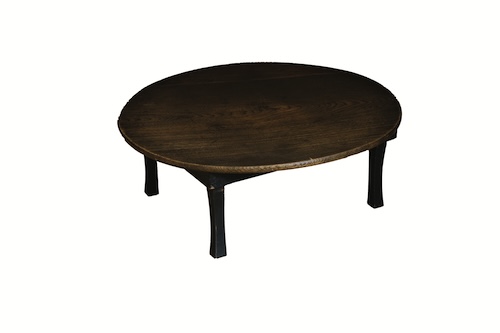
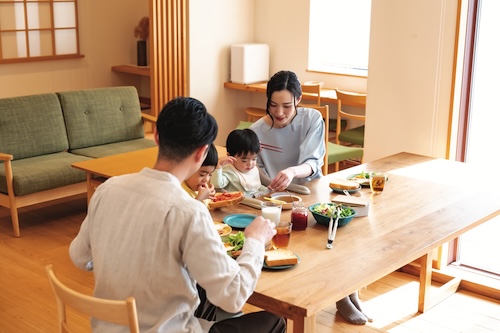
Place a chabudai or individual dining trays there, set out the meal, and it becomes a dining room. Clear the meal away, arrange the cushions, set a single flower in a vase, and it becomes a guest room. Bring out the zaisu floor chairs, let the family lean back and relax as they please, and it becomes a living room. Then, when night falls and the futons are laid out, the same space turns into a bedroom.
そこにちゃぶ台や膳を置き、食事を並べれば、食堂になります。食事を片づけ、座布団を整え、花を一輪生ければ、客間になります。座椅子を出し、家族が思い思いにもたれてくつろげば、居間になります。そして夜になり、布団を敷けば、同じ空間が寝室へと変わります。
A single space changes into different rooms according to the time of day—morning or night—the occasion, whether an ordinary day or a celebration, and the people who gather there, whether family or guests. In a Japanese house, the rooms do not determine how people live; rather, the space itself changes to suit the life of those who dwell there.
一つの空間が、朝と夜、日常と祝いの日、家族と客人によって、異なる部屋へと姿を変えるのです。日本の家では、部屋が人の暮らしを決めるのではなく、人の営みに合わせて、空間の方が変化します。Gifu Prefecture’s Shirakawa-gō and Toyama Prefecture’s Gokayama are home to gasshō-zukuri houses with enormous thatched roofs, which convey the life of the Japanese people to this day. Elsewhere too—in Nagano, Yamanashi, Tōhoku, Shikoku, Kyūshū, and across the Japanese archipelago—many minka handed down from before the Edo period still remain.
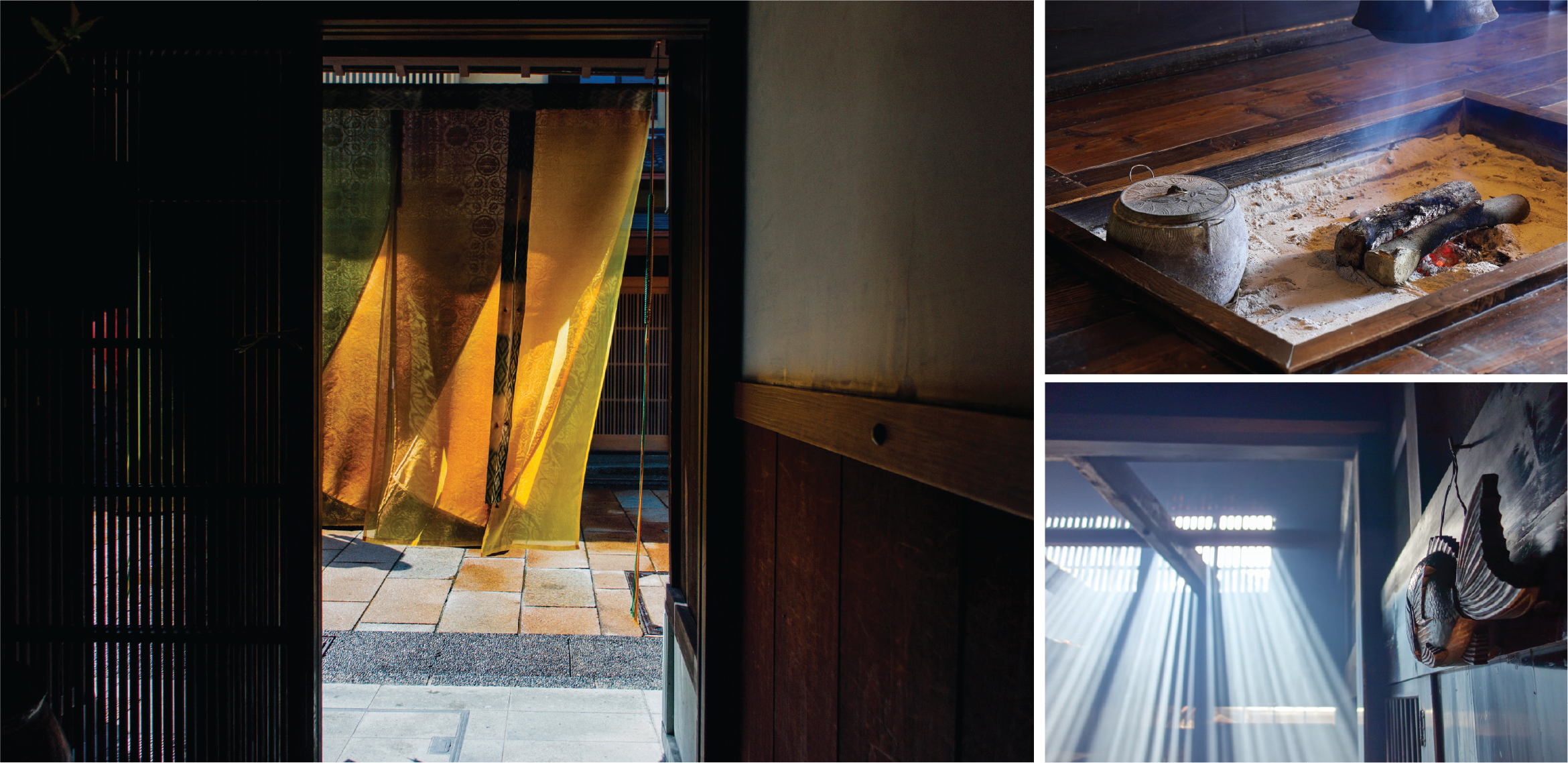
岐阜県の白川郷や富山県の五箇山には、そのような日本人の暮らしを今に伝える、巨大な茅葺き屋根を持つ合掌造りの家が残されています。そのほかにも、長野、山梨、東北、四国、九州など、日本列島の各地には、江戸時代以前から受け継がれてきた民家が数多く残されています。These are not merely buildings that have grown old. They carry a culture of the ie—the home that goes beyond the building itself—nurtured since the distant Jōmon period amid the nature of this archipelago and the lives of its people. Born from the wood, earth, bamboo, straw, grass, and stone of the land, the house, as the wind of that land passes freely through it, in time becomes a part of nature itself. And into the house soak the stories of the generations who lived and carried life onward there, layer upon layer.
それらは、単に古くなった建物ではありません。はるか縄文の昔から、この列島の自然と人々の営みの中で育まれてきた、建物を超えた「家」という文化です。土地の木や土、竹、藁、草、石から生まれた家は、その土地の風が自由に行き交う中で、やがて自然の一部となっていきます。そして、家には、そこで暮らし、命をつないできた人々の物語が、幾重にも染み込んでいきます。Using the materials of the land, gathering around a fire, living while feeling the shifts of nature—the wind, the light, the heat and the cold—at its root lies a way of thinking that continues from the Jōmon era: to live as one with nature. That thinking can still be seen throughout these minka.
土地にある素材を用い、火を囲んで人が集い、風や光、暑さや寒さといった自然の移ろいを感じながら暮らす――その根本には、自然と一体となって生きる、縄文の時代から続く思想があります。その思想は、こうした民家の随所に今も見ることができます。
The Wind and Ki That Move Through the House
家の中を巡る風と氣
In an age without air conditioners or ventilation fans, without refrigerators or running water, how a house was oriented, where the wind was let through, and how the fire, the water, the food, and the washing areas were arranged were matters of the utmost importance in sustaining daily life.
エアコンも換気扇も、冷蔵庫も水道もなかった時代、家をどちらに向け、どこから風を通し、火や水、食べ物や水回りをどのように配置するかは、暮らしを支える極めて重要な問題でした。Even today, many people take an interest in feng shui and try to bring the flow of ki within their homes into balance through the placement of furniture and belongings. But for the minka of old, the circulation of wind was no mere matter of luck or charm. If the wind did not pass through, smells settled in. If the smoke did not escape, the air grew hard to breathe. If water spoiled, if food rotted, sickness entered the house. The circulation of wind was, quite simply, a matter of the family’s life.
現代でも、風水に関心を持ち、家具や物の置き場所によって家の中の気の流れを整えようとする人は少なくありません。けれど、かつての民家にとって、風の巡りは、縁起かつぎの話ではありませんでした。風が通らなければ、匂いがこもる。煙が抜けなければ、息が詰まる。水が傷み、食べ物が腐れば、病が家に入る。風の巡りは、そのまま家族の命の問題だったのです。
And to bring this flow of wind into order was, at the same time, to bring into order the ki that moves through the house. This was nothing less than the face of a house—and it came to be called kasō. Indeed, when you step into an old minka that still stands today, you may feel a quiet sense of comfort—as though the air itself were somehow clearer and your mind naturally settled. That is not nostalgia. The wisdom cultivated through living in harmony with nature still breathes throughout the house.
そして、この風の流れを整えることは、そのまま、家の中を巡る「氣」を整えることでもありました。つまりそれこそが、その家の表情――「家相」となりました。実際、今も残る古民家に足を踏み入れると、どこか空気が澄み、心が静かに落ち着くような心地よさを感じることがあります。それは、懐かしさではありません。自然とともに暮らすために培われた知恵が、家全体に、今も息づいているのです。
The Entrance That Divides Inside from Outside
内と外を分ける玄関
To make the house a place where the heart can rest and one can live in peace, people valued, above all, keeping the inside of the house pure.
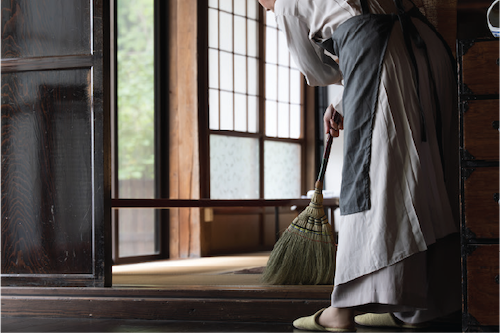
家を心が休まり、安心して過ごせる場所にするために、人々は何よりも、家の中を清浄に保つことを大切にしてきました。
Removing one’s shoes before entering a Japanese home is a widely known custom. In Japanese, to go inside a house is agaru—”to rise.” In English, one “enters” a house; in Japanese, one “rises” into it.
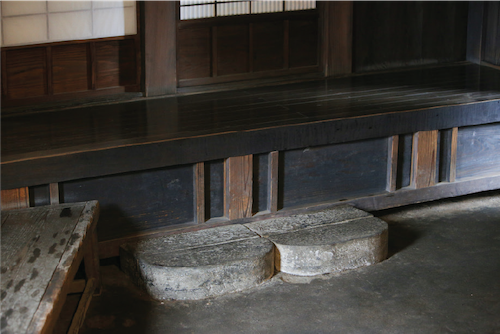
日本の家で靴を脱ぐことは、広く知られた習慣です。日本語では、家の中へ入ることを、「家に上がる」と言います。英語では、家に「入る」という意味の enter が使われますが、日本語では「上がる」のです。In a traditional Japanese house, even once you have crossed the doorway of the genkan—the entrance— you are not yet within the house. First there is the doma, an earthen-floored space you may enter with your shoes still on, and beyond it a step called the agari-kamachi. There you remove your footwear and rise up onto the floor.
伝統的な日本家屋では、玄関の戸口を越えても、そこはまだ家の内とは言えません。まず、土足のまま入ることのできる土間があり、その先に「上がり框」と呼ばれる段差があります。
This step is not merely a difference in height. It serves the practical role of keeping earth and dust from reaching the inner house, and at the same time it is the house’s kekkai—a sacred boundary dividing the outside world from the pure interior where people rest their bodies.
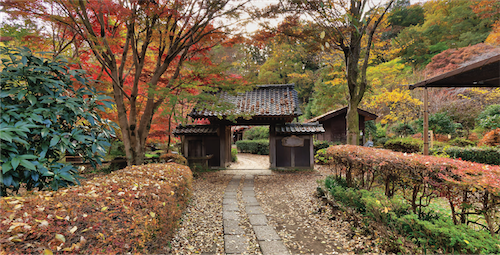
この段差は、単なる建築上の高低差ではありません。土や埃を家の奥へ入りにくくする実際的な役割を持つと同時に、外の世界と、人が身体を休める清浄な内側とを分ける、家の結界でもありました。Moreover, even before reaching this entrance, there are gates and hedges. Passing through the gate, crossing the garden, entering the entrance hall, removing one’s footwear and rising to the floor—from outside to inside, people move gradually deeper into the house, crossing one boundary after another.
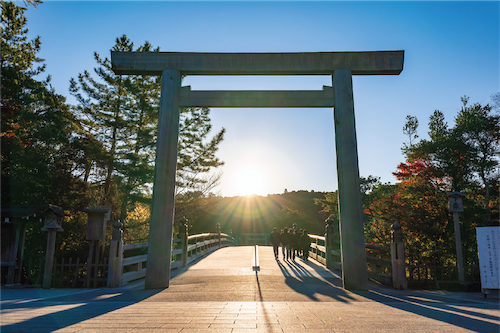
さらに、この玄関へたどり着くまでにも、門や垣根があります。門をくぐり、庭を通り、玄関に入り、履物を脱いで床へ上がる。人は外から内へ、いくつもの結界を越えながら、少しずつ家の奥へと入っていきます。This structure echoes that of a shrine. The torii gate is a boundary dividing the outer world from the sacred precinct where the deity dwells. At some shrines, one passes through many torii before reaching the main hall. Crossing the boundaries one by one, a person draws gradually away from the outside world, settles body and mind, and approaches the pure place.
この構造は、神社にも通じています。鳥居は、神社の外の世界と、神さまが鎮まる神域とを分ける結界です。神社によっては、本殿へ向かうまでに何本もの鳥居をくぐります。人は結界を一つずつ越えながら、外の世界から次第に離れ、心身を整え、清浄な場所へと近づいていくのです。The house is much the same. The gate, the garden, the genkan, the doma, and the agari-kamachi form a series of boundaries between outside and inside, guarding the sanctuary deep within the home.
家も、それとよく似ています。門、庭、玄関、土間、上がり框――それぞれが、外と内を分ける段階的な結界となり、家の奥にある聖域を守っていたのです。
The Shrine Within the House
家の中にある神社
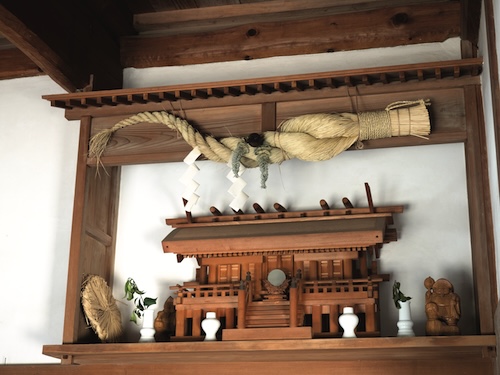
At the heart of that sanctuary stand the kamidana and the butsudan. These enshrine the deities believed to protect the land and household, as well as deceased family members and ancestors. Each morning, offering water and rice and quietly pressing one’s palms together—that sight was, in the households of old Japan, an utterly ordinary part of daily life.
その聖域の中心には、神棚や仏壇があります。そこには、その土地や家を守る神々、そして亡くなった家族や祖先が祀られています。毎朝、水や米を供え、静かに手を合わせる。その光景は、かつての日本の家庭では、ごく当たり前の日常でした。
To cleanse the house, to set out food, to settle one’s heart—and wait. The character for this, matsuru, “to enshrine,” is said to also hold the meaning “to wait.” This was itself the act of keeping the house ready, so that the gods and the ancestors could be welcomed at any time.
家を清め、食べ物を供え、心を整えて、待つ。この「祀る」という字には、「待つ」という意味が含まれているともいわれます。それは、神さまや祖先を、いつでも迎えられるようにしておく行為そのものでした。In other words, the Japanese house is not a place where people alone live. It was a place to welcome in the gods and the ancestors together. This is why the Japanese words “to protect the house”—ie wo mamoru—do not mean simply to protect a building. They carry within them the meaning of protecting the connection of life handed down from the ancestors, passing it on to children and grandchildren, and supporting the community of that land.
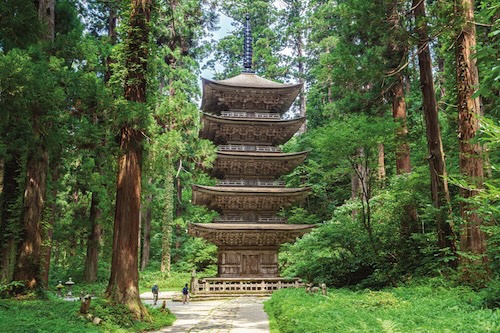
つまり、日本の家は、人だけが暮らす場所ではありません。神々も、祖先も、ともに迎え入れる場所だったのです。だからこそ、日本語の「家を守る」という言葉は、単に建物を守ることを意味しません。そこには、祖先から受け継がれてきた命のつながりを守り、子や孫へと受け渡し、その土地の共同体を支えていくという意味まで含まれています。The five-storied pagoda of a Buddhist temple is built by stacking, from the ground up, earth, water, fire, wind, and sky—the five elements that form the universe. Each of the five carries a spiritual meaning as well. In the old Japanese language, just as 八重 is read yae and 九重 kokonoe, 五重—”five layers”—can be read ie. For the Japanese, the ie was a small universe, where heaven, earth, and the people between them are joined.
仏教の寺院に立つ五重塔は、下から、地・水・火・風・空――宇宙をかたちづくる五つの要素を積み上げた建造物です。この五つには、精神的な意味も重ねられています。大和言葉では、「八重」をヤエ、「九重」をココノエと読むように、「五重」は「イエ」と読めます。日本人にとっての「イエ」とは、天と地と人が結ばれる小さな宇宙だったのです。
Such ie gathered—sharing fields, sharing water, sharing festivals—and became the village. Villages, bound together, became the country. In Japanese, the word for “nation” is kokka—written “country” and “ie.” A kokka is one great ie, formed of many ie bound together. In its very origin, it differs from the Western “nation state,” which is joined by contract.
そうした家々が寄り合い、田を分かち、水を分かち、祭りをともにして「村」となる。その村々が結ばれて、「国」となる。日本語では、国のことを「国家」――「国」の「家」と書きます。国家とは、家々が結束してできた、一つの大きな家。契約によって結ばれる西洋の “nation state” とは、その成り立ちを異にするものです。Without the ie, there is no self. Without the village, there is no self. Without the country, there is no self. For the Japanese, the ie was the very root of one’s being.
家がなければ、自分は存在しない。村がなければ、自分は存在しない。国がなければ、自分は存在しない。「家」は、日本人にとって、自分という存在の根そのものでした。Continue Reading in Hiragana Times
続きを読む — ひらがなタイムズ 本誌へ
Digital PackagesRead and listen in your browser — available in bundles.誌面と音声を、パッケージでご利用いただけます。More From Hiragana Times
Join the Hiragana Times Discord Community — Free!Connect with readers worldwide — free, open, and always welcoming.世界の読者とつながる、無料のDiscordコミュニティへようこそ。
Online Japanese lessons, run by Hiragana Times.One month free for Hiragana Times subscribers.ひらがなタイムズ定期購読者は、1ヶ月無料でご受講いただけます。 -
IBUKI – Hiragana Times September 2026 issue
Listen to the Audio:
The Man Who Chose Harmony in an Age of Blood | Prince Shōtoku
血の時代に、和を選んだ人 | 聖徳太子
Returning to the Origins of This Nation
第一部:この国の始まりに立ち返る
Fertile land, enriched by minerals from volcanic soil. Deeply indented coastlines where fish carried by warm and cold currents gather to spawn. In the mountains, deer, wild boar, and sansai (wild mountain vegetables). Japan is an island nation blessed with the bounty of both sea and mountain.
火山によるミネラルが豊富な肥沃な土地。暖流と寒流に運ばれた魚が集まり、産卵する入り組んだ海岸。山には、鹿、猪、そして山菜。海の幸、山の幸に恵まれた島国日本。
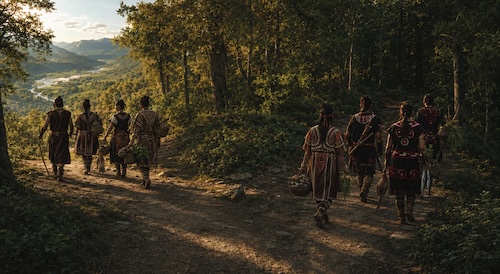
Throughout the Jōmon period, which lasted for more than ten thousand years, no evidence of large-scale warfare has been found in this archipelago. It was not an age of enclosing land or fighting over it. Nature’s bounty was abundant, and there was little reason to sustain conflict. Rather than enclosing the land, people lived within nature itself.
縄文時代、一万数千年の間、この列島には大規模な戦いの形跡がありません。土地を囲い込み、奪い合う時代ではありませんでした。自然の恵みは豊かにあり、戦いを続ける理由もなかったのでしょう。人々は土地を囲い込むのではなく、自然の中で暮らしていました。
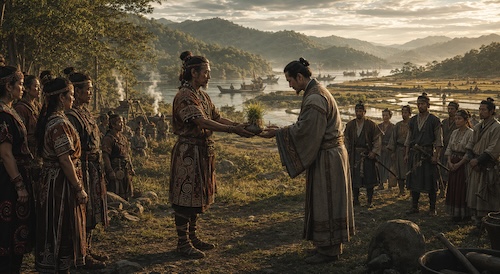
In time, people began arriving from the Asian continent. Rice cultivation was introduced, land ownership began, iron was forged into weapons, and powerful clans arose throughout the country. Even so, traces remain of Japan’s efforts to avoid conflict. One is the myth of Kuni-yuzuri—the “yielding of the land.” Rather than seizing the land through battle, it was received when another willingly yielded it.
やがて大陸から人が渡り始めます。稲作が入り、土地の所有が始まり、鉄が武器に変わり、各地に豪族が立ち上がっていきます。それでもこの国は争いを避けることに努めた形跡が残っています。「国譲り」という神話です。戦って奪うのではなく、譲り受ける。
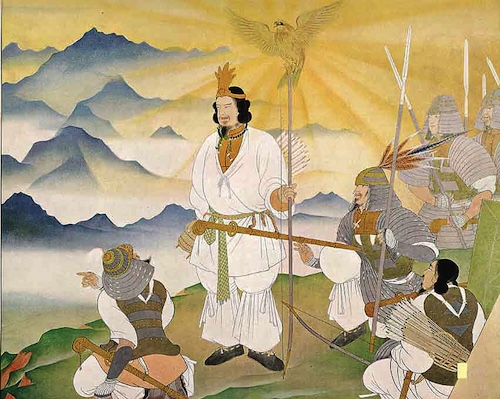
Thus, according to tradition, Emperor Jinmu became Japan’s first emperor. His imperial edict declares: “Let us nurture righteousness and thereby govern all under heaven.” In other words, let us continue to consider together what righteousness means. This starting point—the refusal to define righteousness once and for all—has been passed down to the present day, through to Japan’s 126th emperor.
そうして最初の天皇となった神武天皇の詔には、「正しきを養い、もって天下を治めん」——正しさを皆で考え続けよう、と書かれています。この「正しさを固定しない」出発点が、現在に至る第126代天皇まで引き継がれていきます。
In the sixth century, East Asia underwent a dramatic transformation. In China, the Sui dynasty unified the entire country, and a superpower on an entirely different scale emerged. Its waves reached Japan. Within Japan itself, forces backed by continental civilization were rising and beginning to clash with the ancient order.
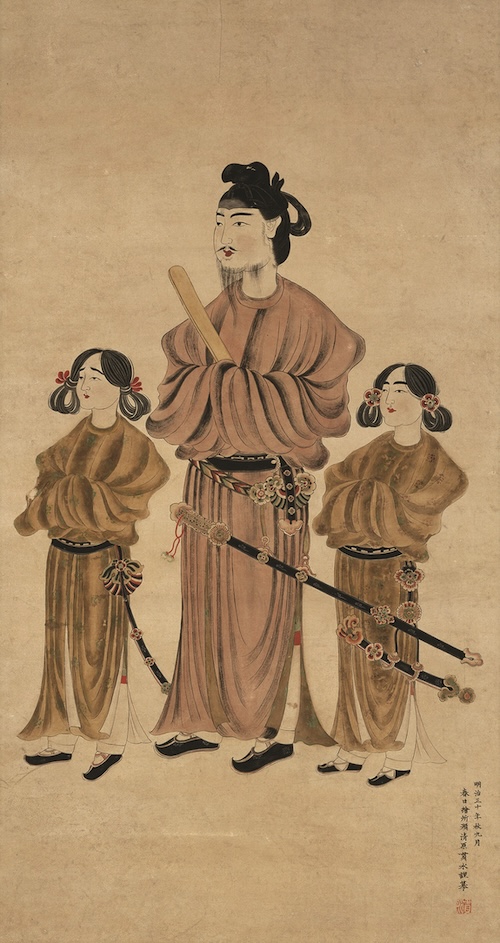
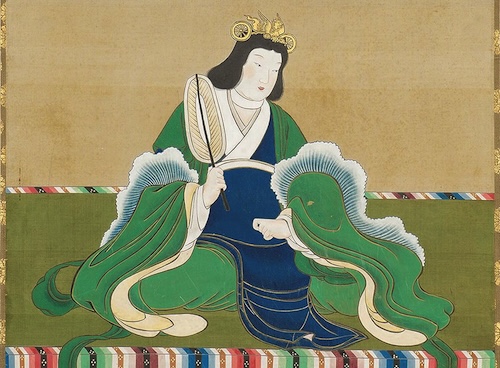
六世紀、東アジアが激変します。中国で隋が全土を統一し、桁違いの超大国が出現しました。その波は日本にも届いていました。国内にも大陸の文明を後ろ盾にした勢力が台頭し、古来の秩序とぶつかり始めていたのです。To reject it, or to accept it? At this moment, one figure made a decisive choice: Prince Shōtoku. He embraced Buddhism without abandoning Shintō. He chose to bring together within a single vessel two civilizations: the Japanese civilization that had lived in communion with the spiritual presence of nature since Jōmon times, and the continental civilization that possessed the power to reshape nature itself.
排除するか、受け入れるか。このとき、一人の人物が決断を下します。聖徳太子です。太子は神道を捨てずに仏教を取り入れる。縄文以来の自然の霊性と共に在った日本文明と、自然を変える力を持った大陸の文明を、一つの器の中で融合させる道を選びました。
This fusion later came to be known as Shinbutsu-shūgō—the syncretic union of Shintō and Buddhism—and it would shape the country for more than a thousand years. Even today, Japanese people hold weddings at Shintō shrines and funerals at Buddhist temples. They celebrate Christmas, listen to temple bells on New Year’s Eve, and visit shrines at the beginning of the new year. No one finds this strange. Follow that sensibility back to its roots, and it leads to the great work of Prince Shōtoku.
この融合は、後に「神仏習合」と呼ばれ、千年以上この国を貫きます。今も日本人は結婚式を神社で挙げ、葬式を寺で行い、クリスマスを祝い、除夜の鐘を聞き、初詣に行きます。誰もそれに違和感を持っていません。その原点を遡ると、聖徳太子の偉業に繋がっています。
The Seventeen-Article Constitution promulgated by Shōtoku begins with a single line: “Harmony is to be valued.” Wa wo motte tōtoshi to nasu. What, then, is wa? Surely it was not merely a slogan meaning, “Let us all get along.” This is the story of the true meaning—and the resolve—behind those words.
太子が制定した十七条憲法は、「和を以て貴しと為す」の一行から始まります。「和」とは何なのか。「みんな仲良く」という標語ではないはずです。その真意と覚悟の物語を辿ります。
An Age of Blood
第二部:血が流れる時代
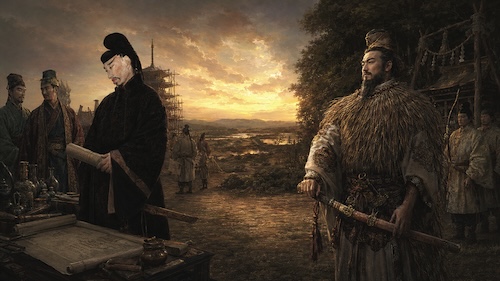
Shōtoku was born in 574, during the Asuka period. At that time, two powerful forces were locked in fierce conflict over the wave of Chinese civilization arriving from the continent: the Soga clan and the Mononobe clan.
太子が生まれたのは574年。飛鳥の時代。この時代の日本は、大陸から押し寄せる中国文明の波をめぐり、二つの勢力が激しくぶつかっていました。蘇我氏と物部氏です。The Soga possessed knowledge of the continent and extensive connections there. They sought to introduce continental civilization into Japan—systems of government, architecture, medicine, diplomacy, and, at the heart of it all, Buddhism. The Mononobe, by contrast, were among the imperial family’s oldest allies, their lineage reaching back to the founding myths of the nation. They had long guarded its rituals, its military traditions, and the spiritual life of the land.
蘇我氏は大陸の知識と人脈を持ち、大陸の文明——統治の仕組み、建築、医学、外交、そしてその中核にある仏教——を国に取り込もうとしていました。一方の物部氏は、建国の神話にまで遡る天皇家の最古の盟友——祭祀、武、そしてこの国の霊性を守ってきた一族です。
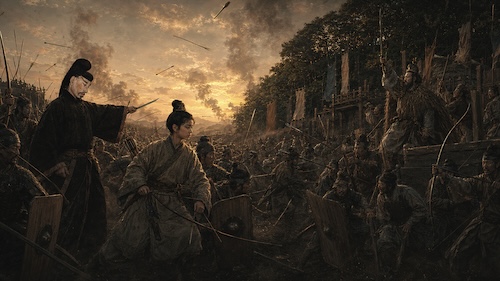
In 587, armed conflict finally erupted. Shōtoku was fourteen years old and is said to have taken part. The immediate cause of the clash was the strong resistance of Mononobe no Moriya, head of the Mononobe clan, to the acceptance of continental civilization with Buddhism at its core.
587年、ついに武力衝突が起きます。太子14歳。この戦いに加わったとされています。この衝突の発端は、物部氏の長・物部守屋が、仏教を中核とする大陸文明の受容に強く抵抗したことにあります。Shōtoku sided with the Soga. Yet this was not a religious war between Buddhism and Shintō. Shōtoku did not reject Shintō. Even Shitennō-ji, the temple he later founded, had a Shintō shrine within its grounds. What Shōtoku chose was not the Soga clan itself, but the path of coexistence. The true divide was coexistence versus exclusion. The battle ended in victory for the Soga side, and Moriya was slain. Yet this cannot have been the outcome Shōtoku truly desired. The Mononobe were ancient allies who had walked alongside the imperial family for centuries.
この争いで、太子は蘇我氏の側に立ちました。しかしこれは「仏教 対 神道」の宗教戦争ではありません。太子は神道を否定していません。後に建てた四天王寺にも神社が併設されています。太子が選んだのは蘇我氏ではなく、共存という道でした。構図は「共存 対 排除」だったのです。戦いは蘇我氏側の勝利に終わり、守屋は討たれました。しかしこれは、太子が心から望んだ結末ではなかったはずです。物部氏は何百年も天皇家と共に歩んできた盟友だったからです。
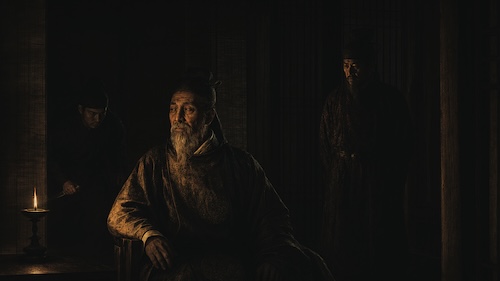
Then, in 592, an even more shocking event occurred. Emperor Sushun, who was on the throne at the time, was assassinated by Soga no Umako, head of the Soga clan. It is the only assassination of an emperor recorded in Japan’s official histories. Moreover, Umako is believed to have been the father of Shōtoku’s wife—in other words, his father-in-law. His own father-in-law had killed an emperor who was also a member of Shōtoku’s family. Shōtoku carried that reality with him when he became regent the following year.
そして592年、さらに衝撃的な事件が起きます。当時の天皇であった崇峻天皇が、蘇我氏の頭領・蘇我馬子によって暗殺されたのです。日本の正史に記された、唯一の天皇の暗殺事件です。しかも蘇我馬子は、太子の妻の父——つまり義父であったとされています。自らの義父が親族でもある天皇を殺した。太子はその現実を背負いながら、翌年、摂政に就きます。
It was an age in which an emperor could be murdered. Shōtoku was only nineteen. The words that would later emerge—”Harmony is to be valued”—were not gentle idealism. They were words of resolve, wrung from an age of blood.
天皇が殺される時代。太子はこの時19歳。後に誕生する「和を以て貴しと為す」という言葉は、こうした血の中から絞り出された決意の言葉だったのです。No One Wanted the Throne
第三部:誰も天皇になりたくなかった
Unlock Full Article | 記事全文を読む
Digital PackagesRead and listen in your browser — available in bundles.誌面と音声を、パッケージでご利用いただけます。More From Hiragana Times
Join the Hiragana Times Discord Community — Free!Connect with readers worldwide — free, open, and always welcoming.世界の読者とつながる、無料のDiscordコミュニティへようこそ。
Online Japanese lessons, run by Hiragana Times.One month free for Hiragana Times subscribers.ひらがなタイムズ定期購読者は、1ヶ月無料でご受講いただけます。 -
Japan Savvy – Hiragana Times September 2026 issue
Listen to the Audio:
The Fish That Leads the Way into Autumn
秋の先頭を泳ぐ魚
When the hot summer ends, in addition to the bounty of the fields and mountains—new rice, chestnuts, mushrooms, persimmons—fish that have stored up fat in the food-rich northern waters also come to the waters around Japan.
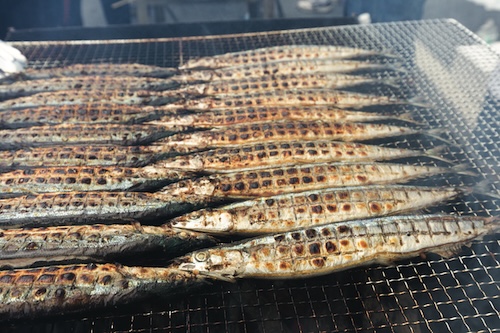
暑い夏が終わると、新米や栗、きのこ、柿など、田畑や山の実りに加え、餌の豊かな北の海で脂を蓄えた魚たちも日本近海へやってきます。Swimming at the head of the group is the Pacific saury. Salt-grilled saury eaten with freshly cooked new rice is exceptionally delicious.
その先頭を泳ぐのが秋刀魚です。塩焼きを炊きたての新米と一緒に食べれば、格別のおいしさです。In the Edo period, saury was regarded as a “low-class fish” eaten by common people, and it rarely appeared on the tables of samurai families. The oil taken from saury was also used as inexpensive fuel for andon lamps.
江戸時代、秋刀魚は庶民が食べる「下魚」とされ、武家の食卓には上がりにくい魚でした。秋刀魚から取った油は、安価な行燈の燃料にも使われていたのです。In classic rakugo, there is a story like this. One day, a lord grew hungry while out, was drawn by the savory smell of grilling saury in Meguro, and said he wanted to eat it.
古典落語には、こんな話があります。ある日、出先で空腹になった殿様は、目黒で秋刀魚を焼く香ばしい匂いに誘われ、食べたいと言い出します。His retainer tried to stop him, saying, “This is not a fish a lord should eat.” But the lord ate the piping-hot saury and was amazed at how delicious it was.
家来は「殿様が口にする魚ではありません」と止めますが、殿様は熱々の秋刀魚を食べ、そのおいしさに感動します。Later, when the lord said he wanted to eat it again, his retainer ordered fresh saury from Nihonbashi, removed the bones and fat, steamed it, and turned it into an elegant dish.
後日、殿様がもう一度食べたいと言うと、家来は日本橋から新鮮な秋刀魚を取り寄せ、骨と脂を抜いて蒸し、上品に仕上げます。But the lord did not think it delicious at all. And then, a single line: “For saury, it has to be Meguro.”
しかし、殿様は少しもおいしいと思いません。そして一言。「秋刀魚は目黒に限る」Today, the “Sanma Festival” held in Meguro is inspired by this story.
現在、目黒で開かれる「さんま祭り」は、この話にちなんでいます。Unlock Full Article | 記事全文を読む
Digital PackagesRead and listen in your browser — available in bundles.誌面と音声を、パッケージでご利用いただけます。More From Hiragana TimesJoin the Hiragana Times Discord Community — Free!Connect with readers worldwide — free, open, and always welcoming.世界の読者とつながる、無料のDiscordコミュニティへようこそ。Online Japanese lessons, run by Hiragana Times.One month free for Hiragana Times subscribers.ひらがなタイムズ定期購読者は、1ヶ月無料でご受講いただけます。 -
NIHONGO DO® | Voice – Word Art – Hiragana Times September 2026 issue
Listen to the Audio:
The House Has Ears, Eyes—and a Mouth
耳と目と口を持つ家
What we call kotowaza is written with the kanji 諺. Here, we go beyond proverbs—from the Analects and waka poetry to modern spoken Japanese—to explore the art of words (言技), in which 言波 (voice waves) and 言の葉 (word leaves) intermingle and nurture our sensibilities. The Japanese built their homes of wood and paper, allowing sounds and shadows to pass from room to room. In this issue, please enjoy a piece of word art born from the Japanese house.
「ことわざ」は、漢字で「諺」と書きます。ここでは諺にとどまらず、論語、和歌、現代口語まで、「言波」と「言の葉」が融合し、感性を育ててきた言葉のアート「言技」を紹介します。日本人は木と紙で家をつくり、音も影も部屋から部屋へと通してきました。今号では、日本の家から生まれた言技をお楽しみください。The Walls Have Ears, the Shoji Have Eyes
壁に耳あり障子に目あり
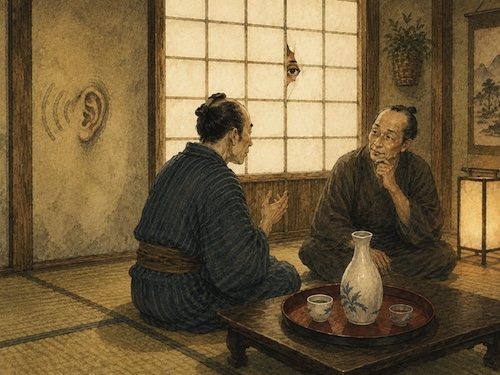
“The walls have ears” appears in many languages. English says “Walls have ears,” while Spanish has “Las paredes oyen”—“the walls listen.” Similar warnings are found in Italian, Chinese, and Korean. The idea is universal: secrets may be overheard.
「壁に耳あり」という発想は、世界各地にあります。英語では “Walls have ears.”、スペイン語では「壁は聞いている」という意味の “Las paredes oyen.” と言います。イタリア語、中国語、韓国語にも似た戒めがあります。秘密はどこかで聞かれているかもしれない、という発想は世界共通です。Japan added “Shoji ni me ari”—“the shoji have eyes.” Shoji are paper-covered sliding screens. Voices pass through them, shadows appear on them, and a small hole can become an eye. The wall listens; the shoji watches.
日本では、これに「障子に目あり」が加わりました。障子は、木の組子に紙を張った建具です。声は通り、影は映り、小さな穴はのぞく目にもなる。壁は聞き、障子は見るのです。By the late Edo period, there was also a playful version:
“Kabe ni mimi ari, tokkuri ni kuchi ari.”
“The walls have ears, and the sake flask has a mouth.”
江戸時代後期には、こんなユーモラスな続け方もありました。
「壁に耳あり、徳利に口あり」The opening of a tokkuri is called its kuchi, or “mouth.” The phrase also hints at the human mouth, loosened by drink. A universal warning thus took in familiar objects from Japanese life, adding vivid imagery and humor.
徳利の注ぎ口も「口」と呼びますが、酒で軽くなる人の口にも掛けています。世界共通の戒めに、日本の暮らしの道具と、鮮やかな情景、ユーモアが加わっています。■ Meaning / 意味
- Kabe ni mimi ari: The walls have ears—someone may be listening.
壁に耳あり: どこで誰が聞いているか分からない。 - Shoji ni me ari: The shoji have eyes—someone may be watching.
障子に目あり: どこで誰が見ているか分からない。 - Tokkuri ni kuchi ari: The sake flask has a mouth—an old, humorous continuation warning that secrets may slip out.
徳利に口あり: 秘密は人の口から漏れるものだと戒める、かつてのユーモラスな続け方。
■ Usage / 使う場面
In a company meeting room / 会社の会議室で
Misaki: We should keep our voices down. The walls have ears.
ミサキ:声を落としたほうがいいね。壁に耳あり、だから。Kenta: Right. And the shoji have eyes.
ケンタ:そうだね。それに、障子に目あり。Misaki: Companies don’t have shoji, though.
ミサキ:会社には、障子はないけどね。Kenta: True. (laughs)
ケンタ:確かに(笑)。Misaki: But Kenta, you should keep “the sake flask has a mouth” in mind at drinking parties, too.
ミサキ:でもケンタは、飲み会では、「徳利に口あり」も気をつけなよ。
Discover More Articles | もっと記事を読む
Digital PackagesRead and listen in your browser — available in bundles.誌面と音声を、パッケージでご利用いただけます。More From Hiragana TimesJoin the Hiragana Times Discord Community — Free!Connect with readers worldwide — free, open, and always welcoming.世界の読者とつながる、無料のDiscordコミュニティへようこそ。Online Japanese lessons, run by Hiragana Times.One month free for Hiragana Times subscribers.ひらがなタイムズ定期購読者は、1ヶ月無料でご受講いただけます。 - Kabe ni mimi ari: The walls have ears—someone may be listening.
-
NIHONGO DO® | Word Leaves – Hiragana Times September 2026 issue
Listen to the Audio:
Words the Home Holds
家がつつむ言の葉
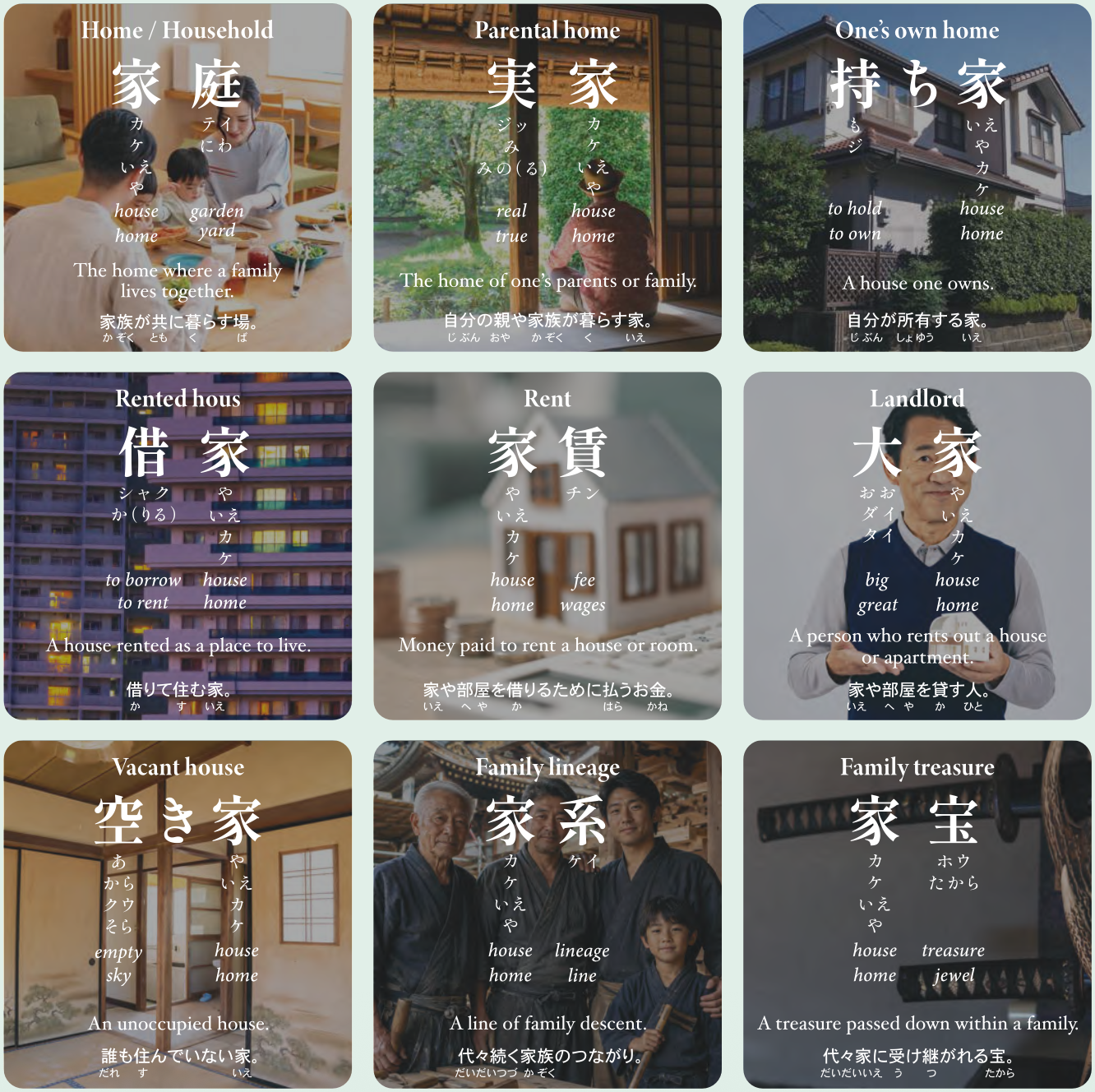
Words are like leaves on a tree. They are colored by people’s thoughts and emotions, and carried from one person to another. The reason the character for “leaf” is used in the word kotoba (words) is believed to be connected to the Japanese reverence for nature. Japan’s oldest poetry anthology is also titled the Manyoshu (“Collection of Ten Thousand Leaves”). In this issue, in connection with the magazine’s theme, we explore words related to the home and trace how Japanese people have lived together and passed their way of life down under one roof.
言葉はまるで木の葉のようです。人の心や考えに色づけられ、他者へと伝わっていきます。「ことば」に「葉」という漢字を当てた背景には、日本人の自然崇拝が関係していると考えられます。日本最古の歌集も『万葉集』と名付けられています。今号では、本誌のテーマにあわせ、「家」にまつわる言葉を通して、日本人が一つ屋根の下でどう暮らし、その営みを受け継いできたかをたどっていきます。
Discover More Articles | もっと記事を読む
Digital PackagesRead and listen in your browser — available in bundles.誌面と音声を、パッケージでご利用いただけます。More From Hiragana TimesJoin the Hiragana Times Discord Community — Free!Connect with readers worldwide — free, open, and always welcoming.世界の読者とつながる、無料のDiscordコミュニティへようこそ。Online Japanese lessons, run by Hiragana Times.One month free for Hiragana Times subscribers.ひらがなタイムズ定期購読者は、1ヶ月無料でご受講いただけます。 -
NIHONGO DO® | Voice Wave – Hiragana Times September 2026 issue
Listen to the Audio:
Living Like Wood, Flowing Like Water
木のように生き、水のように続く
Japan is said to be a “culture of wood,” and the West a “culture of stone.” In Japan, blessed with forests, wooden architecture became the basis of building. In the West, on the other hand, stone construction is the basis.
日本は「木の文化」、西洋は「石の文化」といわれます。森林に恵まれた日本では、木造建築が建物の基本になりました。一方、西洋では石造りが基本です。If the carpenter represents the craftsmen of Japan, in the West it was the stonemason. In the West, stonemasons were valued everywhere, and it is said that they worked across countries and territories. There is also a theory that such guilds of stonemasons became the origin of the Freemasons.
日本の職人を代表するのが大工なら、西洋のそれは石工でした。西洋では、石工は各地で重宝され、国や領地を越えて仕事をしたともいわれます。そうした石工の組合が、フリーメイソンの源流と考えられています。Styles of architecture go on to influence the ways of thinking and the views of religion of the people who live there. Wood has a quality that calls to mind reincarnation. A decayed tree does not simply vanish as it is. It is broken down into soil, and from that soil a new bud comes out again. Even when a tree ends its life, it returns to the soil and keeps circulating into the next life.
建築の様式は、そこに暮らす人の考え方や宗教観にも影響していきます。木には、輪廻を思わせる性質があります。朽ちた木は、そのまま消えてなくなるのではありません。土に分解され、その土からまた新しい芽が出てきます。木は、その命を終えても、土へ還り、次の命へと循環し続けるのです。In Japanese, one sound has one meaning. The same sound should have a connection of meaning. Ki is 木 (tree), and it is also 氣 (energy). Wood could also be called the energy of life itself.
日本語は一音一義。同じ音には、意味のつながりがあるはずです。「キ」は「木」であり、「氣」でもあります。木とは、生命のエネルギーそのものともいえるでしょう。If Japan, a culture of wood, values kimochi (feeling), then the West, a culture of stone, values ishi (will). The ki of kimochi is the ki of 木 (tree). And ishi (will) is also ishi (stone). I want it this way, I am like this — to show one’s own will clearly. Stone is hard, and its outline is clear. Each one is like a piece of clear logic.
木の文化である日本が「気持ち」を大切にするなら、石の文化である西洋は「意思」を大切にします。「気持ち」の「キ」は、木の「キ」。そして「意思」もまた「イシ」です。私はこうしたい、私はこうである——自分の意思をはっきりと示す。石は硬く、輪郭がはっきりしています。ひとつひとつが、明確なロジックのようです。What about a tree? Roots stretching into the depths of the earth, a trunk rising toward the sky, spreading branches, and leaves. From where to where is it a tree — that boundary is not clear. The West, which values individual identity, and Japan, whose outlines are vague. That difference overlaps with the difference between stone and wood.
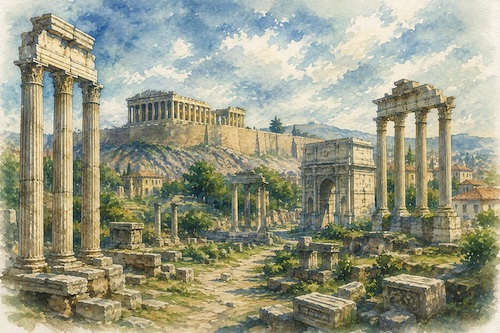
木はどうでしょうか。地の底へ伸びる根、天に向かう幹、広がる枝、そして葉。どこからどこまでが木なのか、その境目は明確ではありません。個のアイデンティティを重んじる西洋と、輪郭のあいまいな日本。その違いは、石と木の違いに重なります。Stone is strong and lasts long. In Greece and Italy, many ancient ruins can still be seen today. Wood, by contrast, has life, and one day it decays. And yet, that cycle continues without ending.
石は強く、長持ちします。ギリシャやイタリアでは、今も古代の遺跡を数多く見ることができます。それに対して木には命があり、いつか朽ちていきます。けれども、その巡りは終わることなく続いていきます。At Ise Jingu there is the Shikinen Sengu, in which the shrine buildings are rebuilt every twenty years. An exactly identical shrine is built on the neighboring site, and the old one is not destroyed but taken apart. This has been repeated for more than 1,300 years. In other words, the shrine standing there now is, as timber, at most twenty years old.
伊勢神宮には、二十年ごとに社殿を建て替える「式年遷宮」があります。隣の敷地にそっくり同じ社殿を建て、古いほうは、壊すのではなく解かれます。それを千三百年以上、繰り返してきました。つまり、いまそこに建っている社殿は、木材としてはたかだか二十年のものです。Seen through Western eyes, it would mean that the real thing was lost long ago. Yet Japanese people do not feel that the real thing has been lost. They think that the life of the old shrine moves over entirely into the new wood. Even if the form perishes, the wood (ki) that is there goes on. Rather than leaving the form forever, they let the form perish and keep moving only the life into the next form. Stone leaves the form, and wood carries on the life.
西洋の目から見れば、本物はとうに失われた、ということになるでしょう。ところが日本人は、本物が失われたとは感じません。新しい木に、古い社殿の命がそっくり乗り移ると考えます。形は滅びても、そこにある木(氣)は続いていく。形を永遠に残すのではなく、形は滅びるにまかせ、命だけを次の形へ移し続ける。石は形を残し、木は命をつなぐのです。Unlock Full Article | 記事全文を読む
Digital PackagesRead and listen in your browser — available in bundles.誌面と音声を、パッケージでご利用いただけます。More From Hiragana Times
Join the Hiragana Times Discord Community — Free!Connect with readers worldwide — free, open, and always welcoming.世界の読者とつながる、無料のDiscordコミュニティへようこそ。
Online Japanese lessons, run by Hiragana Times.One month free for Hiragana Times subscribers.ひらがなタイムズ定期購読者は、1ヶ月無料でご受講いただけます。 -
Pros and Cons with Insight – Hiragana Times September 2026 issue
Listen to the Audio:
Word Policing or Adaptation? | Rethinking Baseball Terms and the Times They Reflect
言葉狩りか時代適応か。|野球用語見直しが問う、言葉と時代。
🟤 Background|背景
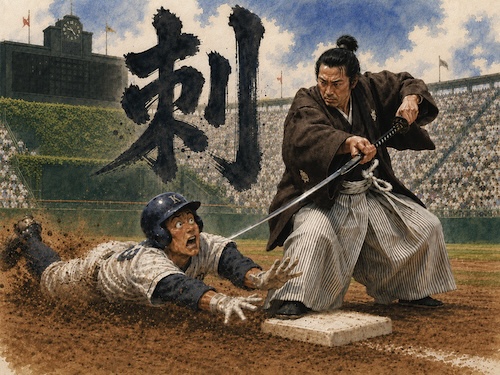
The Miyagi High School Baseball Federation has begun reviewing baseball terms that contain alarming characters such as “kill,” “stab,” and “die.”
宮城県高野連が「殺」「刺」「死」など、物騒な字を含む野球用語の見直しを始めた。Voices calling for language fit for the educational setting clash with voices saying that this is “word policing.”
教育現場にふさわしい言葉へ——という声と、それは「言葉狩り」だという声が、ぶつかっている。🟢 Pros|賛成意見(野球用語を見直すべき)
A ballpark where people shout “kill” and “stab” at children no longer fits the times.
子どもに「殺せ」「刺せ」と叫ぶ球場は、もう時代に合わない。🔴 Cons|反対意見(野球用語を見直すべきではない)
Even a single alarming character holds history and spirit. Erase it, and those vanish too.
物騒な一字にも、歴史と精神が宿る。消せば、それも消える。Unlock Full Article | 記事全文を読む
Digital PackagesRead and listen in your browser — available in bundles.誌面と音声を、パッケージでご利用いただけます。More From Hiragana Times
Join the Hiragana Times Discord Community — Free!Connect with readers worldwide — free, open, and always welcoming.世界の読者とつながる、無料のDiscordコミュニティへようこそ。
Online Japanese lessons, run by Hiragana Times.One month free for Hiragana Times subscribers.ひらがなタイムズ定期購読者は、1ヶ月無料でご受講いただけます。 -
Close Up Japan – Hiragana Times September 2026 issue
Listen to the Audio:
The Trembling Earth Is Alive
揺れる大地は、生きている
The other day, on July 28, an earthquake with a seismic intensity of 7 occurred in Kumamoto Prefecture. This earthquake was named the “Reiwa 8 Kumamoto Earthquake.” In Kumamoto Prefecture, an earthquake of almost the same scale also occurred ten years ago, in 2016.
先日の7月28日、熊本県で震度7の地震が発生しました。この地震は、「令和8年熊本地震」と名付けられました。熊本県では、10年前の2016年にも、ほぼ同じ規模の地震が起きています。Active faults that cause earthquakes run through the prefecture. Across Japan, there are about 2,000 active faults, counting only those that have been confirmed. Each major active fault has its own name, and this earthquake occurred near the “Hinagu Fault Zone.”
県内には、地震を引き起こす活断層が走っています。日本全国には、確認されているだけでも約2,000の活断層があります。主要な活断層にはそれぞれ名前があり、今回の地震は「日奈久断層帯」の周辺で発生しました。Japan is among the world’s top-class countries in the density of seismometers. Because of this, even small tremors are detected, and Japan is considered “the country with the most earthquakes in the world, on record.” On the other hand, in terms of the number of earthquakes that actually occur, Indonesia is thought to have more.
日本は、世界でもトップクラスに地震計が密集しています。そのため、小さな揺れまで捉えられ、「記録上、世界で最も地震が多い国」とされます。一方、実際に発生する地震の数では、インドネシアの方が多いと考えられています。Countries with active seismic activity include Indonesia, Japan, Papua New Guinea, the Philippines, Chile, New Zealand, and Mexico. All of these countries lie on the circum-Pacific volcanic belt, the “Ring of Fire.” About 90 percent of the world’s earthquakes occur in this belt-shaped zone.
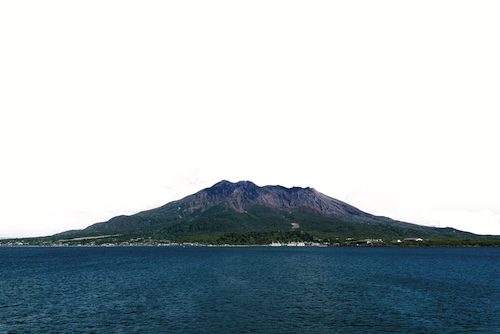
地震活動が活発な国には、インドネシア、日本、パプアニューギニア、フィリピン、チリ、ニュージーランド、メキシコなどがあります。これらの国はいずれも、環太平洋火山帯「リング・オブ・ファイア」に位置しています。世界の地震のおよそ9割が、この帯状地域で発生します。The presence of a volcano means that plates are colliding beneath it. When an oceanic plate containing water sinks down, part of the mantle melts and becomes magma. When that magma rises toward the surface, a volcano erupts. For both earthquakes and volcanoes, the beginning is the movement of the plates.
火山の存在は、その地下でプレートがぶつかり合っていることを意味します。水分を含んだ海のプレートが沈み込むと、マントルの一部が溶けてマグマになります。そのマグマが地上へ上昇すると、火山が噴火します。地震も火山も、始まりはプレートの動きです。The Japanese archipelago lies at the boundary of four large plates. The plates are moving several centimeters each year. When that strain accumulates, at some point it slips all at once.
日本列島は、4つの大きなプレートの境界にあります。プレートは年間数センチずつ動いています。そのひずみが蓄積されると、ある時、一気にずれ動きます。What moves is not only the sun, the stars, and the moon in the sky. The ground beneath our feet, too, keeps moving. Nature brings blessings, but at times it rages and gives us trials. People had no choice but to recognize there the existence of gods beyond human power. This is the view of nature at the root of the Japanese heart.
動いているのは、空にある太陽、星、月だけではありません。足元の大地も、動き続けています。自然は恵みをもたらす一方、時に荒ぶり、試練を与えます。人々はそこに、人の力が及ばない神々の存在を認めざるを得なかったのです。これが日本人の心の根底にある自然観です。
Discover More Articles | もっと記事を読む
Digital PackagesRead and listen in your browser — available in bundles.誌面と音声を、パッケージでご利用いただけます。More From Hiragana Times
Join the Hiragana Times Discord Community — Free!Connect with readers worldwide — free, open, and always welcoming.世界の読者とつながる、無料のDiscordコミュニティへようこそ。
Online Japanese lessons, run by Hiragana Times.One month free for Hiragana Times subscribers.ひらがなタイムズ定期購読者は、1ヶ月無料でご受講いただけます。 -
New Expressions & Buzzwords – Hiragana Times September 2026 issue
Listen to the Audio:
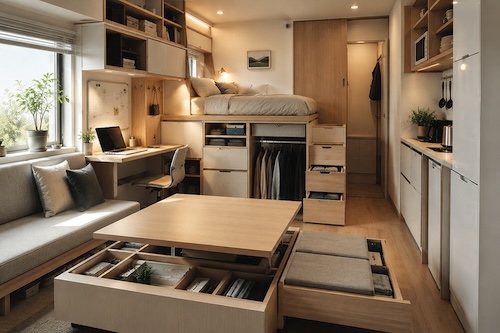
📦 スペパ🗣️ pronounced: Supepa✒️ definition: Space performance
An abbreviation of “Space Performance.”
「スペースパフォーマンス」の略です。It describes how efficiently a limited space is being used.
限られた空間をどれだけ効率よく使えているかを表します。Tips on improving “supepa” through storage and layout ideas have been shared on social media, and related products are also popular.
収納や間取りを工夫してスペパを高める方法がSNSで紹介され、関連するグッズも人気です。Alongside “cosupa” (cost performance) and “taipa” (time performance), it is spreading as a word for thinking about the value of space.
「コスパ」や「タイパ」と並び、空間の価値を考える言葉として広がっています。
Discover More Articles | もっと記事を読む
Digital PackagesRead and listen in your browser — available in bundles.誌面と音声を、パッケージでご利用いただけます。More From Hiragana Times
Join the Hiragana Times Discord Community — Free!Connect with readers worldwide — free, open, and always welcoming.世界の読者とつながる、無料のDiscordコミュニティへようこそ。
Online Japanese lessons, run by Hiragana Times.One month free for Hiragana Times subscribers.ひらがなタイムズ定期購読者は、1ヶ月無料でご受講いただけます。 -
New Expressions & Buzzwords – Hiragana Times September 2026 issue
Listen to the Audio:
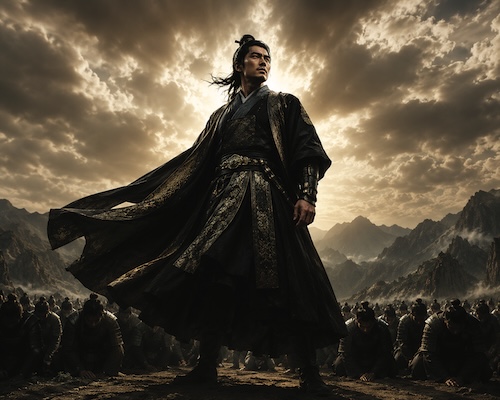
💪 無双🗣️ pronounced: Musō✒️ definition: Unrivaled
A word meaning “so strong that no one can compare” or “a person so powerful that no one comes close.”
並ぶものがないほど強いこと」や「他を寄せつけないほど強い人」を表す言葉です。“Musō” originates from an expression praising Han Xin, a renowned general who appears in Chinese classics.
「無双」は、中国の古典に登場する名将・韓信をたたえた表現に由来します。Meaning “an outstanding individual like no other,” it also lives on in the mahjong hand name “Kokushi Musō.”
「二人といない優れた人物」という意味で、麻雀の役名「国士無双」にも残っています。Today, it is widely used in gaming, sports, work, and beyond.
現在ではゲームやスポーツ、仕事などで広く使われています。
Discover More Articles | もっと記事を読む
Digital PackagesRead and listen in your browser — available in bundles.誌面と音声を、パッケージでご利用いただけます。More From Hiragana Times
Join the Hiragana Times Discord Community — Free!Connect with readers worldwide — free, open, and always welcoming.世界の読者とつながる、無料のDiscordコミュニティへようこそ。
Online Japanese lessons, run by Hiragana Times.One month free for Hiragana Times subscribers.ひらがなタイムズ定期購読者は、1ヶ月無料でご受講いただけます。