
Shall We Cut a Two Thousand Years Thread? Japan and the female-line emperor.
二千年の糸を、断つのか。|女系天皇容認に揺れる日本。Big drink
デカドリンク
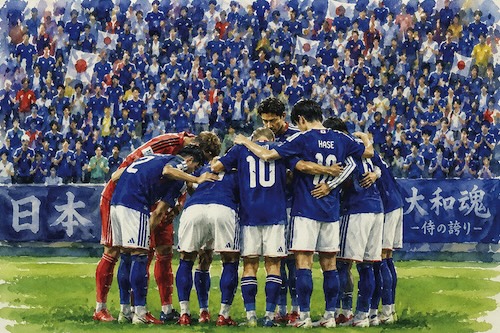
Toe to Toe with Brazil — The Football Japan Learned and Remade
ブラジルと互角に渡り合う —— 学び、つくり変えてきた日本サッカー
Close Up Japan – Hiragana Times August 2026 issue
Listen to the Audio:
Toe to Toe with Brazil — The Football Japan Learned and Remade
ブラジルと互角に渡り合う —— 学び、つくり変えてきた日本サッカー
FIFA World Cup 2026. In the knockout stage, Japan lost 2-1 to powerhouse Brazil.
FIFAワールドカップ2026。日本は決勝トーナメントで、強豪ブラジルに2対1で敗れました。
Twenty years ago, at Germany 2006, Japan were thrashed 4-1. Now, against Brazil, Japan are expected not to fight well but to stand equal.
20年前の2006年ドイツ大会では4対1で完敗しましたが、いまや日本はブラジル相手に「善戦」ではなく「互角」を期待されています。
With the bronze medal at the 1968 Mexico Olympics as its last, Japanese football languished for years, and the World Cup was a distant dream.
1968年メキシコ五輪の銅メダルを最後に、日本サッカーは長く低迷し、ワールドカップは夢のまた夢でした。
The turning point was the J.League’s launch in 1993. Football grew into a national sport.
転機は1993年のJリーグ開幕です。サッカーは国民的スポーツへと成長します。
Japan also brought in coaches from abroad and learned the skills and thinking to compete on the world stage.
日本は、海外から指導者を迎え、世界で戦う技術と思想を学びました。
That image overlaps with the “hired foreigners” of the Meiji era.
その姿は、明治の「お雇い外国人」に重なります。
Japan, wary of colonization by the Western powers, rushed to modernize under the watchword “catch up and overtake,” and, even paying salaries beyond the nation’s highest office, voraciously absorbed knowledge from Western engineers and teachers.
西洋列強の植民地化を警戒した日本は、「追いつけ追い越せ」を合言葉に近代化を急ぎ、国の最高位をしのぐ給料を払ってでも、欧米の技術者や教師から知を貪欲に吸収しました。
And once it had finished learning, Japan went on to replace them with its own people.
そして学び終えると、彼らを自国の人材へと置き換えていったのです。
Taking in what comes from outside and remaking it into their own form — that cultural power shaped even Japanese football.
外から来たものを取り込み、自分たちの形へ作り変える——その文化の力が、日本サッカーをも育てました。
Now that very Japan is sending many players out to Europe, the home of the game.
いまや、その日本が多くの選手を本場ヨーロッパへ送り出しています。
That high-quality play is supported by organizational strength, discipline, tactical understanding, and dedication, and at its root lies the “wa” of Japanese culture.
その質の高いプレーは、組織力、規律、戦術理解、献身に支えられ、根には日本文化の「和」があります。
That “wa” stands out all the more off the pitch. After the match, the supporters pick up the trash in the stands, the players tidy the locker room, and leave words of gratitude.
その「和」は、ピッチの外でこそ際立ちます。サポーターは試合後に客席のゴミを拾い、選手はロッカールームを整え、感謝の言葉を残します。
Caring for the next person, cleansing the place before leaving — those gestures are praised around the world as “Japaneseness.”
次の人を思いやり、場所を清めて去る——その所作が、世界で「日本らしさ」と称えられています。
What Japan lacks may be only the “arrogance” that powerhouse nations wear — to wrest victory by sheer force.
日本に足りないのは、強豪国がまとう、勝利を力ずくでもぎ取る「傲慢さ」だけなのかも知れません。
When the individual samurai awaken further and become one under “wa,” conquering the World Cup four years from now should become a reality.
個のサムライたちがさらに覚醒し、「和」のもとに一つになるとき、4年後のワールドカップ制覇は現実のものとなるはずです。
Online Japanese Language Courses
Learn Japanese The Fun Way!
🎁 1 Month FREE for Hiragana Times Subscribers
ひらがなタイムズ定期購読者は1ヶ月無料でご受講いただけます
Start Learning →



Information From Hiragana Times


Topics in Japan
-
![Japanese Minka—Homes Alive with Nature <br src=]() 自然の中で生きている日本民家" />
Japanese Minka—Homes Alive with Nature
自然の中で生きている日本民家" />
Japanese Minka—Homes Alive with Nature
自然の中で生きている日本民家 -
![The Man Who Chose Harmony in an Age of Blood | Prince Shōtoku <br src=]() 血の時代に、和を選んだ人 | 聖徳太子" />
The Man Who Chose Harmony in an Age of Blood | Prince Shōtoku
血の時代に、和を選んだ人 | 聖徳太子" />
The Man Who Chose Harmony in an Age of Blood | Prince Shōtoku
血の時代に、和を選んだ人 | 聖徳太子 -
![The Fish That Leads the Way into Autumn <br src=]() 秋の先頭を泳ぐ魚" />
The Fish That Leads the Way into Autumn
秋の先頭を泳ぐ魚" />
The Fish That Leads the Way into Autumn
秋の先頭を泳ぐ魚 -
![The House Has Ears, Eyes—and a Mouth <br src=]() 耳と目と口を持つ家" />
The House Has Ears, Eyes—and a Mouth
耳と目と口を持つ家" />
The House Has Ears, Eyes—and a Mouth
耳と目と口を持つ家 -
![Words the Home Holds <br src=]() 家がつつむ言の葉" />
Words the Home Holds
家がつつむ言の葉" />
Words the Home Holds
家がつつむ言の葉
 自然の中で生きている日本民家" />
 血の時代に、和を選んだ人 | 聖徳太子" />
 秋の先頭を泳ぐ魚" />
 耳と目と口を持つ家" />
 家がつつむ言の葉" />

