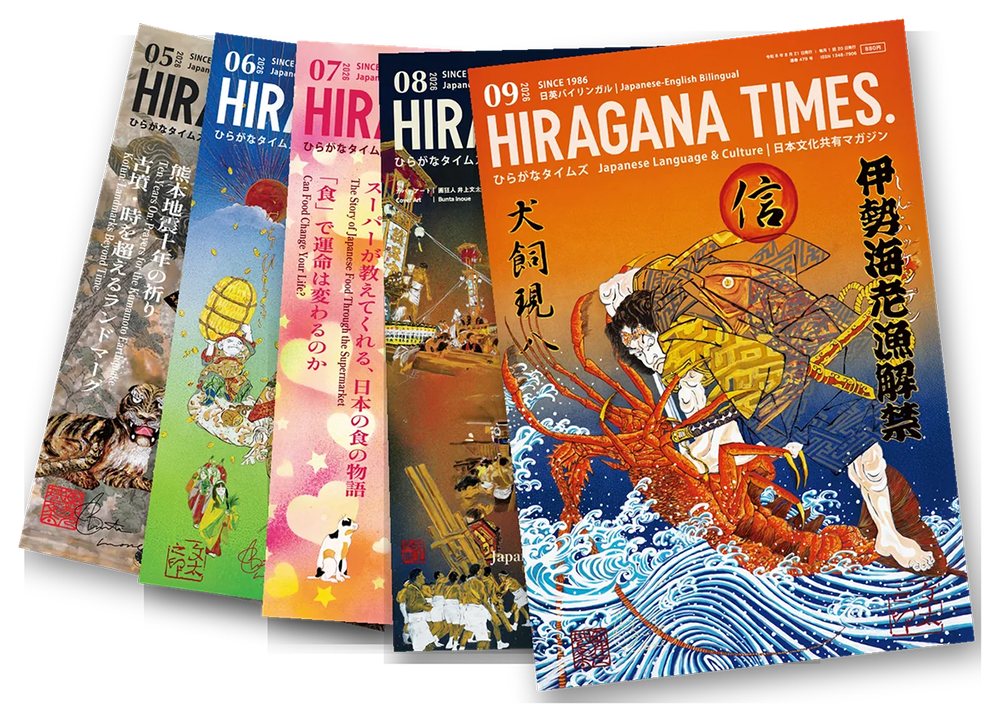
July 2026 Issue

Hiragana Times | June 2026
Hiragana Times Jul-1 2026

Hiragana Times July 2026 Issue

ひらがなタイムズ 2026年7月号

Behind the ingredients lining a Japanese supermarket's shelves lies a story of daily life rooted in more than ten thousand years of history. This July issue explores how the twin rhythms of hare (special days) and ke (everyday life) shaped traditional food culture, from sticky natto to the refreshing summer taste of hiyashi chuka.
日本の「スーパー」に並ぶ食材の背後には、縄文時代から1万数千年も続いてきた食と暮らしの物語があります。今号の7月号では、日本人の精神文化の根底にある「ハレ」と「ケ」のリズムが生み出した伝統的な食文化から、夏の風物詩である「冷やし中華」の歴史までを紐解きます。

Japan Explore

日本探究 & 再発見

coverjuly

Japan Is Full of Treasures

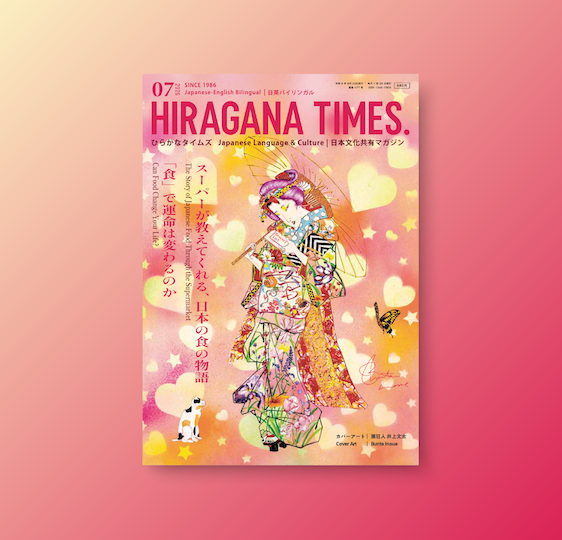
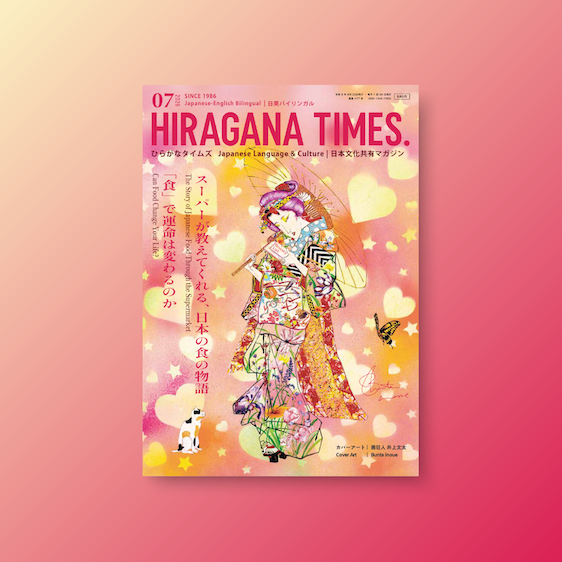
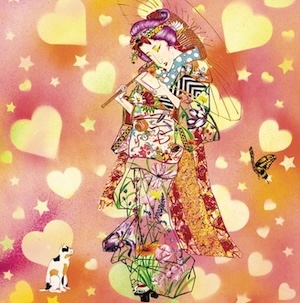
The cover of this issue features Bunta Inoue’s "Reiwa Ukiyo-e," a modern take on traditional woodblock prints that layers today's fashion and values onto the timeless forms of the Edo period. Reflecting the theme "Japan Is Full of Treasures," it revives the original spirit of ukiyo-e—which functioned much like modern social media—to gracefully bridge historical aesthetics with contemporary sensibilities.
今号の表紙を飾るのは、江戸の心と型を核に据えながら、現代のファッションや価値観を大胆に重ね合わせた井上文太氏の「令和の浮世絵」です。「日本には寶がいっぱいあ〜る」というテーマのもと、かつて雑誌やSNSのように流行を発信していた浮世絵本来の精神を現代に蘇らせ、伝統と最先端の感覚をしなやかに融合させています。

Read Article
Ibukijuly

Can "Food" Change Your Destiny? —— Mizuno Nanboku, the Edo-Era Physiognomist

In the Edo period, the legendary physiognomist Mizuno Nanboku became famous for reading destinies through facial features, eventually discovering that a person's fate is ultimately shaped by their relationship with food. This feature explores his philosophy of "restraint in eating"—practicing moderation in amount, simplicity, and timing—as a lived wisdom to order the mind, accumulate hidden virtue, and transform one's destiny.
江戸時代、「当たりすぎる」と絶大な人気を博した観相家・水野南北は、人の運命の根本に「食」があることを見出しました。今号では、量・質・時間を律する「食の慎み」によって心身を整え、陰徳を積むことで自らの運命をも切り拓いていくという、彼のリアルな経験から生まれた開運の知恵と現代人へのメッセージを紐解きます。

English | Coming soon 日本語 | 近日公開
Supermarket

The Story of Japanese Food, Told by the Supermarket

Behind the ingredients lining a Japanese supermarket's shelves lies a story of daily life rooted in more than ten thousand years of history. This July issue explores how the twin rhythms of hare (special days) and ke (everyday life) shaped traditional food culture, from fermented natto to the deep umami of tsukudani.
日本の「スーパー」に並ぶ食材の背後には、縄文時代から1万数千年も続いてきた食と暮らしの物語があります。今号の7月号では、日本人の精神文化の根底にある「ハレ」と「ケ」という二つのリズムが生み出した、伝統的な保存食や一汁一菜の食卓に宿る知恵を紐解きます。

English | Coming soon 日本語 | 近日公開

Japan Now

日本の今

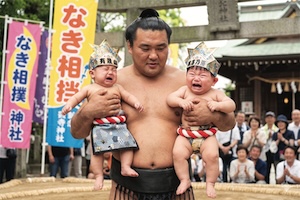
childsumo News Review
🎧 Audio Available

Crying means winning!? Babies' "Naki Sumo"

泣いたら勝ち!?赤ちゃんの「泣き相撲」

Read Article
buzz2026 New Expression & Buzzwords
🎧 Audio Available

酷暑日 | Brutal heat day

Read Article
🎧 Audio Available

トゥンクトゥンク | Tunku Tunku

Read Article
DNA Close Up Japan
🎧 Audio Available

Where Did the Japanese Come From? ― A New Story DNA Has Begun to Tell

日本人はどこから来たのか ― DNAが語り始めた新しい物語

Read Article
Pro and Con 2026 Pros and Cons with Insight
🎧 Audio Available

The daughter who consulted an AI; the adults who stopped thinking

AIに相談した娘、考えることを止めた大人たち

Read Article

Nihongo Do

日本語道

Voice Wave

Voice Wave | 言波

Often critiqued as vague, the Japanese custom of sassuru—reading unspoken feelings—is actually a deeply rooted social wisdom. Nurtured by long-shared communities and the practice-based nature of Shinto, this approach values harmony over rigid black-and-white dualism. Rather than simple indecision, it represents a "strategic ambiguity" that leaves room for differing perspectives to coexist without conflict.
「曖昧」と見られがちな日本独特の「察する」文化。長い年月を共にしてきた地域社会や、日々の実践を重んじる神道の精神から生まれたこの感覚は、単なる優柔不断ではありません。白黒を急がず、相手の立場を思いやりながら共に生きるための「戦略的な曖昧さ」という知恵であり、対立を避けて調和をもたらす豊かな可能性を秘めています。

Word Leaves

Word Leaves | 言の葉

Words are like leaves on a tree, colored by our thoughts and carried from person to person—a concept beautifully reflected in the Japanese word kotoba (words), which uses the character for "leaf" due to a deep-rooted reverence for nature. In alignment with this issue's culinary theme, we explore the vocabulary of food—from everyday teishoku (set meals) to mindful soshoku (plain meals)—tracing the unique cultural sensibilities and dietary habits they have nurtured within the daily lives of the Japanese people.
言葉はまるで、人の心や考えに色づけられて他者へと伝わっていく木の葉のようです。「ことば」に「葉」という漢字が当てられた背景には、日本人が古くから抱いてきた自然崇拝の心が深く関係していると考えられています。今号の「食」をテーマにした語彙コーナーでは、「定食」や「粗食」といった食にまつわる言葉を通して、日本人の日々の暮らしのなかに脈々と育まれてきた豊かな感性と食習慣の数々をたどります。

Voice-Word Art

Voice-Word Art | 言技

The Japanese expression hara hachibunme ni isha irazu teaches that eating until only eight-tenths full ensures good health, reflecting a cultural belief that moderation is best in all things. This concept goes beyond diet, mirroring a traditional aesthetic that finds deep beauty and meaning in leaving a little room—an intentional "unfilled space"—whether in gardens, poetry, or in conversations where one avoids completely arguing down an opponent.
「腹八分目に医者いらず」という言葉は、食べ過ぎずにほどほどで留めることが健康をもたらすという、古くからの暮らしの知恵を伝えています。この教えは単なる食事の量にとどまらず、器や庭、和歌、さらには議論で相手を言い負かさない会話の間に至るまで、すべてを満たしきらない「余白の美しさ」や「足るを知る」という日本人の豊かな生き方そのものを映し出しています。

SavvyJuly2026

Japan Savvy | 日本通

Born from a passion to enjoy ramen even in sweltering heat, hiyashi chuka is a uniquely Japanese summer dish. Developed in the early Showa period, these noodles are chilled in ice water, topped with colorful ingredients like cucumber and ham, and dressed in a refreshing soy or sesame sauce. This feature explores Japan's deep love for summer noodles, tracing their evolution from Sendai's original ryanbanmen to region-specific cold favorites.
「暑い夏でもラーメンを食べたい!」という情熱から生まれた冷やし中華は、日本の夏の訪れを告げる一皿です。冷房がなかった昭和初期に独自に発展し、冷水でしめた麺にきゅうりやハムをのせ、さっぱりとしたタレで味わう工夫が凝らされています。今号では、発祥の地とされる仙台の歴史から、東北が誇る個性豊かなご当地冷やし麺の世界までを紐解きます。

Discord

💬 Join the Hiragana Times Discord Community — Free!

Connect with readers worldwide — free, open, and always welcoming.

Join Us →

Leave a Reply