
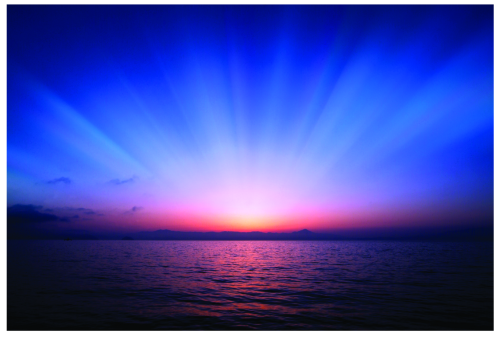
Seasonal Voice-Word Art: “When yin reaches its extreme, it turns to yang” — even at the lowest point, signs of improvement will soon appear.
季節の言技:「陰極まれば陽に転ずる」― どん底のときほど、やがて好転の兆しが訪れる。
[NIHONGO DO – Voice-word Art –January 2026 Issue]
Seasonal Voice-Word Art: “When yin reaches its extreme, it turns to yang” — even at the lowest point, signs of improvement will soon appear.
季節の言技:「陰極まれば陽に転ずる」― どん底のときほど、やがて好転の兆しが訪れる。
This “Voice-Word Art” section introduces seasonal sayings that carry both natural and human wisdom. Enjoy how old phrases fold hope into everyday life.
この「言技」セクションでは、季節に結びついた言葉を通して、自然と人の営みが紡ぐ知恵を紹介します。時代を超えて響く言葉の美をお楽しみください。
“When darkness reaches its limit, it turns to light.” | 陰極まれば陽に転ずる
■ Explanation / 解説
Rooted in classical Chinese thought, the proverb expresses a cyclical view: extremes reverse. In seasonal terms, the deepest cold precedes warmth; in life, the hardest trials can precede recovery. It comforts and reminds us that conditions are not fixed forever.
中国古典の思想に由来するこの言葉は、物事が極まると反転するという循環観を示します。季節なら最も寒い時期の後に暖気が来るように、人生の困難もいずれ好転する――そうした慰めと希望を込めて用いられます。
■ Meaning / 意味
- 陰(いん / in) — darkness, passivity, the waning side.
暗やみ、陰の側面。 - 極まれば(きわまれば / kiwamareba) — when it reaches the extreme; the point of culmination.
極限に達したとき。 - 陽(よう / yō) — light, activity, the waxing side.
明るさ、陽の側面。 - 転ずる(てんずる / tennzuru) — to turn, to transform, to reverse.
反転する、変わる。
■ Usage / 使う場面
A: Hey — what’s wrong? Did something happen?
A:どうしたの?何かあったの?
B: I overslept and ran down the station stairs, fell, and to make matters worse my phone broke…
B:寝坊して駅の階段を走って降りたら転んでしまった。しかも、そのときスマホが壊れちゃって…。
A: That’s really rotten luck. But good things will come.
A:それは踏んだり蹴ったりだね。でも、いいことあるよ。
B: Why do you say that?
B:なんで?
A: You know the saying, “When darkness reaches its limit, it turns to light.” From now on, only good things will happen.
A:「陰極まれば陽に転ずる」って言うじゃない。これからは、いいことしか起こらないよ。
This article is from the January 2026 issue of Hiragana Times.
この記事は、月刊誌『ひらがなタイムズ』2026年1月号より掲載しています。
正月――太陽と月の節(ふし)を祝うお節料理Seasonal Word Leaves: Japan’s January, “Mutsuki” — New-year gatherings, fresh starts, and quiet winter mornings across the islands.
季節の言の葉:日本の1月「睦月(むつき)」— 新年の集いと新たな始まり、そして静かな冬の朝。
Information From Hiragana Times


Topics in Japan
-
![Japanese Minka—Homes Alive with Nature <br src=]() 自然の中で生きている日本民家" />
Japanese Minka—Homes Alive with Nature
自然の中で生きている日本民家" />
Japanese Minka—Homes Alive with Nature
自然の中で生きている日本民家 -
![The Man Who Chose Harmony in an Age of Blood | Prince Shōtoku <br src=]() 血の時代に、和を選んだ人 | 聖徳太子" />
The Man Who Chose Harmony in an Age of Blood | Prince Shōtoku
血の時代に、和を選んだ人 | 聖徳太子" />
The Man Who Chose Harmony in an Age of Blood | Prince Shōtoku
血の時代に、和を選んだ人 | 聖徳太子 -
![The Fish That Leads the Way into Autumn <br src=]() 秋の先頭を泳ぐ魚" />
The Fish That Leads the Way into Autumn
秋の先頭を泳ぐ魚" />
The Fish That Leads the Way into Autumn
秋の先頭を泳ぐ魚 -
![The House Has Ears, Eyes—and a Mouth <br src=]() 耳と目と口を持つ家" />
The House Has Ears, Eyes—and a Mouth
耳と目と口を持つ家" />
The House Has Ears, Eyes—and a Mouth
耳と目と口を持つ家 -
![Words the Home Holds <br src=]() 家がつつむ言の葉" />
Words the Home Holds
家がつつむ言の葉" />
Words the Home Holds
家がつつむ言の葉
 自然の中で生きている日本民家" />
 血の時代に、和を選んだ人 | 聖徳太子" />
 秋の先頭を泳ぐ魚" />
 耳と目と口を持つ家" />
 家がつつむ言の葉" />

