

The Worms Within Came from the Universe
腹の虫は、宇宙から来たCan Humanity Save the Earth?
人類が地球を救う?
Ito Jakuchū — An Eye for Life
伊藤若冲 ―― いのちを見る眼
IBUKI: The Breath of the People – Hiragana Times October 2026 issue
Listen to the Audio:
Ito Jakuchū — An Eye for Life
伊藤若冲 ―― いのちを見る眼
Japan is an island nation floating in the Northern Hemisphere, at the eastern edge of the Eurasian continent.
日本は、地球の北半球、ユーラシア大陸の東のはしに浮かぶ島国です。
Surrounded by the sea, rich in mountains, and blessed with vividly changing seasons, it has also long lived face to face with the forces of nature—earthquakes, typhoons, heavy rains, heavy snow, and volcanic eruptions.
海に囲まれ、山が多く、四季は鮮やかにめぐる一方で、地震や台風、大雨、大雪、火山噴火など、自然の脅威とも向き合ってきました。
This land, both harsh and abundant, has taught the people who live here to endure, to help one another, and to hold nature in awe and reverence.
この厳しくも豊かな土地は、そこに生きる人々に、耐えること、助け合うこと、そして自然を畏れ敬う心を教えてきました。
Within it live the ways of people who have inhabited this land since ancient times, as well as the wisdom of those who crossed the sea to arrive here. In more recent times, too, there are those who have made their lives in this country and, while being shaped by Japan’s climate and culture, have become part of what forms Japan today.
そこには、太古からこの地に生きてきた人々の営みと、海を渡ってきた人々の知恵があります。さらに近年この国に住み、日本の風土に染まりながら、この国をともに形づくる人々の息吹もあります。
In this section, through the lives of figures shaped by Japan’s climate, land, and history, we trace the breath of the people that lives within this nation.
このコーナーでは、日本の風土と歴史が育んだ人物たちを通して、この国の「民のいぶき」をたどります。
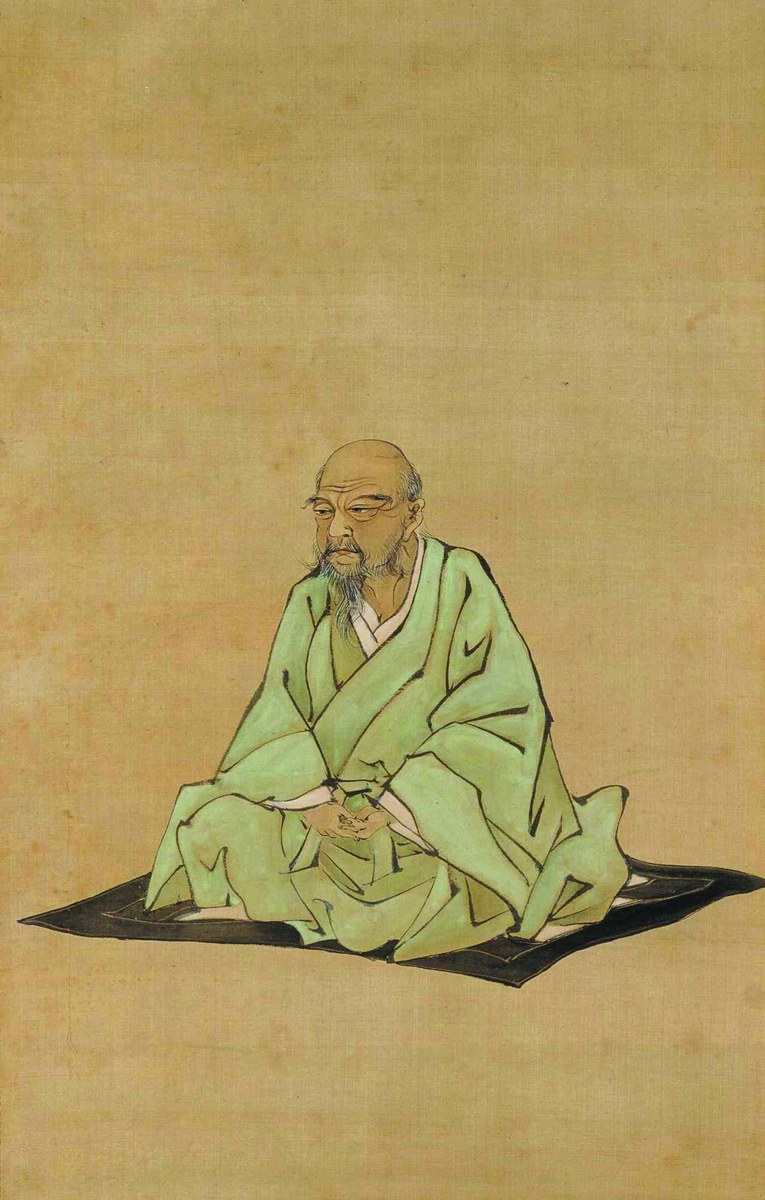
The voices of insects have, since ancient times, quietly calmed the spirit within. A painter appeared who captured that presence — one that, by nature, never shows its form — and rendered it with astonishing clarity. His name was Itō Jakuchū.
遥か古来より人々の心を鎮め、内なる魂を静かに整えてきた虫の声。本来、姿を見せることのないその気配を、驚くほど鮮明に描き切った画家が現れます。伊藤若冲です。
Today, Jakuchū enjoys immense popularity as one of the leading painters of the Edo period. Yet, surprisingly, his name only became widely known "recently." It was not until the latter half of the twentieth century that this reappraisal grew into a broader movement.
現在では、日本を代表する江戸時代の画家として絶大な人気を誇る若冲。しかし、その名が今のように広く知られるようになったのは、意外にも「最近」のことです。本格的な再評価が始まったのは、二十世紀後半になってからでした。
Why did we lose sight of such a painter for so long? And who was it that found Jakuchū again? This time, we trace the story of Itō Jakuchū, the genius painter who looked deeply into the life within even a single insect, and the "eyes" of those who recognized his worth and carried it across the ages to us today.
これほどの画家を、私たちはなぜ長く見失っていたのでしょうか。そして、その若冲を、もう一度見つけたのは誰だったのでしょうか。今回は、一匹の虫に宿るいのちの姿まで見つめた天才画家・伊藤若冲と、その価値を見抜き、時代を越えて今の私たちへと受け渡した人々の「眼」をたどります。
Into Life
Itō Jakuchū was born in 1716, the eldest son of the family that ran Masugen, a wholesale greengrocer on Nishiki Kōji in Kyoto. Nishiki Market is still known today as "Kyoto's kitchen," a market lined with a rich variety of vegetables, fish, and dried goods. For Jakuchū, born into a greengrocer's family, vegetables and fruit, and the birds and small insects that gathered around them, were familiar presences from early childhood. The "life" he would go on to paint throughout his career was already overflowing in the everyday world of this market town.
いのちの中へ
伊藤若冲は、1716年、京都・錦小路の青物問屋「桝源」の長男として生まれました。錦市場は、現在も「京の台所」と呼ばれ、野菜や魚、乾物など多彩な食材が所狭しと並ぶ、京都を代表する市場です。青物問屋に生まれた若冲にとって、野菜や果物、そしてその周りに集まる鳥や小さな虫たちは、幼い頃から身近な存在でした。後に彼が描き続けることになる「いのち」は、すでにこの錦の町の日常の中にあふれていたのです。
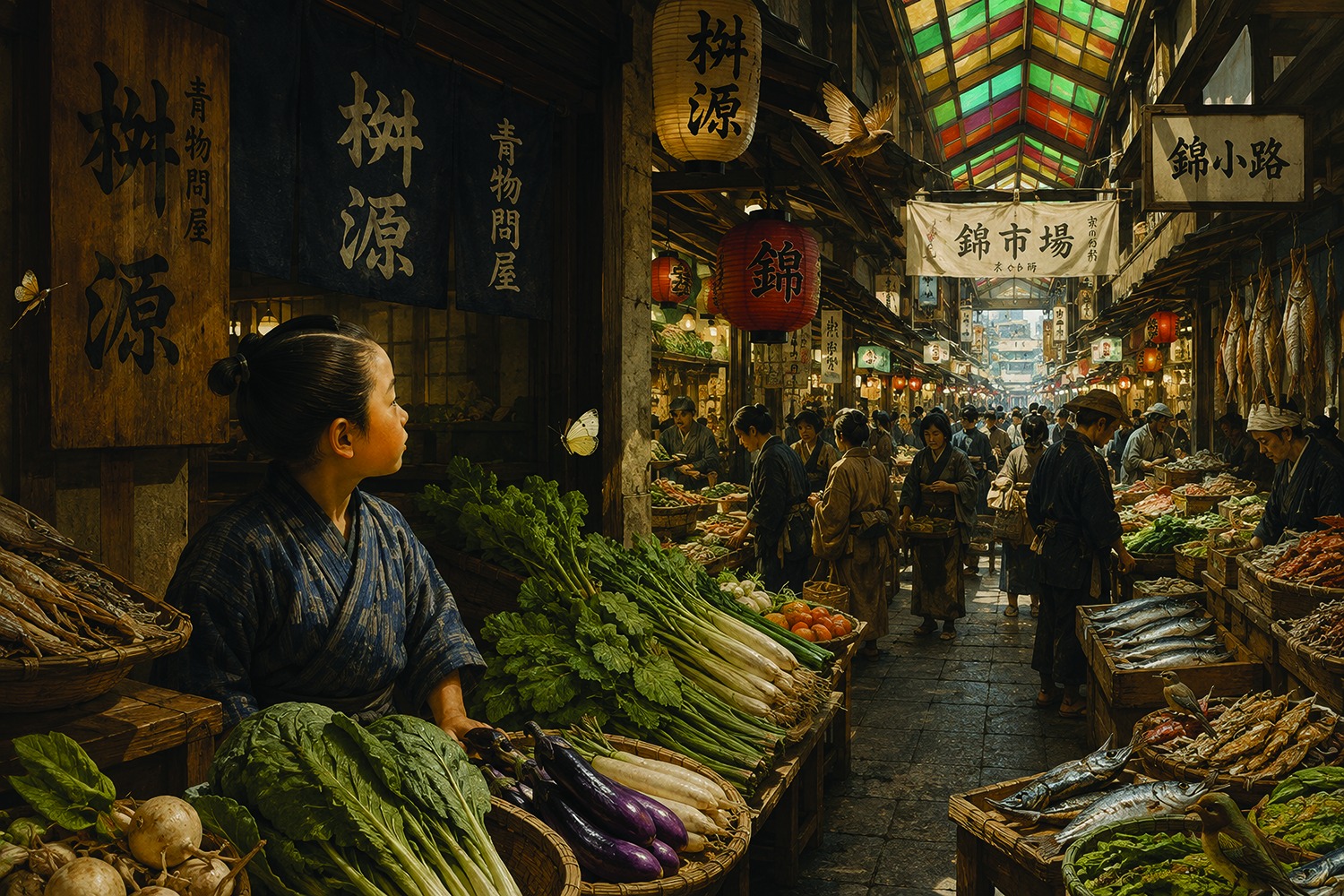
At twenty-three, Jakuchū took over the family business, fulfilling his duties as a merchant while continuing to paint. Later generations have said he had little interest in commerce, but in fact he also held a responsible position within Nishiki Market. Then, at forty, he handed the shop over to his younger brother and finally devoted himself fully to painting.
若冲は二十三歳で家業を継ぎ、商人としての務めを果たしながら絵を描き続けました。後世には商売にあまり関心がなかったとも伝えられていますが、実際には錦市場の中で責任ある役目も担っていました。そして四十歳になると、店を弟に譲り、いよいよ絵の制作に専念するようになります。
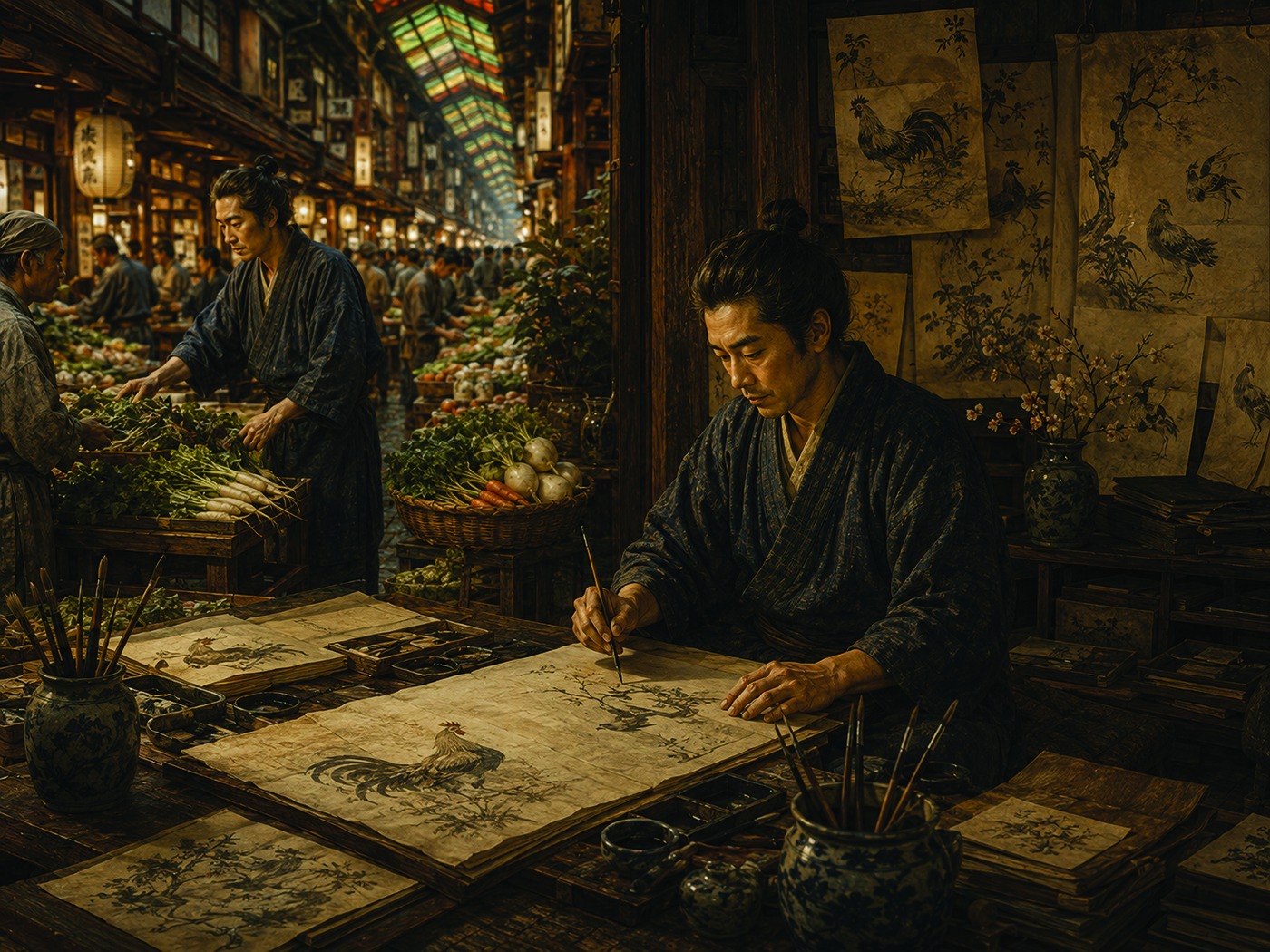
In studying painting, Jakuchū first learned the Kanō school, the mainstream tradition for painters of the time. But he came to feel that no matter how much he studied the Kanō school, he could never surpass it. Then let me see the real thing with my own eyes — with this thought, Jakuchū turned toward shasei, painting directly from life.
絵を学ぶ中で、若冲はまず、当時の絵師の王道だった狩野派を学びました。しかし、狩野派をいくら学んでも、狩野派を超えることはできない。ならば、自分の眼で本物を見よう――。そう考えた若冲は、目の前にあるものを直接見て描く「写生」へと向かっていきます。
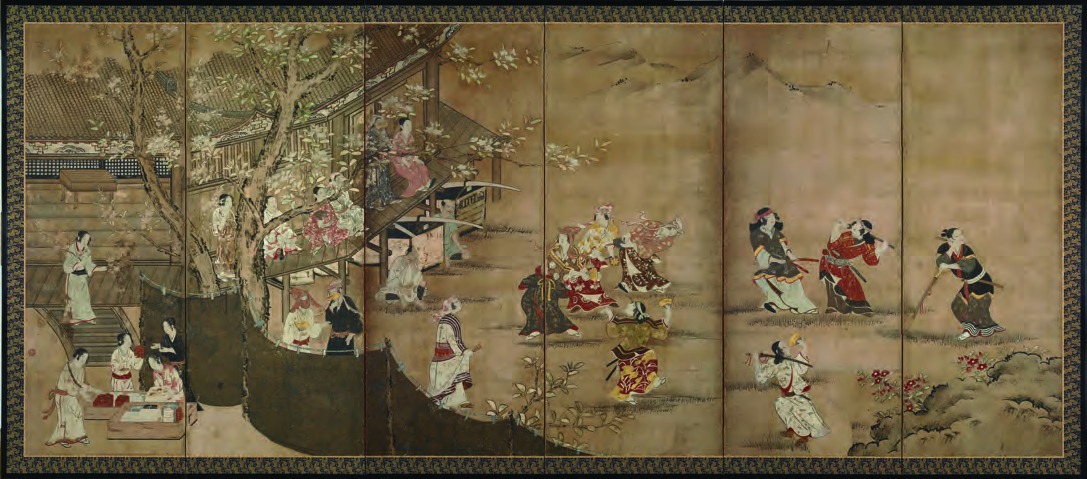
Kanō School: Kanō Naganobu, Screens of Merrymaking under the Cherry Blossoms (Kaka Yūraku-zu Byōbu), Tokyo National Museum, National Treasure
狩野派:狩野長信筆『花下遊楽図屏風』 東京国立博物館・国宝
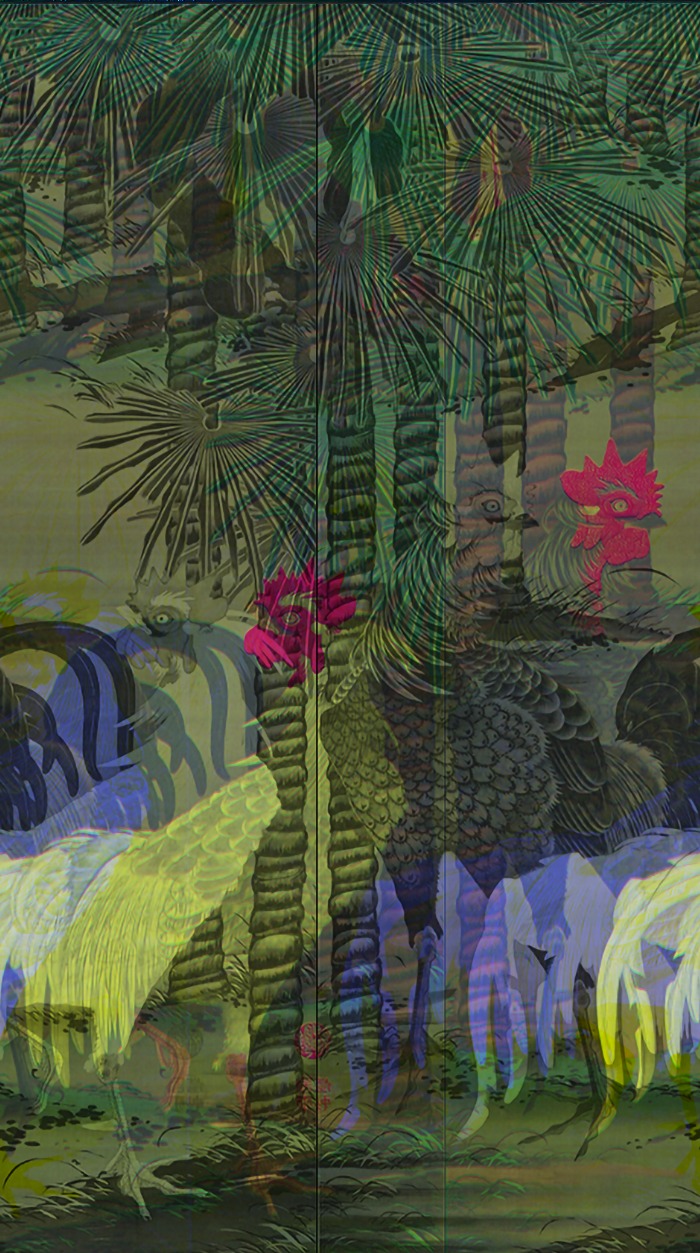
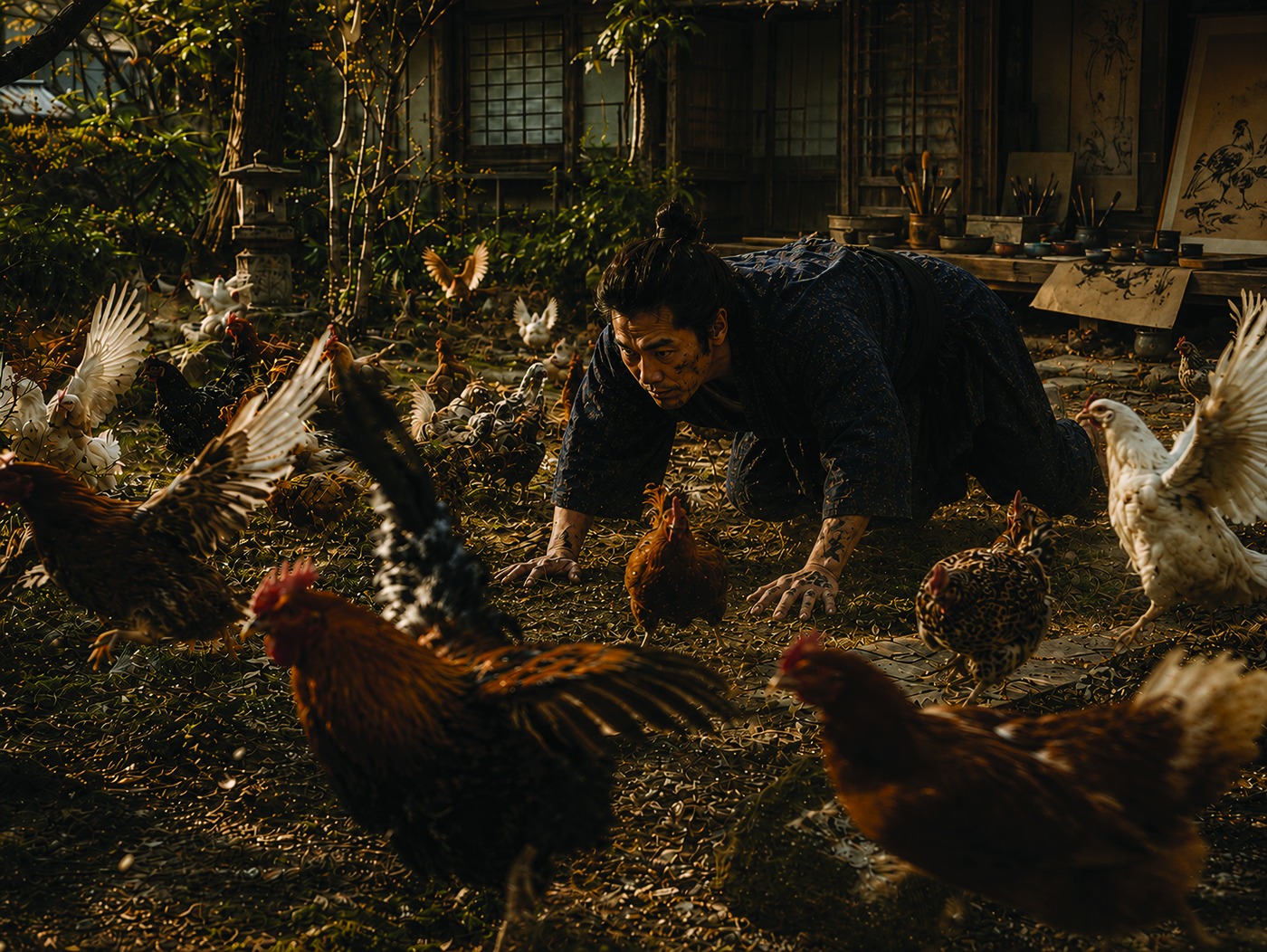
One of the subjects he especially loved to paint was the rooster. It is said that Jakuchū kept several dozen chickens in his garden, getting down on all fours to their eye level and, as if he himself had become a chicken, entering into their movements — observing their behavior with total dedication for several years.
彼が特に好んで描いたものの一つが、鶏でした。若冲は、数十羽の鶏を庭に放し、四つんばいになって鶏と同じ目線まで下り、まるで自分自身も鶏になったかのように、その動きの中へ入り込みながら、数年間にわたって生態を徹底して見続けたと伝えられています。
Continue Reading In Hiragana Times
続きを読む — Hiragana Times 本誌へ
Digital Packages
Read and listen in your browser — available in bundles.
誌面と音声を、パッケージでご利用いただけます。
More From Hiragana Times

Join the Hiragana Times Discord Community — Free!
Connect with readers worldwide — free, open, and always welcoming.
世界の読者とつながる、無料のDiscordコミュニティへようこそ。

Online Japanese lessons, run by Hiragana Times.
One month free for Hiragana Times subscribers.
ひらがなタイムズ定期購読者は、1ヶ月無料でご受講いただけます。

Information From Hiragana Times


Topics in Japan
-
![Words That Live with Insects <br src=]() 虫と暮らす言の葉" />
Words That Live with Insects
虫と暮らす言の葉" />
Words That Live with Insects
虫と暮らす言の葉 -
![Bugs Live in the Belly <br src=]() 腹に虫が住む" />
Bugs Live in the Belly
腹に虫が住む" />
Bugs Live in the Belly
腹に虫が住む -
![Voices of Insects — The Soundtrack of Autumn in Japan <br src=]() 虫の声 ― 日本の秋のBGM" />
Voices of Insects — The Soundtrack of Autumn in Japan
虫の声 ― 日本の秋のBGM" />
Voices of Insects — The Soundtrack of Autumn in Japan
虫の声 ― 日本の秋のBGM -
![The Worms Within Came from the Universe <br src=]() 腹の虫は、宇宙から来た" />
The Worms Within Came from the Universe
腹の虫は、宇宙から来た" />
The Worms Within Came from the Universe
腹の虫は、宇宙から来た -
![Ito Jakuchū — An Eye for Life <br src=]() 伊藤若冲 ―― いのちを見る眼" />
Ito Jakuchū — An Eye for Life
伊藤若冲 ―― いのちを見る眼" />
Ito Jakuchū — An Eye for Life
伊藤若冲 ―― いのちを見る眼
 虫と暮らす言の葉" />
 腹に虫が住む" />
 虫の声 ― 日本の秋のBGM" />
 腹の虫は、宇宙から来た" />
 伊藤若冲 ―― いのちを見る眼" />

