
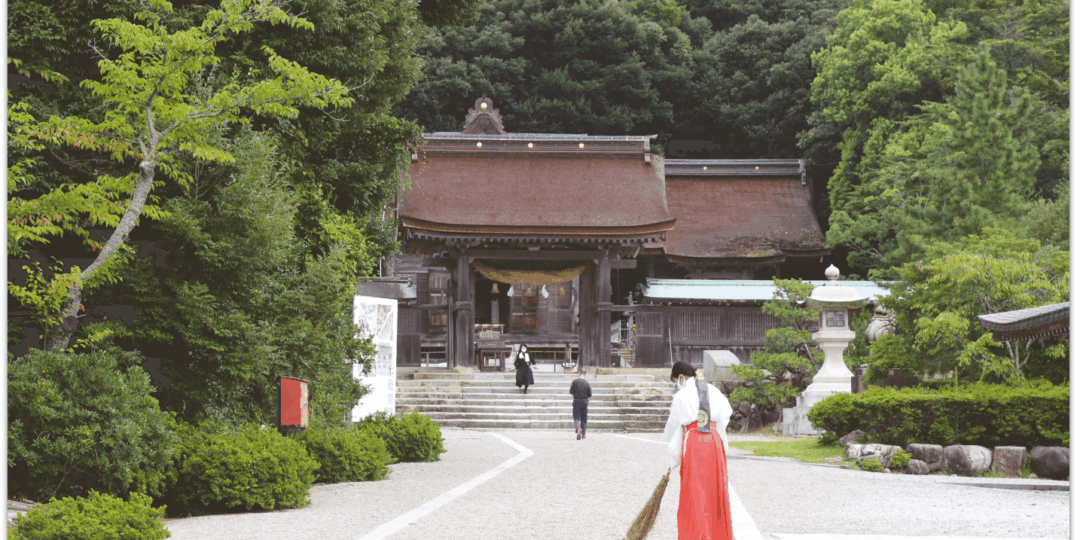
Year-End Cleaning —Purifying for the New Year 大掃除 ― 清めて迎える新しい年
[Japan Savvy – December 2025 Issue]
Year-End Cleaning —Purifying for the New Year
大掃除 ― 清めて迎える新しい年
December is the month that concludes the year.
12月は、1年の締めくくりの月です。
In Japan, it is also a month for expressing gratitude for having passed the year safely, and for making preparations to greet the new year pleasantly.
日本では、1年間を無事に過ごせたことへの感謝と、気持ちよく新しい年を迎えるための準備をする月でもあります。
A representative custom of this is the ‘Ōsōji’ (big cleaning).
その代表的な習慣が「大掃除」です。
Unlike regular cleaning, people polish every nook and cranny of the house until it sparkles.
普段の掃除とは違い、家の隅々までピカピカに磨き上げます。
This custom was already practiced among the common people in the Edo period, but at that time it was called ‘Susu-harai’ (soot sweeping).
この習慣は、江戸時代にはすでに庶民の間で行われていましたが、当時は「煤払い(すすはらい)」と呼ばれていました。
Susu-harai was held on December 13th and was a sacred event for welcoming the ‘Toshigami-sama’ (New Year’s deity).
煤払いは12月13日に行われ、「年神様」を迎えるための神聖な行事でした。
The word ‘harau’ is written both as ‘払う’ (to sweep/pay) and ‘祓う’ (to exorcise/purify).
「はらう」という言葉は、「払う」とも「祓う」とも書きます。
The former expresses the action of sweeping away physical things, while the latter expresses the act of purifying misfortune and defilement.
前者は物を払う動作を、後者は厄や穢れを祓う行為を表します。
In other words, it contains the wish to cleanse not only the dirt of the year but also the misfortune of the heart.
つまり、1年の汚れとともに、心の厄をも清めるという願いが込められているのです。
Cleaning is an act that purifies not only the space but also the heart.
掃除とは、空間だけでなく心をも清める行いなのです。
Perhaps it is a daily ‘sacred ritual’ that is passed down even today.
今も受け継がれる、日々の「神事」なのかもしれません。
 ”Warm Up ウォームアップ”
 ”Warm Up ウォームアップ”
O-Souji JapaNEEDS
Useful words
- 締めくくり(しめくくり)― conclusion, end
- 無事(ぶじ)― safely, without trouble
- 気持ちいい(きもちいい)― feel good, pleasant
- 準備(じゅんび)― preparation
- 習慣(しゅうかん)― habit, custom
- 大掃除(おおそうじ)― year-end cleaning
- ピカピカ(ぴかぴか)― shiny, sparkling clean
- 煤(すす)― soot
- 神聖(しんせい)― sacred, holy
- 祓う(はらう)― to purify, exorcise
- 清める(きよめる)― to cleanse, purify
- 空間(くうかん)― space
- 心(こころ)― heart, mind
Ice Breaker Questions
Do people in your country do a year-end cleaning?
あなたの国では、大掃除をしますか?
How often do you usually clean your home?
ふだん、どのくらいの頻度で掃除をしますか?
How do you feel after cleaning?
掃除のあとは、どんな気持ちになりますか?
Is there anything you want to do before welcoming the New Year?
新しい年を迎える前に、やっておきたいことはありますか?
What do you do when you want to calm or refresh your mind?
気持ちを整えたいとき、どんなことをしますか?
”Work Up ワークアップ”
 ”Work Up ワークアップ”
O-Souji Discussion
Louise: Streets in Japan are so clean! You hardly ever see any trash lying around.
ルイーズ: 日本って、道にゴミがほとんど落ちていませんよね。
Jose: Yes, even after the World Cup, Japanese supporters were cleaning up the stands!
ホセ: サッカーのワールドカップのあとも、日本人のサポーターがスタンドを掃除していましたね!
Anisa: Do Japanese people actually enjoy cleaning? It looked like a fun event!
アニサ: 日本人は、そうじが楽しいんですか?まるでイベントみたいでしたよ!
Yumi: That’s true, but rather than “fun,” it’s more like a habit we learn from childhood.
ゆみ: そうですね。でも“楽しい”というより、子どものころからの習慣なんですよ。
Louise: I heard that in Japanese elementary schools, students clean their classrooms every day.
ルイーズ: たとえば、日本の小学校では、みんなで毎日掃除をするんですよね?
Bob: Really? In my country, there are janitors, and students don’t clean at all.
ボブ: 本当ですか?私の国では清掃員がいて、生徒は掃除をしません。
Jose: In Japan, we have the idea that you should clean up after yourself. It’s something you naturally learn as a child.
ホセ: 日本では「使った場所は自分で片づける」という考えがあって、子どものころから自然に身につくんです。
Anisa: Oh, that’s like the saying “Tatsu tori ato o nigosazu”—“Leave no trace behind.”
アニサ: 「立つ鳥跡を濁さず」ですね。
Yumi: And even more, the spirit of leaving a place cleaner than when you arrived is what keeps a city beautiful.
ゆみ: さらには、来たときよりもきれいにして立ち去るくらいの心が、街を美しく保ちます。
”Wrap Up ラップアップ”
 ”Wrap Up ラップアップ”
O-Souji Knowledge
December 13 — The Perfect Day for “Susuharai” (Year-End Cleaning)
12月13日――煤払いに最もふさわしい日
During the Edo period (1603–1868), susuharai (soot cleaning) was held at Edo Castle on December 13. Common people followed this custom and began cleaning their homes on the same day.
江戸時代(1603〜1868年)には、12月13日に江戸城で煤払いが行われ、庶民もこの日に合わせて家の掃除をするようになりました。
December 13 was often a Kishuku-nichi (Day of the Resting Spirits), considered one of the most auspicious days in the traditional lunar calendar. It fell about twenty days before the New Year—an ideal time to begin preparations to welcome Toshigami-sama (the New Year deity).
旧暦では、12月13日は「鬼宿日(きしゅくにち)」にあたることが多く、特に縁起の良い日とされていました。旧暦の正月までおよそ20日前という時期で、年神様を迎える準備を始めるのにちょうどよいタイミングでもありました。
On this day, people believed that evil spirits stayed quietly inside the house. For that very reason, they cleaned thoroughly—to drive away hidden impurities and purify their homes before the New Year.
この日は、鬼(邪気)が家の中に潜んでいると考えられました。だからこそ、家中を徹底的に掃除して厄を祓い清め、新しい年を迎える準備をしたのです。
However, weddings were avoided on this day. Since the home was thought to be filled with spirits being purified, it was considered inauspicious to start a new household.
ただし、この日は婚礼を避ける習わしがありました。家の中にはまだ鬼(穢れ)が残っているとされ、新しい家庭を築くにはふさわしくないと考えられたためです。
After cleaning, people in the Edo period would celebrate with great excitement, tossing one another into the air and drinking sake together—sharing joy in welcoming the purified new year.
掃除を終えた人々は、胴上げをしたり、酒を酌み交わしたりして大いに盛り上がりました。清めを終え、新しい年を迎える喜びを分かち合っていたのでしょう。
Through such beliefs, December 13 became established as the sacred day to begin susuharai—the great year-end cleaning that purifies both home and heart before welcoming the New Year.
こうした信仰のもとで、12月13日は家と心を清める「煤払い」、つまり大掃除を始める神聖な日として定着していきました。
This article is from the December 2025 issue of Hiragana Times.
この記事は、月刊誌『ひらがなタイムズ』2025年12月号より掲載しています。
ハロウィーンは砂丘で!?鳥取のユニークなパーティーThe Spirit of Summer in Hiroshima: Peace, Memory, and the Bloom of Morning Glories
夏のいぶき、広島に宿る—— 平和と記憶、そして朝顔の花



Information From Hiragana Times


Topics in Japan
-
![Japanese Minka—Homes Alive with Nature <br src=]() 自然の中で生きている日本民家" />
Japanese Minka—Homes Alive with Nature
自然の中で生きている日本民家" />
Japanese Minka—Homes Alive with Nature
自然の中で生きている日本民家 -
![The Man Who Chose Harmony in an Age of Blood | Prince Shōtoku <br src=]() 血の時代に、和を選んだ人 | 聖徳太子" />
The Man Who Chose Harmony in an Age of Blood | Prince Shōtoku
血の時代に、和を選んだ人 | 聖徳太子" />
The Man Who Chose Harmony in an Age of Blood | Prince Shōtoku
血の時代に、和を選んだ人 | 聖徳太子 -
![The Fish That Leads the Way into Autumn <br src=]() 秋の先頭を泳ぐ魚" />
The Fish That Leads the Way into Autumn
秋の先頭を泳ぐ魚" />
The Fish That Leads the Way into Autumn
秋の先頭を泳ぐ魚 -
![The House Has Ears, Eyes—and a Mouth <br src=]() 耳と目と口を持つ家" />
The House Has Ears, Eyes—and a Mouth
耳と目と口を持つ家" />
The House Has Ears, Eyes—and a Mouth
耳と目と口を持つ家 -
![Words the Home Holds <br src=]() 家がつつむ言の葉" />
Words the Home Holds
家がつつむ言の葉" />
Words the Home Holds
家がつつむ言の葉
 自然の中で生きている日本民家" />
 血の時代に、和を選んだ人 | 聖徳太子" />
 秋の先頭を泳ぐ魚" />
 耳と目と口を持つ家" />
 家がつつむ言の葉" />

