
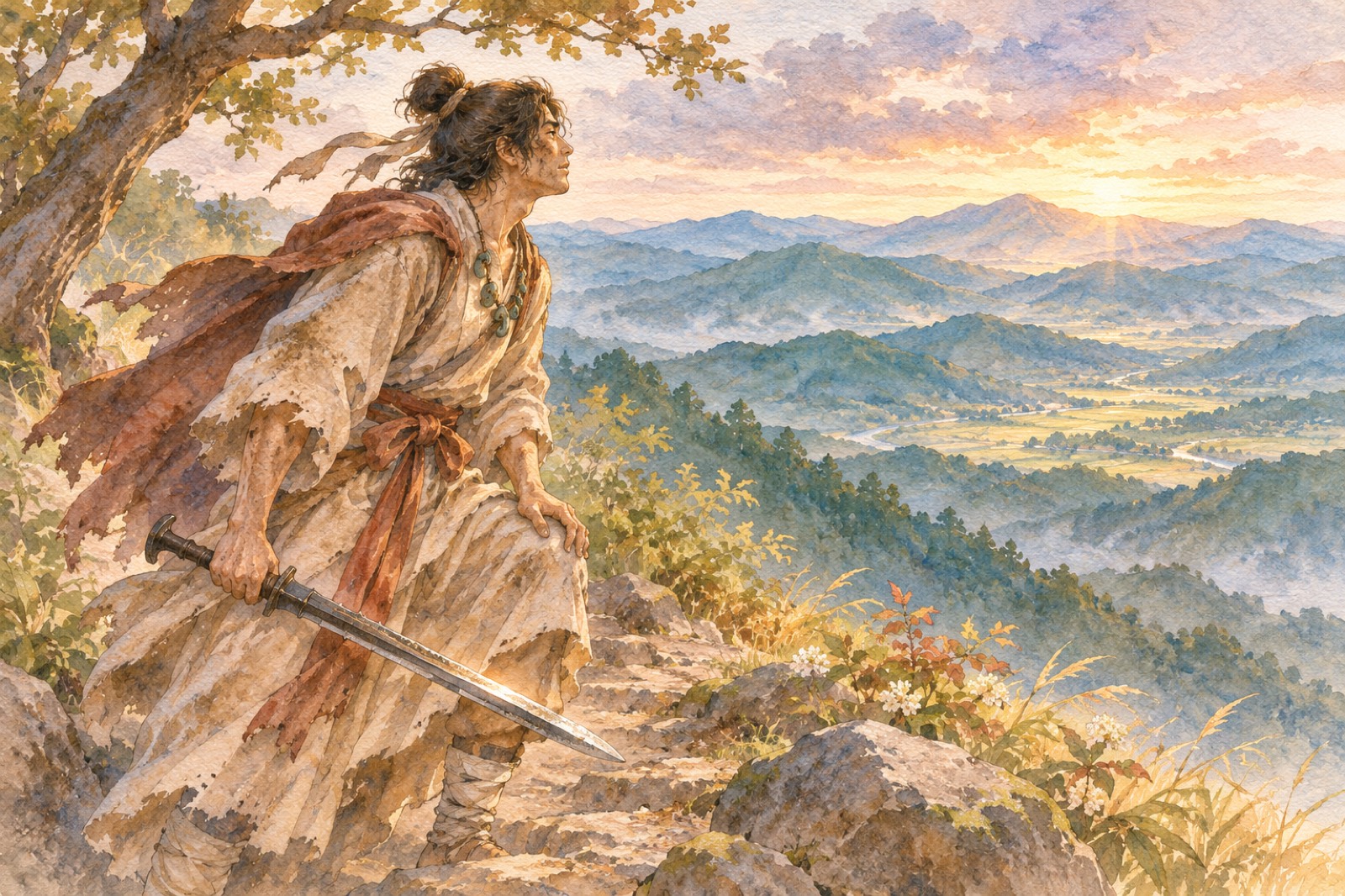
Words the Sword Has Honed
刀が磨いた言の葉
That Sword Still Lies Where It Was Left — The Richness of Not Knowingその大刀は、今も置かれたまま ―― 分からないという豊かさ
NIHONGO DO® | Voice Wave – Hiragana Times December 2026 issue
Listen to the Audio:
That Sword Still Lies Where It Was Left — The Richness of Not Knowing
その大刀は、今も置かれたまま ―― 分からないという豊かさ
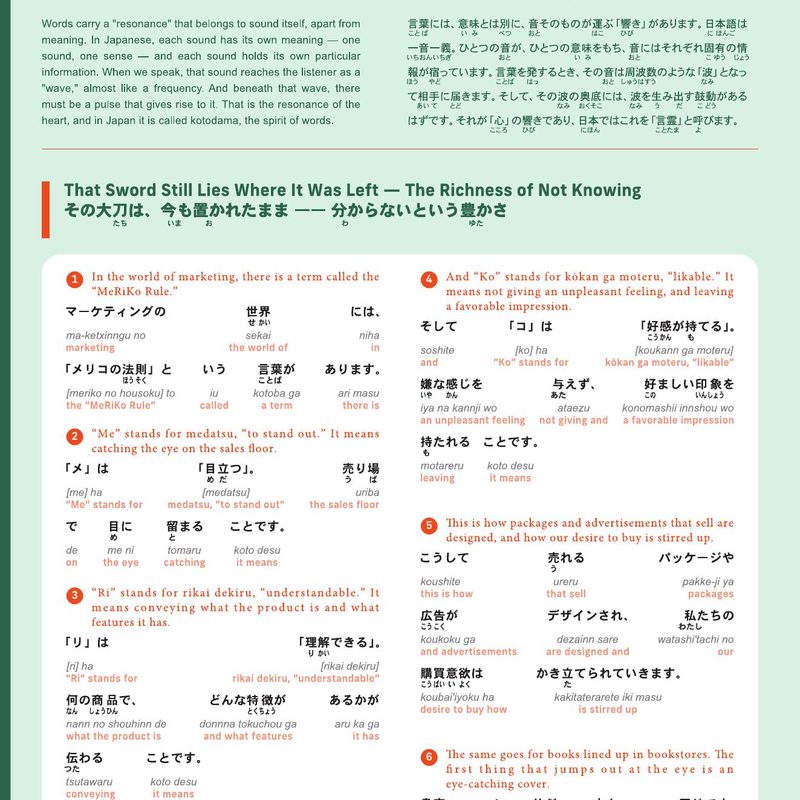
In the world of marketing, there is a term called the “MeRiKo Rule.”
マーケティングの世界には、「メリコの法則」という言葉があります。
“Me” stands for medatsu, “to stand out.” It means catching the eye on the sales floor.
「メ」は「目立つ」。売り場で目に留まることです。
“Ri” stands for rikai dekiru, “understandable.” It means conveying what the product is and what features it has.
「リ」は「理解できる」。何の商品で、どんな特徴があるかが伝わることです。
And “Ko” stands for kōkan ga moteru, “likable.” It means not giving an unpleasant feeling, and leaving a favorable impression.
そして「コ」は「好感が持てる」。嫌な感じを与えず、好ましい印象を持たれることです。
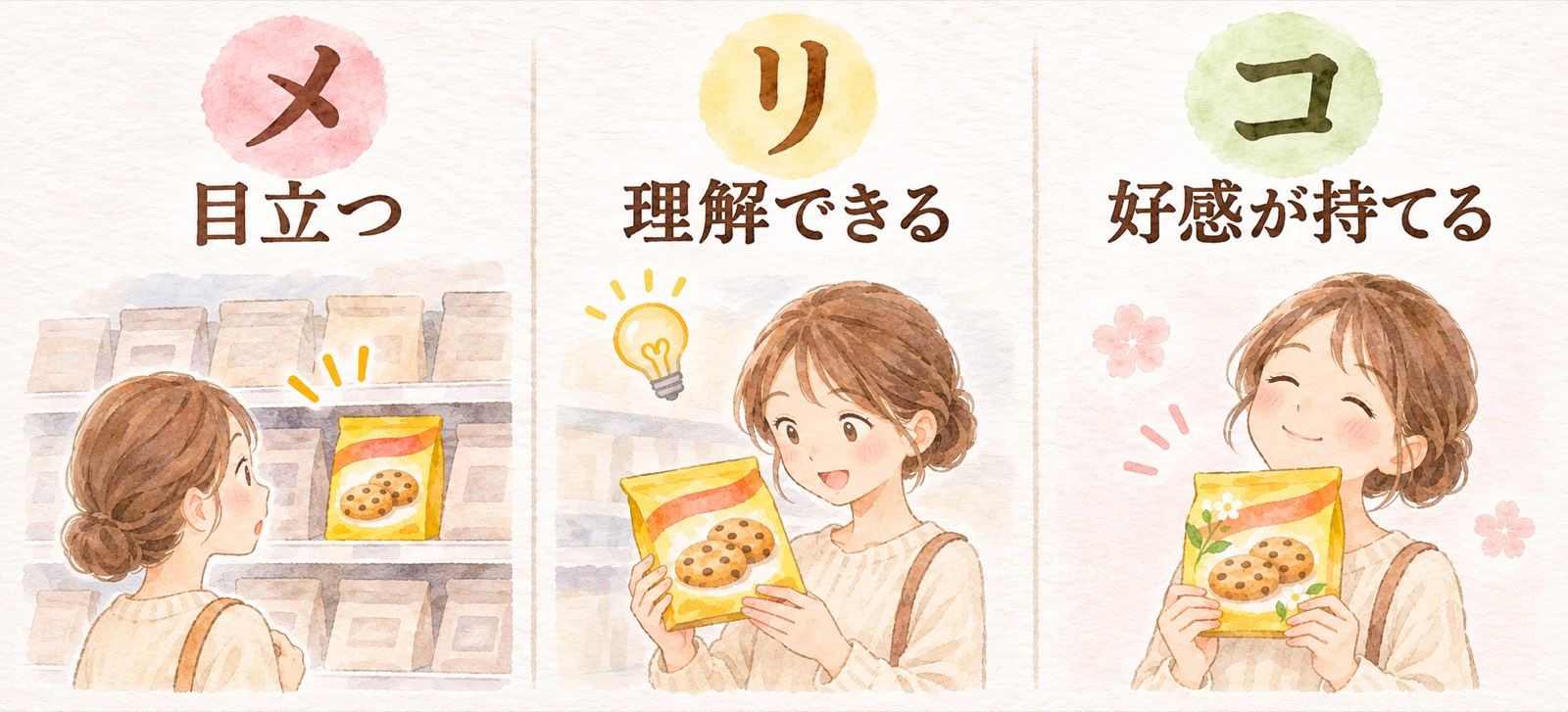
This is how packages and advertisements that sell are designed, and how our desire to buy is stirred up.
こうして売れるパッケージや広告がデザインされ、私たちの購買意欲はかき立てられていきます。
The same goes for books lined up in bookstores. The first thing that jumps out at the eye is an eye-catching cover.
書店に並ぶ本も同じです。まず目に飛び込んでくるのは、目立つ表紙。
Then, easy-to-understand titles: “The Skills of ○○,” “The User’s Manual for ○○.”
そして、分かりやすいタイトル。「〇〇術」「〇〇のトリセツ」。
On the obi, recommendations from popular celebrities line up.
帯には、好感度の高い著名人の推薦の言葉が並びます。
Among them, there are books that do not stand out and are hard to understand, yet still draw the heart. Waka poetry collections.
そんな中、目立たず、そして、分かりにくい。それなのに心ひかれる本があります。和歌集です。
Easy-to-understand how-to books are digested on the very day they are bought.
分かりやすいノウハウ本は、買ったその日のうちに消化されます。
But waka cannot be digested right away.
けれど和歌は、すぐには消化できません。
Even a lifetime may not be enough to digest them fully.
一生かかっても消化しきれないかもしれません。
Waka lead us into a world where what is hard to understand, and what cannot be understood, has value.
和歌は、分かりにくいこと、分からないことに価値がある世界へと導いてくれます。
What we can encounter there is endless imagination, and the deep emotions that well up from within ourselves.
そこで出会えるのは、果てしない想像、そして自分の中から湧き出る情念です。
For example, try reading the following sentence.
たとえば、次の文を読んでみてください。
“Enough that even the sound of the clock could be heard. It was that kind of classroom.” This is a waka-like sentence.
「時計の音まで聞こえるほど。そういう教室だった。」これが、和歌的な文章です。
In a “user’s manual” style, it becomes: “The classroom was so quiet that even the sound of the clock could be heard.”
これが「トリセツ本」だと、「時計の音まで聞こえるほど、教室は静かだった。」となります。
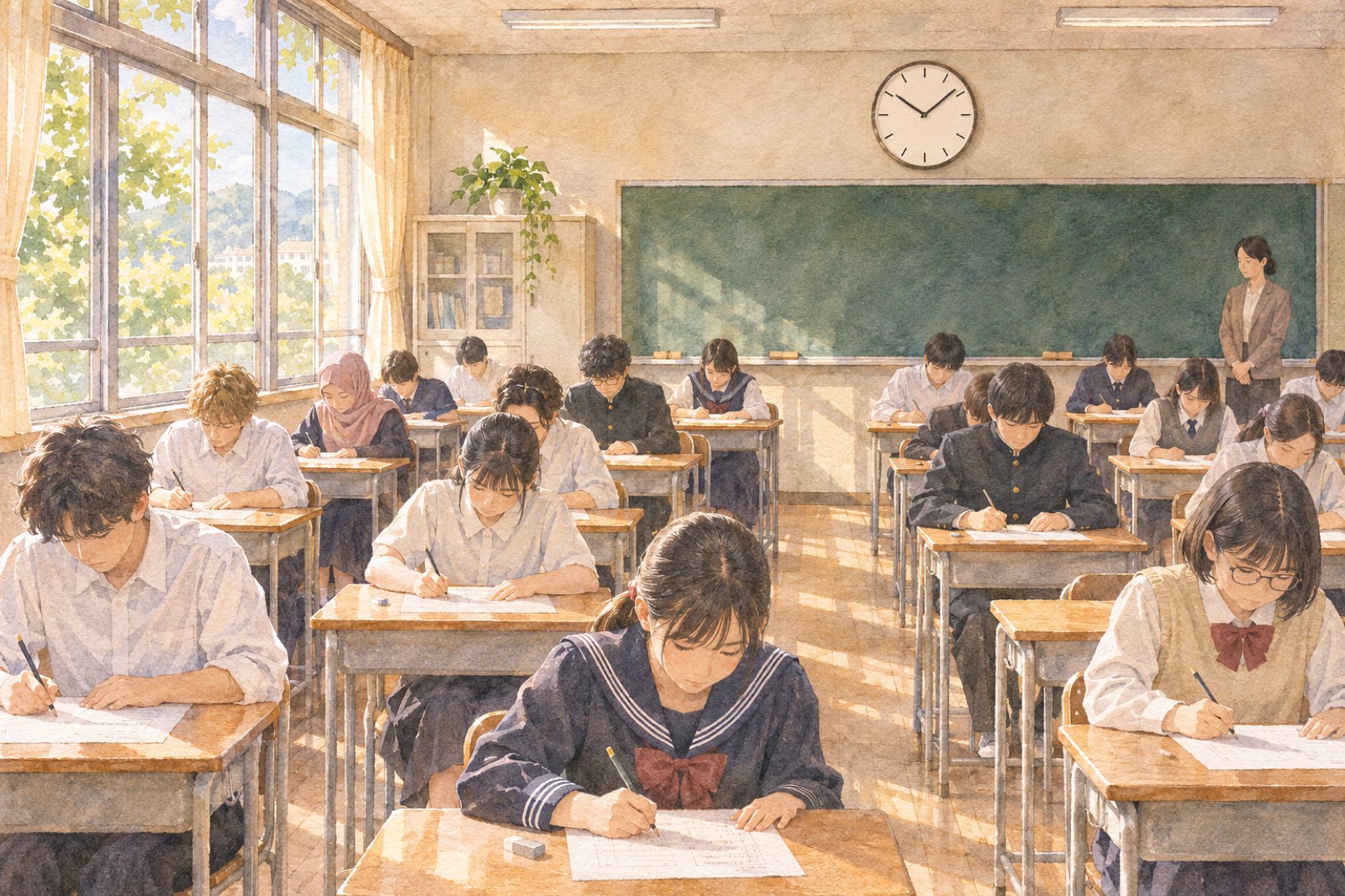
With the waka-like sentence, our imagination is stirred as to what kind of classroom it was.
和歌的な文章では、どんな教室なのか、想像がかき立てられます。
But the moment it is explained as “quiet,” the lid of imagination snaps shut.
ところが「静かだった」と説明された瞬間、想像の蓋はパタンと閉じてしまいます。
Depending on which kind of sentence we live with, our imagination, and in turn the richness of our hearts, will change greatly.
どちらの文に触れながら生きるかで、想像力、ひいては心の豊かさは大きく変わっていきます。
The Industrial Revolution, which began in the late 18th century, brought mass production to humanity.
18世紀後半に始まった産業革命は、人類に大量生産をもたらしました。
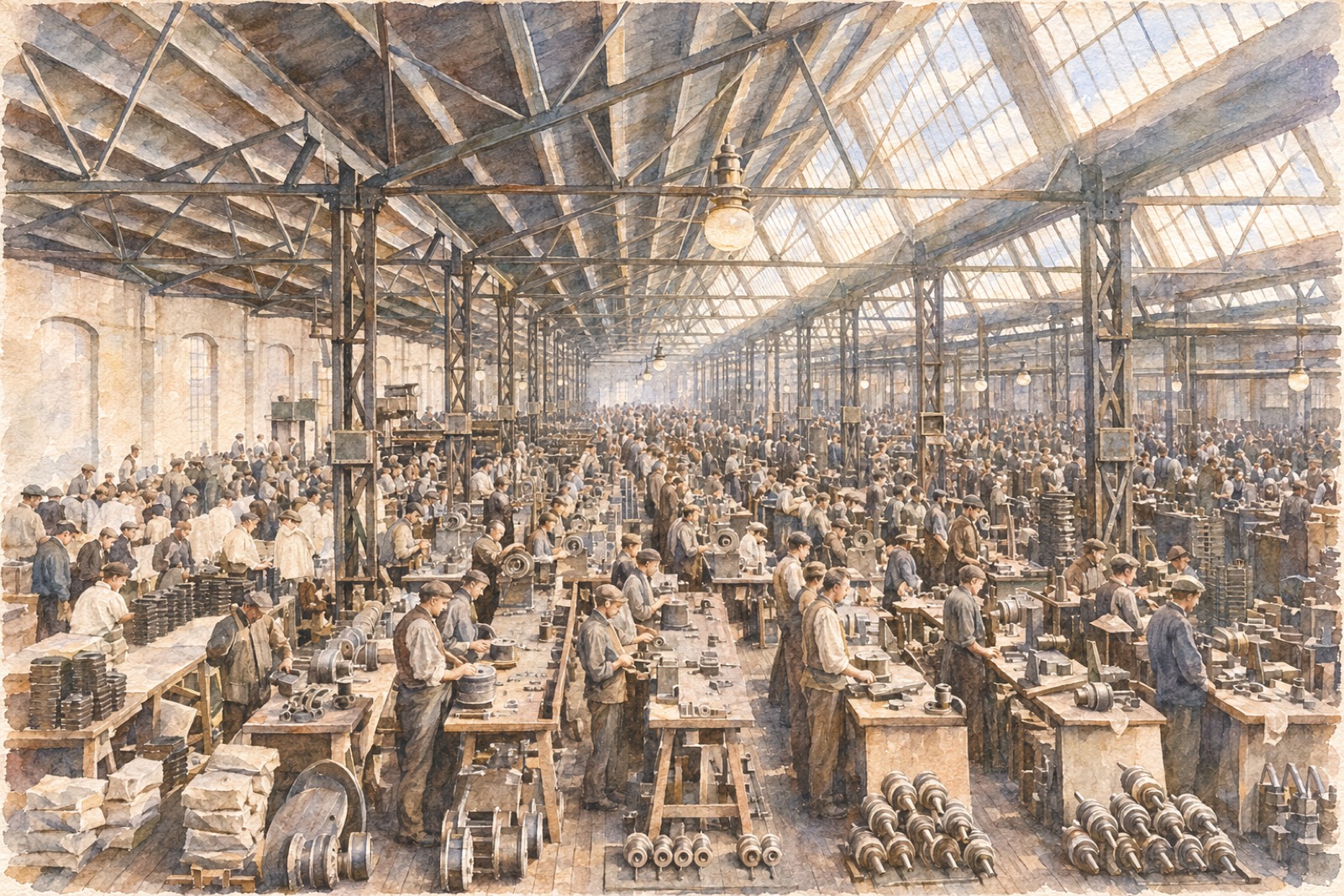
At the same time, it gave rise to mass consumption. More, and faster.
それは同時に、大量消費を生みました。より多く、そして、より速く。
Rather than immersing ourselves in deep emotions, we came to seek quick understanding and quick action.
私たちは情念に浸るよりも、早く理解し、早く動くことを求めるようになりました。
Fast food, convenience stores, fast fashion. Everything became more efficient.
ファストフード、コンビニ、ファストファッション。あらゆるものが効率よくなりました。
Continue Reading in Hiragana Times
続きを読む — Hiragana Times 本誌へ
Digital Packages
Read and listen in your browser — available in bundles.
誌面と音声を、パッケージでご利用いただけます。
More From Hiragana Times

Join the Hiragana Times Discord Community — Free!
Connect with readers worldwide — free, open, and always welcoming.
世界の読者とつながる、無料のDiscordコミュニティへようこそ。

Online Japanese lessons, run by Hiragana Times.
One month free for Hiragana Times subscribers.
ひらがなタイムズ定期購読者は、1ヶ月無料でご受講いただけます。
Information From Hiragana Times


Topics in Japan
-
![Hiragana Times App Updated (iOS 8.18.1 / Android 8.19.04) <br src=]() ひらがなタイムズ アプリを更新しました" />
Hiragana Times App Updated (iOS 8.18.1 / Android 8.19.04)
ひらがなタイムズ アプリを更新しました -
![Shogi: The Culture That Turned Enemies into Treasure <br src=]() 将棋 — 敵を宝に変えた文化" />
Shogi: The Culture That Turned Enemies into Treasure
将棋 — 敵を宝に変えた文化 -
![The Story of “Wa” (倭 and 和) and “Yamato” (大和) <br src=]() 「倭」と「和」と「大和」の物語" />
The Story of “Wa” (倭 and 和) and “Yamato” (大和)
「倭」と「和」と「大和」の物語 -
![People Who Can’t Help Making Things <br src=]() 作らずにいられない人々" />
People Who Can’t Help Making Things
作らずにいられない人々 -
![Nobody Tells You <br src=]() でも、伝わってくる" />
Nobody Tells You
でも、伝わってくる
 ひらがなタイムズ アプリを更新しました" />
 将棋 — 敵を宝に変えた文化" />
 「倭」と「和」と「大和」の物語" />
 作らずにいられない人々" />
 でも、伝わってくる" />


