
Secret Treasures That Carry On a Nation’s Life
国の命をつなぐ秘宝
The Sword and the Knife — Distant Memories Held in the Blade刀と包丁 ―― 刃に宿る遠い記憶
Japan Style – Hiragana Times December 2026 issue
Listen to the Audio:
The Sword and the Knife — Distant Memories Held in the Blade
刀と包丁 ―― 刃に宿る遠い記憶
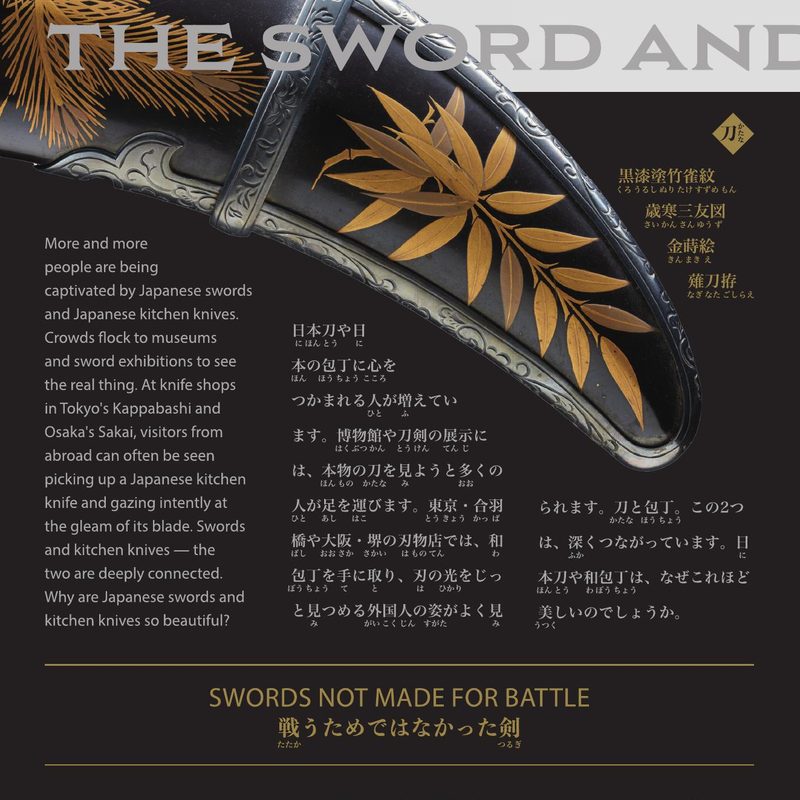
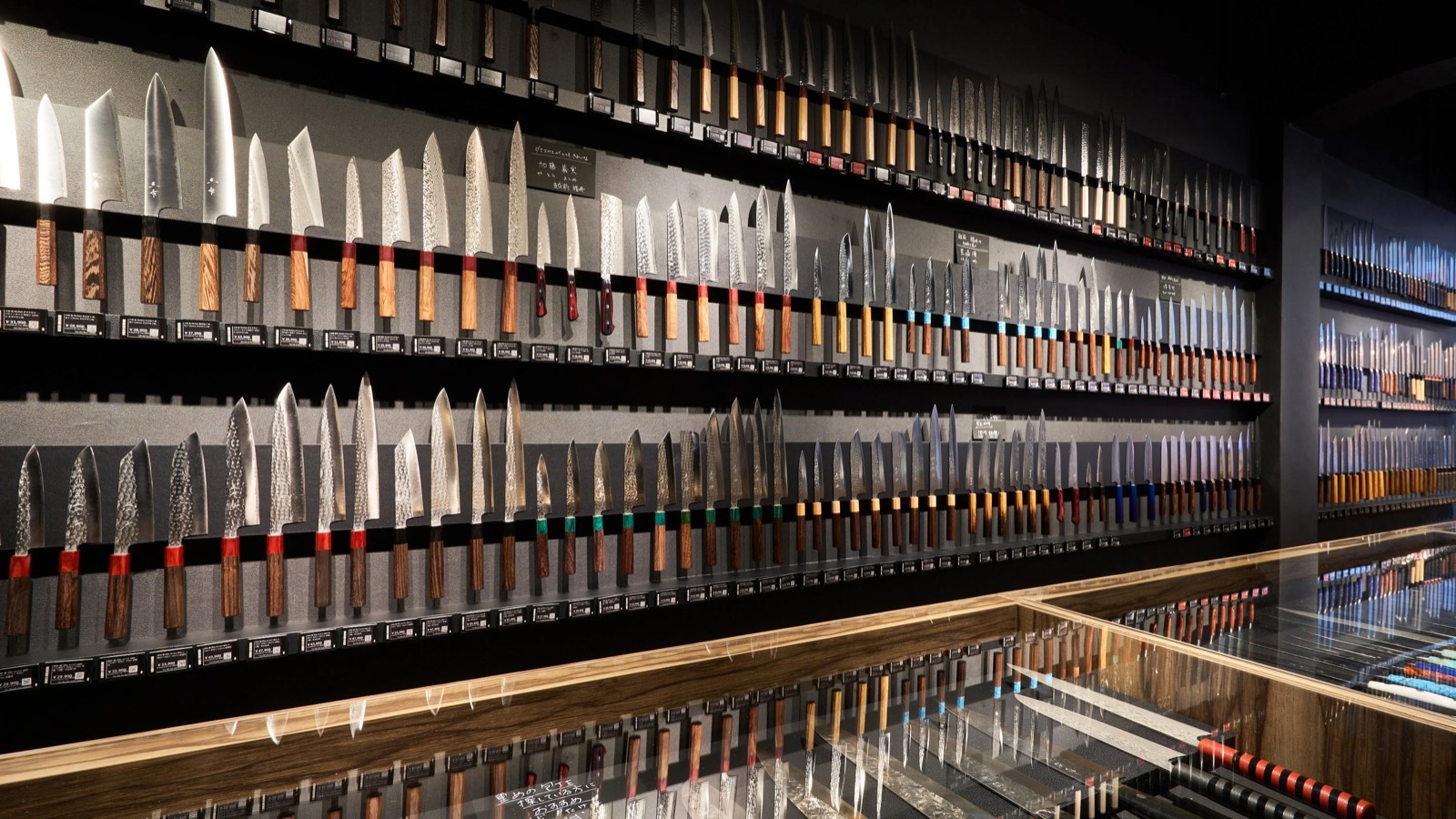
More and more people are being captivated by Japanese swords and Japanese kitchen knives. Crowds flock to museums and sword exhibitions to see the real thing. At knife shops in Tokyo’s Kappabashi and Osaka’s Sakai, visitors from abroad can often be seen picking up a Japanese kitchen knife and gazing intently at the gleam of its blade. Swords and kitchen knives — the two are deeply connected. Why are Japanese swords and kitchen knives so beautiful?
日本刀や日本の包丁に心をつかまれる人が増えています。博物館や刀剣の展示には、本物の刀を見ようと多くの人が足を運びます。東京・合羽橋や大阪・堺の刃物店では、和包丁を手に取り、刃の光をじっと見つめる外国人の姿がよく見られます。刀と包丁。この2つは、深くつながっています。日本刀や和包丁は、なぜこれほど美しいのでしょうか。
Swords Not Made for Battle | 戦うためではなかった剣
A few years ago, a sword 2 m 37 cm long was unearthed at the Tomio Maruyama Burial Mound in Nara City. It is a dakoken, a serpentine sword that undulates like a snake. Until then, the longest serpentine sword found in Japan measured about 85 cm. This one shattered that record in one stroke, nearly tripling it. Even looking across mainland China and the Korean Peninsula, no iron sword this long has ever been found in ancient East Asia. It is believed to have been made about 1,600 years ago.
数年前、奈良市の富雄丸山古墳から、長さ2m37cmの剣が見つかりました。蛇のようにうねる「蛇行剣」です。それまで国内で見つかっていた蛇行剣のうち、最も長いものは約85cm。その記録を、一気に3倍近くまで塗り替えたのです。中国大陸や朝鮮半島まで見渡しても、古代の東アジアで見つかった鉄の剣に、これほど長いものはありません。つくられたのは、1600年ほど前とされています。
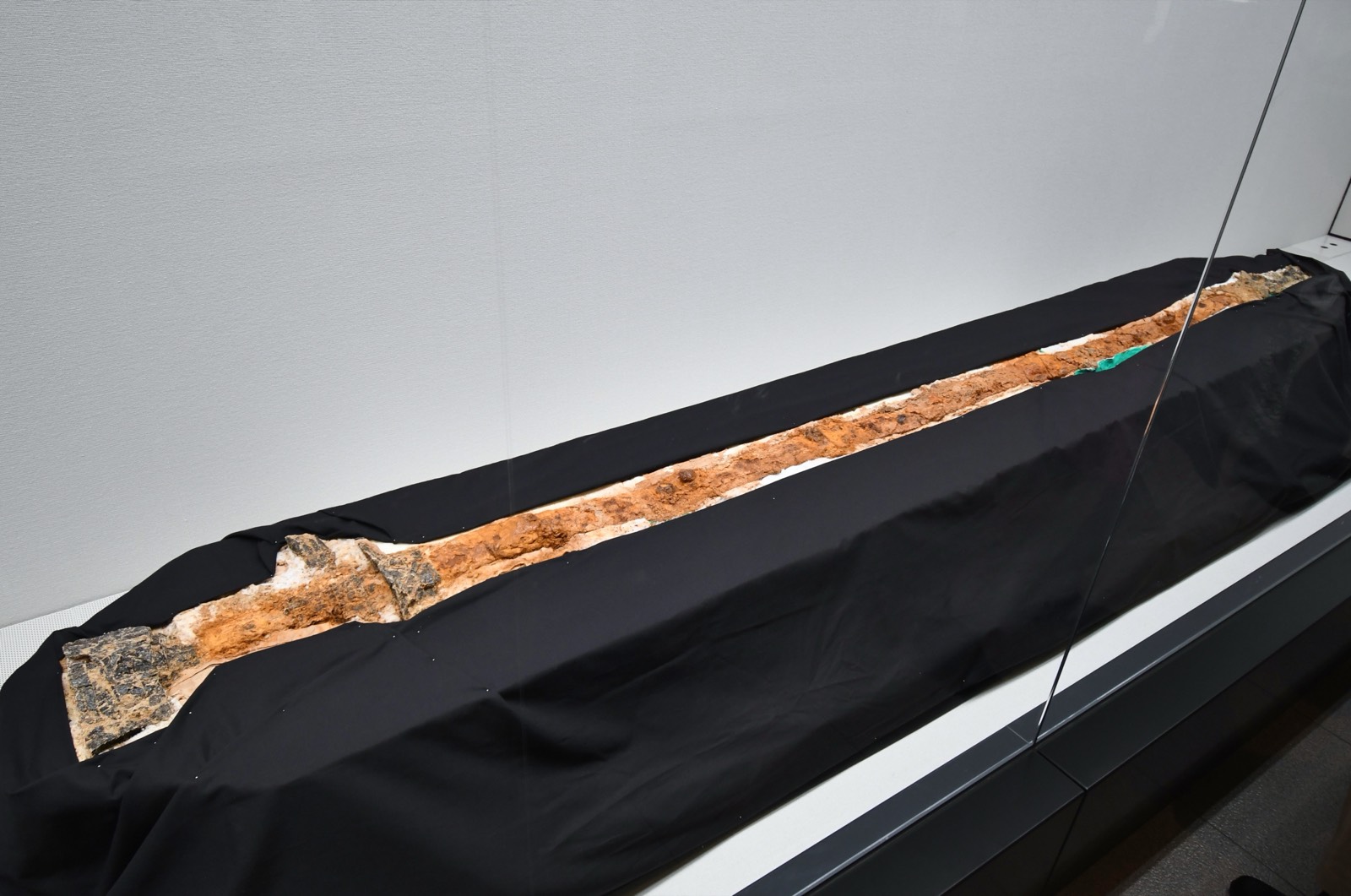
Could anyone fight with this sword? It is taller than a person, and it twists and bends. Carried onto a battlefield, it would be nothing but a handicap. This single sword tells us clearly that swords were tools for sacred rites.
この剣で、戦うことはできるでしょうか。人の背丈よりも長く、しかも曲がりくねっています。戦場に持ち出せば、間違いなく不利です。剣が祭祀の道具だったことを、この1本がはっきりと物語っています。
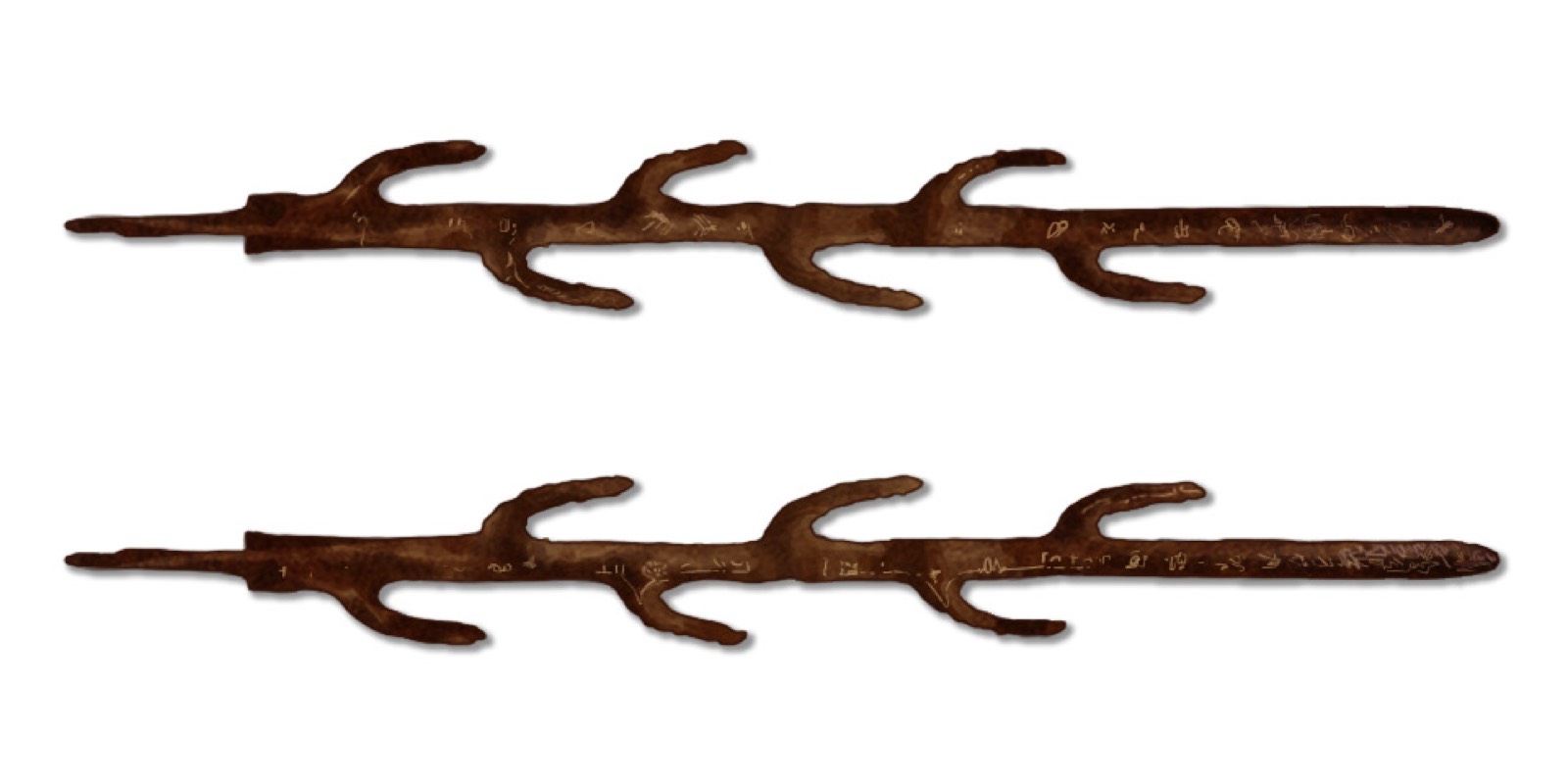
The Kimi (the emperor) prayed to the Kami, the source of heaven and earth, for the peaceful lives of the Tami, the people. The sword was a sacred instrument through which the Kimi connected with the Kami. The Seven-Branched Sword, handed down at Isonokami Shrine, also in Nara Prefecture, has six branches reaching out left and right from a single blade. It, too, is clearly not shaped for combat.
天地の根源である「カミ」に、「タミ」の安らかな暮らしを祈る「キミ(天皇)」。剣は、キミがカミとつながるための神具でした。同じ奈良県の石上神宮に伝わる七支刀も、1本の刀身から左右に6本の枝が伸びています。こちらも、どう見ても戦うための形ではありません。
That prayer lives on in the kitchen as well. Take the long, slender yanagiba knife, used to receive the life of the food. The way its edge is shaped, the skill of forging, and the spirit of facing one’s tools — all of it has been handed down from the Japanese sword. A single knife resting on a cutting board is a sacred boundary drawn between the cook and the life of the food.
祈りは、台所にも息づいています。食べ物の命をいただくための、細く長い柳刃包丁。刃のつけ方、鍛えの技、そして道具に向き合う心。そのすべてが、日本刀から受け継がれたものです。まな板の上に横たわる1本の包丁は、料理人と食べ物の命とのあいだに引かれた結界なのです。
Hear the word “sword,” and most people picture a samurai’s weapon; hear “kitchen knife,” and they picture a chef’s tool. But at their origin, they were neither tools for cutting down people nor tools for cutting food. They were sacred instruments that connected people with the divine — that is, with life itself.
「刀」と聞けば侍の武器を、「包丁」と聞けば板前の調理道具を、多くの人は思い浮かべます。けれど、そのはじまりにあったのは、人を斬る道具でも、食べ物を切る道具でもありません。神、すなわち命と人とをつなぐための、神聖な道具だったのです。
In everyday Japanese, the word shinken is still often used. Originally, it meant a real sword, not a bamboo or wooden practice one. From there, it came to mean facing things with a pure heart and without pretense. The kanji 忍, “to endure,” is also written with “heart” (心) beneath “blade” (刃). It is the image of a person disciplining themselves before the blade. Though swords have vanished from daily life, their spirit lives on in the language.
今も日本の暮らしの中では、「真剣」という言葉がよく使われます。竹刀や木刀ではない、本物の刀のこと。そこから、清い心で、偽りなく物事に向き合う姿勢をいうようになりました。耐え忍ぶの「忍」という字も、刃の下に心と書きます。刃を前にして、自らを戒める姿です。刀が暮らしから消えても、その心は言葉の中に生き続けています。
At sacred festivals, human life connects to the gods. On the cutting board, the life of the food passes into human life. At that boundary, there is always a blade. Cutting away impurity, honed until it is flawless, the blade reflects like a mirror the heart of the one who holds it. The gleam of swords and kitchen knives is the clear radiance the human heart has by nature. When people find Japanese swords and kitchen knives beautiful, they are discovering, within the blade, their own pure heart.
祭りの場では、人の命が神へとつながる。まな板の上では、食べ物の命が人の命へと受け継がれる。その境目には、いつも刃があります。穢れを断ち、曇りなく研ぎ澄まされた刃は、鏡のように、手にする人の心を映し出します。刀や包丁が放つあの光は、人の心が本来もっている、澄んだ輝き。日本刀や和包丁を美しいと感じるとき、人はその刃の中に、自分の純真な心を見つけているのです。
Tsurugi and the Crane | つるぎと鶴
In ancient times, swords were straight. Many, like the serpentine sword and the Kusanagi Sword, had edges on both sides. The sori, the gentle curve of the blade, is a shape born in the Heian period. When the imperial court invaded Hitakami in the eastern lands to unite Japan as one country, it adopted the shape of the swords carried by the Emishi people who lived there. The origin of the later samurai sword lay with the Emishi of the Tohoku region.
古い時代の刀剣は、まっすぐでした。蛇行剣や草薙剣のように、両側に刃をもつものも多くありました。刀身がゆるやかな弧を描く「反り」は、平安時代に生まれた形です。日本をひとつの国にまとめようと、朝廷が東国の日高見国へ攻め入ったとき、そこに暮らす蝦夷の刀の形を取り入れたのです。のちの侍の刀の原点は、東北の蝦夷にありました。
A blade with edges on both sides is called a ken (剣), and one with an edge on only one side is called a katana (刀). Together, the two are called token (刀剣). And ken, in Yamato kotoba, the ancient native Japanese, is tsurugi.
両側に刃があるものを「剣」、片側だけに刃があるものを「刀」と呼びます。この2つを合わせたのが「刀剣」です。そして「剣」は、大和言葉で「つるぎ」といいます。
Tsurugi can also be written 鶴来, “where the crane comes.” In Ishikawa Prefecture there is a town called Tsurugi (鶴来), said to have once been written 剣. Cranes alight at the water’s edge, where reeds grow thick. At the roots of those reeds, iron dissolved in the water slowly gathers and hardens into lumps of iron. Where cranes come, there is iron. Tsurugi is a word born from the eyes of ancient people who watched the water’s edge.
「つるぎ」は、鶴が来ると書いて「鶴来」とも書きます。石川県には「鶴来」という町があり、かつては「剣」と書いたと伝わります。鶴が舞い降りるのは、葦の生い茂る水辺です。その葦の根元では、水に溶けた鉄分がじわじわと集まって固まり、鉄の塊が生まれます。鶴が来る場所には、鉄がある。「つるぎ」は、水辺を見つめてきた古代の人々の観察から生まれた言葉なのです。
Japanese ironmaking, which gives birth to swords, is said to have begun with this waterside iron. Japan’s ancient name is Ashihara no Nakatsukuni, “the Central Land of Reed Plains.” It was a land of thriving reeds, and a land that gave birth to iron.
剣や刀を生む日本の鉄づくりは、この水辺の鉄から始まったといわれます。日本の古い呼び名「葦原の中つ国」。それは、葦の茂る国であり、鉄を生む国でもあったのです。
Continue Reading in Hiragana Times
続きを読む — Hiragana Times 本誌へ
Digital Packages
Read and listen in your browser — available in bundles.
誌面と音声を、パッケージでご利用いただけます。
More From Hiragana Times

Join the Hiragana Times Discord Community — Free!
Connect with readers worldwide — free, open, and always welcoming.
世界の読者とつながる、無料のDiscordコミュニティへようこそ。

Online Japanese lessons, run by Hiragana Times.
One month free for Hiragana Times subscribers.
ひらがなタイムズ定期購読者は、1ヶ月無料でご受講いただけます。
Information From Hiragana Times


Topics in Japan
-
![Hiragana Times App Updated (iOS 8.18.1 / Android 8.19.04) <br src=]() ひらがなタイムズ アプリを更新しました" />
Hiragana Times App Updated (iOS 8.18.1 / Android 8.19.04)
ひらがなタイムズ アプリを更新しました -
![Shogi: The Culture That Turned Enemies into Treasure <br src=]() 将棋 — 敵を宝に変えた文化" />
Shogi: The Culture That Turned Enemies into Treasure
将棋 — 敵を宝に変えた文化 -
![The Story of “Wa” (倭 and 和) and “Yamato” (大和) <br src=]() 「倭」と「和」と「大和」の物語" />
The Story of “Wa” (倭 and 和) and “Yamato” (大和)
「倭」と「和」と「大和」の物語 -
![People Who Can’t Help Making Things <br src=]() 作らずにいられない人々" />
People Who Can’t Help Making Things
作らずにいられない人々 -
![Nobody Tells You <br src=]() でも、伝わってくる" />
Nobody Tells You
でも、伝わってくる
 ひらがなタイムズ アプリを更新しました" />
 将棋 — 敵を宝に変えた文化" />
 「倭」と「和」と「大和」の物語" />
 作らずにいられない人々" />
 でも、伝わってくる" />


