

Tracing the Memory of Sentiment —
The Role of World Languages and Japanese
情感の記憶を辿るーー世界の言語と日本語の役割 [前半]
Tracing the Memory of Sentiment — The Role of World Languages and Japanese
情感の記憶を辿るーー世界の言語と日本語の役割 [前半]
About 4.6 billion years ago, the Earth was born. Then, roughly 600 million years later, life emerged in the ocean.
46億年前に地球が誕生し、その後約6億年を経て生命が海で誕生しました。
All living creatures, including us humans, share a common origin in this primitive form of life.
私たち人間を含むすべての生物は、この原始生命を共通の起源としています。
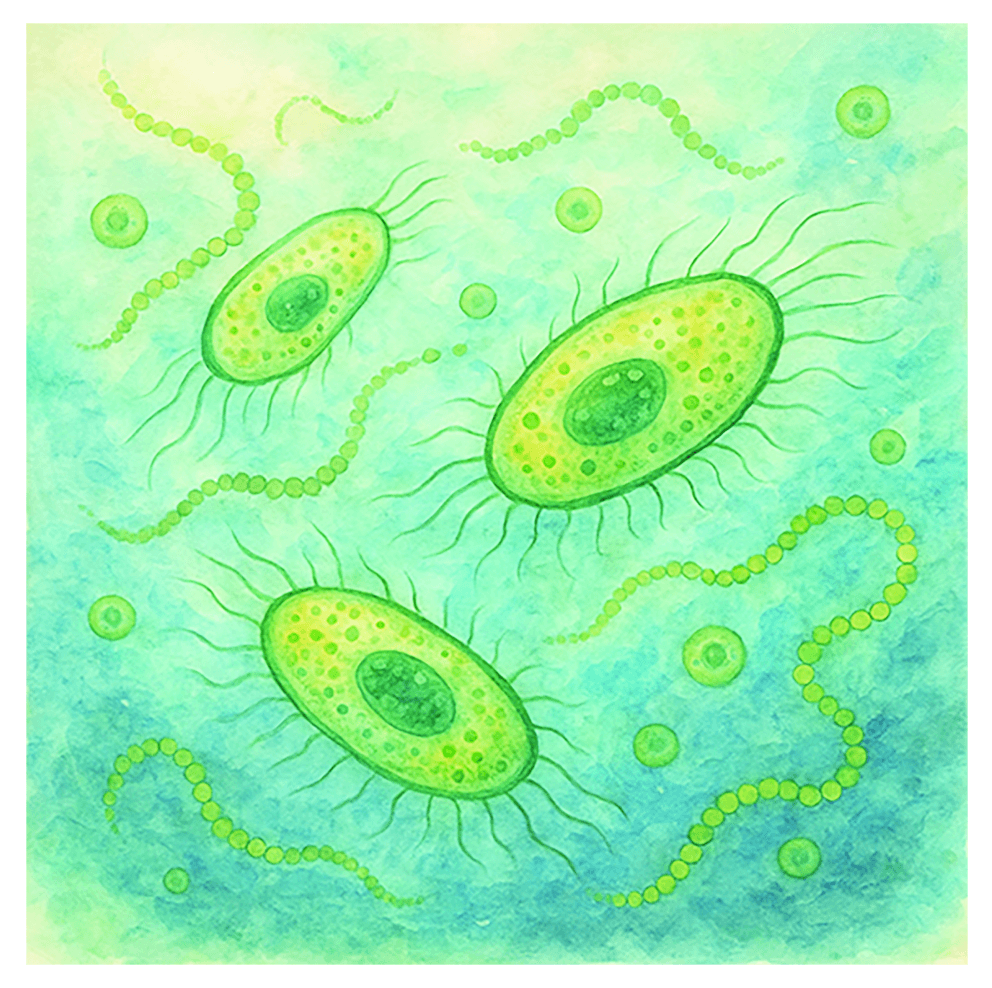
While all organisms possess a fundamental “will to survive,” animals were also gifted with “sentiments.”
すべての生物は共通して「生存欲求」を持っていますが、動物にはさらに「情感」が与えられました。
Among them, humans developed this ability most profoundly, leading to a rich capacity for emotional expression.
特に人間はこの情感を高度に発達させ、豊かな感情表現を生み出しました。
Fear, joy, sorrow, and love—these emotions evolved as intuitive tools to help us make survival decisions.
恐怖、喜び、悲しみ、愛情——これらの感情は、生存に必要な判断を直感的に行う力として進化してきました。
Eventually, humans created “logic” to regulate their sentiments and live more efficiently.
人間はやがて、情感を制御し、より効率的に生きるために「論理」を築きました。
Logic brought order and productivity—but when taken too far, it often served self-interest and disrupted harmony.
論理は秩序や効率をもたらしましたが、時として自己都合に偏り、調和を乱すこともありました。
To correct this imbalance, humanity awakened to “ethics” and moral sensibility.
こうした歪みを正すため、人類は「倫理」(道徳心)を芽生えさせました。
Survival instinct, sentiment, logic, and ethics—these four elements can be said to form the foundation of human harmony and progress.
生存欲求、情感、論理、倫理——調和と人類の真の発展には、これら四つが基本的要素だと言えます。
However, over the past 2,000 years of recorded history, the world has largely favored those who suppressed sentiment and prioritized logic.
しかし、人類は有史以来の約2000年間、情感を抑制し論理を発達させた民族が勝利する世界を築いてきました。

As a result, material civilization and science have advanced at an astonishing pace.
その結果として物質文明や科学技術は飛躍的に発展しました。
But at the same time, this imbalance gave rise to tragedies like war—where logic and strategy determine victory, not sentiment.
一方で戦争という悲劇も生み出しました。戦場では情感よりも論理的な戦略・戦術が勝敗を決するからです。
Today, there is no question that English is the most influential language in the world.
現在、世界で最も影響力のある言語は言うまでもなく英語です。
Highly logical in nature, English traces its roots to Proto-Indo-European, the ancestral language of many modern European tongues.
英語は論理性に優れ、「インド・ヨーロッパ祖語(印欧祖語)」を起源としています。
This ancient language is believed to have originated in the grasslands north of the Black Sea and west of the Caspian Sea.
この祖語が生まれたのは、黒海の北、カスピ海の西の草原地帯とされています。
The nomadic people who lived there mastered horses and wheels, and developed strong military power.
そこに暮らしていた遊牧民は馬と車輪を使いこなし、優れた戦闘能力を有していました。
Through conquest and migration, their language spread far and wide, becoming the foundation of many European languages we know today.
彼らの言葉は移動と征服によって広範囲に拡散し、現代のヨーロッパ諸語の源流となりました。
English, French, German, and most other European languages are descended from this Proto-Indo-European origin.
英語をはじめ、フランス語、ドイツ語など、今日のヨーロッパ言語の大半は、この「インド・ヨーロッパ祖語」を起源としています。
In contrast, Japanese is considered an isolated language, not belonging to any known language family.
一方、日本語はどの語族にも属さない「孤立言語」だと言われています。
As an island nation surrounded by sea, Japan remained relatively untouched by foreign invasions for centuries, allowing its people to cultivate a sentiment-rich way of life.
四方を海に囲まれた島国であったため、長らく外敵の侵略を免れ、情感豊かに暮らしてきました。
Even during the Age of Exploration, when Spain and Portugal posed colonial threats, Japan preserved its peaceful society through strong leadership and national seclusion policies.
大航海時代にスペインやポルトガルの脅威が迫った際にも、強力なリーダーシップのもとで鎖国政策を採用し、平穏な暮らしを維持しました。
Thanks to this, the Japanese language maintained a deep connection with nature and human sentiment, preserving a wealth of delicate and nuanced expressions.
その結果、日本語は自然や情感との深い結びつきを保ち、微妙で繊細な表現を豊富に残すことができたのです。
This article is from the December 2025 issue of Hiragana Times.
この記事は、月刊誌『ひらがなタイムズ』2025年8月号より掲載しています。
Related Posts



Information From Hiragana Times


Topics in Japan
-
![Japanese Minka—Homes Alive with Nature <br src=]() 自然の中で生きている日本民家" />
Japanese Minka—Homes Alive with Nature
自然の中で生きている日本民家" />
Japanese Minka—Homes Alive with Nature
自然の中で生きている日本民家 -
![The Man Who Chose Harmony in an Age of Blood | Prince Shōtoku <br src=]() 血の時代に、和を選んだ人 | 聖徳太子" />
The Man Who Chose Harmony in an Age of Blood | Prince Shōtoku
血の時代に、和を選んだ人 | 聖徳太子" />
The Man Who Chose Harmony in an Age of Blood | Prince Shōtoku
血の時代に、和を選んだ人 | 聖徳太子 -
![The Fish That Leads the Way into Autumn <br src=]() 秋の先頭を泳ぐ魚" />
The Fish That Leads the Way into Autumn
秋の先頭を泳ぐ魚" />
The Fish That Leads the Way into Autumn
秋の先頭を泳ぐ魚 -
![The House Has Ears, Eyes—and a Mouth <br src=]() 耳と目と口を持つ家" />
The House Has Ears, Eyes—and a Mouth
耳と目と口を持つ家" />
The House Has Ears, Eyes—and a Mouth
耳と目と口を持つ家 -
![Words the Home Holds <br src=]() 家がつつむ言の葉" />
Words the Home Holds
家がつつむ言の葉" />
Words the Home Holds
家がつつむ言の葉
 自然の中で生きている日本民家" />
 血の時代に、和を選んだ人 | 聖徳太子" />
 秋の先頭を泳ぐ魚" />
 耳と目と口を持つ家" />
 家がつつむ言の葉" />

