-
[Japan Savvy – October 2025 Issue]
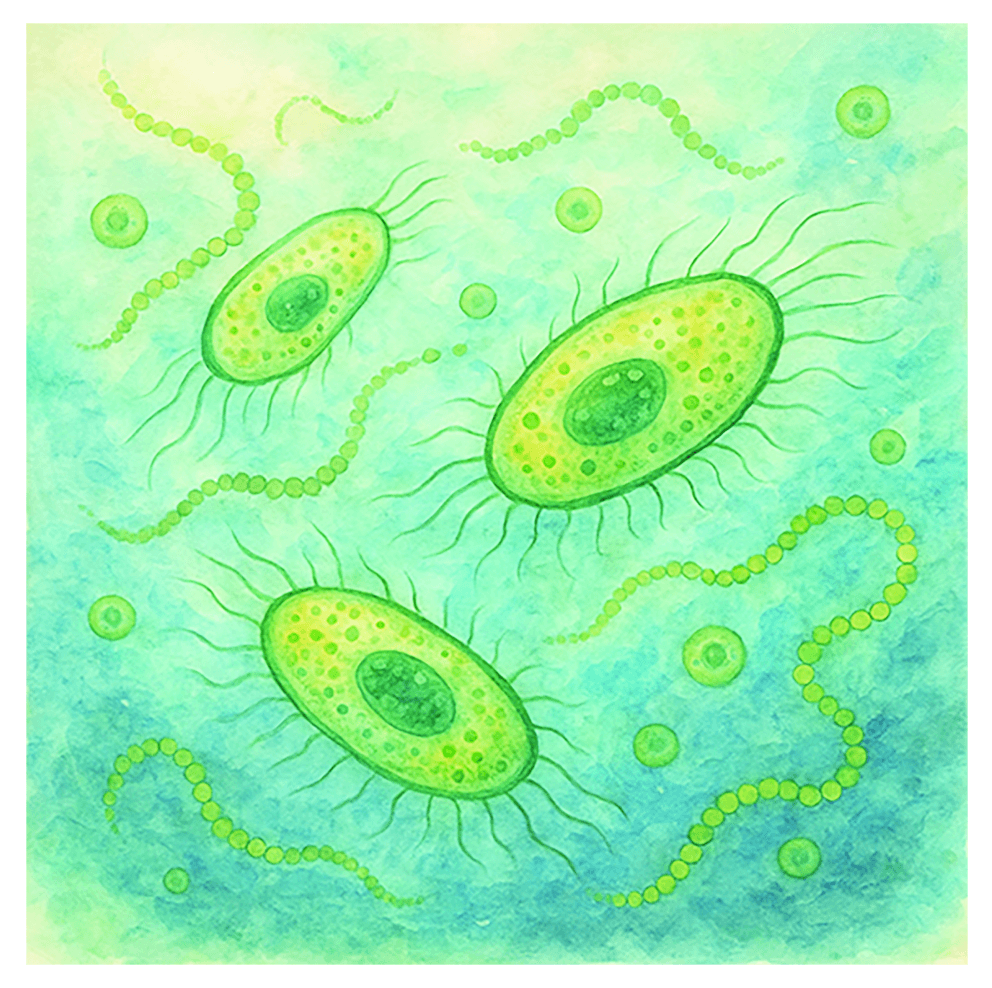
Japan’s Food Culture Living with Microorganisms
—Flavors and Traditions Nurtured by Fermentation
菌と生きる日本の食文化 ― 発酵が育む味と伝統Speaking of autumn, it is the season of harvest. Overcoming the heat, various crops reach their peak of harvesting.
秋といえば、実りの季節。暑さを乗り越えて、様々な作物が収穫のピークを迎えます。
In the era without refrigerators, the Japanese devised many ways to preserve these precious harvests for a long time.
冷蔵庫のない時代、この貴重な収穫物を長期保存するために、日本では様々な工夫がされてきました。
The representative among them is “fermentation.” By using the power of microorganisms to preserve and transform ingredients, people created unique fermented foods such as miso, soy sauce, and natto.
その代表格が「発酵」です。菌の力で食材を保存・変化させ、味噌や醤油、納豆といった独自の発酵食品を生み出しました。
Japanese fermentation culture goes back to the Jomon period, and it is said that people at that time preserved nuts and fish by salting them.
日本の発酵文化は縄文時代までさかのぼり、当時の人々は木の実や魚を塩漬けにして保存していたと伝えられています。
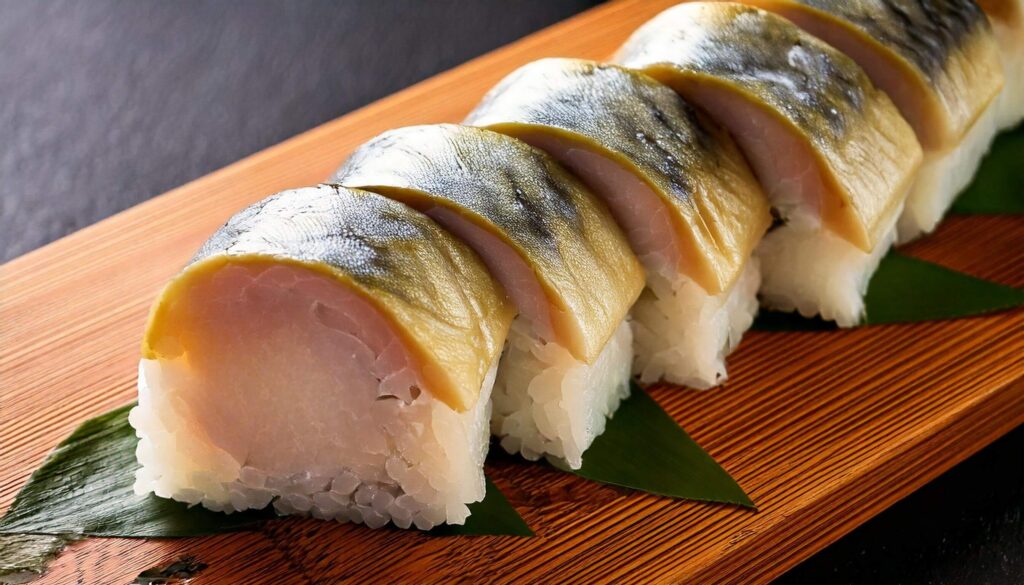
Sushi, a representative of Japanese food, also began when the technique of fermenting fish with rice was introduced along with rice cultivation.
日本食の代表・寿司も、魚を米と発酵させる技法が稲作とともに伝わったことに始まります。
The humid climate of Japan accepted this technique and became soil that further nurtured fermentation culture.
湿度の高い日本の風土は、この技法を受け入れ、発酵文化をさらに育む土壌となったのです。
The people of ancient times may have been making use of the mysterious power of microorganisms in their lives, while conversing with them.
古代の人々は、菌と対話しながら、その神秘的な力を暮らしに生かしていたのかもしれません。

”Warm Up ウォームアップ”hakko JapaNEEDS
Useful words- 実り(みのり)-harvest, fruitful
- 乗り越える(のりこえる)-overcome
- 冷蔵庫(れいぞうこ)-refrigerator
- 保存(ほぞん)-preserve, keep
- 発酵(はっこう)-fermentation
- 菌(きん)-microorganisms, bacteria
- 塩漬け(しおづけ)-pickling in salt
- 湿度(しつど)-humidity
- 風土(ふうど)-climate
- 土壌(どじょう)-soil
- 古代(こだい)-ancient times
- 対話(たいわ)-dialogue, conversation
- 神秘的(しんぴてき)-mysterious
Ice Breaker Questions
What is your favorite Japanese food? Please also tell us the reason.
好きな日本の食べ物は何ですか?理由も教えてください。
Speaking of fermented foods, what comes to your mind?
発酵食品といえば、何を思い浮かべますか?
What kinds of fermented foods are there in your country?
あなたの国の発酵食品にはどんなものがありますか?
If you were to make fermented food yourself, what would you like to try?
もし自分で発酵食品を作るとしたら、何に挑戦してみたいですか?
When you eat fermented foods, what effects do you think they have on the body and health?
発酵食品を食べると、体や健康にどんな効果があると思いますか?
”Work Up ワークアップ”hakko Discussion
Vanessa: Japanese food really does have a healthy image, doesn’t it?
ヴァネッサ:日本食って、やっぱり健康的なイメージがありますよね。
Will: Especially natto! It seems that in the Jomon period too, they ate something like natto.
ウィル:特に納豆!縄文時代にも納豆みたいなものを食べてたらしいですよ。
Jose: Really? That stickiness existed since ancient times?
ホセ:本当ですか?あのネバネバ、古代からあったんですか!
Mayumi: That stickiness comes from natto bacteria. In the human intestine, there are tens of trillions of other bacteria that keep us healthy.
まゆみ:そのネバネバは納豆菌。人間の腸内には、他にも何十兆もの菌がいて、私たちの健康を保っているんですよ。
Vanessa: That many!? Then our bodies are like a “planet” of bacteria?
ヴァネッサ:そんなに!?じゃあ私たちの体って、菌たちの「惑星」みたいなもの?
Will: And bacteria were on Earth long before humans. Depending on how you think, maybe humans exist for the sake of bacteria.
ウィル:しかも菌は人間よりずっと前から地球にいたんです。考えようによっては、人間のほうが菌のために存在してるのかもしれませんね。
Jose: People in the old days must have felt that firsthand and lived while respecting the power of bacteria.
ホセ:昔の人はそれを肌で感じて、菌の力を尊びながら生きてきたんでしょうね。
Mayumi: In Japan, by borrowing the power of bacteria, they made miso, soy sauce, and pickles, and by eating them, they gave “food” to the bacteria inside the body. Koji mold was even designated the “national fungus” in 2006.
まゆみ:日本では、菌の力を借りて味噌や醤油、漬物を作り、それを食べることで体内の菌に「餌」を与えてきたんです。麹菌なんて2006年には「国菌」に認定されましたよ。
Vanessa: Not a national treasure, but a national fungus!
ヴァネッサ:国宝ならぬ国菌!ですね(笑)
Will: Modern people… even though it’s the same “kin,” they only think about “金 (gold).”
ウィル:現代人は…同じ「キン」でも「金」のほうばかり考えてますね。
Jose: Hahaha! And the “kin” in the wallet doesn’t grow at all!
ホセ:あはは!しかも財布の「キン」は全然育たない(笑)
”Wrap Up ラップアップ”hakko Knowledge
Fermented foods are the wisdom of preservation in the era without refrigerators, and they also enhance nutrition and umami.
発酵食品は、冷蔵庫のない時代の保存の知恵であり、栄養やうま味も高めてくれます。
It is said that sake had already been made since the Yayoi period, but the oldest record is from the Nara period, describing “sake made from koji =mold grown on rice.”
日本酒は弥生時代から造られていたとされますが、奈良時代の記録にある「ご飯に生えたカビ=麹で造った酒」が最古の記録です。
In the Edo period, fermentation techniqu
es advanced, the method of making sake close to today’s form was established, and soy sauce and miso also spread to the tables of ordinary people.
江戸時代には発酵技術が進み、今に近い日本酒の製法が整うとともに、醤油や味噌も庶民の食卓に広がりました。
Among dried bonito, known as the hardest food in the world, the highest grade “honkarebushi” is a fermented food.
世界一かたい食品として知られる鰹節の中でも、最高級の「本枯節」は発酵食品です。
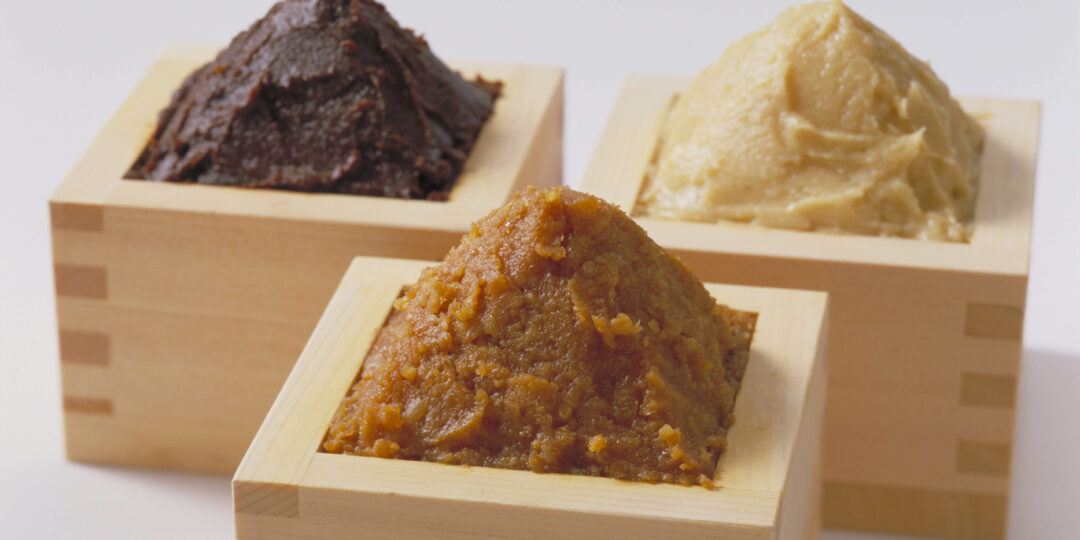
Soy sauce, miso, and vinegar are called the “three great fermented seasonings.”
醤油・味噌・お酢は「三大発酵調味料」と呼ばれています。
For the main player of fermentation, “koji,” there are both “麹”, and the unique Japanese character “糀” named because the white hyphae on rice look like flowers.
発酵の主役「こうじ」には「麹
」と日本独自の字「糀」があり、米に白い菌糸が花のように見えることから名付けられました。
Fermentation reflects the climate of the land and created unique flavors in each region, such as Akita’s “iburigakko,” Tokyo’s “kusaya,” and Ibaraki’s “Mito natto.”
発酵は土地の風土を映し取り、秋田の「いぶりがっこ」、東京の「くさや」、茨城の「水戸納豆」など、地域ごとの独自の味を生みました。
Miso also differs by region, with rice miso, barley miso, and soybean miso, and further differences such as sweet or salty taste.
味噌も地域ごとに米味噌・麦味噌・豆味噌があり、さらに甘口や辛口といった味の違いがあります。
Today, with the rise of health consciousness, more people are making fermented foods themselves, such as miso and nukazuke.
現在、健康志向の高まりから、味噌やぬか漬けなど発酵食品を自分で手作りする人も増えています。
This article is from the October 2025 issue of Hiragana Times.
この記事は、月刊誌『ひらがなタイムズ』2025年10月号より掲載しています。
-
[Pros and Cons with Insights / 賛否と洞察] – October 2025 Issue]
80 Years Postwar: Should We Speak of ‘Reflection’?
戦後80年、「反省」を語るべきか?Background | 背景:
The Prime Minister’s statement, which expresses ‘reflection’ and ‘apology’ every 10 years on the anniversary of the end of the war, has become a custom.
終戦記念日に10年ごと、「反省」と「お詫び」を述べる総理談話が慣習となっている。
This year, the 80th anniversary of the war’s end, a debate arose over the pros and cons of its continuation.
戦後80年の今年、その継続の是非をめぐって議論が起きた。
Pros | 賛成:
For the sake of future peace, words of ‘reflection’ should be presented as the Prime Minister’s statement.
未来の平和のためにも、「反省」の言葉を総理の談話として示すべきだ。
Cons | 反対:
Why must Japan alone continue to apologize repeatedly? The ‘statements’ are already unnecessary.
なぜ日本だけが繰り返し謝罪し続けねばならないのか。「談話」はもはや不要だ。
Insight | 洞察:
‘To apologize, or not to apologize.’ ‘To state reflection, or not to state.’
「謝罪する、しない」「反省を述べる、述べない」。
Before questioning that dualism, isn’t ‘gratitude’ towards our predecessors what we should first confront?
その二元論を問う前に、私たちがまず向き合うべきは、先人たちへの「感謝」ではないだろうか。
After the defeat, while holding feelings of remorse, they chose the path of rebirth, not revenge.
敗戦後、彼らは忸怩たる思いを抱えながらも、復讐ではなく再生の道を選んだ。
They accepted American values, absorbed capitalism, and accomplished the ‘miracle’ of high economic growth.
アメリカの価値観を受け入れ、資本主義を吸収し、高度経済成長という”奇跡”を成し遂げた。
That progress was also the very essence of a deep ‘reflec- tion, shown not by ‘statements’ but by actions
その歩みは、「談話」ではなく行動で示された、深い「反省」そのものでもあった。
Now that 80 years have passed, would they be wishing for us to repeat the back-and-forth of ‘who was wrong’?
80年の歳月が流れた今、「どちらが悪いか」といった応酬を繰り返すことを、彼らは望んでいるだろうか?
People from the Middle East, where conflict continues even now, sometimes ask, ‘Why do Japanese people have no desire for revenge against America?”
今も争いが続く中東の人が「なぜ日本人はアメリカへの復讐心がないのか」と問うときがある。
Many Japanese people would probably answer as follows.
多くの日本人はこう答えるだろう。
What will we leave for our descendants if we take revenge? Our ancestors departed, shouldering everything themselves, in order not to pass down their anger and sadness to their descendants.
「復讐して子孫に何を残すのか?私たちの祖先は、子孫に怒りや悲しみを引き継がせないために、すべてを背負って旅立って行ったのです。」
This article is from the October 2025 issue of Hiragana Times.
この記事は、月刊誌『ひらがなタイムズ』2025年10月号より掲載しています。
-
[Close up Japan – October 2025 Issue]
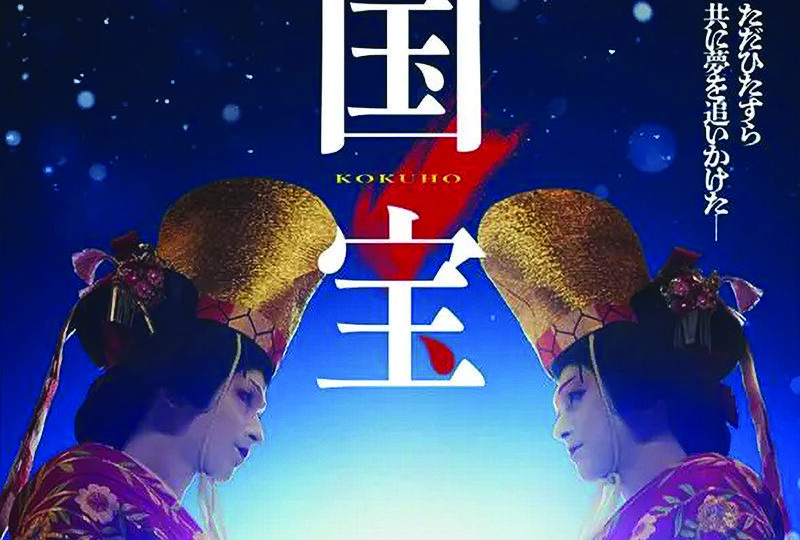
The Much-Talked-About Film Kokuho —— The World of Kabuki Where Art and Blood Intersect
話題の映画『国宝』 —— 芸と血が交差する歌舞伎の世界The film ‘Kokuho,’ which depicts the life story of a Kabuki actor, is a hot topic.
歌舞伎役者の一代記を描いた映画『国宝』が話題です。
The box office revenue surpassed 10 billion yen, and it became a magnificent achievement—the first for a live-action film in 22 years—in a recent era dominated by anime.
興行収入は100億円を突破し、アニメ作品が優勢な近年、実写映画としては22年ぶりの快挙となりました。
Despite being a long film of 3 hours, this work is captivating audiences with an entertaining quality that makes one forget the time.
本作は3時間という長尺ながら、時間を忘れる面白さで観客を惹きつけています。
The original author, Shuichi Yoshida, went backstage for three years for his writing and thoroughly experienced the world of Kabuki.
原作者・吉田修一氏は、執筆のため3年間舞台裏に通い、歌舞伎の世界を徹底的に経験しました。
Also, what supported the film’s high quality was the training that the busy actors repeated over approximately a year and a half.
また、映画の完成度を支えたのは、多忙な役者たちが約1年半にわたり重ねた鍛錬。
That accumulated effort extends even to their bearing and gaze, and reproduces the stylistic beauty of Kabuki.
その積み重ねは立ち居振る舞いや視線にまで及び、歌舞伎の様式美を再現しています。
What is at the center of the story is the world of Kabuki, where blood relations and art intricately intertwine.
物語の中心にあるのは、血縁と芸が複雑に絡み合う歌舞伎の世界です。
Kabuki is a hereditary traditional art, and being born into a prestigious family is a privilege and is also a heavy destiny.
歌舞伎は世襲制の伝統芸能で、名門に生まれることは特権であり重い宿命でもあります。
On the other hand, for those without the bloodline, a high wall stands in the way, even if they have talent.
一方で、血筋を持たない者には、才能があっても高い壁が立ちはだかります。
‘Kokuho’ brings human anguish and passion to the surface, as people who bear the burden of art and blood intersect with one another.
『国宝』は、芸と血を背負う人々が交差し合いながら、人間の苦悩と情熱を浮かび上がらせます。
The director is Mr. Lee Sang-il, who has lived in Japanese society as a Zainichi Korean.
監督は在日韓国人として日本社会を生きてきた李相日氏。
The figure of the protagonist, who dives into the Kabuki world with talent as his weapon, also overlaps with the experiences of the director himself, who is successful in the Japanese film industry.
才能を武器に歌舞伎界に飛び込む主人公の姿は、日本の映画界で活躍する監督自身の体験とも重なります。
In Kabuki, the ‘onnagata’—men who play female roles—was established in the 17th century, as a result of the Edo shogunate banning women from the stage.
歌舞伎は17世紀、江戸幕府が女性を舞台から排除したことで、男性が女性を演じる「女形」が確立されました。
While being a story about actors, this film is also a rare work that reflects the uniqueness of Japanese traditional performing arts.
本作は、役者の物語であると同時に、日本の伝統芸能の独自性を映し出す稀有な作品です。
This article is from the October 2025 issue of Hiragana Times.
この記事は、月刊誌『ひらがなタイムズ』2025年10月号より掲載しています。
-
[New Expressions & Buzzwords – October 2025 Issue]
エモい | Emotional
🥹 エモい
🗣️ pronounced: Emoi
🖊️ definition: Emotional
It is a word used when one is deeply moved and experiences “a feeling that is hard to put into words.”
強く感情を揺さぶられ、「言葉にしづらい気持ち」になったときに使う言葉です。
For example, “Today’s sunset is emoi,” it is used for things that strongly touch the heart, such as feelings of being moved, nostalgia, or bittersweetness.
「今日の夕焼け、エモい」のように、感動・懐かしさ・切なさなど、心にグッときたものに使われます。
Its origin comes from the English word emotional.
語源は英語の emotional です。
This article is from the October 2025 issue of Hiragana Times.
この記事は、月刊誌『ひらがなタイムズ』2025年10月号より掲載しています。
-
[News Review – October 2025 Issue]
How should it be used for the future? The Expo Symbol “Grand Ring”
未来へどう活かす? 万博のシンボル「大屋根リング」The Osaka-Kansai Expo, which began in April, will reach its final day on October 13.
4月に始まった大阪・関西万博は、10月13日に最終日を迎えます。
Discussions are now underway on how the venue will be reused.
今、会場をどのように再利用するか、議論が行われています。
Among the ideas, particular attention is on the “Grand Ring.”
中でも注目されているのが「大屋根リング」。
It is the symbol of this Expo, with a circumference of about 2 kilometers.
今回の万博のシンボルであり、一周の大きさは約2キロです。
This Grand Ring has been recognized by Guinness World Records as “the world’s largest wooden architectural structure.”
この大屋根リングは「世界最大の木造建築物」として、ギネス世界記録にも認定されました。
After the Expo, considerations are underway with the aim of leaving part of it in a form people can climb.
万博後は、一部を人が登れる形で残すことを目指して、検討が進められています。
However, there are also voices calling for the entire structure to remain, and attention is focusing on its future.
しかし、全部を残してほしいという声もあり、その行方に注目が集まっています。
This article is from the October 2025 issue of Hiragana Times.
この記事は、月刊誌『ひらがなタイムズ』2025年10月号より掲載しています。
-
[Cover story – October 2025 Issue]
The Autumn Light Rises Again — Memories of Osaka Expo and Cosmos Flowers
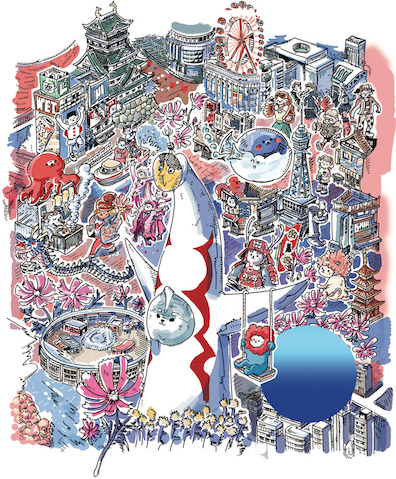
秋の光、再び空へ――大阪万博とコスモスの記憶Featured on this month’s cover is Osaka, the city of the World Expo. Towering in the center is the “Tower of the Sun,” a symbolic structure built for the 1970 Osaka Expo — the first World Exposition held in Japan.
今号のカバーに描かれているのは、万博の街・大阪。中央にそびえるのは、1970年に開催された日本初の万国博覧会「大阪万博」のシンボルとして建てられた「太陽の塔」です。
Created by artist Taro Okamoto, the tower embodied the Expo’s theme, “Progress and Harmony for Mankind.” Its three symbolic faces — past, present, and future — left a lasting impact. Even after 50 years, it still rises like a symbol of Earth’s raw energy.
この塔は、芸術家・岡本太郎が「人類の進歩と調和」をテーマに制作。太古・現代・未来の三つの顔をもつその斬新なデザインは、人々に強烈な印象を与えました。50年以上の時を経た今も、大地のエネルギーの象徴として空を見上げています。
In 2025, Osaka once again plays host to the World Expo. As the event approaches its final day on October 13, the “Expo Commemorative Park” beneath the tower comes alive with a vibrant display of seasonal flowers.
今年2025年、大阪では再び万博が開催されています。その最終日となる10月13日を前に、塔のふもとに広がる「万博記念公園」では、秋を彩る花々が見ごろを迎えています。
Among them, the cosmos — this issue’s featured “Ibuki” flower — takes center stage.
In the “Hill of Flowers” area, some 140,000 cosmos bloom each year from early to late October, their pink, white, and red petals dancing gently in the autumn breeze.なかでも「いぶき」コーナーで特集している花、コスモスは、この季節の主役。園内の「花の丘」には、例年14万本ものコスモスが咲き誇り、ピンク、白、赤の花が風に揺れて、秋空をやさしく彩ります。
Surrounding the scene are Osaka’s beloved landmarks — Tsutenkaku Tower, Dotonbori, Osaka Castle — all adding rich layers of Kansai’s bold and colorful culture.
周囲には、通天閣や道頓堀、大阪城など、個性あふれる大阪の名所も数多く描かれ、ユニークで力強い関西の文化がにじみ出ています。
The Tower of the Sun, once built to dream of the future, continues to shine upon those who look skyward. At its base, the cosmos flowers whisper quietly of life’s resilient breath — gentle yet enduring.
かつて未来を夢見て建てられた太陽の塔は、今も空を見上げる私たちを照らし続けています。 そのふもとに咲くコスモスの花々は、小さくも確かな、命のいぶきを伝えてくれます。
This article is from the October 2025 issue of Hiragana Times.
この記事は、月刊誌『ひらがなタイムズ』2025年10月号より掲載しています。
-
Japanese is an isolated language born from a ‘Galapagos culture.’
日本語は、「ガラパゴス文化」から生まれた孤立言語。
Japanese is an isolated language that developed independently in an island nation located at the edge of the Eurasian continent. This language, with its unparalleled complexity, can express even the subtlest nuances.
日本語は、ユーラシア大陸の端に位置する島国で独自に発展してきた孤立言語です。その言語は、世界に類を見ない複雑さにより、微妙なニュアンスまで表現できる言語となっています。
Japan, while being an advanced country, has a unique traditional culture woven into daily life. This culture is not only deeply tied to the Japanese language, but it is also no exaggeration to say that the language itself has nurtured the culture.
日本は先進国でありながら、日常生活にユニークな伝統文化が息づいています。そして、この文化は日本語と深く結びついているだけでなく、日本語そのものが文化を育んでいるといっても過言ではありません。
In recent years, many earthenware artifacts dating back around 15,000 years have been discovered in Japan, archaeologically proving that civilization existed at that time. This has led to the perspective that Japan should be classified as an “isolated civilization,” distinct from Chinese civilization.
近年、日本では1万5千年前後の土器が多く見つかり、当時から文明が存在していたことが考古学的に証明されました。これにより、日本は中華文明に含まれない「孤立文明」として分類される見方が生まれました。
What is even more intriguing is that no weapons have been found among the excavated items. It is believed that Japan enjoyed over 10,000 years of peace, which may have influenced the character of the Japanese people.
さらに興味深いのは、出土品から武器がまったく発見されていないことです。当時の日本は1万年以上の平和が続いていたと考えられ、それが日本人の性格形成に影響を与えたのではないかと推測されています。
Even in modern Japan, unique cultural practices exist. For example, there are spotless public facilities with no litter, a rich food culture that incorporates dishes from various countries, trains that run on time, elementary school children going to school by themselves, safe streets where people can walk at night, and moral behaviors such as turning in a lost wallet to the police instead of keeping it for oneself.
現代の日本でも、独特な文化が存在します。例えば、ごみのない清潔な公共施設、各国の料理を取り入れた豊かな食文化、時刻通りに走る電車、子どもだけで学校に通う小学生、夜中でも出歩ける治安の良さ、そして、財布を拾っても自分のものにすることなく派出所等に届けるといったモラルある行動などが挙げられます。
Could it be that these cultures and morals have been created, nurtured, and preserved by the Japanese people? We believe that the existence of the Japanese language plays a significant role. Just as a program is installed in a computer, the thoughts and sensibilities of those born and living in Japan are ingrained in them.
こうした文化やモラルが今も失われずにあるのは、いずれも日本人が生み出し、育み、守り続けてきたからでしょうか?私たちは、「日本語」の存在が大きいと考えています。コンピュータにプログラムがインストールされているように、日本という国に生まれ、生きる人々の思考や感覚に組み込まれているのです。
Many tourists who come to Japan from abroad are moved by its food culture and express a desire to live in Japan. We often hear them say that after arriving, they feel their hearts have become calmer, touched by the politeness and courtesy of the Japanese, even when buying something as small as a single juice.
海外から日本にやって来る多くの観光客は、日本の食文化に感動し、日本に住みたいと言います。たった1本のジュースを買う時でさえ丁寧で礼儀正しく対応する日本人に触れ、日本に来てから心が穏やかになったという声もまた、よく聞かれます。
We see the Japanese language, which lies at the foundation of Japanese culture, not merely as a communication tool but as a profound traditional art form, akin to the tea ceremony, flower arrangement, judo, and kendo. This is what we call “Nihongo-do” (The Way of the Japanese Language).
私たちは、日本文化の根底にある日本語を、単なるコミュニケーションツールではなく、茶道や華道、柔道、剣道と同じく、奥深い日本の伝統文化として捉えています。それが「日本語道」です。
Through this Nihongo-do section, we hope to share Japanese culture with people worldwide.
この日本語道のコーナーを通し、世界中の人々と日本文化を分かち合って行きたいと思います。
By stepping into Nihongo-do today, you become a “Nihongo-jin.”
日本語道に足を踏み出すあなたは今日から「日本語人」です。
Let’s begin! | さあ、始めましょう!
Nihongo-do Content | 日本語道コンテンツ
■ 言波 [コトハ / Kotoha ~ Voice Wave]
Even when the same words are spoken, the way they are conveyed changes depending on the atmosphere in which they are expressed. Words seem to have “waves,” like frequencies. Beneath the surface of these waves, there must be something like a heartbeat that creates the waves. This is the “heart,” and in Japan, we call it “Kotodama” (the spirit of words).
同じ言葉を発しても、発する際の雰囲気によって伝わり方が変わります。言葉にはまるで周波数のような「波」が存在しているかのようです。また、「波」が生まれる奥底には、その波を生み出す鼓動のようなものがあるはずです。それが「心」であり、日本ではこれを「コトタマ(言霊)」と呼びます。
■ 言葉 [コトノハ / Kotonoha ~ Voice Leaves]
Words are like leaves on a tree. They are colored by people’s thoughts and emotions, and they are carried to others. The reason the character for “leaf” is used in the word “kotoba” (words) is believed to be connected to the Japanese reverence for nature. Japan’s oldest poetry collection is also titled “Manyoshu” (Collection of Ten Thousand Leaves).
言葉はまるで木の葉のようです。人の心や考えに色づけられ、他者へと伝わっていきます。「ことば」に「葉」という漢字を当てた背景には、日本人の自然崇拝が関係していると考えられます。日本最古の歌集も『万葉集』と名付けられています。
■ 言技[コトワザ Kotowaza ~ Voice Art]
The so-called “proverbs” are written as “諺” (kotowaza). Here, however, we will introduce not only proverbs in their traditional sense but also teachings from “The Analects of Confucius,” waka poetry, and even modern expressions, all of which are practical blends of “voice waves” and “voice leaves” in daily life. These words, which foster human sensibilities, are what we call “voice art” (kotowaza).いわゆる「ことわざ」は「諺」と書きます。ここでは本来の意味での「諺」にとどまらず、論語、和歌、さらには現代口語表現まで、人々の生活の中で「言波」と「言葉」が自由闊達[かったつ]に融合し実生活に活用され、人々の感性を育てている言葉のアート(言技)として紹介していきます。
-
Tracing the Memory of Sentiment — The Role of World Languages and Japanese
情感の記憶を辿るーー世界の言語と日本語の役割 [前半]
About 4.6 billion years ago, the Earth was born. Then, roughly 600 million years later, life emerged in the ocean.
46億年前に地球が誕生し、その後約6億年を経て生命が海で誕生しました。
All living creatures, including us humans, share a common origin in this primitive form of life.
私たち人間を含むすべての生物は、この原始生命を共通の起源としています。
While all organisms possess a fundamental “will to survive,” animals were also gifted with “sentiments.”
すべての生物は共通して「生存欲求」を持っていますが、動物にはさらに「情感」が与えられました。
Among them, humans developed this ability most profoundly, leading to a rich capacity for emotional expression.
特に人間はこの情感を高度に発達させ、豊かな感情表現を生み出しました。
Fear, joy, sorrow, and love—these emotions evolved as intuitive tools to help us make survival decisions.
恐怖、喜び、悲しみ、愛情——これらの感情は、生存に必要な判断を直感的に行う力として進化してきました。
Eventually, humans created “logic” to regulate their sentiments and live more efficiently.
人間はやがて、情感を制御し、より効率的に生きるために「論理」を築きました。
Logic brought order and productivity—but when taken too far, it often served self-interest and disrupted harmony.
論理は秩序や効率をもたらしましたが、時として自己都合に偏り、調和を乱すこともありました。
To correct this imbalance, humanity awakened to “ethics” and moral sensibility.
こうした歪みを正すため、人類は「倫理」(道徳心)を芽生えさせました。
Survival instinct, sentiment, logic, and ethics—these four elements can be said to form the foundation of human harmony and progress.
生存欲求、情感、論理、倫理——調和と人類の真の発展には、これら四つが基本的要素だと言えます。
However, over the past 2,000 years of recorded history, the world has largely favored those who suppressed sentiment and prioritized logic.
しかし、人類は有史以来の約2000年間、情感を抑制し論理を発達させた民族が勝利する世界を築いてきました。
As a result, material civilization and science have advanced at an astonishing pace.
その結果として物質文明や科学技術は飛躍的に発展しました。
But at the same time, this imbalance gave rise to tragedies like war—where logic and strategy determine victory, not sentiment.
一方で戦争という悲劇も生み出しました。戦場では情感よりも論理的な戦略・戦術が勝敗を決するからです。
Today, there is no question that English is the most influential language in the world.
現在、世界で最も影響力のある言語は言うまでもなく英語です。
Highly logical in nature, English traces its roots to Proto-Indo-European, the ancestral language of many modern European tongues.
英語は論理性に優れ、「インド・ヨーロッパ祖語(印欧祖語)」を起源としています。
This ancient language is believed to have originated in the grasslands north of the Black Sea and west of the Caspian Sea.
この祖語が生まれたのは、黒海の北、カスピ海の西の草原地帯とされています。
The nomadic people who lived there mastered horses and wheels, and developed strong military power.
そこに暮らしていた遊牧民は馬と車輪を使いこなし、優れた戦闘能力を有していました。
Through conquest and migration, their language spread far and wide, becoming the foundation of many European languages we know today.
彼らの言葉は移動と征服によって広範囲に拡散し、現代のヨーロッパ諸語の源流となりました。
English, French, German, and most other European languages are descended from this Proto-Indo-European origin.
英語をはじめ、フランス語、ドイツ語など、今日のヨーロッパ言語の大半は、この「インド・ヨーロッパ祖語」を起源としています。
In contrast, Japanese is considered an isolated language, not belonging to any known language family.
一方、日本語はどの語族にも属さない「孤立言語」だと言われています。
As an island nation surrounded by sea, Japan remained relatively untouched by foreign invasions for centuries, allowing its people to cultivate a sentiment-rich way of life.
四方を海に囲まれた島国であったため、長らく外敵の侵略を免れ、情感豊かに暮らしてきました。
Even during the Age of Exploration, when Spain and Portugal posed colonial threats, Japan preserved its peaceful society through strong leadership and national seclusion policies.
大航海時代にスペインやポルトガルの脅威が迫った際にも、強力なリーダーシップのもとで鎖国政策を採用し、平穏な暮らしを維持しました。
Thanks to this, the Japanese language maintained a deep connection with nature and human sentiment, preserving a wealth of delicate and nuanced expressions.
その結果、日本語は自然や情感との深い結びつきを保ち、微妙で繊細な表現を豊富に残すことができたのです。
This article is from the December 2025 issue of Hiragana Times.
この記事は、月刊誌『ひらがなタイムズ』2025年8月号より掲載しています。
-
[JAPAN MAZE | 迷宮ニホン – September 2025 Issue]
You may understand the words, but still get lost in communication. This corner takes you on a fun journey through the maze of Japanese language and culture with four-panel manga. Unlocking the punchline is the key — it reveals the essence of Japanese expression and leads you to the exit, with a smile and a fresh insight.
言葉の意味はわかるのに、なぜか通じない――。日本語と日本文化の迷宮を、4コマ漫画で楽しく探検するコーナーです。“オチ”を読み解けば、日本語の本質が見えてくる。迷宮の出口には、気づきと笑いが待っています。
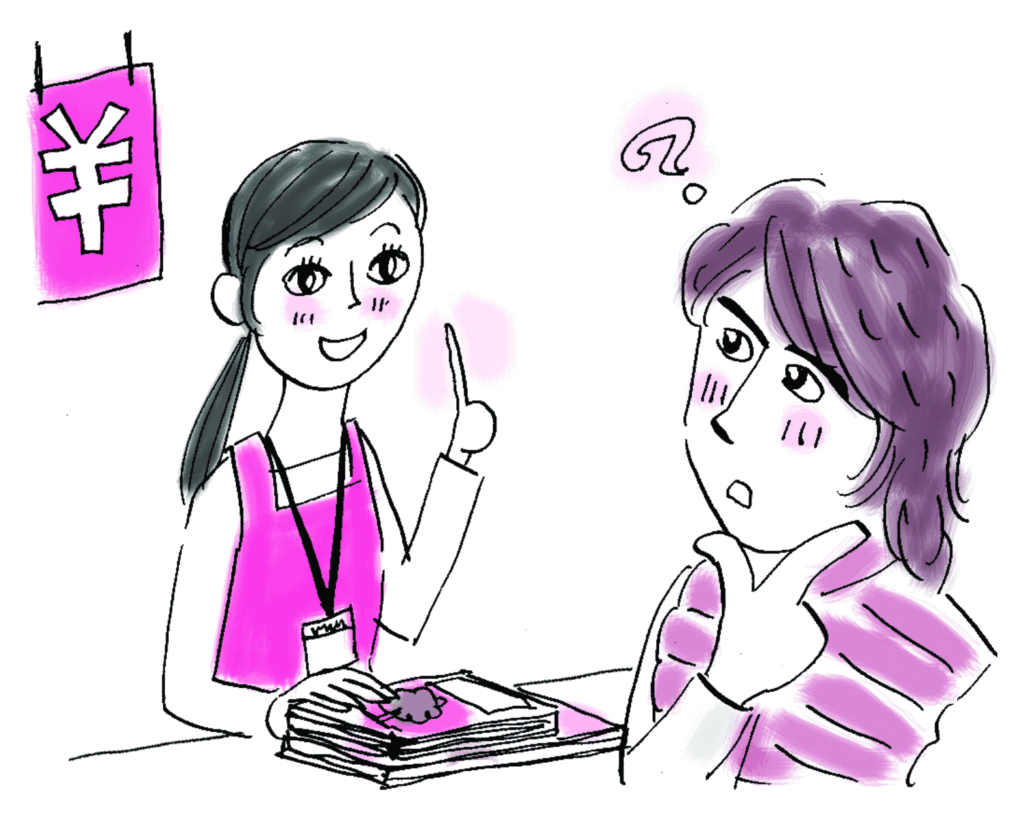
日本を買いたい。| I want to buy Japan.
Scene 1
ティム: ニホン、クレジットカードで買えますか。
Tim: Can I buy ‘nihon’ (two books) with my credit card?
ユリ: え!日本を買うんですか。
Yuri: Wow! You want to buy Japan?
Scene 2
ティム: ツーブックスだから2本でしょう。おかしいですか。
Tim: Two books, so that’s ‘nihon’, am I wrong?
ユリ: 本は冊をつけて数えます。 たとえば、1冊、2冊と。
Yuri: Books are counted by adding “satsu”, for example: ‘issatsu’, ‘nisatsu’.
Scene 3
ティム: ホンと?
Tim: ‘Honto’ (Really)?
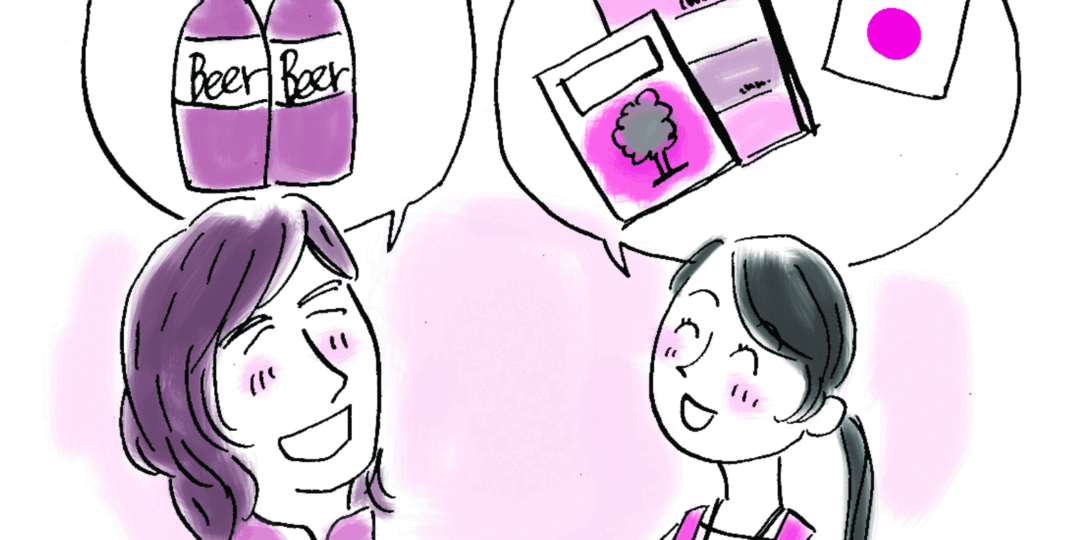
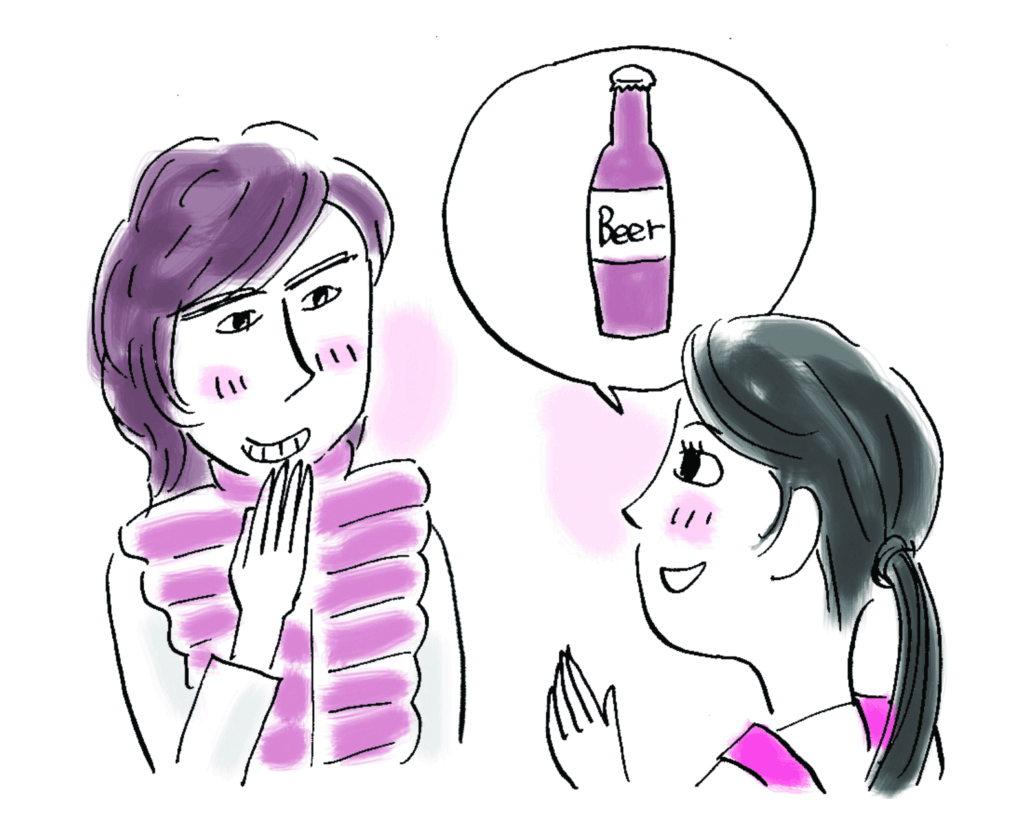
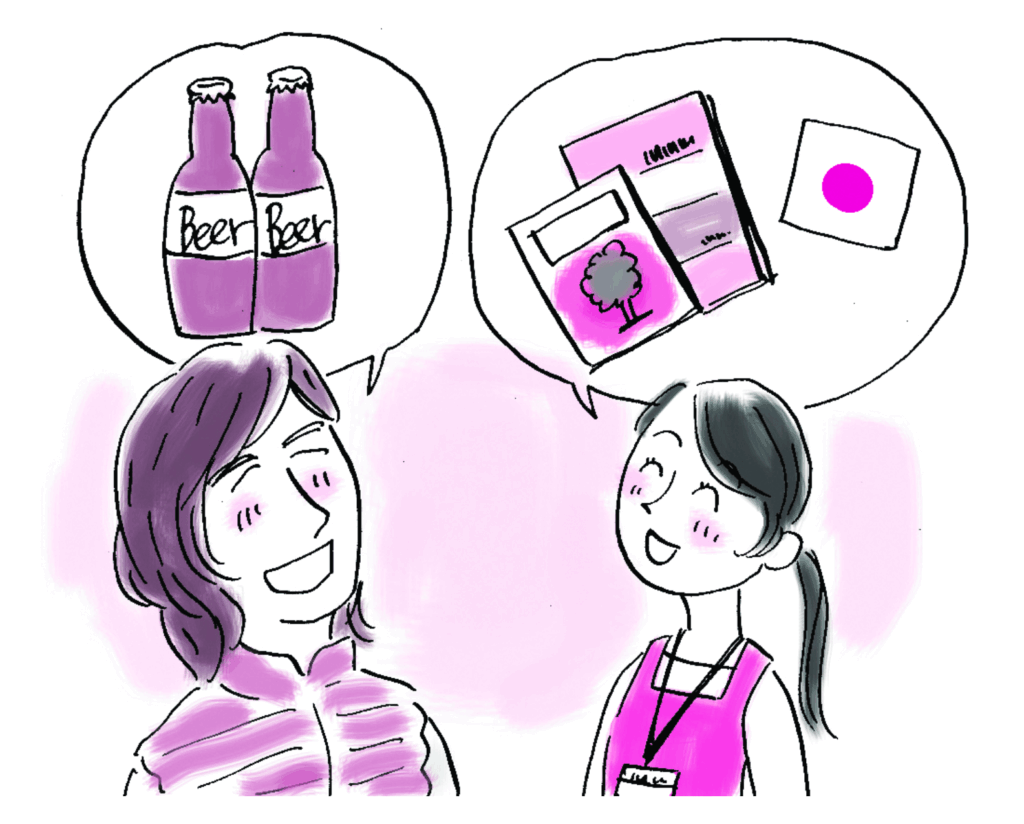
ユリ: 「ホン」はビール瓶などに使います。
Yuri: “Hon” is used for things like beer bottles.
Scene 4
ティム: ビール2本は「ニッポン」ですか、「ニホン」ですか。
Tim: For two bottle of beers, do you say “hippon” or “nihon”?
ユリ: あなたはどうしても「にほん」 買いたいのですね。
Yuri: You reallly want to buy “nihon,” dont’ you?
Maze Navigation | 迷宮ナビ
Let’s break down each scene | それぞれのシーンを理解しよう。Scene 1
At a bookstore counter, Tim is trying to buy two books. But instead of saying “ni-satsu,” the correct counter for books, he mistakenly says “nihon,” which is used for long objects and Japan.
本屋のカウンターで、ティムが本を2冊買おうとしています。本なら「にさつ」と言うべきところを、間違えて「ニホン(=2本/日本)」と言ってしまいます。
Keywords:
■本屋[bookstore] ■カウンター[counter] ■本[book] ■買う[buy]
Scene 2
Yuri explains that in Japanese, books are counted using “satsu,” and gives examples like “issatsu, nisatsu.”
ユリは、日本語では「冊」を使って本を数えると説明し、「いっさつ、にさつ…」と例を挙げます。
Keywords:
■おかしい [funny, strange] ■挙げる [give (an example)] ■冊 [volume, bound document] ■例 [example]
Scene 3
Hearing this, Tim says “Honto?” — a pun playing on “hon” (book) and “honto” (really?).
それを聞いたティムは、「ホンと?」と言います。「ホン」が入ったダジャレです。
Keywords:
■聞いた [head, listened] ■言う [say, speak] ■ダジャレ [pun]
Scene 4
Tim jokes, “For two beers, is it Nihon or Nippon?” — playing on Japan’s two pronunciations.
ティムは「ビール2本の場合、“ニホン”?“ニッポン”?どっち?」とツッコミます。「日本」の呼び方が二通りあることを踏まえた、彼なりのジョークです。
Keywords:
■どっち [which] ■呼び方 [pronunciation / way of saying] ■ ツッコミ[punchline / quip ] ■二通り [two ways] ■踏まえた [based on / playing on]
Maze Exit| 迷宮出口
What did the punchline reveal? | 今回のオチでわかったことCultural Insight | 新しい発想・文化知識
💡 Do numbers have “shapes”? |「数」には“形”がある?
In English, “two books” and “two bottles” are both simply “two,” but in Japanese, the counter word changes depending on the shape or nature of the item— as in “ni-satsu no hon” (two books), “ni-hon no beer” (two bottles of beer), “ni-hiki no inu” (two dogs), and “ni-wa no tori” (two birds).
英語では “two books” も “two bottles” も “two” で済みますが、日本語では「2冊の本」「2本のビール」「2匹の犬」「2羽の鳥」と、物の形や性質に応じて助数詞が変わります。
This reflects a characteristic of the Japanese language: its sensitivity to how things are perceived. This linguistic nuance also expresses a unique cultural sensibility. For example, long objects (like pens or beer bottles) use the counter “hon,” flat objects (like plates) use “mai,” and small moving animals use “hiki.”
これは、ものをどう見るかに敏感な日本語の特徴であり、文化的な感性が言葉に現れたものです。たとえば、細長いもの(ペン・ビール瓶など)は「本」、平たいもの(皿など)は「枚」、小さくて動くもの(動物など)は「匹」といった具合です。
Furthermore, “hon” is a unique counter whose pronunciation changes with the number. It transforms rhythmically like music: ippon, nihon, sanbon… Similarly, “hiki” changes as ippiki, nihiki, sanbiki, and so on.
しかも、「本」は数によって読み方が変わる不思議な助数詞でもあります。 「いっぽん・にほん・さんぼん…」と、まるで音楽のリズムのように音が変化するのです。同様に、「匹」も「いっぴき・にひき・さんびき」のように変化します。
While the culture of counters is also found in Chinese, Japanese places special importance on sound and rhythm, adding a unique aesthetic sensibility. Counting things correctly may be a shortcut to internalizing the rhythm, sensibility, and culture of the Japanese language.
この助数詞の文化は中国語にも共通するものですが、日本語では音の響きやリズムも大切にされ、独自の美意識が加わっています。正しく数えることは、日本語のリズムや感性、そして文化を体得する近道かもしれません。
This article is from the September 2025 issue of Hiragana Times.
この記事は、月刊誌『ひらがなタイムズ』2025年9月号より掲載しています。
-
Kinoko and the Japanese People — A Relationship Nurtured by the Forest
きのこと日本人――森に育まれた関係
As a quintessential “taste of autumn,” kinoko (mushrooms) have long been an essential part of Japanese tables.
「秋の味覚」を代表するきのこは、古くから日本の食卓に欠かせない存在です。
The origin of the word “kinoko” is said to be “ki no kodomo (child of a tree),” and it was named so because it grows near trees.
「きのこ」という言葉は「木の子ども」が語源で、木のそばに生えることから名付けられたといわれています。
The main body of kinoko is actually the thread-like structure called “kinshi (hypha)” that spreads underground.
きのこの本体は、実は地中に広がる「菌糸」と呼ばれる糸のような構造です。
Kinshi connects with tree roots and plays the role of a network that links plants in the forest by exchanging nutrients.
菌糸は木の根とつながり、栄養をやり取りしながら森の植物を結ぶネットワークの役割を果たしています。
In recent years, kinshi has been called the “internet of the forest” and has attracted attention as a presence that connects the lives that live in the forest.
近年、菌糸は「森のインターネット」とも呼ばれ、森に生きる命をつなぐ存在として注目されています。
Matsutake, shiitake, eringi (king trumpet,) and maitake—what we see as “kinoko” are the presence like the “fruit” that kinshi sends up above ground.
松茸、椎茸、エリンギ、舞茸など、私たちが目にする「きのこ」は、菌糸が地上に出した「果実」のような存在です。
In Japan, kinoko are said to have already been eaten during the Jomon period.
日本では、縄文時代にはすでに食されていたと言われるきのこ。
The taste of the Jomon people, who lived with nature in forests where kinshi spread, has been passed down to us today.
菌糸が広がる森で自然と共に暮らした縄文人の味覚は、今も私たちに受け継がれています。
Become a Kinoko Savvy きのこ通になる
Warm Up ウォームアップ” Kinoko JapaNEEDS
Useful words
- 秋(あき)-autumn
- 味覚(みかく)-taste
- きのこ -mushroom
- 食卓(しょくたく)-table
- 語源(ごげん)-origin of a word
- 生える(はえる)-grow
- 菌糸(きんし)-hypha
- 根(ね)-root
- 森(もり)-forest
- つなぐ -connect
- 地上(ちじょう)-above ground
- 広がる(ひろがる)-spread
- 自然(しぜん)-nature
Ice Breaker Questions
What do you feel like eating when autumn comes?
秋になると、何が食べたくなりますか?
What kinds of kinoko do you often see in your country?
あなたの国では、どんなきのこをよく見かけますか?
What’s your favorite kinoko dish?
好きなきのこ料理は何ですか?
What kind of activities come to mind when you think of autumn?
秋のアクティビティといえば、何が思い浮かびますか?
What kind of “autumn of 〇〇” would you like to have this year? (For example, an “autumn of reading”)
今年の秋は、どんな「〇〇の秋」にしたいですか?(例えば「読書の秋」など)
”Work Up ワークアップ” Kinoko Discussion
Bob: Kinoko often appear in games and movies, don’t they?
ボブ:きのこって、ゲームや映画にもよく出てきますよね。
Louise: Like the kinoko in Super Mario Bros.—the one that makes you grow!
ルイーズ:スーパーマリオブラザーズの食べると大きくなるきのこ!
Ari: That one’s actually based on a poisonous mushroom, right? It’s called fly agaric. It looks cute, but…
アリ:あれ、実は毒きのこがモデルなんですよね?ベニテングタケっていう。見た目はかわいいけど。
Yumi: It’s interesting how it became “a symbol of gaining power.”
ゆみ:それが「力を得る象徴」になっているのが面白いですよね。
Bob: In Alice in Wonderland, Alice eats a kinoko to change her size, too.
ボブ:『不思議の国のアリス』でも、アリスがきのこを食べて体のサイズを変えますよね。
Louise: Kinoko is like a symbol of “change.” They feel like something that exists between dreams and reality.
ルイーズ:きのこって、「変化」のシンボルみたい。現実と夢のあいだにいるような存在というか。
Ari: Even in Ghibli films, you see spores floating in the Sea of Decay.—Kinoko really aren’t just ordinary things, are they?
アリ:ジブリでも腐海の森に胞子が舞ってたり、きのこって「ただ者じゃない」ですね。
Yumi: Actually, kinoko are said to have appeared on land earlier than any other plant, and they’ve been living with Earth long before humans.
ゆみ:実は、きのこはどの植物よりも早く地上に現れ、人類よりずっと前から地球と共に生きていたそうです。
Louise: And the kinoko we see are just a tiny part that appears above ground.
ルイーズ:そして、私たちが目にするきのこって、地上に出たほんの一部なんですね。
Ari: Beneath the ground, kinoko’s “threads of communication” spread out… It’s like mythology.
アリ:地面の下には、きのこの「交信の糸」が広がっている……まるで神話みたい。
Yumi: Kinoko aren’t just food—they’re mysterious beings that hold the memory of Earth.
ゆみ:きのこは、単なる食べ物じゃなくて、地球の記憶を宿した神秘的な存在ですね。
Bob: Kinoko is our “great elders,” and “guardian deity” of the forest.
ボブ:私たち人間の「大先輩」であり、森の「守神」ですね。
”Wrap Up ラップアップ” Kinoko Knowledge
Matsutake grows at the base of Matsu trees (pine, mainly Japanese red pine). It is highly aromatic, difficult to cultivate artificially, and rare, which makes it a luxury food.
松茸は、松の木(主にアカマツ)の根元に生えるきのこです。香り高く、人工栽培が難しく、希少価値が高いため高級食材になっています。
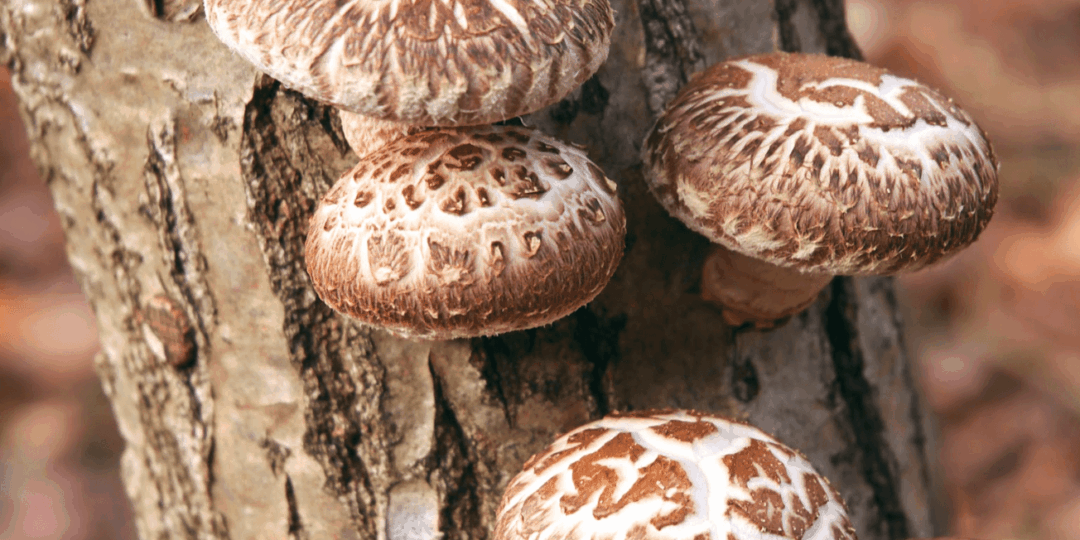
Shiitake grows on Shii trees. It is thick and has a strong umami flavor. When dried, it is often used as dashi (broth) and is essential in Japanese cuisine.
椎茸は、椎(しい)の木に生えるきのこです。肉厚でうま味が強く、干すことで出汁としても使われ、和食に欠かせない存在です。
Enokitake grows on Enoki trees (hackberry). Cultivated ones are thin and white, but wild Enokitake are brown and have open caps.
榎茸は、榎(えのき)の木に生えるきのこです。栽培品は白く細長い姿ですが、自然のものは茶色く傘が開いています。
Maitake grows at the base of broadleaf trees such as beech and mizunara oak. Known for its rich aroma and good texture, its name is said to come from the story that people danced with joy when they found it.
舞茸は、ブナやミズナラなどの広葉樹の根元に生えるきのこです。香りと歯ごたえがよく、見つけた人が嬉しさのあまり舞い上がったことが名前の由来とされています。
Shimeji is said to include the meaning from an old Japanese word “shimijimi to oishii kinoko (deeply flavorful kinoko).” There is also a theory that its name comes from the fact that it grows in shimechi (wetlands).
しめじは、「しみじみとおいしいきのこ」という古語の意味を含んでいたとされるほか、「湿地(しめち)」に生えることから名付けられたという説もあります。
There is a Japanese proverb: “Kaori Matsutake, Aji Shimeji,” meaning that while matsutake excels in aroma, shimeji is superior in taste.
「香り松茸、味しめじ」ということわざがあります。香りの良さでは松茸、味の良さではしめじが優れているという意味です。
Japan ranks second in the world in kinoko production, following China.
日本は、中国に続いてきのこの生産量が世界第2位です。
In terms of domestic production, enoki, bunashimeji, and shiitake are the most produced, in that order. These three types account for about 70% of the total.
国内の生産量では、えのき、ぶなしめじ、しいたけの順に多く、この3種類で全体の約7割を占めています。
October 15 is designated as “Kinoko Day.” This is because many types of kinoko are in season in autumn, when both harvesting and consumption peak.
10月15日は「きのこの日」に制定されています。秋になると多くのきのこが旬を迎え、収穫や消費が盛んになることから生まれました。
The story related to kinoko have appeared not only in “Manyoshu,” but also in “Kokin Wakashu,” and “Konjaku Monogatari.”
きのこに関する話は、『万葉集』だけでなく、『古今和歌集』や『今昔物語』にも登場します。
Shiitake, said to be a favorite of Toyotomi Hideyoshi, began to be cultivated artificially during the Edo period. Until then, it was reportedly more valuable than Matsutake.
豊臣秀吉の好物だった椎茸は、江戸時代に人工栽培が始まったとされています。それまでは、松茸よりも高価だったともいわれています。
Among kyogen, there is a piece titled “Kusabira.” In the story, a man is troubled by kinoko growing in his residence, so he calls a yamabushi (mountain priest) to pray. However, the mushrooms only keep multiplying —a humorous tale.
狂言の演目には「茸[くさびら]」という作品があります。屋敷に茸(きのこ)が生えて困った男が山伏を呼び、祈祷してもらうのですが、かえってきのこがどんどん増えてしまうという物語です。
Hiragana Times September 2025 issue
This article is from the September 2025 issue of Hiragana Times.
この記事は、月刊誌『ひらがなタイムズ』2025年9月号より掲載しています。

 ”Warm Up ウォームアップ”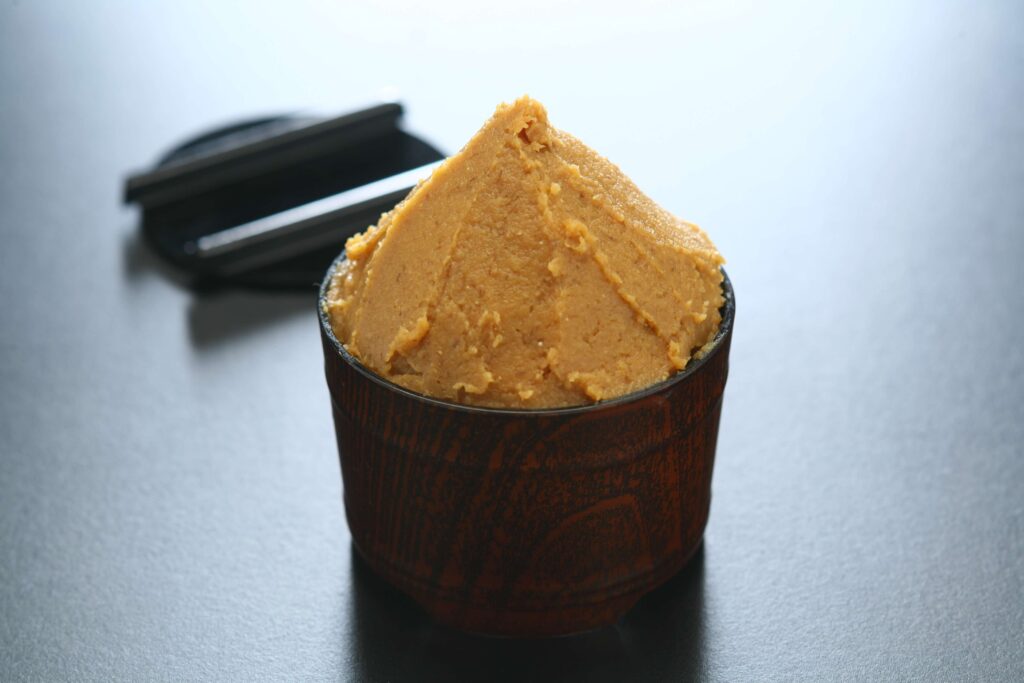
 ”Work Up ワークアップ”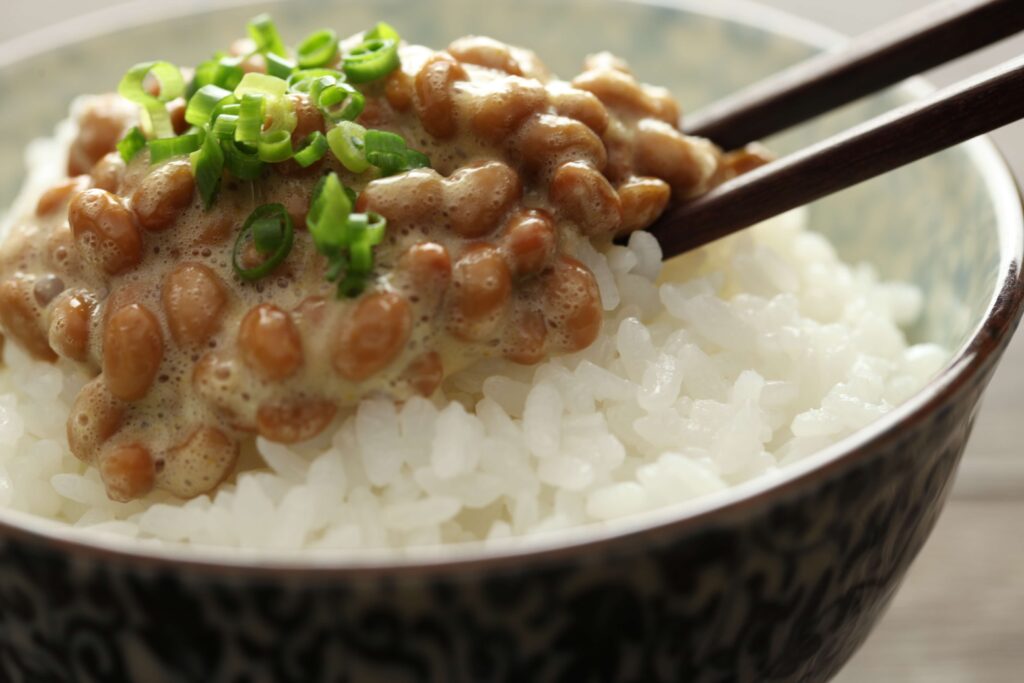
 ”Wrap Up ラップアップ”