-
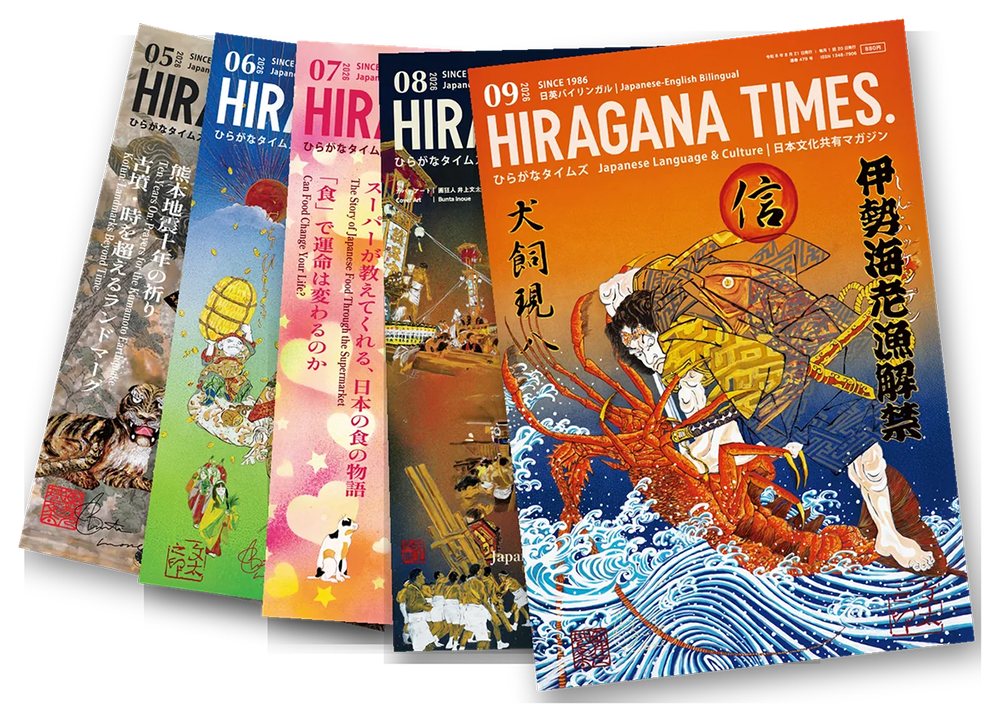
Close Up Japan – Hiragana Times September 2026 issue
Listen to the Audio:
The Trembling Earth Is Alive
揺れる大地は、生きている
The other day, on July 28, an earthquake with a seismic intensity of 7 occurred in Kumamoto Prefecture. This earthquake was named the “Reiwa 8 Kumamoto Earthquake.” In Kumamoto Prefecture, an earthquake of almost the same scale also occurred ten years ago, in 2016.
先日の7月28日、熊本県で震度7の地震が発生しました。この地震は、「令和8年熊本地震」と名付けられました。熊本県では、10年前の2016年にも、ほぼ同じ規模の地震が起きています。Active faults that cause earthquakes run through the prefecture. Across Japan, there are about 2,000 active faults, counting only those that have been confirmed. Each major active fault has its own name, and this earthquake occurred near the “Hinagu Fault Zone.”
県内には、地震を引き起こす活断層が走っています。日本全国には、確認されているだけでも約2,000の活断層があります。主要な活断層にはそれぞれ名前があり、今回の地震は「日奈久断層帯」の周辺で発生しました。Japan is among the world’s top-class countries in the density of seismometers. Because of this, even small tremors are detected, and Japan is considered “the country with the most earthquakes in the world, on record.” On the other hand, in terms of the number of earthquakes that actually occur, Indonesia is thought to have more.
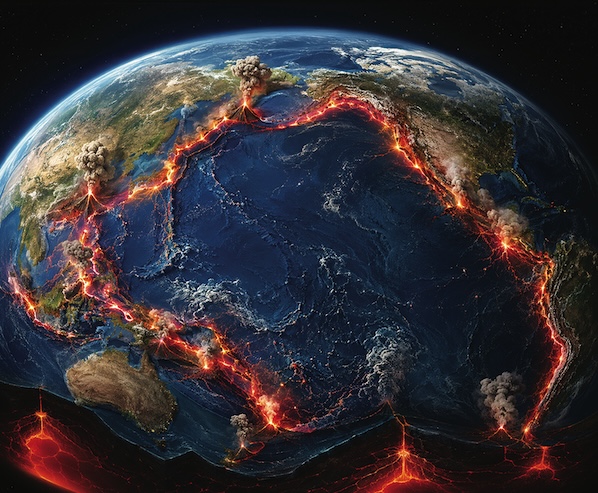
日本は、世界でもトップクラスに地震計が密集しています。そのため、小さな揺れまで捉えられ、「記録上、世界で最も地震が多い国」とされます。一方、実際に発生する地震の数では、インドネシアの方が多いと考えられています。Countries with active seismic activity include Indonesia, Japan, Papua New Guinea, the Philippines, Chile, New Zealand, and Mexico. All of these countries lie on the circum-Pacific volcanic belt, the “Ring of Fire.” About 90 percent of the world’s earthquakes occur in this belt-shaped zone.
地震活動が活発な国には、インドネシア、日本、パプアニューギニア、フィリピン、チリ、ニュージーランド、メキシコなどがあります。これらの国はいずれも、環太平洋火山帯「リング・オブ・ファイア」に位置しています。世界の地震のおよそ9割が、この帯状地域で発生します。The presence of a volcano means that plates are colliding beneath it. When an oceanic plate containing water sinks down, part of the mantle melts and becomes magma. When that magma rises toward the surface, a volcano erupts. For both earthquakes and volcanoes, the beginning is the movement of the plates.
火山の存在は、その地下でプレートがぶつかり合っていることを意味します。水分を含んだ海のプレートが沈み込むと、マントルの一部が溶けてマグマになります。そのマグマが地上へ上昇すると、火山が噴火します。地震も火山も、始まりはプレートの動きです。The Japanese archipelago lies at the boundary of four large plates. The plates are moving several centimeters each year. When that strain accumulates, at some point it slips all at once.
日本列島は、4つの大きなプレートの境界にあります。プレートは年間数センチずつ動いています。そのひずみが蓄積されると、ある時、一気にずれ動きます。What moves is not only the sun, the stars, and the moon in the sky. The ground beneath our feet, too, keeps moving. Nature brings blessings, but at times it rages and gives us trials. People had no choice but to recognize there the existence of gods beyond human power. This is the view of nature at the root of the Japanese heart.
動いているのは、空にある太陽、星、月だけではありません。足元の大地も、動き続けています。自然は恵みをもたらす一方、時に荒ぶり、試練を与えます。人々はそこに、人の力が及ばない神々の存在を認めざるを得なかったのです。これが日本人の心の根底にある自然観です。
Discover More Articles | もっと記事を読む
Digital PackagesRead and listen in your browser — available in bundles.誌面と音声を、パッケージでご利用いただけます。More From Hiragana Times Join the Hiragana Times Discord Community — Free!Connect with readers worldwide — free, open, and always welcoming.世界の読者とつながる、無料のDiscordコミュニティへようこそ。
Online Japanese lessons, run by Hiragana Times.One month free for Hiragana Times subscribers.ひらがなタイムズ定期購読者は、1ヶ月無料でご受講いただけます。
Join the Hiragana Times Discord Community — Free!Connect with readers worldwide — free, open, and always welcoming.世界の読者とつながる、無料のDiscordコミュニティへようこそ。
Online Japanese lessons, run by Hiragana Times.One month free for Hiragana Times subscribers.ひらがなタイムズ定期購読者は、1ヶ月無料でご受講いただけます。 -
Close Up Japan – Hiragana Times August 2026 issue
Listen to the Audio:
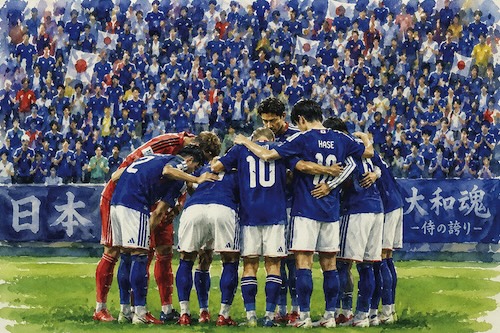
Toe to Toe with Brazil — The Football Japan Learned and Remade
ブラジルと互角に渡り合う —— 学び、つくり変えてきた日本サッカー
FIFA World Cup 2026. In the knockout stage, Japan lost 2-1 to powerhouse Brazil.
FIFAワールドカップ2026。日本は決勝トーナメントで、強豪ブラジルに2対1で敗れました。Twenty years ago, at Germany 2006, Japan were thrashed 4-1. Now, against Brazil, Japan are expected not to fight well but to stand equal.
20年前の2006年ドイツ大会では4対1で完敗しましたが、いまや日本はブラジル相手に「善戦」ではなく「互角」を期待されています。With the bronze medal at the 1968 Mexico Olympics as its last, Japanese football languished for years, and the World Cup was a distant dream.
1968年メキシコ五輪の銅メダルを最後に、日本サッカーは長く低迷し、ワールドカップは夢のまた夢でした。The turning point was the J.League’s launch in 1993. Football grew into a national sport.
転機は1993年のJリーグ開幕です。サッカーは国民的スポーツへと成長します。Japan also brought in coaches from abroad and learned the skills and thinking to compete on the world stage.
日本は、海外から指導者を迎え、世界で戦う技術と思想を学びました。That image overlaps with the “hired foreigners” of the Meiji era.
その姿は、明治の「お雇い外国人」に重なります。Japan, wary of colonization by the Western powers, rushed to modernize under the watchword “catch up and overtake,” and, even paying salaries beyond the nation’s highest office, voraciously absorbed knowledge from Western engineers and teachers.
西洋列強の植民地化を警戒した日本は、「追いつけ追い越せ」を合言葉に近代化を急ぎ、国の最高位をしのぐ給料を払ってでも、欧米の技術者や教師から知を貪欲に吸収しました。And once it had finished learning, Japan went on to replace them with its own people.
そして学び終えると、彼らを自国の人材へと置き換えていったのです。Taking in what comes from outside and remaking it into their own form — that cultural power shaped even Japanese football.
外から来たものを取り込み、自分たちの形へ作り変える——その文化の力が、日本サッカーをも育てました。Now that very Japan is sending many players out to Europe, the home of the game.
いまや、その日本が多くの選手を本場ヨーロッパへ送り出しています。That high-quality play is supported by organizational strength, discipline, tactical understanding, and dedication, and at its root lies the “wa” of Japanese culture.
その質の高いプレーは、組織力、規律、戦術理解、献身に支えられ、根には日本文化の「和」があります。That “wa” stands out all the more off the pitch. After the match, the supporters pick up the trash in the stands, the players tidy the locker room, and leave words of gratitude.
その「和」は、ピッチの外でこそ際立ちます。サポーターは試合後に客席のゴミを拾い、選手はロッカールームを整え、感謝の言葉を残します。Caring for the next person, cleansing the place before leaving — those gestures are praised around the world as “Japaneseness.”
次の人を思いやり、場所を清めて去る——その所作が、世界で「日本らしさ」と称えられています。What Japan lacks may be only the “arrogance” that powerhouse nations wear — to wrest victory by sheer force.
日本に足りないのは、強豪国がまとう、勝利を力ずくでもぎ取る「傲慢さ」だけなのかも知れません。When the individual samurai awaken further and become one under “wa,” conquering the World Cup four years from now should become a reality.
個のサムライたちがさらに覚醒し、「和」のもとに一つになるとき、4年後のワールドカップ制覇は現実のものとなるはずです。Online Japanese Language Courses
Learn Japanese The Fun Way!
🎁 1 Month FREE for Hiragana Times Subscribersひらがなタイムズ定期購読者は1ヶ月無料でご受講いただけます
Start Learning → -
Close up Japan – Hiragana Times July 2026 issue
Listen to the Audio:
Where Did the Japanese Come From? ― A New Story DNA Has Begun to Tell
日本人(にほんじん)はどこから来(き)たのか ― DNAが語(かた)り始(はじ)めた新(あたら)しい物語(ものがたり)
In recent years, DNA research has advanced remarkably, and the picture of how people migrated, met, and intermingled has become clearly visible like never before.
近年(きんねん)、DNA研究(けんきゅう)はめざましく進歩(しんぽ)し、人々(ひとびと)がどう移動(いどう)し、出会(であ)い、混(ま)ざり合(あ)ってきたのか――その姿(すがた)がかつてないほど鮮明(せんめい)に見(み)えてきました。In Japanese schools, we have been taught that many cultures were transmitted to Japan via China and the Korean Peninsula.
日本(にほん)の学校(がっこう)では、多(おお)くの文化(ぶんか)は中国(ちゅうごく)や朝鮮半島(ちょうせんはんとう)を経由(けいゆ)して日本(にほん)へ伝(つた)わったと教(おし)えられてきました。However, when tracing genes, it becomes clear that the journey of people was more complex and magnificent.
しかし、遺伝子(いでんし)をたどると、人々(ひとびと)の歩(あゆ)みは、もっと複雑(ふくざつ)で壮大(そうだい)だったことが見(み)えてきます。In DNA anthropology, human genes are classified into lineages called “haplogroups.”
DNA人類学(じんるいがく)では、人類(じんるい)の遺伝子(いでんし)を「ハプログループ」と呼(よ)ばれる系統(けいとう)に分類(ぶんるい)します。Among Japanese people, a rare group called D exists. This group is rarely seen in China and South Korea.
日本人(にほんじん)には、Dと呼(よ)ばれる珍(めずら)しいグループが存在(そんざい)します。このグループは中国(ちゅうごく)や韓国(かんこく)ではほとんど見(み)られません。However, it is seen in the Tibetan Plateau and the Andaman Islands, far away from Japan.
ところが、日本(にほん)から遠(とお)く離(はな)れたチベット高原(こうげん)やアンダマン諸島(しょとう)では見(み)られるのです。This distribution tells us that Group D once lived in a wide area of East Asia.
この分布(ぶんぷ)は、かつて東(ひがし)アジアの広(ひろ)い範囲(はんい)にDグループが暮(く)らしていたことを物語(ものがた)ります。Eventually, people of O of a different lineage spread, and people of D migrated or intermingled with O.
やがて別系統(べつけいとう)のOの人々(ひとびと)が広(ひろ)がり、Dの人々(ひとびと)は移動(いどう)するか、Oと混(ま)じり合(あ)っていきました。However, in the Tibetan Plateau protected by mountains, and in the Japanese archipelago and the Andaman Islands separated by the sea, the lineage of D strongly remained.
しかし、山(やま)に守(まも)られたチベット高原(こうげん)、海(うみ)に隔(へだ)てられた日本列島(にほんれっとう)やアンダマン諸島(しょとう)では、Dの系統(けいとう)が色濃(いろこ)く残(のこ)ったのです。The Jomon people of Japan are also thought to be people connected to this Group D.
日本(にほん)の縄文人(じょうもんじん)も、このDグループに連(つら)なる人々(ひとびと)だと考(かんが)えられます。After that, Group O split into O1, which developed wet rice cultivation in the Yangtze River basin, and O2, which built cities and states in the north.
その後(ご)、Oグループは長江流域(ちょうこうりゅういき)で水田稲作(すいでんいなさく)を育(そだ)てたO1と、北方(ほっぽう)で都市(とし)や国家(こっか)を築(きず)いたO2に分(わ)かれます。And O1 led to the stream of the “Yayoi people” who crossed to Japan carrying rice cultivation, and O2 to the stream of the “Toraijin” who introduced characters and systems.
そしてO1は稲作(いなさく)を携(たずさ)えて日本(にほん)へ渡(わた)った「弥生人(やよいじん)」、O2は文字(もじ)や制度(せいど)を伝(つた)えた「渡来人(とらいじん)」の流(なが)れへとつながりました。These alphabets that trace lineages are, so to speak, family crests that reflect ancestors.
系統(けいとう)をたどるこれらのアルファベットは、いわば祖先(そせん)を映(うつ)す家紋(かもん)です。And if we go back two to three hundred thousand years, all humanity arrives at one “home” called “A” that existed in Africa.
20万(まん)〜30万年(まんねん)さかのぼれば、全人類(ぜんじんるい)はアフリカに存在(そんざい)した「A」という一(ひと)つの「家(いえ)」に行(い)き着(つ)きます。What DNA shows is not the differences of humanity. It is a magnificent story that humanity was originally one.
DNAが示(しめ)すのは、人類(じんるい)の違(ちが)いではありません。人類(じんるい)がもともと一(ひと)つだったという、壮大(そうだい)な物語(ものがたり)です。 -
[Close up Japan – June 2026 Issue]
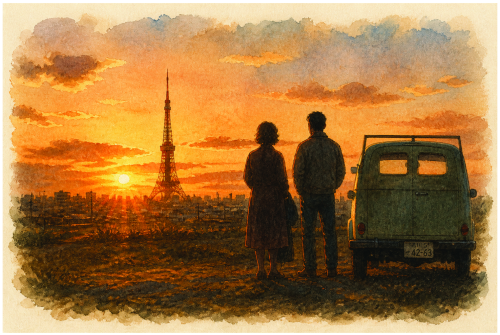
Shōwa 100 — The Living Memory of an Era
昭和(しょうわ)100年(ねん)――いまに息(い)づく時代(じだい)の記憶(きおく)The Japanese era “Showa” lasted from December 25, 1926 to January 7, 1989.
日本(にほん)の元号(げんごう)「昭和(しょうわ)」は、1926年12月25日から1989年1月7日まで続(つづ)きました。
The year 2026, counting from its beginning, falls on the milestone of “Showa 100”.
2026年(ねん)は、その始(はじ)まりから数(かぞ)えて「昭和(しょうわ)100年(ねん)」という節目(ふしめ)にあたります。
On “Showa Day” on April 29 (originally Tencho-setsu, the birthday of Emperor Showa), a commemorative ceremony was held.
4月29日(がつ29にち)の「昭和(しょうわ)の日(ひ)」(もともとは天長節(てんちょうせつ)・昭和天皇(しょうわてんのう)の誕生日(たんじょうび))には、記念式典(きねんしきてん)が開催(かいさい)されました。
With Their Majesties the Emperor and Empress at the center, the heads of the three branches lined up on the stage.
天皇皇后両陛下(てんのうこうごうりょうへいか)を中心(ちゅうしん)に、三権(さんけん)の長(ちょう)が壇上(だんじょう)に並(なら)びました。
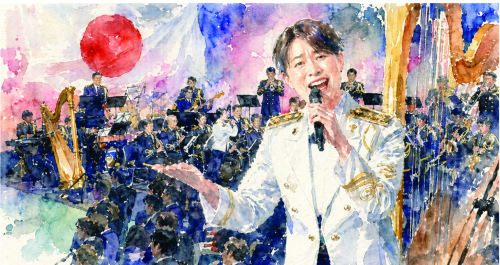
At the venue, Showa hit songs by the Maritime Self-Defense Force Band were performed, evoking memories of the era.
会場(かいじょう)では、海上自衛隊音楽隊(かいじょうじえいたいおんがくたい)による昭和(しょうわ)のヒット曲(きょく)が演奏(えんそう)され、時代(じだい)の記憶(きおく)を呼(よ)び起(お)こしました。
Spanning about 63 years, Showa is the longest era among Japanese eras.
約(やく)63年(ねん)にわたる昭和(しょうわ)は、日本(にほん)の元号(げんごう)の中(なか)で最(もっと)も長(なが)い時代(じだい)です。
War, the end of the war, reconstruction, and rapid economic growth—Japan experienced dramatic changes.
戦争(せんそう)、終戦(しゅうせん)、復興(ふっこう)、そして高度経済成長(こうどけいざいせいちょう)――日本(にほん)は劇的(げきてき)な変化(へんか)を経験(けいけん)しました。
The memories of a “turbulent era” where hardships and leaps intertwined are still breathing within Japan’s landscapes and sensibilities today.
困難(こんなん)と飛躍(ひやく)が折(お)り重(かさ)なった「激動(げきどう)の時代(じだい)」の記憶(きおく)は、今(いま)も日本(にほん)の風景(ふうけい)と感性(かんせい)のなかに息(い)づいています。
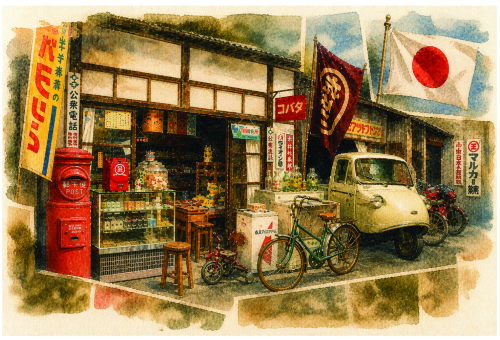
Buildings and signboards in corners of the town are cherished as “Showa Retro”, and perseverance and spiritualism are described as “Showa-esque”.
街(まち)の片隅(かたすみ)の建物(たてもの)や看板(かんばん)は「昭和(しょうわ)レトロ」として親(した)しまれ、粘(ねば)り強(づよ)さや精神論(せいしんろん)は「昭和的(しょうわてき)」と形容(けいよう)されます。
It is also a single value rooted in Japanese people living today, transcending generations.
それは、世代(せだい)を超(こ)えて、今(いま)を生(い)きる日本人(にほんじん)の中(なか)に根(ね)づく一(ひと)つの価値観(かちかん)でもあります。
Currently, amid population decline and stagnant economic growth, Japan is facing a fluctuation of the world order.
現在(げんざい)、日本(にほん)は人口減少(じんこうげんしょう)と経済成長(けいざいせいちょう)の低迷(ていめい)の中(なか)で、世界秩序(せかいちつじょ)の揺(ゆ)らぎに直面(ちょくめん)しています。
“Tomorrow will be better than today”—in Showa, there certainly was such a real feeling.
「今日(きょう)より明日(あした)は良(よ)くなる」――昭和(しょうわ)には確(たし)かに、そうした実感(じっかん)がありました。
When listening to Showa’s masterpiece songs, that feeling revives even now.
昭和(しょうわ)の名曲(めいきょく)に耳(みみ)を傾(かたむ)けると、その感覚(かんかく)が今(いま)もよみがえってきます。
This article is from the June 2026 issue of Hiragana Times.
この記事(きじ)は、月刊誌(げっかんし)『ひらがなタイムズ』2026年(ねん)6月号(がつごう)より掲載(けいさい)しています。
-
[ Close Up Japan – May 2026 Issue]
Cyclists Can Now Face Fines?! A New System Begins
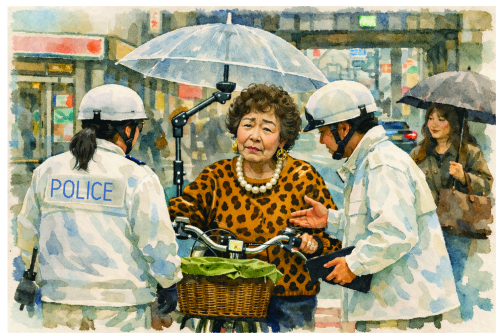
自転車(じてんしゃ)にも反則金(はんそくきん)?!新制度(しんせいど)、スタートIn April 2026, “blue tickets” were introduced for bicycle traffic violations.
2026年(ねん)4月(がつ)、自転車(じてんしゃ)の交通違反(こうつういはん)に「青切符(あおきっぷ)」が導入(どうにゅう)されました。
A blue ticket is a system that handles relatively minor violations with fines.
青切符(あおきっぷ)とは、比較的(ひかくてき)軽(かる)い違反(いはん)を反則金(はんそくきん)で処理(しょり)する制度(せいど)。
Severe violations result in “red tickets”, and proceed to criminal procedures.
重(おも)い違反(いはん)は「赤切符(あかきっぷ)」で、刑事手続(けいじてつづ)きに進(すす)みます。
And “white tickets”, although not an official system name, are used as warnings.
そして「白切符(しろきっぷ)」は、正式(せいしき)な制度名(せいどめい)ではありませんが、警告(けいこく)として使(つか)われます。
Until now, bicycles were exempt from blue tickets even for minor violations.
これまで自転車(じてんしゃ)は、軽(かる)い違反(いはん)でも青切符(あおきっぷ)の対象外(たいしょうがい)でした。
Behind this introduction is the response to ever-increasing bicycle accidents and bad manners.
今回(こんかい)の導入(どうにゅう)の背景(はいけい)には、増(ふ)え続(つづ)ける自転車事故(じてんしゃじこ)とマナー違反(いはん)への対応(たいおう)があります。
Targeted are ignoring traffic lights, failing to stop at stop signs, driving the wrong way, using a smartphone while riding, riding with an umbrella, and so on.
対象(たいしょう)となるのは、信号無視(しんごうむし)、一時不停止(いちじふていし)、逆走(ぎゃくそう)、ながらスマホ、傘差(かささ)し運転(うんてん)など。
Depending on the violation, fines of several thousand to several tens of thousands of yen are imposed.
違反(いはん)の内容(ないよう)によっては、数千円(すうせんえん)から数万円(すうまんえん)の反則金(はんそくきん)が科(か)されます。
This rule change does not end with just bicycles.
このルール変更(へんこう)は自転車(じてんしゃ)だけの話(はなし)では終(お)わりません。
Cars overtaking bicycles are also required to have sufficient distance and a safe speed.
自転車(じてんしゃ)を追(お)い越(こ)す車(くるま)にも、十分(じゅうぶん)な間隔(かんかく)と安全(あんぜん)な速度(そくど)が求(もと)められます。
If violated, there are cases where a 7,000 yen fine is imposed.
違反(いはん)すれば7,000円(えん)の反則金(はんそくきん)が科(か)される場合(ばあい)も。
Due to this, concerns have been raised that “cars won’t be able to overtake bicycles, causing traffic jams.”
それにより、「車(くるま)が自転車(じてんしゃ)を追(お)い越(こ)せず、渋滞(じゅうたい)が起(お)きるのでは」という懸念(けねん)の声(こえ)も上(あ)がっています。
Also, amid continuing high gasoline prices, some say it’s an amendment anticipating an increase in bicycle use.
また、ガソリン価格(かかく)の高騰(こうとう)が続(つづ)く中(なか)、自転車利用(じてんしゃりよう)の増加(ぞうか)を見越(みこ)した改正(かいせい)だという声(こえ)もあります。
Furthermore, even voices of dissatisfaction exclaiming “It’s a new tax!” are popping up.
さらには「新(あら)たな税金(ぜいきん)だ!」との不満(ふまん)の声(こえ)まで飛(と)び出(だ)しています。
On Japan’s narrow roads, positioned once again as official “vehicles” are bicycles.
日本(にほん)の狭(せま)い道路(どうろ)に、あらためて正式(せいしき)な「車両(しゃりょう)」として位置(いち)づけられた自転車(じてんしゃ)。
While understanding the importance of safety, various speculations and concerns are flying around.
安全(あんぜん)の大切(たいせつ)さは理解(りかい)しつつも、さまざまな憶測(おくそく)と懸念(けねん)の声(こえ)が飛(と)び交(か)っています。
This article is from the May 2026 issue of Hiragana Times.
この記事(きじ)は、月刊誌(げっかんし)『ひらがなタイムズ』2026年(ねん)5月号(がつごう)より掲載(けいさい)しています。
-
[Close Up Japan – April 2026 Issue]
Contest, Not Conflict — The Olympic Ideal
競(きそ)うことで、争(あらそ)わない ― オリンピックという思想(しそう)The Olympics originate from an athletic festival that began in ancient Greece in 776 BC.
オリンピックは、紀元前(きげんぜん)776年(ねん)に古代(こだい)ギリシャで始(はじ)まった競技祭(きょうぎさい)を起源(きげん)とします。
During the period, a ‘sacred truce’ was declared, and people stopped fighting and gathered safely.
期間中(きかんちゅう)は「聖(せい)なる休戦(きゅうせん)」が宣言(せんげん)され、人々(ひとびと)は戦(たたか)いを止(や)めて安全(あんぜん)に集(つど)いました。
The competitions were not merely a contest of strength, but were also a mechanism to maintain order and peace.
競技(きょうぎ)は単(たん)なる力比(ちからくら)べではなく、秩序(ちつじょ)と平和(へいわ)を保(たも)つ仕組(しく)みでもあったのです。
What revived that spirit in modern times was the 1st modern Olympics held in Athens in 1896.
その精神(せいしん)を近代(きんだい)に蘇(よみがえ)らせたのが、1896年(ねん)にアテネで開催(かいさい)された第(だい)1回(かい)近代(きんだい)オリンピックでした。
A world where nations compete with each other not with weapons but with sports was considered ideal.
国家同士(こっかどうし)が武器(ぶき)ではなく、スポーツで競(きそ)い合(あ)う世界(せかい)が理想(りそう)とされました。
The Winter Games were born in Chamonix, France in 1924.
冬季大会(とうきたいかい)は、1924年(ねん)フランス・シャモニーで誕生(たんじょう)しました。
It was in 1928 that Japan participated in the Winter Games for the first time.
日本(にほん)が冬季大会(とうきたいかい)に初参加(はつさんか)したのは1928年(ねん)。
In 1972, it hosted Asia’s first Winter Olympics in Sapporo.
1972年(ねん)には札幌(さっぽろ)でアジア初(はつ)の冬季(とうき)オリンピックを開催(かいさい)しました。
In 1998, it achieved hosting in its own country again in Nagano, and acquired many gold medals.
1998年(ねん)には長野(ながの)で再(ふたた)び自国開催(じこくかいさい)を果(は)たし、多(おお)くの金(きん)メダルを獲得(かくとく)。
It impressed Japan as a snow country upon the world.
雪国(ゆきぐに)としての日本(にほん)を世界(せかい)に印象(いんしょう)づけました。
After that too, it has accumulated results in figure skating and snowboarding, etc.
その後(ご)もフィギュアスケートやスノーボードなどで成果(せいか)を重(かさ)ねてきました。
And the 2026 Milan Games. Japanese athletes showed unconstrained performances and powerful gliding.
そして2026年(ねん)ミラノ大会(たいかい)。日本選手(にほんせんしゅ)たちは伸(の)びやかな演技(えんぎ)や力強(ちからづよ)い滑走(かっそう)を見(み)せました。
Athletes of each country also moved the hearts of the spectators with their figures praising each other, more than medals.
各国(かっこく)の選手(せんしゅ)たちも、メダル以上(いじょう)に、互(たが)いを称(たた)え合(あ)う姿(すがた)で観客(かんきゃく)の心(こころ)を動(うご)かしました。
Crossing the time of about 2800 years, inside the Olympic rings, the young generation is embodying the ideals.
約(やく)2800年(ねん)の時(とき)を超(こ)え、オリンピックのリングの内側(うちがわ)では、若(わか)い世代(せだい)が理念(りねん)を体現(たいげん)しています。
Ironically, just a few days after this tournament closed its curtains, new fires of war are rising in the world.
皮肉(ひにく)にも、この大会(たいかい)が幕(まく)を閉(と)じたわずか数日後(すうじつご)、世界(せかい)では新(あら)たな戦火(せんか)が上(あ)がっています。
We hope the ‘sacred truce’ becomes an eternal promise, not a limited-time one.
「聖(せい)なる休戦(きゅうせん)」は、期間限定(きかんげんてい)でなく永遠(えいえん)の約束(やくそく)になってほしいものです。
This article is from the April 2026 issue of Hiragana Times.
この記事(きじ)は、月刊誌(げっかんし)『ひらがなタイムズ』2026年(ねん)4月号(がつごう)より掲載(けいさい)しています。
-
[Close up Japan – March 2026 Issue]
Tsubakuro — The Soul Returns to Jingu
つば九郎(くろう) ― 神宮(じんぐう)に還(かえ)る魂(たましい)
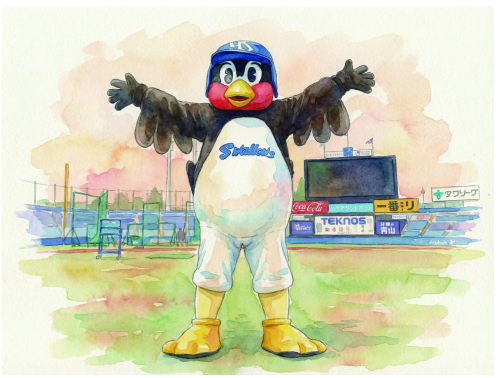
Tsubakuro is the mascot of the Tokyo Yakult Swallows (a Japanese professional baseball team) His uniform number is “2896” (tsu-ba-ku-ro-u).
東京(とうきょう)ヤクルトスワローズのマスコット、つば九郎(くろう)。背番号(せばんごう)は「2896」(ツバクロウ)。
Since his debut in 1994, he has been loved for his sharp-tongued humor and free-spirited character.
1994年(ねん)のデビュー以来(いらい)、毒舌芸(どくぜつげい)と自由奔放(じゆうほんぽう)なキャラクターで愛(あい)されてきました。
Wearing a costume weighing over 20 kilograms, he continued to thrill fans even under the blazing sun.
20キロ超(ちょう)の着(き)ぐるみを身(み)にまとい、炎天下(えんてんか)でもファンを沸(わ)かせ続(つづ)けました。
In 2022, he achieved a first in baseball history: appearing in 2,000 home games.
2022年(ねん)には球界史上初(きゅうかいしじょうはつ)の主催試合(しゅさいしあい)2000試合出場(しあいしゅつじょう)を達成(たっせい)。
He grew to become a mascot that represents Japanese professional baseball.
選手(せんしゅ)をしのぐ人気(にんき)を誇(ほこ)り、日本(にほん)プロ野球(やきゅう)を代表(だいひょう)するマスコットへと成長(せいちょう)しました。
Behind that popularity was one man who played Tsubakuro for 30 years.
その人気(にんき)を支(ささ)えたのは、30年間(ねんかん)つば九郎(くろう)を演(えん)じ続(つづ)けた一人(ひとり)の男性(だんせい)でした。
Over time, he became Tsubakuro, and Tsubakuro became him.
いつしか彼(かれ)がつば九郎(くろう)になり、つば九郎(くろう)が彼(かれ)になっていました。
In Japan, there is a culture where form and performer become one — from Noh actors to puppet masters to Ultraman.
日本(にほん)には、能楽師(のうがくし)、人形遣(にんぎょうつか)い、ウルトラマンまで、器(うつわ)と演者(えんじゃ)が一体(いったい)となる文化(ぶんか)があります。
It could be said that the deeply ingrained Japanese sense of “a spirit dwelling within the form” nurtured Tsubakuro.
「器(うつわ)に魂(たましい)が宿(やど)る」という日本人(にほんじん)に染(し)みついた感覚(かんかく)が、つば九郎(くろう)を育(そだ)てたとも言(い)えるかもしれません。
However, in February 2025, just before the season began, the man behind Tsubakuro suddenly passed away.
しかし2025年(ねん)2月(がつ)、シーズンを前(まえ)にして担当者(たんとうしゃ)が急逝(きゅうせい)。
The team made an unusual announcement and Tsubakuro’s activities were suspended. When the season began, the Swallows sank to last place.
球団(きゅうだん)は異例(いれい)の発表(はっぴょう)を行(おこな)い活動休止(かつどうきゅうし)に。そして始(はじ)まったシーズン、スワローズは最下位(さいかい)に沈(しず)みました。
The poor performance cannot be attributed to this reason alone, but there were many fans who linked it with Tsubakuro’s absence.
成績不振(せいせきふしん)をこの理由(りゆう)だけにはできませんが、つば九郎(くろう)の不在(ふざい)と重(かさ)ねたファンは多(おお)くいました。
Before his passing, Tsubakuro had written: “If Tsubakuro is gone, please think that he has flown into the sky.”
「つば九郎(くろう)」は生前(せいぜん)、こう記(しる)していました。「つばくろうがいなくなったら、そらをとんだとおもってください」
In November, new manager Takahiro Ikeyama announced: “From next season, he will be back.”
11月(がつ)、池山隆寛(いけやまたかひろ)新監督(しんかんとく)が告(つ)げました。「来(らい)シーズンから、彼(かれ)が戻(もど)ってきます。」
Yes. When spring comes, swallows return.
そうです。春(はる)になれば、燕(つばめ)は還(かえ)ってきます。
This article is from the March 2026 issue of Hiragana Times.
この記事(きじ)は、月刊誌(げっかんし)『ひらがなタイムズ』2026年(ねん)3月号(がつごう)より掲載(けいさい)しています。
-
[Close up Japan – February 2026 Issue]
A Television Culture That Has Shaped Japanese Mornings
日本人の朝をつくってきたテレビ文化
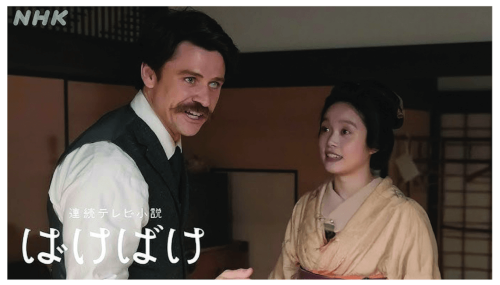
In Japan, NHK’s morning serial drama, commonly known as “Asadora,” airs at 8 o’clock in the morning on weekdays.
日本では平日の朝8時、NHKの朝の連続テレビ小説、通称「朝ドラ」が流れます。
This Asadora, which began in 1961, has accompanied the daily lives of Japanese people through 15-minute episodes.
1961年に始まったこの朝ドラは、1話15分の物語で、日本人の日常に寄り添ってきました。
Rather than flashy developments, the careful portrayal of family, work, and the passage of time is its defining feature.
派手な展開よりも、家族や仕事、時代の移ろいを丁寧に描く点が特徴です。
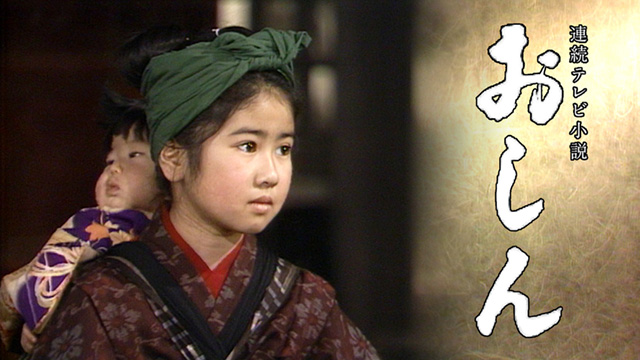
“Oshin,” which aired in 1983, depicted a woman who endured poverty and survived, and received high acclaim overseas, including in the Middle East.
1983年放送の『おしん』は、貧しさに耐え生き抜く女性を描き、中東を含む海外でも高い評価を受けました。
Asadora, while being Japanese stories, has conveyed universal human emotions.
朝ドラは、日本の物語でありながら、普遍的な人間の感情を伝えてきました。
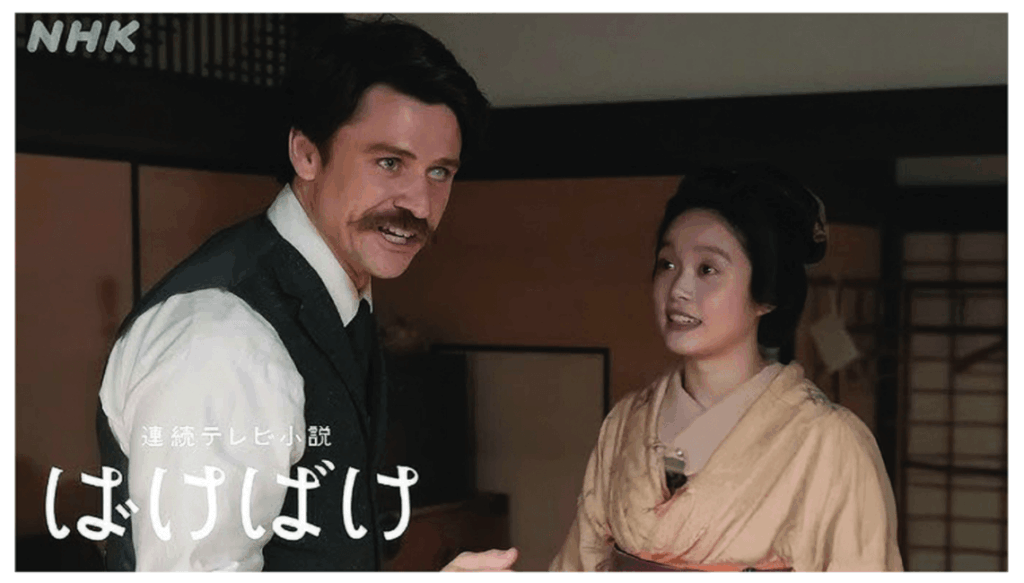
What that Asadora is currently depicting is “Bakebake.”
その朝ドラが現在描いているのが、『ばけばけ』です。
The model for the protagonist is the writer Koizumi Yakumo, who was active during the Meiji period (1850–1904).
主人公のモデルは、明治期(1868年〜1912年)に活躍した作家・小泉八雲。
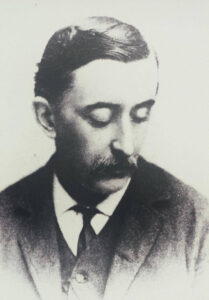
He is a Greek-born Westerner of Irish descent, known in the West as Lafcadio Hearn.
彼は西洋ではラフカディオ・ハーンとして知られる、ギリシャ生まれのアイルランド系西洋人です。
After working as a journalist in America, he came to Japan out of an interest in Japanese culture, and eventually became a naturalized citizen.
アメリカで記者として活動したのち、日本文化への関心から来日し、やがて帰化しました。
He was fascinated by the spiritual culture of the Japanese people, such as ghost stories, yokai, and folk beliefs, and introduced them to the world in English.
怪談や妖怪、民間信仰といった日本人の精神文化に魅了され、それらを英語で世界に紹介しました。
In them is embedded a uniquely Japanese sensibility—not only fear, but also reverence for nature and coexistence with the dead.
そこには、恐怖とともに、自然への畏れや死者との共存という日本独自の感性が込められています。
The title Bakebake comes from the word bakeru (“to transform”) and symbolizes a worldview in which invisible things reveal themselves.
タイトルの『ばけばけ』は、「化ける」という言葉から来ており、見えないものが姿を現す世界観を象徴しています。
This quiet 15-minute morning story continues to reflect the depths of Japanese culture even today.
静かな朝の15分の物語は、今もなお、日本文化の深層を映し続けています。
This article is from the February 2026 issue of Hiragana Times.
この記事は、月刊誌『ひらがなタイムズ』2026年2月号より掲載しています。
-
[Close up Japan – January 2026 Issue]
The Young Hero Who Crossed the Fires of War, Aonishiki, Becomes a New Ozeki
戦火を越えた若き英雄、安青錦が新大関へ
In 2025, a new page was carved into the history of Grand Sumo.
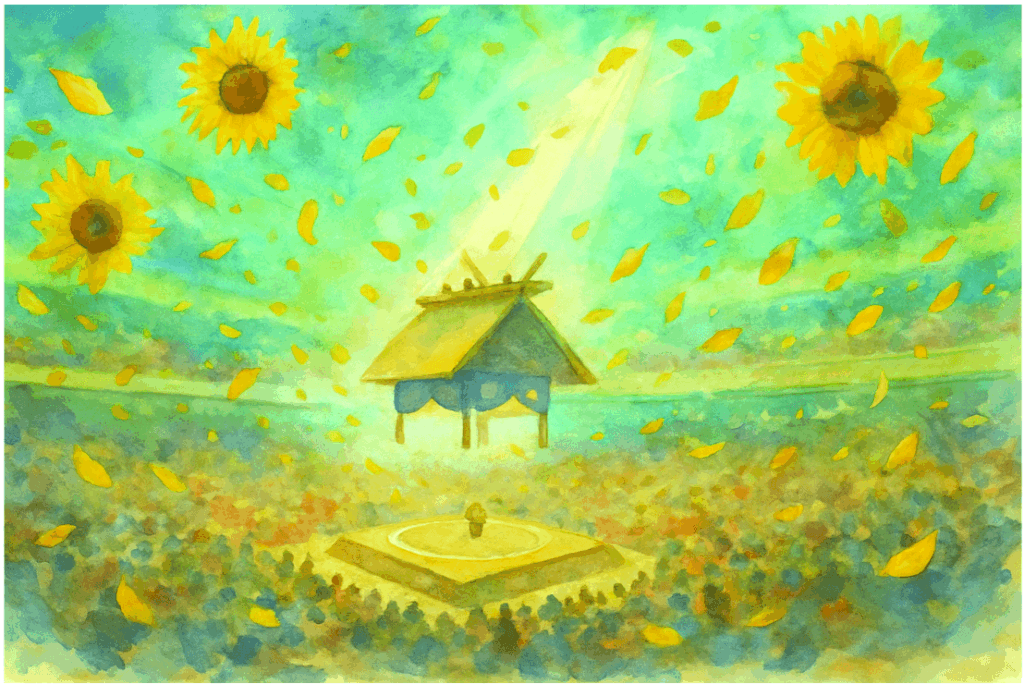
2025年、大相撲の歴史に新たな1ページが刻まれました。A Sumo wrestler from Ukraine, Aonishiki Arata.
ウクライナ出身の力士、安青錦 新大(あおにしき・あらた)。The ‘An’ of that shikona(ring name) derives from the name of his master, the former Aminishiki.
その四股名の「安」は、師匠である元安美錦の名に由来します。And ‘Ao’ expresses the color of his mother country Ukraine’s national flag and the color of his own eyes.
そして「青」は、母国ウクライナ国旗の色と、自身の瞳の色を表しています。The Makuuchi championship victory in merely 14 tournaments from his debut is the second fastest record in history.
初土俵からわずか14場所での幕内優勝は史上2番目のスピード記録。Also, obtaining the Emperor’s Cup at 21 years and 8 months old became the 4th youngest in history.
また、21歳8か月での賜杯獲得は史上4番目の若さとなりました。In the background of the birth of this young Ozeki, there is a deep bond.
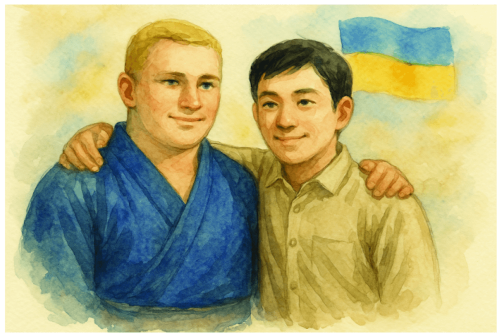
この若き大関誕生の背景には、深い絆があります。The “Arata” part of his ring name was taken from his best friend, Arata Yamanaka—who accepted and supported him when he wished to evacuate to Japan, refusing to abandon his sumo dream even amidst the fires of war.
四股名の“新大”の部分は、戦火の中でも相撲の夢を捨てたくないと日本への避難を望んだ彼を受け入れ、支え続けた親友――山中新大さんの名をいただいたものです。Aonishiki’s physique of 182.0cm and 140.0kg cannot be said to be big by any means in the Sumo world.
182cm・140kgという安青錦の体格は、相撲界では決して大きいとは言えません。However, what makes one not feel that handicap is the strong core learned from wrestling forged in his home country, and the sharp attacks launched from a low posture.
しかし、そのハンデを感じさせないのが、母国で鍛えたレスリング仕込みの強靭な体幹と、低い姿勢から繰り出す鋭い攻め。That fighting style which toys with giant wrestlers is the crystal of polished technique.
巨漢力士を翻弄するその戦いぶりは、磨き上げた技術の結晶です。On his Kesho-mawashi, a vivid yellow sunflower, which is the national flower of Ukraine, and a clear blue sky symbolizing peace are depicted.
彼の化粧廻しには、ウクライナの国花である鮮やかな黄色のヒマワリと、平和を象徴する澄んだ青空が描かれています。Prayer and gratitude to his hometown far away. And, with the warm bond with Japan in his heart.
遠く離れた故郷への祈りと感謝。そして、日本との温かな絆を胸に。A new star risen in the Sumo world is beginning to vividly illuminate the dohyo.
相撲界に昇った新しい星が、土俵を鮮やかに照らし始めています。
This article is from the January 2026 issue of Hiragana Times.
この記事は、月刊誌『ひらがなタイムズ』2026年1月号より掲載しています。
-
[Close up Japan – December 2025 Issue]
Two Japanese Scientists Win the 2025 Nobel Prize
日本人科学者ふたり、2025年ノーベル賞に輝く
In October 2025, the Nobel Prize awards for two Japanese scientists were announced.
2025年10月、日本人科学者ふたりのノーベル賞受賞が発表されました。
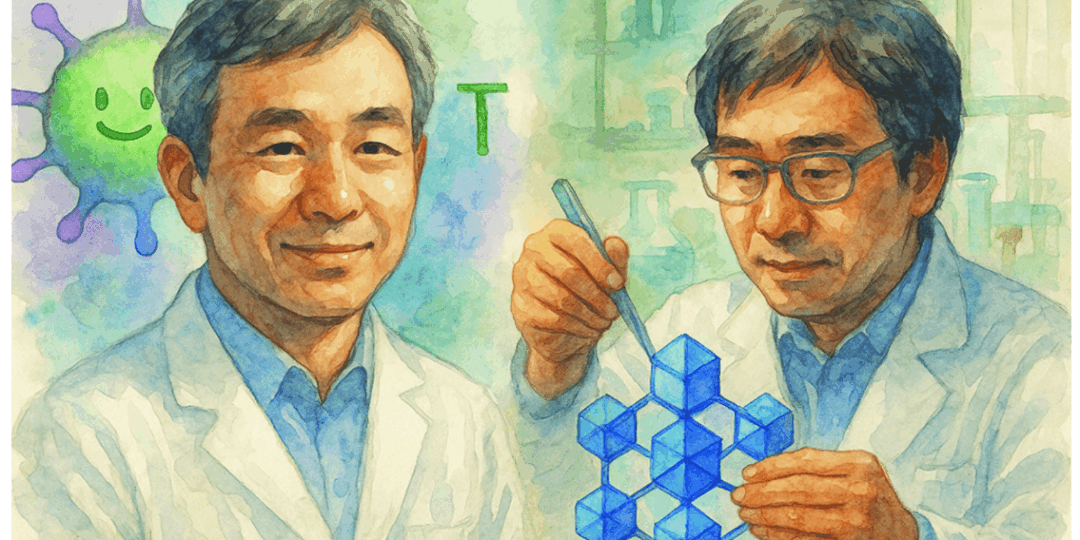
Shimon Sakaguchi, who received the Nobel Prize in Physiology or Medicine, discovered ‘regulatory T cells (Tregs),’ which control immunity so that the body does not mistakenly attack itself.
医学・生理学賞を受賞した坂口志文さんは、自分の体を誤って攻撃しないよう免疫を制御する「制御性T細胞(Tレグ)」を発見しました。
As a ‘brake role’ that suppresses the rampage of immunity, expectations are placed on them for autoimmune diseases and cancer treatments.
免疫の暴走を抑える“ブレーキ役”として、自己免疫疾患やがん治療に期待が寄せられています。
Furthermore, he also established technology to artificially increase Tregs, and greatly contributed to the practical application of medicine.
さらに、Tレグを人工的に増やす技術も確立し、医療の実用化に大きく貢献しました。
Susumu Kitagawa, who received the Chemistry Prize, developed ‘metal-organic frameworks (MOFs)’.
化学賞を受賞した北川進さんは、「金属有機構造体(MOF)」を開発しました。
It is a material that can take in and separate gases and moisture from the air into countless pores at the molecular level (about one one-hundred-millionth the size of a grain of rice).
分子レベル(米粒の1億分の1ほどのサイズ)の無数の穴に、空気中のガスや水分を取り込み、分けることができる素材です。
It is attracting attention as a material for solving environmental and energy problems, such as CO₂ capture and hydrogen storage, and furthermore, as a material that opens the door to a future where metals connect with life.
CO₂の回収や水素の貯蔵など、環境・エネルギー問題の解決、さらには金属が生命とつながる未来への扉を開く素材としても注目されています。
With these awards, the Nobel Prize laureates from Japan have become a cumulative total of 32 people.
今回の受賞により、日本のノーベル賞受賞者は累計32人となりました。
Also, at the Ig Nobel Prizes, which honor unusual ways of thinking, a Japanese person won again this year.
また、風変わりな発想を讃えるイグ・ノーベル賞では、今年も日本人が受賞。
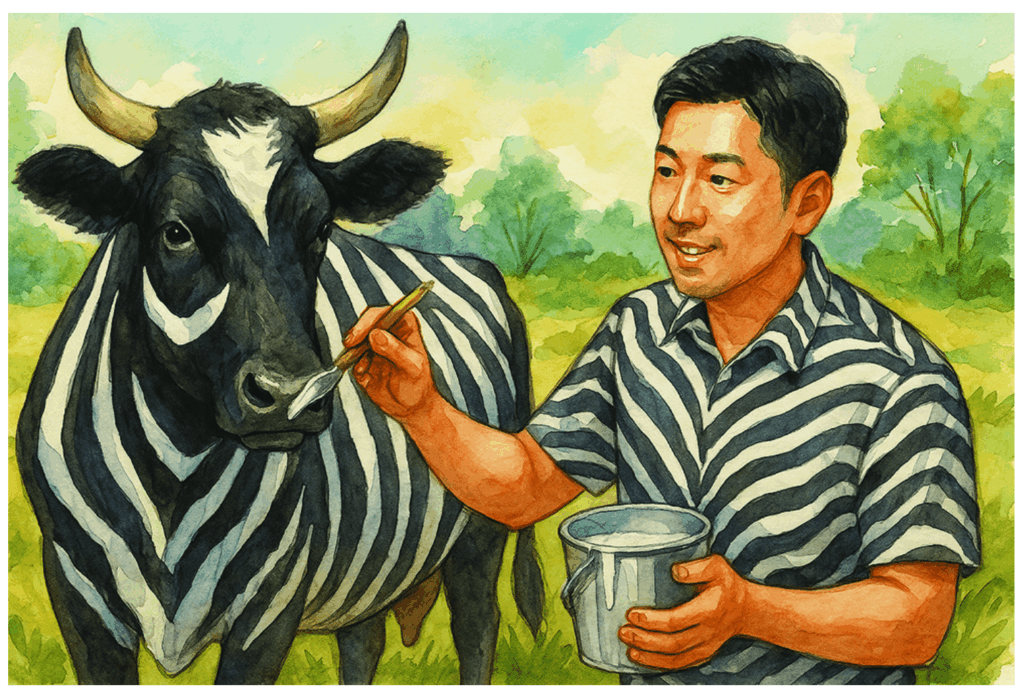
The research team of Tomoki Kojima gathered attention for their unique and practical idea of reducing horsefly damage by painting white stripes on black cows.
兒島朋貴(こじま ともき)さんの研究チームは、黒い牛に白い縞を描くことでアブの被害を減らすという、ユニークかつ実用的な発想で注目を集めました。
This marks the 19th consecutive year of a Japanese Ig Nobel Prize win.
日本のイグ・ノーベル賞受賞は、これで19年連続となります。
While being peaceful, it is sometimes exposed to the harshness of nature—perhaps such a natural climate in Japan is nurturing a quiet and resilient creativity.
平和でありながら、時に自然の厳しさにさらされる―― そんな日本の風土が、静かでたくましい創造力を育んでいるのかもしれません。
This article is from the December 2025 issue of Hiragana Times.
この記事は、月刊誌『ひらがなタイムズ』2025年12月号より掲載しています。