-
[From April Issue 2010]

Ingredients [Serves 2]
- 1 pc (40g) sasami (white chicken meat)
- a pinch of salt
- 1/2 tsp sake
- 2 mid-size prawns
- 1/2 tsp sake
- 1/4 pkg (30g) shimeji mushrooms
- 2 sprigs mitsuba (honeywort)
Egg liquid
- 2 eggs
- 1 1/2 cups dashi (see below)
- 2 cups water (to be boiled down to 1 1/2 cups)
- 5 x 10cm long kelp slices
- 1/2 cup shaved dried bonito
- (A) 1/3 tsp salt
- 1/2 tsp mirin cooking sake
- 2 or 3 drops soy sauce
Tips on Making Smooth Chawan-Mushi
For a smooth taste keep the ratio of eggs to stock at 1:3. Since eggs solidify at 80℃, keep the steamer temperature between 80 ~ 90℃, but pay attention. Continuous steaming over a high flame will result in air-bubbles. (“su ga tatsu” in Japanese.)
- Leave the kelp unwashed as the white surface powder adds flavoring. Clean with a dry cloth then let soak in (2 cups) of water for about 30 minutes.
- Heat all the above over a low flame removing the kelp just before it boils. Add shaved, dried bonito, bring to a boil, and then turn off heat. Let cool for a minute or two, then strain stock through a damp, tightly wrung out dishcloth or paper towel.
- With stock still warm (approx. 60℃, the temperature of lukewarm tea), add (A) salt, mirin cooking sake and soy sauce.
- Remove prawns from shells leaving only the tails intact. Devein then pour sake.
- Strip the sasami (white chicken meat) of any bones or cartilage then cut into 4 pieces by sogi-giri (long, thin diagonal cuts). Season with salt and sake.
- After removing the hard tips from the shimeji mushroom, divide them into small amounts. Similarly divide the stems and the leaves of the mitsuba (honeywort). Slice the stems into 2-to-3 cm lengths.
- Break the eggs but do not beat them. Add them to no. 3 above, then strain.
- Put all ingredients except for mitsuba into tea bowls then slowly pour in the egg mix, careful to avoid any air bubbles.
- Put water in steamer and heat over a high flame. When steam occurs, place the tea bowls inside.
- Steam over high flame for 3 minutes. When the surfaces turn whitish, lower the flame and continue steaming for another 12 to 13 minutes.
- Poke a bamboo skewer into a tea bowl, to see if the soup is still clear – if so, stop steaming.
- Turn off heat, then place mitsuba on element and continue steaming with the remaining heat for about a minute.
- Remove tea bowls from steamer and cover with lids. You are now ready to serve.
[2010年4月号掲載記事]
材料(2人分)
- とりささみ 1本(40g)
- 塩 少々
- 酒 小さじ1/2
- えび 中2尾
- 酒 小さじ1/2
- しめじ 1/4パック(30g)
- みつば 2本
卵液
- 卵 2個
- だし カップ1+1/2
- 水 カップ2(出来上がり量 カップ1+1/2)
- こんぶ 約5x10cm角
- けずりかつお カップ1/2
- (A)塩 小さじ1/3
- みりん 小さじ1/2
- しょうゆ 2~3滴
なめらかな茶碗蒸しを作るコツ
卵とだしの割合を、卵1:だし3にすると、なめらかな口あたりになります。また、火加減と加熱時間に気をつけましょう。卵液は80℃で固まるので、蒸し器のなかは80~90℃に保ちます。強火で蒸し続けると、卵液に気泡ができてしまいます。(すが立つと言います)
- こんぶは、表面についている白い粉もうまみの成分なので、洗わずに乾いたふきんでふきます。分量の水(カップ2)に30分以上つけます。
- 1を弱めの火にかけ、ふっとう直前にこんぶを取り出します。けずりかつおを入れ、再びふっとうしたら、火を止めます。1~2分おいて、かたくしぼった布きんやペーパータオルでこします。
- だしが温かいうち(60℃。ぬるめのお茶くらいの温度)に(A)塩、みりん、しょうゆを加えます。
- えびは尾の1節を残して殻をむき、背わたをとります。酒をふります。
- とりささみは筋をとり、ささみを4切れのそぎ切りにします。それに塩、酒で下味をつけます。
- しめじは石づきを落し、小房に分けます。みつばは茎と葉に分け、茎は2~3cmに切ります。
- 卵は泡立てないようにほぐし、3とあわせてこします。
- みつば以外の材料を茶碗に入れ、卵液を静かに注ぎます。表面に泡が出来たら泡をとります。
- 蒸し器に水を入れ強火にかけます。蒸気が充分に出てきたら、茶碗をのせます。
- 始めの3分は強火で、表面が白っぽくなったら弱火にして、12~13分蒸します。
- 竹串を刺してみて、穴の汁がすんでいれば蒸し上がりです。
- 火を止めて、みつばをのせて、1分ほど蒸らします。
- 取り出してふたをしてできあがりです。
-
[From April Issue 2010]
While living in Japan it is important to learn how to use the various banking services. The Japanese word for “bank” is ginkou, however, most Japanese understand the term “bank.” There are three major banks in Japan: “Tokyo-Mitsubishi-UFJ,” “Sumitomo-Mitsui” and “Mizuho.”
To convert foreign currency to yen, follow the signs to a kawase or gaika ryougae (money exchange counter), and take a number from the automated dispenser. When it is your turn, your number will be displayed on an electronic signboard, and called out loud.
The word for bank note, or bill, is shihei or satsu. Japan uses four different bank notes: sen en (one thousand yen), ni-sen en (two-thousand yen, which is rarely used nowadays), go-sen en (five thousand yen) and ichi-man en (ten thousand yen). Japan also uses six different coins: they are ichi en (one yen), go en (five yen), juu en (ten yen), go-juu en (fifty yen), hyaku en (one hundred yen) and go-hyaku en (five hundred yen).
Learning how to count money properly is also important – 1, 000 yen is not issen en, but sen en, 10,000 yen is not pronounced juu sen en, but ichi-man en.
The method of opening a kouza (your account) differs from bank to bank. The kouza-mei (the account holder’s name) is usually registered in kanji, but for non-Japanese it can be in either katakana or English. In Japan a hanko, or inkan (personal seal/stamp) is generally necessary, but for non-Japanese people many banks will accept your signature instead.
Katakana is Japanese script based on foreign word sounds, and does have its limitations. For instance, in Japan there is no such word as “victor,” because there is no ‘v’ sound in Japanese, so it may be written as “ヴィクター,” or “ビクター.” There are no official katakana rules, so you can choose your own spelling.
You can access your account in person, or more likely by using your bank card at an ATM. If you want to withdraw money from your overseas account, or get a cash advance on your credit card, places are usually limited to post offices and 7-ELEVEN convenience store ATMs. Also, some overseas credit cards are not accepted in Japan, so remember to check beforehand.
When receiving money from overseas in the form of a money-order, expect banks to charge a fee of roughly 5,000 yen per transaction. For instance, if you have a money-order valued at 10,000 yen, after paying the fee, you will only receive 5,000 yen, so it is best to get money sent from overseas in a lump sum, or check Japan’s post offices, where the fees tend to be less.
[2010年4月号掲載記事]
日本で生活する上で、銀行の利用法についての知識はかかせません。「バンク」は日本語で「銀行」ですが、「バンク」のままでも多くの日本人は理解できます。日本には、三つのメガ・バンクがあります。「三菱東京UFJ」、「三井住友」「みずほ」です。
外貨を日本円に換えるには、「為替」または「外貨両替」コーナーへ行き、自動の番号札機から、番号を取ってください。あなたの順番が来ると番号がそこに表示され、呼ばれます。
英語の「バンク・ノート」、「ビル」は「紙幣」、「札」のことです。日本では、4種類が使われています。「千円」、「二千円」(現在はほとんど使用されていません)、「五千円」、「一万円」です。コインには、「1円」「5円」「10円」「50円」「100円」「500円」の6種類があります。
お金の数え方を覚えるのは大切なことです。日本円の単位の読み方です。1,000円は、「イッ・セン・エン」ではなく、「セン・エン」です。また、10,000円は、「ジュウ・セン・エン」ではなく、「イチ・マン・エン」と呼びます。
銀行での口座の開き方は、銀行により異なります。口座名の登録は漢字が普通ですが、外国人の場合には、カタカナか英語となります。日本人の場合には一般的に、はんこ(印鑑)が必要ですが、外国人の場合には、サインで登録できる銀行もあります。
カタカナは、外国語の音を文字にしますので正確に表現することができません。たとえば、「Victor」は、日本語に「v」の音がありません。それで、「ヴィクター」と書く人もいれば、「ビクター」と書く人もいます。正式なルールがないので、自分で選びます。
本人が銀行へ出向いて預金口座を利用できますが、ATMで銀行のカードを使う方が便利です。あなたの海外の口座から、あるいはクレジット・カードで引き出すには、郵便局やセブン-イレブン(コンビニ)のATMなどに限られます。日本で使えないクレジット・カードもありますので、事前に調べておいてください。
外国から送金された為替を受け取る場合、1件につき5千円ほどの銀行手数料がかかります。たとえば、1万円の送金があっても、受け取れるのは5千円ほどです。お金はまとめて送金しないと損です。さもなければ、手数料が少なくて済む日本の郵便局で確認してください。
-
[From April Issue 2010]
Aomori Prefecture is located on the northernmost tip of Honshu Island, where the Mutsu-wan (bay) nestles between the eastern Shimokita, and western Tsugaru Peninsulas. It is a region blessedly surrounded by the abundant waters of the Pacific Ocean, the Sea of Japan and the Tsugaru Kaikyo (Straits). The Aomori Nebuta Matsuri Festival held annually in August is a well-known festival. Currently only accessible via the Touhoku Shinkansen to Hachinohe station, the Shin-Aomori station is scheduled to open this December, enabling visitors to travel without transferring, directly from Tokyo station to Aomori City.
In Aomori City visitors can explore the Sannai Maruyama Site, Japan’s largest archeological dig that dates back to the Jomon Period (approximately 16,500 to 3,000 years ago). The full-scale excavation, which began in 1992, revealed that ancient residents lived communally in neighboring villages and regularly interacted with one another.
Findings considered between 4 ~ 5,500 years old reveal pit-house remains, grave sites, traces of larger buildings, Jomon-era clay pots, stone ware, clay figures, jewelry, jade and obsidian (volcanic glass) from far off regions. DNA analysis further revealed that chestnuts were also cultivated – a discovery which greatly changed the perception of Jomon-era culture.
Renown for its history, Aomori Prefecture is also known in the literary world as the birthplace of author DAZAI Osamu (1909~1948), whose works include “Shayo (The Setting Sun)” and “Ningen Shikkaku (No Longer Human).” Dazai, the youngest of eight surviving children, was born into a wealthy landowner family in Goshogawara City. Now, both his enthusiastic fans and the local citizens look after his home, which houses the Dazai Osamu Museum, or “Shayo Kan.” And more recently, Dazai’s work has attracted new fans through the comic book version of “Ningen Shikkaku” and the film adaptation of “Viyon no Tsuma (Villon’s Wife).”
Hirosaki is known for Mount Iwaki and Hirosaki Castle. Mount Iwaki, also referred to as “Tsugaru Fuji,” stands tall at 1,625 meters above sea level. At Hirosaki Castle, annual cherry blossoms bloom just in time for May’s Golden Week holidays (from the end of April to the beginning of May), making it a favorite viewing spot for visitors from all across the country.
The castle grounds, measuring 385, 200 square meters, were built during his reign of TSUGARU Nobuhira, daimyou (lord) of the Tsugaru Han (domain), and can hold more than 10 Tokyo Domes. The current tenshukaku, the castle’s tallest and most-central building with rooftop views, was rebuilt in 1811. Hirosaki Castle is one of last 12 remaining castles that have tenshukaku from the Edo period, along with the hori (moat) and ishigaki (stone walls).
Aomori prefecture also grows the most apples in Japan. The Tsugaru region around Hirosaki City, which is located in the Southwestern part of the prefecture, is the main apple-producing area. During typhoons it is common for apples to fall from the trees, with those that remain known as “unfailing apples” which some farmers sell to students preparing for exams.
Additionally, Aomori Prefecture is proud to have the “Shirakami Sanchi” (Mountains) designated as a UNESCO World Nature Heritage Site. Spreading over to its neighboring prefecture of Akita, it is one of the largest, primeval, beech tree forests in the world, and home to various precious flora and fauna, including black bears, Japanese Macaques, black woodpeckers, and golden eagles. All of Shirakami Sanchi, with its roaring waterfalls and beautiful landscape, is said to be a natural, living, outdoor museum, and as a Heritage Site designee, it is an invaluable and precious global asset.
Similar to Shirakami Sanchi, Towada Lake also adjoins Akita Prefecture. Surrounded by primeval forests, it is 378 meter deep, with 20 meters of underwater visibility. On its lakeshore stands the bronze statue of “Otome-no zou (maiden by the lake)” created by the poet and sculptor, TAKAMURA Kotaro.
Drained by the Oirase River, Towada Lake is such a popular spring and autumn tourist attraction, with its roughly 14 kilometer walkway, that there are often traffic jams getting to and from the area.
Another popular tourist destination is Mount Osorezan, located near Mutsu City, in the middle of the Shimokita Peninsula. According to Japanese tradition, “Dread Mountain,” where the smoky, sulfur smell always hangs in the air, is the gateway to Hell or the Pure Land, through which souls pass on their way to the underworld.
During the summer festival season, worshippers gather at Mount Osorezan from all over Japan to welcome back the itako (spiritual mediums), who return in the hopes of communicating with the departed. Popular itako usually have very long line ups. At Mount Osorezan, lodging at the temple is also available.
The three, spoken Aomori dialects are so distinct that sometimes people in Aomori prefecture can’t understand one another. Their dialects are all short. For example: asking “Ku?”, or saying “Ku.” or “Ke.” while similar sounding, all mean slightly different things: “Would you like to eat this?” “I want to eat it.” “(Go ahead and) eat it.” When Aomori people are interviewed on national television, sub-titles are sometimes included so that viewers can understand what is being said. Aomori Prefecture: pleasantly filled with unique surprises.
Aomori Prefectural Tourism Federation
Hirosaki Tourism and Convention BureauText: HAMADA Miyako
[2010年4月号掲載記事]
青森県は、本州の最も北にあり、東側の下北半島と西側の津軽半島が、ぐるりと陸奥湾を囲んでいます。太平洋と日本海、そして津軽海峡と、豊かな海に恵まれた地域です。毎年8月に行われる青森ねぶた祭はとても有名です。現在、東北新幹線は八戸駅が終点ですが、今年の12月には新青森駅ができ、東京駅から乗り換えることなく青森市まで行くことができます。
青森市には、縄文時代(約16500年前~3000年前)の遺跡として日本で最も規模が大きいといわれている三内丸山遺跡があります。1992年より始まった本格的な調査で、人々が村をつくり共同体のなかで暮らしていたこと、また、他の村との交流があったことが明らかになりました。
約5500年前~4000年前のものといわれる遺跡の発掘調査では、竪穴住居跡、墓の跡、大型の建物跡、縄文土器、石器、土偶、アクセサリー、他の地域から運ばれたヒスイや黒曜石などが見つかっています。DNA分析により栗が栽培されていたこともわかり、それまでの縄文文化のイメージを大きく変えました。
歴史で注目される青森県ですが、文学の世界でも太宰治(1909~1948)が生まれた地として知られています。太宰の主な作品は「斜陽」「人間失格」などです。太宰は、五所川原市の大地主の家に8人兄弟の末っ子として生まれました。その生家は、太宰治記念館「斜陽館」として、熱心な読者や地元の人たちに大切にされています。最近では、「人間失格」がコミック化され、「ヴィヨンの妻」が映画化されるなど、新たなファンも増えています。
弘前は岩木山と弘前城で知られています。岩木山は標高1,625メートルで、「津軽富士」と呼ばれて親しまれています。弘前城は、毎年ゴールデンウイーク(4月末から5月初め)のころに桜が満開で、全国から花見客がやってくる桜の名所となります。
弘前城は、1611年、津軽藩主である津軽信枚によって完成しました。広さは約385,200平方メートル、東京ドームだと10個以上は入ります。なお、現在の天守閣(城の中心部にもうけられた最も高い建物で、屋上に展望台のような部屋が作られている)は1811年に再建されました。江戸時代の天守閣が残っている城は日本に12しかありませんが、弘前城はその一つです。堀と石垣も当時からのものだといわれています。
日本のりんご生産量は、青森県が第一位です。県の西南に位置する弘前市周辺の津軽地方が主な産地です。台風の被害で地面に落ちてしまうことがありますが、枝に残ったりんごを「落ちないりんご」として、受験生向けに売り出している農家もあります。
そしてもう一つ青森県が誇るのは、世界自然遺産「白神山地」。となりの秋田県にもまたがっている世界でも最大級のブナの原生地です。多くの貴重な植物のほか、ツキノワグマ、ニホンザル、クマゲラ、イヌワシなどの動物もいます。落差の大きな滝や美しい景観は、白神山地全体が森林博物館のようだといわれています。世界自然遺産の指定地域として、はかりしれない貴重な世界遺産です。
白神山地と同じように、秋田県に接しているのが十和田湖です。十和田湖はまわりを原生林に囲まれ、最も深いところで378メートル、透明度は20メートルといわれています。湖のそばには、詩人で彫刻家である高村光太郎によって作られたブロンズの「乙女の像」があります。
奥入瀬川へ流れる十和田湖は、新緑と紅葉の季節には多くの観光客が訪れます。約14キロにおよび、川の流れにそって遊歩道が整備されていますが、道路はしばしば渋滞します。
もう一つ、観光客に人気があるところといえば、下北半島ただ一つの市で中心にある、むつ市近くの恐山です。言い伝えによれば、地面のあちこちからもうもうと硫黄の匂いと煙がたちこめてる恐山は地獄や浄土への入り口で魂はあの世へ向かうといわれています。
夏のお祭りには全国から参拝客が訪れます。この時期は、死者の言葉を聞き伝えるイタコも恐山へやって来ます。人気のあるイタコの前には人々の長い行列ができます。恐山では、お寺などに泊まることができます。
青森の言葉は三つに分かれており、同じ青森県の人でもお互いの言葉が理解できないことがあります。共通しているのは短い言葉で表すことです。例えば、「く?」「く」「け」。同じような発音ですが、みな少しずつ意味が違います。それぞれ「食べる?」「食べる」「食べなさい」という意味です。青森の人がテレビのインタビューを受けて、それが全国に放送されるとき、意味がわかるよう字幕が出ることがあります。青森県は、このように驚きがつまっています。
文:浜田実弥子
-
[From April Issue 2010]
TAKEDA Souun, Calligrapher
Last year, the most watched TV-drama series in Japan was the NHK Taiga Drama: Tenchi-jin. The calligrapher who created the title’s dynamic letters was TAKEDA Souun. Souun also currently runs a Japanese calligraphy school in Shonan, Kanagawa Prefecture named Futaba-no Mori, while also holding solo exhibitions and designing product logos and CD jackets.
But Souun goes far beyond merely writing and teaching calligraphy. He also collaborates in performances with famous artists such as the band B’z, and NOMURA Mansai – the traditional kyogen performance artist. Souun also creates huge murals in front of guests, and is continuously active in various endeavors including writing poems with accompanying calligraphy, and lecturing to fellow creators.
“What is natural to me is sometimes extraordinary or new to others,” says Souun. “I had no intention of creating something new or breaking any boundaries. People are just surprised or excited by what I do, so I humbly accept their requests, and that is how I came to work in various fields.”
Souun was born in Kumamoto Prefecture in 1975. He began studying Japanese calligraphy under the tutelage of his mother Souyou, when he was 3 years old. His mother’s teachings were very strict, and since there are many detailed rules in Japanese calligraphy, Souun sometimes got fed up with it. “But I never stopped loving the act of writing letters itself,” Souun says reflectively.
In college he majored in computer science and was then was hired by NTT, one of Japan’s largest telecommunications companies. But, he just couldn’t relate to his colleagues. “When I was in meetings where the executives were also present, I felt the meetings were trivial. So I raised my hand and asked ‘is there any meaning to this meeting?’ Everyone was shocked. There was also the time when I asked a person slacking off, ‘why aren’t you working?’” he fondly remembers.
Souun’s heart was in the right place as they were honest questions asked purely out of curiosity – but some people got angry. Others were bothered by the casual way in which he spoke to his superiors. Looking back on those days, Souun says: “I couldn’t read between the lines. I think I was the kind of person who had many annoying characteristics.”
But Souun doesn’t think he has bad character. “I might have been a minus for the company, but individuality is a plus in the world of art. So I think it is wiser to wait before deciding what’s good and bad. When situations change, minuses can become pluses.”
Souun’s life changed while listening to a street musician’s performance. “Tears started naturally welling up inside me. It made me want to do something to touch people,” he recalls. “As I worked, I felt that ‘all I ever see are printed letters and words from computers, but there’s a warmth to handwritten letters,’ so that motivated me to live my life as a calligrapher.”
Always optimistic, Souun admits that he “gets right back on his feet after a fall.” But in his book of poetry, he writes words such as “Righteousness is something that one considers convenient,” that portray reality as both cold and hard. “There is probably a cheerful Souun and a gloomy Souun inside me. For example, when I look into a child’s face, I sometimes think ‘I am happy, but there are some parents in this world who abuse their children.’ Then I think of how both the abusing parents and the abused children must feel and it makes my eyes water,” he reveals.
Souun advises non-Japanese people learning kanji to study like it’s a game. “It’s not worth your effort if it makes you forget the fun part. And this can be said for more than just kanji. Everyone should have more fun, just make merry, I think,” he advises. And it’s this laid-back character of his that continually attracts more Souun-fans.
“When I am talking to non-Japanese people, I realize things that are otherwise mundane. The points that interest us are the same, and although we may have different features, use different languages and have different cultural backgrounds, I love it when we find common ground,” he affirms.
TAKEDA Souun’s Official website
Text: SAZAKI Ryo
[2010年4月号掲載記事]
書道家 武田双雲さん
昨年、日本で放送された連続ドラマの中で、見た人が最も多かったのは、NHKの大河ドラマ「天地人」。そのダイナミックな題字を書いたのが、書道家の武田双雲さんです。双雲さんは現在、神奈川県の湘南で「ふたばの森」という書道教室を開いています。また、個展を開いたり、商品のロゴやCDジャケットのタイトルを書いたりもしています。
双雲さんは書を書いたり教えたりするだけではありません。ミュージシャンのB’z、伝統芸能である狂言の野村萬斎といった有名なアーティストと共同でパフォーマンスをしたこともあります。お客さんの前で巨大な書を書いて見せたりもします。詩を書いてそれに自分の書を添えたり、クリエイター向けの講演をしたりと、さまざまな活動をしています。
「僕にとっては自然なことが、まわりには意外だったり新しく感じたりするらしいんですよ」と双雲さんは言います。「僕は、新しいことをしようとも何かを壊そうとも思っていません。まわりが僕のやることに驚いたり喜んだりしてくださるので、僕でよければやりましょうか、みたいな感じで、いろいろなジャンルで仕事をしています」。
双雲さんは、1975年、熊本県に生まれました。書道家の母、双葉さんのもと、3歳から書道を始めました。お母さんの教え方はとてもきびしく、また書道には細かい決まりがたくさんあるので、嫌になることもあったそうです。「でも、字を書くことそのものは、ずっと好きでいられました」と双雲さんは当時をふりかえります。
大学では情報科学を学び、大手電話会社NTTに就職しました。しかし人間関係で苦労します。「重役も出ている会議に出席していたときのことです。僕にはその会議が重要ではないと感じられました。そこで手を挙げて『この会議に何の意味があるんですか』と聞いたんです。みんな驚いていましたね。それから、仕事をさぼっている人に『どうして働かないんですか』と聞いたこともあります」。
双雲さんに悪気はなく、ただ好奇心からの質問だったのですが、それに対して怒る人もいました。また、双雲さんが地位の高い人にも気軽に話しかけたり接したりすることに対して、反感を持つ人もいました。当時のことをふりかえって、双雲さんはこう言います。「空気が読めなかったんですよね。迷惑な部分も多い人間だったと思いますよ」。
でも双雲さんはそういう自分の性格を、マイナスだとは考えていません。「会社ではマイナスだったかもしれないけど、芸術の世界に入ってからはこの個性がプラスに働くことが多いんです。だから、何がいいとか悪いとか、すぐに判断するのはやめた方がいいですよ。まわりを変えれば、そのうちマイナスもプラスになったりするんですから」。
双雲さんの人生を変えたのは、あるストリートミュージシャンの演奏を聴いたことです。「自然に涙が出てきましたね。自分も人を感動させることがしたいと思いました」とふりかえります。「仕事のなかで見かけるのは、印刷された字やネット上の字ばかりです。手書きの字には温かさがあるのにと感じていたこともあり、書道家として生きていくことを決意しました」。
「落ち込んでもすぐ立ち直る」と言う前向きな双雲さん。しかし双雲さんの詩集には「人間が言う正しさとは、都合がいいかどうかのことである」というような、現実を冷めた目で見る詩もあります。「僕の中に明るい双雲と暗い双雲と、両方いるんでしょうね。例えば子どもの顔を見ているとき、『僕は幸せだけど世間には子どもをいじめる親もいる』と考えたりするんですよ。すると、いじめる親といじめられる子ども両方の気持ちを考えてしまって、涙が出てしまうんです」。
双雲さんは漢字を学ぶ外国の人たちへ、ゲームのように勉強したらいいとアドバイスします。「楽しさを忘れてまで、がんばる必要はないと思います。漢字以外のことでもそうですが、みんなもっと楽しめばいい、はしゃげばいいのに、と思います」。このおおらかな人柄も、双雲ファンを増やしています。
「外国の人と話していると、ふだんあたり前すぎて感じていないことに気づけますね」と言う双雲さん。「顔も言葉も文化も違うのに、おもしろいと感じるところは同じなんですよ。共通点を見つけるのが楽しいです」と双雲さんは話します。
文:砂崎 良
-
[From April Issue 2010]
Aides to DPJ Secretary-General OZAWA Ichiro were arrested for their parts in the fund management scandal that was widely reported throughout Japan’s mass media. Hiragana Times CIA interviewed Japan expert Victor TRUMAN, author of “Who Has the Real Power in Japan?” about the true nature of what happened.
CIA: What do you think about the opinion polls in which more than 70% of Japanese agree that Mr. Ozawa should resign as the Secretary-General?
Author: Mr. Ozawa was not indicted, his secretaries denied the charges against them and the real trial hasn’t even started yet. However, a citizens’ group did bring the case to the attention of the prosecutor’s office, alleging his involvement. And because the public learned its information through the media and are not fully aware of the truth, it is very dangerous for them to hold such views.
CIA: Are you suggesting the media’s information was unreliable?
Author: The mass media reported on the prosecutor’s intentions. It was impossible for the media to know beforehand the exact date of Mr. Ozawa’s hearing, and that he would not be indicted, without leaked information from the prosecutors. I feel that it’s unfair to survey public opinion just after the incident occurred, especially accompanied by inflammative reporting, and then believe that it is people’s true opinion. This is a kind of public lynching without hard evidence.
CIA: So you are saying the mass media’s reports are unfair?
Author: The “mass media” is a really “private media” after all. They surely report with a bias. It will become more obvious when you see what they write about Toyota’s recall. There will hardly be any negative press about Toyota, which is one of their biggest advertisers.
CIA: Why do you think the prosecutor and the mass media are targeting Mr. Ozawa?
Author: The JDP won the last election touting administrative reform, so I guess they were afraid of losing some power. Regular mass media is also losing its influence in the Internet age. Last year Internet-based ad revenue surpassed newspaper ad revenues. So maybe condemning powerful politicians is their best option in maintaining power.
CIA: The mass media often say Mr. Ozawa’s resignation will depend on public opinion, what do you think?
Author: Most people are non-political and are easily influenced by media reports, acting just like herded sheep. Remember, Japanese people once believed the media’s biased reports in support of war. Where did they get their information from? From what real evidence did people support the war? In fact, people, who themselves are influenced by the media, can change the course of a country, affecting the lives of all its citizens.
One Comment from CIA
The Democratic Party of Japan (DPJ) is trying hard to recover its favorable public opinion. Mr. Ozawa, why don’t you sell all your property that was mentioned by the media? Prime Minister Hatoyama, why don’t you get a bigger allowance from your super-rich mother? Then, the DPJ could use that extra money to buy advertisements in the mass media, just like Toyota, and reintroduce their clean political policies. The money-loving media will most certainly change their attitude because after all, both the values of politicians and the media are the same – Money Talks!
* CIA(Cynically Insulting Agency /皮肉冗談局)
[2010年4月号掲載記事]
民主党の小沢一郎幹事長の秘書が政治資金管理問題で逮捕され、マスコミはこの問題を大きく報道した。Hiragana Times CIAは、日本通として知られ、「日本で実権を持っているのは誰か?」などの著者でもあるビクター・トルーマン氏に、この問題の本質を尋ねた。
CIA:今度の問題で、国民の7割以上が小沢氏は幹事長を辞めるべきだと答えました。この世論調査についてどう思われますか。
著者:小沢氏は起訴されず、秘書は容疑を否認し、裁判も始まっていません。それにも関わらず、市民団体が検察審査会に起訴の申し立てをしました。真実を知らないのに、メディアから得た情報だけでそんな見方をするのはとても危険です。
CIA:メディアの情報は信じられないということですか。
著者:マスコミは検察側の意図にそった報道をしました。検察からのリークがなければ小沢氏が事情聴取される日とか、不起訴になる正確な情報を事前に発表できるはずがありません。事件が起きた後、特に過熱報道が続いた直後の調査で、これが世論だとするやり方は不公正に感じます。これは確かな証拠のないまま行われる一種の公開リンチです。
CIA:マスコミの報道は不公正とおっしゃるのですね?
著者:マスコミも結局は一企業です。何らかの意図をもって報道しています。トヨタのリコール問題を見れば明らかでしょう。メディアにとって大きな広告主であるトヨタをたたく記事はほとんどありません。
CIA:検察とマスコミはなぜ小沢氏を標的にするのですか。
著者:民主党は行政改革を唱えて選挙に勝ちました。検察は権力を失うのを恐れたのだと思います。マスコミはネット時代に影響力を失いつつあります。昨年は新聞の広告収入がネットに抜かれました。おそらく大物政治家を非難することが、権力を維持する最良の手段なのでしょう。
CIA:マスコミは、小沢氏の辞任は国民の世論にゆだねられるとしていますが、どう思われますか。
著者:多くの国民は政治信条をもたず、群れる羊のように簡単にマスコミ報道で動きます。かつて国民は戦争を支持するメディア報道を信じてしまったことを忘れてはいけません。メディアはどこから情報を得たのでしょうか。国民は何を根拠に戦争を支持したのでしょうか。実際、メディア報道に左右される国民が、国を動かし、国民の生活に影響を与えているのです。
CIAからの一言
民主党は世論の風向きを変えようと必死ですね。小沢さん、メディアに追及された手持ちの不動産を売ったらどうですか。鳩山総理、超お金持ちのお母さまからもっと小遣いをもらったらどうですか。それらのお金で、トヨタ並みにマスコミの広告スペースを買って、また、クリーンな政策を説いてください。何よりも広告収入が欲しいメディアは間違いなく態度を変えてきます。結局、マスコミも政治家も本質は同じなのですから。そう――地獄の沙汰も金次第。
* CIA(Cynically Insulting Agency /皮肉冗談局)
-
[From April Issue 2010]
Mobile Designer School
Creating “decorations” (a.k.a “deco”) for personal belongings such as cell phones, digital cameras, and more recently ballpoint pens, watches, hair dryers and sunglasses, is very popular, especially among young Japanese women.
“Decorations” can be almost any personal design made of tiny sparkling crystals or shiny materials called stones. The excitement of being able to transform plain appliances, or your favorite small articles, into original, one-of-a-kind pieces of art, seems to be THE reason for this being much more than just a passing fad. Another reason could also be the number of TV personalities who have their own, branded accessories.
In 2002 The Japan Decorator Association NPO (non-profit-organization) was launched to support professional decoration designers and creators. A year later new decoration design schools started opening, with enrollment increasing on a yearly basis. At the Mobile Designer School (MDS president: IIO Hitomi), lovingly referred to as “the Tokyo University of the decoration industry,” students from teenagers to seniors attend, with the large majority being females.
MDS offers a wide range of classes, from single-day beginner lessons, to full-time courses where students can hone their skills in earnest over about a year. Recently there have also been cases where parents actively encourage their children to enroll in the school, supporting the idea of their becoming professional decorators. Many MDS graduates eventually go on to work at Glam Baby, a retail chain that sells both pre-designed items and custom-made orders.
Some decorations are quite reasonable, costing only several hundred yen, but recently, luxurious designs with intricate detail have become increasingly popular. Having your cell phone decorated by a pro can cost between 20,000 and 60,000 yen per surface side (of the phone). While it is not cheap, orders for such services keep rolling in. Even quite a few foreign tourists have had their cell phones decorated as a souvenir of their trip to Japan.
To be successful, decorators require strong design skills, speed and dead-accuracy. In addition to listening, understanding and interpreting the client’s ideas, they also need the ability to finish in two hours, rather than the customary five. Furthermore, attention to detail in arranging and placing the stones, so as to balance the overall design, is also a prerequisite.
WATANABE Tetsuo, president of Glam Baby, says the future looks promising. “There’s a fair chance that we will open stores in Europe, America and Southeast Asia in the future. Decorations are especially popular in China and South Korea, so these countries have good potential markets.”
Text: TSUCHIYA Emi
[2010年4月号掲載記事]
モバイルデザイナースクール
携帯電話やデジタルカメラに始まり、最近ではボールペンや腕時計、ドライヤーやサングラスにいたるまで、身の回りのものを「デコレーション」(通称デコ)することが、若い女性を中心に人気だ。
「デコレーション」とは、ストーンと呼ばれるきらきらした小さなクリスタルなどを使って、小物を自分の好きなデザインで飾りつけることを言う。飾り気のない家電や愛着のある小物を、世界に一つだけのオリジナルの小物に変身させられるというわくわくする気持ちが、単なる流行に終わらない理由のようだ。また、多くの芸能人が持っていることも支持されている一因といえるだろう。
2002年、プロのデコレーションデザイナーとクリエイターを支援するため、現在のNPO法人日本デコレーター協会が設立された。そのわずか1年後にはデコレーション技術を教えるスクールが登場し、受講者が年々増えている。「デコ界の東大(東京大学)」と呼ばれる「モバイルデザイナースクール(代表、飯尾一美さん」では、10代からシニアの受講生が授業に参加している。受講生は圧倒的に女性が多い。
このスクールでは一日だけの入門コースから、約一年かけて本格的に技術を身につけられる全日制コースまで幅広いコースがある。最近では親が子どもに職業としてデコレーターを提案し、入校をすすめることもあるという。また、デコの販売と受注をおこなう専門店「Glam Baby」へは、スクールの卒業生がたくさん就職している。
デコレーションには数百円程度の安いものもあるが、近年は高級感があり、デザイン性も高いものが広まりつつある。携帯電話一台をプロに「デコしてもらう」には一面につき、約2万円から6万円。決して安くはないにもかかわらず、デコの注文は続いている。日本に来た記念に携帯電話をデコしていく外国人観光客も多いそうだ。
デコレーターに求められるのは「デザイン力、スピード、正確さ」だという。依頼主の思い描くデザインを聞いて表現する能力はもちろん、通常なら携帯電話一台につき5時間はかかるデコレーションを2時間程度で完成できるスピードが必要。さらにストーンの大きさやバランスを考えながら配置できることが大切だ。
「Glam Baby」の代表取締役である渡邊哲郎さんは抱負を語る。「今後はヨーロッパ、アメリカ、東南アジアへの出店も可能性が高いと思います。特に中国、韓国ではデコ人気が高いので、市場としての見込みがありますね」。
文:土屋えみ
-
[From April Issue 2010]
Sony Corporation recently released the Party-shot Automatic Photographer (IPT-DS1), docking station. When used with specific Sony digital cameras, this device automatically takes photos by searching for people’s faces, detecting smiles and framing groups by shifting camera angles.
This accessory was developed to free people from having to stop talking or enjoying the company of friends in order to take photos. “I myself often forgot about taking photos when I was immersed in a conversation while having a meal with my friends. I thought I would not forget if there was a camera that would automatically take photos for me,” says YAMASHITA Masanobu.
YOSHIZUMI Shingo, who was the first to come up with the idea for the Party-shot, explains the troubles they had to overcome in developing the product: “When we started our study, digital cameras didn’t have the face-recognition function. We tried to cope with that by programming the camera to take photos when it detected a large amount of skin-color. The result was that it took photos of nearby cardboard boxes. Also, it could not take good pictures in dark places.” Since then, because the performance of digital cameras has improved, it is now possible to detect people’s faces and take good, low-light pictures too.
“It was also important not to break the good atmosphere of friends and families getting together. So, we continued to study how we could make the camera’s movement less like that of a surveillance camera and more like the adorable shakes and nods of a person’s head,” says Yoshizumi. “We also thought about how the joy of taking photos manually was also important. So, we made the attachment and removal of the camera easy,” says KURODA Keiichi.
Nikon offers another innovation by including a small projector in its COOLPIX S1000pj digital camera. In darkened rooms, users can project on the walls or the ceiling their recently taken photos. This means that you no longer have to make prints or prepare the TV to enjoy photos or videos with your friends and families.
“Many people already have digital cameras, so we thought of expanding their uses and the pleasures they get from them. We presented our ideas and developed a small projector. We took pains in making the projector small, to prevent it from overheating and to keep its power consumption low. The problems were solved with original Nikon technology and we worked out a design enabling its small size. It was only a year and a half ago that we were able to make it the size of a regular camera,” says SUZUKI Nobuyoshi.
Although Sony’s Party-shot is a camera docking accessory, and Nikon’s COOLPIX S1000pj is an all-in-one camera-projector, there is a similarity between them – the desire to develop and “make photos a more enjoyable experience with friends.”
Sony Corporation
Nikon CorporationText: SAZAKI Ryo
[2010年4月号掲載記事]
ソニー株式会社は最近、自動で撮影するカメラの台「Party-shot IPT-DS1」を発売しました。この台に対応するソニーのデジタルカメラをセットすると、自動でカメラの向きを変え、人の顔を見つけて写真を撮ります。しかも笑顔を探したり、人の姿が写真の中に納まるよう角度を変えたりもします。写真を撮るために友達との会話や遊びをやめなくてもいいように作られました。ソニーの山下雅房さんは言います。「僕自身、友達と食事をしているとき、話に夢中になって写真を撮り忘れることがよくありました。自動で撮ってくれるカメラがあれば忘れない、そう考えたんです」。
Party-shotを最初に考えた善積真吾さんは、開発の苦労をこう話します。「研究を始めたころのデジタルカメラには、人の顔を探す機能がありませんでした。そこで肌色の塊を見つけたらシャッターを押すようにしたところ、近くにあったダンボール箱を撮ってしまいました。それに暗いところではきれいな写真が撮れませんでした」。その後デジタルカメラの性能がよくなったため、人の顔を探したり暗くてもきれいに撮ったりできるようになりました。
「仲間との楽しい雰囲気をこわさないように、ということも大事でした。だから監視カメラのような動きではなく、首を振っているような、かわいい動きになるよう研究を重ねました」と善積さんは言います。「自分で写真を撮る楽しみも大切だと考えました。そこで簡単に着けたり外したりできるようにしました」と黒田圭一さんは話します。
カメラの新しい楽しみ方を提案しよう、という動きは、株式会社ニコンにも見られます。「COOLPIX S1000pj」というカメラには、とても小さいプロジェクターが入っています。そのため、部屋を暗くすると壁や天井に、撮った写真や動画を映すことができます。つまり、印刷したりテレビを用意したりしなくても、みんなで写真や動画を見て楽しむことができるのです。
「多くの人はすでにデジタルカメラを持っています。だから新しい使い方や楽しみ方を広げよう、と私たちは考えました。そこでアイディアを出し合い、小型プロジェクターを開発しました。プロジェクターを小さくすることと、熱くならないようにすること、電気の使用量を抑えること、これらが苦労した点です。ニコン独自の技術によって課題を解決し、また小型になるよう設計を工夫しました。やっと普通のカメラの大きさにできたのは、約1年半前です」。と鈴木伸世士さんは語ります。
ソニーのParty-shotはカメラをのせる台で、ニコンのCOOLPIX S1000pjはカメラ本体ですが、両者には共通点があります。「写真をもっと仲間と楽しめるものにしよう」という思いが、開発のもとになっています。
文:砂崎 良
-
[From April Issue 2010]
Some goods sold in Japan come with fun, extra items. For example, candy might come with a small toy or an action figure might be attached to the lid of a plastic beverage bottle. Such free gifts are called “omake.” Omake included with magazines is called “furoku.”
Confectionery manufacturer Ezaki Glico Co., Ltd., was the first to pioneer the trend toward “goods with omake.” President EZAKI Riichi, who founded the company in 1922, thought “children need to both eat and play.” This prompted him to create items like beautiful cards and small medals that were included with the company’s candy when sold. These candies, with their free gifts, became extremely popular in helping Ezaki Glico grow into a large company.
Now more than 90 years later, Glico is still manufacturing candy with free toys attached. While some toys need assembling, others can be play with right away, and it’s not only children who buy them. Adults buy Glico candies and collect the toys to fondly remember their childhood, with some eager collectors going so far as trying to collect them all.
“Choco Egg,” a chocolate, egg-shaped candy manufactured by Furuta Confectionery Co, Ltd., became hugely popular in 1999. The surprise inside each hollow, chocolate egg was an animal figurine of such high quality, that many adults became fans. Today’s Choco Eggs contain new toys including vehicles such trains and airplanes.
The chain of Mister Donut stores also offer cute omake, but rather than attaching free items to their doughnuts, they give customers point cards. By buying doughnuts, customers accumulate points they can eventually exchange for omake. The free gifts change periodically and currently include lunch boxes featuring original character illustrations.
Food companies are not the only ones that attach omake to their products. Mobile telecommunications provider Softbank Mobile Corp., offers its clients free gifts, including covers for toilet paper holders and slippers adorned with stuffed replicas of their “White Dog.” NAKAYAMA Naoki of Softbank’s public relations department says: “The white dog that appears in Softbank’s TV commercials is so popular that we created these omake. Some people sign up with us because they want the free items.”
Similarly, furoku (omake for magazines) also became widely popular around the 1920s, just like Glico’s. At first, furoku were mostly packaged with children’s magazines, but now magazines for adults often carry furoku as well. These days many furoku are of such high quality that they are bought and sold on online auctions sites, with some extremely unique furoku even becoming the talk of the town.
Take the business magazine “Dime,” published by Shogakukan Inc., for example. The magazine usually sells for 400 yen, but when furoku is included, it can sell for around 500 yen. Dime’s furoku are practical items such as iPod speakers and ear picks, but recently they have been offering an increasing number of eco-friendly omake such as solar-powered keychain lights and mouse pads with built-in, solar-powered calculators.
Published by Gakken Education Publishing Co., Ltd., each issue of “Otona no Kagaku (Science for Adults) Magazine,” comes with a build-it-yourself gadget as its furoku, such a mini electric guitar, a theremin (an electronic musical instrument), a moving doll or a twin-lens reflex camera. These are not toys but real items that you can actually operate and use.
Those who buy the magazine make the item while reading the instructions. Moreover, you can even improve on the finished product. For example, in the case of camera furoku, you can buy either another lens to replace the original one, or a thin plate to insert for better film stabilization. “Giving adults the pleasure of making things, that’s the concept of this magazine,” says AIHARA Satoru of the company’s public relations department.
“Brand Mook” of Takarajimasha, Inc. is famous for its stylish furoku. Each magazine issue features a famous fashion brand accompanied by a free brand sample. The furoku may include a wide variety of items from bags and pouches to housedresses or umbrellas. Sales of Brand Mook have been increasing on a yearly basis with the August 2009 issue, featuring Cher, selling 700,000 copies. The November 2009 issue featuring Yves Saint Laurent sold one million copies.
“We think of the designer goods (furoku) as one of the contents of the magazine, just like an article,” says YAMAZAKI Ayumi of the company’s public relations department. “We at Takarajimasha consider the combination of the magazine and the brand item to be the “Brand Mook” product. Since the editorial department plans and produces brand items, I think that makes it possible to create a product that meets our readers’ needs and matches the trend.”
NAKAHARA Osamu of Glico’s Public Relations Investor Relations Division says: “In Glico’s offices, we don’t use the word ‘omake.’ For us, the toys are not merely ‘omake that come with confectionery you buy.’ The combination of the confectionery and the toy constitutes a single product. ‘Use confectionery to provide nourishment for children’s bodies, and toys to provide nourishment for their minds,’ that’s our motto. That’s why we call the attached items toys rather than omake.”
Some people criticize omake and furoku as being too extravagant. They say, “The main thing is the product, and yet too much money is spent on omake and furoku.” That said, products with omake and furoku attached are very popular and there are a number of avid collectors of them all. The reason that so many collect is their belief that the manufacturers think “omake and furoku are also the main thing” and make them with all their hearts.
Ezaki Glico Co., Ltd.
Mister Donut Official Website
Furuta Confectionery Co., Ltd.
Softbank Mobile Corp.
Shogakukan Inc.
Gakken Education Publishing Co., Ltd.
Takarajimasha, Inc.Text: SAZAKI Ryo
[2010年4月号掲載記事]
日本で売っている商品には、別の品物がついていることがあります。例えばお菓子を買うと、お菓子だけでなく小さなおもちゃも入っていたり、ペットボトルの飲み物を買うと、ふたの上にフィギュアと呼ばれる人形がのっていたりします。このようなただでもらえる物を「おまけ」と言います。雑誌にもおまけがありますが、こちらは「ふろく」と呼ばれます。
「おまけつき商品」を広めたのは、菓子メーカーの江崎グリコ株式会社です。1922年に会社をはじめた江崎利一社長は、「子どもには食べることと遊ぶことの両方が必要だ」と考えました。そこできれいなカードや小さなメダルなどを作り、お菓子につけて売りました。このおもちゃつきのお菓子は大評判となり、江崎グリコは大きな企業に成長しました。
約90年がたった今でも、グリコはおもちゃつきのお菓子を作っています。組み立てるおもちゃもありますし、動かして遊べるおもちゃもあります。これらを買うのは子どもだけではありません。大人も、子ども時代をなつかしく思って、買って集めることがあります。グリコのおもちゃを全部集めようとする熱心なコレクターもいるほどです。
フルタ製菓株式会社というお菓子メーカーのチョコレート菓子「チョコエッグ」は、1999年に大人気となりました。卵型のチョコレートの中に動物のフィギュアが入っているお菓子でしたが、そのフィギュアの出来が良いことなどから、大人のファンが多く生まれました。現在のチョコエッグには電車や飛行機など、乗り物のフィギュアが入っています。
ドーナツのチェーン店「ミスタードーナツ」も、かわいいおまけを用意しています。ミスタードーナツではドーナツにおまけをつけるのではなく、お客さんにポイントカードを渡しています。ドーナツを買ってポイントを貯め、そのポイントをおまけと交換するしくみです。おまけは定期的に変わり、今はオリジナルキャラクターのイラスト入りお弁当箱などがあります。
おまけをつけるのは食品会社だけではありません。携帯電話の会社、ソフトバンクモバイル株式会社は、「白い犬」のぬいぐるみがついたトイレロールカバーやスリッパなどをおまけにしています。「ソフトバンクのコマーシャルに出ている白い犬が人気なので、こういうおまけを作りました。このおまけが欲しくて契約してくださる方もいます」と広報部の中山直樹さんは言います。
一方、雑誌のおまけであるふろくも、グリコのおまけと同じく1920年ころから盛んになりました。最初は子ども向けの雑誌に多く見られましたが、今では大人向けの雑誌にもよくついています。特に最近は質の高いものが多いため、ネット上のオークションでふろくが売り買いされたり、個性的なふろくが話題になったりもしています。
例えば株式会社小学館のビジネス誌「DIME」。通常は400円で販売されていますが、ときどきふろくをつけ、500円前後で発売することがあります。ふろくはiPod用スピーカーや耳かきなど実用的な物です。最近はソーラーライトつきキーホルダー、ソーラー電卓つきマウスパッドなど、環境にやさしいおまけも増えています。
株式会社学研教育出版の「大人の科学マガジン」には、毎号ふろくとして機械のアイテムが一つついてきます。ミニエレキギターや電子楽器テルミン、動く人形や二眼レフカメラなどです。おもちゃではありません。動かしたり使ったりできる、本物の機械です。
雑誌を買った人は説明書を見ながら、パーツを組みたてて機械を作ります。さらに、できあがった機械をもっとよい物に作り変えることもできます。例えばカメラの場合は、レンズを買ってきて入れ替えたり、フィルムを安定させる板を入れたりするなどです。「大人にも物を作る楽しみを。それがこの雑誌のコンセプトです」と広報室の相原哲さんは言います。
株式会社宝島社の「ブランドムック」という雑誌は、おしゃれなふろくで有名です。この雑誌は毎号有名ブランドを一つ特集し、そのブランドのアイテムをつけています。その内容はバラエティーに富んでいて、バッグやポーチ、ルームウェアから傘まであります。「ブランドムック」は年々売上げを伸ばしていて、2009年8月の「Cher」特集号は70万部を販売。同年11月の「イヴ・サンローラン」特集号は100万部を売り上げました。
「私たちの会社は、誌面と同じコンテンツの一つとして、ブランドアイテム(ふろく)をとらえています」と宝島社広報課の山崎あゆみさんは言います。「宝島社では、雑誌とブランドアイテムがセットで一つの『ブランドムック』という商品だと考えています。編集部がブランドアイテムの企画・制作を行っているため、読者ニーズやトレンドをつかんだ商品を作ることができているのだと思います」。
「グリコ社内では、おまけという言葉を使わないんですよ」と、グリコ広報IR部の中原修さんは言います。「私たちにとっておもちゃは、『お菓子を買ったついでについてくるおまけ』ではありません。お菓子とおもちゃがセットになって一つの製品なんです。『お子様に、お菓子で体の栄養を、おもちゃで心の栄養を』、それが私たちのこだわりなので、おまけではなく、おもちゃと呼んでいるんです」。
「豪華すぎる」とおまけやふろくを批判する人もいます。「主役は商品なのに、おまけやふろくにお金をかけすぎている」と。それでもおまけ・ふろくつきの商品は大人気で、熱心なコレクターもたくさんいます。その理由は、作り手が「おまけ・ふろくも主役だ」と思い、心をこめて作っているからかもしれません。
江崎グリコ株式会社
ミスタードーナツ公式サイト
フルタ製菓株式会社
ソフトバンクモバイル株式会社
株式会社小学館
株式会社学研教育出版
株式会社宝島社文:砂崎 良
-
[From April Issue 2010]
In the last few years, a clothing style known as “fast fashion” has become popular in Japan. The trend is to incorporate affordable pricing and manufacture bulk quantities to sell in short-term cycles. UNIQLO, with over 790 stores across Japan, is one of the largest brands offering this style.
In 1998, UNIQLO offered fleece sweatshirts for 1,900 yen, and sold 8.5 million pieces. From then on yearly improvements were made, and cheap, durable fleece garments soon became regular winter wear for everyone.
Conversely, a new trend called “Remake Fashion” is also attracting attention. “Remake Fashion” is ready-made clothing altered to one’s own taste. Located just a few minutes walk from JR Omiya Station (Saitama Prefecture), Ichinomiya Dori is known as a second-hand fashion street with about 20 used clothing retail shops open for business.
“OMIYA momo-kuri” is just one such popular store with Tokyo branches in both Kichijoji and Shimokitazawa. Not only do they sell second-hand clothes, they also trade in retro clothing acquired from overseas. But before selling any item, they alter the pieces to fit with Japanese sensibilities, adding designs to lapels, and changing the buttons to a more appealing set. Their unique designs and colorations are popular with the local students and other fashion-conscious young people. Even some performers shop there for their stage wardrobe.
Many customers visit often because they want to “wear something different from everyone else.” SAKAI Hidetaka, a 2nd year university student who’s been stopping by the shop since high school, says friends often ask him, “Where did you buy your outfit?” “Second hand clothes are cheaper than new clothes. Moreover, the unique designs are popular with the younger generation,” says store manager NOZAWA Ayumi.
Located in the Lumine Omiya Building, “Reform and Recycle JUST” alters customers’ clothes to fit their exact size. Customers stop by not just to lift hemlines of their pants and skirts, but to also adjust favorite items that no longer fit. The shop even gets customers who bring in new, recently purchased business suits.
“Sometimes the alterations cost more than the actual business suit,” says shop owner, OGAWA Miyoko. She says that pulling out all the threads and retaking measurements is painstaking and time-consuming, even for experienced staff, and that altering a two-piece suit to properly fit the body can cost upwards of 30,000 ~ 40,000 yen.
It seems that the inclination is to alter second-hand clothes for “a cheaper and unique look,” and new clothes for “a better fit despite the fee.” Tailored clothes are very expensive, with remakes and alterations much more convenient, and, the extra care makes people enjoy them more.
OMIYA momo-kuri
Reform and Recycle JUSTText: MUKAI Natsuko
[2010年4月号掲載記事]
「ファストファッション」と呼ばれる衣料品がここ数年、日本で人気を集めている。短いサイクルで大量に生産・販売されるのが特徴で、最新の流行を採り入れながら低価格におさえてある。なかでも代表的なユニクロは日本国内だけで790以上もの店舗をもつ日本最大手ブランドである。
1998年、ユニクロから一着1,900円で発売されたフリースは翌年850万枚を売り上げた。それ以降も毎年改良が重ねられ、安くて丈夫なフリースは人気の防寒着として幅広い年齢層に親しまれている。
一方で「リメイクファッション」と呼ばれる新しいファッションデザインのジャンルが人気を呼んでいる。リメイクファッションとは、すでに販売されている服に手を加えて自分流に作り直すことだ。JR大宮駅(埼玉県)から歩いて数分のところにある一ノ宮通りには、大小20軒ほどの古着専門店が立ち並び、古着ファッションストリートとして知られている。
「大宮momo-kuri」は東京の吉祥寺と下北沢にも分店を持つ人気店。ただ古着を扱っているだけでなく、海外で買いつけた古着を販売している。日本人用の体形にリメイクし、さらにえり元にワンポイントを加えたりかわいいボタンに換えたりする。独創的なデザインと色使いが地元の学生や若い人にうけている。ステージ衣装として買っていくお客もいるという。
「人と違うものを身につけたい」という思いからこの店へしばしば通うお客も多い。高校生のときから通っているという大学2年生の酒井英敬さんは友人に「どこで買ったの?」とよくたずねられるという。「古着は新品より価格が安いです。しかも他にはないデザインが、若い方に喜んでもらえます」とチーフの野沢亜由美さんは話す。
ルミネ大宮店内の「洋服のお直し専門店JUST」では、持ち込んだ洋服を自分の体形に合わせてリフォーム(修繕)してくれる。ズボンやスカートのすそ上げだけでなく、サイズが合わなくなった大事な洋服をもう一度着られるように直したいというお客や、最近では買ったばかりのスーツの上下を持ち込む人も増えているという。
「元々のスーツの値段よりもリフォーム代のほうが高くつくこともあります」と話すのは店長の小河美代子さん。糸を全部抜き取って寸法をはかり直す作業はとても細かく、ベテランのスタッフでも手間と時間がかかる。スーツの上下を体形に合わせて全体的にリフォームする場合、3万から4万円の費用がかかる。
古着のリメイクは「価格が安くて人と違うもの」、新品のリフォームは「費用が高くても自分の体に合ったもの」を求める傾向にあるようだ。一から仕立てるオーダーメイドは高くても、リメイクやリフォームならば手頃で、手間をかけることでより愛着が増すという。
文:向井奈津子
-
[From March Issue 2010]
Departures (Directed by TAKITA Yojiro)
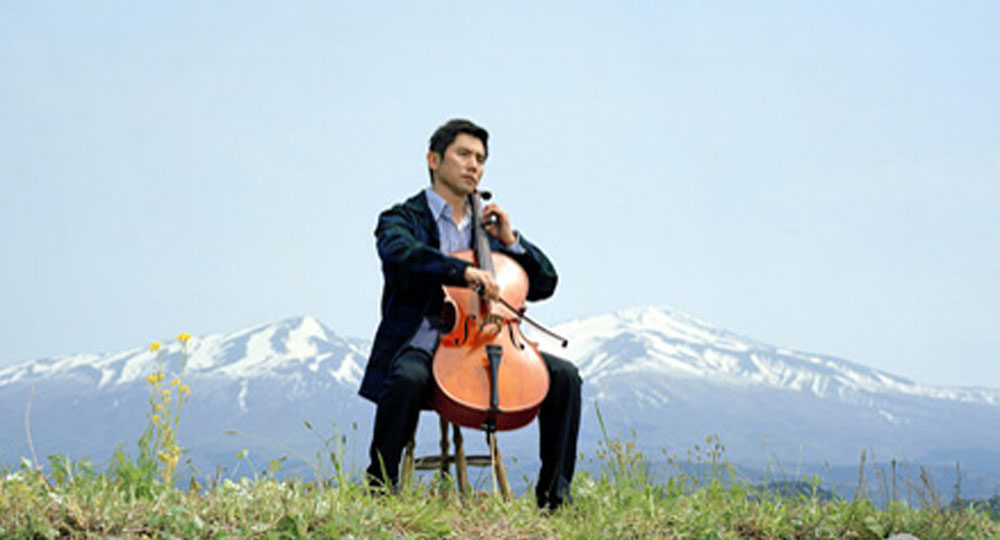
“Departures” is the drama that won the 81st Academy Award for the Best Foreign Language Film at the 2009 Oscars. At the 32nd Japan Academy Awards, it won the Best Film Award, in addition to other awards for its cast and crew.
The main character KOBAYASHI Daigo (MOTOKI Masahiro) is a former cellist. He gives up his career after his orchestra in Tokyo is disbanded. He moves back to his old home in Yamagata Prefecture with his wife Mika (HIROSUE Ryoko) and looks for a new job. He notices a classified ad that says, “assisting travels,” and feeling certain that the NK Agent company is a travel agency, he requests an interview.
The company president (YAMAZAKI Tsutomu) doesn’t bother reading Daigo’s resume and hires him on the spot. But Daigo is worried because he still doesn’t know what kind of work it is. Timidly he asks, only to find out that his job is encoffinment, the task of placing dead people in coffins. Apparently the classified ad was miss-written and should have read “assisting departures (deaths).” Daigo further learns that the company’s name, NK, is short for “NouKan” (encoffinment).
Daigo can only tell Mika that his work is related to “ceremonial occasions.” Mika misunderstands this to mean that he is now working at a wedding hall. On his first job, he deals with the corpse of an old woman who lived alone and was found two weeks after she died. He vomits.
Gradually Daigo starts to feel pride in his work, which is greatly appreciated by the bereaved families. Then, Mika finally learns what he really does and begs him to “get a regular job.” While Mika gets upset and returns home to her parents, Daigo remains, instead, focusing on becoming a full-fledged mortician.
Mika suddenly returns to tell Daigo that they are going to have a baby. He is happy to hear that, but again Mika presses him to change his job because she thinks their child will eventually be bullied because of it. Then, Daigo’s cell phone rings. It’s his childhood friend YAMASHITA, who also once suggested that he find a “better job,” telling him that his mother, Tsuyako, has just died.
Daigo and Mika face Tsuyako’s corpse, and in front of Yamashita, his family and Mika, he encoffins the body. He makes up her face and dresses her in her favorite scarf and kimono. Finally Yamashita and Mika both realize just how serious Daigo takes his job, and they both come to understand and appreciate his work.
Later, Daigo receives a telegram informing him of the death of his estranged father. He does not remember his father, who left his mother when Daigo was only six years old. For Daigo, who also lost his mother, the concept of “parents” is almost nonexistent. Initially Daigo refuses to claim the corpse. But, persuaded by Mika and others, he decides to see his father’s corpse. There, he is freed from his hatred and conducts his father’s encoffinment.
[2010年3月号掲載記事]
おくりびと(滝田二郎 監督)
「おくりびと」は2009年の第81回アカデミー賞で外国語映画賞を受賞したドラマ作品。また、第32回日本アカデミー賞では最優秀作品賞の他、スタッフ・キャスト陣が多くを受賞した。
物語の主人公は元チェロ演奏者、小林大悟(本木雅弘)。入団していた東京の楽団が解散したため音楽家としての道をあきらめる。妻の美香(広末涼子)を連れて故郷の山形県に帰り新たな職を探していたところ、「旅のお手伝い」という求人広告を見つける。旅行代理店と思い込み、NKエージェントというその会社に面接を申し込む。
社長(山崎努)は大悟の履歴書を読まずにあっさり採用を決める。どんな仕事かも知らされず不安な大悟。おそるおそるたずねると、死んだ人を棺に納める納棺師の仕事だと説明される。「旅のお手伝い」は、「旅立ち(死)のお手伝い」の間違いで、社名のNKは「納棺」に由来する、と。
大悟は美香には「冠婚葬祭関係」としか言えず、結婚式場が職場だと勘違いされる。初めての現場では、一人暮らしで亡くなり2週間がたった老女の遺体と対面し、吐いてしまう。
大悟は遺族から感謝される仕事に少しずつ誇りを持ち始める。そんな矢先、ついに本当の仕事を知った美香から「普通の仕事をしてほしい」と泣きつかれてしまう。怒って実家に戻った美香を連れ戻すこともせず、大悟は仕事に打ち込み、一人前の納棺師になっていく。
美香が突然自宅に戻り、赤ちゃんができたと言う。喜ぶ大悟だったが、生まれてくる子どもがいじめられるからと、美香から再び仕事を変わるようせまられる。そこに大悟の携帯電話がなる。以前、「もっとましな仕事につけ」と言った幼なじみの山下からで、母、ツヤ子が亡くなったと言う。
大悟と美香はツヤ子の遺体と対面する。山下やその妻子、美香の前で大悟は納棺を行う。ツヤ子に化粧をし、お気に入りだったスカーフを巻き、着物を着せる。山下も美香も、真剣な仕事ぶりを見せられ、大悟の仕事を初めて理解する。
あるとき、大悟のもとに父の死を知らせる電報が届く。6歳で両親が離婚した大悟は、父を覚えていない。すでに母を亡くした彼にとって父は肉親とは呼べず、最初は遺体の引き取りをこばむ。しかし美香たちの説得で、遺体と対面する。そこで大悟は憎しみから解放され、父の納棺を行うのだった。