-
[From June Issue 2012]
Japan is a country that holds great fascination for architects. There is something unique about Japan and its architecture, whether it be traditional or contemporary. For a country with a reputation of being conservative, it gives rise to some of the world’s most extraordinary architecture. There seems to be a lack of inhibition that offers architects freedom of expression. There are buildings that seem to serve no purpose. They are simply pieces of urban artwork. In these cases, form certainly does not follow function.
For me, the fascination with Japanese architecture began after I graduated and went to work in Japan. It was the early 1990s and the end of the property bubble. There were some remarkable projects being built by Japanese and foreign architects. Around that time renowned architecture publication, “Japan Architect,” published an edition specifically on Tokyo which contained architectural walking maps. Armed with these walking maps, I spent most weekends seeking out the latest architectural wonder or historic classic.
After I returned to Australia and established my own architectural practice, I maintained a strong connection with Japan. I was able to undertake some projects in Japan and followed the latest news in the Japanese architecture scene. My appreciation and knowledge of Japanese architecture has developed to the point where I now conduct Japan Architecture Tours. On the tours I share my knowledge, appreciation and understanding of Japanese architecture with architects and other people with a general interest in architecture.
There are so many great places to visit in Japan where one can see excellent examples of Japanese architecture. There is Ginza and Omotesando, home to the boutiques of some of the greatest fashion brands in the world; there are the open-air architectural museums such as Meiji-Mura, Nihon Minkaen and Edo-Tokyo Open Air Architectural Museum which contain old buildings and houses which help us understand Japan’s architectural historical past.
There are the museums and galleries around Roppongi, the skyscraper district of Shinjuku, there is Kyoto, home to UNESCO World Heritage buildings and structures such as Katsura Rikyu, Nijo-jo, Kiyomizu-dera and Kinkaku-ji; there are the quaint little backstreets and alleys that have survived since the Edo period; and of course there are plenty of other wonderful architectural gems dotted throughout the urban landscape. Where else could you see so much architectural variety and history?
Japan is considered by many architects to be at the forefront of architectural design expression. The ever-changing urban and architectural landscape of Japan means there is so much to see on the Japan Architecture Tours. This combined with the warm welcome and generous hospitality, makes it a joy to visit Japan every time.
Text : Robert DAY
[2012年6月号掲載記事]
日本は建築家にとってとても魅力的な国です。伝統的なものから現代的なものまで、日本と日本建築には何かユニークなものがあります。保守的な国、との評価がありながら、いくつかの世界でもトップクラスの驚異的な建築を生みました。心理的抑制がないことが、建築家に表現の自由を与えているようです。何も目的がないような建築物もあります。単なる都市の芸術作品です。そのようなケースでは、もちろん形は用途とは関係ありません。
私が日本建築のとりこになったのは、学校を卒業して日本へ働きに行ってからでした。それは1990年代のはじめで不動産バブルが終わった時期でした。日本人と外国人の建築家が手がけていたすごいプロジェクトがいくつかありました。その頃、有名な建築雑誌「JA」が建築物散歩地図を収めた東京特集号を出しました。その地図を持って、私はほとんどの週末を最新の建築物や歴史的建築物を訪ねて過ごしました。
オーストラリアへ帰国して自分の事務所を開いた後も私は日本との深い関係を保ちました。日本でいくつかプロジェクトを手がけることができ、日本建築界の最新情報をフォローしました。日本建築に対する私の評価と知識は、今では日本建築ツアーを主催するほどになりました。ツアーでは、建築家や建築に関心のある人達に、日本建築に関する自分の知識・評価・理解を伝えます。
日本には優れた日本建築の例を見られる良いところがたくさんあります。世界一流のファッションブランドの店が並ぶ銀座と表参道があります。日本建築史の理解に役立つ古い建物や家屋がある明治村、日本民家園、江戸東京たてもの園といった屋外建築博物館もあります。
六本木周辺には博物館やギャラリーが、新宿には高層ビル街があります。桂離宮、二条城、清水寺、金閣寺といったユネスコ世界遺産の建物や構造物がある京都もあります。ここには江戸時代から生き残った古風で細い裏通りや小路があります。それにはもちろん都市の風景に点在する他の素晴らしい宝石のような建築物もあります。これほど多彩な建築や歴史を見られるところが他にあるでしょうか?
多くの建築家が日本の建築デザイン表現は最先端にあると考えています。日本の都市と建築の風景は常に変化していて、日本建築ツアーでは見るものがたくさんあります。それに加え、あたたかく歓迎され、寛大にもてなしてもらえるのですから日本を訪れるのは毎回楽しみです。
文: ロバート・デイ
-
[From June Issue 2012]
Carl ROBINSON
New Zealander Carl ROBINSON is the CEO of Jeroboam Co., Ltd., a wine importing business based in Japan. “In the wine business,” he says, “the people you meet are happy to see you.” Being a social animal, he’s just as happy to meet people. A natural communicator, since coming to Japan in 1990, Robinson acquired his language more through immersing himself socially, than studying textbooks.
“I still think immersion is a good thing because you just have to figure it out,” he says. Robinson originally came to Japan with his wife for a working holiday. One option was to stay in Tokyo as English teachers – they could make a little more money, but maybe experience less of the language and the culture. Instead, they did the exact opposite: for six months they lived as the only foreigners in a small town in Oita Prefecture.
“It was certainly tough not having anyone to help you, but it was also very, very satisfying once you started to realize that people could understand you.” Robinson admits he’s no “kanji freak” totally focused on studying, so ultimately, the desire to interact drove him to improve his Japanese. “I certainly wanted to communicate with the people I was working with and the people I was seeing every day.”
After that half year, Robinson and his wife moved to the UK. But they still loved Japan, and six years later they arranged a transfer for Robinson’s wife to her employer’s Tokyo office. Robinson, who had been working in the wine business, found a job as a sommelier for the Tokyo American Club. The timing was perfect. “We came back here in 1996, and it was just at a time when wine was starting to take off in Japan.”
After eight years of consulting and organizing events, Robinson chose to move into importing. As CEO of Jeroboam, he says, “I needed to improve my formal Japanese and to learn a lot of technical language that I hadn’t been exposed to before.” In deals with bankers and lawyers, he enlists the help of bilingual staff. “Because you don’t want to make mistakes in situations like that.” Still, all internal communications are in Japanese. “It’s important to have your own style, especially if you’re running a company,” he says.
Robinson’s Japanese has been put to the test under stressful situations. Last March, Robinson was at work when the Great East Japan Earthquake struck. “It was certainly challenging when you’re making decisions that seriously affect other people,” he says. And before that, Robinson faced a crisis of a different kind: the economic shock of 2008. He had to use his Japanese to nurture his employees during uncertain times, both to lead and to inspire. “It really pushes your Japanese ability.”
It’s situations like these that reinforce Robinson’s philosophy. Relying too much on memorization, he believes, gives too much emphasis on language structures and gets in the way of what you’re trying to say. The best way to learn, for Robinson, is total immersion. His one recommendation for students of Japanese is to go to a place where they can be totally surrounded by the language. “It’s tough,” he says, “but it’s a good way to learn.”
Text: Gregory FLYNN
[2012年6月号掲載記事]
カール・ロビンソンさん
ニュージーランド人のカール・ロビンソンさんは日本に本社があるワイン輸入会社、ジェロボーム株式会社の社長です。「ワインの商売をしていると会う人に喜ばれます」とロビンソンさんは言います。社交性に富むロビンソンさんは人に会うのが好きです。生まれつき話上手のロビンソンさんは、1990年に日本へ来て以来、教科書で勉強するより人とのつきあいのなかで日本語を身につけました。
「意味を理解するには、今も日本語漬けになるのはいいことだと思っています」とロビンソンさんは言います。ロビンソンさんは最初、ワーキングホリデーのために夫人と一緒に来日しました。ひとつの選択肢は英語教師として東京に滞在することでした。そうしていれば少し多めにお金を稼げたでしょうが、日本語と日本文化の経験は減っていたかもしれません。その代わりに二人は正反対のことをしました。他に誰も外国人がいない大分県の小さな町に6ヵ月間住んだのです。
「助けてくれる人がいないのは確かに大変でしたが、人に理解されているということがわかり始めると、すごくやりがいを感じました」。ロビンソンさんは勉強のことしか頭にない「漢字狂」ではないと認めていますが、結局もっと交流したいという気持ちが日本語の上達を後押ししたのです。「一緒に働いている人達と、また毎日会う人達とどうしても交流したかったのです」。
その半年後、ロビンソンさんと夫人はイギリスへ引越ました。でもまだ日本が好きだったので、6年後、夫人が勤務している会社の東京支社に転勤できるようにしたのです。ワイン業界で働いていたロビンソンさんは、東京アメリカンクラブでソムリエの仕事を見つけました。絶好のタイミングでした。「私達は1996年にここに戻って来たのですが、ちょうど日本でワインがブームになり始めた頃だったのです」。
コンサルティングとイベント開催の仕事を8年間した後、ロビンソンさんは輸入の仕事に移りました。ジェロボームの社長として「敬語をもっと身につけたり、以前は自分に関係なかった技術用語もたくさん覚えたりする必要がありました」。銀行員や弁護士とのやりとりには日英のバイリンガルスタッフの助けを借ります。「そういう場ではミスはしたくないですから」。でも社内の意思疎通は全て日本語です。「自分のスタイルを持つことが重要です。特に会社を経営しているなら」とロビンソンさんは話します。
ロビンソンさんの日本語は、ストレスのたまる状況で試練に立たされてきました。昨年3月東日本大震災が起きた時、ロビンソンさんは職場にいました。「他の人達に深刻な影響をおよぼす決定を下すのは、確かにやりがいがありました」と言います。その前にもロビンソンさんは別の危機に直面していました。2008年の経済ショックです。ロビンソンさんは不安定な時期に従業員をはげますため日本語を使わなくてはなりませんでした。指揮するため、また元気を与えるためでした。「本当に日本語能力が伸びます」。
ロビンソンさんの信念を強固にしたのはそうした状況でした。暗記に頼り過ぎると、構文に重点がおかれて言いたいことが言えなくなると考えています。ロビンソンにとって一番良い習得法は日本語にひたり切ることです。日本語学習者に勧めるのは、日本語に完全に囲まれる場所へ行くことです。大変ですが良い習得法だと話します。
文:グレゴリー・フリン
-
[From June Issue 2012]

TV Series 40 episodes. 968 minutes. 18,900 yen
「TMS DVD COLLECTION ベルサイユのばら MEMORIAL BOX」
販売元:バンダイビジュアル © 池田理代子・TMSBerusaiyu no Bara (The Rose of Versailles)
Directed by NAGAHAMA Tadao, Chief Director: DEZAKI OsamuThis movie is based on a girls’ comic of the same title by IKEDA Riyoko. Since it was first serialized in a girls’ manga magazine in 1972, it has been affectionately nicknamed “Beru Bara.” A portrayal of Marie ANTOINETTE (executed during the French revolution) in an Australian novel was the inspiration for this comic, which charts the dramatic life of the fictional character, Oscar.
The comic’s popularity is such that it has been adapted into musicals by the Takarazuka Revue Company, into an animated TV series, an animated film, and a live-action movie. Overseas there are quite a few fans of the comic who became familiar with the work through translations of the original. The animated TV series, which first broadcast in 1979 and ran for one year, was also favorably received in France and Italy.
The story is set in France in the 1770s. A sixth child is born to aristocrat, General Jarjayes. However, the general is disappointed when he discovers that the child is a girl. He longs for a son to succeed him and doesn’t need a sixth daughter. The general names the child Oscar and declares that he will raise her as a man.
In the spring, 20 years before the outbreak of the French Revolution, Marie Antoinette arrives in France from Austria – a country allied with France – and is welcomed as the dauphine of Louis XVI. Fourteen-year-old Oscar is appointed as the commander of the Royal Guard responsible for the dauphine. Oscar swears loyalty to the future queen.
Before long, Louis XVI is crowned king, and Antoinette, at the age of 18, becomes queen. Oscar understands the loneliness of Antoinette who is far from home and hasn’t gotten used to life in the Palace of Versailles. Although Oscar advises her to become a better queen, Antoinette gradually begins to indulge in extravagant pleasures and falls in love with Swedish aristocrat Fersen.
Meanwhile, Oscar witnesses the deprived conditions of the populace and begins to have doubts about her political allegiances. Unable to endure the unreasonable oppression any longer, people start to riot all over the place. Amid the turmoil, Oscar learns that her childhood friend Andre is deeply in love with her, and she decides to rebel against the government herself. Thus, the country enters into the era of the French Revolution.
The story features some fictitious characters like Oscar, but it also depicts historical figures that actually existed, like General Jarjayes and Marie Antoinette, lending a touch of realism to the tale. Oscar is killed at war later on in the series and there’s an anecdote amongst fans about an actual funeral that was held in her honor.
[2012年6月号掲載記事]
TVシリーズ全40話。968分。18,900円。
「TMS DVD COLLECTION ベルサイユのばら MEMORIAL BOX」
販売元:バンダイビジュアル © 池田理代子・TMSベルサイユのばら(総監督:長浜忠夫、チーフディレクター:出﨑統)
原作は池田理代子の同名少女まんがで、1972年に少女まんが雑誌で連載されて以来、「ベルばら」と呼ばれ親しまれている。フランス革命で処刑されたマリー・アントワネットを描いたオーストリアの小説を基に、架空の人物であるオスカルの劇的な一生を描いている。
宝塚歌劇団による舞台化や、テレビアニメ化のほか、劇場アニメや実写映画も作られるほど人気が高く、原作まんがの翻訳版を通じて海外にもファンは多い。1979年から1年にわたり放映されたテレビアニメシリーズは、フランスやイタリアでも好評だった。
物語の舞台は、1970年代フランス。貴族であるジャルジェ将軍に、6番目の子どもが誕生する。しかし、それが女の子だと知り、将軍は落胆した。家を継ぐ息子が欲しい彼にとって、娘は6人もいらなかったのだ。将軍はその子をオスカルと名付け、男として育てることを宣言する。
フランス革命が起こる20年前の春、フランスは同盟国オーストリアから、ルイ16世の王太子妃として、マリー・アントワネットを迎え入れる。14歳のオスカルは、王太子妃直属の近衛隊長に任命された。オスカルは妃に忠誠を誓うのだった。
やがて、ルイ16世が王になり、アントワネットは18歳で王妃になる。故郷を離れ、ベルサイユ宮殿になじめないアントワネットのさびしさを理解するオスカル。良い王妃になるよう助言するが、アントワネットは次第に浪費の快楽におぼれてゆき、スウェーデンの貴族フェルゼンと恋に落ちる。
一方のオスカルは、民衆の貧しさを目にし、政治に疑問を抱き始める。理不尽な弾圧に耐えきれなくなった市民はあちこちで暴動を起こす。オスカルは動乱のなかで、幼なじみのアンドレの深い愛を知り、自らもまた国家にそむくことを決断する。そうして時代は、フランス革命へと向かっていった。
物語には、オスカルのような架空の人物も登場するが、ジャルジェ将軍やマリー・アントワネットなど、実在した人物も多く描かれており、ストーリーに現実味を与え、見どころのひとつになっている。また、シリーズの後半ではオスカルが戦死するが、多くのベルばらファンにより実際に葬儀が行われたという逸話が残っている。
-
[From May Issue 2012]
The Japanese fiscal year begins in April. Many people will be purchasing the clothes, bags, and shoes they’ll need for work or study. Stationery is also something that sells well during this time of year. Stationery made by Japanese companies is said to be of high quality and comes in many varieties. Japan is a world leader especially when it comes to writing materials, and products have been developed here that make writing easier.
Pentel was the first company to develop the fine 0.5 millimeter mechanical pencil lead, whereas PILOT invented a pencil holder that puts less stress on the writing hand. Mitsubishi Pencil came up with a mechanism to keep the mechanical pencil lead sharp at all times. There are even pens which use an ingenious kind of ink that can be erased. Since each brand of stationery sells writing instruments in a wide variety of colors and gradations of thickness, the stationery section in stores is a vibrant sight, packed with countless products.
Before buying, customers carefully check the smoothness of use and overall performance of writing tools. Since Japan has a history of calligraphy, people are fussy about their pens and demand instruments that can write beautifully. High performance writing materials are in demand because to write intricate Japanese characters, the writer needs to be able to produce tome (stops), hane (flicks at the end of a stroke) and harai (sweeping strokes). Most customers test a product even when they purchase a cheap pen. That is why stationery departments provide scribbling paper.
The abundance in variety of stationery supplies is due to the Japanese character trait of anticipating the desires of others and acting accordingly. Erasers are one example of this. It’s not unusual for domestically made erasers to be of extremely high quality with an erasure rate (ratio of pencil line erased) of over 95%, but in spite of this, new products are being launched one after another. This is because manufacturers closely follow consumer demand.
One manufacturer realized that many adults and high school students used erasers while holding pencils in their hand. So they then developed a long eraser that people can hold together with a pencil. In response to those who disliked the black residue left by erasers, a manufacturer created a black eraser to make the residue less noticeable. One manufacturer removed the sharp edges of an eraser holder after receiving complaints that its sharp edges cut into the eraser.
For users that are bothered by residue, there are erasers that produce less residue. In order to be able to neatly erase one letter at a time, there is an eraser specially constructed so that it always has a sharp edge. When one manufacturer makes a good product, other manufacturers tend to follow suit with a similar product.
Competition between companies helps create high quality products; this can be seen in the case of correction tape. Unlike correction fluid, it’s possible to write on correction tape immediately after application and this is why many manufacturers develop and sell correction tape. Each manufacturer is pursuing similar goals of creating an easy to handle, smooth rolling tape holder that contains plenty of tape. For this reason successive products are introduced onto the market, such as tape cases that discharge tape when pushed or pulled and compact cartridges that can hold a large amount of tape.
Other manufacturers strive to bring out unique kinds of correction tape, such as colorful and fashionable correction tape holders that resemble jewels or birds. These are Pentel’s “JEWELISH” and Midori’s “Swingbird.” On the other hand, there are also manufacturers that set their sights on developing high performance correction tape. One example is PLUS Stationery, the creators of the “non-transparent correction tape” which prevents erased sentences from being seen even on the reverse side of the paper. Since there are so many types of correction tape, some customers are completely confused when they go to purchase replacements.
Notebooks and other paper products are also high quality. For example, Maruman’s “Kakiyasui (easy to write) Loose Leaf;” just as the product’s name suggests, it was created with the goal in mind of making writing easier. The loose leaf paper is made so that it can be written on neatly with pens, pencils, markers and other writing tools. Furthermore products come in a variety of sizes and types of ruled lines.
One characteristic of stationery made in Japan is its compactness. Midori’s CL compact stapler has a length of a mere 66 millimeters. Carl’s hole punch has a height of approximately five centimeters, but when the handle is locked, the height is only approximately three centimeters. In Japan, where homes and offices tend to be smaller, compact products that take up less space are appreciated. Also, people who carry around stationery for work tend to prefer smaller items.
In Japan, there is also a lot of stationery that is cute and fashionable. For example, the pop-inspired glitter ink of Sakura Color Products’s Ballsign Pen made the product a hit with teenage girls. Midori’s adorable animal-shaped paperclips are also popular. “Mecurikko” rubber finger tips (for sorting through paper) by Plus are popular with women who are into nail art, as they can be used by ladies with long fingernails and come in fashionable colors.
“Japanese stationery manufacturers are good at creating petite, detailed, cute items,” says YAMADA Maiko, a PR representative for specialized stationery store GINZA itoya. “But that doesn’t necessarily mean that Japanese will only buy stationery made in Japan. If it’s to their taste, they will purchase stationery from other countries. Since customers are enthusiastic about stationery, both stationery manufacturers and stationery stores do their best to meet their needs.”
The existence of customizable stationery is further proof of the Japanese love of stationery. Any stationery store will sell items that can be customized and there are also books and magazines that demonstrate how to customize stationery. PILOT’s HI-TEC-C coleto is a range of ballpoint pen holders and cartridges, sold separately, customers can match their favorite holder with their favorite color ink. In this way, people can get their hands on stationery that matches their needs and preferences with the minimum of hassle.
Recently, electronic stationery such as King Jim’s pomera (a digital memo pad) and Pentel’s airpen (which transforms written brushstrokes into digital data) are also selling well. Memo pads that can archive smartphone picture data are also popular. On the other hand, interest in penmanship is enjoying a renaissance and as a result, there has been in increase in the numbers of people who buy high-end stationery and notebooks. Even in this information technology era, the Japanese people’s love of stationery is still going strong.
Text: SAZAKI Ryo
[2012年5月号掲載記事]
日本では4月から新年度が始まります。多くの人が服やかばん、靴など、仕事や勉強に必要な物を買います。文房具も、この時期によく売れる物の一つです。日本のメーカーが作った文房具は、質がよくて種類も多いといわれています。なかでも筆記具は世界に先駆けて、書きやすい商品を開発してきました。
0.5ミリという細さのシャープペンシルの芯を世界で一番早く開発したのはぺんてるですし、書いていて疲れにくいホルダーを開発したのはPILOTです。三菱鉛筆は、シャープペンシルの芯をとがらせ続ける仕組みを考え出しました。インクを工夫して、一度書いた字を消せるようにしたペンもあります。一つのブランドの筆記具がいろいろな色や太さで売られているため、筆記具売り場はカラフルで、商品があふれています。
消費者も購入前に筆記具の書きやすさや性能をこまかくチェックします。日本には書道の伝統があるため、美しい字を書ける筆記具にこだわるのです。それに日本語の文字は形が複雑な上、「とめ・はね・はらい」と手を細かく動かす必要があるので、性能のいい筆記具が求められるのです。ほとんどのお客は安いペンを買うときでも、試し書きをしてから購入します。そのため筆記具売り場には試し書き用の紙が置いてあります。
日本製文房具の種類が豊富なのは、他人の希望を察して行動するという、日本人の性格と関わっています。その一例が消しゴムです。日本製の消しゴムは消字率(鉛筆の線を消せる割合)が95%以上の物もめずらしくないくらい質がいいのですが、それにもかかわらず新商品が次々に発売されています。それはユーザーの希望に細かく対応しているからです。
大人や高校生は筆記具を握ったまま消しゴムを使うことが多いということに気づいたメーカーは、筆記具を持ったまま使える細長い消しゴムを開発しました。消しゴムが黒く汚れるのがいやだという声に対しては、汚れの目立たない黒い消しゴムが発売されました。消しゴムを納めているケースの角が少し切り落とされているのは、消すときにケースが消しゴムに食い込んで切れてしまう、という苦情に応えた結果です。
消しゴムのかすが気になるというユーザーのためには、かすの出にくい消しゴムが作られています。字を一文字だけ消すために常に角が出ているように四角をたくさん組み合わせた形の消しゴムもあります。一社がいい商品を作ると他のメーカーも負けずに似た商品を出します。
各社が競い合って、高品質の商品が生み出されていく一例が修正テープです。液体と違ってテープの上からすぐに書くことができるため、いろいろなメーカーが修正テープを開発・販売しています。どのメーカーも共通して追求しているのは、持ちやすく、動かしやすく、テープの量が多いという点です。そのため、押しても引いてもテープが出るケースや、大きさの割にテープが長いカートリッジなどが続々と市場に現れます。
他社とは違う修正テープをめざして、宝石のようにカラフルでおしゃれなものや鳥の形をしたかわいい形の修正テープホルダーなども売られています。ぺんてるのジュエリッシュや、ミドリのスイングバードです。一方、高性能の修正テープを開発しようとするメーカーもあります。消した文章が裏から盗み見られないという「裏から見えない修正テープ」を作ったプラスステーショナリーがその例です。このように修正テープの種類があまりに多いので、カートリッジを買い替えるとき迷うお客もいるほどです。
ノートなど紙の製品も高品質です。例えばマルマンの「書きやすいルーズリーフ」は、文字どおり書きやすさを追求して生まれた製品です。ペン、鉛筆、マーカーなどさまざまな筆記具できれいに書ける紙を使用しています。さらに紙の大きさや罫線の種類も豊富です。
日本製文房具の特徴の一つは、コンパクトであることです。ミドリのCLコンパクトホッチキスは全長が66ミリしかありません。カールの2穴パンチは通常高さが約5センチありますが、ハンドルを下げてロックすると高さが約3センチになります。家やオフィスが狭い日本では、場所を取らないコンパクトな製品が喜ばれるのです。また、仕事で文房具を持ち歩く人も小さいものを好みます。
日本にはかわいい文房具、おしゃれな文房具もたくさんあります。例えばサクラクレパスのボールサインというペンは、ラメ入りのインクなどがポップなので、10代の女の子にヒットしました。ミドリの動物形クリップもかわいいと評判です。ネイルアートに凝る女性たちには、プラスの指サック「メクリッコ」が人気です。爪が長くてもはめられる上、色がきれいでおしゃれだからです。
「日本の文房具メーカーは、小さくて細かくてかわいい物を作るのが得意です」と言うのは文房具専門店、銀座・伊東屋広報室の山田麻衣子さんです。「ただし、日本人は日本の文房具メーカーの物ばかりを買う訳ではありません。自分の好みの物ならどこの国の文房具でも欲しいと思い、購入します。消費者がこのように熱心なので、メーカーも文房具店もその期待に応えようとするのです」。
日本人の文房具好きを感じさせるのは、カスタマイズ文房具の存在です。文房具店では、文房具をカスタマイズするためのアイテムが売られていますし、ノウハウを教える本や雑誌もあります。PILOTのHI-TEC-C coletoは、ボールペンのホルダーと芯を別々に販売している商品で、お客は自分好みのホルダーに、好きな色のインクを入れて買うことができます。このように、自分のニーズや好みに合う文房具を手に入れるためには、手間を惜しまないのです。
最近はキングジムのポメラ(デジタルのメモ帳)、ぺんてるのエアペン(書いた筆跡をデジタルデータにするペン)など、電子文房具も売れています。またスマートフォンで写真を撮ってデータで保存できるメモ帳も好評です。一方で、逆に手書きの字のよさを見直して、高価な筆記具やノートを買う人も増えてきています。日本人の文房具好きはITの時代になっても健在のようです。
文:砂崎良
-

[From May Issue 2012]
Furumachi Kouji Seizousho
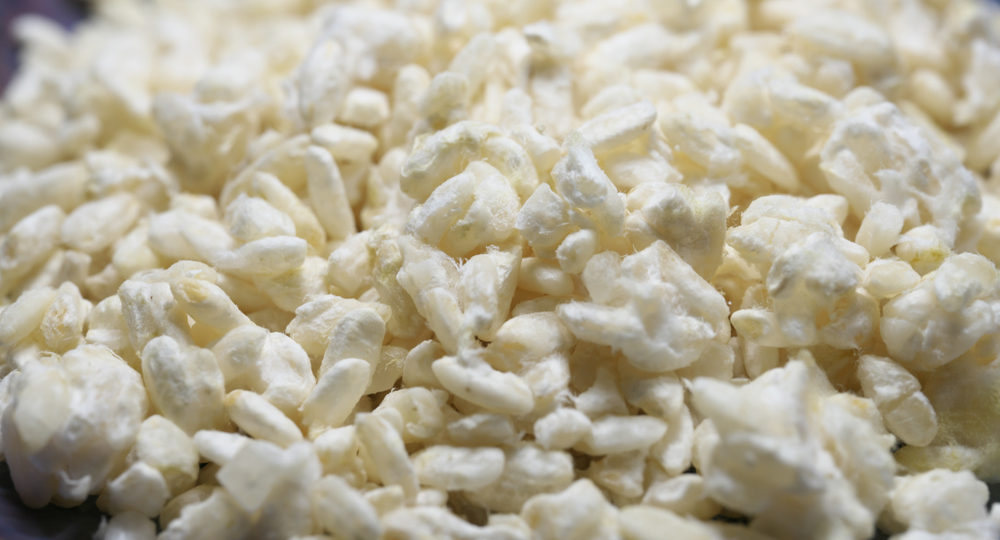
There is kouji boom going on in Japanese food culture. “Kouji” (aspergillus oryzae) is a kind of mold made by breeding microbes on grains of rice or barley. Although it is cotton-white and tasteless, it becomes sugar-sweet and mellow after adding water and fermenting.
Kouji specialist store Furumachi Kouji Seizousho, opened their first shop in Niigata, Niigata Prefecture in July, 2009. Since they opened, the business has been so successful that in February this year they opened up new stores in Tokyo, in Jiyugaoka and Matsuya Department Store, Ginza. In addition to their salt kouji, drinks made with kouji and bottled kouji are popular.
HABUKI Masayuki, representative director of Wakyou Shouten Inc., the parent company of Furumachi Kouji Seizousho says: “Responding to requests for an enterprise that utilized rice and raised public awareness at the same time, we started up the business as a way to revitalize Niigata Prefecture. When we opened our first shop, many doubted whether a business based on kouji could be successful.”
Habuki has been interested in kouji for some time. “Kouji effectively gives rice a surprisingly sweet, rich and deep taste. In terms of delivering nutrition, it’s as effective as an intravenous drip. I really want to communicate the power of kouji to others”
Many products made with kouji, such as ice cream and cookies, have been released on the market, but the one that has generated the most interest is salt kouji. Salt kouji is a product made by adding salt and water to kouji and then fermenting it. It has become so popular that it has been featured on TV and in magazine articles. Many cookbooks containing recipes that use salt kouji have also been published.
Meat and fish marinated in salt kouji is softened and its umami (savory or meaty) flavors are enhanced. The reason it becomes soft is because the protein inside the food is converted into amino acid. In addition, the cleansing effect of its enzymes on the body results in beautiful and healthy skin.
Salt kouji is sold at supermarkets but can also be easily made at home. Just put 200 grams of shredded kouji and 60 grams of salt together in a bowl and add 300 cubic centimeters of water. Pour it into a jar or similar container for storage. Stir once a day. Repeat for about ten days, and the size of each kouji grain will be reduced, making smooth salt kouji.
YANAGISAWA Satoko, living in Saitama Prefecture, uses salt kouji in various dishes. “I got to know about salt kouji from TV. I had thought kouji was used in special cases, for making such things as miso or sake. I found out that salt kouji can be used instead of salt as seasoning for soup or with grilled vegetables. Everyday food became really delicious.”
In Japanese food there are many fermented ingredients, such as miso, mirin (sweet sake), soy sauce and amazake (a sweet drink made from fermented rice), which are all made by fermenting kouji. Until recently, kouji had been used just an ingredient in food manufacturing and was not something that attracted a great deal of interest. The kouji boom has made Japanese reassess the value of this foodstuff.
Text: MUKAI Natsuko
[2012年5月号掲載記事]
古町糀製造所
いま、日本の食文化に「こうじ」ブームが起こっています。こうじとは米や麦などの穀物に微生物を繁殖させたかびの一種で、綿のように白く、それ自体には味はありません。しかし水を加え発酵させることにより、まるで砂糖が入っているかのように甘くなり、まろやかな味わいになります。
こうじ専門店、古町糀製造所は2009年7月、新潟県新潟市に第1号店をオープンして以来好評で、今年の2月には東京でも自由が丘店と銀座松屋店が相次いでオープンしました。塩こうじはもちろん、こうじを使った飲み物やびん詰めが人気です。
古町糀製造所を運営する株式会社和僑商店、代表取締役の葉葺正幸さんは話します。「新潟県の活性化のために、お米を使った事業を起こしてほしいという依頼がきっかけで始めました。1号店オープン当初はこうじで商売が成り立つのかと誰もが不思議に思っていました」。
葉葺さんは以前からこうじに興味を持っていました。「こうじの魅力は、こうじの働きでお米が驚くほど甘く濃厚で深い味わいになること、栄養価も高く点滴に匹敵するほどの効果があることです。こうじの力を多くの人に知ってもらいたいです」。
アイスクリームやクッキーなど、こうじを使ったさまざまな食品が発売されていますが、なかでも注目を浴びているのが「塩こうじ」です。塩こうじとは、こうじに塩と水を加えて発酵させた調味料です。テレビや雑誌では特集が組まれるほどで、塩こうじを使った料理本も数多く出版されています。
塩こうじで肉や魚を漬け込むとやわらかくなり、うまみも増しておいしくなります。やわらかくなるのは、食品中のタンパク質が、アミノ酸に変化するためです。また、酵素の働きにより体内にたまった老廃物が出され、それによって美肌効果や健康も期待されます。
塩こうじはスーパーなどでも販売されていますが、家庭でも簡単に作ることができます。細かくくだいたこうじ200グラムと塩60グラムをボールに合わせ入れ、そこへ300ccの水を加えて混ぜるだけです。瓶などの保存容器に移し、一日一回混ぜます。それを10日ほど繰り返すと、こうじの粒が小さくなり、なめらかな塩こうじができあがります。
埼玉県に住む柳澤さと子さんは、いろいろな料理に塩こうじを活用しています。「テレビで塩こうじを知りました。こうじは味噌造りや酒造りなど、特別な場合に使うものだと思っていました。塩こうじはスープに入れたり野菜いために塩の代わりの調味料として使えます。いつもの料理がおいしくなります」。
日本食には味噌、みりん、しょうゆ、甘酒など多くの発酵食品があります。それらはこうじを発酵させて造られたものです。これまでこうじは何かをつくるための材料で、注目されることがありませんでした。こうじブームは、こうじの良さを日本人が改めて知るきっかけとなりました。
文:向井奈津子
-
[From May Issue 2012]
Vectculture Inc.
These high quality book covers and eye catching pencil cases at first glance appear to be made of leather, but are actually made from washi (Japanese paper). Handmade, these products were developed by OKIMAK, a subsidiary of Vectculture Inc., Chuo Ward, Tokyo.
OKIMAK refers both to the name of the brand and to the style of paper production. When you purchase a product from their website, it is delivered to your door wrapped in tenugui (a traditional hand towel made from cotton), rather than in paper. This form of packaging adheres to the Japanese tradition of wrapping items with extreme care before presenting them to someone. Another special feature of OKIMAK is that the company allows the general public to take part in the production process by attending a regular workshop.
In Nara Era (8th Century) Japan, kamiko culture existed. Kamiko were garments made of paper crumpled to make the fabric soft, and painted with tree sap to make it strong and waterproof. They were worn by ascetic monks to keep out the cold and, in the Warring States Period (15~16th Centuries), by samurai as jinbaori – sleeveless jackets worn over armor. But, as western clothes became popular, the culture of kamiko disappeared.
At the workshop, the method of production is roughly the same as that used to create kamiko; participants crumple paper, coat it with sap from a fir tree, dry it and apply the finishing touches using a sewing machine. Crumpling creates tiny creases that mark each work out as being unique. Applying the sap not only makes the fabric durable, but also creates a brilliant gloss.
Director and designer ITO Taichi says, “The workshop is a place in which we can demonstrate the traditions, enjoyment and unexpected qualities of paper by creating something from raw materials. When participants see paper in a way they never have before, as a three-dimensional object, their interest is captured; it’s the best way to get through to people. I feel there’s been a shift in emphasis from ‘what is made,’ to ‘who made it’ and, in the future, ‘whom you make it with.’”
Expressing the idea of a modern take on the kamiko tradition, the name OKIMAK was created by reversing the word KAMIKO. Ito says, “Paper is traditionally a medium used to convey messages. That’s why we wish to create items made of paper; by cultivating the art in cooperation with many people, we can get the word out. The important thing is to adapt to modern styles, not to just make paper by using the same methods and materials as in the olden days.”
TANAKA Satomi, who participated in the workshop says, “By engaging in the same activity, we were able to communicate through the medium of paper. The sense of having created something new made the experience really worthwhile.”
The company name Vectculture was coined by putting the words “vector” and “culture” together and has the meaning of “cultivating new directions.” The company hopes to revive valuable Japanese traditions and pass them on to future generations. Although it is only one year since the company was established, the various high-quality products made in the spirit of OKIMAK have inspired quite a response from the public and are being widely talked about.
Text: MUKAI Natsuko
[2012年5月号掲載記事]
ベクトカルチャー株式会社
高級感のあるブックカバーや鮮やかな模様の入ったペンケースは、一見、革でつくられているようにも見えますが、実は、和紙からできています。すべて手づくりです。これらは東京都中央区にあるベクトカルチャー株式会社が展開する事業のひとつ「OKIMAK」で取り扱っている作品の一部です。
OKIMAKはブランド名でもあり、また、紙を使ったものづくりのスタイルのことです。サイトで作品を購入すると、ひとつずつ、包装紙ではなく手ぬぐい(伝統的な綿のハンドタオル)に包まれて届けられます。これは、ものを大切に包んで相手に渡すという日本の習慣を取り入れたパッケージの形です。また、定期的に行われているワークショップで、作品づくりに参加できるのがOKIMAKの特徴です。
日本には奈良時代(8世紀)、「紙衣」という文化がありました。紙衣とは、紙をもんでやわらかくし、のりなどを塗り、強度と防水性のある紙で仕立てた服のことです。修行僧の防寒具として、また戦国時代(15~16世紀)になると、鎧の上に着る「陣羽織」として武士たちに愛用されました。しかし後の洋服の普及によってその文化は消えてしまいました。
ワークショップでの工程も紙衣とほぼ同じで、紙をもみ、のりを塗り、乾燥させてミシンで仕上げます。もむことで細かな「折り目」ができ、仕上がりに微妙な違いが生まれます。また、のりを塗ることで、紙の耐久性が上がるだけでなく光沢も生まれます。
取締役でデザイナーの伊藤太一さんは話します。「ワークショップは文化や楽しさ、紙の意外性を伝え素材を生み出す場です。紙が今まで見たことない形の立体になることで人の興味を引き、よりわかりやすく伝わると思います。また、ものづくりは『何を』作るかから『誰が』作るかへとシフトし、そして次には『誰と』作るかに重きが置かれるようになると感じています」。
OKIMAKという名前は、その紙衣の伝統を再び現代に取り込むという意味を込め、KAMIKOを反対から読むことからきています。伊藤さんは話します。「紙は昔から伝達の媒体でした。だからこそ私たちは紙のアイテムを生み出し、それをたくさんの人たちと共に育て、発信していきたいと思っています。単純に紙を使ったり、昔の手法や素材をそのまま使うのではなく、現代流にアレンジすることが大切になってきます」。
ワークショップに参加した田中里美さんは話します。「みんなで同じ作業をすることで、紙を通じてのコミュニケーションがとれました。新しいものづくりの形を体感できる良い経験となりました」。
社名のベクトカルチャーとは、VectorとCultureをかけ合わせた造語で、「新たな方向性の開拓」という意味を持ちます。日本の良き文化を現代に呼び起こし、それをみんなで後世に伝えていきたいという願いが込められています。会社設立からわずか1年であるにもかかわらずOKIMAKの精神が生み出した優れた商品の数々は、多くの反響を呼び、話題となっています。
文:向井奈津子
-
[From May Issue 2012]
The Kumano-kodo are pilgrimage routes leading to sacred spots in the Kii Mountains of Wakayama Prefecture. As part of “the Sacred Sites and Pilgrimage Routes in the Kii Mountain Range,” the paths were designated as a UNESCO World Heritage Site in 2004, attracting a lot of attention. Depicted in the Nihonshoki (Chronicles of Japan), Japan’s oldest history book, this area is a holy place which first became famous after the retired Emperor Shirakawa paid visits to Kumano around the 11th century. Consequently, it became a popular site of worship for commoners as well.
There are two main reasons why the routes became a World Heritage Site. One reason is that the Kii Mountain Range has three sacred sites which have all contributed to the development of Japan’s long religious history: Kumano Sanzan, Koyasan, Yoshino and Omine (all connected to the outside world by paths). Another is that these holy places and the old paths that took people there have remained unchanged to this day.
Kumano Sanzan, located in the south western part of the Kii Mountain Range, collectively refers to a set of three temples: Kumano Hongu Taisha, Kumano Hayatama Taisha, and Kumano Nachi Taisha. These are the main shrines of some 3,000 Kumano shrines across Japan. It is said that one can atone for all past sins by visiting the Kumano Sanzan shrines, thus achieving future happiness and passage to heaven when one dies.
Koyasan was established by the monk Kukai in the early Heian period as the headquarters of the Shingon sect of esoteric Buddhism, with Kongobuji as its main temple. Having about 1200 years of history, it still houses some 120 temples. Yoshino and Omine, situated in the Omine Mountain Range, also known as “The Roof of Kinki,” is an important place for those pursuing enlightenment.
The Kumano-kodo mainly consists of five pilgrimage routes: Kiiji, Nakahechi, Ohechi, Kohechi, and Iseji. These paths lie in the natural surroundings of the Kii Mountain Range that straddles the three prefectures of Wakayama, Mie and Nara. Walking along these routes allows you to discover the scenery of the ancient Heian period. Although some of the paths are quite steep, while walking on them you can encounter beautiful scenery and historical cultural assets.
Kiiji is a route from Osaka to Tanabe, which has a tough steep section called Shishigase Mountain Path. It is said that FUJIWARA no Sadaie, a poet in the Kamakura period, was greatly grieved by its steepness. Yuasa-cho along the way, is believed to be the birthplace of soy sauce, and its old streets have been designated as an important conservation spot by the nation. The local specialty in the nearby town of Minabe-cho is nankou-ume plums, and some visitors take this route in order to buy them.
Nakahechi is a mountainous path leading from Tanabe to Kumano Sanzan. It’s popular because it’s easy to walk on, with gentle up and down slopes. You can see the same mountain scenery as monks of Kumano moude (visiting shrines) would have seen as they walked along the route as part of their training. Climbing up Daimonzaka, an old, cobblestone path leads through a centuries’ old cedar forest, arriving at Kumano Nachi Taisha. Close to the shrine is Nachi Otaki, a waterfall that drops 133 meters, the highest in Japan. Kumano Hongu Taishai is a popular spot for hot springs such as Kawayu Onsen Sennin-buro (entry is free of charge. Open between November and end of February) and Yunomine Onsen Tsuboyu (entry for a fee), where footsore travelers can recharge their batteries.
Walking along Kiiji and Nakahechi, you will come across a number of small shrines and stone monuments. Called “Kujuku Oji,” pilgrims are believed to have prayed for safe passage and rested their legs there. Kujuku (99) does not represent the actual number of the shrines, but indicates the fact that they are high in number.
Ohechi is a route that runs along the coast from Tanabe to Kumano Sanzan. There are steep paths called Shijuhassaka at Tonda-zaka (in Shirahama-cho) and Nagai-zaka (in Susami-cho). Around Kushimoto-cho some paths command sweeping views of the sea and rice fields. Known for its bathing beaches, hot springs, and Adventure World – an amusement park with eight pandas – Shirahama is a popular tourist area all year around. The Katsuura Fishing Port near Nachi Taisha is well known as a tuna port and has many restaurants serving fresh tuna.
Kohechi is a path connecting Koyasan and Kumano Hongu. Depending on the direction you’re headed, the same path is called by different names: walking from Koyasan it’s “Kumano-michi” and starting from Kumano Hongu it’s “Koya-michi.” It is a tough route going over a series of 1,000-meter-high mountains in the Kii Mountain Range. Scattered about along the way, you can see the moss-covered Sanjusan Kannon Sekibutsu (33 stone statues of Kannon).
Iseji is a path that links Ise Jingu (Ise Grand Shrine) in Mie Prefecture and Kumano Sanzan. It has become known to the public as a pilgrimage route for the common people, rather than as a route used by emperors and retired emperors. It is said that people made this pilgrimage when they visited Ise Jingu in Mie.
To walk comfortably along the Kumano-kodo remember to choose an outfit that is easy to move in and easy to remove. That’s because with its steep slopes and narrow, rough paths, it’s more physically demanding than you may expect. Signposts and signboards placed at intervals of 500 meters allow you to check the route as you go along. They also indicate which areas have no cell phone reception. It’s advisable to check the route in advance on websites introducing the Kumano-kodo.
As well as being a World Heritage site that symbolizes Japanese culture, the Kumano-kodo are roads on which people offer up prayers to the local gods. Hardly anyone drops litter and when they find it some people pick up trash off the paths for those who will walk along them next. There are rules for those taking the pilgrimage routes which every visitor follows as they walk. These rules consist of eight articles including: “We will protect mankind’s heritage” and “We keep the spirit of prayer passed on from the ancient times alive in our hearts.”
To get to the Kumano-kodo you can take a one hour and 10 minute flight from Haneda Airport to Nanki-Shirahama Airport. From JR Tokyo Station to JR Kii-Tanabe Station, taking a shinkansen then special express train, it takes approximately four hours and 40 minutes. Access is also possible from JR Nagoya Station to JR Kii-Katsuura Station using a special express train, which takes roughly three hours and 30 minutes. From the airport or station, you can take a bus or a taxi to the starting point of each route.
Sacred Sites and Pilgrimage Routes in the Kii Mountain Range
Text: SEKI Hideo, First Penguin
[2012年5月号掲載記事]
熊野古道は、和歌山県紀伊山地にある霊場への参詣道です。2004年に「紀伊山地の霊場と参詣道」の一部としてユネスコの世界文化遺産に登録され、注目を集めました。この地方は日本最古の歴史書「日本書記」の中にも描かれた神聖な場所で、11世紀末頃、白河上皇の熊野訪問がきっかけで知られるようになり、やがて庶民の間にもお参りが広がりました。
世界文化遺産に登録された理由として大きく二つあります。一つは紀伊山地には、熊野三山、高野山、吉野・大峯の三つの大きな霊場と、そこに行くための道が、長い日本の宗教文化の発展に貢献してきたこと。もう一つは大自然の中に、これらの霊場と人々を結ぶその古い道が現在も変わらず保存されてきたことです。
熊野三山は紀伊山地の東南の方角にあり、熊野本宮大社、熊野速玉大社、熊野那智大社の三神社の総称で、日本全国にある約3,000社の熊野神社の総本社です。熊野三山にお参りすると、その人の過去におかした罪がなくなり、これからの幸福の実現や亡くなってから極楽に行くことができるといわれています。
高野山は、平安時代初期の僧、空海が真言密教の中心として開いた場所で、金剛峯寺が総本山です。およそ1200年の歴史を持ち、今も約120の寺院があります。「吉野・大峯」は「近畿の屋根」とたとえられる大峰山脈にある、修業する人にとって大切な場所です。
熊野古道には主に5つの参詣道--紀伊路、中辺路、大辺路、小辺路、伊勢路--があります。和歌山、三重、奈良の3つの県にまたがる紀伊山地の自然の中にあり、この道を歩くと、はるか昔の平安時代の景色を見出せます。なかには険しい道もありますが、歩きながら美しい風景や歴史的な文化財に出合うことができます。
紀伊路は、大阪から田辺までの道のりで、その中には急な坂で難所の一つ「鹿ヶ瀬峠」があります。鎌倉時代の歌人、藤原定家もその険しさを嘆いたといわれています。途中の湯浅町はしょうゆ発祥の地といわれ、古い街並みは国の重要保存地区に指定されています。また道近くのみなべ町には名産の「南高梅」があり、買い物と合わせて散策する人もいます。
中辺路は、田辺から山中を通る熊野三山までの道。適度なアップダウンが続いて歩きやすいので人気があり、かつての熊野詣の風景が見られます。樹齢数百年の杉木立の中にある石畳の古道「大門坂」を上ると熊野那智大社に到着。近くには日本で一番の落差133メートルの「那智大滝」があります。また、本宮には無料で入浴できる「川湯温泉 仙人風呂」(11月から2月末まで)、日本最古の温泉「湯の峰温泉 つぼ湯」(有料)があり、旅の疲れを癒してくれる人気のスポットです。
紀伊路と中辺路を歩くと、小さな神社や石碑がたくさんあります。これらは「九十九王子」と呼ばれ、お参りする人たちの旅の安全祈願や休憩場所とされています。「九十九」は実際の数ではなく、その多さを表しています。
大辺路は、田辺から海岸沿いに熊野三山へ向かう道。富田坂(白浜町)、長井坂(すさみ町)などには「四十八坂」と呼ばれる厳しい道、また串本町周辺には海や田畑を眺めるのんびりした風景の広がる道があります。白浜は、海水浴場、温泉、8頭のパンダがいるテーマパーク、アドベンチャーワールドで知られており、一年中人気の高い観光エリアです。那智大社近くの勝浦漁港はマグロの水揚げ港として有名で、新鮮なマグロが食べられるお店がたくさんあります。
小辺路は、高野山と熊野本宮を結ぶ道。高野山側から歩くと「熊野道」、熊野本宮側からは「高野道」と呼ばれ、行先で道の名前が違います。紀伊山地の1,000メートル級の山々を越える険しい道が続きます。その道では、苔むした三十三観音石仏があちらこちらで見られます。
伊勢路は、三重県の伊勢神宮と熊野三山を結ぶ道です。法皇、上皇一行が利用した道ではなく、庶民が参拝する道として広く親しまれてきました。当時から人々は、三重の「伊勢神宮」と合わせて参詣したといわれています。
熊野古道を快適に歩くための服装は、動きやすくて脱ぎ着しやすいものを心がけましょう。急な坂道や細くて足元の悪い道もあり、思った以上の運動になるからです。500メートルごとに道標や案内板があるので確認しながら進むことができます。携帯電話不通のエリアもわかります。古道を紹介したサイトで、事前にコースを調べることもおすすめです。
熊野古道は、この地の神々にお祈りをする道であり、日本の文化を象徴する世界遺産です。ごみを捨てる人はほとんどいません。落ちていても、次にお参りする人のために、ごみを拾う人もたくさんいます。また、「人類の遺産をみんなで守ります」「いにしえからの祈りの心をたどります」など8ヵ条からなる参詣道ルールもあり、訪れる誰もがこれを守って歩いています。
熊野古道へのアクセスは、羽田空港から飛行機で南紀白浜空港まで約1時間10分、JR東京駅から新幹線と特急を利用して、玄関口であるJR紀伊田辺駅まで約4時間40分です。もう一つの玄関口、JR紀伊勝浦駅までは、JR名古屋駅から特急を利用して約3時間30分。空港や駅から各古道の起点までは、バスやタクシーが利用でき
ます。文:ファーストペンギン 関 秀夫
-
[From May Issue 2012]
When I first started eating ramen, really eating the stuff, in the winter of 2008, it was all about food. Having just moved to the capitol, I was jobless and hungry. Short on money and long on free time meant I could wait in the longest lines to try the most popular ramen. What started as merely a search for a good lunch soon turned into a mission of grandeur; a mission to understand this food and the fascinating culture behind it. I found that ramen is so much more than just soup and noodles.
Ramen is the ultimate Japanese comfort food. The umami-rich soup is enough to melt away even the worst stress. Hard day at the office? A rich miso is the cure. Sore muscles from running the Tokyo marathon? A simple shio ramen will replenish the salt and carbohydrates necessary for a speedy recovery. Hung over from an all-nighter in Shinjuku? Some creamy tonkotsu (pork broth) is better than any hair-of-the-dog.
Ramen reflects local culture. No food in Japan is as diverse as ramen. From the southern tip of Kyushu, where local kurobuta (black pig) plays an important role, to Sapporo in the North, with its locally produced miso, shops have taken the best from the community and created memorable bowls that couldn’t be made elsewhere. Some started as gimmicks to attract tourists, like a maguro (tuna) ramen in Kanagawa’s port city of Misaki, Kanagawa Prefecture. Others, like Kitakata’s shoyu (soy sauce) style in Fukushima Prefecture, were a result of the pure water, abundant in the mountainous part of Honshu.
Ramen is for everyone, regardless of status. At a maximum price of around 1,000 yen, almost anyone can enjoy a bowl when the craving hits. The frugal student sits next to the billionaire CEO. Both get the same meal. There are no reservations, so they both wait in the same line. Even though they go home to very different homes, they are equals at the ramen shop’s counter seating; smiling ear-to-ear as they slurp away.
Ramen is artistic; a beautiful thing to look at. A donburi porcelain bowl is a blank canvas that can hold a work of beauty. A perfectly charred piece of pork and specks of vegetable greenery top the noodle. A thin layer of chicken oil tints the soup a shade of yellow. Toppings, like a soy-soaked egg, draw the diner’s eye. A gorgeous bowl has more cell phone photos taken of it than most celebrities.
Ramen is trendy. Anything is possible in a bowl of modern-day ramen. From rare, high-quality ingredients like imported Iberico ham, to illogical choices like tropical fruit juice, the only rule is the end product. If it is good eating, the ramen world will welcome you. If it isn’t, you won’t last long.
The search for ramen can be intensive as there are so many different stores. Walking and eating can be taken to another level; with photography, blogging, and meeting groups of like-minded food lovers. I took my obsession of shooting food, paired it with the search for excellent ramen, and created a website. With hundreds of quality bowls in my past, and hundreds more in the future, I hope my passion will help bring as many ramen-craving individuals to their next meal as possible.
Text : Brian MACDUCKSTON
[2012年5月号掲載記事]
2008年の冬、私が初めてラーメンを食べたとき、本気でそうしたとき、それはただの食べ物でした。東京に引っ越したばかりの私は仕事がなく空腹でした。お金がなくて暇な時間がたくさんあったので、一番人気があるラーメンを試すためにどれほど長い列でも待つことができました。最初は単においしい昼食を探していただけでしたが、それはまもなく大きな使命に変わりました。この食べ物とその背後にある魅惑的な文化を理解する使命です。ラーメンは単なるスープと麺ではなく、ずっと奥が深いものだとわかりました。
ラーメンは日本の究極のほっとする食べ物です。旨味たっぷりのスープはどんなにひどいストレスも解消してくれます。今日は仕事がきつかったですって? 濃い味の味噌が癒してくれます。東京マラソンを走って筋肉痛ですって? 早期回復に必要な塩分と炭水化物をシンプルな塩ラーメンが満たしてくれます。新宿で飲み明かして二日酔いですって? どんな迎え酒よりとろみのある豚骨がいいですね。
ラーメンは地元の文化を反映します。日本にある食べ物でラーメンほど多様なものはありません。地元の黒豚が 重要な役割を果たす九州南端から、地元産の味噌がある北の札幌まで、ラーメン店は地域社会から最良のものを引き出して他ではできない忘れがたいラーメンを創り出しました。神奈川県の港町、三崎にあるまぐろラーメンのように観光客を呼ぶネタとして始まったものもあります。その他、福島県の喜多方しょうゆラーメンなどは本州の山間地で湧く豊富な純水を元にしてできました。
ラーメンは地位に関係なくあらゆる人のものです。高くても1,000円ほどなので、食べたくなったらほとんど誰でも一杯は食べられます。節約している学生が大金持ちの社長の隣りに座るのです。二人とも同じものを食べます。予約はないので二人とも同じ列に並びます。帰る家は全然違っても、ラーメン店のカウンターでスープをすすりながらにこにこしている彼らは平等なのです。
見た目も美しいラーメンは芸術的です。磁器のどんぶりは美しい作品を収める真っ白なキャンバスです。チャーシュー一切れと野菜が麺の上にのっています。鶏の油の薄い膜でスープが黄色がかっています。味付け卵などのトッピングが食べている人の目を引きます。豪華なラーメンは、有名人などより携帯電話で写真を撮られるほどです。
ラーメンはトレンディーです。今時のラーメンのどんぶりの中は何でもありです。輸入品のイベリコ・ハムのように珍しくて高品質の具から熱帯地域のフルーツジュースのように不可解なものまでありますが、できあがりがすべてです。おいしければラーメンとして受け入れられます。そうでなければ長続きしません。
あまりにもいろいろな店があるのでラーメン探訪は大変かもしれません。写真撮影やブログ、食べ物の同好会との出合いで、食べ歩きはまた別次元のものにもなり得ます。私は、 食べ物の撮影に関する自分の執念とおいしいラーメン探しを組み合わせてサイトを立ち上げました。過去に食べた何百ものおいしいラーメンと今後食べるであろう何百ものおいしいラーメンによって、私の熱意ができる限り多くのラーメン好きの人達を次の食事に導けるよう願っています。
文: ブライアン・マクダクストン
-
[From May Issue 2012]
Renee KIDA
American Renee KIDA is the HR manager at the Kohoku IKEA in Yokohama, Japan. Her job requires Japanese every day, but despite having majored in Japanese, she could say little more than sumimasen (I’m sorry) and daijoubu (okay) when she first arrived. Getting to where she is now took skill and perseverance in the face of numerous obstacles.
Usually talkative, Kida says her lack of Japanese left her feeling rather lonely at first. She tried taking language courses, but her real breakthrough happened on the job. Early on she found herself supporting a team whose members spoke no English. “Up until that point, I was around a lot of people who spoke some English, so as soon as I didn’t understand they would just switch to English and I never seemed to progress. Working with that team … I got over the psychological barrier about worrying about making mistakes.”
Similarly, there was a period when Kida found herself responsible for the phones during the lunch break. “I remember my hands being sweaty, and not being able to eat my obentou (pack lunch) as I was so nervous,” she says. So she wrote a script and memorized it. “I learned to handle the phone through practice … Now I often find the phone easier than email.”
Another obstacle Kida faced was gender roles in Japan. The HR director at her former employer even said once that if Kida planned to stay in Japan long term, she would need to find a Japanese husband. “I had to really monitor my way of communicating to not come across too strong, and had to struggle to be taken seriously.”
Still, as she saw things, “I chose my job, so I had to figure out a way to still get credibility and make it work for me.” And the status of women was changing, too. “When I first got here it took a qualified woman 15 years to get her first promotion, and there were no women in sales. Not a single one!” These days, though, even the company where the HR director told Kida to find a Japanese husband has a female president.
Kida’s final challenge was herself. Working in marketing at a medical device company, even with promotions, she felt stuck. So she quit her job, went back to school, got an MBA and also studied more Japanese. All the while she worked a part time job at a friend’s training company. Eventually, though, she began working at IKEA and has moved up over time to her current position. It’s a good company for women. “We have many women managers – close to 50%! And I feel our company culture is very women friendly, allowing us to contribute and grow in many ways.”
Ultimately, Kida says, “Finding your right profession and, or, place to work is an art or refined skill, regardless of country.” And she seems to have mastered that art; in her heart, she loves her life here and says that she is grateful for it.
Text: Gregory FLYNN
[2012年5月号掲載記事]
来田ルネさん
アメリカ人の来田ルネさんは、横浜にあるイケア港北の人事部長です。来田さんの仕事には毎日日本語が必要ですが、大学では日本語専攻だったにもかかわらず、日本に来たときには「すみません」と「大丈夫」くらいしか話せませんでした。来田さんが今日に至るまでには、多くの障害を前に技能と忍耐が必要でした。
来田さんは話し好きですが、最初は日本語が話せなかったので少しさみしかったと言います。日本語コースも取ってみましたが、突破口を見つけたのは職場でした。最初の頃は、英語を話せない人達のチームを支援することでした。「そのときまでは多少英語が話せる人達がまわりにたくさんいました。ですから、わからないことがあるとすぐに英語に変えてくれましたので全然進歩していないような気がしていました。あのチームと仕事をするようになってからは……。間違いを恐れる心理的な壁を乗り越えられたのです」。
また、昼休みの時間に電話番を任された時期がありました。「緊張のあまり手が汗ばんでお弁当が食べられなかったのを覚えています」と来田さんは言います。そのため、言うべき言葉を書いて暗記しました。「練習をかさね、電話の応対ができるようになったのです……。今ではメールより電話の方が楽だと思うことがよくあります」。
来田さんが直面したもうひとつの壁は、日本における男女のあり方でした。以前の勤め先の人事部長から、日本に長期滞在するつもりなら日本人の夫を見つけなさいとさえ言われました。「押しが強過ぎると思われないよう話し方には本当に気をつけなくてはならず、まともに相手にしてもらうのに苦労しました」。
それでも、来田さんは「自分が選んだ仕事ですから、人に信頼されてうまくいくようなやり方を見つけなくてはいけなかったのです」と受け止めました。また、女性の地位も変わりつつありました。「私が初めて来た頃は、実力のある女性が最初の昇進を受けるまで15年かかっていましたし、営業に女性はいませんでした。一人もです!」。今はといえば、人事部長が来田さんに日本人の夫を見つけるようにと言った会社でさえ、社長は女性です。
来田さんにとって最後の挑戦は自分自身でした。来田さんは最初、医療機器の会社でマーケティングの仕事をしていましたが、何度昇進しても先がないと感じました。それで仕事をやめ、学校に戻ってMBAを取得し、日本語ももっと勉強しました。その間ずっと友人のトレーニング会社でパートとして働きました。しかしその後はイケアで働き始め、歳月を経て今の役職に昇りつめました。イケアは女性にとって働きやすい会社です。「女性の管理職が多いんです--およそ5割です! それにうちの企業文化は女性に好意的で、多くの面で貢献でき、成長させてくれます」。
結局、「自分に合った仕事や職場を見つけるのは、どこの国でもひとつの芸もしくは洗練された技能です」と来田さんは言います。来田さんはその芸をマスターしたようです。心の中で来田さんはここでの生活をとても気に入っていて、ありがたいと思っています。
文:グレゴリー・フリン
-
[From April Issue 2012]
Koshien is officially called Hanshin Koshien Kyujo (stadium). This ballpark was built in 1924 in Hyogo Prefecture as the first state-of-the-art baseball stadium in Japan. It’s the home ground of the professional baseball team, Hanshin Tigers, and is also the location for the Japanese national college American football championships. In addition, Koshien is a sacred spot for high school baseball. The national high school baseball championships are held there every spring and summer. Teams participating in the summer championship get especially fired up because only the schools that have qualified – 49 high school teams out of over 4,000 nationwide – get to play in the stadium.
Baseball is the national sport, and high school baseball is exceptionally popular. NHK airs all the championship games, and some of the players become such celebrities that fans and media chase them around. There is even a magazine dedicated to high school baseball.
“When they see teammates coming together to fight it out, baseball has the power to move the hearts of Japanese people. The dedication high school players show, and the unique qualities of each team, makes it especially interesting for the spectators,” explains ISHII Makoto, deputy general manager of the card division of Epoch Co., Ltd.. Epoch sells baseball trading cards and started to sell Koshien Stadium models in August 2011. The price of a stadium model, at 15,750 yen, is not cheap. Nevertheless Ishii says, “Our customers have expressed their gratitude that we are selling this item.”
“The reason we decided to sell these models was that we thought that adults whose sons had played at Koshien, or who had themselves wanted to make it to Koshien when they were young, would probably like to get their hands on one. It is made out of Polystone and hand painted by craftsmen. This adds to the price, but we wanted the models to be high quality,” adds Ishii. “It’s a special place to which only a handful of teams, successful in local tournaments, can go. A strong bond between teammates grows as, covered in sweat and mud, they strive towards Koshien. And that’s why Koshien represents an irreplaceable memory of youth that money can’t buy,” says Ishii, explaining the importance of Koshien.
The National High School Baseball Championship celebrated its 93rd tournament in 2011. Since the 10th championship, the event has mostly been held at Koshien. Most Japanese alive today grew up absorbing news and images from Koshien, for this reason it’s a subject that most Japanese, regardless of age, can relate to.
Because of this Koshien has now begun to host tournaments unrelated to professional and high school baseball. Anyone who is into baseball – that includes the elderly and women, along with parents and children playing catch ball – can participate in the Masters Koshien, an event that has been going since 2004. The attraction is that participants can experience baseball on the iconic Koshien baseball field.
Putting the name Koshien at the end of any national event related to high school students has become an established custom. It seems new national competitions for liberal art clubs are often named “Something, Something Koshien.” Some of these events are linked to machi-okoshi (promotions to jump-start the economies of local towns). Another characteristic these events have in common is that they are generally events in which teams compete, rather than individuals.
For example, a supercomputer contest established in 1995 is known as Den-no (cyber) Koshien. This contest is hosted by the Tokyo Institute of Technology and mainly attracts high school students who use their skills, techniques, and supercomputers to compete. In Aomori Prefecture the Fashion Koshien has been held since 2001. This contest assesses the design, manufacturing process, fit, and overall impression of the garment. It also aims to boost the local apparel industry. Some other Koshien events include haiku, flower arrangement, general knowledge contests, and Japanese calligraphy performances.
In Kochi Prefecture, the local authorities, local companies, and residents have collaborated to host the Manga Koshien since 1992. This event is similar to the summer high school baseball championships in various ways. Firstly, student teams are formed according to the school they attend, with team members cooperating to create a manga. Secondly, only teams that win the preliminaries can actually go to Kochi Prefecture. Thirdly, the event is held every August.
“We started this event when we heard that Kochi High School students wanted an event in which they themselves could participate. Just like with the baseball played at Koshien, we wanted to create an event where participants cooperate with teammates. We hope that Kochi becomes a sacred spot for high school comic fans. That is why we named the event Manga Koshien,” says NAKAOKA Yuji, the head of the Manga Division of Kochi Prefecture’s Cultural Lifestyle Department. “The reason why it has continued to be held after 20 events is because the local people have given it their warm support.”
“The best part of this job is that we can actually see high school students cooperate and strive toward one goal,” says Nakaoka. “Everyone is so devoted; they cry when they win, and become very frustrated when they lose. Also, it seems friendship grows not only within teams, but between teams as well. During the Manga Koshien, participants need to complete their manga within the given time. When one team ran out of paint, I saw another team lend them some.”
In the past few years, the number of Koshien events in which adult’s participate has risen. One of them is Kaigo Koshien. This is a contest where kaigo, or care givers, compete to show their devotion to their work. Another event is called the Izakaya (or Japanese-style pub) Koshien. In this event, which started in 2006, eateries form teams to compete against other eateries in terms of food, service, and dedication to their work. The aim of this event is for pubs to compete, and share stories with other pubs, in order to improve their own business, and to energize the izakaya industry.
“Participants of the baseball Koshien put all their effort into single-mindedly striving towards their dream of becoming the best in the country. We adults could learn something from that, so the event is named Izakaya Koshien. Also Koshien has associations with building strong bonds between team members. Teamwork is also very important at izakaiya,” says SHIMIZU Kaori, a member of the NPO group Izakaya Koshien Secretariat. “When members tell me things like, ‘It made me remember goals I’d lost sight of,’ or ‘I will follow my dreams once again,’ it makes me feel really happy.”
To Japanese people, Koshien is not merely a stadium name; it is a word that has come to mean a contest in which teammates work together as they fight to make their dreams come true.
Epoch Co., Ltd.
Manga Koshien
Izakaya KoshienText: SAZAKI Ryo
[2012年4月号掲載記事]
甲子園は正式な名前を阪神甲子園球場といいます。兵庫県にあり、1924年に建てられた日本初の本格的な球場でした。プロ野球の球団阪神タイガースの本拠地であり、大学生にとってはアメリカンフットボール全国大会の会場でもあります。そして何よりも、高校野球の聖地として有名です。毎年、春と夏に高校野球の全国大会が行われるからです。特に夏の大会は、全国4,000校以上の高校から勝ち上がった49校だけが出場できるため、とても盛り上がります。
野球は日本の国民的スポーツですが、中でも高校野球の人気は格別です。NHKは全国大会を全て放映し、選手が有名人なみの人気者になってメディアやファンに追い回されることもよくあります。高校野球専門の雑誌もあります。
「仲間と協力して戦う野球は、日本人を感動させるスポーツなんですよ。特に高校生は本当にひたむきですし、各チームに独自性があるのも見る側にはおもしろいのです」と高校野球の人気の理由を説明するのは、株式会社エポック社カード事業部デピュティゼネラルマネージャー、石居誠さんです。エポック社は野球のトレーディングカードなどを販売していて、2011年8月には甲子園球場の模型も発売しました。値段は15,750円と安くはありませんが、「よく発売してくれた、とお客さまに感謝されました」と石居さんは話します。
「私たちがこの模型を発売しようと思ったのは、甲子園に出場した球児の親御さんや、昔甲子園にあこがれていた方、つまり大人の層が買ってくださると考えたからです。素材はポリストーン、彩色は職人による手塗りです。値段は高くなってしまうのですが、質にこだわりたかったのです」と石居さん。「甲子園は地方大会を勝ち抜いてきたひとにぎりの球児だけが行ける特別な場所です。汗と泥にまみれ仲間と共にめざすため、強い絆が生まれます。だからこそ全ての球児にとって、甲子園はかけがえのない青春の思い出なのですよ」と甲子園の重要さを語ります。
高校野球の夏の全国大会は2011年に第93回をむかえました。そして第10回以降のほとんどの会場が甲子園です。ですから今生きている日本人のほとんどは、毎年甲子園のニュースを見聞きしながら育ってきた訳です。そのため甲子園の情報やイメージは、世代を超えて広く日本人に共有されています。
その結果、甲子園ということばは高校生や、野球以外の大会にも使われるようになってきました。2004年から行われている「マスターズ甲子園」は、野球好きな人なら誰でも何歳でも挑戦できる野球大会です。高齢者や女性のプレーも見られますし、親子がキャッチボールをするためだけに参加することもあります。この大会の売りはあこがれの球場、甲子園のグラウンドが使えることです。
高校生の全国大会が「○○甲子園」と名づけられたり呼ばれたりする現象も定着してきました。文化系のクラブ活動の全国大会が新しくつくられたとき、「○○甲子園」と命名されることが多いようです。地域の町おこし(町を活性化しようという動き)と結びついていることもあります。また、個人戦より団体戦が多いのも特徴です。
例えば1995年から行われているスーパーコンピューター・コンテストは、別名「電脳甲子園」です。これは東京工業大学が行っている高校生などを対象にしたコンテストで、スーパーコンピューターを使ってプログラム作りの技術を競います。青森県では「ファッション甲子園」が2001年から開催されています。これは服のデザインを考え、その服を作り上げて着て見せた上で出来ばえを競うというものです。地元のアパレル産業を盛り上げるねらいもあります。そのほかに俳句や生け花、クイズ、書道パフォーマンスなど、さまざまな甲子園があります。
高知県では1992年から県や企業、地元の人が協力して「まんが甲子園」を開催しています。このイベントは、夏の高校野球の大会にとてもよく似ています。第一に、高校生たちは学校ごとにチームを作り、仲間と協力しあってまんがを描き上げます。第二に、予選を勝ち抜いたチームだけが高知県へ行けます。第三に、大会は8月に行われます。
「県内の高校生から『自分たちも参加できるまんがのイベントがほしい』という意見があったことが始めたきっかけです。野球の甲子園のように、仲間と協力して競う大会、まんが好きな高校生の聖地となってほしいという思いもあって、まんが甲子園という名前になりました」と、高知県文化生活部まんが・コンテンツ課主幹の中岡祐二さんは話します。「20回も続いたのは、地元の方々があたたかく協力してくれたからだと思います」。
「高校生たちが協力しあって一つのことに集中している姿を見られるのが、この仕事のいいところです」と中岡さん。「みんな熱心で、勝つと感動して泣きますし、負けるとくやしがります。それにチームメートだけでなく、他のチームとの間にも友情がめばえるようです。まんが甲子園は制限時間内にまんがを描き上げないといけないのですが、あるチームの絵の具が足りなくなってしまったとき、他のチームが分けてあげていましたよ」。
ここ数年は、大人が参加する甲子園が増えてきました。その一つは「介護甲子園」です。これは介護の仕事をしている人たちが仕事への熱心さを競うコンテストです。「居酒屋甲子園」もあります。これは居酒屋が店ごとにチームを作って、他のチームと料理やサービス、仕事への思いを比べあうというイベントで、2006年に始まりました。その目的は、競争したり、他の店の話を聞いたりすることによって、自分の店を改善したり、居酒屋業界全体を活性化したりすることです。
「高校球児が日本一をめざし、夢に向かってひたむきに努力する様子は、私たち大人も見習うべきものだと感じたので、居酒屋甲子園という名称にしました。それに、甲子園のイメージは仲間との絆です。居酒屋もチームワークが必要な職場ですから」とNPO法人居酒屋甲子園事務局の清水香里さんは言います。「参加者が『忘れていた初心を思い出しました』『もう一度夢に挑戦します』と言ってくれるのが嬉しいですね」。
甲子園は日本人にとって、ただの球場の名前ではなく、仲間と協力しあって他のチームと競争し夢を追いかける大会を意味することばとなっているのです。
文:砂崎良