-
[From July Issue 2012]
HONBORI Yuji
This artist makes Buddhist images out of discarded corrugated cardboard. HONBORI Yuji who lives in Kobe, Hyogo Prefecture, studied sculpture at Aichi Prefectural University of Arts and, after completing graduate school, has been constructing works made out of junk and construction waste. “The Great Hanshin Earthquake completely destroyed my house and when I saw the damage to the surrounding area, I was completely shocked. Since then I’ve felt some reluctance about using fresh timber as a raw material.”
Moving to a new location, he spent days searching for the right material, experimenting with soil, wood chips, and so forth. “On one occasion I made a sculpture of a likeness of a zushi (miniature shrine to display Buddhist images) with scrap wood taken from an old shrine. The shape of the left over wood unexpectedly resembled a Buddhist statue. This incident was the impetus for me to create my first work by dissolving a milk carton in water and pouring it into a plaster mold to make a Buddhist statue. After that, I finally hit on the idea of using discarded corrugated cardboard as a material,” says Honbori.
It takes about a month and a half to make a 160 centimeter Buddhist image. One characteristic of these works is that, from the side, you can see colored text printed onto the corrugated cardboard, which has been intentionally left that way. And from the front, through undulating spaces in the cardboard, you can see right through to the back. A circle has been created in the center of the Buddha; a void made from poured concrete. This resembles a tainaibutsu (a small Buddhist statue placed within a larger one), a devotional kind of statue that dates from the Heian period.
“It would make me happy if people want to see traditional Japanese Buddhist statues after viewing mine. I make statues based on my own mental image, but I have difficulty walking that fine line of creating a form that is just about recognizable. But that is also why the production process is enjoyable,” Honbori says.
In March this year, his works were exhibited at ART FAIR TOKYO for the second time. They were displayed in the same space along with joumon doki (straw rope-patterned ancient Japanese pottery) and ancient Buddhist statues. This juxtaposition attracted a great deal of attention. “I used the eleven-faced Kannon (Goddess of Mercy) of Shorinji Temple in Nara as the model for my work. Although these are modern art works made of corrugated cardboard, I realized that their charm could be seen in a new light if they were exhibited with art works from antiquity that were of national treasure quality,” Honbori says. In May, he also participated in the Hong Kong International Art Fair, the biggest Art Exhibition in Asia.
“When I see people putting their palms together in prayer in front of my work, I realize that because I’m making an image of Buddha, I can’t create half-hearted works. With a playful heart, I want to continue making pop art,” says Honbori, who continues to challenge audiences with his works.
Text: KAWARATANI Tokiko
[2012年7月号掲載記事]
本堀雄二さん
捨てられた使用済みのダンボールを素材に、仏像を作るアーティストがいます。兵庫県神戸市に住む本堀雄二さんは、愛知県立芸術大学で彫刻を学び、大学院を卒業後は廃品や建築廃材を使った作品作りを発表していました。「阪神大震災で自宅が全壊して、周囲の被害の状況を見て大きなショックを受けました。それ以来、素材として木材を使うことに抵抗を感じるようになったのです」と本堀さんは話します。
移転した土地では土を使ったり木くずを利用したりと素材探しの日々が続きました。「あるとき、神社の廃材で厨子(仏像を安置する仏具)をイメージした作品を作ったときに、最後に残った部分が、その偶然できた形に仏像の姿を感じました。この出来事がきっかけで、牛乳パックを溶かしたものを石こうの型に流し込んで、一体の仏像を仕上げたのが最初です。その後、使用済みのダンボールを使うことにたどり着きました」と本堀さんは続けます。
160センチの仏像1体に、約1ヵ月半の制作日数がかかります。横側からは、あえて残しているダンボールの色の文字が見え、真正面からはダンボールの断面にある波状の空洞により、背後が透けて見えるのが特徴です。仏像の中央には、コンクリートを流し込む建築材料のボイドを使った輪が入っています。平安時代から仏像のなかに納められているとされる「胎内仏(仏像の胎内に納められている小仏像)」をイメージしています。
「日本に古くからある仏像を見たいと思ってもらえたら嬉しいですね。自分のなかでイメージした仏像を元に作りますが、これ以上つきつめたら形がわからなくなるというぎりぎりのラインを生み出すのが、毎回難しいです。そこがまた楽しみでもありますね」と本堀さん。
今年の3月には日本最大の美術の展示会、アートフェア東京に2回目の出展をしました。縄文土器や古来の仏像と同じスペースで展示され、そのコラボレーションが大きな注目を集めました。「奈良にある聖林寺の十一面観音をモデルにしました。素材がダンボールの現代美術ですが、国宝級の古い美術品と一緒に展示できるのが、この作品の魅力だと再認識しましたね」と本堀さんは話します。5月にはアジア最大の美術の展示会、香港アートフェアにも出展しました。
「作品に手を合わせてくれる人を見ると、仏像を作っているのだからいい加減な作品作りはできないなと思います。遊び心も大事にして、ポップな作品を作り続けたいですね」。本堀さんの作品への挑戦は続きます。
文:瓦谷登貴子
-
[From July Issue 2012]
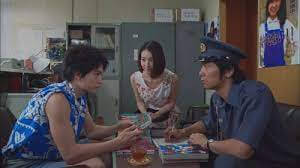
700 Days of Battle: Us vs. the Police (Director: TSUKAMOTO Renpei)
Based on an extremely popular “blog novel,” this story is partly true and partly fictional. It was subsequently adapted into a comic book, and translations have been published overseas. The movie was released in Japan in April 2008 and was later shown in Taiwan and Korea. The original story was set in Yamagata Prefecture in 1975, but in the movie version, this became Tochigi Prefecture, 1979.
In a certain rural town, seven high school friends generally make a nuisance of themselves in their school and town. Their ring leader is nicknamed “Mamachari,” because he rides around on a type of bicycle commonly used by housewives that has a basket in front. One day, one of the gang, Saijo is arrested by a policeman for breaking the speed limit on his moped.
Looking to get even with the police and believing that they won’t get arrested on their bicycles, the seven friends ride their bikes at great speeds in front of the device used for recording speed violations. However, a policeman who is at first convinced that the speed infractions were caused by an automobile, finds out that this is a prank carried out by the bicycle-riding kids and catches them in the act. He summons one of their high school teachers and orders him to strictly discipline the boys.
But even after this incident, the high school kids wage war by playing one prank after another on the police officer. In response, playing fast and loose with the letter of the law, the officer gets his revenge. On one occasion, saying that he’d like to make peace with the boys, he invites them out for a drive to the neighboring town. He takes them to a scenic spot deep in the mountains and lets them out of the car to watch the sunset. Then he seizes the opportunity to leave the boys stranded. This is just one example of his behavior.
During the summer holidays, Saijo is involved in a traffic accident on his moped and is hospitalized. When his friends visit him in hospital, he asks them to steal the fireworks that were going to be used at a display in a neighboring town and begs them to set them off in a dry riverbed near the hospital. He insists that this is part of their campaign against the police officer. However, regardless of whether the plan is successful or not, if they get caught by the police officer, they’ll be expelled from school.
While everyone is half-hearted about carrying out this plan, Mamachari realizes why Saijo thought up the scheme. Mamachari understands the tender side to Saijo’s personality and explains the reason to his pals. Resigned to being expelled, the friends decide to steal the fireworks. However, when they set off towards the neighboring town, the officer, who has been informed of their plans, stands in the way.
This movie is set in 1979. In that year young people all over Japan were caught up in the “Space Invaders” craze, but it was also the year in which standardized entrance exams for national universities were introduced. This movie draws a partly humorous, partly heart-rending portrait of the war between a group of rural high school students overwhelmed by the upcoming challenge of these fiercely competitive high school entrance exams, and a police officer who seriously tackles them head on and tries to teach them how to live correctly.
[2012年7月号掲載記事]
ぼくたちと駐在さんの700日戦争(監督:塚本連平)
原作は大人気になった「ブログ小説」で、半分が実話に基づく。後にコミック化され、海外でも翻訳版が出版されている。映画版は2008年4月に公開され、その後、台湾や韓国でも上映された。原作は1975年の山形県が舞台だが、映画版では1979年の栃木県になっている。
ある田舎町で、地元の高校に通う7人の仲間たちは、校内や町でいたずらばかり仕掛けている。リーダーは、主婦が買い物などに使う、前にかごがついた自転車の通称で、彼が母親の自転車に乗っていることから「ママチャリ」と呼ばれている。ある日、仲間の一人、西条が原付きバイクのスピード違反で警察官に捕まる。
警察官に仕返しをしようと考えた7人は、自転車なら逮捕されないと確信し、スピード違反取り締まり器の前を猛スピードで駆け抜ける。一方、自動車のスピード違反だと思い込んだ警察官は、自転車に乗った高校生たちのいたずらだと知り、彼らを捕まえる。高校の教師を呼びつけ、彼らを厳しく指導するように命じる。
だが、その後も高校生たちは次から次へと作戦を立て、警察官にいたずらを仕掛ける。しかし、警察官は法律を破らないぎりぎりの仕返しをする。あるときは、仲直りしようと言い出し、彼らを隣町にドライブに誘う。山奥の景色のいいところに連れて行き、彼らを車から降ろして夕日を眺めさせる。そのすきに彼らを置き去りにしてしまう、という具合に。
夏休みのある日、西条が原付きバイクで事故を起こして入院する。仲間が見舞うと、彼は隣町で行われる花火大会の打ち上げ花火を盗み出し、病院近くの河原で打ち上げてくれと頼む。それが警察官を苦しめる作戦だと言い張る。だが、作戦が成功しても失敗しても、警察官に捕まれば全員が退学させられてしまう。
誰もが気乗りしない中、ママチャリは西条がなぜ、そのような作戦を思いついたかを知る。西条の優しい一面にふれたママチャリは、その理由を仲間に知らせる。そして、彼らは退学する覚悟を決め、花火を盗み出す。しかし、隣町に向かおうとしたとき、作戦を知った警察官がまたしても彼らの前に立ちはだかる。
映画版が設定された1979年は、日本各地で若者たちがインベーダーゲームに熱中し、全国の国公立大学などで一斉学力試験制度「共通一次試験」が始まった年でもある。受験戦争の波にもまれようとしている田舎の高校生たちと、彼らに真剣に向き合い、強く正しい生き方を教えようとする警察官が繰り広げる闘いの日々が、時にコミカルに、時に切なく描かれている。
-

[From June Issue 2012]
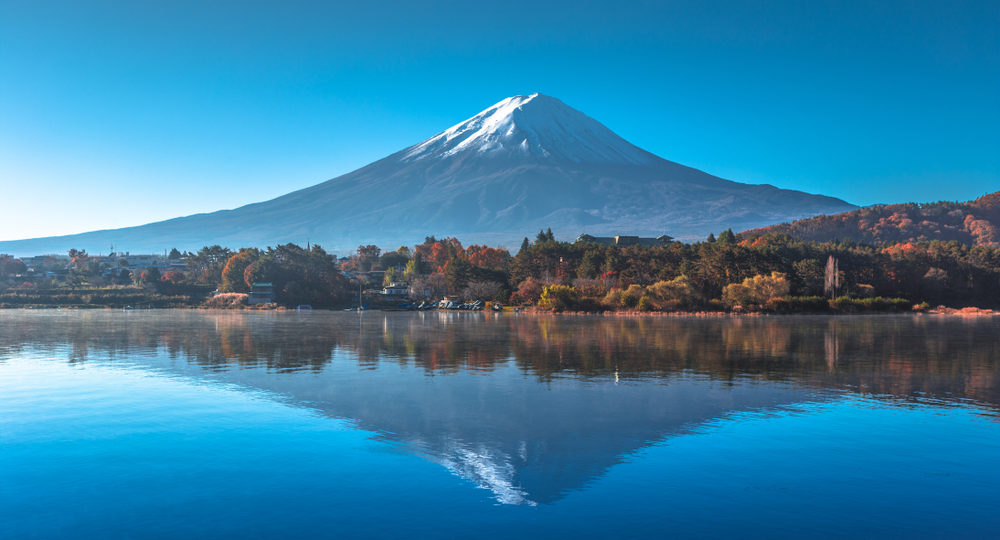
Yamanashi Prefecture is adjacent to the western side of Tokyo. The prefecture, whose capital is Kofu City, boasts a number of historic sites that have some connection to the military commanders of the Warring States Period, the most prominent of whom was TAKEDA Shingen. Because 80% of the land is mountainous, there are many places to go climbing, the most famous of which is Mount Fuji, the symbol of Japan. Yamanashi is also known for its clean spring water, which is sold at convenience stores and supermarkets across Japan.
Yamanashi is also a major production area of fruit: cherries, blueberries, strawberries, and peaches are grown there. There are dozens of farms in the prefecture where people can pick their own fruit. The award-winning Koshu wine, in particular, produced in areas with many vineyards, such as Katsunuma, is well-regarded around the world. Among the wineries in the area is Lumiere. Famous for making wine presented to the Imperial Household in Japan, Lumiere has attracted attention from wine connoisseurs both at home and abroad.
A local specialty in Yamanashi Prefecture is “houtou,” a variety of noodle that is similar to thick udon. Huotou is cooked in an iron pot with a miso-based soup. Another famous local dish is “Kofu-tori motsu-ni” (a stew made with the intestines of Kofu chicken), which was awarded the grand prize in the fifth B-kyuu (B-class) Gourmet Contest. This motsu (chicken intestines) dish, stewed in a salty-sweet sauce, had previously been known not so much as a home-cooked dish, but as a side order served in soba shops. Now it is available for sale at souvenir shops and online, and has become popular as a snack to enjoy with drinks.
Yamanashi Prefecture produces the largest amount of polished jewelry in Japan and has facilities where people can buy jewels and gemstones, and look at sculptures and artifacts of rough amethyst and crystal. Mount Fuji in Yamanashi Prefecture is a well-known “power spot” (area believed to have an intense spiritual energy), and some people purchase “power stones,” such as crystal and amethyst, at the foot of the mountain to carry with them as lucky charms.
Being close to Mount Fuji, the area of Fuji-goko (Fuji Five Lakes) also in Yamanashi Prefecture is a popular sightseeing spot. It takes two hours to drive there from the central part of Tokyo on the Chuo Expressway, and two hours and 15 minutes to get there by train from JR Tokyo Station. Plenty of expressway buses are available from Tokyo, and sightseeing bus tours to the Fuji-goko area are available almost every day, allowing a large number of tourists from all over Japan to visit the prefecture.
Before turning off the expressway at the Kawaguchiko Interchange, Fuji-Q Highland comes into view. This amusement park is known for having a number of roller coasters and other white-knuckle attractions featured in the Guinness Book of World Records. A different kind of thrill can be had from exploring an abandoned hospital called the Horror House, which takes 50 minutes. Other attractions in the park include Thomas Land, which is hugely popular among little children.
Besides the amusement park, the area is home to Kawaguchiko Sarumawashi Theater. Popular with adults as well as children, Sarumawashi is a traditional art that has been performed in Japan for 1,000 years. You can enjoy a play performed by a monkey and its trainer who work together to comical effect. At the theatre, English, Chinese and Korean subtitles are displayed on a screen.
There is also a canine theme park called Fuji Subaru Land Doggy Park, where you can look at, and play with, 110 dogs of about 45 species. At Sylvans, a restaurant located on the same site as Doggy Park, you can eat pizza baked in a stone kiln, or char-grilled herb wieners, while drinking “Fujizakura Heights Beer” – a beverage made with natural water from Mount Fuji using authentic German production techniques.
Of the five lakes that make up Fuji-goko – which include Lake Yamanaka, Lake Saiko, Lake Shoji and Lake Motosu – Lake Kawaguchi, located in the northern part of the Fuji Five Lakes area, is the second largest. It is also known as a good spot for bass fishing, and fishing competitions regularly take place there. In the vicinity of the lake there are a number of caravan sites equipped with barbecue facilities. Besides fishing, you can also enjoy skiing, golfing, horseback riding, and tennis.
Other than fishing competitions, depending on the season, a variety of events are held at Lake Kawaguchi. Festivals can be enjoyed all year round: the Sakura Festival and the Mitsuba-tsutsuji Azalea Festival in spring; the Lavender Festival and a lakeside fireworks display in summer; the Momiji Festival and the Farm Festival in autumn; and, in winter, illuminations and the Juhyou winter fireworks display.
Renowned for its beautiful forest and lava formations, Aokigahara Jukai (Sea of Trees) Forest was selected as one of the “100 Mysterious Lands of Japan” by environmentalist Clive Williams NICOL and others at a symposium hosted by travel agency JTB. There are a variety of tours that beginners can easily take part in, and there they can study the natural environment with help from a local guide. A tour which passes through an ice cave in Narusawa Village and the Fugaku Wind Cave is also popular because it offers a sense of adventure.
There are hot spring facilities that are said to be effective in relieving fatigue, promoting good health, and speeding up the healing process. You can use day onsen to heal tired limbs after trekking or mountain climbing. Near the ski slopes, there are hot spring facilities including Fujichobo-no-Yu Yurari, which offers 16 kinds of hot spring and superb views of Mount Fuji.
In the vicinity of Lake Kawaguchi, you can enjoy not only nature and sports, but Japanese art as well. Itchiku Kubota Art Museum exhibits numerous kimono that KUBOTA Itchiku – who was designated a living national treasure of Japan – designed during his lifetime. At the Kawaguchiko Muse Museum “Atae Yuki-kan,” doll creator ATAE Yuki’s handmade dolls of kimono-clad children or fairies are on display. These museums have been featured in the Michelin Green Guide.
Since the Fuji-goko area is also popular with foreign tourists, the website of Japan National Tourism Organization introduces accommodation facilities and tourist spots in English, Korean, and Chinese. The reason for the area’s popularity among Japanese and non-Japanese alike is that it is able to stimulate the five senses all year round.
Fujikawaguchiko Sightseeing Information
Yamanashi Tourism Organization
Fuji Kanko Kaihatsu Co., Ltd.
Sarumawashi Theater
Fuji-Q HighlandText: BOTAMOCHI Anko
[2012年6月号掲載記事]
山梨県は東京の西側、すぐ隣の県です。県庁所在地は甲府市で、武田信玄をはじめとする戦国武将ゆかりの名所がたくさんあります。土地の8割が山地のため、登山スポットが多くあり、なかでも日本のシンボルでもある富士山が有名。また涌き水がきれいなことでも知られており、山梨の天然水は日本全国のコンビニエンスストアやスーパーで販売されています。
山梨は果物の産地でもあり、さくらんぼ、ブルーベリー、いちご、桃などがとれます。また、県内には果物狩りができる農園もたくさんあります。特に勝沼などはぶどう園が多くあり、この地方で作られる甲州ワインは世界でも評価が高く、多くの賞を受賞しています。その中でもルミエールワイナリーは日本の皇室に献上するワインを作っていることで知られ、国内外のワイン通から注目されています。
山梨県の郷土料理は「ほうとう」と呼ばれる料理で、太いうどんに似ためんを鉄鍋に入れ、味噌味で煮込んだものです。また、第5回B級グルメコンテストでチャンピオンに選ばれた「甲府鳥もつ煮」が知られています。甘辛いたれで鶏の内臓(もつ)を煮込んだ料理は、家庭料理というより、そば屋のサイドメニューとして知られていました。今では県内の土産店やインターネットでも買えるようになり、酒のおつまみとして人気があります。
山梨県は研磨宝飾製品の出荷量が日本一で、県内には宝飾品や原石を買ったり、アメジストや水晶の原石を使った彫刻や工芸品を見学したりできる施設もあります。富士山がある山梨県はパワースポット(不思議な力を感じるところ)としても知られている場所なので、山の麓で水晶やアメジストなどのパワーストーンを買い、お守りにする人もいます。
富士五湖周辺は、山梨県の中でも一番富士山に近い観光スポットとして人気です。車だと都心から中央高速で2時間、電車だとJR東京駅から2時間15分で到着します。都心から高速バスも多く出ていたり、観光バスでの富士五湖周辺行きのツアーはほぼ毎日のように運行されていたりと、日本全国から観光客がたくさん訪れています。
河口湖インターを降りる手前に、遊園地「富士急ハイランド」が見えてきます。この遊園地はギネス級のジェットコースターや絶叫系アトラクションなどが多いことで知られています。廃墟の病院を探検するというホラーハウスは所要時間50分と長く、絶叫マシンとは違う驚きが味わえます。その他に園内にはトーマスランドもあり、子どもたちに大人気です。
遊園地の他に、「河口湖猿まわし劇場」もあります。猿まわしは日本に千年続いてきた伝統芸能で、子どもだけでなく大人にも人気があります。猿と調教師の息のあったコンビネーションによるコミカルな芝居を楽しむことができます。劇場では壁面のスクリーンに英語、中国語、韓国語の字幕スーパーが流れます。
その他に、「富士スバルランド・ドギーパーク」という犬のテーマパークもあり、約45種110頭の犬を見たり遊んだりすることができます。また、ドギーパークと同じ敷地内にあるレストラン「シルバンズ」では、富士山の天然水と本場ドイツの技術がつくり出したビール「富士桜高原麦酒」を飲みながら石窯焼きピザやイワナの香草焼きなどを食べることができます。
富士五湖の北に位置する河口湖は、山中湖、西湖、精進湖、本栖湖と、五つある湖の中でも二番目に大きな湖です。バスフィッシングポイントとしても知られており、定期的に釣り大会が行われています。湖の周辺にはたくさんのオートキャンプ場もあり、バーベキューができる施設が充実。釣りの他にもスキー、ゴルフ、乗馬、テニスもできます。
河口湖では釣り大会の他にも、季節ごとにさまざまなイベントが開催されています。春は桜祭りやミツバツツジ祭、夏はラベンダー祭りや湖畔での花火大会、秋はもみじ祭りとファームフェスタ、冬はイルミネーションや冬の花火大会・樹氷祭りなど、一年中楽しむことができます。
美しい森と溶岩が有名な青木ヶ原樹海は、旅行会社であるJTBのシンポジウムで、環境保護活動家のC. W.ニコルたちにより、日本の秘境100選に選ばれました。また初心者でも安心して参加できるツアーなど各種あり、地元のガイドと一緒に自然を学ぶことができます。鳴沢村の氷穴洞や富岳風穴などを散策するツアーも探検気分が味わえるので人気です。
また、温泉施設もあり、疲労回復、健康増進、病後回復などに効くといわれています。日帰り温泉施設もあるので、トレッキングや登山で疲れた体を癒せます。また、スキー場の近くには16種類の温泉と富士山を眺めることのできる温泉施設「富士眺望の湯 ゆらり」などもあります。
河口湖周辺は自然やスポーツだけでなく、日本の芸術にもふれることができます。久保田一竹美術館では、日本の人間国宝である久保田一竹が生前デザインした着物が多く展示されています。河口湖ミューズ館「与勇輝館」では人形作家、与勇輝による、着物姿の子どもたちや妖精など手作りの作品が展示されています。これらの美術館はミシュラングリーンガイドにも掲載されました。
富士五湖周辺は外国人観光客にも人気があり、観光局のサイトでは英語、韓国語、中国語で宿泊施設や観光スポットを紹介しています。1年中五感を刺激することができるのが、日本人にも外国人にも人気のポイントなのです。
富士河口湖総合観光情報サイト
やまなし観光推進機構
富士観光開発株式会社
猿まわし劇場
富士急ハイランド文:牡丹餅あんこ
-
[From June Issue 2012]
Kojiki is a book that contains writings about ancient Japanese history, it is the oldest remaining historical document in Japan. Though the first half recounts the mythological story of how the gods created Japan, records of actual historical fact increase in the latter half. The myths written in the Kojiki have a deep connection to the Japanese religion of Shinto, and many of the gods that appear in the Kojiki are worshiped in Shinto shrines.
All over Japan there are regions that still bear the same name as that used in the Kojiki. There are also legends about shrines passed down through generations that have their origins in the Kojiki. Many regions have become famous tourist destinations, such as Takachiho in Miyazaki Prefecture, which is said to be the place where the heavenly gods first set foot, or Suwa in Nagano Prefecture, which is purported to be the place to which a god fled after losing a trial of strength.
Of these locations, Shimane has the strongest ties to the Kojiki, with a third of all the places mentioned in the myths located in the prefecture. Popular among young women, the Izumo Temple houses the god of marriage and its legend is supposed to have its origins in the Kojiki. Other temples, local areas, and folk entertainments in Shimane are also said to originate from the Kojiki. “There are countless traditional Shinto rituals in each area and community,” says OKUDA Miwa, a member of the Kamigami no Kuni (The Island of the Gods) Shimane Executive Committee.
Japanese people are well acquainted with the Kojiki. Most people learn about the Kojiki during school, and have read passages from the book. Since it is written in Old Japanese it is very difficult, so not many people read the original text, but a few tales are very famous. This is because these stories are often adapted into books for children.
Notable classic picture book adaptations include “Amanoiwato,” which is about how the Sun Goddess Amaterasu shut herself away inside a cave and how the gods cleverly lured her out, “Yamatano Orochi,” about a strong god who defeats an orochi (huge snake), “Umisachi Yamasachi,” about an elder brother who gets punished for picking on his younger brother, and “Inaba no Shiro Usagi,” about a kind god who finds happiness after saving a hare. Children enjoy reading these tales not only because the story is interesting, but also for the way in which the animals talk as if they were humans. Moreover, parents choose to read these tales to their children because in these stories bad people get their comeuppance, and good people end up happy.
However, since the Kojiki is an old history book, some stories in the Kojiki are not appropriate for children. Sometimes the main character is killed in a very cruel manner. “I wanted my book to be true to the original tale in the Kojiki, but I did not want to turn it into a story that would make children frightened,” says DATE Emiko, the author of an adaptation of “Inaba no Shiro Usagi” (The Hare of Inaba). “So, I decided to delete passages that were not appropriate for children. I wanted to make an emotionally healing story.”
“The main character in the story is a serene and warmhearted god, who doesn’t really like to fight. The charm of the Kojiki is that this kind of unconventional hero is given as much importance as the strong and brave gods,” says Date. “Not only that, humans and animals are treated as equals in the Kojiki. Even a white hare can become a god. I think this mindset is very Japanese.”
The myths in the Kojiki are on an epic scale, with gods marrying to create the islands of Japan, and a hero travelling from battle to battle from Kyushu to Kanto. That is why some stories are adapted into large-scale productions on stage. Some examples include the opera version of “Kojiki” and a Super Kabuki (modern style of kabuki) version of “Yamatotakeru.” Additionally, Kojiki tales are often used as subject matter for Japanese paintings. In turn, Kojiki tales and characters also appear in manga and games. Authors tend to think outside the box when making these adaptations, which makes them very popular with the manga and game loving younger generation.
“A reader of my English translation of Kojiki wrote in their review that ‘Those who have played the video game Okami will recognize some of the characters, including Amaterasu and Susanowo,’” says the poet, DANNO Yoko. “English translations of the Kojiki were done in the past by knowledgeable scholars, and are a must-read for people who are studying this subject. On the other hand, I attempted to create an English translation that can be enjoyed by ordinary people,” she says of her motivations for translating the book.
“I needed to be creative especially when I translated the names of people and places,” says Danno. “There are many tales that relate the origin of names of places, and when we use direct translations of people’s names, they become too long. When I read the Kojiki, I felt that the book was a very interesting tale of adventures, filled with vivid accounts of the movements of gods and humans, so I tried to translate the original text as faithfully as possible, while at the same time keeping it easy to understand and no longer than 160 pages.”“The fascination of the Kojiki is that it touches on the emotions of these ancient people,” says Danno. “In those days people sensed the presence of the gods all about them. For example, the goddess of grief is born from tears. Also, the frank and powerful behavior of the characters, and the poetic language it is written in is so charming. The heart yearning for one’s homeland, or the feelings of being lovesick… Even today, these things haven’t changed.”
The Kojiki also has a political side. Since it was compiled in the eighth century by order of the reigning Emperor, it was affected by the politics of those times, so that the gods are stated to be the ancestors of the emperor. During the prewar (pre-World War Two) era, the Kojiki was the foundation of the idea that the emperor was god – because he was the descendant of the emperor who had ordered the Kojiki to be written. As a reaction to this ideology, in postwar Japan there were two factions of people: those who valued the Kojiki and those who disliked the book.
In this way, people have differing opinions and thoughts regarding the Kojiki. But there is no doubt that this book is valuable. This is because the records in the Kojiki are useful in confirming historical facts when ancient graves are discovered, and study of the Kojiki can also help researchers understand Old Japanese. Moreover, since people’s emotions are described in detail, it’s held in high regard as a piece of literature. Furthermore, the idea of gods inhabiting animals, plants, mountains and rivers is one that even modern Japanese are well acquainted with.
The Kamigami no Kuni Shimane Executive Committee
Bungeisha
Ahadada BooksText: SAZAKI Ryo
[2012年6月号掲載記事]
古事記は日本の古代の歴史を書いた本で、現在残っている日本の歴史書の中ではいちばん古い書物です。前半は神々が日本をつくったという神話ですが、後半へ進むにつれ史実の記録が増えていきます。古事記の神話は日本の宗教「神道」と深く関わっていて、多くの神社が古事記に出てくる神々をまつっています。
古事記に出てくる地名が残っている地域や、古事記と関わりのある話を代々伝えてきた神社なども、日本のあちこちにたくさんあります。天の神々が降り立った場所だとされている宮崎県の高千穂、力比べに負けた神が逃げ込んだ地といわれている長野県の諏訪など、有名な観光地になっている場所も少なくありません。
中でも島根県は、古事記の神話の約3分の1が島根県に関係あるといわれるほど縁の深い土地です。縁結びの神として若い女性に人気の神社「出雲大社」も、古事記に出てくる建物が起源だとされています。そのほかにも多くの神社や地名、郷土芸能が古事記に由来しています。「各地域、各集落で伝統的な神事は数え切れないほどあります」と、神々の国しまね実行委員会の奥田未和さんは言います。
古事記は日本人に広く知られている本です。たいていの人は学校の授業で、「古事記」というものを知り、内容の一部を読みます。古い日本語で書かれていて難しいので、原文で読む人はあまりいませんが、いくつかのエピソードはとても有名です。それは、子ども向けの本によく取り上げられるからです。
特に、岩の扉を閉めて閉じこもってしまった太陽神アマテラスを神々が知恵を働かせて連れ出すという「天岩戸」の話、強い神が悪いオロチ(大きな蛇)を退治する「ヤマタノオロチ」の話、弟をいじめた兄が罰を受ける「海幸山幸」、心のやさしい神がウサギを助けた結果幸せになる「因幡の白うさぎ」は、絵本の定番です。話がおもしろい上、人間のように話す動物たちが登場するので、子どもが喜んで読むのです。また、悪い人がひどい目にあい、よいことをした人が幸せになるという内容なので、親たちも子どもに読ませたがります。
しかし古事記は古い歴史書なので、現代の子どもには好ましくない話も含まれています。登場人物がとても残酷な方法で殺されてしまうことなどです。「古事記に忠実にかきたいと思いましたが、かといって子どもが怖がる話にはしたくありませんでした」と、絵本「因幡の白うさぎ」をかいた伊達恵美子さんは言います。「ですから子ども向けでない部分は省略するようにしました。心癒される話にしたかったのです」。
「因幡の白うさぎの主人公は大らかで心の温かい、あまり戦いを好まない神です。このようなヒーローらしくない神が、強くて勇ましい神と同じくらい大事に書かれているところが古事記の魅力です」と伊達さん。「それに古事記の中では人も動物も平等です。白うさぎも神様になれるのです。とても日本人らしい考え方だと思います」。
古事記の神話は、神々が結婚して日本列島を生んだり、一人の英雄が九州から関東までを旅して戦ったりと、内容がダイナミックです。そのため大がかりな舞台作品にされることもあります。オペラ「古事記」やスーパー歌舞伎(現代的な歌舞伎)「ヤマトタケル」がその例です。日本画の題材にもよく使われます。一方、古事記のエピソードやキャラクターを使ったまんがやゲームも多く存在します。こちらは自由な発想で作品化していることが多く、若い人やまんが・ゲーム好きな人の間で人気です。
「『テレビゲームの大神で遊んだ人は、キャラクターがアマテラスやスサノヲたちだったのだとわかるでしょう』と、私が英語に訳した古事記を読んで、感想を寄せてくれた人がいます」。そう語るのは詩人のヨウコ・ダンノさんです。「古事記には優れた学者による英訳本があり、専門的に学ぶ人の必読書となっています。一方私が試みたのは、一般の人が楽しんで読める英訳です」と翻訳の動機を語ります。
「訳すとき工夫が必要だったのは人名や地名です」とダンノさん。「古事記には地名の由来を語る話も多いですし、人名はそのまま訳すと長くなります。私は古事記を読んで、神々や人間がいきいきと動き回る、とてもおもしろい冒険物語だと感じましたから、できるだけ忠実に訳し、それでいてわかりやすい、160ページ未満の本にしました」。「古事記の魅力は古代の人々の心にふれられることです」とダンノさんは言います。「人々はあらゆるところに神々の存在を感じていました。例えば涙から嘆きの女神が生まれてくるのです。また、登場人物の率直で力強い行動や、詩情豊かなことばも魅力的です。故郷を思う心や悲しい恋などは、今も古代も変わりません」。
古事記には、政治に利用された面もあります。天皇の命令によって編纂された書物なので、8世紀頃の政治の影響を受けていて、天皇の先祖を神としているのです。戦前(第二次世界大戦前)には、古事記を書かせた天皇の子孫に当たる天皇を、神だと考える思想の根拠にもされました。その反動で戦後の日本には、古事記を大切にする人と嫌う人の両方が生まれました。
このように古事記をめぐってはさまざまな意見や考えがあります。しかし貴重な本であることは確かです。古いお墓が見つかったときの史実確認に古事記の記録が役立ったり、古事記の研究から昔の日本語がわかったりするからです。それに、人の感情が細かく描かれているので、文学作品としても高く評価されています。また、動物、植物、山、川にも神が宿るという考えなどは、今の日本人にとってもなじみ深いものです。
文:砂崎良
-
[From June Issue 2012]
Since 1954, “kyuushoku” (school lunch) has been served at Japanese elementary and middle schools. Everyone has their own unique memories of eating lunch alongside their classmates in the same classroom where they also sat down to study. Now “kyuushoku izakaya” that serve recreations of these school lunches, are gaining popularity. With interiors that resemble classrooms and menu items that have names related to school, these taverns use a variety of methods to add spice to the experience.
School lunch concept izakaya (Japanese taverns) are most popular with people in their 40~50s, but recently, the number of customers in their 20s has also increased. One of the main reasons these places are popular with people is that, despite the fact that these customers are now adults and full members of society, reminiscing about school days with friends and colleagues naturally creates a lively atmosphere.
The interiors of “Koshitsu Izakaya Roku’nen Yon’kumi” (Private Dining Tavern, Year Six, Class Four) in Shibuya, Tokyo, look exactly like a Japanese classroom. Inside, blackboards, schoolbags, and a kind of Japanese calligraphy called “kakizome” decorate the walls. “Every time I come here with my friends from my student days, we have a blast talking about the good old times. It’s so much fun here.” says SAKURAYASHIKI Naomichi, a regular of the bar.
“I want people to taste our delicious school lunches. But our real goal here is to get our customers to have a fantastic time, while reminiscing about their school days. We look to entertain our customers so we challenge them with short quizzes that change daily, and instead of serving drinks in cups, we use those measuring cylinders you used to have in science class,” says the manager, HINOKIDANI Tai.
One of the private rooms at “Kyushoku Toban” is a classroom, recreating the school atmosphere for close friends to enjoy together. The restaurant is also open during lunch hours, so customers can casually enjoy the experience. The menu contains items that bring back nostalgic memories for many Japanese, including fried bread, and soft noodles.
“We have customers of all ages come to our restaurant. Some come with their families; the parents tell their kids about the lunch they used to have, and the kids tell their parents about the lunch served today. When they’re done eating the customers say ‘gochisousama’ (the formal way to express thanks for a meal) and in addition ‘natsukashii’ (that takes me back). It gives me the feeling that the guests truly enjoyed themselves,” says manager, KUBOTA Masaya.
Also, older customers say, “The kyuushoku served in this restaurant is very delicious. But when I used to be a student, the same meal did not taste so good. Times have really changed.” Regardless of their age, for Japanese, kyuushoku brings back fond memories.
Koshitsu Izakaya Roku’nen Yon’kumi
KyusyokutobanText: NAKAGOMI Koichi
Photos: SAKURAYASHIKI Tomonao[2012年6月号掲載記事]
日本の小学校や中学校では1954年頃から「給食」が食べられています。普段同じ教室で勉強している仲間達と食べる給食には、人それぞれ思い出があります。今、多くの日本人が食べてきた給食を再現する飲食店、「給食居酒屋」が人気です。店内を教室のように見立てたり、メニューを学校にまつわるネーミングにしたりと様々な工夫がされています。
学校給食をコンセプトにした居酒屋に訪れるお客で、一番多い年代は40~50代の人ですが、最近では20代の若い人も増えています。多くのお客に人気がある理由は、大人になり、社会に出ても学生時代を思い出しながら、友人や同僚と思い出話に花を咲かせられる雰囲気が自然に演出されているからです。
東京都渋谷区にある「個室居酒屋 6年4組」の内装は日本の学校そのままです。店内には、黒板やランドセルや「書き初め」と呼ばれる習字が飾ってあります。「学生時代の友人と来店するたび、昔のなつかしい話で盛り上がります。とても楽しませてもらっています」と常連客の桜屋敷直道さんは言います。
「学校給食をおいしく食べてもらいたいです。しかし当店の本来の目的は、お客様に学校時代を思い出しながら心から楽しんでいただきたいということです。来店されたお客様に毎日、日替わりで小テストに挑戦してもらったり、コップの代わりに理科の実験で使うメスシリンダーでお酒を提供したりと、常にお客様を楽しませる目線で営業しています」とマネージャーの桧谷耐さんは話します。
また、東京都台東区の「給食当番」では別室が一部屋、学校教室になっていて、パーティーなど大勢の仲間で学校の雰囲気を楽しむこともできます。お店では、ランチタイムも営業しているので気軽に味わうことができます。あげぱんやソフト麺など、日本人であれば多くの人がなつかしいと感じるメニューがたくさんあります。
「お店には、年齢問わず幅広い層のお客様が来店します。家族でいらっしゃる方もいて、親が子どもに当時の給食を教えてあげていたり、逆に子どもが親に今の給食について話したりしています。嬉しいのは、お客様から『ごちそうさま』の他に『なつかしい』と言われるときです。それは、料理だけでなく、ここで過ごした時間を楽しんでいただけたと実感できるからです」と店長の久保田昌也さんは話します。
また、年配のお客は「お店で出されている給食はとてもおいしいです。でも、私たちが小学生の頃の給食はここまでおいしくはなかったです。時代は変わりましたね」と言います。日本人にとって給食は、年代を問わずそれぞれのなつかしい記憶を思い出させてくれます。
文:中込公一
写真:桜屋敷和直 -
[From June Issue 2012]
Motherhouse Co., Ltd.
Motherhouse sells a variety of products that have been made in developing countries. By doing so, it plays a part in highlighting the incredible potential of such countries or areas. They are now selling bags and stoles made in Bangladesh and Nepal at the company’s Japan-based stores, as well as over the Internet. In the future they intend to increase their range of products and have their sights set on the global market.
The concept of Motherhouse was born when YAMAGUCHI Eriko, the public face of the company, visited Bangladesh during her student years and came face to face with the poverty there. Yamaguchi discovered that “jute,” a kind of hemp, can be used to make an environmentally friendly material. “I’m going to make bags of the highest quality with this,” she said to herself, and founded the company in 2006.
Yamaguchi set out “not to give charity, but make people self-reliant through trade,” and gradually established a means of production. She did not want to make goods that people would buy out of pity, instead she aimed to make goods that would really appeal to people. The first 160 bags, made by inexperienced factory workers, sold out in two months. Things were going well for the business at the start: it was decided that more items would be produced and events aimed at attracting customers were successful.
However, political instability and numerous cyclones hitting the area meant that business was often disrupted. In this prolonged period of political strife, passports were lost, factories were looted and promises were broken, causing Yamaguchi much anguish. But even in the midst of such difficulties, Yamaguchi held on and continued with her activities in the area.
Consumers are able to lend their support to charitable efforts in the area with the “Social Point Card” system. Customers receive one point for each purchase of 2,000 yen and, once they’ve collected 25 points, are awarded a discount of 1,500 yen. At the same time 1,000 yen is assigned to the local community. Up to now, this money has been used for projects such as handing out relief supplies to the victims of the cyclones, or providing school bags to street children.
Motherhouse, which intends to establish itself as a brand that supplies goods made in developing countries to the world market, has now begun production in Nepal as well as Bangladesh. They have increased production and, at the same time gradually widened their sales network. At the end of April 2012, their network grew to nine stores in Japan and three in Taiwan.
“Identifying the worth of a country’s raw materials as well as the value of its people, we aim to fully develop both, allowing them to realize their true potential and become self-reliant,” says Yamaguchi. It’s a good example of how a business enterprise can be socially involved. Yamaguchi’s dream of “having bags with a ‘Made in Bangladesh’ label carried not only by women in Japan, but also by women in places like Paris and New York” might not be so far off.
Text: ITO Koichi
[2012年6月号掲載記事]
株式会社マザーハウス
株式会社マザーハウスは、途上国でつくったさまざまな製品を販売しています。そうすることで、その国や地域にも素晴らしい可能性があることを伝える役割も果たしています。現在はバングラデシュとネパールで生産したバッグやストールなどを国内の直営店やネットなどで取り扱っていますが、将来は生産品目を増やし、全世界に向けての販売を計画しています。
マザーハウスの構想は、代表を務める山口絵理子さんが大学時代に訪れたバングラデシュの貧困の現実を目の当たりにしたことから始まりました。山口さんは現地で出合った麻の一種、ジュートが環境にもやさしいすぐれた素材であることを知りました。そして「この素材を使って最高のバッグをつくろう」と思い立ち、2006年に会社を起こしたのです。
山口さんは「一方的な援助ではなく、ビジネスを通じた自立」を目標に掲げ、少しずつ生産の仕組みを整えました。かわいそうだから買ってもらうのではなくて、本当に欲しいと思われるものを目指しました。不慣れな工員たちが初めてつくった160個のバッグは2ヵ月で完売。追加の生産が決まり、お客向けのイベントも成功するなど活動は順調に始まりました。
ところが、現地の政情不安や度重なるサイクロンなどで、ビジネスはたびたび中断させられました。政情不安が続く中で、パスポートがなくなったり、工場が荒らされたり、約束を破られたりする事件が起こり、山口さんを苦しめます。そんな困難に見舞われながらも、山口さんはそれに耐えて、現地での活動を続けました。
現地での活動を助けるのが、購入者も参加できる「ソーシャル・ポイントカード」の仕組みです。購入2,000円ごとに1ポイントがたまり、25ポイントで1,500円分の割引を受けられます。同時に1,000円分が現地の社会貢献に使われます。これまで、サイクロン被災者への救援物資やストリートチルドレンへのスクールバッグの提供などが行われてきました。
途上国から世界に通用するブランドをつくることを掲げるマザーハウスは、バングラデシュに次いでネパールでも生産を開始。生産数を増やす一方で、販売拠点の整備も着々と拡大。2012年4月末の時点で国内に9店舗、台湾に3店舗を構えるまでに成長しました。
「その国にある素材や人柄の良さをなるべく生かして現地の自立を促すのがマザーハウスのねらいです」と山口さんは話します。企業と社会との関わりを示す好例ともいえます。「国内だけでなくパリやニューヨークの女性にも『Made in Bangladesh』のラベルを付けたバッグを持ってほしいです」と話す山口さんの願いが叶うのはそう遠くはないでしょう。
文:伊藤公一
-
[From June Issue 2012]
Japan is a country that holds great fascination for architects. There is something unique about Japan and its architecture, whether it be traditional or contemporary. For a country with a reputation of being conservative, it gives rise to some of the world’s most extraordinary architecture. There seems to be a lack of inhibition that offers architects freedom of expression. There are buildings that seem to serve no purpose. They are simply pieces of urban artwork. In these cases, form certainly does not follow function.
For me, the fascination with Japanese architecture began after I graduated and went to work in Japan. It was the early 1990s and the end of the property bubble. There were some remarkable projects being built by Japanese and foreign architects. Around that time renowned architecture publication, “Japan Architect,” published an edition specifically on Tokyo which contained architectural walking maps. Armed with these walking maps, I spent most weekends seeking out the latest architectural wonder or historic classic.
After I returned to Australia and established my own architectural practice, I maintained a strong connection with Japan. I was able to undertake some projects in Japan and followed the latest news in the Japanese architecture scene. My appreciation and knowledge of Japanese architecture has developed to the point where I now conduct Japan Architecture Tours. On the tours I share my knowledge, appreciation and understanding of Japanese architecture with architects and other people with a general interest in architecture.
There are so many great places to visit in Japan where one can see excellent examples of Japanese architecture. There is Ginza and Omotesando, home to the boutiques of some of the greatest fashion brands in the world; there are the open-air architectural museums such as Meiji-Mura, Nihon Minkaen and Edo-Tokyo Open Air Architectural Museum which contain old buildings and houses which help us understand Japan’s architectural historical past.
There are the museums and galleries around Roppongi, the skyscraper district of Shinjuku, there is Kyoto, home to UNESCO World Heritage buildings and structures such as Katsura Rikyu, Nijo-jo, Kiyomizu-dera and Kinkaku-ji; there are the quaint little backstreets and alleys that have survived since the Edo period; and of course there are plenty of other wonderful architectural gems dotted throughout the urban landscape. Where else could you see so much architectural variety and history?
Japan is considered by many architects to be at the forefront of architectural design expression. The ever-changing urban and architectural landscape of Japan means there is so much to see on the Japan Architecture Tours. This combined with the warm welcome and generous hospitality, makes it a joy to visit Japan every time.
Text : Robert DAY
[2012年6月号掲載記事]
日本は建築家にとってとても魅力的な国です。伝統的なものから現代的なものまで、日本と日本建築には何かユニークなものがあります。保守的な国、との評価がありながら、いくつかの世界でもトップクラスの驚異的な建築を生みました。心理的抑制がないことが、建築家に表現の自由を与えているようです。何も目的がないような建築物もあります。単なる都市の芸術作品です。そのようなケースでは、もちろん形は用途とは関係ありません。
私が日本建築のとりこになったのは、学校を卒業して日本へ働きに行ってからでした。それは1990年代のはじめで不動産バブルが終わった時期でした。日本人と外国人の建築家が手がけていたすごいプロジェクトがいくつかありました。その頃、有名な建築雑誌「JA」が建築物散歩地図を収めた東京特集号を出しました。その地図を持って、私はほとんどの週末を最新の建築物や歴史的建築物を訪ねて過ごしました。
オーストラリアへ帰国して自分の事務所を開いた後も私は日本との深い関係を保ちました。日本でいくつかプロジェクトを手がけることができ、日本建築界の最新情報をフォローしました。日本建築に対する私の評価と知識は、今では日本建築ツアーを主催するほどになりました。ツアーでは、建築家や建築に関心のある人達に、日本建築に関する自分の知識・評価・理解を伝えます。
日本には優れた日本建築の例を見られる良いところがたくさんあります。世界一流のファッションブランドの店が並ぶ銀座と表参道があります。日本建築史の理解に役立つ古い建物や家屋がある明治村、日本民家園、江戸東京たてもの園といった屋外建築博物館もあります。
六本木周辺には博物館やギャラリーが、新宿には高層ビル街があります。桂離宮、二条城、清水寺、金閣寺といったユネスコ世界遺産の建物や構造物がある京都もあります。ここには江戸時代から生き残った古風で細い裏通りや小路があります。それにはもちろん都市の風景に点在する他の素晴らしい宝石のような建築物もあります。これほど多彩な建築や歴史を見られるところが他にあるでしょうか?
多くの建築家が日本の建築デザイン表現は最先端にあると考えています。日本の都市と建築の風景は常に変化していて、日本建築ツアーでは見るものがたくさんあります。それに加え、あたたかく歓迎され、寛大にもてなしてもらえるのですから日本を訪れるのは毎回楽しみです。
文: ロバート・デイ
-
[From June Issue 2012]
Carl ROBINSON
New Zealander Carl ROBINSON is the CEO of Jeroboam Co., Ltd., a wine importing business based in Japan. “In the wine business,” he says, “the people you meet are happy to see you.” Being a social animal, he’s just as happy to meet people. A natural communicator, since coming to Japan in 1990, Robinson acquired his language more through immersing himself socially, than studying textbooks.
“I still think immersion is a good thing because you just have to figure it out,” he says. Robinson originally came to Japan with his wife for a working holiday. One option was to stay in Tokyo as English teachers – they could make a little more money, but maybe experience less of the language and the culture. Instead, they did the exact opposite: for six months they lived as the only foreigners in a small town in Oita Prefecture.
“It was certainly tough not having anyone to help you, but it was also very, very satisfying once you started to realize that people could understand you.” Robinson admits he’s no “kanji freak” totally focused on studying, so ultimately, the desire to interact drove him to improve his Japanese. “I certainly wanted to communicate with the people I was working with and the people I was seeing every day.”
After that half year, Robinson and his wife moved to the UK. But they still loved Japan, and six years later they arranged a transfer for Robinson’s wife to her employer’s Tokyo office. Robinson, who had been working in the wine business, found a job as a sommelier for the Tokyo American Club. The timing was perfect. “We came back here in 1996, and it was just at a time when wine was starting to take off in Japan.”
After eight years of consulting and organizing events, Robinson chose to move into importing. As CEO of Jeroboam, he says, “I needed to improve my formal Japanese and to learn a lot of technical language that I hadn’t been exposed to before.” In deals with bankers and lawyers, he enlists the help of bilingual staff. “Because you don’t want to make mistakes in situations like that.” Still, all internal communications are in Japanese. “It’s important to have your own style, especially if you’re running a company,” he says.
Robinson’s Japanese has been put to the test under stressful situations. Last March, Robinson was at work when the Great East Japan Earthquake struck. “It was certainly challenging when you’re making decisions that seriously affect other people,” he says. And before that, Robinson faced a crisis of a different kind: the economic shock of 2008. He had to use his Japanese to nurture his employees during uncertain times, both to lead and to inspire. “It really pushes your Japanese ability.”
It’s situations like these that reinforce Robinson’s philosophy. Relying too much on memorization, he believes, gives too much emphasis on language structures and gets in the way of what you’re trying to say. The best way to learn, for Robinson, is total immersion. His one recommendation for students of Japanese is to go to a place where they can be totally surrounded by the language. “It’s tough,” he says, “but it’s a good way to learn.”
Text: Gregory FLYNN
[2012年6月号掲載記事]
カール・ロビンソンさん
ニュージーランド人のカール・ロビンソンさんは日本に本社があるワイン輸入会社、ジェロボーム株式会社の社長です。「ワインの商売をしていると会う人に喜ばれます」とロビンソンさんは言います。社交性に富むロビンソンさんは人に会うのが好きです。生まれつき話上手のロビンソンさんは、1990年に日本へ来て以来、教科書で勉強するより人とのつきあいのなかで日本語を身につけました。
「意味を理解するには、今も日本語漬けになるのはいいことだと思っています」とロビンソンさんは言います。ロビンソンさんは最初、ワーキングホリデーのために夫人と一緒に来日しました。ひとつの選択肢は英語教師として東京に滞在することでした。そうしていれば少し多めにお金を稼げたでしょうが、日本語と日本文化の経験は減っていたかもしれません。その代わりに二人は正反対のことをしました。他に誰も外国人がいない大分県の小さな町に6ヵ月間住んだのです。
「助けてくれる人がいないのは確かに大変でしたが、人に理解されているということがわかり始めると、すごくやりがいを感じました」。ロビンソンさんは勉強のことしか頭にない「漢字狂」ではないと認めていますが、結局もっと交流したいという気持ちが日本語の上達を後押ししたのです。「一緒に働いている人達と、また毎日会う人達とどうしても交流したかったのです」。
その半年後、ロビンソンさんと夫人はイギリスへ引越ました。でもまだ日本が好きだったので、6年後、夫人が勤務している会社の東京支社に転勤できるようにしたのです。ワイン業界で働いていたロビンソンさんは、東京アメリカンクラブでソムリエの仕事を見つけました。絶好のタイミングでした。「私達は1996年にここに戻って来たのですが、ちょうど日本でワインがブームになり始めた頃だったのです」。
コンサルティングとイベント開催の仕事を8年間した後、ロビンソンさんは輸入の仕事に移りました。ジェロボームの社長として「敬語をもっと身につけたり、以前は自分に関係なかった技術用語もたくさん覚えたりする必要がありました」。銀行員や弁護士とのやりとりには日英のバイリンガルスタッフの助けを借ります。「そういう場ではミスはしたくないですから」。でも社内の意思疎通は全て日本語です。「自分のスタイルを持つことが重要です。特に会社を経営しているなら」とロビンソンさんは話します。
ロビンソンさんの日本語は、ストレスのたまる状況で試練に立たされてきました。昨年3月東日本大震災が起きた時、ロビンソンさんは職場にいました。「他の人達に深刻な影響をおよぼす決定を下すのは、確かにやりがいがありました」と言います。その前にもロビンソンさんは別の危機に直面していました。2008年の経済ショックです。ロビンソンさんは不安定な時期に従業員をはげますため日本語を使わなくてはなりませんでした。指揮するため、また元気を与えるためでした。「本当に日本語能力が伸びます」。
ロビンソンさんの信念を強固にしたのはそうした状況でした。暗記に頼り過ぎると、構文に重点がおかれて言いたいことが言えなくなると考えています。ロビンソンにとって一番良い習得法は日本語にひたり切ることです。日本語学習者に勧めるのは、日本語に完全に囲まれる場所へ行くことです。大変ですが良い習得法だと話します。
文:グレゴリー・フリン
-
[From June Issue 2012]
TV Series 40 episodes. 968 minutes. 18,900 yen
「TMS DVD COLLECTION ベルサイユのばら MEMORIAL BOX」
販売元:バンダイビジュアル © 池田理代子・TMSBerusaiyu no Bara (The Rose of Versailles)
Directed by NAGAHAMA Tadao, Chief Director: DEZAKI OsamuThis movie is based on a girls’ comic of the same title by IKEDA Riyoko. Since it was first serialized in a girls’ manga magazine in 1972, it has been affectionately nicknamed “Beru Bara.” A portrayal of Marie ANTOINETTE (executed during the French revolution) in an Australian novel was the inspiration for this comic, which charts the dramatic life of the fictional character, Oscar.
The comic’s popularity is such that it has been adapted into musicals by the Takarazuka Revue Company, into an animated TV series, an animated film, and a live-action movie. Overseas there are quite a few fans of the comic who became familiar with the work through translations of the original. The animated TV series, which first broadcast in 1979 and ran for one year, was also favorably received in France and Italy.
The story is set in France in the 1770s. A sixth child is born to aristocrat, General Jarjayes. However, the general is disappointed when he discovers that the child is a girl. He longs for a son to succeed him and doesn’t need a sixth daughter. The general names the child Oscar and declares that he will raise her as a man.
In the spring, 20 years before the outbreak of the French Revolution, Marie Antoinette arrives in France from Austria – a country allied with France – and is welcomed as the dauphine of Louis XVI. Fourteen-year-old Oscar is appointed as the commander of the Royal Guard responsible for the dauphine. Oscar swears loyalty to the future queen.
Before long, Louis XVI is crowned king, and Antoinette, at the age of 18, becomes queen. Oscar understands the loneliness of Antoinette who is far from home and hasn’t gotten used to life in the Palace of Versailles. Although Oscar advises her to become a better queen, Antoinette gradually begins to indulge in extravagant pleasures and falls in love with Swedish aristocrat Fersen.
Meanwhile, Oscar witnesses the deprived conditions of the populace and begins to have doubts about her political allegiances. Unable to endure the unreasonable oppression any longer, people start to riot all over the place. Amid the turmoil, Oscar learns that her childhood friend Andre is deeply in love with her, and she decides to rebel against the government herself. Thus, the country enters into the era of the French Revolution.
The story features some fictitious characters like Oscar, but it also depicts historical figures that actually existed, like General Jarjayes and Marie Antoinette, lending a touch of realism to the tale. Oscar is killed at war later on in the series and there’s an anecdote amongst fans about an actual funeral that was held in her honor.
[2012年6月号掲載記事]
TVシリーズ全40話。968分。18,900円。
「TMS DVD COLLECTION ベルサイユのばら MEMORIAL BOX」
販売元:バンダイビジュアル © 池田理代子・TMSベルサイユのばら(総監督:長浜忠夫、チーフディレクター:出﨑統)
原作は池田理代子の同名少女まんがで、1972年に少女まんが雑誌で連載されて以来、「ベルばら」と呼ばれ親しまれている。フランス革命で処刑されたマリー・アントワネットを描いたオーストリアの小説を基に、架空の人物であるオスカルの劇的な一生を描いている。
宝塚歌劇団による舞台化や、テレビアニメ化のほか、劇場アニメや実写映画も作られるほど人気が高く、原作まんがの翻訳版を通じて海外にもファンは多い。1979年から1年にわたり放映されたテレビアニメシリーズは、フランスやイタリアでも好評だった。
物語の舞台は、1970年代フランス。貴族であるジャルジェ将軍に、6番目の子どもが誕生する。しかし、それが女の子だと知り、将軍は落胆した。家を継ぐ息子が欲しい彼にとって、娘は6人もいらなかったのだ。将軍はその子をオスカルと名付け、男として育てることを宣言する。
フランス革命が起こる20年前の春、フランスは同盟国オーストリアから、ルイ16世の王太子妃として、マリー・アントワネットを迎え入れる。14歳のオスカルは、王太子妃直属の近衛隊長に任命された。オスカルは妃に忠誠を誓うのだった。
やがて、ルイ16世が王になり、アントワネットは18歳で王妃になる。故郷を離れ、ベルサイユ宮殿になじめないアントワネットのさびしさを理解するオスカル。良い王妃になるよう助言するが、アントワネットは次第に浪費の快楽におぼれてゆき、スウェーデンの貴族フェルゼンと恋に落ちる。
一方のオスカルは、民衆の貧しさを目にし、政治に疑問を抱き始める。理不尽な弾圧に耐えきれなくなった市民はあちこちで暴動を起こす。オスカルは動乱のなかで、幼なじみのアンドレの深い愛を知り、自らもまた国家にそむくことを決断する。そうして時代は、フランス革命へと向かっていった。
物語には、オスカルのような架空の人物も登場するが、ジャルジェ将軍やマリー・アントワネットなど、実在した人物も多く描かれており、ストーリーに現実味を与え、見どころのひとつになっている。また、シリーズの後半ではオスカルが戦死するが、多くのベルばらファンにより実際に葬儀が行われたという逸話が残っている。
-
[From May Issue 2012]
The Japanese fiscal year begins in April. Many people will be purchasing the clothes, bags, and shoes they’ll need for work or study. Stationery is also something that sells well during this time of year. Stationery made by Japanese companies is said to be of high quality and comes in many varieties. Japan is a world leader especially when it comes to writing materials, and products have been developed here that make writing easier.
Pentel was the first company to develop the fine 0.5 millimeter mechanical pencil lead, whereas PILOT invented a pencil holder that puts less stress on the writing hand. Mitsubishi Pencil came up with a mechanism to keep the mechanical pencil lead sharp at all times. There are even pens which use an ingenious kind of ink that can be erased. Since each brand of stationery sells writing instruments in a wide variety of colors and gradations of thickness, the stationery section in stores is a vibrant sight, packed with countless products.
Before buying, customers carefully check the smoothness of use and overall performance of writing tools. Since Japan has a history of calligraphy, people are fussy about their pens and demand instruments that can write beautifully. High performance writing materials are in demand because to write intricate Japanese characters, the writer needs to be able to produce tome (stops), hane (flicks at the end of a stroke) and harai (sweeping strokes). Most customers test a product even when they purchase a cheap pen. That is why stationery departments provide scribbling paper.
The abundance in variety of stationery supplies is due to the Japanese character trait of anticipating the desires of others and acting accordingly. Erasers are one example of this. It’s not unusual for domestically made erasers to be of extremely high quality with an erasure rate (ratio of pencil line erased) of over 95%, but in spite of this, new products are being launched one after another. This is because manufacturers closely follow consumer demand.
One manufacturer realized that many adults and high school students used erasers while holding pencils in their hand. So they then developed a long eraser that people can hold together with a pencil. In response to those who disliked the black residue left by erasers, a manufacturer created a black eraser to make the residue less noticeable. One manufacturer removed the sharp edges of an eraser holder after receiving complaints that its sharp edges cut into the eraser.
For users that are bothered by residue, there are erasers that produce less residue. In order to be able to neatly erase one letter at a time, there is an eraser specially constructed so that it always has a sharp edge. When one manufacturer makes a good product, other manufacturers tend to follow suit with a similar product.
Competition between companies helps create high quality products; this can be seen in the case of correction tape. Unlike correction fluid, it’s possible to write on correction tape immediately after application and this is why many manufacturers develop and sell correction tape. Each manufacturer is pursuing similar goals of creating an easy to handle, smooth rolling tape holder that contains plenty of tape. For this reason successive products are introduced onto the market, such as tape cases that discharge tape when pushed or pulled and compact cartridges that can hold a large amount of tape.
Other manufacturers strive to bring out unique kinds of correction tape, such as colorful and fashionable correction tape holders that resemble jewels or birds. These are Pentel’s “JEWELISH” and Midori’s “Swingbird.” On the other hand, there are also manufacturers that set their sights on developing high performance correction tape. One example is PLUS Stationery, the creators of the “non-transparent correction tape” which prevents erased sentences from being seen even on the reverse side of the paper. Since there are so many types of correction tape, some customers are completely confused when they go to purchase replacements.
Notebooks and other paper products are also high quality. For example, Maruman’s “Kakiyasui (easy to write) Loose Leaf;” just as the product’s name suggests, it was created with the goal in mind of making writing easier. The loose leaf paper is made so that it can be written on neatly with pens, pencils, markers and other writing tools. Furthermore products come in a variety of sizes and types of ruled lines.
One characteristic of stationery made in Japan is its compactness. Midori’s CL compact stapler has a length of a mere 66 millimeters. Carl’s hole punch has a height of approximately five centimeters, but when the handle is locked, the height is only approximately three centimeters. In Japan, where homes and offices tend to be smaller, compact products that take up less space are appreciated. Also, people who carry around stationery for work tend to prefer smaller items.
In Japan, there is also a lot of stationery that is cute and fashionable. For example, the pop-inspired glitter ink of Sakura Color Products’s Ballsign Pen made the product a hit with teenage girls. Midori’s adorable animal-shaped paperclips are also popular. “Mecurikko” rubber finger tips (for sorting through paper) by Plus are popular with women who are into nail art, as they can be used by ladies with long fingernails and come in fashionable colors.
“Japanese stationery manufacturers are good at creating petite, detailed, cute items,” says YAMADA Maiko, a PR representative for specialized stationery store GINZA itoya. “But that doesn’t necessarily mean that Japanese will only buy stationery made in Japan. If it’s to their taste, they will purchase stationery from other countries. Since customers are enthusiastic about stationery, both stationery manufacturers and stationery stores do their best to meet their needs.”
The existence of customizable stationery is further proof of the Japanese love of stationery. Any stationery store will sell items that can be customized and there are also books and magazines that demonstrate how to customize stationery. PILOT’s HI-TEC-C coleto is a range of ballpoint pen holders and cartridges, sold separately, customers can match their favorite holder with their favorite color ink. In this way, people can get their hands on stationery that matches their needs and preferences with the minimum of hassle.
Recently, electronic stationery such as King Jim’s pomera (a digital memo pad) and Pentel’s airpen (which transforms written brushstrokes into digital data) are also selling well. Memo pads that can archive smartphone picture data are also popular. On the other hand, interest in penmanship is enjoying a renaissance and as a result, there has been in increase in the numbers of people who buy high-end stationery and notebooks. Even in this information technology era, the Japanese people’s love of stationery is still going strong.
Text: SAZAKI Ryo
[2012年5月号掲載記事]
日本では4月から新年度が始まります。多くの人が服やかばん、靴など、仕事や勉強に必要な物を買います。文房具も、この時期によく売れる物の一つです。日本のメーカーが作った文房具は、質がよくて種類も多いといわれています。なかでも筆記具は世界に先駆けて、書きやすい商品を開発してきました。
0.5ミリという細さのシャープペンシルの芯を世界で一番早く開発したのはぺんてるですし、書いていて疲れにくいホルダーを開発したのはPILOTです。三菱鉛筆は、シャープペンシルの芯をとがらせ続ける仕組みを考え出しました。インクを工夫して、一度書いた字を消せるようにしたペンもあります。一つのブランドの筆記具がいろいろな色や太さで売られているため、筆記具売り場はカラフルで、商品があふれています。
消費者も購入前に筆記具の書きやすさや性能をこまかくチェックします。日本には書道の伝統があるため、美しい字を書ける筆記具にこだわるのです。それに日本語の文字は形が複雑な上、「とめ・はね・はらい」と手を細かく動かす必要があるので、性能のいい筆記具が求められるのです。ほとんどのお客は安いペンを買うときでも、試し書きをしてから購入します。そのため筆記具売り場には試し書き用の紙が置いてあります。
日本製文房具の種類が豊富なのは、他人の希望を察して行動するという、日本人の性格と関わっています。その一例が消しゴムです。日本製の消しゴムは消字率(鉛筆の線を消せる割合)が95%以上の物もめずらしくないくらい質がいいのですが、それにもかかわらず新商品が次々に発売されています。それはユーザーの希望に細かく対応しているからです。
大人や高校生は筆記具を握ったまま消しゴムを使うことが多いということに気づいたメーカーは、筆記具を持ったまま使える細長い消しゴムを開発しました。消しゴムが黒く汚れるのがいやだという声に対しては、汚れの目立たない黒い消しゴムが発売されました。消しゴムを納めているケースの角が少し切り落とされているのは、消すときにケースが消しゴムに食い込んで切れてしまう、という苦情に応えた結果です。
消しゴムのかすが気になるというユーザーのためには、かすの出にくい消しゴムが作られています。字を一文字だけ消すために常に角が出ているように四角をたくさん組み合わせた形の消しゴムもあります。一社がいい商品を作ると他のメーカーも負けずに似た商品を出します。
各社が競い合って、高品質の商品が生み出されていく一例が修正テープです。液体と違ってテープの上からすぐに書くことができるため、いろいろなメーカーが修正テープを開発・販売しています。どのメーカーも共通して追求しているのは、持ちやすく、動かしやすく、テープの量が多いという点です。そのため、押しても引いてもテープが出るケースや、大きさの割にテープが長いカートリッジなどが続々と市場に現れます。
他社とは違う修正テープをめざして、宝石のようにカラフルでおしゃれなものや鳥の形をしたかわいい形の修正テープホルダーなども売られています。ぺんてるのジュエリッシュや、ミドリのスイングバードです。一方、高性能の修正テープを開発しようとするメーカーもあります。消した文章が裏から盗み見られないという「裏から見えない修正テープ」を作ったプラスステーショナリーがその例です。このように修正テープの種類があまりに多いので、カートリッジを買い替えるとき迷うお客もいるほどです。
ノートなど紙の製品も高品質です。例えばマルマンの「書きやすいルーズリーフ」は、文字どおり書きやすさを追求して生まれた製品です。ペン、鉛筆、マーカーなどさまざまな筆記具できれいに書ける紙を使用しています。さらに紙の大きさや罫線の種類も豊富です。
日本製文房具の特徴の一つは、コンパクトであることです。ミドリのCLコンパクトホッチキスは全長が66ミリしかありません。カールの2穴パンチは通常高さが約5センチありますが、ハンドルを下げてロックすると高さが約3センチになります。家やオフィスが狭い日本では、場所を取らないコンパクトな製品が喜ばれるのです。また、仕事で文房具を持ち歩く人も小さいものを好みます。
日本にはかわいい文房具、おしゃれな文房具もたくさんあります。例えばサクラクレパスのボールサインというペンは、ラメ入りのインクなどがポップなので、10代の女の子にヒットしました。ミドリの動物形クリップもかわいいと評判です。ネイルアートに凝る女性たちには、プラスの指サック「メクリッコ」が人気です。爪が長くてもはめられる上、色がきれいでおしゃれだからです。
「日本の文房具メーカーは、小さくて細かくてかわいい物を作るのが得意です」と言うのは文房具専門店、銀座・伊東屋広報室の山田麻衣子さんです。「ただし、日本人は日本の文房具メーカーの物ばかりを買う訳ではありません。自分の好みの物ならどこの国の文房具でも欲しいと思い、購入します。消費者がこのように熱心なので、メーカーも文房具店もその期待に応えようとするのです」。
日本人の文房具好きを感じさせるのは、カスタマイズ文房具の存在です。文房具店では、文房具をカスタマイズするためのアイテムが売られていますし、ノウハウを教える本や雑誌もあります。PILOTのHI-TEC-C coletoは、ボールペンのホルダーと芯を別々に販売している商品で、お客は自分好みのホルダーに、好きな色のインクを入れて買うことができます。このように、自分のニーズや好みに合う文房具を手に入れるためには、手間を惜しまないのです。
最近はキングジムのポメラ(デジタルのメモ帳)、ぺんてるのエアペン(書いた筆跡をデジタルデータにするペン)など、電子文房具も売れています。またスマートフォンで写真を撮ってデータで保存できるメモ帳も好評です。一方で、逆に手書きの字のよさを見直して、高価な筆記具やノートを買う人も増えてきています。日本人の文房具好きはITの時代になっても健在のようです。
文:砂崎良

 “I needed to be creative especially when I translated the names of people and places,” says Danno. “There are many tales that relate the origin of names of places, and when we use direct translations of people’s names, they become too long. When I read the Kojiki, I felt that the book was a very interesting tale of adventures, filled with vivid accounts of the movements of gods and humans, so I tried to translate the original text as faithfully as possible, while at the same time keeping it easy to understand and no longer than 160 pages.”

