-

[Japan Savvy – August 2025 Issue]
A Summer Cooled by Ghost Stories
怪談で涼む夏August is known as a time of intense heat. During this time in Japan, people enjoy scary stories, tests of courage, and haunted houses.
8月といえば、暑さが厳しい季節。日本ではこの時期、怪談や肝試し、お化け屋敷など、怖い話で盛り上がります。
As the phrase “It sends a chill down your spine” suggests, one reason is that fear can make people feel cool. But it is also said that the background of ghost stories becoming a summer tradition is connected to obon and kabuki.
「背筋が寒くなる」という言葉の通り、恐怖で涼しく感じることも理由の一つですが、怪談が夏の風物詩となった背景には、お盆と歌舞伎が関係しているともいわれています。
In kabuki theaters where the heat caused a drop in audience numbers, it was the remaining young actors who came up with ghost stories as a way to entertain the audience.
暑さで客足が減ってしまう歌舞伎小屋で、残された若手の役者たちがどうにかして客を楽しませようと考えたのが、怪談でした。
It was also believed that during obon, the spirits of ancestors return, which made ghost stories a good match.
また、お盆にはご先祖様の魂が帰ってくると信じられており、怪談との相性がよかったのです。
In the Edo period, “One Hundred Ghost Stories” became popular. On summer nights, one hundred candles were lit, and one candle was extinguished for each ghost story told. It was said that when the last candle went out, something mysterious would happen.
江戸時代には「百物語」が流行しました。夏の夜に百本の蝋燭を灯し、怪談を一話語るごとに一本ずつ消していきます。最後の一本が消えると怪異が起こるとされていました。
Scary, yet somehow captivating — the world of ghost stories brings a coolness to Japanese summer.
怖いけれど、どこか心を惹きつける――。そんな怪談の世界が、日本の夏に涼を届けてくれます。
 ”Warm Up ウォームアップ”
Kaidan JapaNEEDS
Useful words
- 怪談(かいだん)-ghost story
- 肝試し(きもだめし)-test of courage
- お化け屋敷(おばけやしき)-haunted house
- 怖い(こわい)-scary
- 背筋(せすじ)-spine
- 若手(わかて)-young member
- ご先祖様(ごせんぞさま)-ancestors
- 魂(たましい)-soul, spirit
- 相性(あいしょう)-compatibility
- 蝋燭(ろうそく)-candle
- 怪異(かいい)-mystery
- 涼(りょう)-coolness
- 届ける(とどける)-deliver
Ice Breaker Questions
Do you like scary stories?
怖い話が好きですか?
What kinds of yokai (Japanese monsters) do you know?
どんな妖怪を知っていますか?
If you were to take part in a “Hyaku Monogatari” (One Hundred Ghost Stories), what kind of story would you tell?
もし「百物語」をするとしたら、どんな話しをしますか?
What are the traditions of summer in your country?
あなたの国の夏の風物詩は何ですか?
What do you do to get through the hot summer?
暑い夏を乗り越えるために、どんな工夫をしていますか?
”Work Up ワークアップ”Kaidan Discussion
José: Japanese ghost stories often feature all kinds of yokai.
ホセ:日本の怖い話には、いろいろな妖怪が出てきますよね。
Mayumi: Have you heard of the “Three Great Yokai of Japan”?
まゆみ:「日本三大妖怪」って知っていますか?
Vanessa: That’s the oni, the kappa, and the tengu!
ヴァネッサ:鬼と河童と天狗ですね!
Tim: The kappa lives in rivers and pulls people into the water, doesn’t it?
ティム:河童は川にいて、人を水の中に引き込む妖怪ですよね?
José: It’s scary how all these yokai feel like they could actually be nearby!
ホセ:なんだか、どの妖怪も身近にいそうな感じがして怖いですね!
Mayumi: In the past, people tried to explain mysterious things or disasters that happened around them—things beyond human control—by using yokai.
まゆみ:昔の人は、身近で起こる不思議なことや災害など、人の力ではどうにもできないことを、妖怪を使って説明しようとしたんですよ。
Vanessa: That’s why they feel so familiar in everyday life! But I also heard that yokai aren’t just scary—they have lessons behind them, too.
ヴァネッサ:だから、生活に溶け込んでいるんですね!でも妖怪は怖いだけじゃなくて、教訓があるとも聞きました。
Tim: I see! So maybe the kappa carries the message, “Be careful when playing by the river.”
ティム:なるほど!そしたら河童には「川で遊ぶときは気をつけよう」というメッセージがあると思います。
Mayumi: Exactly. Yokai were also used to “discipline” and “teach” children. Like, “If you stay up too late or tell lies, a scary yokai will come.”
まゆみ:そうなんです。妖怪は、子どもへの「しつけ」や「教え」にも使われていたんですよ。夜更かししたり、嘘をついたりすると怖い妖怪が出る…みたいに。
José: Giving a name to something you can’t see and imagining what it looks like—that’s amazing, isn’t it?
ホセ:見えないものに名前をつけて、姿を想像するって、すごいことですよね。
Mayumi: I think that’s also related to the animistic way of thinking in Japan. Since ancient times, it has been believed that even nature and things have souls.
まゆみ:それは、日本のアニミズムの考え方も関係していると思います。日本では、古代より、自然や物にも魂があると考えられてきたんですよ。
Vanessa: And nowadays, yokai have become characters and everyone loves them! A lot of them have cute designs, so they feel even more familiar!
ヴァネッサ:今では、妖怪がキャラクターになって、みんなに親しまれていますよね。かわいいデザインも多くて、もっと身近に感じます!
”Wrap Up ラップアップ”Kaidan Knowledge
Tengu is known as one of the “Three Great Yokai” of Japan, but it is not just a being to be feared. It is also revered as a “mountain god.”
天狗は「日本三大妖怪」の一つとして知られていますが、ただ恐れられる存在ではありません。「山の神」としてあがめられることもあります。
As for the “Three Great Evil Yokai of Japan,” they are Shutendoji the oni, Tamamonomae the nine-tailed fox, and Emperor Sutoku, who is said to have died in anger and sadness and become a vengeful spirit.
「日本三大悪妖怪」といえば、鬼の酒呑童子、九尾狐の玉藻前、そして怒りや悲しみの中で亡くなり、怨霊になったとされる祟徳天皇です。
Even in Kojiki, Japan’s oldest historical book, yokai such as oni and Yamata-no-Orochi already appear.
日本最古の歴史書『古事記』でも、すでに鬼やヤマタノオロチなどの妖怪が登場しています。
In the Edo period, yokai were already enjoyed as characters. Many works were created, such as “The Ghost of Oiwa, from the One Hundred Ghost Stories” by Katsushika Hokusai, which attracted people’s interest.
江戸時代には、すでに妖怪がキャラクターとして楽しまれていました。葛飾北斎の「百物語 お岩さん」など、多くの作品が描かれ、人々を惹きつけました。
In the Showa era, “GeGeGe no Kitaro” sparked a yokai boom. Its creator, Shigeru Mizuki, said that when he was a child, he heard many yokai stories from a local elderly woman who knew a lot about superstitions and regional folklore.
昭和に入ると、『ゲゲゲの鬼太郎』が妖怪ブームを巻き起こしました。作者の水木しげるは、子どもの頃、迷信や地元の言い伝えに詳しい近所のおばあさんから、たくさんの妖怪の話を聞いたといいます。
Modern yokai, born in schools and cities, such as Hanako-san of the Toilet and the Slit-Mouthed Woman, are also popular.
「トイレの花子さん」や「口裂け女」など、学校や街の中で生まれた「現代の妖怪」も人気です。
In recent years, “Amabie” gained attention during the COVID-19 pandemic. Amabie is a yokai that predicts good harvests and epidemics. Amabie told people “If an epidemic breaks out, make a picture that copies my appearance and show it to others,” and then disappeared.
近年では、コロナ禍に「アマビエ」が注目を集めました。アマビエは、豊作や疫病を予言する妖怪で、疫病が流行ったら自分の姿を書き写した絵を人々に見せるように告げて去っていきました。
“Hoichi the Earless” is one of the most famous ghost stories. Hoichi, possessed by spirits, had sutras written all over his body to protect himself, but his ears were left unwritten—so in the end, his ears were torn off.
「耳なし芳一」は有名な怪談のひとつです。霊に取り憑かれた芳一は、全身にお経を書いてもらって身を守ろうとしますが、耳だけ書き忘れてしまい、最後は耳をちぎられてしまいます。
This article is from the August 2025 issue of Hiragana Times.
この記事は、月刊誌『ひらがなタイムズ』2025年8月号より掲載しています。
-
[Japan Savvy – November 2025 Issue]
“Food of the Gods” – Kaki Reflecting the Autumn of Japan
「神の食べ物」 ― 柿が映す日本の秋
When we think of fruits that are essential to the autumn landscape, kaki (Japanese persimmons) come to mind.
秋の風景に欠かせない果物といえば、柿です。
Seeds have been found in ruins from the Jomon period (about 14,000 years ago), and kaki have been loved by the Japanese since ancient times.
縄文時代(約1万4千年前) の遺跡からも種が見つかり、古代から日本人に親しまれてきました。
Relatives of kaki are also found in Europe, and its scientific name, Diospyros, means “food of the gods.”
柿の仲間はヨーロッパにもあり、学名 Diospyros は「神の食物」を意味します。
The kaki tree not only bears highly nutritious fruit but has also been used for piano keys and luxury furniture.
柿の木は、滋養豊かな果実を実らせるだけでなく、ピアノの鍵盤や高級家具に使われてきました。
Its common name is persimmon. Its hard wood was even once used to make golf club heads.
一般的な呼び名は persimmon。その堅い木材は、かつてゴルフクラブのヘッドにも用いられました。
In the 19th century, during the Edo period, the Japanese persimmon was newly added to this “food of the gods” family.
19世紀の江戸時代になると、この「神の食物」の仲間に、日本の柿が新たに加わりました。
Its scientific name became Diospyros kaki. The Japanese word “kaki” was incorporated as it is into the genus name “food of the gods.”
学名は Diospyros kaki。属名の「神の食物」に日本語の「kaki」がそのまま組み込まれました。
Kaki is so rich in nutrients that there is a saying, ‘When kaki turn red, doctors turn pale.'”
「柿が赤くなれば医者は青くなる」と言われるほど栄養満点の柿。
Truly, it is the “food of the gods” that reflects the autumn of Japan.
まさに日本の秋を映す「神の食物」です。
”Warm Up ウォームアップ”kaki JapaNEEDS
Useful words
- 柿(かき)-Japanese persimmon
- 遺跡(いせき)-ruin
- 種(たね)-seed
- 食物 / 食べ物(しょくもつ / たべもの)-food
- 滋養 (じよう)-nourishment
- 豊か(ゆたか)-rich, abundant
- 果実(かじつ)-fruit
- 高級(こうきゅう)-luxury, high-class
- 家具(かぐ)-furniture
- 一般的(いっぱんてき)-general
- 堅い(かたい)-hard, firm
- 栄養満点(えいようまんてん)-nutritious
- 映す(うつす)-reflect
Ice Breaker QuestionsHave you ever eaten a persimmon? What did it taste like?
柿を食べたことがありますか?どんな味でしたか?Besides persimmon, what other kinds of wood do you know?
柿の他に、どんな種類の木材を知っていますか?How much do fruits usually cost in your country?
あなたの国では、果物はどのぐらいの値段ですか?When you think of foods that are full of nutrients, what comes to mind?
栄養満点の食べ物といえば、何が思いつきますか?Do you ever feel the “season” through the foods you eat?
食べ物から「季節」を感じることはありますか?”Work Up ワークアップ”kaki Discussion
Vanessa: Have you ever heard the saying “Momo kuri sannen kaki hachinen” (“Three years for peaches and chestnuts, eight for Japanese persimmons”)?
ヴァネッサ: 「桃栗三年柿八年」って聞いたことありますか?
Jose: Hmm, I know peaches, chestnuts, and kaki (Japanese persimmons) are all autumn foods, but…
ホセ:うーん、桃も栗も柿も秋が旬の食べ物だとは思うけど…。
Will: Oh! Maybe it means how many years it takes from planting the seed until the fruit grows?
ウィル:あ、もしかして、種を植えてから実ができるまでの年数を表してるんですか?
Mayumi: That’s right! Because it takes time for them to bear fruit, the phrase came to mean that “everything takes time before you see results.”
まゆみ:そうなんです!実るまで時間がかかることから、「何事も成果が出るまで時間が必要」という意味になったんですよ。
Vanessa: Kaki must be really familiar to Japanese people if there’s even a proverb about them.
ヴァネッサ:ことわざにまでなるくらい、柿は日本人にとって身近なんですね。
Mayumi: Yes, they’re often planted in gardens in Japan.
まゆみ:日本では、庭にもよく植えられていますね。
Jose: Speaking of that, I saw news about bears coming down from the mountains and eating kaki in people’s gardens.
ホセ:そういえば、熊が山から降りてきて、庭の柿を食べているニュースを見ました。
Will: There have been a lot of bear attacks recently.
ウィル:最近、熊による被害が多いですね。
Mayumi: Maybe it’s because there’s less food in the mountains.
まゆみ:山に食べ物が少なくなっているのかもしれません。
Will: Do you think deforestation is part of the problem?
ウィル:森林伐採が関係してるんでしょうか?
Vanessa: On top of that, solar panels are being installed all over mountain slopes in Japan, which has become a cause for concern.
ヴァネッサ:それに加えて、日本では山の斜面に太陽光パネルが敷き詰められ、問題視されています。
Jose: What if we planted lots of kaki trees in the mountains?
ホセ:山にたくさんの柿の木を植えるのはどうですか?
Mayumi: That’s a good idea! But remember, it takes eight years before kaki bears fruit.
まゆみ:いい考えですね!でも柿が実るまでには八年かかりますよ。
Will: At least peaches and chestnuts only take three!
ウィル:桃と栗なら三年ですね!
Vanessa: Then we’d need to think of other ways to coexist for at least three years.
ヴァネッサ: 少なくとも三年間は他の共生の方法も考えないといけませんね。
”Wrap Up ラップアップ”kaki Knowledge
Just as there is the saying “The sky is high and horses grow fat in autumn,” autumn is a season when the sky is clear and the harvest is plentiful.
「天高く馬肥ゆる秋」という言葉があるように、秋は空が澄み渡り、実りの季節です。
There is a famous haiku about kaki by Masaoka Shiki: “Eat a persimmon and the bell will toll at Horyuji”
柿に関する有名な俳句に、正岡子規が詠んだ「柿くへば 鐘が鳴るなり 法隆寺」があります。
October 26, the date on which Masaoka Shiki is said to have composed this haiku, is now recognized as “Kaki Day.”
正岡子規がこの句を詠んだとされる10月26日は、現在「柿の日」に認定されています。
Kaki is called Japan’s “national fruit” and has long been a part of people’s daily lives.
柿は日本の「国果」とも呼ばれ、古くから人々の暮らしに根付いてきました。
In the past, there were no sweet persimmons like we have today, so people would dry astringent persimmons to make hoshigaki (dried persimmons) and eat them.
昔は現在のような甘柿がなかったので、渋柿を干し柿にして食べていました。
Hoshigaki were an important preserved food for getting through the winter.
干し柿は冬を越すための大切な保存食でした。
The prefecture that produces the most kaki in Japan is Wakayama.
日本で一番柿の生産量が多い県は和歌山県です。
Kaki even appears in folktales. A famous one is “The Crab and the Monkey.” In this story, the monkey hogs the kaki that the crab had grown and injures the crab, but the crab’s children and their friends work together to take revenge on the monkey.
柿は昔話にも登場します。有名なのは「さるかに合戦」。かにが育てた柿をさるが独り占めしてかにを傷つけますが、かにの子どもたちと仲間たちが力を合わせて仕返しをするという物語です。
In recent years, bear attacks have been increasing. 2023 saw the highest number on record, and in 2025 they are continuing at the same level.
近年は、熊の被害が増えています。2023年は過去最多で、2025年も同じ水準で推移しています。
One reason bears are coming into human settlements is that, due to population decline, villages are returning to forest, making the boundary between the bears’ and humans’ living areas less distinct.
熊が人里に出てくる原因には、人口減少で集落が森に戻り、熊と人間の生活圏の境界があいまいになっていることも挙げられます。
This article is from the November 2025 issue of Hiragana Times.
この記事は、月刊誌『ひらがなタイムズ』2025年11月号より掲載しています。
-
[Japan Savvy – October 2025 Issue]
Japan’s Food Culture Living with Microorganisms
—Flavors and Traditions Nurtured by Fermentation
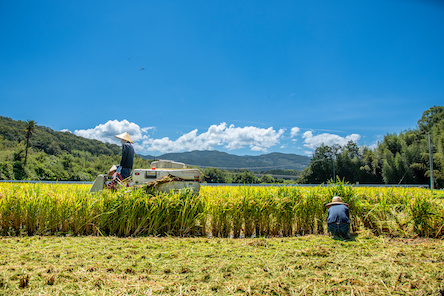
菌と生きる日本の食文化 ― 発酵が育む味と伝統Speaking of autumn, it is the season of harvest. Overcoming the heat, various crops reach their peak of harvesting.
秋といえば、実りの季節。暑さを乗り越えて、様々な作物が収穫のピークを迎えます。
In the era without refrigerators, the Japanese devised many ways to preserve these precious harvests for a long time.
冷蔵庫のない時代、この貴重な収穫物を長期保存するために、日本では様々な工夫がされてきました。
The representative among them is “fermentation.” By using the power of microorganisms to preserve and transform ingredients, people created unique fermented foods such as miso, soy sauce, and natto.
その代表格が「発酵」です。菌の力で食材を保存・変化させ、味噌や醤油、納豆といった独自の発酵食品を生み出しました。
Japanese fermentation culture goes back to the Jomon period, and it is said that people at that time preserved nuts and fish by salting them.
日本の発酵文化は縄文時代までさかのぼり、当時の人々は木の実や魚を塩漬けにして保存していたと伝えられています。
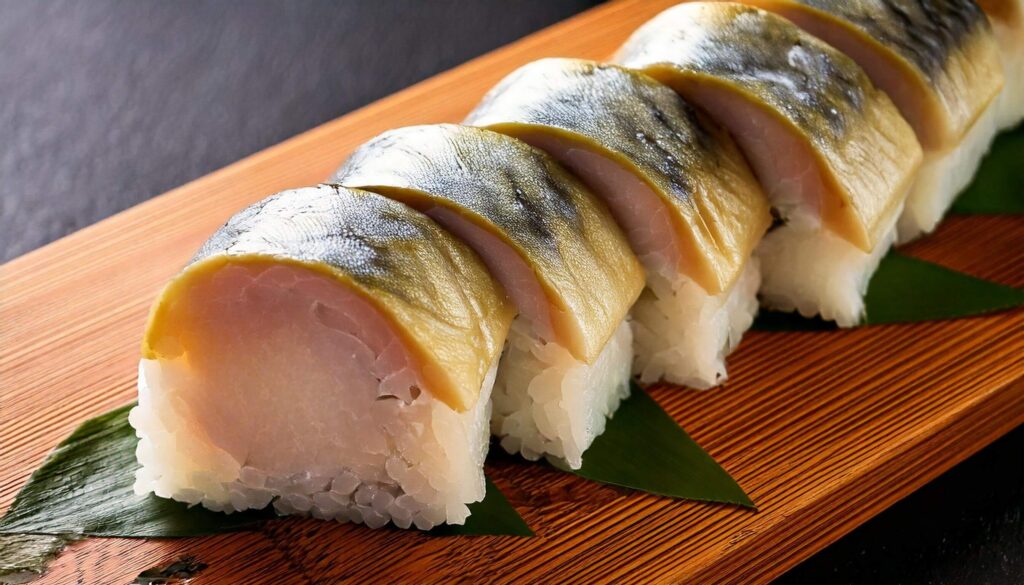
Sushi, a representative of Japanese food, also began when the technique of fermenting fish with rice was introduced along with rice cultivation.
日本食の代表・寿司も、魚を米と発酵させる技法が稲作とともに伝わったことに始まります。
The humid climate of Japan accepted this technique and became soil that further nurtured fermentation culture.
湿度の高い日本の風土は、この技法を受け入れ、発酵文化をさらに育む土壌となったのです。
The people of ancient times may have been making use of the mysterious power of microorganisms in their lives, while conversing with them.
古代の人々は、菌と対話しながら、その神秘的な力を暮らしに生かしていたのかもしれません。
”Warm Up ウォームアップ”hakko JapaNEEDS
Useful words- 実り(みのり)-harvest, fruitful
- 乗り越える(のりこえる)-overcome
- 冷蔵庫(れいぞうこ)-refrigerator
- 保存(ほぞん)-preserve, keep
- 発酵(はっこう)-fermentation
- 菌(きん)-microorganisms, bacteria
- 塩漬け(しおづけ)-pickling in salt
- 湿度(しつど)-humidity
- 風土(ふうど)-climate
- 土壌(どじょう)-soil
- 古代(こだい)-ancient times
- 対話(たいわ)-dialogue, conversation
- 神秘的(しんぴてき)-mysterious
Ice Breaker Questions
What is your favorite Japanese food? Please also tell us the reason.
好きな日本の食べ物は何ですか?理由も教えてください。
Speaking of fermented foods, what comes to your mind?
発酵食品といえば、何を思い浮かべますか?
What kinds of fermented foods are there in your country?
あなたの国の発酵食品にはどんなものがありますか?
If you were to make fermented food yourself, what would you like to try?
もし自分で発酵食品を作るとしたら、何に挑戦してみたいですか?
When you eat fermented foods, what effects do you think they have on the body and health?
発酵食品を食べると、体や健康にどんな効果があると思いますか?
”Work Up ワークアップ”hakko Discussion
Vanessa: Japanese food really does have a healthy image, doesn’t it?
ヴァネッサ:日本食って、やっぱり健康的なイメージがありますよね。
Will: Especially natto! It seems that in the Jomon period too, they ate something like natto.
ウィル:特に納豆!縄文時代にも納豆みたいなものを食べてたらしいですよ。
Jose: Really? That stickiness existed since ancient times?
ホセ:本当ですか?あのネバネバ、古代からあったんですか!
Mayumi: That stickiness comes from natto bacteria. In the human intestine, there are tens of trillions of other bacteria that keep us healthy.
まゆみ:そのネバネバは納豆菌。人間の腸内には、他にも何十兆もの菌がいて、私たちの健康を保っているんですよ。
Vanessa: That many!? Then our bodies are like a “planet” of bacteria?
ヴァネッサ:そんなに!?じゃあ私たちの体って、菌たちの「惑星」みたいなもの?
Will: And bacteria were on Earth long before humans. Depending on how you think, maybe humans exist for the sake of bacteria.
ウィル:しかも菌は人間よりずっと前から地球にいたんです。考えようによっては、人間のほうが菌のために存在してるのかもしれませんね。
Jose: People in the old days must have felt that firsthand and lived while respecting the power of bacteria.
ホセ:昔の人はそれを肌で感じて、菌の力を尊びながら生きてきたんでしょうね。
Mayumi: In Japan, by borrowing the power of bacteria, they made miso, soy sauce, and pickles, and by eating them, they gave “food” to the bacteria inside the body. Koji mold was even designated the “national fungus” in 2006.
まゆみ:日本では、菌の力を借りて味噌や醤油、漬物を作り、それを食べることで体内の菌に「餌」を与えてきたんです。麹菌なんて2006年には「国菌」に認定されましたよ。
Vanessa: Not a national treasure, but a national fungus!
ヴァネッサ:国宝ならぬ国菌!ですね(笑)
Will: Modern people… even though it’s the same “kin,” they only think about “金 (gold).”
ウィル:現代人は…同じ「キン」でも「金」のほうばかり考えてますね。
Jose: Hahaha! And the “kin” in the wallet doesn’t grow at all!
ホセ:あはは!しかも財布の「キン」は全然育たない(笑)
”Wrap Up ラップアップ”hakko Knowledge
Fermented foods are the wisdom of preservation in the era without refrigerators, and they also enhance nutrition and umami.
発酵食品は、冷蔵庫のない時代の保存の知恵であり、栄養やうま味も高めてくれます。
It is said that sake had already been made since the Yayoi period, but the oldest record is from the Nara period, describing “sake made from koji =mold grown on rice.”
日本酒は弥生時代から造られていたとされますが、奈良時代の記録にある「ご飯に生えたカビ=麹で造った酒」が最古の記録です。
In the Edo period, fermentation techniqu
es advanced, the method of making sake close to today’s form was established, and soy sauce and miso also spread to the tables of ordinary people.
江戸時代には発酵技術が進み、今に近い日本酒の製法が整うとともに、醤油や味噌も庶民の食卓に広がりました。
Among dried bonito, known as the hardest food in the world, the highest grade “honkarebushi” is a fermented food.
世界一かたい食品として知られる鰹節の中でも、最高級の「本枯節」は発酵食品です。
Soy sauce, miso, and vinegar are called the “three great fermented seasonings.”
醤油・味噌・お酢は「三大発酵調味料」と呼ばれています。
For the main player of fermentation, “koji,” there are both “麹”, and the unique Japanese character “糀” named because the white hyphae on rice look like flowers.
発酵の主役「こうじ」には「麹
」と日本独自の字「糀」があり、米に白い菌糸が花のように見えることから名付けられました。
Fermentation reflects the climate of the land and created unique flavors in each region, such as Akita’s “iburigakko,” Tokyo’s “kusaya,” and Ibaraki’s “Mito natto.”
発酵は土地の風土を映し取り、秋田の「いぶりがっこ」、東京の「くさや」、茨城の「水戸納豆」など、地域ごとの独自の味を生みました。
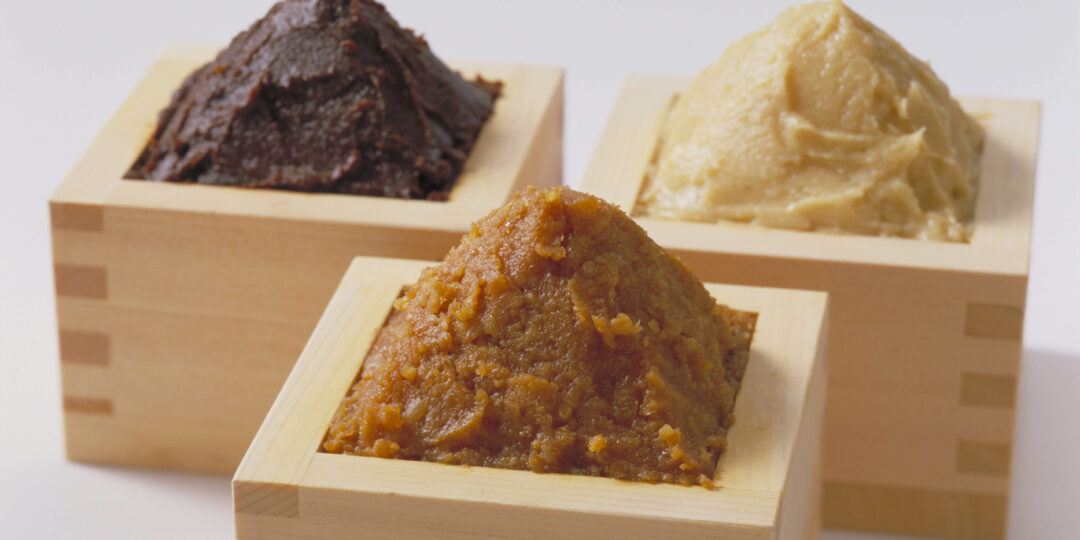
Miso also differs by region, with rice miso, barley miso, and soybean miso, and further differences such as sweet or salty taste.
味噌も地域ごとに米味噌・麦味噌・豆味噌があり、さらに甘口や辛口といった味の違いがあります。
Today, with the rise of health consciousness, more people are making fermented foods themselves, such as miso and nukazuke.
現在、健康志向の高まりから、味噌やぬか漬けなど発酵食品を自分で手作りする人も増えています。
This article is from the October 2025 issue of Hiragana Times.
この記事は、月刊誌『ひらがなタイムズ』2025年10月号より掲載しています。
-
Kinoko and the Japanese People — A Relationship Nurtured by the Forest
きのこと日本人――森に育まれた関係
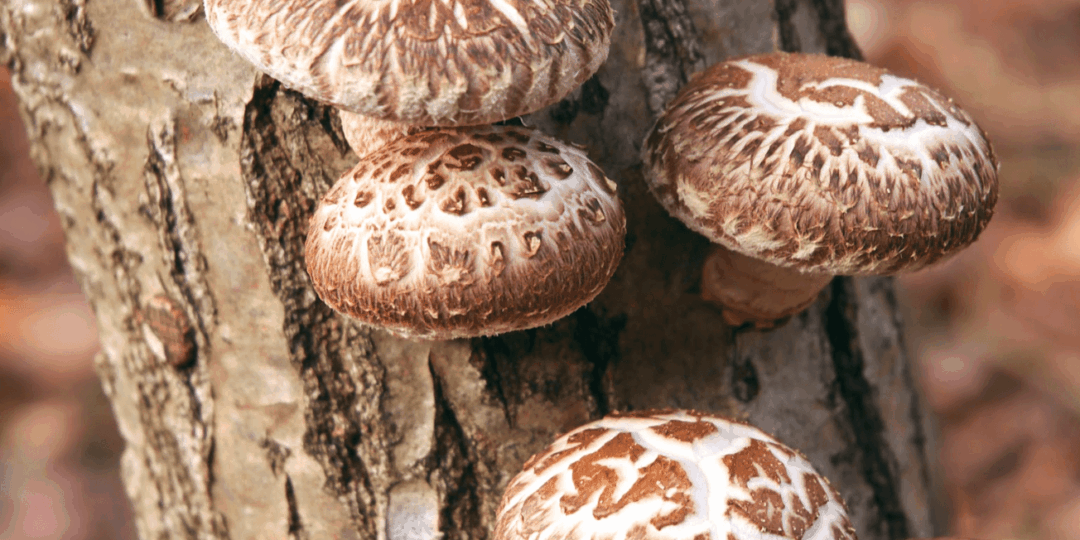
As a quintessential “taste of autumn,” kinoko (mushrooms) have long been an essential part of Japanese tables.
「秋の味覚」を代表するきのこは、古くから日本の食卓に欠かせない存在です。
The origin of the word “kinoko” is said to be “ki no kodomo (child of a tree),” and it was named so because it grows near trees.
「きのこ」という言葉は「木の子ども」が語源で、木のそばに生えることから名付けられたといわれています。
The main body of kinoko is actually the thread-like structure called “kinshi (hypha)” that spreads underground.
きのこの本体は、実は地中に広がる「菌糸」と呼ばれる糸のような構造です。
Kinshi connects with tree roots and plays the role of a network that links plants in the forest by exchanging nutrients.
菌糸は木の根とつながり、栄養をやり取りしながら森の植物を結ぶネットワークの役割を果たしています。
In recent years, kinshi has been called the “internet of the forest” and has attracted attention as a presence that connects the lives that live in the forest.
近年、菌糸は「森のインターネット」とも呼ばれ、森に生きる命をつなぐ存在として注目されています。
Matsutake, shiitake, eringi (king trumpet,) and maitake—what we see as “kinoko” are the presence like the “fruit” that kinshi sends up above ground.
松茸、椎茸、エリンギ、舞茸など、私たちが目にする「きのこ」は、菌糸が地上に出した「果実」のような存在です。
In Japan, kinoko are said to have already been eaten during the Jomon period.
日本では、縄文時代にはすでに食されていたと言われるきのこ。
The taste of the Jomon people, who lived with nature in forests where kinshi spread, has been passed down to us today.
菌糸が広がる森で自然と共に暮らした縄文人の味覚は、今も私たちに受け継がれています。
Become a Kinoko Savvy きのこ通になる
Warm Up ウォームアップ” Kinoko JapaNEEDS
Useful words
- 秋(あき)-autumn
- 味覚(みかく)-taste
- きのこ -mushroom
- 食卓(しょくたく)-table
- 語源(ごげん)-origin of a word
- 生える(はえる)-grow
- 菌糸(きんし)-hypha
- 根(ね)-root
- 森(もり)-forest
- つなぐ -connect
- 地上(ちじょう)-above ground
- 広がる(ひろがる)-spread
- 自然(しぜん)-nature
Ice Breaker Questions
What do you feel like eating when autumn comes?
秋になると、何が食べたくなりますか?
What kinds of kinoko do you often see in your country?
あなたの国では、どんなきのこをよく見かけますか?
What’s your favorite kinoko dish?
好きなきのこ料理は何ですか?
What kind of activities come to mind when you think of autumn?
秋のアクティビティといえば、何が思い浮かびますか?
What kind of “autumn of 〇〇” would you like to have this year? (For example, an “autumn of reading”)
今年の秋は、どんな「〇〇の秋」にしたいですか?(例えば「読書の秋」など)
”Work Up ワークアップ” Kinoko Discussion
Bob: Kinoko often appear in games and movies, don’t they?
ボブ:きのこって、ゲームや映画にもよく出てきますよね。
Louise: Like the kinoko in Super Mario Bros.—the one that makes you grow!
ルイーズ:スーパーマリオブラザーズの食べると大きくなるきのこ!
Ari: That one’s actually based on a poisonous mushroom, right? It’s called fly agaric. It looks cute, but…
アリ:あれ、実は毒きのこがモデルなんですよね?ベニテングタケっていう。見た目はかわいいけど。
Yumi: It’s interesting how it became “a symbol of gaining power.”
ゆみ:それが「力を得る象徴」になっているのが面白いですよね。
Bob: In Alice in Wonderland, Alice eats a kinoko to change her size, too.
ボブ:『不思議の国のアリス』でも、アリスがきのこを食べて体のサイズを変えますよね。
Louise: Kinoko is like a symbol of “change.” They feel like something that exists between dreams and reality.
ルイーズ:きのこって、「変化」のシンボルみたい。現実と夢のあいだにいるような存在というか。
Ari: Even in Ghibli films, you see spores floating in the Sea of Decay.—Kinoko really aren’t just ordinary things, are they?
アリ:ジブリでも腐海の森に胞子が舞ってたり、きのこって「ただ者じゃない」ですね。
Yumi: Actually, kinoko are said to have appeared on land earlier than any other plant, and they’ve been living with Earth long before humans.
ゆみ:実は、きのこはどの植物よりも早く地上に現れ、人類よりずっと前から地球と共に生きていたそうです。
Louise: And the kinoko we see are just a tiny part that appears above ground.
ルイーズ:そして、私たちが目にするきのこって、地上に出たほんの一部なんですね。
Ari: Beneath the ground, kinoko’s “threads of communication” spread out… It’s like mythology.
アリ:地面の下には、きのこの「交信の糸」が広がっている……まるで神話みたい。
Yumi: Kinoko aren’t just food—they’re mysterious beings that hold the memory of Earth.
ゆみ:きのこは、単なる食べ物じゃなくて、地球の記憶を宿した神秘的な存在ですね。
Bob: Kinoko is our “great elders,” and “guardian deity” of the forest.
ボブ:私たち人間の「大先輩」であり、森の「守神」ですね。
”Wrap Up ラップアップ” Kinoko Knowledge
Matsutake grows at the base of Matsu trees (pine, mainly Japanese red pine). It is highly aromatic, difficult to cultivate artificially, and rare, which makes it a luxury food.
松茸は、松の木(主にアカマツ)の根元に生えるきのこです。香り高く、人工栽培が難しく、希少価値が高いため高級食材になっています。
Shiitake grows on Shii trees. It is thick and has a strong umami flavor. When dried, it is often used as dashi (broth) and is essential in Japanese cuisine.
椎茸は、椎(しい)の木に生えるきのこです。肉厚でうま味が強く、干すことで出汁としても使われ、和食に欠かせない存在です。
Enokitake grows on Enoki trees (hackberry). Cultivated ones are thin and white, but wild Enokitake are brown and have open caps.
榎茸は、榎(えのき)の木に生えるきのこです。栽培品は白く細長い姿ですが、自然のものは茶色く傘が開いています。
Maitake grows at the base of broadleaf trees such as beech and mizunara oak. Known for its rich aroma and good texture, its name is said to come from the story that people danced with joy when they found it.
舞茸は、ブナやミズナラなどの広葉樹の根元に生えるきのこです。香りと歯ごたえがよく、見つけた人が嬉しさのあまり舞い上がったことが名前の由来とされています。
Shimeji is said to include the meaning from an old Japanese word “shimijimi to oishii kinoko (deeply flavorful kinoko).” There is also a theory that its name comes from the fact that it grows in shimechi (wetlands).
しめじは、「しみじみとおいしいきのこ」という古語の意味を含んでいたとされるほか、「湿地(しめち)」に生えることから名付けられたという説もあります。
There is a Japanese proverb: “Kaori Matsutake, Aji Shimeji,” meaning that while matsutake excels in aroma, shimeji is superior in taste.
「香り松茸、味しめじ」ということわざがあります。香りの良さでは松茸、味の良さではしめじが優れているという意味です。
Japan ranks second in the world in kinoko production, following China.
日本は、中国に続いてきのこの生産量が世界第2位です。
In terms of domestic production, enoki, bunashimeji, and shiitake are the most produced, in that order. These three types account for about 70% of the total.
国内の生産量では、えのき、ぶなしめじ、しいたけの順に多く、この3種類で全体の約7割を占めています。
October 15 is designated as “Kinoko Day.” This is because many types of kinoko are in season in autumn, when both harvesting and consumption peak.
10月15日は「きのこの日」に制定されています。秋になると多くのきのこが旬を迎え、収穫や消費が盛んになることから生まれました。
The story related to kinoko have appeared not only in “Manyoshu,” but also in “Kokin Wakashu,” and “Konjaku Monogatari.”
きのこに関する話は、『万葉集』だけでなく、『古今和歌集』や『今昔物語』にも登場します。
Shiitake, said to be a favorite of Toyotomi Hideyoshi, began to be cultivated artificially during the Edo period. Until then, it was reportedly more valuable than Matsutake.
豊臣秀吉の好物だった椎茸は、江戸時代に人工栽培が始まったとされています。それまでは、松茸よりも高価だったともいわれています。
Among kyogen, there is a piece titled “Kusabira.” In the story, a man is troubled by kinoko growing in his residence, so he calls a yamabushi (mountain priest) to pray. However, the mushrooms only keep multiplying —a humorous tale.
狂言の演目には「茸[くさびら]」という作品があります。屋敷に茸(きのこ)が生えて困った男が山伏を呼び、祈祷してもらうのですが、かえってきのこがどんどん増えてしまうという物語です。
Hiragana Times September 2025 issue
This article is from the September 2025 issue of Hiragana Times.
この記事は、月刊誌『ひらがなタイムズ』2025年9月号より掲載しています。
-
Welcoming the New Spring with Setsubun | 節分で迎える新しい春
[Japan Savvy – February 2025 Issue]
February 2nd is Setsubun. The word Setsubun means “dividing the seasons” and originally referred to the day before the seasonal turning points: Risshun (spring), Rikka (summer), Risshuu (autumn), and Rittou (winter).
2月2日は節分です。節分は「季節を分ける」という意味があり、本来は季節の節目である立春、立夏、立秋、立冬の前日を指す言葉です。It is believed that bad things, such as evil spirits and illnesses tend to enter at these seasonal transitions, so various events have been held to prevent them.
このような季節の変わり目は、邪気や病気などの悪いものが入り込みやすいとされており、それを防ぐためにさまざまな行事が行われてきました。Since Risshun, the transition from winter to spring, marks the beginning of the year according to the lunar calendar, the day before Risshun is considered the most important among the four Setsubun.
冬から春へと移り変わる立春は、旧暦では一年の始まりにあたるため、その前日は4回ある節分の中でも特に重要とされています。Today, when people say Setsubun, they refer to this February 2nd and people drive out bad spirits from their homes by throwing beans and eating ehoumaki while facing the year’s lucky direction and making a wish.
現在では、節分と言えばこの2月2日のことを指し、家の中から悪いものを追い出すために豆まきをしたり、その年の縁起の良い方角を向いて願い事をしながら恵方巻きを食べたりします。Although New Year’s Eve is December 31st in today’s calendar, Setsubun is still passed down as an important day to pray for good health and fortune.
今の暦だと、大晦日は12月31日ですが、今でも節分は無病息災や幸運を願う日として大切に受け継がれています。 -
The Power of Mochi: Japanese Tradition Coloring the New Year | 餅の力:新年を彩る日本の伝統
[Japan Savvy – January 2025 Issue]
Mochi, made from glutinous rice and characterized by a chewy texture, is an essential food for the Japanese New Year. In particular, mochi pounding, where family, friends, and community members work together to make mochi, has played an important role in strengthening bonds among people.
もち米から作られ、もちもちとした食感の餅は、日本のお正月に欠かせない食べ物です。特に家族や友人、地域の人々が力を合わせて行う餅つきは、人と人との絆を深める重要な役割を果たしてきました。The kanji for “mochi” (餅) means “baked food made from flour” in Chinese. It is believed that this kanji was adopted for the Yamato kotoba (ancient Japanese language) word “mochi” due to its similar appearance.
「餅」という漢字は、中国語では「小麦粉で作った焼き物」を意味します。見た目が似ていたことから、大和言葉の「もち」にこの漢字が当てられたと考えられます。There are several theories about the origin of the Japanese word “mochi.” One theory suggests that the word “mochiii,” a portable rice dish similar to “hoshiii” (dried rice), that was used as preserved food, eventually evolved into “mochi.”
日本語の「もち」の語源にはいくつかの説があります。保存食としての「干し飯[ほしいひ]」と同じく携帯できる飯である「もちいひ」が「もち」になった説。Another theory is that the word originated from its value as a food that could be stored for a long time, referred to as “nagamochi” (lasting a long time). There is also a theory that it derives from “百道 (mochi),” meaning “a hundred lessons.”
長期間保存でき「長持ち」する食べ物として重宝されたことに由来する説。さらには、「百の教え」という意味の「百道(もち)」に由来するという説まであります。Because mochi is made by layering numerous grains of sacred rice, it has long been cherished as an offering to the gods.
餅は神聖な米を何粒も重ねて作られることから、古くより神様への供え物として大切にされてきました。 -
A Day to Appreciate Labor and the Harvest
勤労と収穫に感謝する日
[Japan Savvy – December 2024 Issue]
There are many public holidays in Japan, and the last one of the year is “Labor Thanksgiving Day” on November 23.
日本には多くの祝日がありますが、1年間で最後の祝日は11月23日の「勤労感謝の日」です。In Christianity, labor is regarded as a punishment imposed on humans, but in Japan, labor has been a virtue since ancient times, and “Labor Thanksgiving Day” is, as the name suggests, a day to honor and appreciate work.
キリスト教において労働は人間に課せられた罰とされていますが、日本では古来、労働は美徳であり、「勤労感謝の日」は名前の通り勤労を尊び感謝する日です。Labor Thanksgiving Day was established in 1948, but this day was originally a holiday called “Niiname-sai.”
1948年に制定された勤労感謝の日ですが、もともとこの日は「新嘗祭[にいなめさい]」という祭日でした。In “Niiname-sai,” the character “新” represents new grains (the grains harvested that year), and “嘗” means a feast, which expresses gratitude by offering new rice and other crops to the gods.
新嘗祭の「新」は新穀[しんこく](=その年に取れた穀物)を、「嘗」はごちそうを意味していて、新米などを神様にお供えし、感謝を表します。Rituals of Niiname-sai are held at shrines throughout Japan, and the Emperor, the “Saishi-ou,” who is at the pinnacle of the priesthood, offers the new grain he has grown himself and performs the strenuous task of praying throughout the night for a bountiful harvest and the peace of the people.
新嘗祭の儀式は全国の神社で行われますが、その神職の頂点である祭祀王[さいしおう]である天皇は、自ら育てた新穀を供え、五穀豊穣と国民の安寧を夜通し祈るという激務を果たします。 -
Autumn Leaf-peeping in Search of Autumn
秋を求めて紅葉狩り[Japan Savvy – November 2024 Issue]
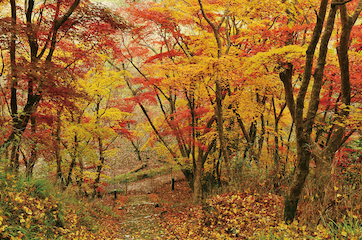
When it comes to enjoying nature in Japan, cherry blossom viewing in spring is popular, but autumn leaf viewing is equally unmissable.
日本で人気の自然の楽しみ方といえば春のお花見ですが、秋の紅葉見物[けんぶつ]も欠かせません。The sight of the trees’ leaves turning various shades of red, crimson, vermilion, reddish brown, orange, yellow, and gold is breathtakingly beautiful.
木々の葉が赤、紅、朱、えんじ、だいだい、黄、黄金色と、濃淡さまざまに染まる様子は息をのむほどの美しさです。The culture of enjoying the autumn leaves dates back to the Nara and Heian periods.
紅葉を楽しむ文化の起源は、奈良から平安時代にさかのぼります。It was a popular activity among aristocrats to hold parties where they would drink sake, admire the autumn leaves, and compose waka poems about their beauty.
紅葉見物をしながら酒を酌み交わす宴を開き、その美しさを和歌に詠むという遊びが貴族の間で流行していました。It wasn’t until the Edo period that “momijigari” (autumn leaf-peeping) spread among the common people, and since then, people have headed to the fields and mountains in search of autumn once summer ends.
紅葉狩りが庶民に広がるのは江戸時代になってからで、それ以降、夏が終わると人々は秋を求めて野山へと繰り出します。 -
[Japan Savvy – October 2024 Issue]
The Echo of Tradition: The Soul of Matsuri
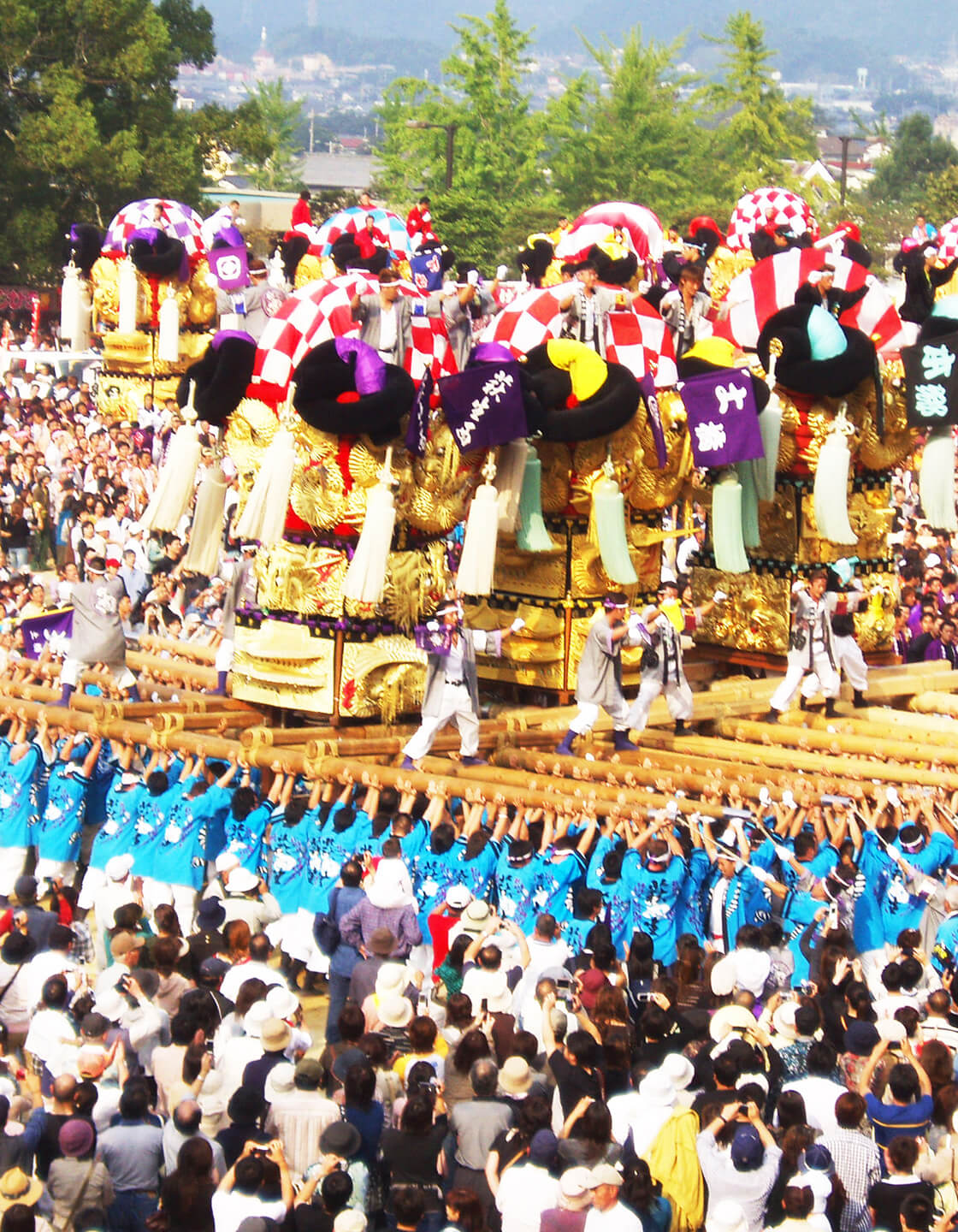
伝統の響き:祭りの魂In Japan, the day of the matsuri (traditional celebration) is a special occasion. Everyone comes together without discrimination to forget everything and experience the extraordinary.
日本では、祭りは特別な日です。分け隔てなく皆が一緒になって全てを忘れ、非日常を味わいます。There are both large matsuri and smaller, lesser-known matsuri held throughout the year, across various seasons and regions.
大きな祭りもあれば、あまり知られていない小さな祭りもあり、年間を通じて、季節や地域ごとに行われてきました。Rooted in the land, the culture of matsuri is still preserved by the local communities.
祭りの文化は土地に根付き、今も地域の人々によって守り続けられています。Originally, matsuri were ceremonies to give thanks to the gods—wishing for a bountiful harvest and successful fishing in the spring, driving away pestilence in the summer, expressing gratitude for the harvest in the fall, and celebrating safe passage through the year in winter.
祭りは本来、神様に感謝する儀式でした。春は豊作や豊漁を、夏は疫病退散を願い、秋は収穫に感謝し、冬には1年間の無事を祝います。Through matsuri, the meaning of life is contemplated, impurities are cleansed, and the souls of all present are purified.
祭りを通して生きてきたことの意味を考え、穢れを落とし、そこにいる全ての人の魂を浄化します。 -
Fluttering and Flurries of Flowers – ひらりひらりと花吹雪
[Japan Savvy – April 2024 Issue]
Japanese people cherish and prefer cherry blossoms as something special. The blooming of cherry blossoms not only signals the arrival of spring but also symbolizes a fresh start in life.
日本人は桜を特別なものとして愛し、好んでいます。桜の開花は春の訪れを知らせてくれると同時に、人生の新たな始まりを象徴しています。
At schools, a new term begins, new employees join companies, and people take hopeful steps forward adorned by cherry blossoms.
学校では新学期が始まり、会社には新人が入社し、桜に彩られ希望に満ちた一歩を踏み出します。
The famous variety of cherry blossoms is called Somei Yoshino. It was cultivated by gardeners in Somei village (now Komagome, Toshima City, Tokyo) known for its planting place at the end of the Edo period (17th to 19th century).
有名な桜の品種は、ソメイヨシノです。江戸時代(17~19世紀)の終わりに、植木で知られた染井村(現在の東京都豊島区駒込)の植木職人により育てられました。
And, named after the famous cherry blossoms of Yoshino in Nara, renowned for TOYOTOMI Hideyoshi’s big cherry blossom viewing, it was named “Somei Yoshino” and became a huge hit.
そして太閤秀吉の大花見で名高い奈良吉野の桜にちなんで「ソメイヨシノ」と名付けられ大ヒットしました。
Tokyo boasts many famous cherry blossom viewing spots. The weeping cherry at Rikugien Garden and the cherry blossom-lined paths seen from yakatabune boats on the Sumida River are particularly stunning, offering a soothing beauty that touches the heart.
東京には有名な花見スポットがたくさんあります。六義園のしだれ桜や、隅田川の屋形船から眺める桜並木は特に素晴らしく、その美しさに心が癒やされます。
Become a Cherry Blossom Savvy | 桜通になる
Warm Up: Useful Words
蕾(つぼみ)bud
開花(かいか)- blooming
満開(まんかい) Full bloom
散る(ちる)-fall
桜吹雪(さくらふぶき) Cherry Blossom Blizzard
人生(じんせい)-life
儚い(はかない)fleeting
淡い(あわい)-pale
花見(はなみ)-cherry blossom viewing
癒やされる(いやされる)-being soothed
~と同時に(とどうじに)-at the same time as …
Warm Up: Ice Breaking Questions
Have you ever seen cherry blossoms? When and where?
桜の景色を見たことがありますか?いつ、どこでですか?
What symbolizes spring for you?
あなたにとって春の象徴は何ですか?
What is your favorite flower?
あなたの一番好きな花は何ですか?
What is the national flower of your country?
あなたの国の国花は何ですか?
Have you ever participated in cherry blossom viewing or similar events?
花見やそれに似たイベントに参加したことはありますか?
Do you have any traditions you always follow when spring comes?
春になったら必ずすることはありますか?
Work up: Discussion
Ken: When did cherry blossom viewing start in Japan?
ケン:日本で花見はいつから始まったのですか?
Yumi: The custom of cherry blossom viewing is said to have begun in the Nara period. However, initially, it seems that people admired plum blossoms rather than cherry blossoms.
ゆみ:花見の風習は奈良時代から始まったと言われています。でも、当初は桜ではなく梅を鑑賞していたそうです。
Maya: Did cherry blossoms not exist during that time?
まや:その時代に桜は存在しなかったのですか?
Yumi: No. Cherry blossoms existed since the earlier Yayoi period, around 300 BC.
ゆみ:いいえ。桜はもっと前の弥生時代、つまり紀元前300年から存在していたんですよ。
Ken: In the Western context, it would be during the time of ancient Rome, right?
ケン:西洋だと古代ローマの時代ですね!
Yumi: In Japan, since ancient times, rice planting has been done to coincide with the full bloom of cherry blossoms.
ゆみ:日本では、昔から、桜が満開になる時期に合わせて田植えを行ってきました。
Maya: Cherry blossoms act as navigators for rice cultivation, don’t they?
まや:桜は米作りのナビゲーターなんですね。
Yumi: Rice has been a vital staple for the Japanese, so you could say cherry blossoms act as navigators of life. By the way, the origin of the word “ine” (rice plant) is also said to be “the root of life.” And there’s a theory that “Sakura” (cherry blossoms) means “kura” (storehouse) where the spirit of the rice plant “sa” resides.
ゆみ:お米は日本人にとって命のもとのような存在だったので、桜は命のナビゲーターとも言えますね。ちなみに、米がなる「稲(イネ)」の語源は「命の根」とも言われています。そして「サクラ」は、稲の精霊である「サ」が鎮座する「クラ」 という説もあるんですよ。
Wrap Up: New Knowledge
The state of cherry blossoms is expressed as “X % in bloom.” For instance, “70% in bloom” indicates about 70% of full bloom.
桜の見ごろを「○分咲き」と表します。例えば「七分咲き」と言えば、満開の7割くらいを指します。
Buds are counted as “ikko, niko” or “hitotsu, futatsu, ” while bloomed flowers are counted as “ichi-rin, ni-rin,” and petals as “ichi-mai, ni-mai.” Petals falling off are counted as “ichi-hen, nihen.” Japanese counting for flowers is nice, isn’t it?
つぼみは「1個、2個」や「1つ、2つ」、咲いた花は「1輪、2輪」、花びらは、「1枚、2枚」、そして舞い落ちる花びらは「1片、2片(ひとひら、ふたひら)」と数えます。日本語の花の数え方は素敵ですね。
Cherry blossoms in a state where the flowers fall and new leaves emerge are called “hazakura” (leafy cherry blossoms).
花が散り若葉が出てきた状態の桜を「葉桜」と言います。
Every year, the cherry blossoms that adorn the banks of the Potomac River in Washington were gifted from Tokyo City (now Tokyo Metropolis) in the 45th year of the Meiji era (1912) as a symbol of friendship between Japan and the United States.
毎年、春にポトマック河畔を彩るワシントンの桜は、日米友好の証として明治45年(1912)に東京市(現在の東京都)から贈られました。
The emblem of the Japan national rugby team features three fully bloomed cherry blossom petals aligned in a row. When the team was formed in 1930 (Showa 5), the emblem depicted three types of cherry blossoms: buds, halfway bloomed, and fully bloomed.
ラグビー日本代表のエンブレムは、満開の桜の花びらが3つ並んでいます。1930年(昭5)の結成当初は、蕾と五分咲きと満開の3種の桜が描かれていました。
Alongside spring’s “sakura” (cherry blossoms), autumn’s “kiku” (chrysanthemums) also represent Japan. The chrysanthemum is a symbol of the imperial family and is depicted on the cover of Japan’s passports.
春の「桜」と共に、秋の「菊」も日本を代表する花です。菊は天皇家の象徴であり、日本のパスポートの表紙にも描かれています。
“Ine” (rice plant) is the “root of life.” Rice, also read as “yone,” signifies “the root of the world.” The “ko” in “kome” (rice) represents “man,” and the “me” represents “maiden.” In other words, “kome” embodies life. The “ko” in “kome” (rice) represents “man,” and the “me” represents “maiden.” In other words, “kome” embodies life.
「稲(イネ)」は「命の根」。米はヨネとも読み「世の根」。米(コメ)の「コ」は「おとこ」、「メ」は「おとめ」を表します。すなわち「米」は生命なんですね。

 ”Warm Up ウォームアップ”
 ”Work Up ワークアップ”
 ”Wrap Up ラップアップ”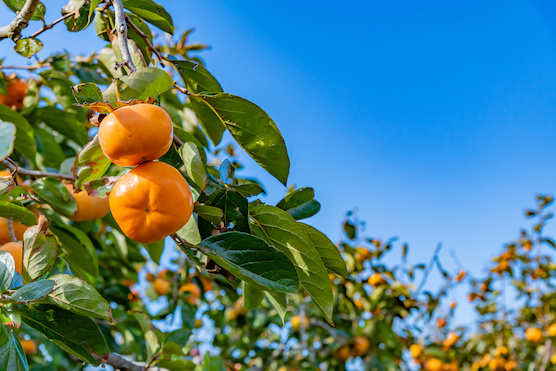
 ”Warm Up ウォームアップ”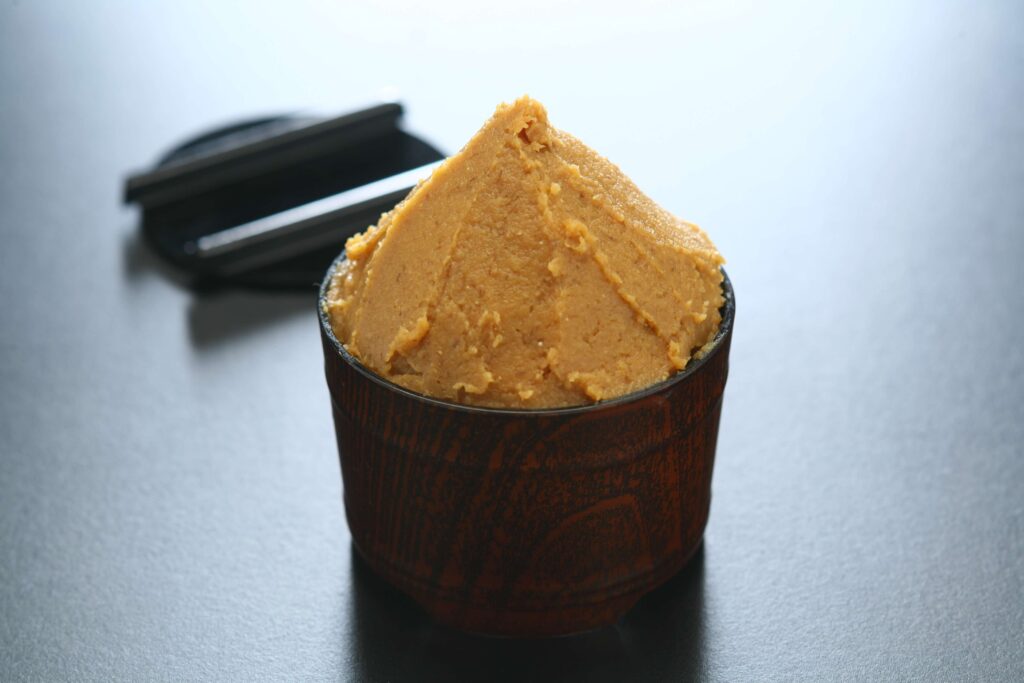
 ”Work Up ワークアップ”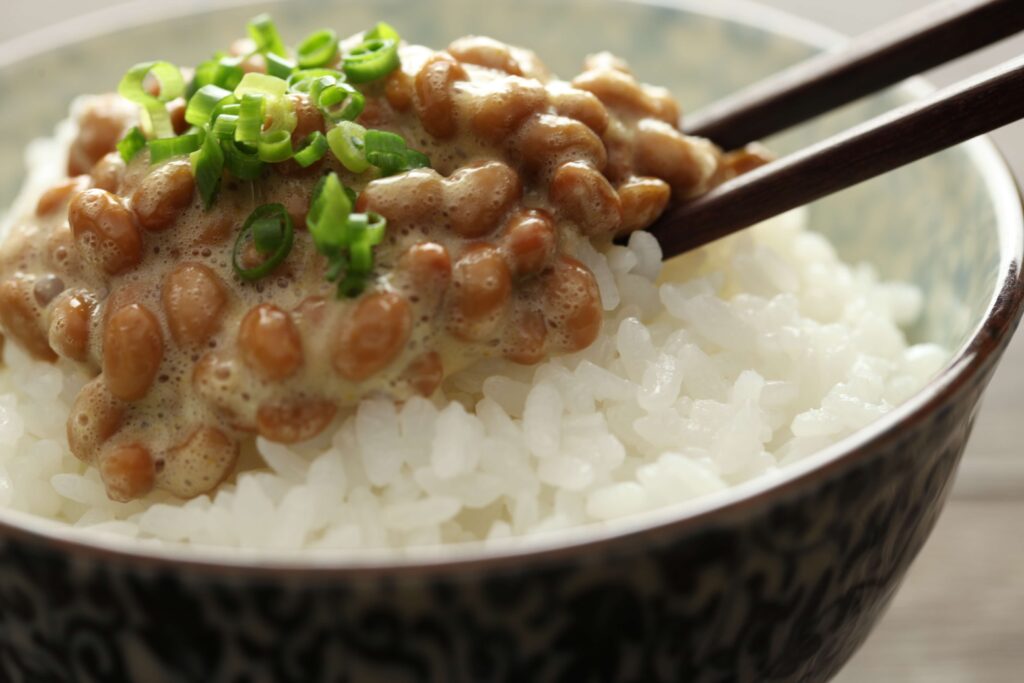
 ”Wrap Up ラップアップ”