-
[From May Issue 2013]
Kitan Club Co., Ltd.
Birds that look as if they are about to fly, cute rabbits and cats: these are all palm-sized figurines. Easily obtained from capsule toy vending machines, known as “gachagacha” and toy shops, they are quite popular among children and adults.
Kitan Club Co., Ltd. (Shibuya Ward, Tokyo), is a company founded in September 2006, which plans, designs, manufactures and sells capsule toys. The company is well established with a reputation for creating fully-imagined toys. Drawing inspiration from plants and animals in the natural world, their “Nature Techni Colour” series is especially popular.
Nature Techni Colour signifies: “Figurines of all kinds of natural objects in natural colours.” Creatures are grouped according to their ecosystem; for example, sea turtles go together with dolphins and whales. There are about ten animals in each set. When you have collected the set, it’s as if the natural world has invaded your desktop.
The director of the company who created this series, SATO Junya, relates how they got started on the series: “Since we could not find high-quality figurines of living creatures, we decided to make them ourselves. The models of mushrooms and edible wild plants are mostly life-sized. We hear about children surprising their families by secretly attaching models of frogs and lizards to the refrigerator with magnets. We receive a lot of requests and take these into account when we make new products.”
Some items in the Nature Techni Colour series come with a pedestal useful for display, a magnet or a cell-phone strap. The popular “Kaiyo I” (Ocean No. 1) is sold in souvenir shops in aquariums around Japan.
Each individual figurine is designed by an artisan called a genkei-shi. The person in charge of planning discusses the specifications of each item – shape, size, etc. – with the genkei-shi and modifications are made until they are satisfied with the product. Up until the product is completed in the factory, strict quality control checks are carried out.
As a company, Kitan Club has also been active in supporting reconstruction efforts after the earthquake. Since April, 2011, just a short time after the earthquake, a portion of the profits from the sale of the Nature Techni Colour series has been donated. Furthermore, the company has been periodically holding workshops to create dioramas of disaster struck areas using their figurines of living creatures. By turning the tree frog, a local mascot, which is a symbol of reconstruction, into a figurine, and also by returning a portion of sales profits to damaged areas, the company demonstrates its close links with the disaster-struck areas.
Sato says, “We would be delighted if children from around the world became interested in living beings and nature as a whole as a result of getting their hands on our Nature Techni Colour figurines.”
Text: MUKAI Natsuko
[2013年5月号掲載記事]
株式会社奇譚クラブ
今にも飛びたちそうな鳥や、かわいいうさぎや猫、これらはすべて、手のひらに収まるほど小さくつくられたフィギュア(模型)です。ガチャガチャと呼ばれるカプセル自動販売機やおもちゃ屋などで気軽に手に入れることができるので、子どもから大人まで人気があります。
株式会社奇譚クラブ(東京都渋谷区)は2006年9月に設立された、カプセル玩具の企画、デザイン、製造および販売を行う企業です。手がけるおもちゃはどれも本格的で定評があります。なかでも自然界の植物や生き物などがモチーフとなっている「ネイチャーテクニカラー」シリーズは大人気です。
ネイチャーテクニカラーは「あらゆる自然物の総天然色フィギュア」という意味です。動物の生態系をもとにウミガメ、イルカ、クジラなど、さまざまな生き物たちを一つのグループとして認識できるように構成されています。一つのグループには10種類ほどのフィギュアがあり、全部集めると自分の机の上に大自然が広がります。
シリーズの生みの親である佐藤純也さんは、「出来がよいと思える生き物フィギュアがなかったので、自分たちで作ろうと思いました」と、シリーズ始まりのきっかけを話します。「キノコや山菜をモチーフにしたフィギュアはほぼ原寸大です。冷蔵庫などにこっそりカエルやトカゲのマグネットをくっつけておいて、家族を驚かせる子どももいると聞きます。リクエストもたくさん寄せられるので、商品を作る際の参考にしています」。
ネイチャーテクニカラーシリーズのフィギュアは、飾っておくのに便利な台座付きのものや、マグネットやストラップ付きのものがあります。人気の「海洋I」は全国の水族館のおみやげコーナーなどで販売されています。
これら一つひとつのフィギュアは、原型師と呼ばれる職人の手から生まれます。企画担当者と原型師が一緒になって形や大きさなどを話し合い、納得いくものが出来上がるまで修正を重ねます。その後、工場での最終的な仕上がりまでに、品質が落ちないようにきびしくチェックし、生産を管理しています。
奇譚クラブでは震災復興にも企業として力を入れています。震災直後、2011年4月以降に発売されたネイチャーテクニカラーシリーズを対象に、売上の一部を寄付しています。また、被災地で生き物のフィギュアを使ったジオラマ制作のワークショップを定期的に開催。被災地のご当地キャラや復興のシンボルとなっているモリアオガエルなどを商品化し、その地域に売上を還元するなど、被災地に密着した商品づくりも行っています。
佐藤さんは話します。「世界中の子どもたちにネイチャーテクニカラーのフィギュアを手に取ってもらい、生き物や自然に興味を持つきっかけになってもらえたら嬉しいです」。
文:向井奈津子
-

[From May Issue 2013]
Saint Young Men
“Saint Young Men” is a humorous comic that was first serialized in a manga magazine for young adults in 2007. It has been so popular that, when published in book form, it sold more than two million copies in one year. In 2009, it received the short story award for the Tezuka Osamu Cultural Prize. The two heroes are Buddha (Gautama), the founder of Buddhism, and Jesus Christ, the Christian messiah.
In the story, in order to enjoy a vacation in this world, Buddha and Jesus live happily together, sharing an apartment in Tachikawa City, Tokyo. They live in a small room without a bath, and wear casual clothes such as hand-made T-shirts and jeans. Sometimes they are like a family, at other times, like close friends who are considerate of each other and respect each other.
Buddha is a very level-headed kind of guy and takes charge of most of the household chores: cooking, cleaning and managing the domestic finances. He is like a mother. When he says something virtuous, a halo shines around his head. When he walks outside, many animals gather around him. In one episode he reads TEZUKA Osamu’s “Buddha,” and, deeply moved by his own life story, becomes a fan and buys up all the volumes.
Jesus has an easy-going temperament and often laughs. When there is something to be glad about, he works miracles. Although he isn’t very physically robust, he cures the sick just by drawing near. He can change stones into bread and water into wine. He is up to date with the latest technological developments in personal computing, enjoys using the Internet and even writes a blog. He is aware that people say that he looks like the American actor Johnny DEPP.
The story is not only about Buddha and Christ; legends and figures from other religions also appear. These incidents are depicted as occurring in real life. For instance, when the two face a crisis, their apostles come flying down from heaven to rescue them and solve their problems. Even if the reader knows little of these religions, each episode is bound to bring a smile to reader’s faces.
Readers sympathize when, laughing and crying, they read about these great men, who have been the focus of such ardent worship and respect, leading ordinary lives. Also, while many modern manga are high octane and fast paced, this work has no extreme storylines, villains or criminals. For fans of the work, its main appeal is the aura of Buddha and Jesus.
Exhibited at the British Museum from January to February 2011, this work really struck a chord with the general public. The work was exhibited in the museum’s Asian galleries where Japanese culture is introduced alongside bronze ware, ukiyo-e (woodblock prints) and haniwa (clay figurines) with explanatory labels. According to reports, a spokesman for the British Museum said, “Although it deals with religion, I am impressed by the witty content, which encourages tolerance in a cheerful, easygoing manner.”
Text: KOMIYAMA Ranko
[2013年5月号掲載記事]
聖☆おにいさん
「聖☆おにいさん」は、青年向けのまんが雑誌で2007年に連載がスタートしたコメディーまんがです。単行本が年間200万部以上売り上げるほどの人気作品であり、2009年には手塚治虫文化賞短編賞を受賞しました。主人公は二人の聖人、仏教の開祖であるブッダ(釈迦)と、キリスト教の救世主、イエス・キリストです。
ブッダとイエスが、下界でのバカンスを楽しむために東京の立川市でアパートをシェアし、仲良く共同生活をしているという設定です。お風呂のない狭い部屋に住み、手作りのTシャツにジーンズといった気軽なスタイルの二人。あるときは家族のように、またあるときは親友のように、お互いをいたわり尊敬しあっています。
ブッダはとてもしっかり者で、料理や掃除などの家事すべてを担当し、経済的なやりくりもしています。まるでお母さんのような存在です。すばらしい言葉を言うと後光がさしたり、外を歩けば動物がたくさん集まってきたりします。手塚治虫が自分の生涯を描いた「ブッダ」を読んで感動し、ファンになって全巻を買ってしまうというエピソードもあります。
イエスはノリが良く、よく笑う人です。嬉しいことがあると、小さな奇跡をたくさん起こします。体が丈夫な方ではありませんが、近づくだけで病人が治ったり、石をパンに、水をぶどう酒に変えたりできるのです。最新型のパソコンに敏感で、インターネットを楽しみ、ブログまで書いています。アメリカの人気俳優、ジョニー・デップに似ていると言われたことがあり、彼を意識しています。
また、ブッダやイエスだけでなく、各宗教の逸話や登場人物が実在のものとして次々に登場します。例えば、二人に何かあるたびに、それぞれの弟子たちが天界から飛んで来て、二人を守り、気遣うというような展開です。どの話も読者に宗教の知識がなくてもわかるような内容で、思わずくすりと笑ってしまうよう楽しくアレンジされています。
本来ならば絶対的な崇拝と尊敬の対象であるはずの偉人たちが、庶民的な生活を送りながら、私たちと同じように泣き笑いする姿が共感を呼んでいるようです。また、現代のまんがは、刺激的でスピード感あふれる作品が多く見られますが、この作品には、過激な描写や冷酷な悪人、犯罪者などは出てきません。ブッダとイエスのオーラが、多くのファンにとって最高の魅力となっているのです。
2011年1~2月には大英博物館にこの作品が展示され、大きな反響を呼びました。日本の文化を紹介する「アジア地区展示コーナー」において、青銅器、浮世絵、はにわなどと共に、解説付きで展示されたのです。大英博物館の担当者は「宗教を扱っていながら、ウィットに富み、陽気に寛容さを奨励する内容に感心しました」と話したといわれています。
文:小宮山蘭子
-

[From April Issue 2013]
Wagashi are sweets made since ancient times with traditional Japanese methods. Wagashi are distinct from yougashi, or western sweets, which were relatively recently introduced to Japan during the Meiji era in the 19th century. However, many Japanese get yougashi muddled up with nanbangashi, which are European-style sweets introduced by Portuguese missionaries during the Azuchi-momoya era in the 16th century. Some examples of similar nanbangashi and yougashi are kasutera (castella) and sponge cake; bisuketto (biscuits) and kukki- (cookies); or konpeitou (confetti) and kyandi- (candy).
An example of a sweet that anyone would regard as wagashi is “dango.” Dango are small rounded mochi (or rice cakes), commonly eaten off a bamboo skewer. Mitarashi-dango (glazed dumplings) are dumplings glazed with a sauce made from soy sauce and sugar; kusa-dango (grass dumplings) are dumplings kneaded with yomogi (Japanese mugwort); and san-shoku dango (three-colored dumplings) are a set of pink, white and green dumplings. Other than dango, there are many other kinds of Japanese sweets that use a kneaded mixture of glutinous rice and water called mochi.
Though known by the same name, sakura mochi actually refers to a different kind of sweet in Kanto and Kansai. Kanto-style sakura-mochi is a crepe made from wheat flour and water baked in an oven, with an in the center, wrapped in a salt-pickled cherry tree leaf. On the other hand, Kansai-style sakura-mochi is mochi – that still has the residual texture of the rice grain in it – with an an center, wrapped in a salt-pickled cherry tree leaf.
An (anko) is made from a concentrated mixture of adzuki beans, combined with sugar and water. An that retains the texture of the beans is called tsubu-an. Smooth, strained an is called koshi-an. It is such an essential ingredient, that Japanese people would say that, “If it uses an, then it is a Japanese sweet.”
Another Japanese sweet is daifuku, which is an wrapped in gyuuhi. Gyuuhi is a case made out of mochi. Mame-daifuku has black soy beans in the gyuuhi; kusa-daifuku has yomogi kneaded in; shio-daifuku has added salt; and ichigo-daifuku has a whole strawberry inside its an filling.
Manjuu (steamed buns) is another Japanese sweet which is made in a similar way to daifuku. Instead of a mochi coating, manjuu has an outer shell made of wheat or some other kind of kneaded dough. One of the most famous rakugo (the art of traditional storytelling) stories is “Manjuu Kowai” (I’m scared of Manjuu). In the story a man confesses that, “What scares me the most is manjuu!” When his friends play a mean joke on him and throw a manjuu into his room, he chows down on the manjuu saying, “I’m so scared of tea now.”
Sakura-mochi / Ichigo daifuku (tsubuan)
Just like manjuu and daifuku, there are many other Japanese sweets made by wrapping a piece of an in mochi or dough. The name of the sweet changes, depending on the ingredients and the way it is made. For example the casing for the wagashi known as monaka is made from powdered rice mixed with water. This mochi is then steamed, rolled out and baked in an oven giving the sweet its signature crisp coating. A taiyaki casing is made from flour mixed with water that is baked in a metal mold in the shape of a tai (sea bream). In Japan, sea bream is considered to be a “medetai” or auspicious fish.
Dorayaki is a Japanese sweet made by sandwiching a piece of an between two pieces of castella sponge cake. Castella is nanban-gashi, made to a recipe specific to Japan that involves adding honey or starch syrup for a moist texture. There are other variations of this treat: mixing fresh cream in with the an filling, or substituting chestnut and custard cream for the an. The Japanese animated cartoon character “Doraemon” really loves dorayaki.
Made by pouring an into a mold, then chilling it and hardening with kanten (agar) or kuzu (arrowroot) starch, youkan allow you to savor the flavor of an on its own. There are other variations of youkan such as imo-youkan with added sweet potato, kuri-youkan with chestnut, and mizu-youkan which has a higher ratio of water to an. Another Japanese sweet which uses mizu (or water) as a prefix is mizu-manjuu (also called kuzu-manju) which is an wrapped in a transparent case made from kuzu.
Anmitsu / Taiyaki
Mizu-youkan, mizu-manjuu, and kuzu kiri (a chilled confection in noodle form made from the same ingredients as mizu-manjuu, eaten with kuro-mitsu or black syrup) are all summer wagashi designed to give a cooling impression. Many Japanese sweets reflect the changing seasons. For example, as the name suggests, sakura-mochi is a wagashi served when cherry blossoms are blooming (in other words, in springtime).
Sometimes the same wagashi might be called by a different name depending on the season you consume it. The springtime bota-mochi is a piece of mochi wrapped in an; the reverse of the way daifuku and Kansai-style sakura-mochi is made. However, in autumn, bota-mochi is called ohagi. Bota-mochi is named after the botan or peony, which is a spring flower, and ohagi is named after hagi or bush clover, which is an autumn flower.
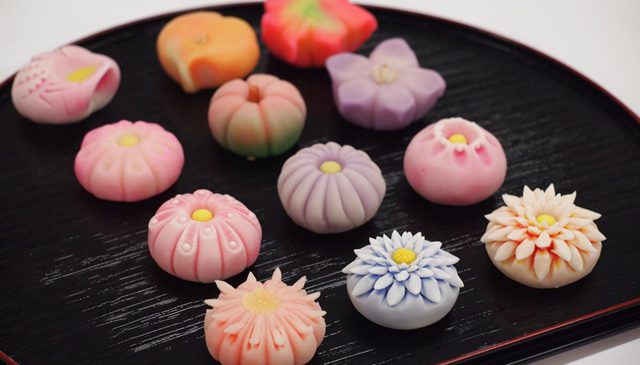
The appearance of Japanese sweets is a reflection of the seasons and of ka-chou-fuu-getsu – an idiom made up of the four kanji of flower, bird, wind and moon, which denotes the beauty of the natural world. Kougei-gashi are a kind of decorative wagashi that are especially designed to be pleasing to the eye. It’s hard to believe that they are only made from mochi, an and sugar and are so beautiful that it seems a waste to eat them. When it comes to these sweets, appearance is considered to be more important than taste. About once every four years, sweets from all over Japan are displayed at the National Confectionary Exhibition; the highlight of this event is the kougei-gashi.
Kougei-gashi
Making kougei-gashi brings out the best in wagashi artisans, who put together their creations using materials like “unpei” and “anpei.” There are different kinds of unpei: “momi unpei” is made by mixing baked mochi flour with sugar and lukewarm water and “mushi unpei” is made from steamed mochi. These ingredients are fragile, but are useful for the intricate molding of things like petals and leaves. Made from an, mochi flour and sugar, anpei is a more resilient ingredient better suited to molding into the shape of tree trunks.
Wagashi allow us to enjoy not only sweet flavors, but also savory flavors like soy sauce and salt. Small pieces of dried mochi roasted until golden and flavored with soy sauce or other ingredients are called arare. Larger pieces are called okaki and flattened pieces are called senbei. Whether sweet or salty, many wagashi utilize mochi rice in various ways. Mochi and an are indispensable ingredients for creating wagashi.
National Confectionary Exposition in Hiroshima
Text: MATSUMOTO Seiya
[2013年4月号掲載記事]
和菓子とは、日本古来の製法で作られたお菓子で、19世紀の明治時代以降に、西洋から新しく日本に入ってきた洋菓子と区別する言葉です。ただ、16世紀の安土桃山時代にポルトガルの宣教師によって伝えられた南蛮菓子は、洋菓子と似ているので、両者を混同する日本人も少なくありません。南蛮菓子と洋菓子の似ている例として、カステラとスポンジケーキ、ビスケットとクッキー、こんぺいとうとキャンディーなどがあります。
日本人の誰もが和菓子とみなすお菓子の例といえば、だんごです。もちを小さく丸めたもので、多くの場合、竹串に刺した状態で食べます。しょうゆに砂糖などをまぜたたれをかけたみたらしだんご、もちに、よもぎを練りこんだ草だんご、ピンク、白、緑をセットにした三色だんごなどがあります。もち米と水を練り合わせたもちを使った和菓子は、だんご以外にもたくさんあります。
桜もちは、同じ名前でも、関東風と関西風で形が違います。関東風の桜もちは、水で溶いた小麦粉をクレープ生地のように焼いてあんをはさみ、その外側を桜の葉で包んでいます。一方、関西風の桜もちは、米粒の食感が残るもちの中にあんを入れて、その外側を塩漬けした桜の葉で包んであります。
あん(あんこ)は、小豆に水と砂糖を加えて煮詰めたもので、小豆の食感が残るものをつぶあん、裏ごしでなめらかにしたものをこしあんといいます。ほとんどの日本人が、「あんが使われているお菓子であれば、それは和菓子である」と感じるほど、重要な材料です。
大福は、あんをぎゅうひで包んでいます。ぎゅうひとは、もちでできた皮のこと。ぎゅうひに黒豆を入れた豆大福、よもぎをねりこんだ草大福、塩を加えた塩大福、あんの中にいちごを丸ごと入れたいちご大福などがあります。
大福と似たような作り方をするものに、まんじゅうがあります。まんじゅうは、皮の部分に、ぎゅうひではなく、小麦粉などを練って作った生地を使って、あんを包みます。落語(伝統的な話芸)の「まんじゅうこわい」は、最も有名なはなしのひとつです。男が「おれは、まんじゅうがこわい」と告白。友人たちが意地悪をしてまんじゅうを男の部屋に放り込んだところ、男は夢中になってまんじゅうを食べながら一言。「今度はお茶がこわい」。
まんじゅうや大福のように、「もちや小麦粉などの生地であんを包む」という形の和菓子はたくさんあります。生地の材料や作り方が変わると、その名前も変わります。たとえば、もなかは、もち米の粉に水を入れてこねたものを蒸し、薄く延ばして焼いたもので、さくっとした歯ざわりが特徴です。たい焼きの生地は、水で溶いた小麦粉を、鯛の金型に流しこんで焼いたもの。鯛は日本で「めでたい」とされる魚です。
どら焼きは、あんをカステラの生地ではさんでいます。カステラは南蛮菓子ですが、日本独自の製法として、はちみつまたは水あめを加えて、しっとりとした食感に仕上げています。あんとホイップした生クリームを混ぜたものや、あんの代わりに栗やカスタードクリームを入れたものもあります。日本のアニメキャラクター「ドラえもん」の大好物です。
あんをそのまま味わうようかんは、あんを型に流しこみ、寒天またはくずで冷やし固めたもの。さつまいもを入れたいもようかん、栗を入れた栗ようかん、水分の割合が多い水ようかんなどがあります。水が名前の頭につくものとしては、くずで作った透明の生地であんを包む水まんじゅう(別名:くずまんじゅう)もあります。
水ようかんや水まんじゅうの生地と同様のものを麺状にして冷やし、黒砂糖から作った黒蜜をかけて食べるくずきりなどは、見た目で涼しさを感じるように工夫された夏の和菓子です。季節感を大切にした和菓子は数多くあります。たとえば桜もちは、その名のとおり、桜の花が咲く季節(つまり春)に食べられます。
同じ和菓子でも、食べる季節によって名前が変わるものもあります。大福や関西風の桜もちなどとは逆に、もちの外側をあんで包みこむぼたもち(牡丹もち)は、春の和菓子です。ところが、秋に食べる場合には、おはぎ(お萩)と呼ばれます。ぼたもちは、春の花である牡丹に見立てていて、おはぎは、秋の花である萩に見立てているの
です。和菓子は、季節感や花鳥風月(花や鳥や風や月。「あらゆる自然や動植物」という意味の四字熟語)などを見た目で表現します。特に工芸菓子は、見た目を楽しみます。もち、あん、砂糖などでできているとは思えないほど精巧で、食べるなんてもったいないという感想をもつでしょう。味よりも見た目を優先しているのが特徴です。ほぼ4年に一度開催される全国菓子大博覧会は日本全国からお菓子が集まりますが、一番の見どころは工芸菓子です。
和菓子職人としての高い技術が必要な工芸菓子は、雲平や餡平など数々の和菓子を組み合わせています。雲平には、もちを焼いて粉にしたものと砂糖をぬるま湯に溶いて練った揉み雲平、蒸して作る蒸し雲平などがあります。割れやすいですが、花びらや葉など、細かな造形に重宝します。あん、もち粉、砂糖などを材料とする餡平は、雲平より丈夫でつやが出やすく、木の幹を形作るのに向いています。
和菓子には、甘いものだけでなく、しょうゆ味や塩味を楽しむものもあります。もちを乾燥させて、きつね色になるまで焼き上げ、しょうゆなどで味付けしたもののうち、小粒のものをあられ、大粒のものをおかき、平たいものをせんべいと呼んでいます。甘いものも塩気のあるものも、和菓子の多くは、もち米をさまざまな形に変えて使っています。もちとあんこは、どちらも和菓子には欠かせない材料なのです。
文:松本誠也
-
[From April Issue 2013]
Alcohol-free drinks are now a firm fixture in Japan because they don’t give you a hangover and, by consuming them, those who have a low tolerance for alcohol don’t have to be afraid of ruining the atmosphere at boozy get-togethers. The reason why alcohol-free drinks are now so popular is that the police are now monitoring drivers more carefully after an increase in drink driving accidents. In addition, the youth of today doesn’t tend to drink as much.
Available in Japan for a long time, non-alcoholic drinks can be found in places serving food and drink. KAWAI Yasuyuki, the PR representative of Reins International, a company that operates a chain of yakiniku (barbecue) restaurants called “Gyu-kaku” and a chain of pubs, says, “There has been a certain level of demand from those who are driving and from those who can’t drink alcohol. There are also those for whom the last glass is non-alcoholic.”
NAGAI Jean Marks Norihiko, Director of the Alcohol-free Cocktail Association, says, “Drinks like oolong tea have always been available in bars and have been the beverage of choice for non-drinkers. Because it’s so apparent that they’re not alcoholic drinks, I’ve often observed that they spoil the atmosphere.”
Alcohol-free cocktails look as if they contain alcohol. There is now a wider selection of alcohol-free cocktails, especially alcohol-free cocktails with interesting flavor combinations. In recent years, the range of alcohol-free drinks available has expanded to include beer, shouchuu (a kind of Japanese liquor) and umeshu (plum wine).
This trend has delighted non-Japanese, too. Hariom SINGH from India often orders alcohol-free beer and says, “Good alcohol-free drinks are very welcome.” Many people from India and the Middle East cannot drink alcohol for religious reasons. Other people prefer alcohol-free drinks because they are more conscious of health issues, a trend that has not just occurred in Japan, but all over the world.
With more alcohol-free drinks available, people are no longer ordering non-alcoholic drinks because they have no other choice; rather they’re ordering them because they really want to drink them.
Non-alcohol Cocktail Organization
Gyu-kakuText: TSUCHIYA Emi
[2013年4月号掲載記事]
二日酔いにならない、お酒が苦手な人が飲み会の雰囲気をこわさないよう気を遣わなくて済むなどの理由で、ノンアルコールドリンクが定着してきました。その理由として、飲酒運転による事故が増えていることを受け、取り締まりが強化されるようになったという背景や、若者のアルコール離れがあげられます。
日本にもノンアルコールドリンク自体は昔からあり、飲食店にも置いてありました。「車を運転される方やお酒が飲めない方に一定の割合で需要がありました」と、「牛角」などの焼き肉や居酒屋チェーンを経営する株式会社レインズインターナショナルの広報担当、川合康幸さんは言います。「最後の一杯をノンアルコールにする方もいらっしゃいますね」。
ノンアルコールカクテル協会の代表、永井ジャンマークス典比古さんは話します。「元々お酒を飲めない人の定番ということで、ウーロン茶などはバーで用意されていました。でも見た目からして明らかにお酒とは異なり、場の雰囲気をこわしてしまうという話をよく見聞きしました」。
ノンアルコールカクテルの見た目はアルコール入りのものと変わりません。たくさんの組み合わせで様々な味わいを作り出せるカクテルを中心に、ノンアルコールドリンクのレパートリーは広がってきています。近年ではビールや焼酎、梅酒などノンアルコールドリンクは広がっています。
この傾向は外国人にも喜ばれています。「おいしいノンアルコールドリンクが増えるのは大歓迎です」と、よくノンアルコールビールを注文するインド人のハリオム・シンさんは言います。インドや中東では、宗教的な理由からお酒を飲むことができない人たちもたくさんいます。また、日本だけでなく世界的にも健康志向が高まっているので、そのような理由からノンアルコールドリンクを選ぶ人たちもいます。
ノンアルコールドリンクが多くなることで選択肢が増え、仕方なくアルコール抜きの飲み物を選ぶのではなく、あのノンアルコールドリンクが飲みたいとすすんで選ぶ人が増えてくるかもしれません。
文:土屋えみ
-
[From April Issue 2013]
The newly renovated Kabukiza theatre will be reopening this April. The traditional art of kabuki has a 400 year old history. Integrating drama, dance and music, it’s possible to see the Japanese sense of beauty up on a kabuki stage expressed through things like the four seasons and gorgeous costumes. The word “kabuki” comes from “kabuku,” which means “extraordinary.”
Kabuki is unique in that roles are performed by men only. Actors playing female roles are called “onnagata,” and one of the attractions of kabuki is that they appear to be more feminine that women themselves. Kabuki plays can be roughly divided into two categories. The first is “period drama” that portrays the world of the samurai or battles. The second is “human empathy drama” that portrays the trials and tribulations of the citizens of the Edo period.
The stage itself is another attraction of kabuki. A walkway called hanamichi leads up to the stage through the audience. Actors make their entrances and exits on this. Sometimes actors will stop and perform here allowing the audience to get a look up close. Besides this other devices include a revolving stage allowing for quick scene changes and trapdoors that allow actors to make an entrance in the middle of the stage.
Some scenes in kabuki get both actors and audiences really fired up. When an actor appears on the stage or his performance reaches its climax, the audience yells out “Yamashiroya!” or “Otowaya!” These are yagou, or stage names. This custom arose because in the old days actors were not allowed to have surnames. Instead they used stage names.
Kabuki performances are generally held twice a day: once during the day and once at night. Each play lasts about three to four hours and there are intermissions between dramatic and musical scenes. Kabukiza theaters sell tickets for one act only. Headsets that provide an explanation of the play can be rented. English versions are also available for a fee.
Traditional Kabuki and the “New Movement”
The majority of kabuki actor’s names have been passed down from generation to generation. Actors acquire different stage names as they progress up the ranks, until they acquire the most elevated title of their clan. In the kabuki world, not only stage names, but also an acting style and the plays that one specializes in are inherited; it’s normal for children of actors to inherit all of this.
Last December, the 18th generation NAKAMURA Kanzaburo, who was a popular kabuki actor, and this February ICHIKAWA Danjuro, who was known for his stupendous performances, passed away. It was a great loss for those in kabuki circles.
In 1986 “super kabuki,” a form of theatre that adopted a contemporary theatrical style appeared in the traditional kabuki world. The 3rd ICHIKAWA Ennosuke (currently called Enoh) incorporated other kinds of theatrical styles such as western opera or Beijing opera into his acting style. It had a big impact on the theatrical community both in Japan and abroad. Since then performances have been held at theatres including Shimbashi Enbujo Theatre, Tokyo.
[2013年4月号掲載記事]
今年4月、新装された歌舞伎座がオープンします。歌舞伎は、400年の歴史を持つ伝統芸能です。演劇、舞踊、音楽がミックスされた総合芸術で、日本の四季や豪華な衣装など、日本の様式美を舞台でみることができます。「歌舞伎」とは、「並はずれている」という意味を持つ「傾く」という言葉がもとになっています。
歌舞伎の大きな特徴は男性だけで演じられることです。女役は「女形」と呼ばれ、女性以上に女性らしく演じるところは、見どころの一つです。演目は大きく二つに分けられます。一つは、武士の世界や合戦を描いた「時代物」。もう一つは人間味があふれる江戸時代の町人を描いた「世話物」。
歌舞伎の楽しみは舞台の構造にもあります。舞台に向かって観客席を貫く「花道」があります。ここからも役者が、登場したり退場したりします。そこで、立ち止まって演技することもあり、観客は身近で役者を見ることができます。他にも場面転換をすばやくする「回り舞台」や役者が舞台の中央から登場する「せり」などの仕掛けがあります。
歌舞伎は役者と観客が一体となって盛り上げる場面もあります。役者が登場するときや演技が最高潮に達すると、客席から「山城屋!」「音羽屋!」などのかけ声があがります。ここでかけられる言葉は屋号(トレードネーム)といいます。このしきたりは、かつて役者は苗字を持つことが許されていなかったためです。そのため、屋号を使いました。
歌舞伎の上演は、通常、昼の部と夜の部があります。それぞれが3~4時間ほどで、話や演目の区切りで休憩時間が設けられています。歌舞伎座では一幕だけを見るチケットも販売されています。また、解説が聞けるイヤホンガイドの貸し出しもあります(英語もあり。有料)。
歌舞伎界の伝統とニュームーブメント
歌舞伎俳優の名前の多くは、代々受け継がれます。各一門の最高位の名前を継ぐまでには段階的な名前を得ます。歌舞伎の世界では、名前だけでなく芸風や得意な演目なども含めて継がれていきますが、子どもが後を継ぐのが一般的です。
昨年12月に人気歌舞伎俳優の18代目、中村勘三郎が、そして今年2月には圧倒的な存在感のあった12代目市川團十郎が相次いで亡くなりました。歌舞伎界にとって大きな損失です。
伝統的な歌舞伎界において現代にマッチした演劇を試みる「スーパー歌舞伎」が1986年に登場しました。3代目市川猿之助(現:猿翁)が、オペラ、京劇など他の演劇スタイルを取り入れたもので、内外の演劇人に大きな衝撃を与えました。それ以降、東京の新橋演舞場などで公演が行われています。
-
[From April Issue 2013]
Located roughly in the center of Honshu, Shizuoka Prefecture is home not only to Mount Fuji – Japan’s national symbol – but also to other beautiful natural features: mountains, the sea and lakes. This prefecture can be divided into three regions: the eastern region which includes the foothills of Mount Fuji and the Izu peninsula; the central region which includes the Gulf of Suruga and the mountains leading to the Southern Japanese Alps; and the western region around Hamanako (Lake Hamana). The climate is generally mild throughout the year, but there is a distinct difference between the seasons and as a result it’s possible to enjoy different scenery depending on the season.
The Tokaido road was one of the highways developed during the Edo period (17–19 century). Inns within Shizuoka Prefecture that ran along this route prospered. Many famous places and historic sites still remain in the prefecture. Easily accessible from the capital, to take in its numerous sightseeing spots, it’s suitable for day trips or longer vacations.
To kick off a trip to Shizuoka, it’s best to go and check out Mount Fuji. Mount Fuji can be viewed from many places in the eastern to central areas of Shizuoka Prefecture. At an altitude of 3,776 meters, it is the highest mountain in Japan. Its strong and beautiful form has greatly influenced many artists. Mount Fuji has even been depicted by Edo period ukiyoe (woodblock print) artists: by KATSUSHIKA Hokusai in his “Fugaku Sanjurokkei” (Thirty-six Views of Mount Fuji) and UTAGAWA Hiroshige in his series “Tokaido Gojusan Tsugi” (Fifty-three stages on the Tokaido highway). This landscape has long been treasured and is close to the hearts of the Japanese people.
Mount Fuji / Mount Fuji Hongu Sengen Taisha
Ever since ancient times Mount Fuji has been considered to be a sacred place by religious groups; the Asama sect was founded on the belief that Mount Fuji is a deity. This sect was said to have been founded in order to calm the frequent eruptions of Mount Fuji. The main temple of this Buddhist sect is the Mount Fuji Hongu Sengen Taisha in Fujinomiya City. Designated as an important cultural property, the main building stands in front of Mount Fuji. It is 13 meters in height, built in two sections and has multiple stories.
A little distance away from Mount Fuji is the Izu peninsula which is one of the main sightseeing areas in Shizuoka. The peninsula with its mountains running down it like a spine jutting up through the sea has been loved by both people in positions of power and by artists alike. Izu is also known as the setting of many literary works including “Izu no Odoriko” (The Dancing Girl of Izu) by KAWABATA Yasunari, which portrays the love between a woman of a travelling dance troupe and a lonely young man.
Named after Shuzenji temple built by Kuukai in 807 AD, the Shuzenji area also appears in this novel. Shuzenji is also the place where the Genji clan defeated the Heike clan and rose to power establishing the Kamakura era (12–14th century), before subsequently falling from power. Originally a Shingon Buddhist temple, after a fire, it was reduced to ashes during the war. It was resurrected by HOUJOU Souun as a Soutou sect temple during the Muromachi Era (14–16th centuries). These days many people visit the temple throughout the year and the area has come to be renowned as a spot for viewing the autumn leaves.
Scenic view at Izu / Koibito Misaki
Izu has a special tourist attraction that sweethearts should visit. This is “Koibito Misaki” (Lovers’ Cape) in Izu City. Located at the end of the 700 meter Fujimi path, it’s possible to see the Suruga Gulf and Mount Fuji on the opposite bank of the cape. There you will find an adorable bell called the “Love Call Bell;” by ringing this bell and calling out the name of your lover it is said that you can make your love a reality. This place is also known for having beautiful views around sunset.
Shizuoka Prefecture is a health resort and many artists have moved here to concentrate on their work, making it a center for artistic activity. There are over 30 art galleries and museums within Shizuoka, each with its own unique characteristics.
One example is the Shizuoka Prefectural Museum of Art, located in Shizuoka City in the central part of the prefecture. This art museum is the only museum in the country that has 32 works of the sculptor, RODIN, on display, in addition to well-known works of exquisite art by both western and eastern artists including MONET, GAUGUIN, and YOKOYAMA Taikan. Since the museum concentrates its efforts on displaying modern art and putting on special exhibitions, it has a diverse collection of art works that attracts fans of modern art from all over Japan.
With its fertile environment, Shizuoka has a variety of delicious produce, but, producing more tea than any other prefecture in the country, it’s most famous for Shizuoka tea. Blessed with conditions that include a warm climate, pure water and fertile soil, high quality tea leaves are cultivated.
Delicious inexpensive “gotouchi gourmet” – local cuisine that can only be enjoyed within a particular region – is increasingly popular in Japan. “Fujinomiya yakisoba” (fried noodles), from Fujinomiya City, Shizuoka, was the catalyst for this trend. This dish is made with al dente noodles, oilcake of pressed lard, and powdered sardines.
There are so many hot springs in Shizuoka that it has been dubbed the “hot spring kingdom.” Encircled by sea and mountains, Atami onsen is one of Japan’s foremost onsen towns, garnering popularity with its female customers because its waters moisturise and promote beautiful skin. Effective in treating skin problems, the waters are recommended for people with sensitive skin.
The western part of the prefecture is the area around Hamamatsu City and Hamanako, a lake with a circumference of 141 kilometers is located there. Rich in minerals, because seawater flows into its brackish waters, it is home to a wide variety of fish and is excellent for eel farming. Around the lake, flowers bloom throughout the year and it’s possible to enjoy leisure facilities like Hamamatsu Flower Park there.
Hamanako / Hamamatsu Museum of Musical Instruments
Because Yamaha, the global musical instrument manufacturer has its head office in Hamamatsu City, music has flourished in this town. Many music fans visit the Hamamatsu Museum of Musical Instruments because it is one of the largest museums in Orient. These instruments include rare musical instruments native to particular regions and even instruments that have been used by well-known composers. From its collection of over 3,000 musical instruments, approximately 1,300 pieces are on display. In the “experience room,” visitors can try playing various musical instruments.
To get to eastern Shizuoka, from JR Tokyo station it takes approximately 45 minutes by Shinkansen to JR Atami station and to JR Mishima station 53 minutes. To get to central Shizuoka, it takes approximately one hour and ten minutes to JR Shin-fuji station or one hour and 30 minutes to JR Shizuoka station. To get to western Shizuoka, it takes one hour and 45 minutes to JR Kakegawa station, or two hours to JR Hamamatsu station. It takes about three to six hours by bus departing from nearby Tokyo station.
Photos courtesy by Shizuoka Prefectural Tourism Association
Text: OMORI Saori
[2013年4月号掲載記事]
本州のほぼ中央に位置する静岡県は、日本のシンボルでもある富士山をはじめ、山、海、湖など豊かな自然を持つ土地です。県は3つのエリア--富士山麓及び伊豆地方を含む東部、駿河湾から南アルプスに続く山間部が中心の中部、浜名湖を中心とした西部--に分けられます。年間を通じて全体的に温暖な気候ですが、四季がはっきりしているため、季節ごとに違った景観を楽しむことができます。
静岡県は、江戸時代(17~19世紀)に整備された街道の一つである東海道の宿場町として発展してきました。県内には名所や旧跡も多く残っています。首都圏からのアクセスがよいこともあって、日帰りや長期旅行にも向いています。
旅の始まりに見ておきたいのが富士山です。県の東部から中部辺りまでは、多くの場所でその姿を見ることができます。標高3,776メートルで日本一の高さです。力強く優美な姿はたくさんの芸術家に大きな影響を与えてきました。江戸時代の浮世絵作家、葛飾北斎の「富嶽三十六景」や歌川広重の連作「東海道五十三次」にも描かれており、日本人の心の風景として長く愛されてきました。
古代より信仰の対象として神聖なものとされてきた富士山は、富士山を神として信仰する浅間信仰発祥の地です。たびたび噴火した富士山を鎮めることを目的として始まったといわれています。この浅間信仰の総本山が、富士宮市内にある富士山本宮浅間大社です。富士山を背景に、二重構造で高さ約13メートルの本殿は重要文化財に指定されています。
富士山周辺から少し移動すると、静岡の中でも主要な観光地である伊豆地方があります。海と山が、まるで背中を合わせるようにしてくっついているような景観が特徴の伊豆地方は、時の権力者や文化人に愛されてきました。旅芸人一座の女性と孤独な青年との恋を描いた、川端康成の「伊豆の踊り子」など、多くの文学作品の舞台となった場所としても知られています。
この小説の舞台の一つ、修善寺地域の地名の由来となった修禅寺は、807年に空海によって建てられました。平家を倒したことで権力を握り、鎌倉時代(12~14世紀)の基盤を築いた源氏が滅亡した地でもあります。かつては真言宗の寺院でしたが、戦乱による大火災が起こり全焼。室町時代(14~16世紀)に北条早雲によって曹洞宗の寺院として再興されました。現在は紅葉の名所としても知られるようになり、年間を通じて多くの人たちが訪れています。
伊豆には、恋人と一緒に訪れたい観光スポットがあります。伊豆市にある恋人岬です。約700メートルの富士見遊歩道の先端にある恋人岬からは、駿河湾や対岸の富士山を見ることができます。この恋人岬には「ラブコールベル」と呼ばれるかわいらしい鐘があり、これを鳴らして恋人の名前を呼ぶと、愛が実るといわれています。また、夕日が沈む美しい光景を見ることができる場所としても知られています。
静岡県は保養地であることから多くの芸術家たちが移住し、創作活動に取り組んでいる背景もあり、芸術活動が盛んです。県内には個性豊かな美術館や博物館が30件以上あります。
その代表が、県の中部、静岡市にある静岡県立美術館です。国内でただ一つ、彫刻家ロダンの作品32点を常設展示しており、その他にもモネ、ゴーギャン、横山大観など西洋・東洋の著名な作品を所蔵しています。現代アートや企画展にも力を入れているため作品の幅は広く、全国からも多くのファンが訪れています。
自然豊かな静岡県にはおいしいものがたくさんありますが、最も有名なのが生産量全国一の静岡茶です。温暖な気候、清らかな水、豊かな土壌という地形条件にも恵まれ、高品質のお茶が栽培されています。
日本では、安くておいしい、また、その土地でしか食べることができないご当地グルメがブームです。この火付け役が、静岡県富士宮市の「富士宮やきそば」です。こしのあるめんとラードをしぼった後の油かす、イワシの削り粉を使って作られます。
静岡県には温泉王国といわれるほど温泉がたくさんあります。特に、海と山に囲まれた日本有数の温泉都市である熱海温泉は美肌、保湿などに効果があることから、女性客の人気を集めています。皮膚疾患にも効果があるため、肌の弱い人にもおすすめです。
県西部は浜松市を中心とした地域です。また、周囲141キロメートルの浜名湖があります。栄養分も豊富で海水が流れ込むため、魚の種類も多く、ウナギの養殖が盛んです。湖の近くには、1年を通じてそれぞれの季節の花が見られる、はままつフラワーパークなどのレジャー施設もあります。
浜松市は世界的な楽器メーカーであるヤマハの本社があることから、音楽が盛んな街です。浜松市楽器博物館は、東洋では最大級の楽器専門の博物館のため、音楽ファンがたくさん訪れています。地域特有のめずらしい楽器や、著名な作曲家たちが使用していた楽器3,000点以上を収蔵しており、そのうち約1,300点を展示しています。体験ルームでは、楽器を自由に演奏することもできます。
JR東京駅を起点にすると、静岡県東部エリアへはJR熱海駅まで新幹線で約45分。JR三島駅まで約53分。中部エリアへはJR新富士駅まで約1時間10分。または、JR静岡駅まで約1時間30分。西部エリアへはからJR掛川駅まで約1時間45分。またはJR浜松駅まで約2時間。東京駅周辺から出発する高速バスでは約3~6時間かかります。
大森沙織
-
[From April Issue 2013]
Director of the Natural Healing Association, Reiki Master
TANAKA YasuhideI can celebrate with sushi and wine tonight! Oh, thank goodness, I can drink wine again, and I can even eat tuna, my favorite… After leaving the doctor’s office, I rushed into the nearest restroom and cried. My doctor had given me the good news today, “Congratulations Mr. Tanaka! Your readings have finally returned to normal. You are not a patient anymore.”
Diagnosed as being terminally ill with a collagen disease, I was unable to breathe properly after a heavy coughing fit. Soon after, the doctor told me, “Your condition has reached the stage at which it’s no longer likely that you will recover. You have half a year or so at best.” I was unable to accept the statement that “I was going to die.” No way was I going to die! In the depths of despair, I desperately sought for some way to live.
That was when I finally discovered a “natural healing method.” This is the belief that it’s possible to strengthen natural healing powers contained within ourselves and use that power to overcome disease. It’s possible to be examined in a hospital, but you cannot receive treatment. I literally put my own life at stake in order to strengthen the inner force latent within myself. It was my faith in reiki that led me to this decision.
Reiki, which is essentially about “ki,” tends to be regarded with some skepticism in Japan. But there is a rising awareness of “ki” as a form of “celestial energy” in the Orient and as “universal life energy” in the Occident. By channeling and utilizing “ki,” reiki is now widely practiced in many countries.
I studied chi kung in Japan and China, and acquired my reiki skills from my German master. I was then awarded the title of reiki master. For many years, as a member of the “Usui Reiki Therapy Society,” I have practiced traditional reiki techniques. I have long believed in the innate strength of the life force within humans themselves.
When they learned that the doctor had diagnosed me as being a terminal patient, my worried children came to visit from far away. But when they saw me looking vivacious and full of hope, they were totally taken by surprise, yet at the same time relieved. Fortunately my treatment was gradually taking effect and the test results from my medical examinations were improving each year. However, I was suddenly struck by another blow when I discovered in the middle of this that I had cancer of the colon.
But I kept on going, never giving up. In addition to using reiki to harness the power of “ki,” I also strived to unite my mind and body and in addition I stuck to a brown rice based diet to maximize the integral healing power contained within food. That is to say I adopted a lifestyle based on the three fundamental cornerstones of “ki,” “mind” and “diet.”
As a result, guided by the power of “ki,” my health took a turn for the better. Eight years after the onset of symptoms, my doctor now diagnosed my collagen disease as having “naturally regressed.” Eight months after the onset of my cancer, it was diagnosed as having “gone into remission.” This means that both the collagen disease and the cancer have gone away for good.
This being a rare case in the medical world, I was then invited to give lectures on the subject and I was determined to make it my life’s mission to pass on my experiences to the public. I then conceived my natural health method, which was attractive to many people and could be easily practiced. Now in the heyday of Western medicine, I strongly believe that we should really consider “a system of medicine based on the bounty of nature” which strengthens the natural healing power contained within all living creatures.
[2013年4月号掲載記事]
自然健康法普及会会長 レイキマスター
田中泰英さん今夜はお寿司とワインで乾杯だ! ああ、またお酒が飲めるんだ。好きなマグロも食べられるんだ……。私は診察室を出るなり、近くのトイレに飛び込んで泣きました。今日は医師から「田中さん、よかったですね! ついに正常値になりましたよ、あなたはもう患者ではありません」との朗報を受けたのです。
難病といわれる膠原病にかかった私は、非常に強く咳き込んだときに呼吸が止まってしまいました。間もなくして医師に言われました。「余命はよくてもあと半年、ここまできたらもう回復の見込みはありません」と。「自分が死ぬ」、それは到底受け入れられない宣告でした。死んでたまるか! 私は絶望の中から生きる道を必死で模索しました。
そしてたどり着いたのが「自然健康法」でした。これは自分の内部にある自然治癒力を強化して、その力で病気を克服しようとする考えです。病院では、検査は受けるが治療は受けない。私は自分の潜在力強化にまさに命をかけたのです。その決断に導いたのは私が信奉するレイキでした。
日本ではレイキはとかくうさんくさく思われがちですが、その本質にあるのは気です。気は東洋では「神のエネルギー」とも呼ばれ、西洋では「宇宙の生命エネルギー」として認識が高まっています。多くの国で、気を習得し活用するために広くレイキが使われています。
私は日本と中国で気功を学び、レイキは著名なドイツ人の師匠から習得し、レイキマスターの称号を授与されました。日本の伝統霊気は「臼井霊氣療法学会」の会員として長年修行を積んでいます。私は、人間が本来持っている生命力の強さを信じてきました。
医師からの余命宣告を知った遠くに住む子どもたちは心配して集まってくれました。しかし私の希望に満ちた元気な様子に拍子抜けし、安心しました。幸いなことに効果は徐々に現れ、検査結果の数値も毎年よくなっていきました。ところが途中で、今度は大腸にがんが発症してしまったのです。これはまさにダブルパンチでした。
しかし私は、決してあきらめることなくがんばり続けました。私はレイキによる気の力に加え、心と体を合体させること、さらに食事の中心を玄米にするなど食べ物が本来持つ治癒力を最大限取り入れました。つまり、「気」「心」「食」を三本柱とした生活を実践したのです。
その結果、気の力がリードして、病状を良い方向に引っ張ってくれました。発病から8年後、膠原病についての医師の診断は「自然退化」でした。がんは発症後8ヵ月目に「自然退縮」したと診断されました。これは膠原病もがんも消えて、なくなっていたという意味です。
これは、医学界でもまれな事例として、私は、講演にも呼ばれるようになりました。私は体験から学んだことを多くの人に伝えることを使命として生きていく決意をしました。そして、誰からも共感でき、簡単に実践できる自然健康法を考え出しました。西洋医学が全盛の今、生き物のすべてが持っている自然治癒力を再強化する「自然の摂理」に基づいた健康法を見直すべきではないのかと私は強く感じています。
-
[From April Issue 2013]
Non-Profit Organization, The Japan Return Programme
“To tell you the truth, I had no idea my mother was doing something so big,” says IKEZAKI Miwa, the executive director of a Non-Profit Organization, the Japan Return Programme (JRP). Miwa’s mother Miyoko founded the JRP in 1995 and ran it until last year when Miwa took over the reins. The purpose of the JRP is to nurture people who could one day forge important links between Japan and the outside world.
The JRP carries out two tasks. One is the “Nihongo Summit,” organized every year since 1999. It’s an event at which youngsters living overseas, who are putting all their effort into studying Japanese, are invited to express their opinions in Japanese. It’s not simply a one day event; participants (panelists) arrive in Japan about a month prior to the Nihongo Summit.
Everything is done in Japanese: peace studies at Hiroshima and Nagasaki; a cultural exchange with people living in the areas affected by the Great East Japan Earthquake; experiencing traditional Japanese culture; visiting corporations and politicians; and homestays. As part of the program, they get a chance to speak keigo, or honorific language, too. At the end of their visit they perform a presentation at the summit on “What I can do now for peace.”
Between 1999 and 2012 a total of 1,465 people applied to take part in the Nihongo Summit. From those, 233 panelists from 61 countries were selected to come to Japan.
Former panelists have maintained strong links to the organization by keeping in touch via Facebook and working in cooperation with JRP’s administration. Some return to Japan to study at university in a specialized field, while others work for Japanese companies overseas. A few have come back to Japan as diplomats.
The JRP’s other function is to give free lessons of Japanese language and culture to ambassadors and other diplomats stationed in Japan. JRP teachers teach their students to produce beautiful Japanese so that they can talk about their country in Japanese and use appropriate Japanese for work.
Miyoko, who was formerly a teacher of Japanese language, founded the JRP because she noticed that foreign children who had once lived in Japan ended up forgetting the Japanese they had learned once they returned to their countries. “Japanese is a compassionate language in which you put yourself in another person’s place. It’s a good language for discussing peace. Young people studying Japanese will build bridges between Japan and other countries in the future. And they’ll also contribute to world peace.” With this idea in mind Miyako ran the JRP in the early days with her own money.
Miyoko’s wish struck a chord with many and the number of sponsors has increased year by year. Eventually well-known companies within Japan and famous politicians began to cooperate.
Miyoko passed away in 2012. Miwa hesitated at first to take over when she discovered that the administration of the JRP, which depends on contributions, was quite a challenge. Her mind was made up, however, after listening to Miyoko’s passionate ideas. “I’ll do my best to keep the JRP going.”
Non-Profit Organization, The Japan Return Programme
Text: SAZAKI Ryo
[2013年4月号掲載記事]
特定非営利活動法人ジャパン・リターン・プログラム
「母がこれほど大きな仕事をしていたとは、実は知りませんでした」と特定非営利活動法人ジャパン・リターン・プログラム(JRP)の専務理事、池﨑美盤さんは言います。美盤さんは、母、美代子さんが1995年につくったJRPを、去年継ぎました。JRPの目的は、日本と外国のかけ橋となるような人材を育成することです。
JRPは二つの事業を行っています。一つは、1999年から毎年開いている「日本語サミット」です。これは海外で一生懸命に日本語を学んでいる若者を日本に招待して、日本語で意見を述べてもらうというイベントです。これは1日だけの発表会ではありません。参加者たち(パネリスト)は日本語サミットの約一月前に来日します。
広島や長崎での平和学習、東日本大震災の被災地の人たちとの交流、日本の伝統文化体験、企業や政治家への訪問、ホームステイなどを、すべて日本語でこなします。プログラムの中には、敬語で話す機会もあります。そして最後には、「今、平和のために自分ができること」をサミットで発表するのです。
日本語サミットに応募した人は1999~2012年の間に1,465人にのぼります。そのうち61ヵ国から233人のパネリストが選ばれて来日しました。
過去に参加したパネリストたちは、Facebookでの交流や運営に協力して、強い絆で結ばれています。また、日本に戻ってきて大学で専門分野を勉強したり、日系企業に就職したりしています。中には、外交官になって、戻ってきた人もいます。
JRPのもう一つの事業は、駐日外国大使館の大使や外交官に、無料で日本語や日本文化を教えることです。日本語で自分の国を紹介できるように、また、公務にふさわしい日本語を話せるように、JRPの日本語講師が美しい日本語を教えています。
日本語教師だった美代子さんがJRPをつくったのは、かつて日本にいた外国人の子どもたちが、せっかく覚えた日本語を母国に帰ると忘れてしまうことに気づいたからです。「日本語は、まず相手の立場に立って考えることのできる『おもいやり』の言語。日本語は、平和を語るのにふさわしい言語。そんな日本語を学ぶ若者たちは、将来きっと日本と外国のかけ橋になるに違いない。そして、世界平和にも貢献するはずだ」。そう考えた美代子さんは最初は自分のお金で運営していました。
美代子さんの熱意は多くの人の共感を呼び、賛同者が年々増えていきました。やがて、日本でよく知られた企業や有名な政治家が協力してくれるようになりました。
美代子さんは2012年に亡くなりました。美盤さんは寄付で成り立っているJRPの運営がとても大変なことを知って、最初は継ぐのをためらいました。しかし美代子さんの熱い想いを聞いて決心しました。「一生懸命JRPを守っていきます」。
文:砂崎良
-
[From April Issue 2013]
Hiizurutokoro-no-Tenshi (Emperor of the Land of the Rising Sun)
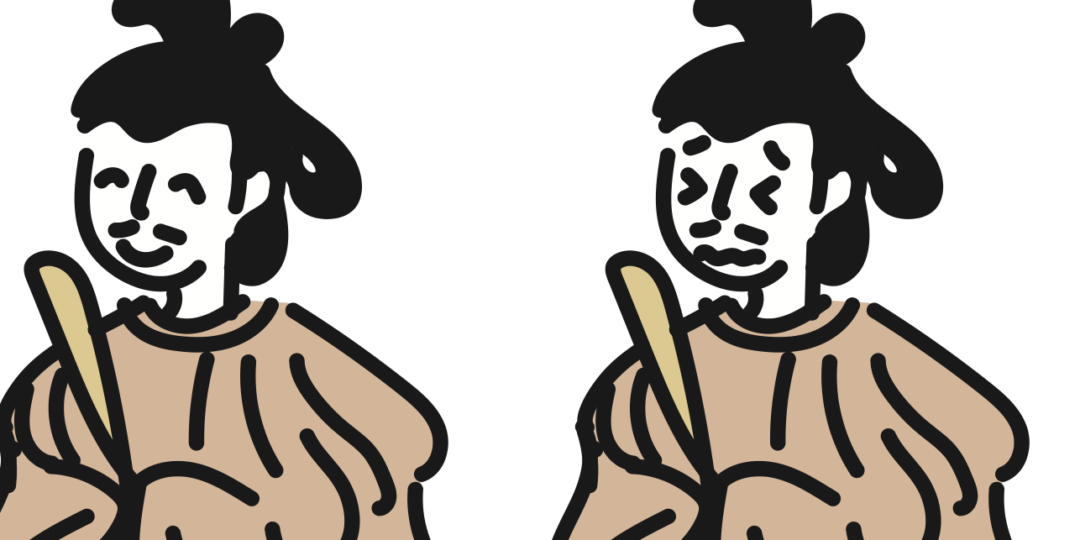
“Hiizurutokoro-no-Tenshi” (Emperor of the Land of the Rising Sun) is a shoujo (girl’s) manga that depicts the life of Prince Shotoku from his childhood until he became regent (when he made political decisions for the Emperor). The manga was serialized in the manga magazine “LaLa” (published by Hakusuisha) from 1980 to 1984 and was awarded the Best Prize in the Shoujo Division of the Kodansha Manga Awards in 1983. The publication of the manga caused quite a stir by portraying this great man, whose likeness had been printed onto bank notes, as a homosexual with supernatural powers. The manga has been frequently reprinted in book form and has had an abiding appeal even though 30 years have now passed since it first came out.
The story is set in Japan during the Asuka era (6~8th centuries). Fourteen-year-old Soga no Emishi comes across ten-year-old Umayado no Ouji (Prince Shotoku’s real name) bathing in a pond on a spring day. He is so beautiful that Emishi mistakes him for a girl and falls in love. Later, when Emishi meets Ouji again as his retainer, he discovers that Ouji is a charismatic man who is cultured, talented and politically astute.
When Emishi becomes close to Ouji, he begins to have mysterious experiences because of Ouji’s special abilities. He realizes that, because of these abilities, Ouji is feared by his own mother and is isolated from his family. While confounded by his abilities, Emishi tries to treat Ouji as another human being. Despite the difference in their status and the fact that they are both men, Ouji finally falls in love with Emishi.
One day, Ookimi (the Emperor) – Ouji’s father – dies. Ouji and Emishi get involved in the dispute over succession. Though he is frightened by the cool headed, precocious way Ouji handles himself, Emishi decides in the end to give his support to the prince. The dispute develops into a great war.
After the war, a new emperor, or Ookimi, ascends to the throne and peace reigns. But, the Ookimi is put out by Ouji’s increasing influence. Though the Ookimi plots to have him assassinated, Ouji easily evades this disaster. With jealousy and intrigue swirling around him, Ouji realizes that Emishi’s purity is irreplaceable. But then, he gets a shock when he finds out that Emishi has fallen in love with a woman. The story develops dramatically.
When she was a child, the writer saw a newspaper article that read: “A sword inscribed with a message to ensure the repose of a soul has been found inside a Buddhist statue connected to Prince Shotoku.” She was frightened that a person whose spirit needed to be pacified this way had existed. This experience was the impetus for this work. In an interview printed at the end of volume seven of the complete collection (published by Media Factory), the writer says, “I thought about the hero’s character by imagining that somebody who people feared was sitting next to me.”
Although this work does not accurately portray historical fact, it skillfully incorporates famous episodes into the plot. For instance, in the story Prince Shotoku uses the Yumedono (Hall of Dreams), for meditation. This temple has been designated as a national treasure and is still in the grounds of Horyuji Temple. Since the characters are so unique and it has a historical appeal, the work has attracted not only shoujo manga fans but also a wide range of readers. Skillfully blending fact and fiction, the work gives us some insight into the Asuka era.
Text: KAWARATANI Tokiko
[2013年4月号掲載記事]
日出処の天子
「日出処の天子」は、聖徳太子が少年時代を経て、摂政(君主に代わって政治を行う人)になるまでを描いた少女まんがです。1980~1984年に「LaLa」(発行:白泉社)に掲載され、1983年には講談社漫画賞少女部門を受賞しました。肖像画がお札に印刷されたりと、偉人のイメージが強い主人公を、超能力を持つ同性愛者という設定で発表し、注目を集めました。たびたび単行本化され、30年以上経った今でも、根強い人気があります。
物語の舞台は日本の飛鳥時代(6~8世紀)。14歳の蘇我毛人は、ある春の日に10歳の厩戸の王子(聖徳太子の本名)が池で水浴びする場面に出あいます。少女と勘違いして恋心を抱くほど、王子の美しさは際だっていました。その後、臣下(家来)として再会した毛人は、王子が教養と才能、政治的な手腕を備えたカリスマ性のある人物だと知ります。
王子と親しくなった毛人は、王子が持つ特殊な力のせいで、不思議な体験をするようになります。そしてこの力を持つために王子が実の母親からも恐れられ、家族のなかで孤立していることにも気づきます。王子の力に戸惑いながらも、毛人は一人の人間として誠実に接します。そして王子は、毛人を身分や性別を超えて愛するようになります。
ある日、王子の父である大王が亡くなります。そのあとのポジションをめぐっての争いに、王子も毛人も巻き込まれていきます。冷徹で天才的な力を発揮する王子に、毛人は恐怖心を感じますが、結局は王子を支えることを選びます。そして争いは大きな戦にまで発展していきます。
戦が終わり、新しい大王が即位して平和な日々が訪れます。しかし影響力を増していく王子に対して、大王はあせりを感じます。そして暗殺を企てますが、降りかかる災難を王子は難なく回避します。嫉妬と企みが渦巻くなか王子は、純粋な心の毛人が、自分にとってかけがえのない存在だと強く意識するようになります。そんななか、毛人がある女性に恋をしていると知って、王子は衝撃を受けます。そして物語はドラマチックに展開していきます。
作者は「聖徳太子ゆかりの仏像の体内から、鎮魂の文字が刻まれた剣が見つかった」という新聞記事を子どもの頃に読み、そこまでして魂をしずめなくてはいけないのは怖いと感じました。この出来事が作品誕生のきっかけになりました。「人から恐れられる人物が、もしも私の隣にいたらと想像して、主人公の性格を考えました」とインタビュー記事(完全版第7巻巻末収録。発行:メディアファクトリー)で語っています。
これは、史実通りに描いた作品ではありませんが、伝えられているエピソードを取り入れているのも特長の一つです。例えば、聖徳太子がこもって思いをめぐらせたといわれている夢殿も登場します。これは今も法隆寺境内に残る国宝です。キャラクターが個性的で、歴史の魅力も味わえるので、少女まんがファン以外の支持も多く集めています。史実と創作がうまくあわさったこの作品は、飛鳥時代を知る手がかりにもなりそうです。
文:瓦谷登貴子
-
[From March Issue 2013]
At the end of the calendar year and in March, new pocketbooks are displayed in the stationery sections of book stores and in stationery stores. There are two types of pocketbook: some begin from January and others begin from April. This is because there are two ways of thinking about the year: one is the “calendar year” which runs from January to December, and the other is the “fiscal year” which runs from April to March.
In Japan, many events in government offices, companies, and schools are timetabled according to the “fiscal year.” It appears that the reason why life in Japan is organized around the fiscal year is related to the fact that the school year begins in April, and ends in March the next year. This timetable effects society at large, so that things like personnel transfers in companies take place according to the new fiscal year. These changes occur across the country. Students also move to a new district in order to enter their educational institution of choice.
There are a variety of events related to ushering in the new fiscal year, but for any Japanese person, graduating after completing their studies is an important milestone. You might even say that graduation ceremonies are the most important event of the season for all educational facilities from nursery schools, to kindergartens, elementary schools, junior high schools, high schools, vocational schools, universities, and graduate schools. Most of these ceremonies take place in February or March.
Many graduation ceremonies start with an opening address, and continue with everyone singing the national anthem, “Kimigayo.” The program also includes presentations of diplomas, a speech by the school principal, congratulatory speeches by illustrious guests such as the mayor, speeches by current students and graduating students and the presentation of graduation gifts. Students might sing “Hotaru no Hikari” or their school anthem before the closing address. Sometimes, the entire graduating class may recite “chikai no kotoba” (a graduation oath) or “kadode no kotoba” (parting words). These words are intended to show junior pupils, teacher and parents, their determination to succeed in the next stage of their lives.
Traditionally, “Hotaru no Hikari” and “Aogeba Toutoshi” are sung by a chorus. The melody of “Hotaru no Hikari” is the same as the Scottish folk song, “Auld Lang Syne.” In the latter half of the 19th century, Scottish teachers of technology sang the song when they were returning to their country, and thus the tune became known in Japan as a farewell song. The lyrics to “Aogeba Toutoshi” (Respecting Teachers) express gratitude to teachers for their care.
A recent standard song is “Tabidachi no Hi ni” (On the Day of Departure). This song was composed for a graduation ceremony by the principle and music teacher of a junior high school in Saitama Prefecture, but has become popular nationwide. Other schools use suitable J-pop songs that take the theme of “parting and friendship.” For many Japanese, graduation ceremonies are not just a formality, but are sad occasions signaling the fact that they’ll soon be leaving behind special friends and memories. This is why many attendees burst into tears. They cry even harder because they are overwhelmed by wonderful memories.
NAGATA Momoko, of Aichi Prefecture, who graduated high school last year, reflects on her own graduation ceremony, “In order to make the ceremony even better, we spend a lot of time practicing. During this time, we practice the songs the most. Before the actual ceremony, we practice our school anthem, ‘Hotaru no Hikari’ and ‘Aogeba Toutoshi’ over and over again. By practicing a lot, when it comes to finally singing the song at the ceremony, our sense that ‘this is the last time we’ll sing this’ is heightened and we can’t help but tear up.”
Graduation ceremonies are not only memorable for the graduating student, but also for the parent. But the way parents behave has changed dramatically compared to previous generations. ASHIDA Miri of Yamagata Prefecture, who is also the mother of two children says, “At the ceremony I am moved to tears by the parting words and expressions of thanks. But when I see fathers frantically recording their child during the ceremony on video, I think, ‘Isn’t it a waste not to see your grown child with your own eyes?’”
SAWAE Misa of Niigata Prefecture, who is also a mother of two, says, “It’s more common now for both parents to attend the ceremony. Only about two or three mothers wear kimono, with the rest in western clothes; a big difference from when I was a child. When the diplomas are presented, rather than turning their backs to us, children receive the diploma in a way that allows the parents to see their expression. In the old days this didn’t happen.”
While uniforms are worn by students at the majority of junior high and high schools, at university, students typically wear their own clothes, so for graduation ceremonies, most women dress in a hakama. Hakama were originally worn by teachers of women’s schools from the Meiji to Taisho eras (the second half of the 19th century to the early half of the 20th century), but gradually the practice spread to students. However, in modern times, it is considered to be a special outfit worn only at graduation.
Most wear rented hakama. This is because there are hardly any other occasions for which it can be worn. SAITO Yasuko of Saitama Prefecture, who is an expert kimono dresser, says, “Dressing one person takes around fifteen minutes. Because they are at an age in which fashion is important, many want to express their personality through color choice and accessories. No matter who they are, I get the sense that they’re full of hope for the bright future that awaits them after graduation.”
Graduation day is the perfect opportunity to confess your love for someone you’ve had a crush on for a long time. At mixed sex schools, there’s a long tradition of boys giving away the second button down from their school jacket as a keepsake to girls. Because the second button is closest to the heart, this is probably signifies “giving one’s heart away.” For this reason girls descend on popular boys, vying to get their buttons.
Hakusen nagashi
One high school has a tradition called “hakusen nagashi” (floating white line) in which the white piping sewn onto a boy’s school cap is attached to the scarf of a girl’s sailor uniform and floated down the river in front of the school. This tradition has been going for over 70 years and takes place after the graduation ceremony at Gifu Prefectural Hida High School in Takayama City, Gifu Prefecture. A TV drama was inspired by this tradition.
The word “graduation” in Japanese, is not only used in reference to education, but also to express the fact that many other kinds of things are “finished.” On the other hand, it is said the word “graduation” includes the nuance of the word “commencement” in USA. It seems that many Japanese feel that milestones in life are reached during events, such as graduation, that take place at the end of the fiscal year.
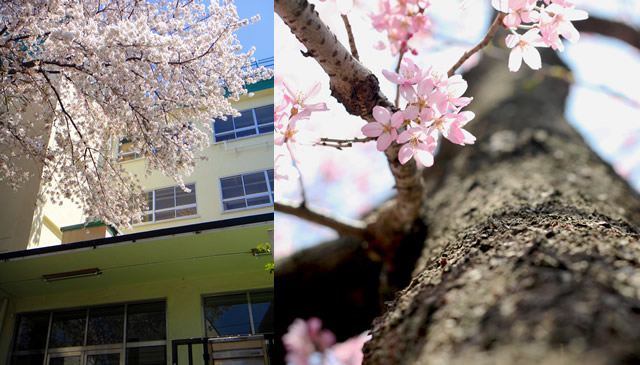
Most schools hold graduation ceremonies at the end of March, which is around the same time the cherry trees on Honshu Island begin to bud. These buds swell little by little, and, at the beginning of April the cherry trees planted around school grounds are in full bloom by the time entrance ceremonies are held and the new school term begins. Therefore, for many Japanese people, cherry blossoms are often symbolic of being promoted, going up a grade, entering a school, or entering the world as an adult member of society.
Gifu Prefectural Hida High School
Text: ITO Koichi
[2013年3月号掲載記事]
年末や3月には、書店や文具店、ステーショナリーコーナーなどに新しい手帳が並びます。手帳には1月から始まるものと、4月から始まるものと2種類があります。これは、1年の長さを1月から12月とする「暦年」、4月から翌年3月までとする「年度」という2つの考え方があるからです。
日本では、役所、会社、学校などの行事の多くが「年度」で行われます。日本人の生活が年度で動くのは、学校の1年が4月に始まり、翌年の3月に終わるということに関係しているようです。この流れは社会全体にも広まっているので、年度替わりには会社の人事異動に伴う転勤が全国的な規模で繰り広げられます。学生も進学する学校のある地域へ引越します。
年度替わりにはさまざまな行事がありますが、多くの日本人にとって誰もが経験するのは、学業を終える節目となる卒業式です。卒業式は保育園・幼稚園から小学校、中学校、高等学校、専門学校、大学、大学院まで、すべての教育施設にとって、この時期最大のイベントといえます。たいていは、2月から3月にかけて行われます。
多くの卒業式は、開式の言葉、国歌である「君が代」を歌う、卒業証書が渡される、学校長によるスピーチ、市長などの来賓による祝いのスピーチ、在校生から卒業生へのスピーチ、卒業生によるスピーチ、卒業祝品が渡される、「蛍の光」や校歌を歌う、閉式の言葉というプログラムで行われます。卒業生がそろって「誓いの言葉」や「門出の言葉」を唱える場合もあります。これらは、卒業して次の段階に進む決意を在校生や先生、両親らに述べるのが目的です。
合唱では「蛍の光」と「仰げば尊し」が伝統的に歌われてきました。「蛍の光」の原曲はスコットランド民謡の「オールド・ラング・サイン」です。19世紀後半、技術指導に来たスコットランド人が帰国するときに歌われたことから、別れの歌として広まりました。「仰げば尊し」はお世話になった先生に感謝する意味が込められています。
最近の定番は「旅立ちの日に」という歌です。これは埼玉県にある中学校の校長と音楽教師が自分たちの学校の卒業式のためにつくりましたが、全国に広がりました。他、「別れと友情」をテーマにした親しみやすいJポップなどを採用する学校もあります。多くの日本人にとって、卒業式は単なる儀式ではなく、大切な友達や思い出との別れを迫る悲しい行事です。ですから参列者の多くが泣きます。豊かで楽しい思い出がつまっているからこそ余計に泣けてくるのです。
昨年、高校を卒業した愛知県の永田桃子さんは「式をよりよいものにするため、練習には多くの時間を費やします。中でも一番力を入れるのは歌の練習です。本番までに校歌、『蛍の光』、『仰げば尊し』を何度も練習します。練習を積み重ねた分、本番では『これが最後』という気持ちが高まるので、涙が込み上げてきます」と自分の卒業の様子を振り返ります。
卒業式は本人ばかりでなく、親にとっても思い出深い儀式です。ただ、その参加の仕方は親の世代に比べてずいぶんと様変わりしてきました。二児の母である山形県の芦田美理さんは「式で交わされる別れや感謝の言葉には涙を誘われます。でもビデオ撮影に夢中の父親を見ると、成長した子どもの姿を肉眼で見られないのはもったいないのでは?と思います」と話します。
やはり二児の母である新潟県の沢江美紗さんは、「夫婦そろって出席するところが増えてきましたね。和服姿の母親は2~3人で、あとは洋服なのが、自分が子どものころと大きく違います。卒業証書授与のとき、親たちに背を向けるのではなく、ステージから会場を見る形で、親たちに顔がわかるようにする受け取り方も昔はなかったです」と話します。
制服が定められていることが多い中学、高等学校の卒業式に対し、私服での通学があたり前の大学では、ほとんどの女子学生が袴をはいて卒業式に出席します。袴は明治から大正の時代(19世紀後半~20世紀前半)にかけて女子学校の教員が着用していましたが、次第に学生もはくようになりました。しかし、現代では、卒業式のためだけの特別な服装と考えられてい
ます。袴はほとんどがレンタルです。装う機会がほとんどないからです。着つけの専門家である埼玉県の齊藤靖子さんは「一人あたりの着つけ時間は15分くらい。おしゃれに敏感な年ごろなので、配色や装飾などで個性を強調したいと考える方が多いですね。どなたも卒業後の明るい未来に対する希望に満ちている感じがします」と話します。
卒業式はずっと思いを寄せていた人に自分の気持ちを告白する絶好の機会です。男女共学の学校の場合、自分の好きな男子学生の制服の第二ボタンを記念にもらうという風習が昔からあります。第二ボタンは心臓に近い位置なので「ハートをつかむ」意味があるという説が有力です。ですから、人気のある男子にはボタンを求める女子が押し寄せます。
男子学生の帽子の周りに縫い付けられた白線と女子学生のセーラー服のスカーフを外して1本に結び、学校前の川に流す「白線流し」という行事を行っている高等学校もあります。岐阜県高山市にある県立斐太高等学校が卒業式の日に行うもので、70年以上の歴史があります。この行事はテレビドラマになったこともあります。
日本の「卒業」は学業ばかりでなく、さまざまな物事の「終わり」を表すことにも用いられます。一方、アメリカの高等学校や大学では「graduation」(卒業)という言葉には、グレードアップや始まりを表す「commencement」という意味合いが含まれているといわれます。卒業式をはじめとする年度替わりの行事で人生の節目を感じる日本人は多いようです。
多くの学校が卒業式を行う3月下旬は本州の桜がようやくつぼみをつけ始めるころです。それが少しずつふくらみ、入学式や新学期を迎える4月上旬には校庭の周りに植えられた桜の花が満開になります。ですから、多くの日本人にとって桜は進級や進学、社会人への旅立ちなどの節目を彩る花として記憶されることが多いのです。
文:伊藤公一