-
[From July Issue 2011]

TANAKA Keiichi
For those who’d love to draw manga, but aren’t very good at it, the software package “Comipo!,” released in December 2010, is a dream come true. More and more books related to this topic are being published. In April, the software won the Excellent New Technology/New Product Award for Small and Medium-sized Businesses for its innovation. It’s the talk of the town.
Web Technology Corp’s TANAKA Keiichi who planned and produced this software, is also a professional cartoonist who’s created five manga series for magazines. These days more and more cartoonists produce their work on computers. But Tanaka is a member of the old school and prefers to draw manga by hand.
The reason why Tanaka created Comipo! was that he saw that images and speech bubbles are the basic components of manga. “What cannot be communicated with words alone can be understood immediately with images and speech bubbles. Until now, only those who had talent for drawing had that option.” So they developed software with built-in images and frames allowing the user the freedom to create the rest.
Comipo! is very simple to use. First you choose a layout and put characters in it. That’s all. Then you make them pose, change their facial expressions and type in the speech bubbles. The main characters are good-looking girls, but you can “transform” them into, say, old women by changing their hair-do and adding wrinkles. Since the characters are 3D models, you have the freedom to change the point of view; it’s fun to feel as if you are choosing a camera angle for a movie shoot.
When this software was released, other cartoonists gave it a chilly reception. They were afraid of the increased competition and they thought cartoonists should create their own characters. Editors at manga publications believe that someday Comipo! manga will be submitted to their magazines. But they worry whether these easy to create images can be called manga.
However, Tanaka feels this type of reaction is similar to when digital music first came on the scene. Some complained that sounds made without real musical instruments couldn’t be considered music. “Hand-drawn manga and those created by Comipo! have completely different merits. Hand-drawn manga will still be around even if Comipo! becomes the norm in the future.”
Because of its capacity to illustrate points visually along with speech bubbles, Comipo! is used for business applications such as presentations and product explanations. To revitalize the local economy, the city of Miyoshi in Hiroshima Prefecture used this software on its yuzu-ponzu (citrus-based sauce) packaging. Based on the philosophy that Comipo! is just a tool. Each work will have a personal touch despite the similarity of images and the copyright of the images created using Comipo! belongs to the creator entirely.
The scenes are limited basically to schools and the characters are mainly good-looking girls, so so far, users are mostly male. The software still has many challenges to meet, such as attracting more female users by offering a wider variety of images. But there are already some user communities who exchange 3D creations or image data. An English version will be launched this summer. How will the tool be utilized by overseas users who are only used to reading manga? New developments are expected.
Text: ICHIMURA Masayo
[2011年7月号掲載記事]
田中圭一さん
絵が苦手でもマンガが描ける……そんな夢をかなえるソフト「コミPo!」が2010年12月に発売されました。関連本も続々と発売され、今年4月にはその斬新な発想が評価されて中小企業優秀新技術・新製品賞を受賞するなど、話題となっています。
このソフトを企画、製作したのは、コミPo!発売元のソフト制作会社、株式会社ウェブテクノロジ・コムに勤める田中圭一さん。田中さんは5本の連載を持つプロのマンガ家でもあります。近年、パソコンを使って作品を仕上げるマンガ家が増えていますが、実は田中さんはアナログ派。いまも手書きでマンガを描いています。
そんな田中さんがコミPo!を企画したのは、ビジュアルと吹き出し、というマンガの基本要素の持つ力に着目したためです。「文章だけでは伝えきれないものが、絵と吹き出しにすると、すっと頭に入っていく。でも、その手段が取れるのは、いままでは絵心のある人だけだったんですよね」。そこで絵とコマを用意し、あとは作り手が自由に作れるソフトを開発したのです。
コミPo!の使い方はとても簡単です。まず使いたいレイアウトを選び、そこにキャラクターを配置する。それだけです。あとはポーズをつけたり、表情を変えたり、吹き出しに文字をいれたりします。美少女がメインキャラクターではありますが、髪型を変更したり、顔にしわをつけることでおばあさんに「変身」させることもできます。キャラクターは3Dモデルなので、自由に角度を変えて表示することができ、まるで映画の中のアングルを決めているかのような楽しさを味わうこともできます。
このソフトが発売されたとき、ほかのマンガ家たちは比較的冷ややかに反応しました。ライバルが増えるのではないか、という恐れや、そもそもマンガというのはキャラクターを自分で描き起こすものではないのか、という反感を抱いたのです。マンガ誌の編集者も今後、コミPo!で描いたマンガが持ち込まれることを想定はしているものの、「誰が描いても同じ絵」ということがそもそもマンガなのか、と悩んでいます。
しかし、田中さんはこうした反応はデジタル音楽が誕生したときに、本物の楽器を使っていない音なんて音楽ではないという反発が起きたのと同じような現象だと感じています。「手書きマンガとコミPo!で描かれたマンガの良さは全く別物。今後コミPo!が主流になったとしても、手書きのものは存続するはずです」。
コミPo!は、ビジュアルと吹き出しという強みを生かして、プレゼンテーションや商品説明といったビジネスシーンでも利用されています。広島県三次市では、町おこしのため名産のゆずポン酢のパッケージ作成にこのソフトを使用しました。「コミPo!はただのツール。同じ絵柄でも作者ごとに個性がある仕上がりになる」という考えのもと、コミPo!で作成された画像の著作権はすべて作者に属することになっています。
現在はシチュエーションが学園中心で、キャラクターも萌え系美少女が主流と限られていることから、主なユーザーは男性です。今後は絵柄のバリエーションを増やして女性ユーザーを取り込んでいく予定です。すでに、ユーザー同士で自作の3Dアイテムや画像データを交換しあうなど、独自のコミュニティーも発展しています。今夏には英語版も発売される予定。これまで見るだけだったマンガを、海外の人がツールとしてどう使うのか。また新たな広がりが期待されます。
文・市村雅代
-
[From July Issue 2011]
Soreike! Anpanman: The Tear of the Shining Star (Directed by NAGAOKA Akinori)
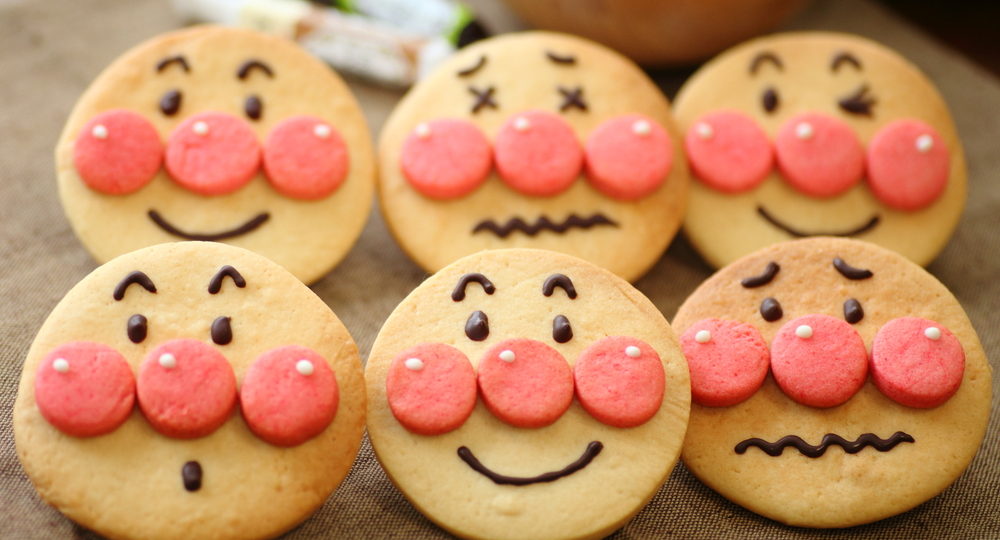
“S oreike! Anpanman,” (Go! Anpanman) was the first movie (1989) from the Anpanman anime series which has been broadcast on TV since 1988. This summer, the 23rd Anpanman movie will be released. The TV series, with over 1,000 episodes broadcast, was recognized in the 2009 Guinness World Records for having the highest number of characters in an anime series – the show has featured more than 1,700 characters. Anpanman, one of Japan’s most popular anime characters, appeals to young children, boys and girls alike.
Ninety-two-year-old YANASE Takashi, the creator of Anpanman, experienced food shortages during the Second World War; as a result, Anpanman lets hungry people bite off part of his head which is made of anpan (bread with sweet bean paste). When most of his head has been eaten, Anpanman can regain his strength by having his father, Jam Ojisan, bake him another anpan head.
A spaceship that has been struck by lightning crashes into the forest and Anpanman gets Jam Ojisan to fix a broken robot he has found inside. The robot, which calls itself Marude Hender, says that it has come all the way from planet Shining Star with Princess Nanda Nandar in order to recover The Tear of the Shining Star jewel stolen by the evil King Doronko. The jewel has magical powers: it will bring peace if someone with a pure heart possesses it, but it will bring darkness to the world if it falls into the hands of an evil person.
With his friends Currypanman and Shokupanman, Anpanman goes to look for The Tear of the Shining Star. Along the way they rescue Princess Nanda, who’s being held captive on Baikin UFO, Baikinman’s ship. Anpanman rips some anpan off part of his head to give to the hungry Princess Nanda. She hasn’t eaten anpan before and is grateful for Anpanman’s kindness.
Anpanman and his friends find the giant evil King Doronko. But the king, who is protected by the jewel’s power, is so formidable that they don’t stand a chance against him. However, Jam Ojisan arrives on Anpanman-go (a car made in the shape of Anpanman) and shoots flames at Doronko. Finally, Princess Nanda, who has been watching the battle, faces the Evil King Doronko herself, but unfortunately she gets tangled up in his long snake-like arms.
Princess Nanda is moved to tears as Anpanman and his friends continue to fight despite taking a beating from the evil King Doronko. As her tears fall on The Tear of the Shining Star, which is located on the head of the Evil King Doronko, the power of justice flows out of the jewel and the king melts to his death. Having recovered the jewel, Princess Nanda thanks Anpanman and the others and then flies back to planet Shooting Star.
[2011年7月号掲載記事]
それいけ! アンパンマン キラキラ星の涙(永丘昭典 監督)
1988年からテレビ放映されている「それいけ! アンパンマン」シリーズの劇場版映画第1作目(1989年)。この夏には23作目が上映される。テレビ版は2009年、放映回数が1,000回を超え、1,700以上のキャラクターが登場する「最もキャラクターの多いアニメシリーズ」としてギネス世界記録に認定された。男女問わず、子どもが最初に親しむアニメキャラクターの1つとしても人気がある。
現在92歳の原作者やなせたかしは、戦争を通じて食料のない時代を経験していることから、アンパンマンはお腹をすかせた人たちにあんぱんで出来ている自分の頭をちぎって食べさせるという設定である。頭の欠けたアンパンマンは、生みの親であるジャムおじさんに新しい頭となるあんぱんを焼いてもらうことで復活する。
アンパンマンは、雷に打たれて森に落ちた宇宙船から壊れたロボットを見つけ、ジャムおじさんに修理してもらう。ロボットはマルデ・ヘンダーと名乗り、ドロンコ魔王に奪われた宝石、キラキラの涙を取り返すため、ナンダ・ナンダー姫と共にキラキラ星からやって来たという。宝石には不思議な力があり、心のきれいな者が持てば平和が訪れ、悪者が手にすれば暗黒の世界が広がるという。
アンパンマンは、仲間のカレーパンマンやしょくぱんまんたちとキラキラの涙を探しに向かう。途中で、ばいきんまんの乗るバイキンUFOにとらわれたナンダ姫を見つけ、救出する。そして、アンパンマンは空腹のナンダ姫に自分の頭からあんぱんをもぎとって食べさせる。ナンダ姫は初めて食べるあんぱんの味とアンパンマンの優しさに感謝する。
やがて、アンパンマンたちは巨大なドロンコ魔王を見つけ出す。だがドロンコ魔王は宝石の力に守られていて手強く、まるで歯が立たない。ジャムおじさんもアンパンマン号を操縦し、ドロンコ魔王に炎を噴射する。ついに、戦いを見守っていたナンダ姫は自ら立ち向かうが、ドロンコ魔王の蛇のように長い手にからめとられてしまう。
ナンダ姫は、ドロンコ魔王に打ちのめされながらも挑み続けるアンパンマンたちの姿に心を打たれ、涙を流す。そしてその涙が、ドロンコ魔王の頭に置かれたキラキラの涙の上に落ちると、宝石から正義の力が放たれ、ドロンコ魔王は溶けて死んでしまう。宝石を取り戻したナンダ姫は、アンパンマンたちに感謝を告げると、キラキラ星に帰って行く。
-

[From June Issue 2011]

Annually, the publisher Jiyu-Kokumin-Sha selects its popular word of the year and awards the “You-Can New Word/Popular Word Grand Prix” prize to the individual or organization that coined it. For 2010 the winner is, “joshi-kai” (girl gatherings) which refers to parties or leisure gatherings for women only.
The “Monte Roza” chain of izakaya (Japanese pubs) helped to popularize the word by creating a special, women-only party menu called “Wara Wara Joshi-kai All-You-Can-Eat-and-Drink Plan” that was launched in November, 2009 at one of their Wara Wara pubs. KAWABE Sunao, a member of the company’s administration department, says that, “On average, some 50,000 customers per month order the joshi-kai plan at about 370 Wara Wara pubs. And at some izakaya, 80% of all week-end parties are for women only.”
In Japan, there’s a misconception that izakaya are only for men. “As a matter of fact, we still get more male patrons,” says Kawabe. “But the number of females and women-only parties began to increase several years ago with more parties for female work colleagues and leisure gatherings of housewives. We noticed that there weren’t many of those happening considering the economic power of women today. So we had the idea of creating a menu specifically for them,” he adds.
The word “joshi” means young girls, but also refers to a women involved in sports, such as joshi soccer or joshi singles. “We thought ‘joshi’ was a more inspired word than ‘josei.’ That’s how we settled on the name ‘joshi-kai.’ Taking into account Japanese women’s social nature, we offer them more time to enjoy chatting. We also try to emphasize our desserts,” Kawabe explains.
With the success of “joshi-kai,” many women have started going to izakaya without worry. And, more and more of them are also taking their kids along. They’ve realized that an izakaya’s private room with its tatami or straw mats is a good place for children to play or sleep. This new fad is being called “izakaya Mom parties.”
The word “yama girl” (mountain girl) was initially used in fashion and other similar magazines circa 2009. It refers to women who mountain-climb wearing fashionable outdoor outfits as well as to those who just enjoy wearing that clothing. “Mountain climbers used to be mostly middle aged and male,” says YAMAGISHI Yuko, business manager at Sakaiya Sports. “Then, around 2006 we started getting more female customers.”
“It’s probably because some nearby mountains have become popular with beginner climbers, such as Yakushima’s world heritage site and Mt. Fuji during the summer,” analyzes Yamagishi. “Also, manufacturers started designing more stylish clothing such as mountain climbing skirts (which are worn with tights or leggings). And that’s how the mountain girl boom started.”
“Most mountain girls like to climb for fun, with ease and in style. They climb only with other women, to enjoy lunch, some chatting and to take beautiful pictures. They are mostly single and in their 20s and 30s,” says Yamagishi. “It seems that they do little day-to-day training. One day, one of them even asked me if sneakers would do, so I told her it would be risky.”
That said, these days more mountain girls do have full climbing gear and can also read maps, impressing Yamagishi with their ability to be “active and strong.” “Most of them have jobs like men. So even if they are told it’s a male pastime, they still give it a try as long as they think it could be fun. Once they take a liking to the mountains, they get better and better as they learn and vigorously train. Their outfits are quite expensive, so they also want to wear them out on the town. They have that practical side to them,” she admits.
Photography is yet another popular pastime among women these days. Called “camera girls,” finding a female who can use a complex camera isn’t that rare anymore. “It used to be that those who bought high functionality cameras were mostly men. Women only bought them if they were professional photographers,” says MATSUDA Haru of the “camera girl” department at Biccamera Inc. “The number of female customers has really shot up. There are all kinds of women, from students to company employees to housewives, with the largest age group falling in their 20s to late 30s.”
“Most women today have a compact camera,” adds Matsuda. “Having a camera hung around their neck has caught on. And since mobile phones come with cameras, taking photos has become part of their daily lives.”
“There are many reasons why women graduate from using a compact camera to an SLR. Some want to take more beautiful pictures of their children while others want to put photos on their blogs. There’s also an influence from entertainers who use SLRs. Besides, manufacturers have stylized cameras, and thanks to technological advances, they offer SLR cameras which are not too heavy for women to use. I definitely think that’s another factor,” she explains.
“Generally speaking, male customers long for big, heavy, black cameras with lots of functions while ladies prefer cute, easy-to-use, lighter ones. For “camera girls,” the camera is partly a fashion statement. More stylish camera bags and straps are more available now than ever before. “Camera girls” enjoy coordinating them beautifully with their clothes. Besides, regardless of their age, women adore cute things. And, it’s become much easier to find information about items they’re interested in via the Internet, so I think those factors are also behind women’s current, brisk spending sprees.”
In Japan, women are participating in more and more areas that were once considered male-dominated. This social movement is greatly influencing pastimes across the country. Their source of trend-setting power seems to stem from their insatiable curiosity and a genuine keenness to try anything that’s fun.
Monteroza Inc.
Sakaiya Sports
Biccamera Inc.Text: SAZAKI Ryo
[2011年6月号掲載記事]
出版社、自由国民社が選ぶ「ユーキャン新語・流行語大賞」という賞は、毎年はやった言葉や、その言葉に関係した人・団体に贈られます。2010年には「女子会」ということばが選ばれました。これは女性だけで集まって宴会をしたり趣味を楽しんだりする会を意味します。
このことばは、居酒屋チェーン「モンテローザ」が広めました。女性だけの宴会メニューをつくり、「わらわら女子会食べ飲み放題プラン」と名づけて2009年11月から同社の居酒屋の一つ「笑笑」で始めたのです。「全国370店の笑笑で、月に平均約5万人のお客様が女子会プランを利用されます」と、総務部の河邉直さんは話します。「店によっては、週末の宴会の8割が女子会だったりしますよ」。
日本の居酒屋には、男性が行くところというイメージがあります。「実際、お客様は今も男性の方が多いです」と河邉さんは言います。「しかし数年前から、女性のお客様や、女性だけの宴会も増えてきていました。職場の女性の集まりや、主婦の方の趣味の集まりなどです。それでも最近の女性のパワーを考えたら、まだまだ少ないと思いました。それで女性だけの宴会を考えたのです」。
「女子」ということばには、女の子という意味もありますが、スポーツの世界では大人の女性も意味します。例えば「女子サッカー」「女子シングルス」というぐあいです。「ですから、女性ということばより、女子ということばの方が力強いと感じました。それで女子会という名前に決めたのです。女性の好みを考えて、おしゃべりが楽しめるように時間を長く設定したり、デザートを充実させたりしています」。
女子会のブームによって、多くの女性が気がねなく居酒屋へ行くようになりました。すると今度は、子どもを連れて居酒屋へ行く女性が増えてきました。居酒屋は個室や畳の部屋が多く、子どもを寝かせたり遊ばせたりするのに向いていると、女性たちが気づいたからです。今、それは「居酒屋ママ会」という新しい流行になりつつあります。
2009年、ファッション雑誌などで「山ガール」ということばが使われるようになりました。おしゃれな登山ウェアで山登りをしたり、登山ウェア風のファッションをしたりする女性を指すことばです。「以前、登山愛好家のほとんどは中高年の方や男性でした」と「さかいやスポーツ」の営業主任、山岸裕子さんは話します。「それが2006年頃から女性の来店が増えてきたのです」。
「たぶん世界遺産に登録された屋久島や夏の富士山など、初心者にとって敷居の低い登山がはやったせいだと思います」と山岸さんは分析します。「メーカーの方も山スカート(タイツやレギンスと組み合わせてはく山用のスカート)など、おしゃれなウェアを作るようになりました。それで山ガール・ブームが起きたんですよ」。
「山ガールには、楽しく楽におしゃれに登山をしたい、女性だけで山に登ってランチやおしゃべりを楽しんだり、きれいな写真を撮ったりしたい、という方が多い気がします。20代、30代の独身の方が中心ですね」と山岸さん。「毎日のトレーニングなどは、あまりしないようです。スニーカーじゃだめですか?と尋ねる方に、危険ですとお話ししたこともあります」。
しかし最近は、登山用品をそろえ、地図を読みこなして登山する山ガールもいます。「アクティブでたくましいですね」と山岸さんは感心します。「たいていの方は男性と同じように仕事を持っています。だから男性の趣味だと言われても、おもしろいと思えばやってみるんです。一度登山を好きになると勉強や準備も積極的にするので、どんどん上達していきますね。一方で、けっこう高価な服だから街でも着たいという、しっかりした面もあるんです」。
写真も、最近女性の愛好者が増えている趣味のひとつです。高機能のカメラを使う女性もめずらしくありません。彼女たちは「カメラ女子」と呼ばれています。「以前、高機能のカメラを買う方は男性が多かったです。女性はプロのカメラマンの方くらいでした」と、株式会社ビックカメラ、カメラ女子部の松田春さんは話します。「今は女性のお客様がほんとうに増えました。大学生から会社員、主婦の方とさまざまです。年齢層で厚いのは、20代から30代後半ですね」。
「今の女性たちはたいてい、コンパクトカメラを持っています」と松田さんは言います。「カメラを首から下げることもはやりました。携帯電話にもカメラ機能がついていますし、写真を撮ることが生活の一部になっているんで
すよ」。「女性たちがコンパクトカメラでなく、一眼レフカメラを持つようになる理由はたくさんあります。子どもの写真をもっときれいに撮りたいという方もいますし、ブログにのせたいという方もいます。芸能人で、一眼レフカメラを使っている方の影響もあると思います。それにメーカーが女性向けの、おしゃれなカメラを売りだしたこと、技術の進歩であまり重くない一眼レフカメラが発売されたことなども関係があると思います」。
「大ざっぱに言うと、男性のお客様は、大きくて重くて黒くて多機能のカメラにあこがれますが、女性のお客さまはかわいくて簡単で軽いカメラを好みますね。カメラ女子にとって、カメラはファッションの一部でもあるんです。バッグやストラップもおしゃれなものが増えたので、きれいにコーディネートされていますよ。何歳になっても女性はかわいいものが好きだということ、ネットなどで気になる物の情報を簡単に手に入れられるようになったこと、それが女性の消費が活発な背景かなと思います」。
女性向きではないと考えられてきた世界に、今、日本の女性たちはどんどん進出しています。そしてその動きは日本全国の流行を動かすようになっています。彼女たちの原動力は、おうせいな好奇心と、おもしろいものならやってみようという積極性であるようです。
株式会社モンテローザ
さかいやスポーツ
株式会社ビックカメラ文:砂崎 良
-
[From June Issue 2011]
In recent years, sushi roll art and design has become popular in Japan. Upon slicing through an uncut sushi roll, you may find in the cross section images of animals or popular Japanese animation characters. It’s said that these beautiful and fun-to-eat sushi rolls are greatly appreciated at celebrations and parties.
AOKI Mizue is the director of the Sakura Sushi School and teaches sushi rolling and fish slicing techniques to people at home around Tokyo and across Japan. About three years ago, she introduced these artfully designed sushi rolls as part of her lessons, which she now gives to many students, mostly women, but increasingly to tourists as well. It helps that she can draw on the English language skills she acquired while living abroad.
One of her students, GOTO Takako, took her friend UKON Ryohei to his first Saturday lesson where the three themes were: the popular Japanese animated character Anpanman, the newly arrived and much anticipated Ueno Zoo pandas, and their favorite food of bamboo leaves. On that day, a smiling Aoki told her students that, “these are difficult themes, but don’t worry. I’ll go slowly, one by one.”
The training begins after everyone introduces themselves and the lesson objectives are explained. The students then start to work with the ingredients Aoki has prepared for them. Dried gourd shavings are usually used for the eyes and mouths while fish sausages are used for noses. Aoki’s assistants are there to help, but the students are encouraged to slice and arrange the ingredients themselves. Photos are taken at different intervals so that students have images to refer to when they try again at home.
About three hours later and their sushi was ready. Goto remarked that she was happy to have succeeded in making Anpanman, her favorite of the day’s three themes. And even though Ukon is a good enough cook to host house parties, he also remarked that, “You really can’t do this without taking lessons.” In designing sushi rolls, he enjoyed the creative side that isn’t easily found when making dishes where seasoning and adjusting the heat are the main tasks. Here, students can also take their sushi home.
The Tokyo Sushi Academy, where students are trained to become professional sushi chefs, offers courses that technically qualify people to design sushi rolls. The easiest 3rd degree is for the one-day course in which beginners create three types of designed sushi rolls. The intermediate 2nd degree is more difficult in which students must master 12 different designs in two days. The professional 1st degree, which you can only attempt after passing the intermediate level, is a two-day course where you learn seven different types of intricate sushi roll design as well as basic skills including vinegar rice preparation.
Upon completion of each course the students receive a Japan Sushi Instructors Association certificate. They can then use what they have learned for international cultural exchanges or to earn some extra money on the side. Additionally, the Academy also offers courses for non-Japanese chefs individually or as restaurant administrators.
KAWASUMI Ken, the Academy’s chief instructor and an authority on sushi roll design, says, “Whether Japanese or foreign, many people learn Japanese culture and spirit through sushi making lessons. And many of those who leave Japan are happy they received our Academy’s certificate. We also provide business support to our graduates.”
Sakura Sushi School
Tokyo Sushi Academy[2011年6月号掲載記事]
近年、飾り巻き寿司作りが人気を呼んでいます。棒状の巻き寿司を切ると、断面に動物や人気アニメキャラクターの顔などの絵柄が現れるのです。美しさや楽しさがあり、お祝いの席などで喜ばれているようです。
さくら寿司すくーる代表、青木瑞江さんは、握り寿司や魚のさばき方などのレッスンを、東京都内のマンションや日本各地で行っています。3年ほど前、飾り巻き寿司をレッスンに取り入れました。今では女性を中心に受講生が集まる一方、外国人観光客も増えました。海外生活で学んだ英語をレッスンで活かしています。
ある土曜日のレッスンに、リピーターの後藤貴子さんと、友人で初参加の右近良平さんの2人が出席しました。この日の課題は人気アニメキャラクター、アンパンマンと、上野動物園に新たにやってきて話題になったパンダ、そしてパンダの大好物、笹の葉の3種類です。「難易度は高いですが、一つひとつゆっくり進めますので安心して下さい」と、青木さんは笑顔で2人に話しかけます。
自己紹介とレッスン内容の説明を終えると、実習開始です。事前に青木さんが用意した具材を組み立てていきます。かんぴょうは目や口に、魚肉ソーセージは鼻に使います。アシスタントも手伝いますが、基本は受講生が自ら具材を切って並べていきます。自宅で再現するときのために、ポイントごとに写真を撮ります。
3時間ほどかけて完成。後藤さんは一番作りたかったアンパンマンがうまく出来て嬉しいと喜びました。ホームパーティーを開くほどの料理の腕前を持つ右近さんも「これは習わないとできないですね」と、味付けや火加減がメインの料理とは違う独創性を楽しんでいました。作った飾り巻き寿司は持ち帰ることができます。
寿司職人を養成する東京すしアカデミーでは、飾り巻き寿司技能認定講座を開設しています。3級は、3種類の飾り巻き寿司を作る1日だけの入門講座です。2級は本格的で、2日間の講座で12種類をマスターします。2級を終了すると挑戦できる1級は、2日間の講座で、酢飯の作り方など基本的な知識を含め高度な巻き寿司7種類を覚えます。
各級を終了すると、寿司インストラクター協会から認定証が発行されます。国際交流に役立てたい、副収入を得たいという人などが学んでいます。また、飾り巻き寿司以外にも、同アカデミーでは外国人シェフを対象に個人向けからレストラン経営者向けまで、あらゆる講座を用意しています。
同アカデミー主任講師で、飾り巻き寿司の第一人者の川澄健さんは「日本人も外国人も寿司の講座を通して日本の文化や精神を学ぶ方が多いようです。また、当校で発行される証書を手にしてハッピーな気持ちで帰国される方が多いです。私たちは卒業された方たちのビジネスサポートも行っています」と話します。
-
[From June Issue 2011]
Vehicles made by Japanese car manufacturers are not only used in Japan but also elsewhere around the world. This is because their technology is highly
valued.In 2010, Fuji Heavy Industries Ltd. launched its “EyeSight Ver.2,” an innovative driver-assist system for collision prevention. It helps prevent crashes or reduces crash damage by using an automatic braking system that determines whether a collision is highly likely, either with the vehicle in front or with other obstacles, including pedestrians. Two car-mounted cameras monitor the road ahead while a computer analyzes the images to calculate the distance from obstacles or pedestrians.
The EyeSight Ver.2 system applies the brakes when a driver starting his car steps on the accelerator without realizing there’s an obstacle there. It also helps prevent accidents when a driver shifts into the wrong gear or when he mistakes the accelerator for the brake. The system can further detect a car’s drifting and can trigger an alarm if the driver dozes off. It also has the ability to compute the preceding car’s direction and speed so that your car can automatically follow it. With this kind of assistance, driving becomes easier and safer in a traffic jam.
SEKIGUCHI Mamoru, who manages the Electronics Engineering Department, says that “To protect people’s safety, we’ve been developing camera-based driving systems for about twenty years. We’ve had a hard time designing one that gives priority to the driver’s maneuvers so that he won’t be overly-dependant on the system.”
Morita Corporation is a fire truck manufacturer with the largest market share in Japan. One of its fire trucks, the “Miracle CAFS car,” is equipped with a device called CAFS (Compressed Air Foam System). This system mixes together water with a fire extinguishing chemical and compressed air.
As the surface area of the water increases, the CAFS puts out fires more efficiently. Six hundred liters of water with roughly two liters of fire extinguishing chemical can do the work of six tons of water. The system not only extinguishes fires more quickly, but also prevents the soaking of neighboring houses in crowded areas because less water is used.
“Fire trucks are like moving tool boxes,” says KAWAHIGASHI Homare, one assistant manager of the Designing Section. “They are equipped not only with water pumps but also with all kinds of tools to deal with different situations at disaster sites. It was very difficult to accommodate tools for regular fire trucks along with the CAFS in the smaller Japanese models.”
“Fire fighters are the ones who work at disaster sites risking their lives. We only make tools for them. We’ve developed this new fire truck in the hope of helping those fire fighters, any way it can,” adds KUMASHIRO Hitoshi, another assistant manager in the same section. “I was overjoyed when one fire fighter told me he put out a fire in a matter of seconds.”
So, it seems that there is at least one thing those involved in automobile manufacturing have in common – the wish to protect people’s safety.
Fuji Heavy Industries Ltd.
Morita CorporationText: SAZAKI Ryo
[2011年6月号掲載記事]
日本の自動車メーカーがつくった車は、日本だけでなくたくさんの国で使用されています。その技術が高く評価されているからです。
富士重工業株式会社は2010年「EyeSight Ver.2」を売り出しました。これは、衝突事故を防ぐ機能をもつ、画期的な運転支援システムです。前方の車や歩行者などの障害物と衝突する可能性が高いとEyeSightが判断したときに、システムが自動でブレーキをかけて衝突を回避または衝突被害の軽減をします。車に載せられた2つのカメラで前方を撮影し、その映像をコンピューターで判断して、前にある物や人との距離を判断するからです。
また発車のとき、前に物があるのにドライバーがアクセルを踏むと、Eye Sight Ver.2がブレーキをかけます。ですからシフトを入れ間違えた場合や、アクセルペダルをブレーキペダルと踏み間違った場合の事故を防ぐことができます。ドライバーがいねむりしたときに車のふらつきをEyeSight Ver.2が感じとってアラームを鳴らしたりもします。そのほか、前を走る車の速さや方向を判断して、それに合わせてついていく機能もあります。この機能を使うと、渋滞のときドライバーはより楽に、より安全に運転することができます。
「人の安全を守りたいと思って、約20年前からカメラを使った運転システムを開発し続けてきました」と電子商品設計部主査、関口守さんは言います。「このシステムに頼りすぎず、ドライバーの操作が優先されるように設計するのに苦労しました」。
株式会社モリタは消防車メーカーとして日本のトップシェアを占めている会社です。この会社が開発した消防車の1つ、「Miracle CAFS Car」には、CAFSという装置がついています。これは水と、火を消す薬剤を混ぜ合わせたものに、圧力をかけた空気を送り込んで泡立てるシステムです。
水の表面積を広げることができるので、効率よく消火することができます。600リットルの水と約2リットルの消火剤で、6トンの水と同じくらいの効果が出せるのです。それに、早く消せるだけではありません。使う水の量が少ないので、家がたくさんある場所で火事があっても、まわりの家を水びたしにせず消火できるの
です。「消防車は走るお道具箱のようなものです」と同社一般車設計課係長の川東誉さんは言います。「水ポンプだけでなく、災害現場でのさまざまな状況に対応できるよう、いろいろな道具が載せられています。日本の小さな消防車にCAFSを組み込んで、さらに一般的な消防車がもっている道具も積めるようまとめるのは、とても大変でした」。
「災害現場で命がけで働くのは消防士のみなさんです。私たちがつくっているのはその道具にすぎません。消防士のみなさんの少しの助けになりたいという強い思いで、この新しい消防車を開発しました」と同課係長の神代斉さんも言います。「『火事のとき、あっという間に消火できた』と消防士の方に言われたときは、とてもうれしかったです」。
自動車をつくっている人たちに共通するのは、「人の安全を守りたい」という気持ちであるようです。
文:砂崎 良
-
[From June Issue 2011]

Nagasaki City is located in the south-western end of Japan’s main island. During the Edo Period and through the port of “Dejima,” it was the gateway to Japan and greatly influenced by both European and Chinese cultures. Its numerous remaining historical buildings help create its unique city landscape, and as one of only two cities to have ever suffered from a thermonuclear attack, Nagasaki became a city of peace – one that strongly communicates its anti-war message to the international community.
With a moderate climate, Japanese medlar fruit and potatoes are some of the area’s major agricultural harvests, while fishing is also a staple in this city surrounded by the sea. Nagasaki is also where Portugese Castella (sponge cake) and Chinese Champon (noodles) were nationally introduced. Both are popular across Japan and many tourists to the area enjoy eating these authentic delicacies while traveling or purchasing them as souvenirs.
“Saruku” means “to wander about” in the Nagasaki dialect, and in recent years, “Nagasaki Saruku” has become a popular activity among both tourists and the locals. A special booklet helps guide sightseers around Nagasaki’s landmarks, of which one of the most popular is the city tram sightseeing tour. With a flat rate of 120 yen for adults and 60 yen for children it is a fun and easy way to get around.
To take the train, first go to Oura Tenshudo Shita station located in Nagasaki City’s southern end. The Oura Tenshudo Catholic Church is Japan’s oldest wooden cathedral, built by Japanese in 1864 to commemorate the martyrdom of 26 saints. Its beautiful Medieval European gothic architecture and stained glass is breathtaking. Oura Tenshudo was designated a National Treasure in 1933, and was additionally included, along with the “Site of the Martyrdom of the 26 Saints” on the UNESCO World Heritage Provisional List under the category of “Christian Heritage and the Christian Churches of Nagasaki.”
The “Site of the Martyrdom of the 26 Saints” is located near Nishizaka-machi, close to JR Nagasaki Station. In 1597, six foreign missionaries and 20 Japanese Christians who all practiced their faith despite its strict ban throughout Japan, were captured and executed on Nishizaka Hill where currently, bronze, life-sized memorial statues of the saints now stand.
Adjacent to Oura Tenshudo stretches the Glover Gardens where beautiful flowers bloom throughout the year. Thomas GLOVER was a Scottish merchant who played an integral role in Japan just after the nation’s isolation from the rest of the world ended. Six foreign residencies are located in the area, including the Glover Mansion, of which the first gated entry can be reached from Oura Tenshudo Shita station. Alternately, visitors can take the long, outdoor Glover Sky Road escalator to reach the gardens by taking the second gate just beside Ishibashi station.
Dejima Island (or Exit Island) is manmade in the shape of a fan. During the Edo Period, Japan’s national isolationist policy enforced a ban on Christianity everywhere except for this area, which at the time, was the country’s only international port where trade with the Dutch and several other countries took place. Furthermore, the Dutch were permitted to live and take part in daily life on Dejima. Today, after much restoration, an island resource center has finally been established.
Taking a 7-minute tram ride from Dejima you’ll arrive at Shokakuji-shita, where Sofukuji Temple, Japan’s oldest Chinese-style temple, is located. Built in 1629 by Chinese nationals living in Nagasaki, of the 21 cultural assets located within, the Daiyuu-houden (main hall) and Daiippou-mon (first gate) have both been designated as National Treasures.
Just a 10-minute walk from Sofukuji Temple is Megane-bashi (the Spectacles Bridge), which crosses the Nakashima River. It received the nickname “Spectacles Bridge” because its two stone arches and their reflection in the water below create the image of a pair of reading glasses. Seventeen bridges of many shapes and sized cross the Nakashima River, were all built by Buddhist monks and merchants who flourished during Japan’s isolation. Appreciating the views of these stone bridges along the riverbank can help conjure up what Nagasaki must have been like back then.
On August 9, 1945, an atomic bomb was dropped on the city of Nagasaki. Now, the Nagasaki Atomic Bomb Museum by the Hamaguchi-machi is just a tram ride away from Kokaido-mae, near Megane Bashi. There, many photos and exhibits show the timeline of events that lead up to the atomic bombing and the resulting devastation. Here, visitors can get better understanding of the real threat of nuclear weapons while deeply contemplating peace on earth.
Just an 8-minute walk from the Nagasaki Atomic Bomb Museum is Peace Park. On its north side stands Peace Statue which symbolizes Nagasaki as a peaceful city. The statue further represents the strong hopes for global peace, as well as to remember the victims. Annually, on August 9th, the day of the bombing, a memorial ceremony is held during which a declaration for peace is read just in front of this statue.
In Nagasaki, the best spot to enjoy a night view of the city is atop Inasayama, a 333-meter high mountain located in the city’s west end. Its panoramic view from the mountain-top observatory is said to be one of Japan’s three most beautiful “night views worth 10 million dollars.” A free, 30-minute shuttle bus runs to Inasayama from both JR Nagasaki Station and central Nagasaki. Transfer to the Nagasaki Ropeway and enjoy the sky view while ascending to the mountain top.
Hashima (a.k.a. Gunkan-jima or Battleship Island), is nationally acclaimed and located just off the coast of Nagasaki City. While uninhabited today, it was once a bustling coal mining facility and was nicknamed “Gunkan-jima” because its unique buildings resembled battleships. It has also drawn attention for its historical value. In 2009 it was added to the World Heritage Provisional List, which further increased its popularity, resulting in various tours around or directly on to its shores.
Access by air from Tokyo to Nagasaki takes approximately 2 hours from Haneda to Nagasaki Airport. By train, take the JR Shinkansen from Tokyo to Hakata (Kyushu), then transfer to the Kamome Express. Total travel time will be approximately 8 hours.
Photos courtesy by Nagasaki City
Text: KOMIYAMA Ranko
[2011年6月号掲載記事]
長崎市は、日本本土の南西の端に位置しています。江戸時代は国内唯一の貿易港「出島」があったため、日本の玄関口としてヨーロッパや中国の文化の影響を大きく受けました。今も残る多くの歴史建造物が独特な街並みを作っています。さらに、原爆投下を体験した都市として、各国に強い反戦のメッセージを発信し続けている世界的な平和都市でもあります。
気候は温暖で、農産物ではビワやジャガイモなどが多く収穫されます。海に囲まれていることから漁業も盛んです。また、ポルトガルから伝わった洋菓子、カステラや、中国料理をもとにした麺料理、ちゃんぽんの国内発祥の地です。これらは全国的にも大変人気があり、たくさんの観光客が長崎で本場の味を楽しみ、お土産としても買い求めていきます。
近年、観光客や市民の間で「長崎さるく」という催しが注目されています。さるくは長崎弁でぶらぶら歩くという意味。特製地図を片手に、名所を歩いて巡りながら長崎の魅力を味わうことができます。また、最もポピュラーなのは路面電車での観光です。どこまで乗っても大人120円、子ども60円と低料金です。
電車を利用するなら、まず、長崎市の南にある「大浦天主堂下」を目指してみましょう。「大浦天主堂」は、長崎で殉教した26聖人のため1864年に建てられた日本最古の木造教会。中世ヨーロッパのゴシック調建築やステンドグラスの美しさに息をのむほどです。1933年に国宝の指定を受けました。また、二十六聖人殉教地とともに世界遺産暫定リストに掲載された「長崎の教会群とキリスト教関連遺産」の一つでもあります。
「日本二十六聖人殉教地」は、JR長崎駅近くの西坂町にあります。1597年、当時の日本では固く禁止されていたキリスト教の信仰を貫いたことにより、外国人宣教師6人と日本人信徒20人が捕らえられ、この西坂の丘で処刑されたのです。現在、この地には聖人等身大のブロンズをはめ込んだ記念碑がたっています。
大浦天主堂の隣、港が見渡せる広い敷地にグラバー園が広がり、四季を通じて美しい花々が咲いています。トーマス・グラバーは、開国後の日本で活躍したスコットランド出身の商人。このグラバーの邸宅をはじめ6つの洋館が立ち並んでいます。第1ゲートは「大浦天主堂下」下車。「石橋」からの第2ゲートでは、「グラバースカイロード」という屋外の長いエスカレーターを楽しみながら入園できます。
出島は扇形をした人工の島。キリスト教の布教禁止をはじめ、外国との交流を制限する鎖国政策が行われていた江戸時代、国内で唯一海外に開かれた港で、主にオランダとの貿易が行われていました。この島の中ではオランダ人の居住や公の活動が許されていました。何度もの工事を経て当時の形が復元され、現在は資料館も造られています。
出島から7分ほど電車に乗り、「正覚寺下」で降りると日本最古の中国様式の寺院、「崇福寺」があります。1629年、長崎に住んでいた中国人たちによって建てられたもので、21の文化財があり、そのうち本堂(大雄宝殿)と門(第一峰門)は国宝に指定されています。
崇福寺を出て10分歩くと、中島川に架かる「眼鏡橋」が見えてきます。「石造り二連アーチ橋」で、川の水に映った姿が眼鏡のように見えます。中島川には眼鏡橋の他にも17基もの石橋があります。これらは、鎖国時代に栄えた商人や僧侶によって架けられたものです。石橋が連続する風景からは、古い長崎の雰囲気を感じることができます。
1945年8月9日、長崎市に原子爆弾が投下されました。眼鏡橋の近くの「公会堂前」から「浜口町」に向かうと、長崎原爆資料館があります。資料館では、多くの写真や展示物によって、原爆投下までの流れや被爆直後の市内の様子などを知ることができます。核兵器の脅威に向き合い、平和について深く想いを巡らすことができるでしょう。
長崎原爆資料館から徒歩8分で、「平和公園」に着きます。この公園の北側には、平和都市・長崎のシンボルとして有名な「平和祈念像」がそびえています。平和祈念像には、平和への願いと原爆犠牲者への祈りが強く込められているのです。原爆が投下された8月9日には毎年平和記念式典が行われ、この像の前で全世界へ向けて平和宣言が発表されています。
夜の市内観光で最もお勧めのスポットは「稲佐山」という、市街地の西に位置する標高333メートルの山です。山頂の展望台からの美しいパノラマは、「1,000万ドルの夜景」といわれる日本三大夜景の一つです。JR長崎駅前など市内中心部から稲佐山までを循環する無料バスが運行しており、所要時間は約30分。バスを降りると長崎ロープウェイに乗り換え、空中からの眺めを楽しみながら山頂を目指すことができます。
長崎市沖に浮かぶ「端島」、通称「軍艦島」も、全国的に有名な場所です。現在は無人島ですが、昔は炭鉱として大変栄えた島で、軍艦が浮いているような独特の姿や歴史的な存在価値などから注目を集めてきました。2009年に世界遺産暫定リスト入りを果たし、さらに人気が高まりました。観光の際は、島の周りを周遊するものから上陸コースまで、様々な楽しみ方ができます。
東京から長崎へのアクセスは、飛行機を利用した場合、羽田空港発、長崎空港着の約2時間。JRでは、東京から新幹線で九州・博多まで行き、博多駅で特急かもめ号に乗り継ぎます。所要時間は約8時間です。
文:小宮山蘭子
-
[From June Issue 2011]

katakana
Opened in October 2010 and located in Jiyugaoka, Setagaya Ward, Tokyo, “katakana” is the name of a “souvenir shop that sells everything cool from across Japan.” “We call it a souvenir shop because we want our customers to shop lightheartedly for their friends and for themselves, even if it’s for something simple like a pen,” explains KAWANO Junichi, a store representative, who adds that katakana is really more of a sundries shop that offers quality Japanese items than it is a real souvenir shop.
The shop was named katakana after a part of Japan’s mixed writing system. The connection is that katakana is “a type of character made by arranging existing kanji, which originally came from China,” and which symbolizes the modern Japanese lifestyle of continuously adopting parts of other, foreign cultures. In fact, every item the shop sells is something used daily in Japan. However, katakana forgoes stocking other typical stylish Japanese sundry items such as washi (high quality Japanese paper) and traditional lacquer ware.
On display are items ranging from a 60-yen erasers to jackets costing tens of thousands of yen. Kawano chose each store item himself using the simple criteria of, “Is it worth the price?” and “Will it still be usable after ten years?” Having previously worked in the apparel industry, he doubted the tendency to quickly rotate items at low prices just to follow seasonal trends. So instead, at katakana he decided to have stock that carried “constant value,” choosing items with importance, at reasonable prices and with enduring design appeal.
Of course, they do also sell traditional crafts, but only on the condition that such items fit with modern Japanese life and can be comfortably used. For instance, Kawano stocks “mage-wappa,” an old-style lunch box made by bending thin cedar boards from trees grown in Akita Prefecture, because of the good taste it brings to rice once placed inside. Although rather expensively priced at 9,450 yen, he decided to sell it because he judged its overall value to be worth it.
The shop doesn’t overtly advertise selling items “collected from around Japan,” but Kawano says that “I would be thoroughly glad if our customers just think that our shop is selling attractive items.” He adds, “If they happen to notice that everything is conceptualized here and end up feeling that Japanese goods are of quality, then that’s fine too.”
Items sold at the shop are also well-received by non-Japanese who are looking for quality indigenous goods. Although Kawano has ideas about opening shops overseas sometime in the future, his first goal is to make katakana the hub of Japan’s sundries community. With Tokyo being the city where most people from around Japan gather, he wants to use his advantageous location to fulfill his dream of “Making our shop a place where people from around the country can introduce their local items, a place where good things from around Japan meet.”
Text: ICHIMURA Masayo
[2011年6月号掲載記事]
カタカナ
「カタカナ」は2010年10月に「日本のかっこいいを集めたおみやげ屋さん」として自由が丘(東京都世田谷区)に誕生しました。「おみやげ屋さんとしたのは、おみやげのようにペン1本からでも気軽に友達や自分へのプレゼントとして買ってもらいたいからです」と語るのは代表の河野純一さん。ここはみやげ物店ではなく、良質な日本の雑貨を集めたお店です。
店名は日本語のカタカナからとりました。「中国から伝わった漢字をアレンジして作り出した文字」つまり「カタカナ」が、海外の文化を取り入れて成立している現代日本の生活スタイルを象徴していると考えたからです。実際、店内にあるのはいまの日本人が日常的に使っている品ばかり。「日本の雑貨」から連想されるような、和紙や漆を使った和風の物はほとんどありません。
お店には60円の消しゴムから数万円のジャケットまでさまざまな品が並びます。そのいずれも河野さんが「値段はその商品に見合っているか」「10年後も使えるか」を基準に選んだものです。河野さんはもともとアパレル業界で働いていたのですが、季節ごとに商品を入れ替えるため、早く、安く商品を回転させることに疑問を抱いていました。そこでカタカナでは「ゆるぎない価値観」で勝負しようと考え、適正価格かどうか、長く使っても飽きないデザインかを重視して商品を選んでいるのです。
使い心地がよく、現代の日本の生活にもなじむものであれば、伝統工芸品も扱っています。たとえば、「曲げわっぱ」という秋田杉の薄い板を曲げて作った昔のお弁当箱は、河野さん自身、ご飯がおいしく食べられることに驚いたもの。9,450円からと値段は少々高めですが、その価値はあると判断して販売しています。
「日本のものを集めた」ということは、実は店内では特に語られていません。「魅力的な商品がある店だと思ってもらえればいいんです。その上で、置いてある商品が日本のものだと気がついたときに、やっぱり日本のものっていい!と思ってもらえれば」と河野さんはそのわけを語ります。
店の商品は、日本の優れた商品を求める外国人客からも人気で、将来的には海外にも店舗を持ちたいと河野さんは考えています。しかし、まずはカタカナを日本の雑貨のコミュニティーの拠点にしたいと思っています。東京には日本全国から人が集まってきています。その地の利を生かして、「地方から来た人が地元の物を紹介し合うような、日本全国のいいものが集まる場にしたい」と望んでいます。
文・市村雅代
-
[From June Issue 2011]
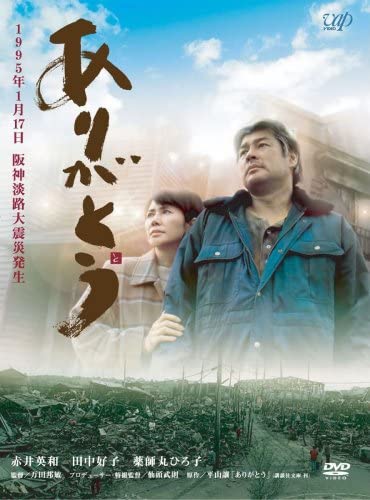
Arigato (Directed by MANDA Kunitoshi)
This feature film is based on real events that took place following the Great Hanshin-Awaji Earthquake of 1995. The story unravels around FURUICHI Tadao, a senior professional golfer, and the strength of his family’s bonds as the city and its people tried to recover from the devastation. The educational value of the film’s subject matter was approved, and it was eventually chosen as one of the Selected Works by, the Japanese Ministry of Education, Culture, Sports, Science and Technology (MEXT). It was first released in 2006.
On January 17 at 5:46 am, a big earthquake rocked Furuichi Cameras, one of the many shops sitting along the Nagata-ku shopping avenue in Kobe, Japan. Furuichi Tadao and his wife and two daughters were fast asleep in the residential part of his shop. Once the severe jolts stopped, Tadao and his wife quickly verified their family’s safety. Meanwhile, the arcade covering the shopping avenue had collapsed, as so too did many shops and houses around them.
The fire that broke out in the distance gradually approached the shopping avenue like sea of flames. Confusion gripped the neighborhood as people just stood there panic-stricken – some pushed others aside while they ran for their lives, while others tried to rescue those desperately in need. Tadao, a member of the local fire fighting squad, instructed his wife and daughters to evacuate while he and his squad members tried to rescue people, pulling them out from beneath the rubble.
At a mass funeral nineteen days later, Tadao proclaimed to everyone in attendance that “The earthquake was no one’s fault. Natural disasters happen. We must rebuild the city to be more disaster-proof. That is what we can do on behalf of all the people who lost their lives.” Tadao then started to help the people rebuild their city.
Two years later, the Furuichi family has resumed their lives in a new house. But rather than work, Tadao continues to help rebuild the neighborhood, while relying on his wife and daughters to support their family. Finally, his wife implores him to “start thinking about ‘restoring’ his family,” after which he shows her one of the only things to have survived the fires – a golf bag. Passionately he tells her, “God left me this for a reason. So now, I’m going to become a professional golfer.”
The professional golf certification exam is extremely competitive. Usually, only 50 out of 1,800 applicants pass, with most of those still in their 20’s. At close to 60, the odds of Tadao turning pro were extremely slim. But he didn’t give up and trained vigorously. His wife tells him that while she doesn’t agree with his decision, neither will she stand in his way. But quietly she keeps watch over him.
Eventually Tadao makes it to the final round. He tells himself to “make a miracle,” as he heads onto the green. At the final hole, a problem occurs as his ball lands in the woods, but taking his caddy’s advice Tadao hits a miraculous shot to fulfill his destiny of becoming a professional golfer. He calls his wife to tell her the good news, but she just dryly replies: “good for you, but our phone bills are expensive, so I’ll hang up now,” after which she quietly starts to cry.
[2011年6月号掲載記事]
ありがとう(万田邦敏 監督)
1995年に発生した阪神淡路大震災から生まれた実話が原作。現在もシニアプロゴルファーとしてツアーに参戦している古市忠夫を中心に、震災から立ち直る人々や街の様子、そして家族のきずななどが描かれている。教育上の価値が認められ、文部科学省選定作品に選ばれた。公開は2006年。
1月17日、午前5時46分。神戸市長田区の商店街にある「古市カメラ」を大きな揺れが襲う。住居も兼ねている店では、主人公の古市忠夫と妻、二人の娘が寝ていた。激しい縦揺れが収まると、忠夫は家族の無事を確認する。商店街のアーケードは崩れ、周りの店や家も倒れている。
遠くの方で上がった火の手が、波のように商店街に押し寄せる。呆然と立ちつくす人、他人を押しのけて逃げ出す人、そして、他人を助け出そうとする人で、商店街は混乱する。消防団員でもある忠夫は妻に娘たちと一緒に避難するよう言い、団員仲間たちと救助に向かう。忠夫たちは崩れた家の下敷きになった人を助け出す。
震災から19日後、犠牲者の合同葬儀が行われる。そこで忠夫は参加者たちに誓う。「地震は誰のせいでもない。天災は必ず起こる。起こっても、耐えられる街をつくらなくては。災害に強い街をつくる。それが、亡くなった人たちへのわしらの務めだ」と。こうして忠夫は、街の人たちと協力して、震災に耐えられる街づくりに取り組む。
やがて震災から2年が経ち、古市家も新居での生活を始めている。しかし、忠夫は仕事をせず街の復興に駆け回るばかりで、生計は妻や娘たちの稼ぎで成り立っている。妻に「この家の『復興』も考えて」と頼まれるが、忠夫は震災で唯一、焼け残ったゴルフバッグを見せる。「神様がこれを自分に残してくれた。自分はプロゴルファーになる」と意気込む。
プロテストは1,800人が受けて50人しか受からないほど難しく、合格者のほとんどが20代の若者だ。間もなく60歳になる忠夫が合格することは不可能に近い。だが、忠夫は地道にトレーニングを続ける。妻も、応援しないと言いながらも反対はせず、夫を静かに見守る。
忠夫は最終テストまで残る。「奇跡を起こせ」と自分に言い聞かせてグリーンに向かう。最終ホールでは林の間にボールが落ちるアクシデントに見舞われるが、キャディーのひと言で奇跡的なショットを放つ。そして、プロテストに合格する。妻に電話で知らせると、「良かったわね。電話代がもったいないから切るわよ」と素っ気ない。しかし、受話器をおいた妻は、静かに涙を流すのだった。
-
[From May Issue 2011]

“That’s the difference in hospitality between Japanese and non-Japanese people, I realized,” says TORIMOTO Masao, the Executive Director of the Kagaya Ryokan, a traditional Japanese inn. “It was when I visited Nishosei Kagaya in Taiwan, the first Kagaya Ryoken that we opened abroad. I was thirsty and waiting for a cup of tea to be served. But the Taiwanese employee didn’t do anything. I called her over and asked, ‘Why haven’t you served me tea.’ And she answered, ‘Please tell me when you’d like some tea. I’ll be happy to make it for you anytime.’”
Located in Ishikawa Prefecture, Kagaya is a hot spring inn almost a century old, with room rates starting at 33,750 yen per person per night. It can accommodate up to 1,400 people a day, it houses a theater, a spa and several souvenir shops, and its staff has the reputation for great hospitality. It has also been chosen No. 1 overall for 31 consecutive years in the Ryoko Shimbun-Shinsha Co., Ltd’s yearly travel agency questionnaire which helps recognize “the best 100 hotels and inns in Japan as selected by industry professionals.”
Kagaya’s room attendants are well-trained to attend to their guests’ individual needs. For example, they eyeball a guest’s height and then prepare just the right-size yukata (a kimono worn when relaxing), or, when a non-Japanese guest is not enjoying sashimi (raw fish) they will bring over a “nabe” pot so those who don’t like eating it raw can cook it like shabushabu (a method of lightly cooking ingredients in boiling stock).
“The important thing in offering quality hospitality is to put yourself in your guest’s shoes,” says Torimoto. “For instance, if I were a guest, I might be thirsty by now. If you keep that in mind when you look at your guest’s facial expressions and gestures, you can get a sense what they really want. It’s a matter of course to serve your guest tea after being asked to. But, you should try to read their minds and serve them before being asked,” he suggests.
Kagaya opened in Taiwan last December. Explains Tomimoto: “For a Taiwanese worker to be hired, they had to have passed the second level of the Japanese Language Proficiency Test. We thought that those who took an interest in learning Japanese would be able to better understand Japanese hospitality. But in reality, it’s just not so. Furthermore, some of our Taiwanese guests think it’s enough for our staff to just do what they are asked to. At times I wonder what to do about it, but my policy remains that we should stick to the Japanese hospitality model.”

There are even some companies that are trying to instill the values of Japanese hospitality into particular countries so that it takes root there, such as the Japanese convenience store chain, FamilyMart. With the third largest share of Japan’s convenience store market, FamilyMart operates 8,248 stores at home and 9,350 stores abroad, as of February 28, 2011.
Japanese convenience stores really are very convenient, with many of them open 24 hours-a-day all year long. Mainly carrying food, drinks and daily necessities, these stores provide small services such as warming o-bento (boxed meals) in microwave ovens and bagging food and daily necessities separately. Moreover, they provide photocopy and fax services, accept utility bill payments, and you can even send and receive packages there, as well as many other convenient services.
“As lifestyles become more varied, customers’ needs become more diversified as well, and as a result, more individualized services will be required,” explains ITO Shiori, a member of public relations department. “There are many convenience stores in Japan today, so customers choose the ones they can most comfortably use. We would like to be known as the one chosen for its better hospitality.”
“Since ours is a company born in Japan, I think we have a sense of hospitality unique to our own country,” says Ito. “We see the customers who come into our stores as guests visiting our homes. For example, some of our stores provide customers with dry towels on rainy days, while others have small shopping carts for children to use.”
Ito continues: “We also respect the local sense of hospitality. So, rather than just offering typical Japanese products as they are, we include local customs and ideas so as to provide better hospitality. For instance, when selling oden (a Japanese winter dish) in China we alter the flavoring and ingredients to suit the local palate. We even sell it skewered as well.”
Meanwhile, there is one non-Japanese who is also trying to inject some Japanese hospitality into the hospital where he works. John WOCHER, the Executive Vice President at Kameda Medical Center in Chiba Prefecture, says, “I think that the hospitality offered at Japanese hotels and stores is amazing. But at hospitals, the quality of hospitality extended to patients is very low.”
“Hospitals in Japan impose too many restrictions on their patients,” points out Wocher. “Take visiting hours for example. Why can’t patients be visited freely, or why can’t their family members sleep in their rooms? What’s more, for patients who are not on a restricted diet, why can’t they eat their favorite food or drink some alcohol? And getting a private room is usually out of the question.”
“Japanese doctors and hospital staff have traditionally thought that they were more important than their patients,” analyzes Wocher. “So they don’t have the right mentality to offer hospitality to their patients. They hardly give any explanations and act as if patients should just shut up and believe whatever they say. On the other hand, hotels and stores have a higher regard for their customers. That’s why they offer such great hospitality.”
“The hospitality that we believe in helps create a warm and comfortable atmosphere, one of doing for others what you would want done for yourself, the offer of having something done for you rather than having to ask for it. Both our Japanese and non-Japanese staff share this same sensibility,” affirms Wocher. “As a company, we make every effort to provide general patients with private rooms, and they can usually choose their meals. I hope that our hospitality will become the standard for all the hospitals across Japan.”
As globalization broadens, Japanese hospitality seems to be changing right along with it.
Kagaya
FamilyMart Co., Ltd.
Kameda Medical CenterText: SAZAKI Ryo
[2011年5月号掲載記事]
「これが日本人と外国人のおもてなし観の違いか、と思いました」。旅館「加賀屋」専務の鳥本政雄さんは話します。「初めて海外につくった加賀屋、台湾の日勝生加賀屋に行ったときのことです。私はのどがかわいたなと思いながらずっとお茶が出るのを待っていたのですが、台湾人の社員は動きませんでした。彼女を呼んで『どうしてお茶を出さないのですか』と聞いたら、『欲しいときはおっしゃってください。いつでも喜んでいれます』と答えたのです」。
加賀屋は石川県にある温泉旅館です。約100年の歴史があり、宿泊料金は1人1泊33,750円からです。1日に最大1,400人が泊まれる旅館で、館内には劇場やスパ、お土産の店もあり、スタッフの接客術も好評です。旅行新聞新社は毎年旅行会社にアンケートをとって「プロが選ぶ日本のホテル・旅館100選」を認定していますが、加賀屋は31年続けて総合1位です。
加賀屋の客室係は、お客に合わせておもてなしするよう教育されています。例えば、お客の身長を目で測って、ちょうどいいサイズの浴衣(くつろぐときに着る和服)を用意しますし、外国人のお客が刺身を食べにくそうにしていたら、鍋料理の道具を持っていきます。生の魚が苦手な人も、しゃぶしゃぶ(軽くゆでる料理法)にすれば食べられるからです。
「おもてなしで大切なのは、相手の立場に立って考えることです」と鳥本さんは言います。「例えば自分が相手だったら、そろそろのどがかわくころではないか。そう考えながらお客様の表情やしぐさを見ていると、ご要望を感じ取ることができます。お茶をくださいと言われて出すのは当たり前です。言われる前に察してお出しするべきなのです」。
加賀屋は昨年12月、台湾に進出しました。「台湾人の採用に当たっては、日本語能力試験の2級以上を要件としました。日本語に興味をもって学んだ人なら、日本のおもてなしも理解できるだろうと考えたからです。しかし、実際は難しいようです。また台湾のお客様のなかにも、頼んだことをしてくれれば十分という方もいらっしゃいます。迷うこともありますが、日本式のおもてなしをつらぬくべきだというのが私の考えです」。
日本のおもてなし観を、その国に合わせて定着させようとしている企業もあります。ファミリーマートは日本生まれのコンビニ(コンビニエンスストア)です。日本でのシェアは業界3位で、2011年2月28日現在、国内に8,248店、海外に9,350店あります。
日本のコンビニはとても便利です。多くのコンビニが1日24時間、年中無休で営業しています。主に食べ物や飲み物、日用品を売っていますが、電子レンジでお弁当を温めたり、食品と日用品を分けて袋詰めするなど細かいサービスをしてくれます。それにコピー機やファックスが使えたり、公共料金を払ったり、宅配便を出したり受け取ったり、いろいろなことが可能です。
「ライフスタイルがさまざまになると、お客様のニーズも多様化していくことから、より細かいサービスが求められるようになっていきます」と広報グループの伊藤史織さんは話します。「今の日本はコンビニが多いので、お客様はより気持ちよく利用できるコンビニを選びます。わが社はよいおもてなしで選ばれたいと思っています」。
「わが社は日本生まれのコンビニなので、日本らしいおもてなし観を持っていると思います」と伊藤さんは言います。「お店にいらっしゃったお客様は、わが家に来てくださったお客様と同じように考えています。例えばお店によっては、雨の日にはタオルを、お子さんには小さな買い物かごを用意するなどしています」。
「私たちは現地のおもてなし観を大切にしています。日本の商品をそのまま海外で提供するのではなく、よりよいおもてなしができるよう現地の習慣に合わせてさまざまな工夫をしています。例えば、中国でもおでん(日本の冬の食べ物)を販売していますが、味付や具はもちろん現地に合わせています。それに、おでんを串に刺して販売しています」と伊藤さん。
一方おもてなしを病院に取り入れようとしている外国人がいます。千葉県にある亀田メディカルセンターの特命副院長、ジョン・ウォーカーさんです。「日本のホテルや店のおもてなしはすばらしいと思います。でも病院では、患者に対するおもてなしの質がとても低いのです」。
「日本の病院は患者に制約を設けすぎです」とウォーカーさんは指摘します。「例えば面会時間です。なぜ自由に友だちと会ったり、家族を部屋に泊めたりしてはいけないのでしょうか? それに、食事に制限のない患者なら、好きな料理を食べたりお酒を飲んだりしてはいけない理由は何もありません。個室でないことは論外です」。
「日本の医者や病院は歴史的に、自分たちを患者より上の存在だと考えてきたのです」とウォーカーさんは分析します。「ですから患者をもてなすという気持ちはありません。説明もあまりしないで、黙って信じなさいという態度です。一方ホテルや店は、お客を自分たちより上の存在だと考えています。ですからとてもていねいにおもてなしをするのです」。
「私たちの考えるおもてなしは、温かくて快適な雰囲気をつくり、自分にしてほしいことを人にもしてあげること、頼まれるより前に申し出ることなどです。外国人のスタッフも日本人のスタッフも、同じおもてなし観を持っています」とウォーカーさん。「企業努力で一般的な患者が個室に入れるようにしていますし、食事もたいてい選べます。私たちのおもてなしが日本の病院のスタンダードになっていくことを望みます」。
グローバル化の中で、日本のおもてなしも変化しているようです。
文:砂崎 良
-
[From May Issue 2011]
A new transmission tower is currently under construction in Tokyo’s Sumida Ward. The TOKYO SKYTREE®, as it is known, is the world’s tallest freestanding tower with a total height of 634 meters. Though it is scheduled for completion this winter, and due to open to the public next spring, it has already become a very popular tourist attraction.
One of the more popular things to do when visiting it is taking photos. Visitors can photograph themselves with the tower in the background using several parabolic, street-level mirrors, or capture its reflection in the river while standing on a nearby bridge. There are even special photo opportunities listed on both internet sites and through magazines, while some professional photographers are advising people through their blogs about when the best times and what the best angles are to take great photos.
On March 18, 2011, The TOKYO SKYTREE reached its apex of 634 meters and on hand to witness and record this great event were many fans and members of the media. Some people were so excited that they celebrated the day by carrying handmade signs reading “634 Meters.”
The Hato Bus Co., Ltd. has prepared a variety of tours, including a bus ride around the TOKYO SKYTREE area, a TOKYO SKYTREE river boat excursion and a 600 meter-above-the-ground TOKYO SKYTREE helicopter ride. “The entire Japanese population is looking forward to the completion of the TOKYO SKYTREE,” says NAGAI-MONROE Mari, from the Hato Bus’s PR office. “The sight of the tower getting taller and taller was something that you could only witness during that time. I think people enjoyed gathering to watch the process.”
Tokyo already has the famous, 333-meter high Tokyo Tower located in Minato Ward. With construction started in 1957 and completed the following year, it has since become a very popular tourist attraction, receiving approximately 3 million visitors annually. Now, tourists can enjoy them both, either visiting each of them on the same day, taking photos of them from particularly good vantage points or looking out on TOKYO SKYTREE from Tokyo Tower.
“I think people are already reminiscing about Tokyo Tower,” says IGARASHI Kengo, a member of the Nippon Television City Corporation’s Planning Division. “It has been more than 50 years since Tokyo Tower first opened, and each generation has its own memories. Older people have memories of Tokyo Tower being a symbolic image of hope and encouragement while younger people remember the excitement of being on its observation deck and sharing the view of Tokyo with their parents. I think seeing the new TOKYO SKYTREE brings back many of those wonderful memories.”
For Japanese people, especially now, the TOKYO SKYTREE is a new marvel of architectural ingenuity and hope, one that will create everlasting memories while also strengthening family bonds.
TOKYO SKYTREE
Hato Bus Co., Ltd.
Tokyo TowerText: SAZAKI Ryo
[2011年5月号掲載記事]
今、東京の墨田区では新しい電波塔が建設されています。名前は東京スカイツリー®といい、高さは自立式電波塔としては世界一の634メートルです。今年の冬に建物は完成、開業は来年春の予定ですが、すでに観光名所になっています。
訪問者の間で人気なのが、建設中の東京スカイツリーを写真に撮ることです。例えば町中にあるカーブミラーを使って、自分と東京スカイツリーをいっしょに撮ったり、橋の上へ行って川に映る東京スカイツリーの影を一枚の写真に収めたりします。このような撮影のくふうや撮影スポットは、インターネット上や雑誌でよく特集されています。撮る時間帯やアングルを指導するプロカメラマンのブログもあります。
今年3月18日、東京スカイツリーは高さが634メートルになりました。この日はメディアや観光客が、東京スカイツリーの足もとにたくさん集まりました。「634メートル」と書いた手作りのプラカードを掲げて喜ぶ人もいました。
株式会社はとバスは、バスで東京スカイツリーの近くを通るコース、川から船に乗りながら見るツアー、ヘリコプターで高さ600メートルの空から見るプランなどを用意しています。「東京スカイツリーの建設は、日本全国が注目している工事ですよ」と広報室の永井モンロー麻理さんは言います。「塔がどんどん高くなっていくのは、そのときしか見られない景色でした。それを見たくて人が集まったのだと思います」。
東京にはもう一つ有名な電波塔があります。港区にある高さ333メートルの東京タワーです。1957年に建設を始め、翌年完成しました。年間約300万人が訪れる観光名所です。今、この東京タワーと東京スカイツリーの両方が楽しめます。2塔両方を1日で観光したり、両方を同時に見られる場所をさがして写真を撮ったり、東京タワーから東京スカイツリーを見たりするのです。
「改めて東京タワーを思い出してくださる方が多いのだと思います」と日本電波塔株式会社企画部の五十嵐健吾さんは言います。「東京タワーは開業から50年以上たっていますので、各年代の方がそれぞれの思い出をお持ちなんです。年配の人は東京タワーが東京のシンボルとして人々に元気や希望を与えてくれた時代の記憶を、若い人はお父さんやお母さんと展望台に登ったときの思い出を、という感じですね。東京スカイツリーを見て、東京タワーをなつかしく思ってくださるんじゃないでしょうか」。
東京スカイツリーは日本人に、日本の建築技術力や希望だけでなく、昔のことや家族のきずなも思い出させてくれるようです。
文:砂崎 良