-

[New Expressions & Buzzwords – April 2026 Issue]
メンパ | Mental performance
💗 メンパ
 pronounced: Menpa
 definition: Mental performance
It is an abbreviation of ‘Mental performance’.
「メンタルパフォーマンス」の略です。
It is a word expressing a new sense of values, following ‘Cospa’ and ‘Taipa’ which emphasize money and time.
お金や時間を重視する「コスパ」や「タイパ」に続く、新しい価値観を表す言葉です。
It refers to a way of thinking that values not getting one’s mind tired or worn out.
心が疲れたり、すり減ったりしないことを大切にする考え方を指します。
In modern times where information and choices overflow, maintaining mental stability is becoming more emphasized.
情報や選択肢があふれる現代では、心の安定を保つことがより重視されるようになっています。
This article is from the April 2026 issue of Hiragana Times.
この記事は、月刊誌『ひらがなタイムズ』2026年4月号より掲載しています。
-

[New Expressions & Buzzwords – April 2026 Issue]
〇〇すぎて滅 | Too xx to survive
😍 〇〇すぎて滅
pronounced: xx sugite metsu definition: Too xx to surviveIt is an internet slang used when emotions exceed the limit.
感情が限界を超えたときに使われるネットスラングです。
It spread triggered by a musical piece of an idol group.
アイドルグループの楽曲をきっかけに広まりました。
‘Metsu’ means ‘to disappear’ and ‘to vanish’, and expresses strong emotions to the extent that oneself seems to disappear.
「滅」は「なくなる」「消える」という意味で、自分が消えてしまいそうになるほどの強い感情を表します。
It is mainly used for positive emotions, such as loving too much and being too cute.
好きすぎる、かわいすぎるなど、主にポジティブな感情に対して使われます。
This article is from the April 2026 issue of Hiragana Times.
この記事は、月刊誌『ひらがなタイムズ』2026年4月号より掲載しています。
-
[New Expressions & Buzzwords – March 2026 Issue ]
ゆるつら | Low-effort yet tough
🥳😬 ゆるつら
pronounced: Yurutsura definition: Low-effort yet toughIt is a word combining “yurui” (easygoing/low-effort) and “tsurai” (tough).
「ゆるい」と「つらい」を組み合わせた言葉です。
It expresses the feeling of wanting to take it easy, but also wanting a sense of accomplishment.
楽はしたいけれど、手応えもほしい気持ちを表します。
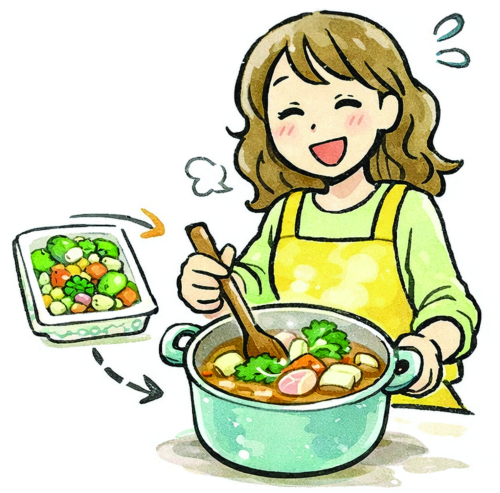
For example, “yurutsura cooking” uses not only a microwave, but also puts it in a pot and heats it.
たとえば「ゆるつら料理」は、電子レンジだけでなく、鍋に入れて火をかけます。
“Yurutsura products,” where you can gain a moderate sense of accomplishment, are attracting attention.
ほどよい達成感を得られる「ゆるつら商品」が注目されています。
This article is from the March 2026 issue of Hiragana Times.
この記事は、月刊誌『ひらがなタイムズ』2026年3月号より掲載しています。
-
[New Expressions & Buzzwords – March 2026 Issue ]
ボンボンドロップシール| Bonbon drop stickers
📒ボンボンドロップシール
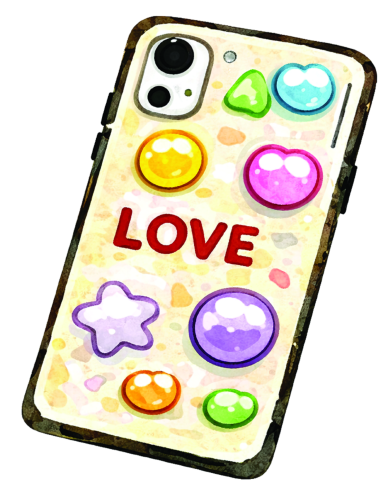
pronounced: Bonbon doroppu shi-ru definition: Bonbon drop stickersThese are stickers characterized by a three-dimensional look and transparency, like gummies or candy.
グミやキャンディのような立体感と透明感が特徴のシールです。
The way of enjoying “dekoru” (decorating) by sticking them on things like smartphone cases spread on social media.
スマホケースなどに貼って「デコる」楽しみ方がSNSで広まりました。
Triggered by this, “sticker swapping,” which was a staple among Heisei-era girls, is becoming popular again.
これをきっかけに、平成女児の定番だった「シール交換」が再び流行しています。
Bonbon drop stickers are so popular that they have become difficult to get.
ボンボンドロップシールは、入手困難になるほど人気です。
This article is from the March 2026 issue of Hiragana Times.
この記事は、月刊誌『ひらがなタイムズ』2026年3月号より掲載しています。
-
[New Expressions & Buzzwords – February 2026 Issue]
横転 | Falling-over
😯 横転
pronounced: Outen definition: Falling-overIt is an internet slang used when someone is surprised.
びっくりした時に使われるネットスラングです。
In Japanese comedy, performers sometimes make falling-over reactions when a situation develops differently from what was expected or anticipated.
日本のお笑いでは、期待や予想と違った展開に、ずっこけるようなリアクションをとることがあります。
“Outen” is used as a word to express such a falling-over–like feeling.
横転は、そうしたずっこけるような気持ちを表す言葉として使われます。
The original “outen” means something like a car falling over on its side.
もともとの「横転」は、車などが横倒しになることを意味します。
This article is from the February 2026 issue of Hiragana Times.
この記事は、月刊誌『ひらがなタイムズ』2026年2月号より掲載しています。
-
[New Expressions & Buzzwords – February 2026 Issue]
チャッピー | ChatGPT
💻 チャッピー
pronounced: Chappi- definition: ChatGPTIt is a nickname for the generative AI service “ChatGPT.”
生成AIサービス“ChatGPT”の愛称です。
Because “ChatGPT” is a little long, an abbreviated way of calling it has spread among young people.
“ChatGPT”だと少し長いため、若い人の間で省略した呼び方が広がりました。
Recently, the number of people who consult AI about their worries has also been increasing.
最近では、AIに悩みごとを相談する人も増えています。
By calling it by a nickname, a sense of closeness is created as if talking with a friend.
愛称で呼ぶことで、まるで友達と話しているような親近感が生まれます。
This article is from the February 2026 issue of Hiragana Times.
この記事は、月刊誌『ひらがなタイムズ』2026年2月号より掲載しています。
-
[New Expressions & Buzzwords – January 2026 Issue]
鬱袋 |Depressing bag
😑鬱袋
pronounced: Utsubukuro definition: Depressing bagIn Japan, “fukubukuro” (lucky bags) are sold at New Year.
日本では、新年に「福袋」が販売されます。
A fukubukuro is a value-packed set containing various items.
福袋は、さまざまなアイテムが入ったお得なセットです。
On the other hand, when the contents turn out to be disappointing, people use the term “utsubukuro.”
その一方で、中身が期待はずれだったときに使われるのが「鬱袋」です。
The word “utsu” conveys feelings of disappointment or being depressed.
「鬱」には、がっかりしたり、落ち込んだりする気持ちが込められています。
This article is from the January 2026 issue of Hiragana Times.
この記事は、月刊誌『ひらがなタイムズ』2026年1月号より掲載しています。
-
[New Expressions & Buzzwords – January 2026 Issue]
サナ活 | Sana-activity
👩 サナ活
pronounced: Sanakatsu definition: Sana-activityIn Japan, proactive activities taken toward a particular purpose are described with “◯◯-katsu”.
日本では、ある目的に向けて行う積極的な行動を「◯◯活」と表現します。
Recently, “Sana-katsu,” referring to supporting Prime Minister Sanae Takaichi, has become popular.
昨今、高市早苗総理を応援する「サナ活」が人気です。
Among young people, there is a growing trend of imitating her fashion and belongings.
若者の間では、彼女のファッションや持ち物をまねる動きが広がっています。
It’s also gaining attention as a way to spark greater interest in politics.
政治への関心を高めるきっかけとしても注目されています。
This article is from the January 2026 issue of Hiragana Times.
この記事は、月刊誌『ひらがなタイムズ』2026年1月号より掲載しています。
-
[New Expressions & Buzzwords – December 2025 Issue]
ガチ勢 | Enthusiast
😤 ガチ勢
🗣️ pronounced: Gachizei
🖊️ definition: Enthusiast
It refers to people who engage in a certain thing with all their might and seriousness.
ある物事に全力で、真剣に取り組む人たちのことを指します。
“Gachi” is a word that is an abbreviation of “gachinko”.
「ガチ」は「がちんこ」を略した言葉です。
“Gachinko” originally means a “serious match”.
「がちんこ」は、もともと「真剣勝負」という意味です。
In other words, it expresses the feeling of “seriously” or “earnestly”.
つまり、「本気で」「真剣に」という気持ちを表します。
On the other hand, people whose purpose is to have fun are called the “enjoy-zei”.
一方、楽しむことを目的とする人たちは「エンジョイ勢」と呼ばれます。
This article is from the December 2025 issue of Hiragana Times.
この記事は、月刊誌『ひらがなタイムズ』2025年12月号より掲載しています。
-
[New Expressions & Buzzwords – December 2025 Issue]
フキハラ | Displeasure harassment
😠 フキハラ
🗣️ pronounced: Fukihara
🖊️ definition: Displeasure harassment
It is a word that is an abbreviation of “fukigen harassment” (displeasure harassment).
「不機嫌ハラスメント」を略した言葉です。
It refers to taking a displeased attitude and giving those around a feeling of discomfort or intimidation.
不機嫌な態度をとって、周囲に不快感や威圧感を与えることを指します。
For example, actions such as sighing or slamming doors also fall under “Fukihara”.
例えば、ため息をついたり、ドアを強く閉めたりといった行動も「フキハラ」に当たります。
It is becoming a problem not only in the workplace but also in various situations such as the home.
職場だけでなく、家庭などさまざまな場面で問題になっています。
This article is from the December 2025 issue of Hiragana Times.
この記事は、月刊誌『ひらがなタイムズ』2025年12月号より掲載しています。