-
[NIHONGO DO – Word Leaves – March 2026 Issue]
Seasonal Word Leaves: Japan’s March, “Yayoi” — endings, departures, and the quiet momentum toward what comes next.
季節の言の葉:日本の3月「弥生(やよい)」— 締めくくりと別れ、そして次へ向かう静かな動き。
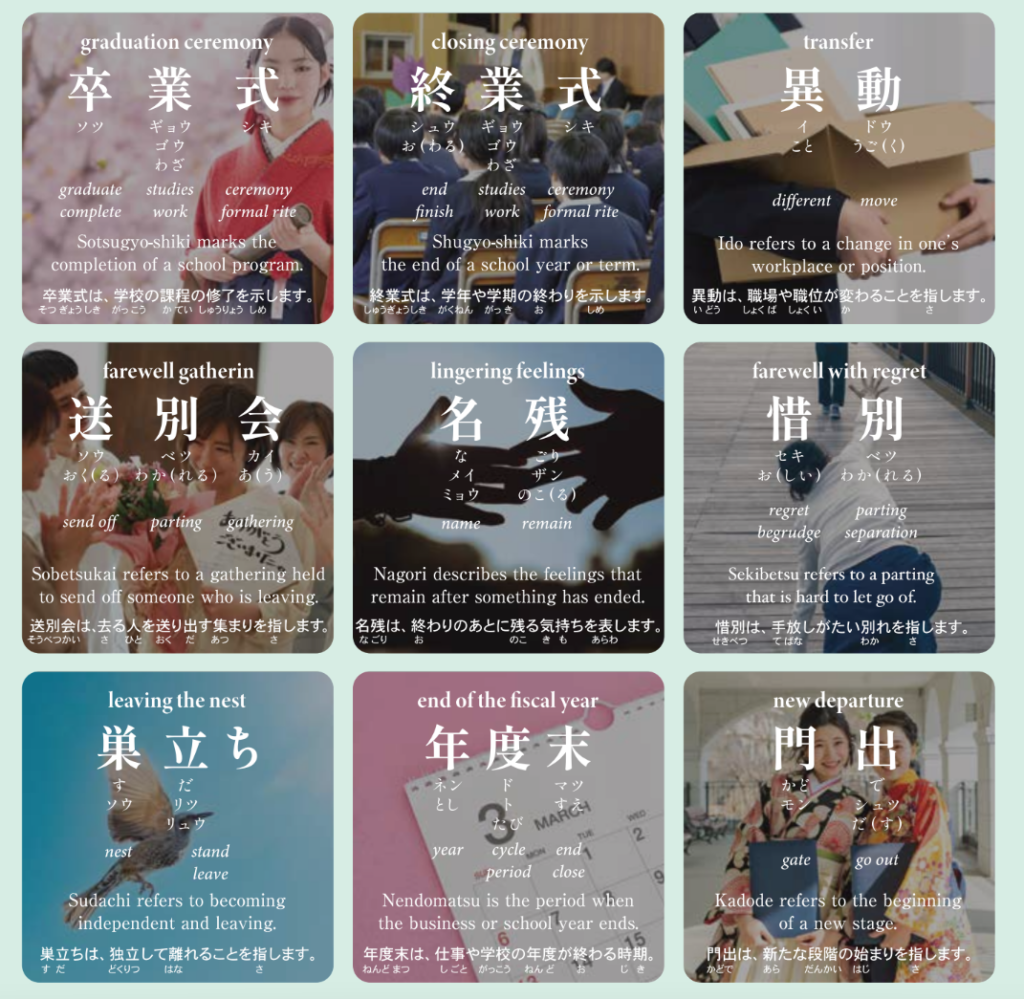
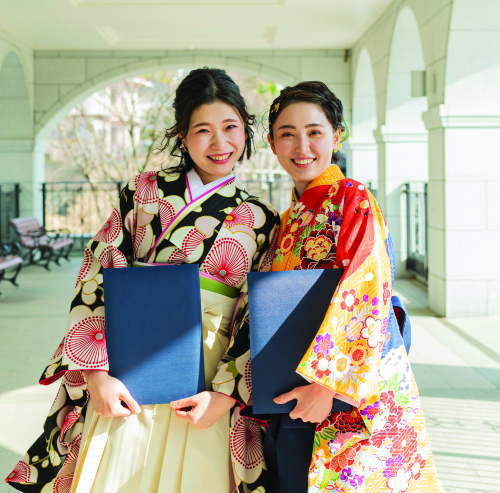
March, known as Yayoi, has long been associated with the time when grasses and trees begin to grow in earnest. As the fiscal year draws to a close, March becomes a season of graduations, closing ceremonies, transfers, and farewells—where endings and partings overlap. In this March issue, we have gathered Word Leaves that reflect these moments of transition. Within the lingering afterglow of closure, a sense of what lies ahead quietly remains.
弥生には、草木がいよいよ生い茂る月という語感が重ねられてきました。年度末を迎える三月は、卒業式や終業式、異動や送別会が続き、区切りと別れが重なる季節です。この3月号では、そうした節目と別れに関わる言の葉を集めてみました。締めくくりの余韻の中に、先へと続く気配が宿っています。

This article is from the March 2026 issue of Hiragana Times.
この記事は、月刊誌『ひらがなタイムズ』2026年3月号より掲載しています。
-
[NIHONGO DO – Voice-word Art – February 2026 Issue]
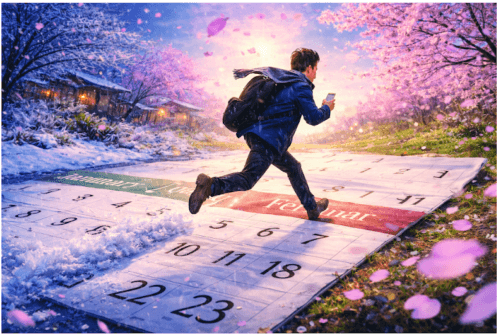
Seasonal Voice-Word Art: “January slips away, February runs away, March goes away” — the early months of the year pass in the blink of an eye.
季節の言技:「一月往ぬる二月逃げる三月去る」― 年のはじめ三か月は、あっという間に過ぎていく。
This “Voice-Word Art” section introduces seasonal words related to the time of year. Enjoy the timeless beauty of these artistic expressions.
この「言技」セクションでは、季節にちなんだ季語を紹介しています。時代を超えて響く言葉のアート(言技)をお楽しみください。
一月往ぬる二月逃げる三月去る
“January slips away, February runs away, March goes away.”
This proverb expresses the sense that the first three months of the year pass with surprising speed. January begins with celebrations, February is short and hurried, and March carries us toward spring. It reminds us that time flows quickly—urging us to savor each moment with care.
年の始まりの三か月は、驚くほど早く過ぎてしまう――そんな季節感を表す言葉です。行事の多い一月、短く慌ただしい二月、そして春へ向かう三月。めまぐるしく過ぎゆく時のなかで、一日一日を大切に生きたいという思いをそっと呼び起こします。
■ Meaning / 意味
Ichigatsu inuru: January “goes away”; the month slips quietly past.
一月 往ぬる:一月はすっと過ぎていく。
Nigatsu nigeru: February “runs away”; short and fast-moving.
二月 逃げる:二月は逃げるように過ぎる。
Sangatsu saru: March “goes away”; carried off toward spring.
三月 去る:三月は春に向かって去っていく。
■ Usage / 使う場面
A: I can’t believe it’s already mid-February.
A: もう二月の半ばなんて信じられないよ。
B: Same here. I haven’t done half the things I planned.
B: 本当。やりたいことの半分もできてない。
A: Well, you know the saying, “January slips away, February runs away, March goes away.”
A: 「一月往ぬる二月逃げる三月去る」って言うじゃない。
B: True… if I don’t move now, spring will be here before I know it.
B: そうだね…。このままだと、気づいたら春になってそう。
This article is from the February 2026 issue of Hiragana Times.
この記事は、月刊誌『ひらがなタイムズ』2026年2月号より掲載しています。
-
[NIHONGO DO – Voice-word Art – March 2026 Issue]
Seasonal Voice-Word Art: Hidari-uma (Left Horse)”—Flip a character, turn your fortune.
季節の言技:「左馬(ひだりうま)」— 文字を反転させ、運を転じる。
In this month’s “Voice-Word Art” section, we introduce a uniquely Japanese word art: by simply changing the orientation of a single kanji, a story emerges and meaning multiplies.
今月号の「言技」セクションでは、漢字一文字でも向きを変えるだけでストーリーが生まれ、意味が増幅する、日本語ならではの言葉の技を紹介します。
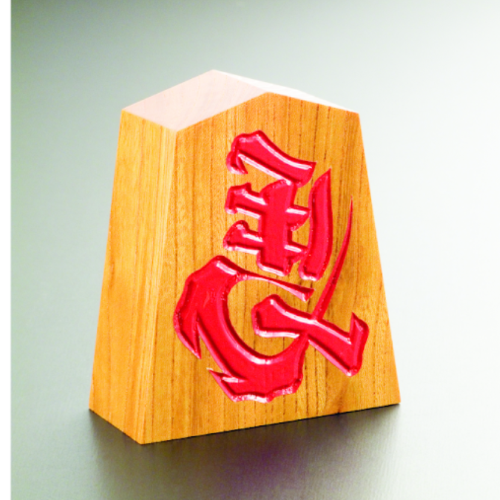
左馬(ひだりうま) Left Horse
Hidari-uma is an auspicious character created by writing the kanji “馬” (horse) in mirror-reversed form. It has long been cherished as a character that guides fortune in a positive direction. Originating primarily in Tendo City, Yamagata Prefecture—known as the production center for shogi pieces—hidari-uma is said to have spread as decorative shogi pieces from the late Edo period.
左馬とは、漢字の「馬」を左右反転させて書いた縁起文字です。運を良い方向へ導く文字として親しまれてきました。将棋駒の産地として知られる山形県天童市を中心に、江戸時代後期から飾り駒として広まったとされています。
■ Meaning / 意味
By reversing “馬,” the reading “uma” (horse) transforms into “mau” (to dance). The word “mau” carries not only the meaning of dancing, but also evokes images of soaring upward and rising gracefully toward the sky. Hidari-uma has thus been regarded as a symbol of fortune opening up—as if a horse that runs on the ground were galloping through the sky.
「馬」を反転させることで、「うま(馬)」が「まう(舞う)」に転じます。「舞う」という語には、踊ることに加え、上へ舞い上がる、軽やかに天へ向かうというイメージが重なります。左馬は、地を走る馬が空を駆けるかのように、運がひらく象徴として受け取られてきました。
Also, while normally a person leads a horse, with hidari-uma the form suggests that the horse comes bringing people along. In other words, hidari-uma became an auspicious character associated with bringing in customers—leading to a flood of visitors and prosperous business.
また、通常は人が馬を引いて歩くものですが、左馬では馬が人を引き連れてやって来るかたちになります。つまり左馬は、客を連れてくる——千客万来や商売繁盛につながる縁起文字となりました。
Furthermore, horses have a tendency to stumble when mounted from the right side, but remain stable when mounted from the left. From this idea, hidari-uma came to be regarded as an auspicious character meaning “won’t fall” and “won’t stumble,” embodying the wish to walk through life without stumbling.
さらに、馬は右側から乗ると転びやすく、左側から乗ると安定するという性質があります。この考え方から、左馬は「倒れない」「つまずかない」という縁起を持つ文字とされ、人生をつまずくことなく歩めるようにとの願いが込められています。
■ Usage / 使う場面
A: This year is the Year of the Horse. And it’s Hinoe-uma, no less.
A: 今年は午年だね。しかも丙午。
B: That’s right. Let’s gallop through it with full force.
B: そうだね。勢いよく駆け抜けよう。
A: Let’s also keep hidari-uma in mind and make it a stable year.
A: 左馬もイメージして、安定した一年にしよう。
B: And let’s soar upward together.
B: そして、一緒に舞い上がろう。
This article is from the February 2026 issue of Hiragana Times.
この記事は、月刊誌『ひらがなタイムズ』2026年3月号より掲載しています。
-
[NIHONGO DO – Word Leaves – February 2026 Issue]
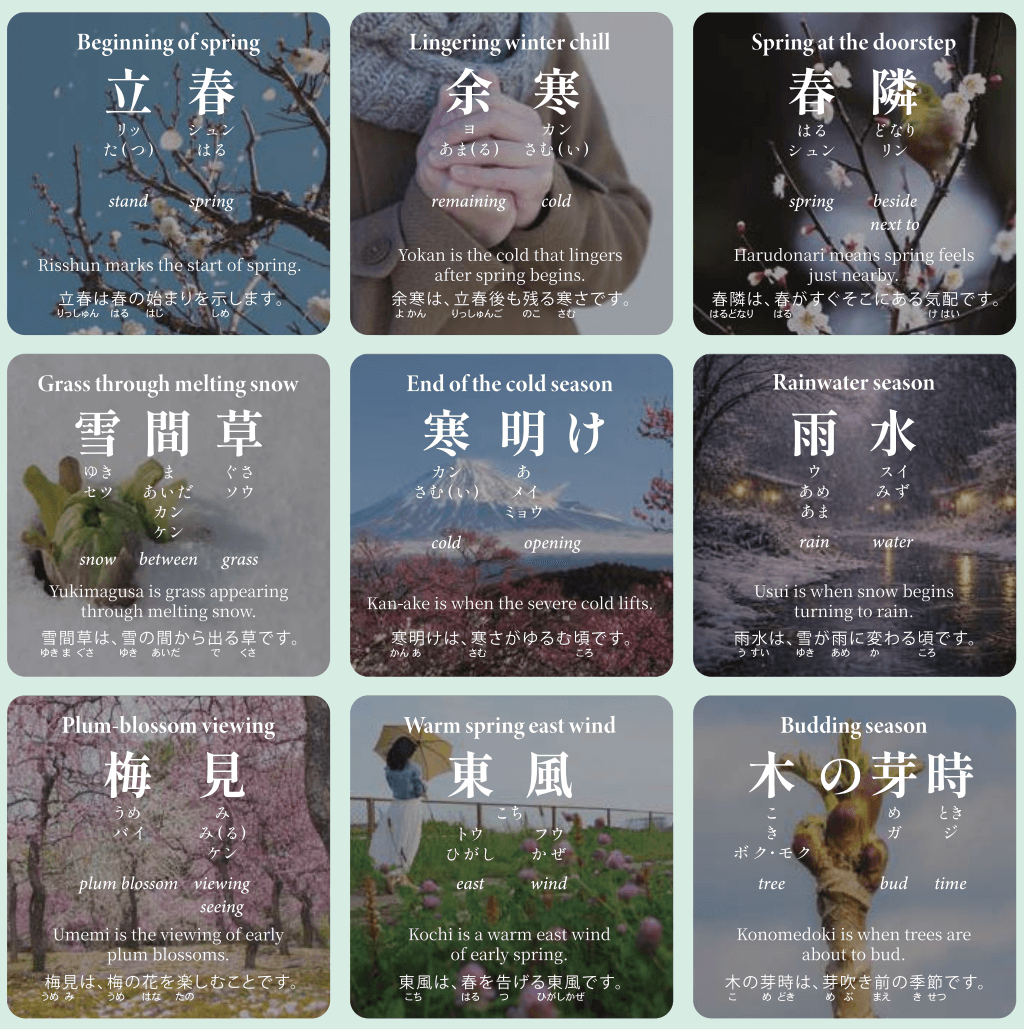
Seasonal Word Leaves: Japan’s February, “Kisaragi” — lingering winter chill, early spring signs, and days that seem to slip away.
季節の言の葉:日本の2月「如月(きさらぎ)」— 残る寒さと芽吹きの気配、そして足早に過ぎていく日々。
There is a well-known theory that “Kisaragi” means the month when people layered their garments to endure the lingering cold. Even as the chill remains, plum buds begin to open, the east wind softens the ice, and the first hints of spring quietly slip in. Time seems to move quickly, and as the saying goes, “February runs away,” the days pass in a moment. In this blend of severity and gentleness, a uniquely crisp beauty emerges in this season.
如月には、「寒さの中で衣(きぬ)をさらに重ねる月(衣更着)」とする説が広く知られています。冷え込みが残るなか、梅の蕾がほころび、東風が氷をゆるめ、春の気配が静かに差し込みます。時間はどこか急ぎ足で、「二月逃げる」という言い伝えのとおり、日々は瞬く間に過ぎていきます。厳しさとやわらぎが交わる、この時季ならではの凛とした美しさが宿ります。
This article is from the February 2026 issue of Hiragana Times.
この記事は、月刊誌『ひらがなタイムズ』2026年2月号より掲載しています。
-
[NIHONGO DO – Voice-word Art –January 2026 Issue]
Seasonal Voice-Word Art: “When yin reaches its extreme, it turns to yang” — even at the lowest point, signs of improvement will soon appear.
季節の言技:「陰極まれば陽に転ずる」― どん底のときほど、やがて好転の兆しが訪れる。
This “Voice-Word Art” section introduces seasonal sayings that carry both natural and human wisdom. Enjoy how old phrases fold hope into everyday life.
この「言技」セクションでは、季節に結びついた言葉を通して、自然と人の営みが紡ぐ知恵を紹介します。時代を超えて響く言葉の美をお楽しみください。
“When darkness reaches its limit, it turns to light.” | 陰極まれば陽に転ずる
■ Explanation / 解説
Rooted in classical Chinese thought, the proverb expresses a cyclical view: extremes reverse. In seasonal terms, the deepest cold precedes warmth; in life, the hardest trials can precede recovery. It comforts and reminds us that conditions are not fixed forever.
中国古典の思想に由来するこの言葉は、物事が極まると反転するという循環観を示します。季節なら最も寒い時期の後に暖気が来るように、人生の困難もいずれ好転する――そうした慰めと希望を込めて用いられます。■ Meaning / 意味
- 陰(いん / in) — darkness, passivity, the waning side.
暗やみ、陰の側面。 - 極まれば(きわまれば / kiwamareba) — when it reaches the extreme; the point of culmination.
極限に達したとき。 - 陽(よう / yō) — light, activity, the waxing side.
明るさ、陽の側面。 - 転ずる(てんずる / tennzuru) — to turn, to transform, to reverse.
反転する、変わる。
■ Usage / 使う場面
A: Hey — what’s wrong? Did something happen?
A:どうしたの?何かあったの?
B: I overslept and ran down the station stairs, fell, and to make matters worse my phone broke…
B:寝坊して駅の階段を走って降りたら転んでしまった。しかも、そのときスマホが壊れちゃって…。A: That’s really rotten luck. But good things will come.
A:それは踏んだり蹴ったりだね。でも、いいことあるよ。B: Why do you say that?
B:なんで?
A: You know the saying, “When darkness reaches its limit, it turns to light.” From now on, only good things will happen.
A:「陰極まれば陽に転ずる」って言うじゃない。これからは、いいことしか起こらないよ。
This article is from the January 2026 issue of Hiragana Times.
この記事は、月刊誌『ひらがなタイムズ』2026年1月号より掲載しています。
- 陰(いん / in) — darkness, passivity, the waning side.
-
[NIHONGO DO – Word Leaves – January 2026 Issue]
Seasonal Word Leaves: Japan’s January, “Mutsuki” — New-year gatherings, fresh starts, and quiet winter mornings across the islands.
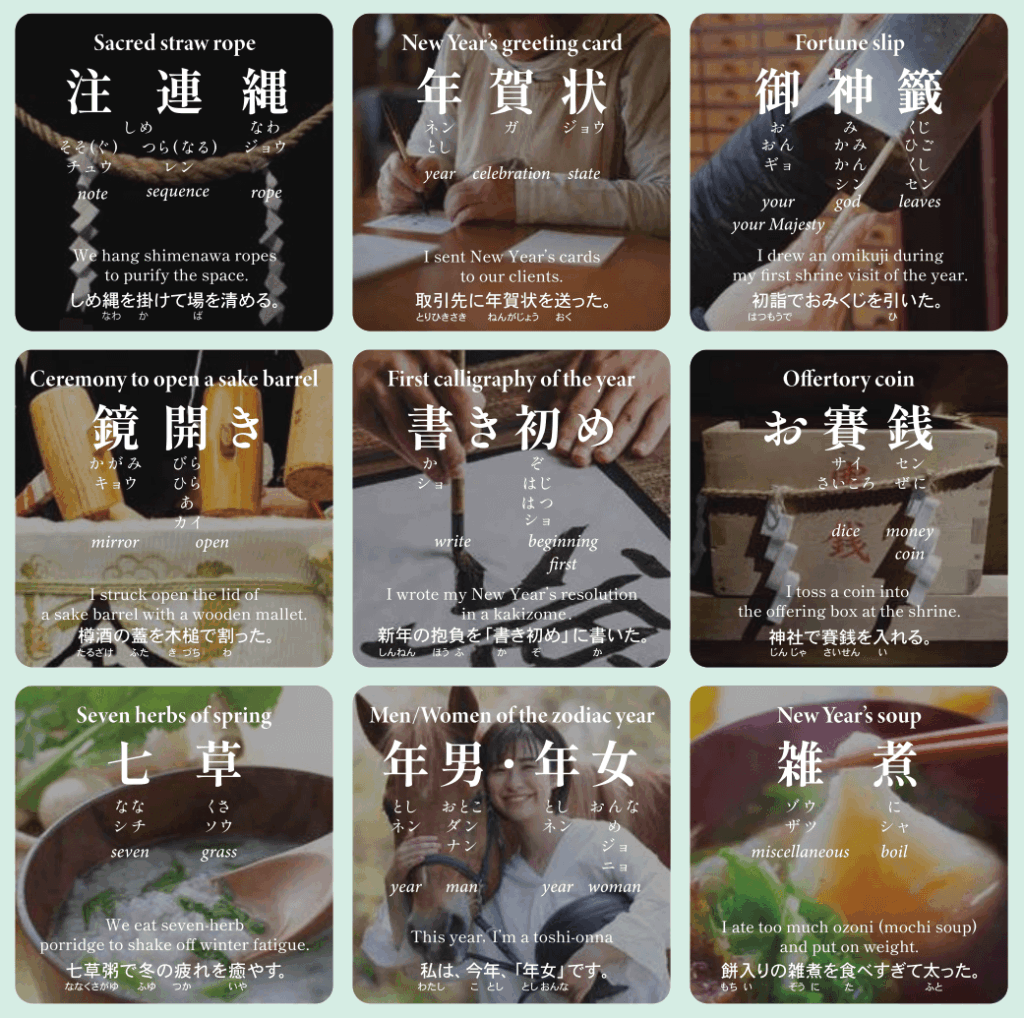
季節の言の葉:日本の1月「睦月(むつき)」— 新年の集いと新たな始まり、そして静かな冬の朝。Mutsuki (the first month) carries the sense of coming together. Families reunite, New Year cards are exchanged, and first shrine visits offer prayers for the year ahead. Streets show festive cheer while mornings remain quiet; kagami-mochi and steaming ozoni fill the home with warmth. These small rituals and shared meals—moments of prayer, conversation, and comfort—shape Mutsuki’s gentle, hopeful rhythm.
睦月は「親しくむつまじくする月」という語感をもつ新年の季節です。家族が集い、年賀状が行き交い、初詣で一年の祈りを捧げる。街は晴れやかな賑わいを見せる一方で、朝の静けさが残り、鏡餅や雑煮の湯気が家庭を満たします。こうした小さな儀礼や食卓の時間が、睦月の穏やかで希望に満ちたリズムを形作ります。
This article is from the January 2026 issue of Hiragana Times.
この記事は、月刊誌『ひらがなタイムズ』2026年1月号より掲載しています。
-
[NIHONGO DO – Voice-word Art – December 2025 Issue]
Seasonal Voice-Word Art: “If winter comes, can spring be far behind?” — A gentle reminder that hardship gives way to renewal.
季節の言技:「冬来たりならば春遠からじ」— 辛い時期の向こうに、必ず芽吹きがある。
This “Voice-Word Art” section introduces seasonal words related to the time of year. Enjoy the timeless beauty of these artistic expressions.
この「言技」セクションでは、季節にちなんだ季語を紹介しています。時代を超えて響く言葉のアート(言技)をお楽しみください。
“If winter has come, spring is not far away.”
「冬来たりならば 春遠からじ」
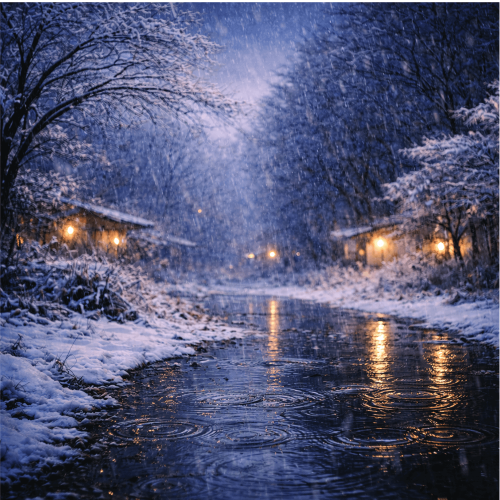
“Fuyu kitaru naraba, haru tōkaraji” — literally, “If winter comes, spring is not far behind.” The phrase comforts with a simple promise: seasons turn, hardships pass, and renewal follows. It evokes the image of a landscape under snow whose stillness is only temporary, for beneath the cold the seeds of spring are already waiting. Used both literally (about seasons) and metaphorically (about life’s trials), it is a gentle reminder to hold on through the hard months.
『冬来たりならば春遠からじ』は、冬が来てもやがて春が訪れるように、困難のあとには必ず好転があると慰め励ますことわざです。雪に閉ざされた景色の向こうに、やがて芽吹く若葉や柔らかな日差しを想像させるこの言葉は、厳しい時期にこそ希望を忘れない心を促します。季節の移ろいに寄せた比喩であり、人生の逆境や時節の辛さを語るときにそっと差し出される言葉でもあります。
■ Meaning / 意味
fuyu: winter; a time of cold and dormancy.
冬:寒さと休眠の季節kitari: comes; the arrival of something (here, winter).
来たり:来ること。到来。naraba: if / when.
ならば:もし/〜ならば。haru: spring; renewal, warmth, growth.
春:再生、暖かさ、成長の季節。tookaraji: will not be far; archaic negative form meaning “is not distant” — here, “will soon come.”
遠からじ:「遠くないだろう」という古語の否定表現。■Usage / 使う場面
Aya: I’m down — the project’s not going well.
あや:プロジェクトがうまくいかなくて落ち込んでるの。Naoki: Don’t rush. This is a hard time, but if winter has come, spring isn’t far behind. A breakthrough will surely sprout — let’s move forward together with hope.
なおき:焦らないで。今は厳しいけど、冬来たりならば春遠からじだよ。必ず打開の芽が出るから、一緒に希望を持って進もう。—–
Michiko: It’s cold, and on top of that, it’s snowing.
みちこ:今日は寒い上に、雪だね。Yuuto: Yes. But if winter comes, spring isn’t far behind. Let’s look forward to the first buds of spring.
ゆうと:そうだね。でも、冬来たりならば春遠からじ。 春の芽吹きを楽しみにしよう。
This article is from the December 2025 issue of Hiragana Times.
この記事は、月刊誌『ひらがなタイムズ』2025年12月号より掲載しています。
-
[NIHONGO DO – Word Leave – December 2025 Issue]
Seasonal Word Leaves: “Shiwasu” — year-end bustle and quiet winter pockets across the islands.
季節の言の葉:日本の12月「師走」— 年の瀬の慌ただしさと、各地に残る静かな冬景色。
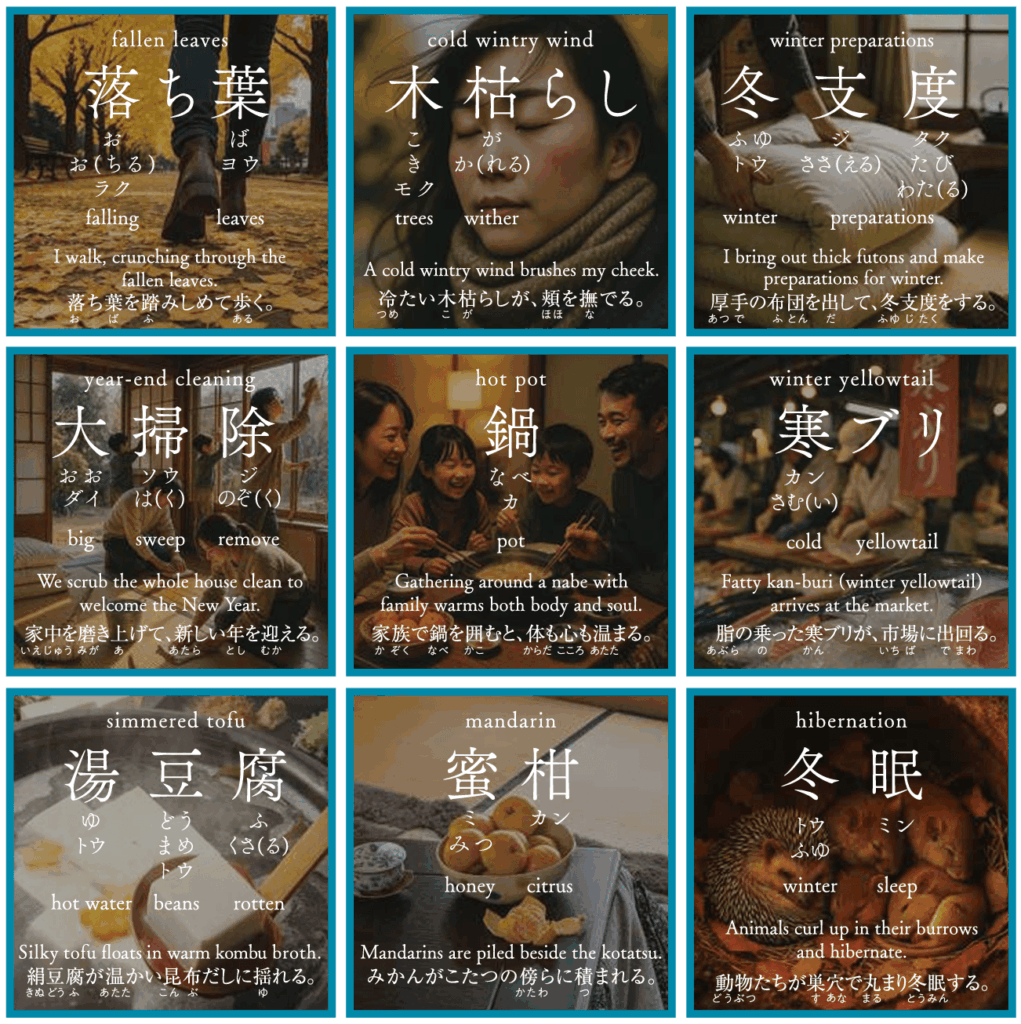
Shiwasu expresses the bustle of the year’s end. Schedules fill up, gifts are chosen, and the streets grow busy. In some villages the snow arrives and everything falls silent; along the coast, markets brim with winter fish. From year-end cleanings and the exchange of seasonal gifts (oseibo) to steaming nabe and families gathered around the kotatsu — these small vignettes of year-end life are what we collect and share.
師走は年の終わりの慌ただしさを表します。手帳が埋まり、贈り物が選ばれ、街は忙しく動きます。雪に閉ざされ静まる里もあれば、沿岸では寒魚が並ぶ市場もあります。大掃除やお歳暮、湯気立つ鍋、こたつを囲む団らん──年の瀬の暮らしに息づく、そんな日常の断片を拾い集めてお届けします。
This article is from the December 2025 issue of Hiragana Times.
この記事は、月刊誌『ひらがなタイムズ』2025年12月号より掲載しています。
-
[NIHONGO DO – Voice-word Art – November 2025 Issue]
Seasonal Voice-Word Art: “The fuller the grain, the lower it bows”
季節の言技:実るほど頭を垂れる稲穂かな
This “Voice-Word Art” section introduces seasonal words related to the time of year. Enjoy the timeless beauty of these artistic expressions.
この「言技」セクションでは、季節にちなんだ季語を紹介しています。時代を超えて響く言葉のアート(言技)をお楽しみください。
“The fuller the grain, the lower it bows” | 「実るほど頭を垂れる稲穂かな」
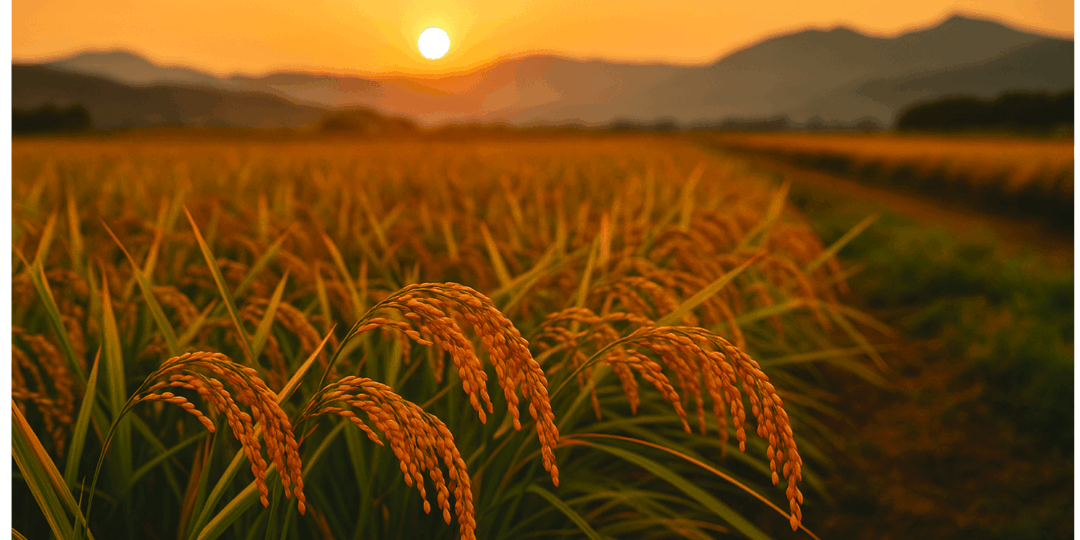
“Minoru hodo, kōbe o tareru, inaho kana” is a proverb that compares a ripe stalk of rice bending under the weight of its grains to a person whose accomplishments bring humility rather than pride. The image is simple and vivid: when rice becomes heavy with grain, the stalks bow low to the earth. Similarly, those who have gained knowledge, skill, or success often show modesty and restraint—true maturity that does not need to boast. The phrase praises quiet dignity and the graceful modesty that accompanies real achievement.
「実るほど頭を垂れる稲穂かな」とは、実り豊かな稲の穂が重さで自然に頭を垂れる様子を、人の成熟と謙虚さにたとえたことわざです。たわわに実った稲は自らの重みでしなり、地面に頭を向けます。人もまた、知恵や力量が深まるほど、むしろ控えめになり、誇示しない謙虚さを示す——そうした内面的な成熟を讃える言葉です。■ Meaning / 意味
Minoru hodo: The more one ripens; figuratively, the more one achieves or matures.
実るほど:成熟したり成果を得るほど、という意味です。
Kōbe o tareru: To bow the head; an image of modesty and deference.
頭を垂れる:謙虚にうなだれる、慎み深く振る舞うさまを表します。
Inaho: A stalk or ear of rice; the concrete image anchoring the proverb.
稲穂:稲の穂。具体的な自然の像が表現の中心です。
Kana: A classical sentence-ending particle that adds a reflective or admiring tone.
かな:感嘆や省察を付け加える古語の終助詞で、味わい深い響きを与えます。■Usage / 使う場面
Sato: You’ve become department head, but you still treat everyone so kindly.
佐藤:課長になったのに、みんなに対して変わらず親切だね。
Suzuki: I learned a lot from my mentors. There’s still much to learn.
鈴木:先輩方から学んだことが多いです。まだまだ勉強中です。
Sato: Truly—the fuller the grain, the lower it bows
佐藤:まさに「実るほど頭を垂れる稲穂かな」だね。—
Sarah: He aced the competition, but he didn’t brag at all.
サラ:彼、コンテストで優勝したのに全然自慢しないんだよ。
Michelle: Right—real skill often comes with quiet humility.
ミシェル:そうね。本当に実力のある人は静かに謙虚なものだよね。
Sarah: It’s like minoru hodo, kōbe o tareru, inaho kana.
サラ:まさに「実るほど頭を垂れる稲穂かな」って感じだね。
This article is from the November 2025 issue of Hiragana Times.
この記事は、月刊誌『ひらがなタイムズ』2025年11月号より掲載しています。
-
[NIHONGO DO – Word Leave – November 2025 Issue]
Japan’s November, “Shimotsuki” — The country’s long, changing face from north to south.
日本の11月「霜月」—縦に長い列島が見せる多様な晩秋の表情。
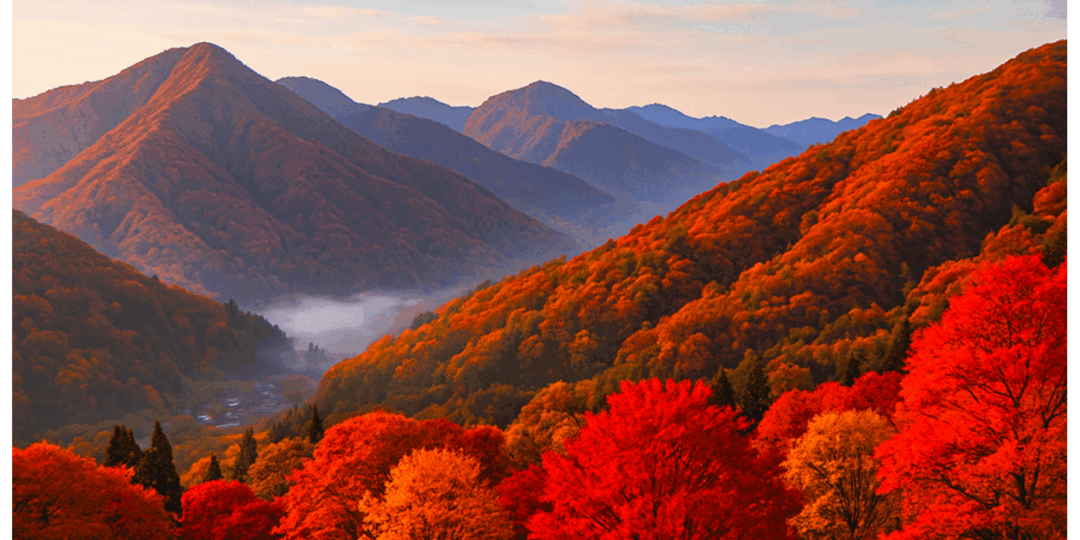
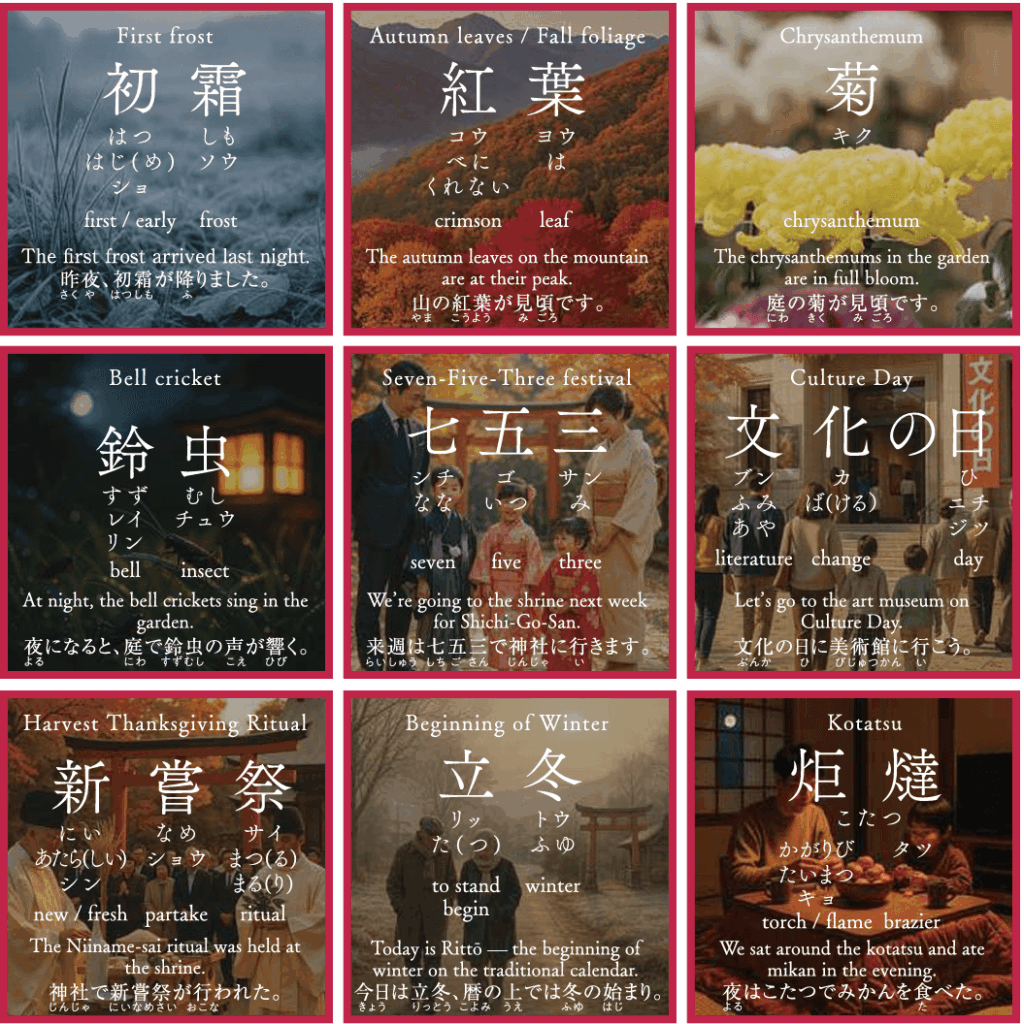
“Shimotsuki” may suggest first frost, but Japan’s long north–south span means the season varies: early frost in the north, harvest’s afterglow and chrysanthemum scent in the south. The name is lunar in origin, and recent climate shifts have widened regional differences. Here we capture local rhythms—harvested fields, autumn foliage, kotatsu preparations—through on-the-ground scenes and local voices.
霜月と聞けば初霜を思い浮かべますが、縦に長い日本では北で早く霜や初雪が降る一方、南ではまだ収穫の余韻と菊の香りが残ります。名は太陰暦に由来して現代暦と一致せず、近年の気候変動で季節感の差も広がっています。刈り取りを終えた田、色づく紅葉、こたつや鍋の支度。各地の移ろいを風景と声で伝えます。
This article is from the November 2025 issue of Hiragana Times.
この記事は、月刊誌『ひらがなタイムズ』2025年11月号より掲載しています。