-
[Japan Artist – September 2024 Issue]
Echoes of Spirit on Stage – Japanese Language and Kabuki (Part I)
舞台に響く言霊 – 日本語と歌舞伎
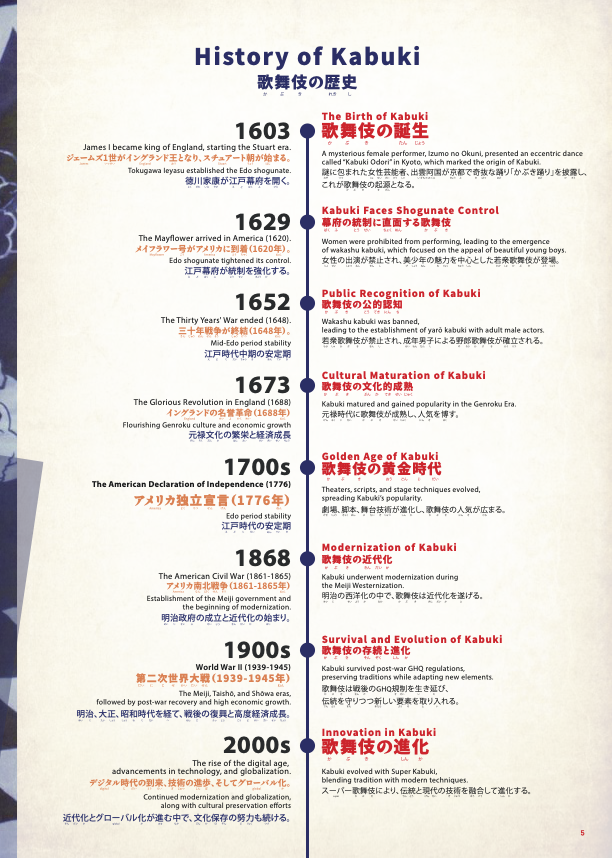
As Japan’s representative traditional performing art, Kabuki is the first to be listed. Kabuki developed from the dance started by Izumo no Okuni in Kyoto in the early Edo period (1603) and eventually came to be performed in theaters. By the mid-Edo period (1680s), it was enjoyed as entertainment for the common people, and Kabuki’s popularity reached its peak.
日本を代表する伝統芸能として、真っ先に挙げられるのが「歌舞伎」です。江戸時代の初め(1603)、京都で出雲阿国[いずものおくに]が始めたかぶき踊りが発展し、やがて芝居小屋で演じられるようになりました。江戸中期(1680〜)には庶民の娯楽として楽しまれ、歌舞伎人気が隆盛を迎えます。
Like modern theater, movies, and TV dramas, Kabuki depicts contemporary events and customs in a narrative format, expressing the joys and sorrows of life. Many performances include criticism and satire of the shogunate and authorities, making it a welcome entertainment for the common people. Performances such as “Sugawara Denju Tenarai Kagami,” “Kanjincho,” and “Yoshitsune Senbon Zakura,” which are based on historical events from the Heian and Kamakura periods, gained high popularity. These works depict the transience of the samurai era, filled with injustice, and continue to move us as representative works of Kabuki.
現代で言う演劇、映画、テレビドラマと同じで、世相や風俗を物語仕立てで見せ、人生の悲喜こもごもを表現。幕府や権力者への批判や風刺を含む演目も多々あり、庶民の溜飲を下げる娯楽として大いに歓迎されていました。遠く平安時代や鎌倉時代の歴史的な事件をモチーフにした『菅原伝授手習鑑』『勧進帳』『義経千本桜』といった演目は高い人気を得ていました。理不尽がまかり通っていた武士の世の無常を描き、歌舞伎の代表的作品として今なお私たちに感動を与え続けています。
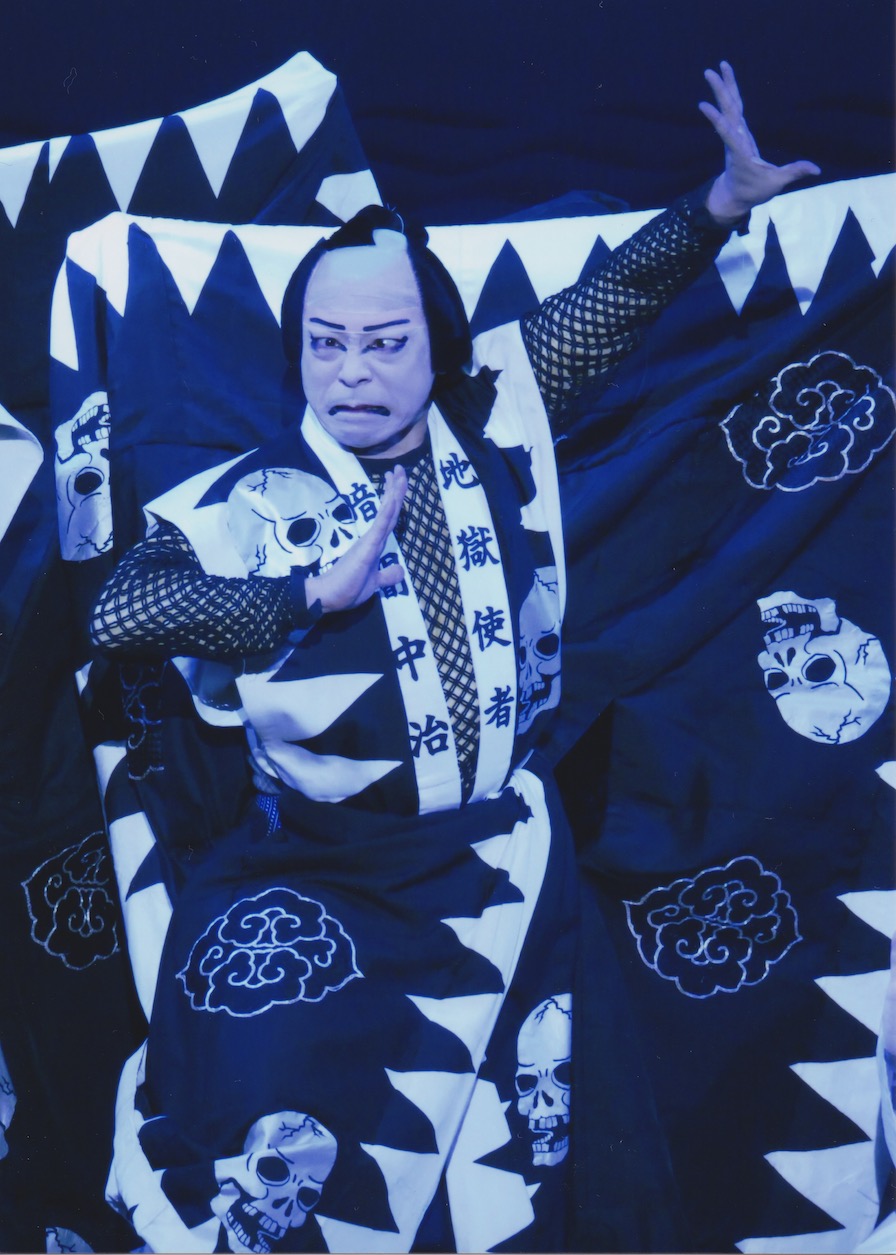
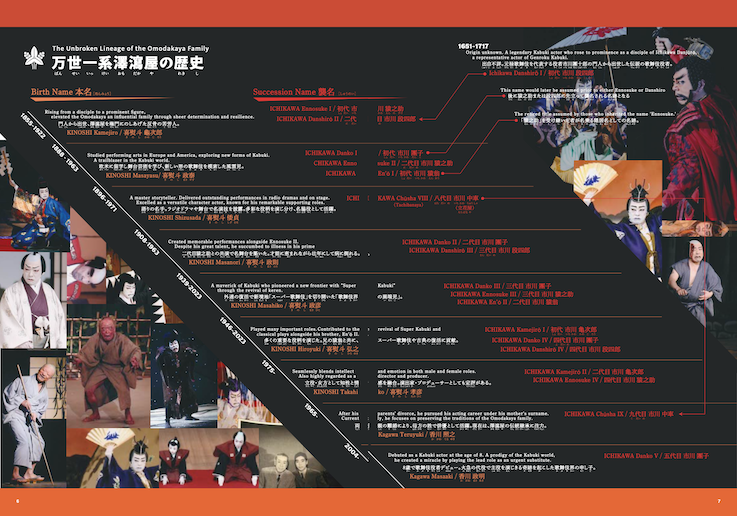
In the world of Kabuki, where traditional techniques (kata) and family stage names (myoseki, artistic names) have been passed down through generations, there are currently 16 family lineages, each with its own “yagō” (house name). Among them, the Ichikawa Danjuro family, known as “Narita-ya,” forms the foundation of the Kabuki world and is currently in its thirteenth generation.
伝統の技芸(型)や名跡[みょうせき](芸名)が代々受け継がれ今に至る歌舞伎界には、現在16の家系があり、それぞれに「屋号」一門、一家の名称)があります。中でも歌舞伎界の土台となっている市川團十郎家は「成田屋」と言い、当代で十三代目。
Other notable families include the Onoe Kikugoro family, known as “Otowaya,” the Matsumoto Koshiro family, known as “Koraiya,” and the Nakamura Kanzaburo family, known as “Nakamuraya.” Ichikawa Chūsha (Ninth-generation) is a Kabuki actor from the Omodakaya family. Omodakaya is considered a maverick among Kabuki families, known for its innovative spirit since the first generation, presenting new interpretations of classics and breaking traditional norms.
他に尾上[おのえ]菊五郎家の「音羽屋[おとわや]」、松本幸四郎家の「高麗屋[こうらいや]」、中村勘三郎[かんざぶろう]家「中村屋」などがあり、市川中車さん(九代目[くだいめ])は、澤瀉屋[おもだかや]一門の歌舞伎役者です。澤瀉屋は並み居る歌舞伎一門の中でも、初代から革新的なスピリットを持ち、古典の新たな演出や伝統を打ち破る演目を発表してきた、異端と称される一門です。

“Since the Meiji era, Kabuki, which was originally popular entertainment for the common people, has become strangely formal. The rebellious spirit of Omodakaya did not accept this. My father, the third-generation Ichikawa Ennosuke (deceased in 2023), was concerned about the current state of Kabuki, where only traditional performances were staged. He created a performance called ‘Yamato Takeru,’ branding it as ‘Super Kabuki,'” Chusha said.
「明治時代以降、それまで庶民の芝居であったはずの歌舞伎が、妙に格式の高いものになってしまった。反骨の精神を持つ澤瀉屋はそれをよしとしませんでした。私の父である三代目市川猿之助(2023年逝去)は、伝統に捉われた演目ばかりが演じられる現状を危惧して『ヤマトタケル』という演目を作り上げ、スーパー歌舞伎と銘打ったのです」と中車さんは語ります。
“Yamato Takeru” is a story based on the legend of Yamato Takeru no Mikoto, as written in the “Nihon Shoki” and “Kojiki,” depicting his tumultuous life. It is a profound work that explores human relationships, conflicts, and the question of why people are born and live.
「ヤマトタケル」は、「日本書記」や「古事記」に書かれている日本武尊(やまとたけるのみこと)の伝説をもとに、その波乱の生涯を描いた物語です。父帝[ちちみかど]との確執をはじめとする人間模様、争い、そして、人はなぜ生まれ生きるのかを問う深遠な作品です。
“Ennosuke (the third-generation Ichikawa) revived ‘keren’ (theatrical tricks) such as ‘chūnori’ (actors flying above the stage on wires), which were performed in Edo Kabuki. The primary goal was to excite and delight the audience.”
「(三代目市川)猿之助は、江戸歌舞伎で行われていた宙乗り(役者が吊られて劇場の上空を飛ぶ演出)といった外連[けれん](奇抜な仕掛け)を復活させました。お客様が沸き、喜んでくだることを第一としたのです」
The premiere of “Yamato Takeru” was 38 years ago. Despite harsh criticism that “it is not Kabuki but a circus,” it was a huge hit, attracting one million viewers. Today, it stands as a representative work of Omodakaya’s lavish spectacles. This year, Chusha’s son, the fifth-generation Ichikawa Danko (20 years old), played the role of Yamato Takeru alongside Hayato Nakamura (Manyoya) in a double cast, garnering significant attention.
「ヤマトタケル」の初演は38年前。「あれは歌舞伎ではない、サーカスだ」とさんざん非難されつつも100万人を動員する大ヒットを記録。今では、澤瀉屋の絢爛豪華な大スぺクタルものとして代表作になっています。今年は、中車さんの息子である五代目市川團子[だんこ](20歳)が、中村隼人(萬屋)とWキャストで主人公・ヤマトタケルを演じて、大きな話題を呼びました。
“Originally, it was a performance requested by the philosopher Takeshi Umehara, with whom my father, the second-generation En’o, was close. The reason the work maintains its dignity despite incorporating ‘keren’ elements is Umehara’s understanding and respect for the foundation of Japan and the inherent dignified spirituality of ancient Japanese people. The actors’ solid foundation in Kabuki (kata) also helps maintain this dignity”. This is reflected in the beautiful final scene where Yamato Takeru dies and ascends to the heavens as a white bird, deeply moving the audience.
「そもそもは、父(二代目猿翁[えんおう])が親しくしていた哲学者の梅原猛先生に頼み込み、原作を書いていただいた演目です。外連の要素を持ち込んでも作品の品格が保たれているのは、日本国の成り立ちに関する先生の理解と敬い、古来日本人が持つ凛とした精神性が底流にあるからでしょう。そして、役者たちのしっかりした歌舞伎の基礎(型)があることも、品格の保持を助けています」それらは、ヤマトタケルが死して白鳥となり天翔けていく美しいラストシーンへとつながり、観る者を感動の渦に巻き込んでいきます。
Each lineage in the Kabuki world has a truly dramatic history. Chusha himself had a unique fate. Born as the son of the third-generation Ennosuke, he was expected to succeed him as the fourth-generation Ennosuke. However, when he was one year old, his parents (his mother was a famous actress) separated, and they divorced when he was three. Raised by his mother, he distanced himself from the Kabuki world.
歌舞伎界は一門それぞれが実にドラマチックな歴史を持っています。中車さんも数奇な運命を背負った人でした。三代目猿之助の子として生まれ、そのままいけば四代目猿之助として大名跡を継いでいたはずなのですが、1歳の時に両親(母は大女優)が別居し、3歳の時に離婚が成立。母親に育てられたため、歌舞伎界からは遠のくことになりました。
Text: MIZUTA Shizuko
文: 水田 静子 -
Connecting to the Future, MINGEI – 未来につなげる民藝
[Japan Style – May 2024 Issue]
Approximately 200 years ago, the Industrial Revolution drastically transformed people’s lives. Mechanization enabled mass production, fueling mass consumption and industrializing nearly everything. Technological innovation gave birth to capitalism, divided into capitalists and the working class. It also fostered mass marketing and media, creating numerous brands. The oldest fashion magazine, “VOGUE,” was published in 1892. Various events and objects became fashioned, with celebrity status increasingly celebrated.
今から約200年前の産業革命は、人々の生活を激変させました。機械化によって大量生産が可能となり、大量消費が促ながされ全てが産業化していきました。技術革新は資本家と労働者階級に分断された資本主義を生み、マスマーケティングとメディアを発達させ、数々のブランドを生み出しました。最古のファッション誌「VOGUE」が出版されたのも1892年のことです。さまざまな事象や物がファッシ ョン化され、セレブリティであることが称賛されるようになっていったのです。
About 100 years later, the “Mingei Movement” emerged, advocating for reviving people’s innate aesthetic consciousness. It is believed the idea that beauty lies not in mass-produced goods or famous artists or designers but in everyday objects surrounding us. It’s the belief that beauty lies in everyday objects around us, not in mass-produced items, nor in the names or brands of famous artists or designers. “Even though they may not be labeled as ‘first-class’ or historically esteemed, aren’t there many beautiful things among the items we use in our daily lives? Let’s pay attention to folk crafts that possess a simple and warm beauty. There lies a beauty of randomness, not deliberately pursued sophistication or skill, in these artifacts.” In everyday life, there is beauty in nameless objects called “zakki .” There, the beauty of living emerges. Mingei (folk crafts) are beautiful handmade items made for practical use. And the philosopher YANAGI Soetsu (YANAGI Muneyoshi) led the “Mingei Movement.”
その約100年後。人々が本来持っている美意識を取り戻すことを提唱した「民藝運動」が誕生しました。大量生産された物ではなく、また、逆に有名な作家かやデザイナーなどの名前やブランドがあるわけではない、身近にある物たちが美しいという考えです。「一級」と言われたり、歴史的に評価されているわけではないけれど、普段、私たちが生活の中で使っている物の中に美しい物がたくさんあるではないか。素朴で温かみのある美しさを持民藝品に注目しよう。作為的に趣向を突き詰めて美しくしようとか、技巧を凝らそうとしていない無作為美しさがそこにはあります。いつもの暮らしにある、「雑器」と呼ばれる名もなき物にこそ美がある。そこに、生きることの美しさが現われています。使うことを目的に作られた美しい手作り品が民藝であり、その運動「民藝運動」を主導したのが思想家・柳宗悦です。
The “Mingei Movement,” aimed at spreading this new beauty, was led by Yanagi, along with potters HAMADA Shoji, KAWAI Kanjiro, TOMIMOTO Kenkichi, and the British Bernard LEACH. Eventually, dyer SERIZAWA Keisuke and printmaker MUNAKATA Shiko also joined, expanding it greatly.
こうした新しい美を広める「民藝運動」は、柳を中心に、陶芸家の濱田庄司、河井寛次郎、富本憲吉、イギリス人じんのバーナード・リーチにより進められ、やがてそこに染色家の芹沢銈介、版画家の棟方志功も加わり、大きく広がりました。
They published the magazine “Kogei” and expanded the Mingei Movement nationwide. Yanagi, much like today’s influencers or YouTubers, actively engaged people. Approximately 30 folk craft museums were created in resonance with their philosophy, indicating the immense influence of Yanagi and his associates.
彼らは雑誌「工藝」を発行し、民藝運動を全国に展開していきます。柳は、今で言うインフルエンサーやのように人々を大きく巻き込でいきます。その思想に共鳴して約30もの民藝館が建てられましたから、柳らの影響力がどれほど大きかったか計知しれません。
Yanagi traveled across the country with his companions, seeking out artisans crafting Mingei and traditional handiwork being passed down. They walked to discover the essence of local craftsmanship, unique to each region, known as “Mingei ,” born from the land itself.
柳は仲間と共に全国各地を訪ね歩き、民藝の作り手と、受け継がれている手仕事を探し出しました。その土地で生まれたその土地ならではの手仕事の結晶「民藝」を探して歩いたのです。
Furthermore, living in the same era as the Mingei Movement artists, the painter who had interactions with them was TAKEHISA Yumeji. Contemporary artist BUNTA iNOUE, who gained attention with the special exhibition “Love and Dreams Across Time and Space” at the Takehisa Yumeji Ikaho Memorial Museum, is also one of the artists inspired by mingei . Inoue, focusing on the theme of not merely preserving folk crafts as tradition but linking them to the future, creates “neo-mingei pieces” through collaborations with artists from various genres.
また、柳ら民藝運動家たちと同じ時代を生き、彼らと交流があった画家・竹久夢二との特別展示「時空を超えた愛と夢」(竹久夢路伊香保記念館)で話題になった現代画家の井上文太たも、民藝にインスパイアされたアーティストの一人です。井上氏は、民藝を伝統に留めず、未来へとつなげることを テーマに、さまざまなジャンルのアーティスト たちとのコラボレーションを通じて「ネオ民藝作品」を創り出しています。
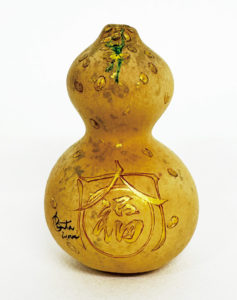
In iNOUE’s studio, many items have been “mingeika” through his brushwork. For example, there are gourds, which have been beloved by Japanese people since ancient times. In Japan, gourds were traditionally used as containers for water or sake . With its auspicious, bulbous shape and the ability to keep its contents in a cool state, rather than chilling them, the gourd has once again captured the attention of modern youth, thanks to iNOUE’s designs.
井上氏のアトリエには、氏が筆を入れることで「民藝化」されていった多くの物で溢れています。例えば、古くから日本人に愛されてきたひょうたん。日本では、水や酒を入れる容器として利用されていました。末広がりの縁起が良形である上に、中身が低温に保たれるひょうたんは、井上氏のデザインにより、現代の若者たちを中心に再注目されています。
Furthermore, in our November 2022 issue, we introduced WASARA’s paper tumblers. Made from plant fibers, these products have a texture similar to Japanese paper and are paper vessels that return to the earth without plastic coating. iNOUE adorned these vessels with simple illustrations, much to the delight of visitors at the exhibition venue.
また、本誌2022年11月号「ジャパン製品」でご紹介したWASARA社の紙タンブラー。植物繊維から作られた和紙のような質感のこの製品は、プラスチックコーティングされておらず土に還える紙の器です。井上氏はこの器にシンプルな絵を施こし、展示会場の来場者に喜ばれました。
Turning our gaze overseas, Vanessa De Anda, who thrives as a ceramic artist in New York, is also an artist who pursues the beauty and simplicity of mingei. She is renowned for her works that prioritize the comfort felt when holding them and maintain the natural colors and textures.
海外に目を移せば、ニューヨークで陶芸家として活躍するVanessa De Anda氏も、民藝の美素朴さを追い求めるアーティストです。手に取った際の心地よさと自然そのままの色や質感を重視した作品で定評があります。
People connect with objects, and the joy when encountering them and the sadness when lost, as well as the irretrievable longing, deeply move the heart. This is because they feel affection for objects that mark the same time as their own lives. Craft items are cherished as tangible objects that connect to such spiritual realms.
人は物とつながり、それと出会った時の喜びや失った時の悲しさ、再生産できない切なさに心震わせます。自分たちの人生と同時を刻物たちに愛情を感じるからです。そうした精神の世界につながるためのMINGEI in Our Home Miyoshi family, Kagawa, Japan 具体的な物として、工芸品は愛されています。
Currently, we live in a standardized world. Everyone is enclosed within their smartphones, able to acquire anything with just a click of the purchase button on Amazon.
現在、私たちは画一的な世界に生きています。誰もがスマートフォンの中に閉じこもり、Amazonの購入ボタンを押すだけでどんな物でも手に入れられます。
What about environmental issues? Are terms and activities like SDGs, Sustainable, and Eco becoming mere fads? Are we simply satisfying ourselves by using those words? Is there a fulfilling world beyond prioritizing cost performance or time performance?
環境問題に関してはどうでしょうか。SDGsやサステナブル、エコという言葉や活動自体がファッション化していないか。その言葉を使うことだけで自己満足していないか。コスパやタイパを重視する先に心が満される世界はあるのか?
Humans should naturally be able to find beauty in the “ordinary.” They should be able to love and appreciate ordinary things. In times where coexistence and mutual thriving are demanded, perhaps it’s the spirit of mingei that we need.
人間は本来、「普通」の中にある美を見けることができるはずです。普通にある物を愛し、感動することができる。共存・共生が求められる今こそ、民藝の心が必要なのではないでしょうか。
There are various theories regarding the etymology of the “min” in “mingei,” but fundamentally, it is considered to represent the common people who live their daily lives peacefully. On the other hand, the character “藝” (gei) with the radical “艹” (kusa kanmuri) can be interpreted as planting seedlings in the soil and nurturing them carefully. Therefore, “mingei” is thought to mean creating objects as people till the soil together, nurturing living plants, and fostering bonds among people.
“Mingei is the art of infusing objects with life, creating a community of smiles.” by BUNTA iNOUE. 「民藝とは、物に命を吹き込み、笑顔の民を創り出す藝術である」。井上文太氏
「民藝」の「民」の語源については諸説ありますが、本質的には、日常を穏やかに暮す庶民を表すと考えられています。一方で「艹」のある「藝」は、土に苗を植て丁寧に育てると捉えることができます。したがって「民藝」は、人々が共に土を耕し、命ある草木を育てるように物を作って人々の絆を生み出、という意味があると考えられます。
The dandelion smiling at our feet stretches its roots into even the hardest soil to live, extends its stem, blooms, and then transforms into fluffy seeds, carried far away in the wind. Its functional, beautiful, and tenacious form is endearing. The dandelion seems to share the same kind of “essence” as mingei.
足元で微笑んでいるたんぽぽは、生きるためにどんな硬い土にも根を張り、茎を伸ばし、花を開かせ、綿毛になると風に乗って遠くまで飛でいきます。機能的で美しく、そして健気な姿が愛おしい。たんぽぽには、民藝と同「血」のようなものが通っているように感じられます。
Mingei nurture our hearts. To hold dear feelings towards objects. That, we believe, could be the starting point for solving environmental issues. Objects speak to us. Surely, there are MINGEI around you, too. So, let’s begin communicating with these objects.
民藝は私たちの心を育ててくれます。物に対して愛おしい気持を持。それこそが環境問題の解決の糸口になるように思います。物たちは、語りかけています。きっとあなたの周にもMINGEIが存在しているはずです。さあ、物たちとのコミュニケーションを始ましょう。
Text: IWASAKI Yumi + TARUISHI Koji
文:岩崎由美+ 樽石幸治
-
A Daily-evolving, Incredibly Delicious Ramen – 日々進化する、美味しすぎるラーメン
[Japan Style – April 2024 Issue]
Steaming hot ramen is placed in front of you, and as the steam rises gently from the bowl, you blow on it to cool it down and then slurp up the noodles. Next, you sip the soup. The noodles and soup blend, permeating throughout your entire body. It’s a moment where you can become insanely happy.
熱々のラーメンが目の前に出され、丼から湯気がふわふわっと立ち昇っているところをフーフ―しながら麺をすすりあげる。次にスープをゴクリ。麺とスープが一体になって身体中にしみわたる。めちゃくちゃ幸せになれる瞬間です。
Throughout Japan, it’s safe to say that there are ramen shops everywhere, as the Japanese are fond of ramen. Some ramen critics explore different shops almost daily, ramen YouTubers with over 1.5 million followers publishing books, streets called “Ramen Yokocho” lined with ramen shops, and popular establishments always have long queues. Guidebooks and TV shows frequently feature ramen, and there are even ramen museums.
日本全国、どこにいってもラーメン屋があると言ってもよいほど、日本人はラーメン好きです。毎日のように食べ歩くラーメン評論家がいたり、フォロワーが150万人を超えるラーメンユーチューバーが本を出版したり、ラーメン屋が軒を連ねるラーメン横丁なる通りもあり、人気店にはいつも行列ができています。ガイドブックやテレビ番組でもしょっちゅう特集が組まれ、博物館まであるほどです。
Recently, there has been attention on ramen as a tourist attraction, with instances like Hollywood actors visiting ramen shops in Roppongi and photos of athletes who have come to Japan to eat at popular ramen shops in Harajuku being posted on social media.
最近では、六本木のラーメン屋にハリウッド俳優が来ていたとか、来日したアスリートが原宿の人気ラーメン店で食べている写真がSNSに投稿されるなど、観光目的の一つとしても注目されています。
淺草 來々軒・らうめん
On the gourmet review site “Tabelog,” there are currently 860,000 registered ramen shops nationwide (as of February 2024). Some enthusiasts eat ramen once a day, and some frequent the same shop regularly. There are many ramen shops with long lines; at popular ones, you must be prepared to wait in line. Since flavors vary greatly, one should not judge all ramen based on just one bowl. Furthermore, it’s a fact that if the shop owner slacks off, fans can quickly lose interest. In a fiercely competitive world, constant effort is necessary to refine the flavor.
グルメレビューサイト「食べログ」には、ラーメン屋として登録されている店が全国に86万軒(2024年2月現在)もあります。好きな人は一日一度は食べ、同じ店に通いつめる人もいます。行列のできるラーメン店も多々あり、人気店では並ぶことを覚悟しなければなりません。味も千差万別ですので、1杯食べてすべてを語ってはいけません。さらに、店主が気を抜くとあっと言う間にファンの心が離れてしまうのも事実です。味を磨き上げるためには不断の努力が必要な、競争の激しい世界だとも言えるでしょう。
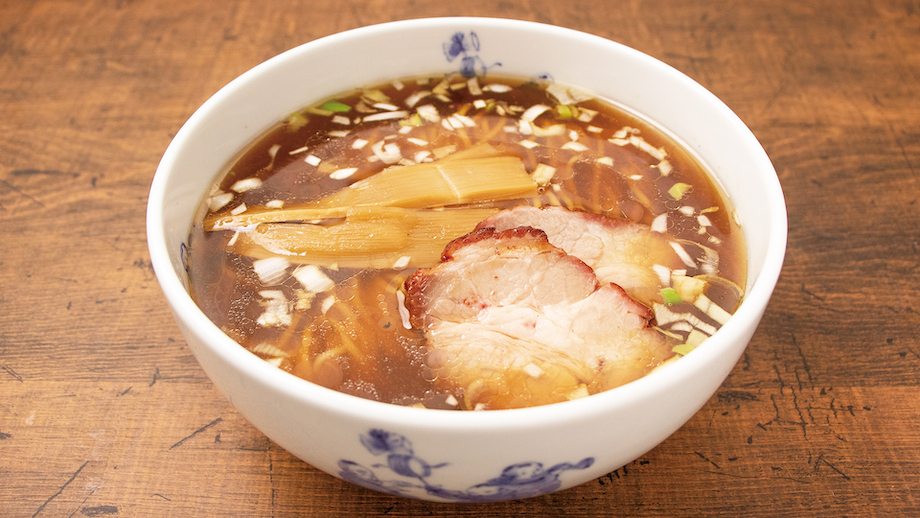
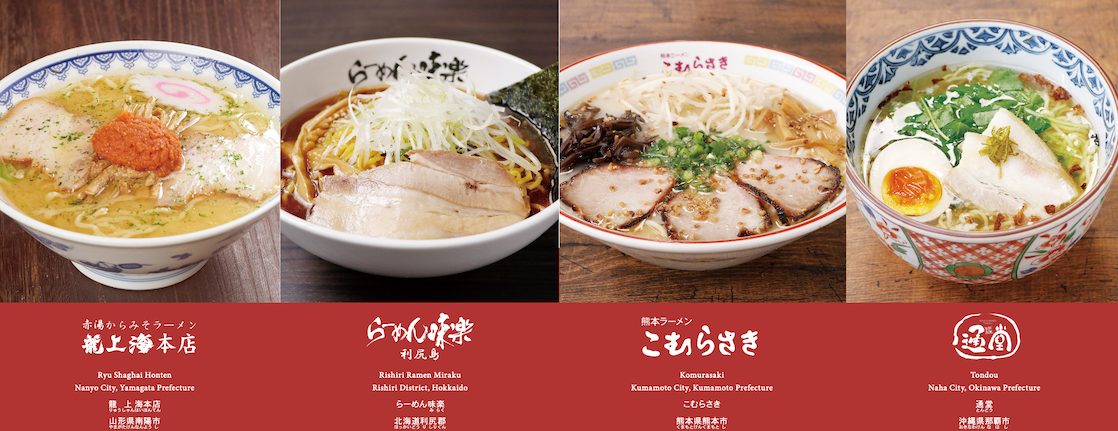
Even if we simply say “ramen” in one word, the taste and the way of eating vary. There are four main flavors: miso, soy sauce, salt, and tonkotsu. The soup is made by boiling 10 to 40 ingredients such as meat and vegetables, adding broth made from kombu and bonito flakes to give it flavor. Pale yellow noodles made with “kansui water” are boiled separately and added to the soup, topped with cha-shu- (roasted pork fillet), menma made from bamboo shoots, and chopped green onions as the basic toppings.
ひと言で「ラーメン」と言っても味や食べ方はさまざまです。味は大きく分けて、みそ、しょうゆ、塩、とんこつの4つ。肉や野菜など10~40種類の食材を煮込んだものに昆布や鰹節でとった出汁を加え、味をつけてスープにします。そこに「かん水」を使って作られた黄色い麺を別に茹でて入れ、チャーシュー(煮豚)、タケノコを加工したメンマ、刻みネギをのせるのが基本です。
Some ramen boast the aroma of fragrant oils and dried fish, others offer a subtle taste of seafood umami, while there are those with a refreshing flavor or hearty, oily richness—ramen’s world is profoundly diverse. Toppings, of course, add another layer of ingenuity. Among the ramen chefs are former French restaurant and top-tier traditional Japanese inn chefs, as well as newcomers from the apparel industry—each with their unique backgrounds. Every shop has its own story and its flavor. Ramen is filled with such allure.
香味油や煮干しの香りがただようもの、魚介の旨味がじんわりと感じられるもの、さっぱりした味わいのものもあれば、ボリュームたっぷりで脂ぎったものなど、ラーメンの世界は奥が深いものです。もちろんトッピングも工夫次第。店主にはフレンチレストランや一流料亭からの転身者、アパレル業界から参入した人などもいて、その経歴はさまざまです。それぞれの店に物語があり、味がある。ラーメンにはそんな魅力が詰まっています。
Ramen typically consists of noodles in warm soup, but there’s also “tsukemen,” where noodles are served on a plate and dipped into warm soup, and “mazesoba,” where noodles are mixed with sauce at the bottom of a bowl, sans soup. Furthermore, there are “local ramen” varieties, each with distinctive regional characteristics.
温かいスープに麺が入っているものが主流ですが、皿に盛られた麺を温かいスープにつけて食べる「つけ麺」、スープがなく器の底にあるタレと麺を混ぜて食べる「まぜそば」もあります。また、「ご当地ラーメン」と呼ばれ、その地域ならではの特徴があるものもあります。
For instance, Sapporo Ramen from Hokkaido is famous for its miso flavor. Due to the cold, they use plenty of fat to create a transparent film on the soup’s surface, preventing it from cooling down quickly. Local corn and butter straight from the pastures are commonly used ingredients. In the same Hokkaido region, Hakodate Ramen features a clear, salty soup. Kitakata Ramen from the Tohoku region uses soy sauce flavor with curled noodles, while Hakata Ramen from Kyushu has a milky white tonkotsu flavor. They use thin, straight noodles and toppings such as red pickled ginger, sesame, and karashi-takana (pickled takana mustard with Chili). In Hakata Ramen, there’s also a system called “kaedama,” where you can order an extra serving of noodles while keeping the soup.
例えば、北海道の札幌ラーメンは味噌味が有名です。寒いため、脂を多めにしてスープの表面に透明の膜を張らせて冷めないようにしています。地域で収穫されたとうもろこしが具材に使われたり、牧場直送のバターがのっていたりします。同じ北海道でも、函館ラーメンは塩味で澄んだスープ。東北の喜多方ラーメンは醤油味のちぢれ麺で、九州の博多ラーメンは白く濁ったとんこつ味。細くまっすぐな麺を使い、トッピングとして紅ショウガや胡麻、辛子高菜などを入れます。博多ラーメンには、スープを残して麺だけをお替わりする替え玉というシステムもあります。
Ramen originated from China and underwent its unique development in Japan. The widespread popularity started with the opening of “Rairaiken” in Asakusa, Tokyo, in 1910. It’s said that they sold up to 3,000 bowls a day at times. After that, new ramen shops emerged one after another, and following the Great Kanto Earthquake of 1923, the operation of low-cost food stalls proliferated throughout the Kanto region, requiring minimal capital. In the post-World War II era, when food was scarce and poverty was rampant, cheap and nutritious ramen became a favorite among the common people. Then, with subsequent gourmet trends, a variety of distinctive ramen products were developed one after another.
ラーメンは中国から伝来し、日本独自の発展を遂げました。一般に広がったのは、1910年に開業した東京・浅草の「来々軒」がきっかけです。多い日には1日に3,000杯も売れたのだとか。その後、新たなラーメン店が次々に誕生し、関東大震災(1923年)後は、被災した関東一帯に元手のかからない屋台での営業が急増しました。安くて栄養豊富なラーメンは、食料が乏しく貧しかった第二次世界大戦後、庶民の人気料理となりました。そして、その後のグルメブームとともに、個性的な商品が次々に開発されていきました。
There are popular shops you’d want to visit at least once, renowned establishments that have earned Michelin stars, and new restaurants that keep popping up. For those who can’t make it to the actual location, there’s also the option of ordering to enjoy the taste of those restaurants at home. When you order through a takeout-specialized website, they deliver the dishes frozen, just as they make them in the restaurant, so you only need to heat them in hot water when you’re ready to eat. No matter how far away or how difficult to reach, you can still enjoy ramen from even the most remote or inaccessible shops.
一度は行きたい人気店もあれば、ミシュランの星を獲得する名店もあり、さらに新店がどんどん誕生しています。現地まで行けない方には、自宅でその店の味を堪能できるお取り寄せもあります。お取り寄せ専門サイトで注文すると、お店で作ったそのままを冷凍して届けてくれるので、食べたい時に湯煎するだけ。どんなに遠くても、どんなに行きにくいところにある店のラーメンでも食べられます。
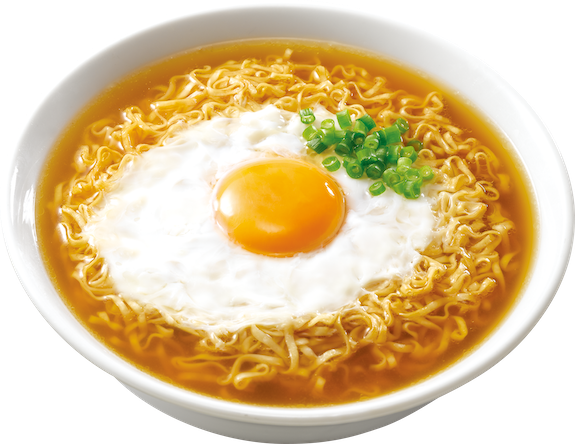
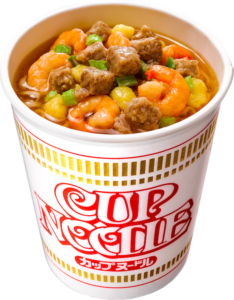
Additionally, we mustn’t forget about instant ramen. Occasionally indulging in it makes you marvel, at “How delicious it is,” and it has undoubtedly served many as emergency food. In 1958, as a groundbreaking product aiming to enrich Japanese diets affordably, the world’s first instant ramen, “Chicken Ramen,” was born. Just pour hot water and wait for 2 minutes—a brilliant option even for a single child to enjoy at home. Its ability for long-term preservation contributed to its explosive success, spreading worldwide. As of 2023, the suggested retail price for a pack of 5 servings of “Chicken Ramen” is 680 yen (excluding tax).
また、忘れてならないのはインスタントラーメンです。たまに食べると「なんて美味しいんだろう」と驚きますし、非常食としてどれだけ多くの人の役に立っていることか。1958年、日本人の食生活を安価で豊かにする画期的な商品として、世界初のインスタントラーメン「チキンラーメン」が誕生しました。お湯をかけて2分待つだけですので、家で子ども1人でも食べられる優れもの。長期保存ができることからも爆発的にヒットし、世界に広まりました。「チキンラーメン」の希望小売価格は2023年現在、袋入り5食パック680円(税抜)です。
カップヌードル シズル
The world’s first cup noodle, “Cup Noodle,” packaged in a container, was released in 1971. It’s preservable, convenient to carry, and can be eaten anytime, anywhere. In 2005, it was even eaten in space as the world’s first space ramen. Instant ramen, born in Japan, is now consumed worldwide at a rate of approximately 120 billion servings per year (according to the 2022 World Ramen Association study).
容器に入った世界初のカップ麺「カップヌードル」が発売されたのは1971年。保存がきき、持ち運びに便利で、いつでもどこでも食べられます。2005年には、世界初の宇宙食ラーメンとして宇宙でも食べられました。日本で生まれたインスタントラーメンは、今や全世界で1年間に約1,200億食が食べられています(2022年世界ラーメン協会調べ)。
Ramen, which continues to evolve daily, doesn’t remain stagnant in one place. Though comprised of only three elements—Chinese noodles, soup, and toppings—it’s deceptively simple, yet ramen chefs meticulously consider a variety of ingredients and combinations, relentlessly pursuing their unique flavors. It’s where the crystallization of the blood, sweat, and tears of the ramen shop owners lies.
日々進化し続けるラーメンは、ひとところにとどまっていません。中華麺、スープ、具の3つだけといたってシンプルなだけに、素材の種類や組み合わせを考え抜き、独自の味を追求し続ける。そこには店主たちの血と汗と涙の結晶が詰まっています。
By observing the presentation, you can tell which shop it’s from in the world of ramen, rich in originality. So, please, immerse yourself deeply into it.
盛り付けを見れば、どこの店かわかるほどオリジナリティに富むラーメンの世界に、どうぞ、どっぷりとはまってみてください。
Text: IWASAKI Yumi
文:岩崎由美
-
Japanese People who Love Hot Springs – 温泉を愛してやまない日本人
[Japan Savvy – March 2024 Issue]
The “onsen” (hot springs) are an essential part of Japanese culture and daily life, and it is like a remedy that restores the body and mind.
温泉は日本の文化や日常生活に欠かせ ない存在で、心と身体を回復させる万 能薬のようなものです。
The enjoyment of onsen isn’t just about soaking your body in hot water to warm up. It also involves staying at a hot spring inn, bathing in outdoor baths or communal baths multiple times, enjoying delicious local food, and fully immersing yourself in the atmosphere of the journey.
温泉の楽しみは、お湯につかって体を 温めるだけではありません。温泉宿に 泊まって露天風呂や大浴場に何度も入 ったり、地元の美味しいご飯を頂いた りして旅の雰囲気を満喫することも含 まれています。
The history of onsen is long, with records dating back over 1300 years. In the past, there was a thriving medical treatment called “touji ,” aimed at recovering from illnesses and injuries, where people with ailments would spend leisurely time in hot spring resorts.
温泉の歴史は長く、1300 年以上さか のぼる文献もあります。昔は病気やけ がの回復を目指す「湯治」という療養 が盛んで、病気や傷を抱えた人々が温 泉地でゆっくり過ごしていました。
Onsen has various characteristics depending on the location. For example, the hot water of Kusatsu Onsen is known for acidic water with strong sterilizing effects. Moreover, there are also many onsen that you can visit for a day trip.
温泉は土地によっていろいろな特徴が あります。例えば、草津温泉は強い殺 菌効果のある酸性のお湯で知られてい ます。また、日帰りで行ける温泉もた くさんあります。
With 27,000 hot spring sources, Japan has built a unique culture as one of the world’s leading hot spring countries.
2 万7,000 もの源泉( 温泉が湧き出 てくる場所)がある日本は、世界屈指 の温泉大国として独自の文化を築いて きました。
-
Blades imbued with a sacred radiance, housing the soul – 神聖な輝きに魂宿す刀剣
[Japan Style – from March 2024 issue]
The most famous sword in Japan is perhaps the “Kusanagi-no-Tsurugi (grass-mowing sword).” It is still handed down in the emperor’s family as one of the “Three Sacred Treasures” that are inherited along with the imperial throne.
日本で一番有名な刀剣は、「草薙剣」ではないでしょうか。皇位とともに受け継がれる宝物「三種の神器ルビ:さんしゅのじんぎ」の一つとして、今も天皇家に伝承されています。
In the “Kojiki” and “Nihon Shoki,” it is described that a divine sword emerged from the tail after slaying the eight-headed serpent, Yamata no Orochi, becoming a sacred sword to protect the country since then. Currently enshrined as the main deity at Atsuta Shrine, a replica believed to house the spirit of the deity is kept at the Imperial Palace. Even the Emperor is said to be prohibited from viewing it.
「古事記」「日本書紀」には、八つの頭を持つ大蛇、八岐大蛇を退治した時に尾から出てきたと記され、その時から国を護る神剣となりました。現在、熱田神宮のご神体として祀られ、皇居にあるのは神霊を宿したと言われる写しであり、天皇ですら見ることが禁じられているそうです。
A sword is a work of art of the highest quality that celebrates elegance and lean beauty. At the same time, it is a weapon of strength, a talisman to protect oneself, and a votive offering to the gods, and is also revered as a deity itself. Numerous legends also tell of spiritual and supernatural powers dwelling within these swords.
刀剣は優美で無駄のない美しさをたたえる最高級の芸術品であると同時に、強さを兼ね備えた武器であり、自分を守るお守りであり、神様に奉納するものであり、さらに神様そのものとして敬われています。刀剣には霊力、妖力が宿っているという伝説も数々残されています。
SANJOU Munechika, one of the most renowned swordsmiths of the Heian period (8th to 12th century), is said to have crafted a sword together with a fox incarnate and presented it to the emperor. In Munechika’s masterpiece, the “National Treasure – Mikazuki Munekane (Crescent-moon Munechika)” housed in the Tokyo National Museum, the supple blade exudes a sensation of something beyond human strength.
平安時代(8~12世紀)のもっとも有名な刀工、三条宗近は、天皇に献上する太刀[たち]を狐の化身と一緒に作ったのだとか。宗近の最高傑作「国宝・三日月宗近」(東京国立博物館蔵)のしなやかな刀身には、人の力を超えた何かが感じられます。
Moreover, the equally fine blade “National Treasure – Doujikiri Yasutsuna” (Crafted by HOUKI Yasutsuna, housed in the Tokyo National Museum) is said to have vanquished the feared demon Shuten-douji, who terrorized the people of the capital. Beyond demons, there are numerous legends of slaying supernatural beings, and during such times, the sword is believed to take on a personality, playing a significant role in aiding and protecting humans.
また、同じく名刀の「国宝・童子切安綱」(伯耆安綱作・東京国立博物館蔵)は、都の人々に恐れられていた鬼であった酒呑童子を退治したと言われています。鬼はもとより妖怪退治の伝承も数多くあり、その時、刀は人格を持って大活躍して人間を助けてくれます。
Including these two swords, the Tokyo National Museum in Ueno, Tokyo, houses 19 out of the 122 designated national treasures of swords in Japan as of 2022. Notably, many of these swords were presented to the imperial family during the Edo period (17-19th century) to pre-World War II, boasting a collection of renowned swords of the nation.
この二振を含め、東京国立博物館(東京・上野)には、日本が国の宝として指定する刀剣122件の内19件が所蔵されています(2022年現在)。特に、江戸時代(17~19世紀)から第二次世界大戦前にかけて皇室や皇族に献上されたものが多く、天下にとどろく名刀がそろっています。
For us in the modern era, the Japanese sword is a work of art. When displayed in museums and art galleries, its extraordinary beauty radiates a commanding presence, imbuing the atmosphere with an unmistakable air of exclusivity.
現代の私たちにとっての日本刀は美術品です。博物館や美術館に展示されると、ただならぬ美しさで威光を放ち、特別な空気がみなぎります。
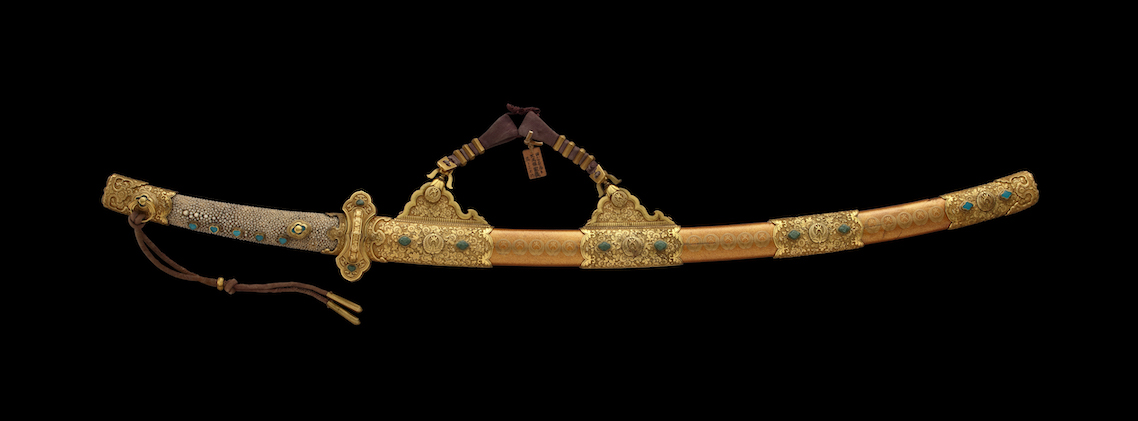
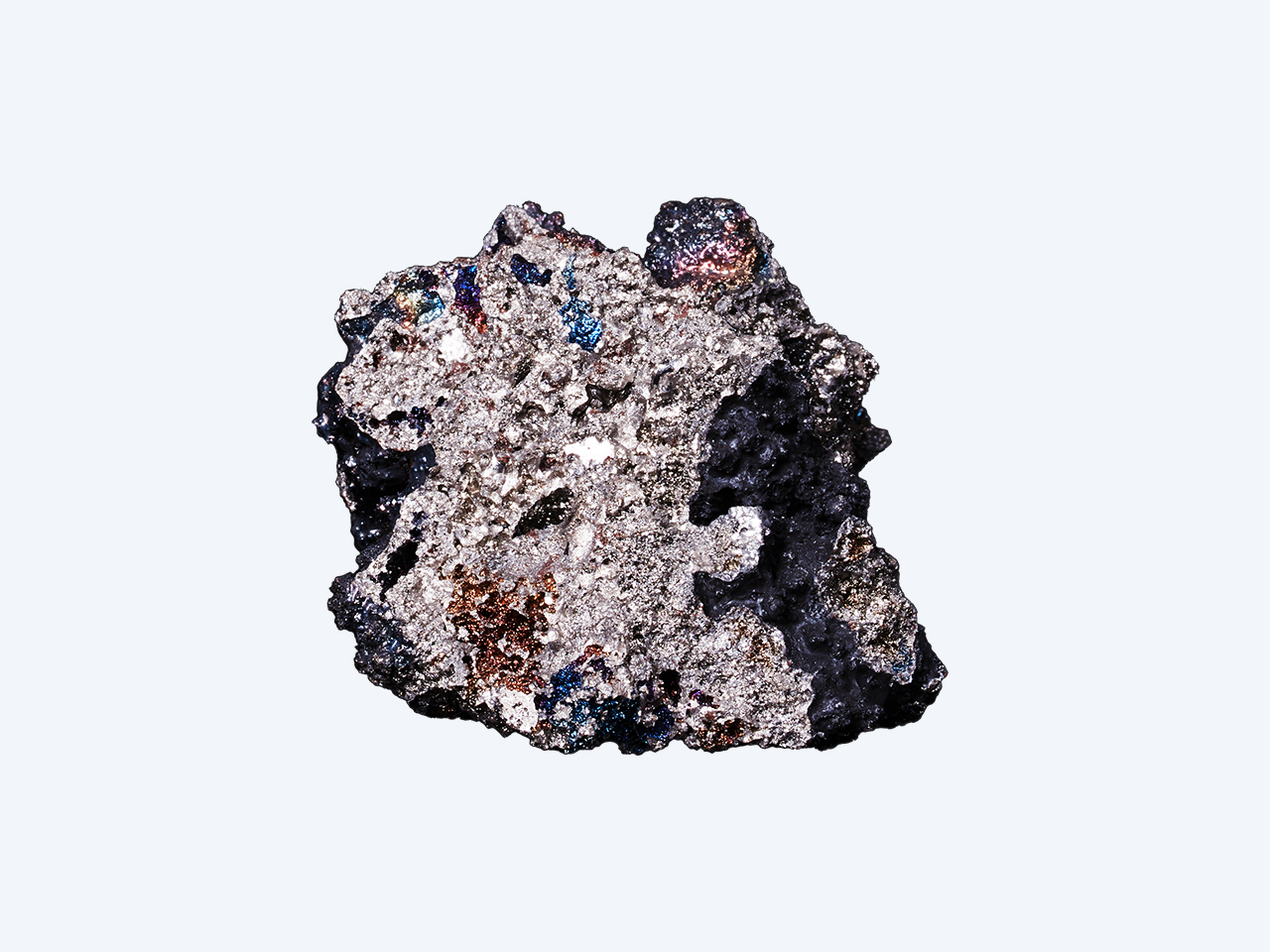
The Japanese sword consists of the blade and the tousougu (external components). The blade is made of hard and sharp iron. It uses sand iron as the raw material and employs a unique Japanese steelmaking method called “tatara-buki” to create a special iron known as tamahagane. The tousougu, broadly categorized into hilt, guard, and scabbard, incorporates precious materials such as metal, wood, fabric, thread, leather, lacquer, mother-of-pearl, gemstones, and cloisonne. It’s a collection of the finest craftsmanship by artisans. Similar to the blade, the tousougu is also a splendid work of art.
日本刀は、刀身とそれを保護する外装である「刀装具」から成ります。刀身は硬くて鋭い鉄製です。砂鉄を原料とし、「たたら吹き」という日本独自の製鉄法で作った玉鋼という特別な鉄を用います。刀装具には大きく分けて柄、鍔[つば]、鞘[さや]があり、金属、木、布、糸、皮、漆、夜光貝[やこうがい]、玉宝石)、七宝[しっぽう]などの貴重な素材が使われます。職人たちの技術の粋が集められているのです。刀装具も刀身同様、見事な芸術品です。
“Tatara” might ring a bell for those who have seen Studio Ghibli’s animated film “Princess Mononoke.” In this context, “tatara” refers to foot-operated bellows, a tool used to blow air into a furnace. The story unfolds in this “tatara site,” where mountains are carved to extract sand iron, and trees from the forest are cut down to produce charcoal. “Princess Mononoke” narrates the conflict between humans who have polluted the forest and the gods of the forest.
「たたら」は、スタジオジブリのアニメ映画「もののけ姫」をご覧になった方なら記憶にあるかもしれません。「たたら」とは、炉に風を送るための足踏み式の道具「ふいご」のことです。物語の舞台がこの「たたら場」で、そこでは山を削って砂鉄を掘り、森の木を伐採して木炭を作ります。「もののけ姫」は、森を穢した人間と森の神(もののけ)の戦いを描いた物語なのです。
Using the “tatara method,” the steel created is heated to a blazing red, around 1300 degrees, and then subjected to a process of repeated heating, hammering, stretching, folding, and hammering again. Through this meticulous process, high-purity steel is achieved, possessing a tenacity and strength that cannot be replicated even with the most advanced modern techniques. As purity increases, it’s said that iron approaches transparency and emits a bluish-white light. The enduring radiance and rust resistance, even after nearly 2000 years, are attributed to the thorough removal of impurities. Performing these painstaking tasks results in the unique characteristics of Japanese swords – they don’t break, they don’t bend, and they cut exceptionally well.
この「たたら製法」で作った鋼[はがね]を1300度の火の中にくべて真っ赤に燃やし、叩いて伸ばし、折りたたんではまた叩いて伸ばしていくという作業を何度も繰り返していきます。すると、現代のどんな最新の技術を使っても作ることができない、粘りや強度を持つ高純度の鋼となります。純度が高まると、鉄は透明に近づき青白い光を放つといわれます。今も神々しいほどに輝き、2000年近くたっても錆びないというのは、不純物が徹底的に取り除かれているからだそうです。こうした気の遠くなるような作業を行うことで、折れず、曲がらず、よく斬れるという、日本刀ならではの特性が現れます。
The long blade of the sword, with a gentle curvature, has its tip finely sharpened. The surface displays woodgrain-like patterns, and the motifs known as “hamon” between the blade and the iron base not only indicate its age but also reveal details about its place of origin, the school of the swordsmith, and specific artistic preferences. Crafted with ingenuity and infused with the smith’s soul, these swords are so exceptionally beautiful that one can’t help but think they harbor the spirits of gods and buddhas. They epitomize the ultimate form of balanced and functional beauty.
反りながら長く延びる刀身の切っ先は鋭利に磨き上げられ、木目のような肌模様や、刃と地鉄の間に見られる刀文と呼ばれる文様から、作られた年代はもとより、産地や刀工の流派、こだわりが見られます。刀鍛冶たちが創意工夫を凝らし、魂を込めて作り上げる刀剣は、神仏が宿っているとしか思えないほどの美しさです。均整がとれた機能美の究極の姿と言えるでしょう。
Swords are said to have developed uniquely in Japan from those introduced from the continent during the Kofun period (3rd to 7th century). Initially, they were straight swords without curvature, but during the Heian period, they underwent a change to a curved shape for easier downward swings from a horseback position. As the turbulent times unfolded, the demand for swords increased dramatically, leading to continuous evolution. Furthermore, during the Kamakura period (12-14 centuries), swordsmiths began receiving patronage from the imperial court, and swords reached the pinnacle of beauty. Even today, 80% of the swords preserved as national treasures were crafted during this era. Materials, structures, shapes, and sizes varied across different periods, and regional differences in artistic styles emerged. Swords, each with its own origin, history, legends, and anecdotes, become more intriguing as one delves deeper into their details.
刀剣は、古墳時代(3~7世紀)に大陸から伝来したものが日本独自に発展したと言われています。当初は反りのない直刀でしたが、平安時代になると、馬乗の姿勢から振り下ろしやすいよう反りのある形に変化します。以降、戦乱の世になると需要が急増し、どんどん進化していきます。さらに、鎌倉時代(12~14世紀)になると刀工が朝廷の庇護を受けるようになり、刀は美を極めます。今も国宝として残る刀の8割が、この時代に作られました。時代によって素材、構造、形、大きさが異なり、地域によっても作風が違います。由来や来歴、伝説やエピソードがついて回る刀剣は、知れば知るほど興味が広がります。
TOYOTOMI Hideyoshi, who unified the disturbances of war, is considered the greatest sword collector in history. According to HON’AMI Mitsunori, who served as a sword appraisal official, Hideyoshi stored 453 swords in Osaka Castle. The swordsmiths particularly cherished by Hideyoshi were “Yoshimitsu,” “Masamune,” and “Yoshihiro.” These craftsmen boasted outstanding expertise in the art of sword smithing during the Kamakura era. The Hon’ami family, renowned for sword appraisal and polishing, has continued as a prestigious lineage to this day.
戦国の世を統一した豊臣秀吉は、史上最大の刀剣収集家と言われています。大阪城に453振[ふり]を保管していたと、刀剣鑑定役を務めた本阿弥光徳(ルビ:ほんあみこうとく)が記しています。この秀吉が特に愛したことで知られる刀工が「吉光」「正宗」「義弘」です。彼らは鎌倉時代の卓越した技量を誇る刀工でした。本阿弥家は、その後も刀剣鑑定や研磨の名門一族として、今も脈々と続いています。
The Japanese swords, highly treasured by emperors and warriors, faced restrictions in the Meiji era (19th century) when carrying swords was prohibited. Furthermore, in 1945 after the end of World War II, all Japanese swords were deemed weapons by the GHQ (General Headquarters), putting them in a perilous situation. However, government officials dealing with national treasures and art pieces fervently protected these exceptional works of art deeply intertwined with Japan’s history and culture, allowing them to be preserved and owned.
天皇や武人から大切にされてきた刀剣ですが、明治(19世紀)になると刀を持ち歩くことが禁止されました。また、第二次世界大戦終結後の1945年にも、日本刀はすべてGHQに武器とみなされ、存亡の危機に立たされました。しかし、日本の歴史や文化と深く結びついた優れた美術工芸品として所持できるよう、国宝や美術品を扱っていた政府役人らが必死で守り通し、残すことができたのです。
The techniques and traditions of sword smithing, dating back nearly 2000 years, continue to be passed down to the present day, with new swords still being crafted in the modern era. Once a year, tamahagane, produced with the aim of preserving traditional techniques and training artisans, is provided to approximately 200 skilled swordsmiths who have completed over five years of training and practical examinations. The unchanged craftsmanship of Japanese swordsmiths, both in ancient and modern times, garners attention worldwide. Not only historical pieces but also newly crafted swords have gained popularity to the extent of being housed in renowned art museums around the world.
2000年近くにもなる作刀の技法と伝統は今に受け継がれ、現代でも新しい刀が打たれています。年に一度、伝統技術の伝承と技術者の養成を目的に製造される玉鋼が、5年以上の研修と実地試験を終了した刀工約200名に提供されます。昔も今も変わらぬ日本の刀鍛冶の技術は世界中から注目され、歴史ある古いものだけでなく、新作の刀剣も世界の名だたる美術館に収蔵されるほどの人気となっています。
The sword boom, originating from games like “Sengoku BASARA” and “Touken Ranbu,” has led to crowdfunding initiatives for the restoration and recreation of famous swords. Additionally, the influence is immeasurable, with a significant increase in female fans known as “touken joshi” or “sword girls.”
ゲーム「戦国BASARA」や「刀剣乱舞」に端を発した刀剣ブームは、名刀の復元、再現のためのクラウドファンディングにつながったほか、「刀剣女子」と呼ばれる女性ファンが急増するなど、その影響力は計り知れません。
In 2019, the beloved sword of AKECHI Mitsuhide, a 16th-century samurai, was discovered. In 2023, a sword exceeding two meters in length was unearthed from an ancient burial mound in Nara Prefecture. The discovery of long-lost or presumed-lost famous swords, after having been missing for an extended period, adds to the allure and romance surrounding these historical artifacts.
2019年には明智光秀(16世紀の武将)の愛刀が見つかり、2023年には奈良県の古墳から2メ―トルを超える剣が出てきました。長い間、所在不明であったり、失われたと思われていた名刀が発見されるのも、ロマンをかき立てられる理由の一つとなっています。
文:岩崎由美
Writer: Yumi Iwasaki
-
The Allure of Yakitori | やきとりの魅力
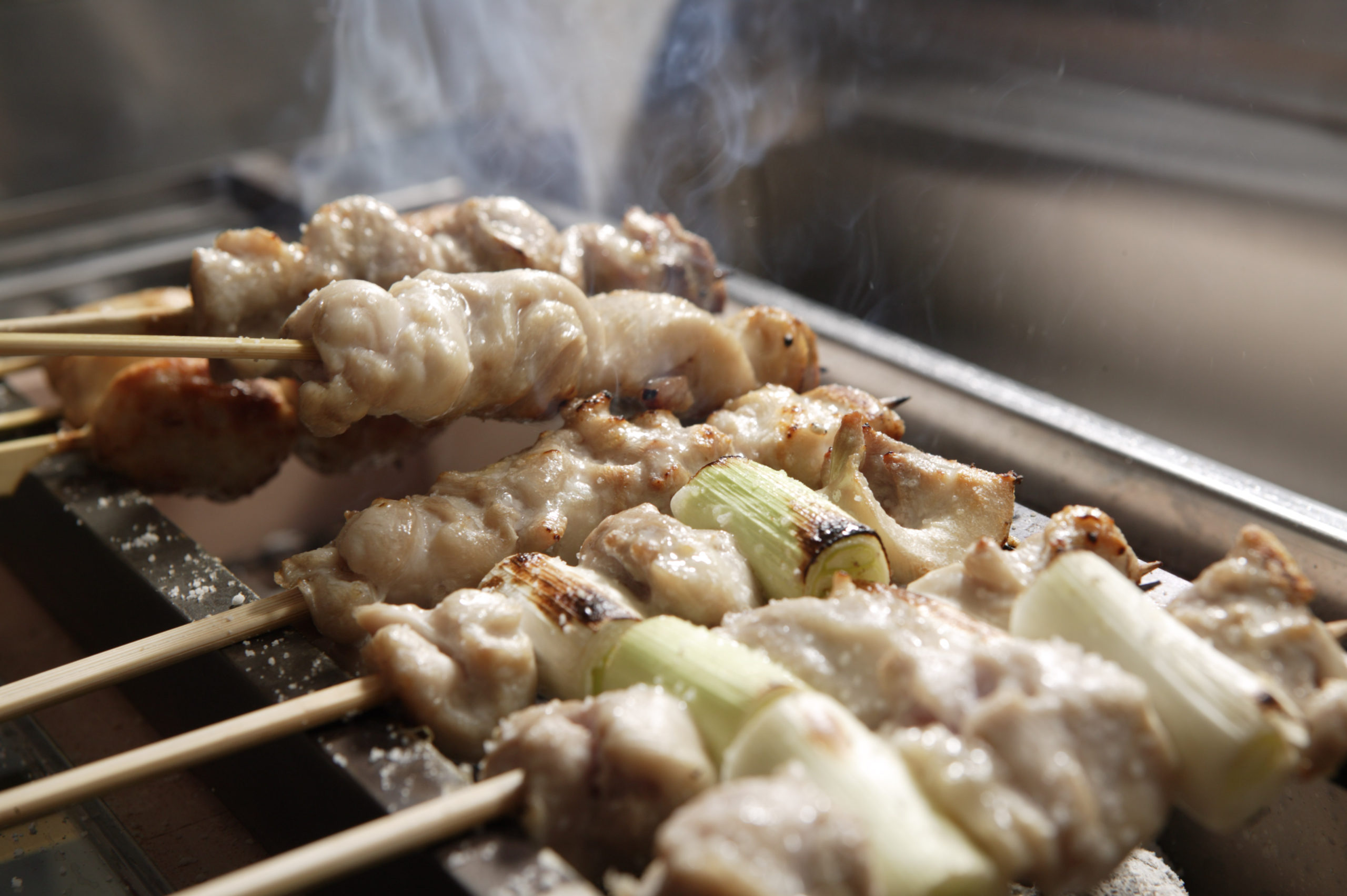
From February 2024 issueWhenever I pass near Shibuya Station, the aroma of Yakitori fills the air, tickling my senses and making me think, “Oh, I want to eat that,” as I hurry back home. The sound of Yakitori sizzling on the grill, the tantalizing scent of the sauce caramelizing, the smoke – it’s irresistible to anyone who loves Yakitori.
いつも渋谷駅の近くを通ると「やきとり」の香りが漂ってきて、鼻孔をくすぐられ「あぁ、食べたい」と思いながら家路を急ぎます。やきとりがチリチリと焼ける音、たれが焦げる食欲をそそる匂い、煙、どれもやきとり好きな人にとってはたまらないものばかりです。
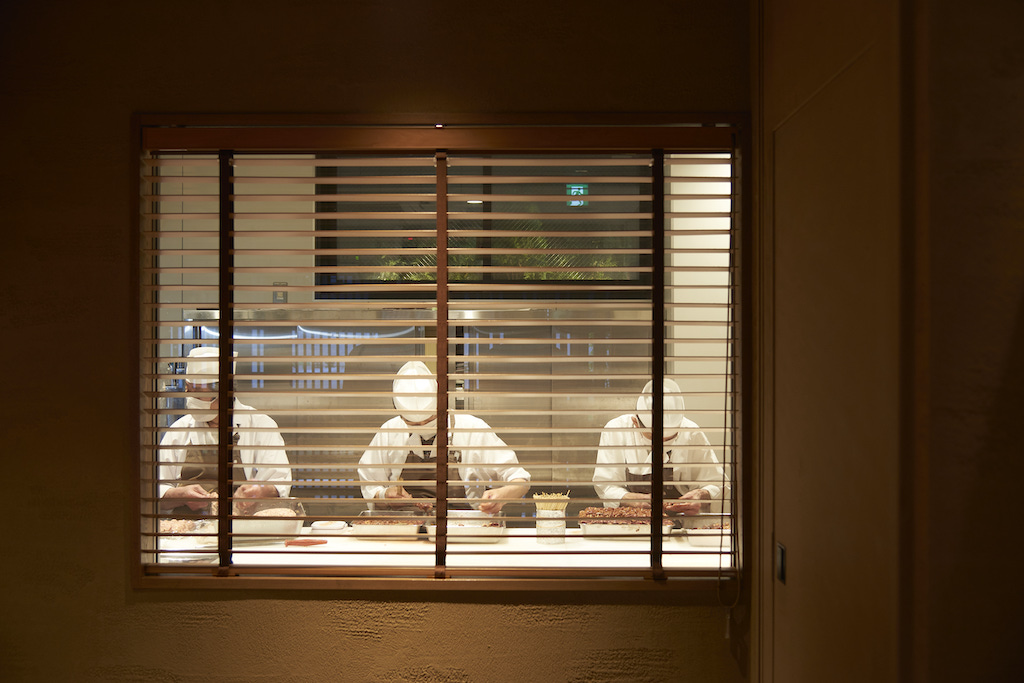
Near the shop window, there’s a grill where shokunin diligently work; not a hint of a smile, but they are entirely focused as they grill, even breaking into a sweat. You can see their dedication from the outside. Inside, salarymen sit at the counter or tables, beer in hand, savoring Yakitori skewers after a long day at work. It’s easy to be drawn in, step inside, and place an order without a second thought.
お店のガラス窓のそばに焼き台があり、そこで汗をかきながらニコリともせず真剣に焼き続ける職人さん。外からもその様子は覗けます。中に入ると、カウンターやテーブルに座った仕事帰りの男性がビール片手にやきとりの串を幸せそうにほおばっています。思わずふらふらとお店に入って、注文してしまいそうです。
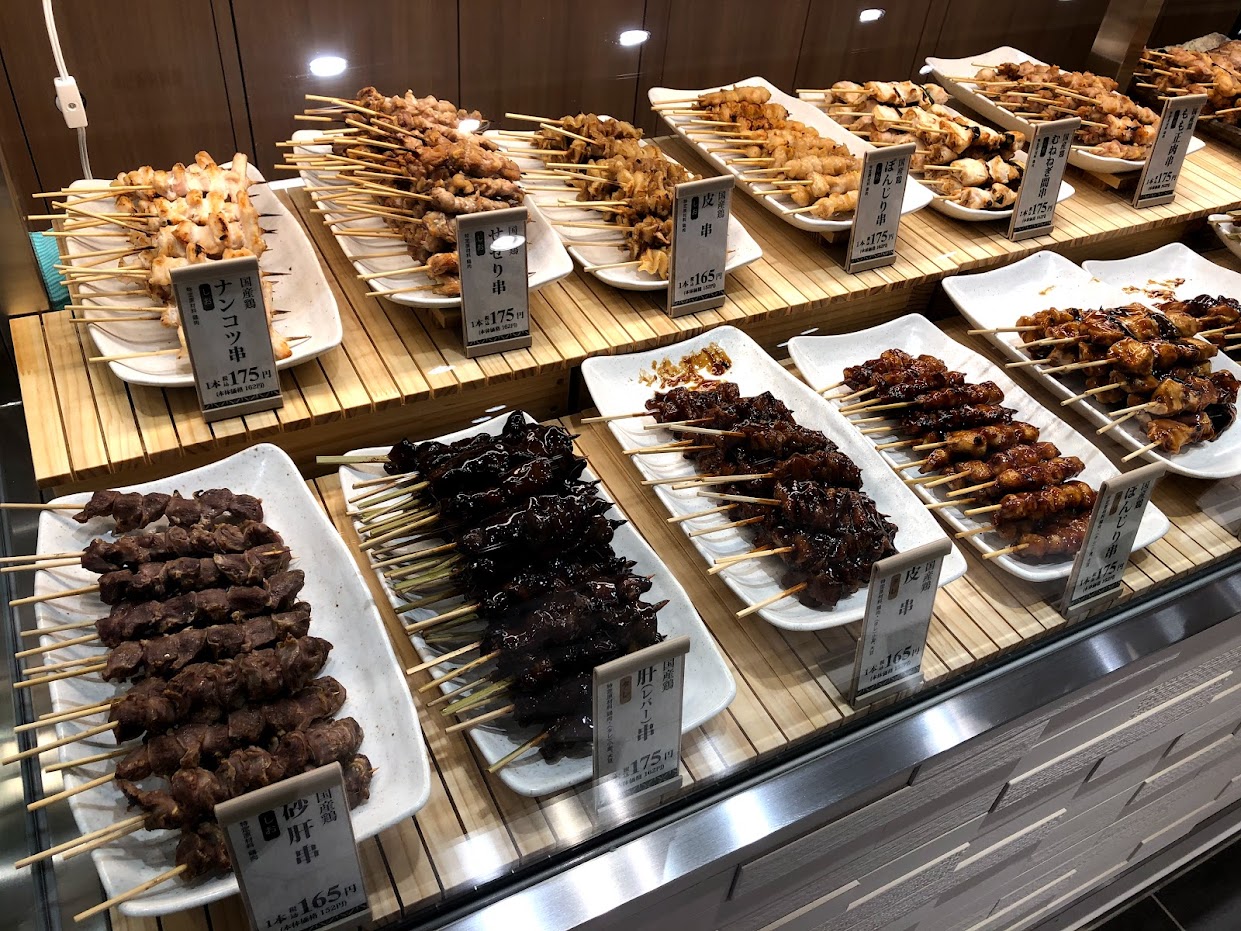
For the Japanese, Yakitori is an extremely familiar dish. It’s a simple cuisine where chicken pieces are skewered, dipped in sauce, sprinkled with salt, and then grilled. It’s a dish we adore. You can buy ready-made Yakitori at supermarkets, convenience stores, and department store basements or enjoy them in restaurants. They appear on izakaya menus so frequently that it’s almost a given.
日本人にとってやきとりは、きわめて身近な食べ物です。鶏肉を串に刺して、たれにつけたり、塩を振ったりして焼くという、ただそれだけのシンプルな料理ですが、愛してやまない一品です。スーパーやコンビニ、デパ地下などで、できあいを購入することもできますし、店でも食べられます。居酒屋のメニューにもほとんどと言っていいほど登場するのではないでしょうか。
Even among Yakitori restaurants, the styles vary. Some resemble neighborhood hangouts under the smoky awning under train tracks, while others are elegant venues with soft lighting and jazz playing in the background, perfect for a romantic date night. Michelin-starred Yakitori restaurants, where important guests are entertained, are so popular that securing a reservation can be challenging.
同じやきとり専門店でも、そのスタイルは様々で、煙がもうもうと立ち込めるガード下にあるような大衆的な所もあれば、間接照明がつきジャズが流れデートに使える洒落た店もあります。また大切なお客様を接待できるミシュランの星付き店などは予約が取れないほどの人気です。
In Yakitori restaurants today, while grilling chicken is the orthodox method, some also refer to skewers of beef or pork organs as “Yakitori.” In the Showa era (1926-1989), birds like sparrows and quails were also grilled and called “Yakitori.”
こうしたやきとりは、鶏肉を焼くのが正統派ですが、なかには牛や豚などの内臓を串焼きにしたものを「やきとり」と呼んでいたり、昭和(1926~1989)の頃までは雀や鶉(ルビ:うずら)といった野鳥を焼いて「やきとり」として食べていたところもあります。
So, what can you eat at Yakitori restaurants today? For those who prefer something light, we recommend “Sasami,” which is chicken breast meat. Grill it lightly so that the inside remains rare, and enjoy it with wasabi. Sasami has low-fat content, high protein, and a soft, fluffy texture. The classic choice is undoubtedly “Momo” or chicken thigh. It’s a substantial portion from the leg to the base of the thigh.
では、現在のやきとり屋では、一体どんなものが食べられるでしょうか。あっさりしたのが好きな人には「ささみ」をお勧めします。「ささみ」は胸肉の内側にある筋肉で、軽く焼いて中はレア、わさびをつけていただきましょう。脂肪分が少なくてたんぱく質が多く、中はふんわり柔らかです。定番は、なんといっても「もも」。脚からももの付け根にかけての大きな部位で、食べ応え満点です。
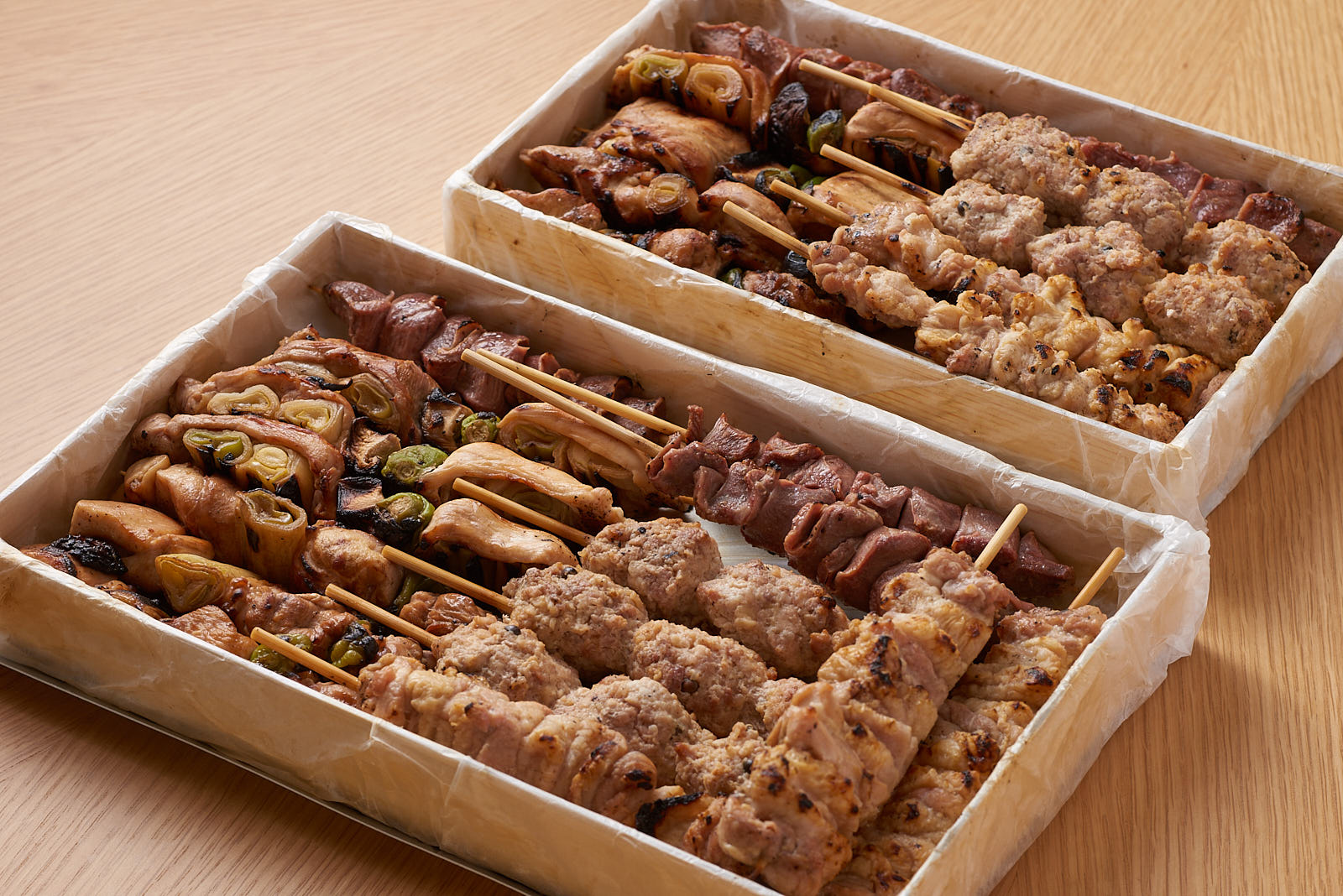
The heart is called “Hatsu” and boasts an elegant flavor and a plump texture. The liver, known as “Reba,” is wonderfully smooth and a treasure trove of iron. Savor its rich flavor. “Snagimo,” a calcium-rich muscular part found on the outer surface of the stomach, offers a satisfying, push-back texture. Some restaurants refer to patties made from minced “Momo,” breast, neck, and other meat parts as “Tsukune.” At the renowned yakitori restaurant Isehiro, these patties are crafted without any binders and are uniquely accented with hemp seeds and salt.
心臓は「ハツ」と呼び、上品な旨味とプリっとした歯ごたえがあります。肝臓「レバー」はねっとりしたなめらかさで、鉄分の宝庫。コクのある味わいを召し上がれ。砂肝は胃袋の外側のカルシウムが豊富な筋肉の部位で、押し返すような食感を味わえます。もも、胸、首などの粗挽肉をミンチにして丸めた団子は、店によっては「つくね」と呼びます。やきとりの名店「伊勢廣」の団子は、つなぎを一切使わず、麻の実と塩でアクセントをつけています。
“Teba” (chicken wings) are typically skewered with the bone from the tip of the wing to the elbow. They grill up crispy and fragrant, and it’s enjoyable to strip the meat off the bone with your teeth. “Kawa” (chicken skin) is rich in collagen, and the fat spreads in your mouth. Utilizing every part of the chicken, from head to toe, is a perfect way to savor it for the times.
「手羽」は、翼の先端からひじにかけての部分を骨がついたまま串に刺してあるのが一般的。カリッと焼けて香ばしく、手ではずして骨に絡みつく肉を歯でしごきながらいただくのも一興です。「皮」は、コラーゲンがたっぷり。口の中にジュワッと脂が広がります。こうして一羽丸ごと、頭から足の先まで、あますところなく使い切るなんて、時代にピッタリの食べ方ですね。
What matters most in Yakitori is the quality of the material – the chicken, the taste, and the skills. Selecting ingredients, careful preparation, skewering, and grilling with skill. Even though they may look the same, grilling techniques vary depending on the part. Maintaining high grill temperatures while grilling quickly, trapping the juices, and achieving a crispy finish – the Shokunin work leaves no room for error. The seasoning is either salt or Tare (sauce). Even with salt, there’s creativity, and the Tare made with soy sauce, mirin, and sugar gives each shop its unique flavor.
やきとりで大切なのは、素材である鶏、味、技術です。食材を選び、さばいて入念な仕込みをし、串を打ち、熟練した技術で焼く。同じように見えても、焼き方は部位によって異なり、炭の高温を保ちながら短時間で焼き上げ、肉汁を逃さずパリッと焼き上げる職人の姿には、隙がありません。味つけは塩かたれ。塩にも工夫を施し、しょうゆ、みりん、砂糖でつくったたれは、その店独自の味わいがあります。
The appearance of chickens in Japanese literature dates back to the “Ama-no-Iwato Legend” in the “Kojiki.” Chickens were considered sacred, believed to have the power to summon the sun goddess with their crowing, and were revered as divine messengers. Thus, the term “Tori,” which means birds, was primarily used for wild birds. During the Edo period (17th-19th century), the “Yakitori-yatai” that emerged were places where chicken organs were skewered and grilled alongside those of cows and pigs.
鶏が日本の文献に登場したのは『古事記』の「天の岩戸伝説」が最初です。鶏の鳴き声が太陽の神を呼びだす力があるとされ、神の使いとして神聖視されていました。そのため食べる「とり」と言うのは野鳥がメインでした。江戸時代(17~19世紀)に出現した「やきとり屋台」というのは、牛や豚の内臓と一緒に鶏の内臓を串に刺して食べるという物でした。
In 1871, with the lifting of the ban on meat consumption, chickens, like cows, gradually became a part of daily life. However, at that time, chicken meat was more expensive than beef. In the 1960s, broilers, which could be efficiently raised in a short period of about 50 days, became popular, and Yakitori spread rapidly.
1871年に肉食が解禁されると牛と同様、鶏も生活に浸透していきます。ただ当時は鶏肉のほうが牛肉よりも高価でした。1960年代、約50日という短期間で効率的に育ち、大量生産できるブロイラーが普及し、「やきとり」が一気に広がります。
Today, some popular places use broilers that prioritize freshness, while others use domestic brand chickens and free-range chickens. The diversification of cuts and rare varieties of chicken satisfy customers’ curiosity and desire for knowledge. High-end restaurants offer Omakase courses, meticulously planned to be eaten rhythmically, with vegetables and other items in between skewers. Also, there’s a wide variety of chicken dishes beyond skewers, which adds to the excitement.
いま、鮮度にこだわったブロイラーを使って大人気店となっているところもあれば、国産の銘柄鶏や地鶏を使う有名店もあります。部位の多様化や、希少価値のある鶏は顧客の好奇心を満足させ、知識欲も満たします。高級店の提供するお任せコースは、間に「野菜焼き」などをはさみながらリズムを持って食べられるように計算しつくしています。また、串以外の鶏料理も豊富で、それも楽しみの一つ。
Yakitori reflects the Japanese attention to detail and aesthetics in every aspect, embodying the philosophies of its shop owners. Since we’re here, shall we enjoy it again today?
「やきとり」には細部に渡る日本人のこだわりと美学が表れ、店主の哲学がこめられています。せっかくですから、今日もいただいちゃいましょうか。
文:岩崎由美
Writer: Yumi Iwasaki
-
世界で人気の日本のカレーライス
I heard that Japanese curry is popular all over the world. TasteAtlas, a website that introduces recipes and restaurants for traditional meals from around the world, ranked Japanese curry No. 1 in its “Best Traditional Food in the World” 2022 rankings.
日本のカレーが、世界で人気だと聞きました。世界の伝統的な食事のレシピやレストランを紹介するサイト「TasteAtlas」で、「世界最高の伝統料理」2022年のランキング1位が日本のカレー。
It is described there as “one of the most popular dishes in Japan, brought from England and eaten during the Meiji period (1868-1912). Compared to Indian curry, it is less spicy, sweeter, darker in color, and thicker due to the addition of a roux made of wheat flour.” Curry, which is so common among Japanese people, seems to be a world-class national dish.
そこには、「日本で最もポピュラーな料理の一つで、明治時代(1868〜1912)に英国から持ち込まれ、食べられるようになった。インドのカレーと比べてスパイシーさは控えめで、甘みがあり色が濃く、小麦粉が使われたルーを加えるため、とろみがある」と紹介されています。私たちにとって当たり前のように存在するカレーは、世界に誇る国民食と言えそうです。
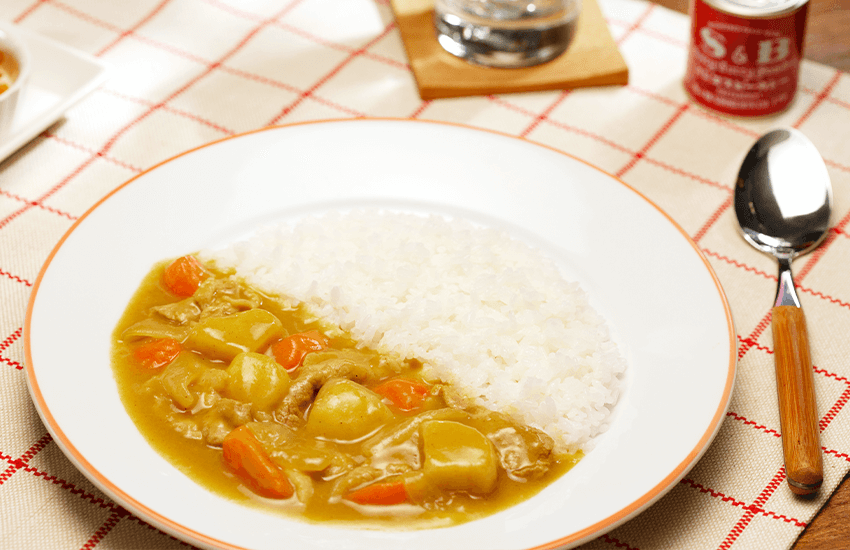
Surely no one can forget the taste of the curry their mother made for them as a child. Using commercially available curry roux, potatoes, carrots, onions, and meat, one can make a thick and creamy curry that they can then pour generously over a bed of rice. When I was in high school, my mother was sick in bed, so I made curry to give her something delicious to eat. I took my time to roast onions until they were golden brown and used curry powder to make this authentic curry. I’ve even had someone who makes good curry hit on me using the line, “I made curry. Would you like to come over to my house?”
確かに、誰もが子どもの頃にお母さんが作ってくれたカレーの味を忘れることはできないでしょう。市販のカレールーを使い、大きなジャガイモにニンジン、玉ネギ、お肉が入った、とろ~りとしたカレーをご飯の上にたっぷりとかけます。私が高校生の時、母が病気で寝込んでいたので、おいしいものを食べてもらいたいと作ったのもカレーでした。じっくり時間をかけて玉ネギをきつね色になるまで炒め、カレー粉を使った本格的なものです。カレー腕自慢の人から「カレーを作ったから家に来ない?」と口説かれたこともありました。
Using commercially available curry roux, potatoes, carrots, onions, and meat, one can make a thick and creamy curry that they can then pour generously over a bed of rice. Curry is also made while camping. There is something special about eating curry outdoors with everyone.
学校給食のメニューにあるからでしょうか。子どもが好きなメニューのトップだという調査結果もあります。キャンプで作るのもカレー。野外で、みんなで一緒に食べる味は、また格別です。
Many households probably keep retort pouch curry, which can be easily eaten by one person, as a preserved food. There are about 3,000 kinds of retort pouch curries, including limited local flavors. Supermarkets even have shelves dedicated to retort pouch curries.
1人で手軽に食べられるレトルトカレーは、保存食として置いてある家も多いでしょう。レトルトカレーは、ご当地ものも含めて約3,000種類もあるのだとか。スーパーにはレトルトカレーだけの棚があるほどです。
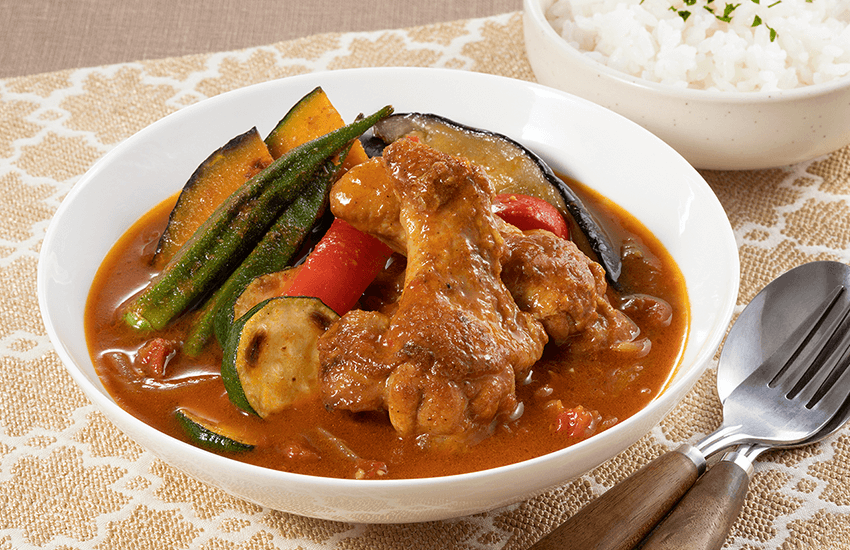
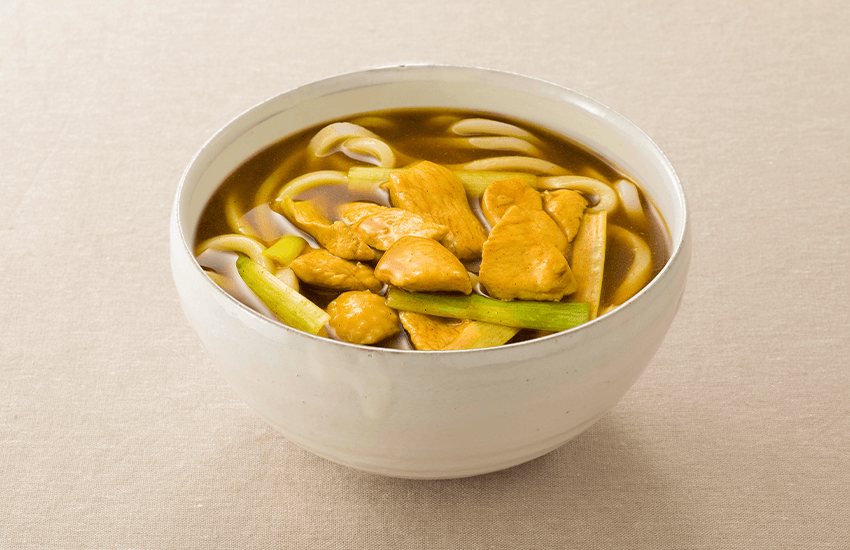
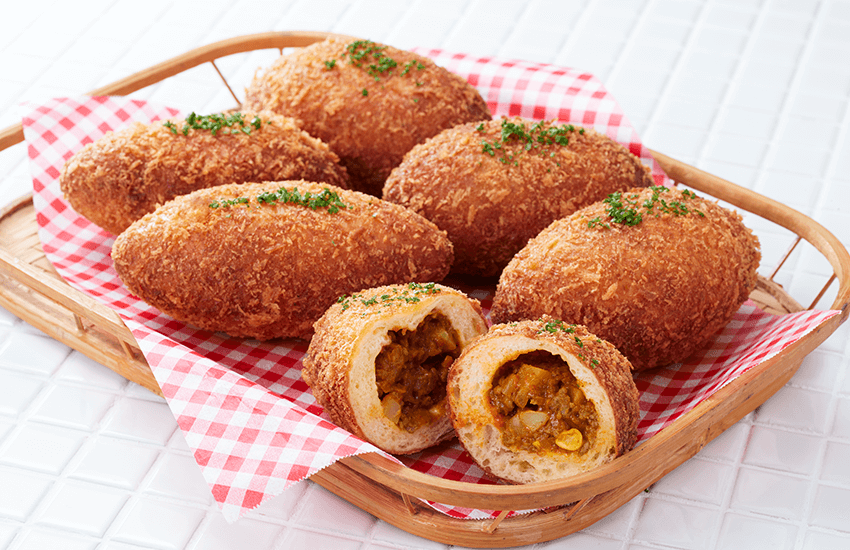
There are various types of curry available at restaurants, including thick European-style curry, popular soup curry, Indian curry served with naan, Thai curry, and curry ramen ……. Bakeries serve “curry buns,” which are crispy deep-fried dough buns filled with curry. And soba and udon noodle restaurants serve “curry nanban soba” and “curry udon” with Japanese-style broth, each so popular that specialty stores have sprung up.
レストランで食べられるカレーの種類もさまざまで、とろりとした欧風カレー、人気のスープカレー、ナンと食べるインドカレーや、タイカレー、カレーラーメン……。また、パン屋さんに行けば、カレーをパン生地で包んでカリッと揚げた「カレーパン」、蕎麦屋やうどん屋では和風だしの「カレー南蛮そば」や「カレーうどん」などがあり、それぞれ専門店ができるほどの人気です。
According to a survey by the All Japan Curry Industry Cooperative Association, each person eats four servings of curry per month, or about once a week, which shows how popular curry is to people. It is also well known that Ichiro, a former major league baseball player, used to eat curry rice every morning for luck.全日本カレー工業協同組合の調べによると、1カ月に1人4皿、だいたい週に1度は食べている計算で、カレーがどれほど身近かがわかります。元メジャーリーガーのイチロー選手が、毎朝カレーライスを食べて「ゲン担ぎ」をしていたこともよく知られています。
The first time curry appeared in Japanese literature was in an English dictionary published by FUKUZAWA Yukichi in 1860. About 100 years earlier, in the 1770s, the British brought commercialized spices, with recipes, from their colony in India to Japan. It was not until the Meiji period (1868-1912) that people actually began to eat it. At Western-style restaurants that appeared around the time of civilization’s opening to the outside world, “rice curry” became a treat and was placed on the menu along with “omelets,” “cutlets,” and “beefsteak.”
カレーが初めて日本の文献に登場するのは、1860年に福沢諭吉が出版した英語の辞書です。そこからさかのぼること100年ほど前の1770年代に、イギリス人が植民地だったインドから本国にスパイスを持ち帰り商品化したものが、日本にレシピと共に伝わりました。実際に食べられ始めたのは明治になってからです。文明開化の頃に登場した洋食屋で、「ライスカレー」はご馳走として、「オムレツ」「カツレツ」「ビフテキ」と並んでメニューに載るようになりました。
At the time, rice curry was becoming a very fashionable dish, and high-profile cultural figures such as NATSUME Soseki and MORI Ogai were fond of eating it. The first domestically produced curry powder appeared in 1905. It was manufactured and sold by a pharmaceutical wholesaler in Osaka (today’s SB Foods). In the Taisho era (1912-1926), curry powder spread to ordinary households, and in 1948, after World War II, it was added to school lunch menus.
当時、ライスカレーは流行の最先端で、夏目漱石や森鴎外といった感度の高い文化人が好んで食べていました。国産のカレー粉が初めて登場したのは1905年。大阪の薬種問屋(現在のエスビー食品)が製造・販売しました。大正時代(1912〜1926)になると一般家庭に広がり、第二次世界大戦後の1948年に学校給食のメニューに加わります。
The first easy and convenient solid curry roux, with thickening and umami ingredients added to curry powder, was introduced in 1950. Retortable curry, which can be eaten simply by heating the curry in a bag, was born in 1968. Some of you may remember astronaut MOHRI Mamoru was eating retort pouch curry in space.
カレー粉にとろみとうま味成分が加えられた、簡単で便利な固形のカレールーが登場したのは1950年。袋のまま温めるだけで食べられるレトルトカレーは、1968年に誕生しました。宇宙飛行士の毛利衛さんが宇宙でレトルトカレーを食べたのを覚えている方もいらっしゃるでしょう。
Various curry festivals are currently being held throughout Japan. The “Kanda Curry Grand Prix” is a festival to determine the number one curry restaurant in the Kanda area of Tokyo, a fierce battleground for a curry with over 400 curry restaurants. Among the curry restaurants in the Kanda area, 20 restaurants are selected to participate in the grand prix competition by fan votes, and the number one curry restaurant will be voted for by visitors on the day of the two-day event.
現在、全国各地でさまざまなカレーフェスが開催されています。「神田カレーグランプリ」は、カレー店が400を超えるカレー激戦区である東京・神田周辺のカレーナンバーワンを決める祭典です。神田界隈のカレー店の中から、ファン投票でグランプリ決定戦に出場できる20店舗を決め、2日間にわたるイベント当日の来場者の投票でナンバーワンを競います。
The Shimokitazawa Curry Festival, a town-wide event held in Shimokitazawa, Tokyo, a popular town for young people, started in 2012 and has grown into a major event that attracts 120,000 people with about 120 restaurants participating by 2022, its 10th year. Not only the curry specialty restaurants but also local bars and izakayas (Japanese-style pubs) will participate in the festival by creating curry menus and offering special menus only during the festival. During this time, the town is filled with tourists staring at a map to find a restaurant in order to try the curry they are looking for.
若者に人気の町、東京・下北沢で開催される町ぐるみのイベント「下北沢カレーフェスティバル」は、2012年に始まりました。10年目の2022年には約120店舗が参加し、12万人が集まる大きなイベントに成長しています。参加するのはカレー専門店だけでなく、地域のバーや居酒屋もカレーメニューを考案し、フェスの期間中だけ特別メニューを提供します。開催期間中、お目当てのカレーを食べるために、地図とにらめっこしながらお店を探す観光客が町にあふれます。
Curry House CoCo Ichibanya, the largest curry chain, has 208 stores overseas (as of the end of February 2023) and has surprised Indians by expanding into India, the home of curry. In the UK, “Katsu Curry,” a curry topped with chicken cutlet, is also gaining popularity.
カレーチェーンの最大手「カレーハウスCoCo壱番屋」は、海外で208店舗を展開し(2023年2月末)、カレーの本場インドへも進出してインド人を驚かせました。またイギリスでは、カレーの上にチキンカツをのせた「カツカレー」が人気を得ているのだとか。
In Japan, popular restaurants have long lines of customers. The owner works tirelessly to master the taste, changing the spice mixture depending on the weather and temperature as well as the season. Japanese curry, which is unparalleled in Japan, continues to evolve even today.
日本でも人気店は行列が絶えません。店主は味を極めるために、季節はもとより、天気や気温によってスパイスの配合を変えるなど、不断の努力を重ねています。他に類がない日本のカレーは、今もなお進化し続けています。
文:岩崎由美
写真提供:エスビー食品株式会社
How To Purchase Magazines
Immerse yourself in the history of Japan and curry in the magazine and experience the ever-evolving depth of Japanese curry.
Click here to get your copy是非、誌面で日本とカレーの歴史に触れ、進化し続けるジャパンカレーの深みを実感してください。
本誌のお求めは、Amazon、大手書店もしくは、こちらのリンクからどうぞ。 -
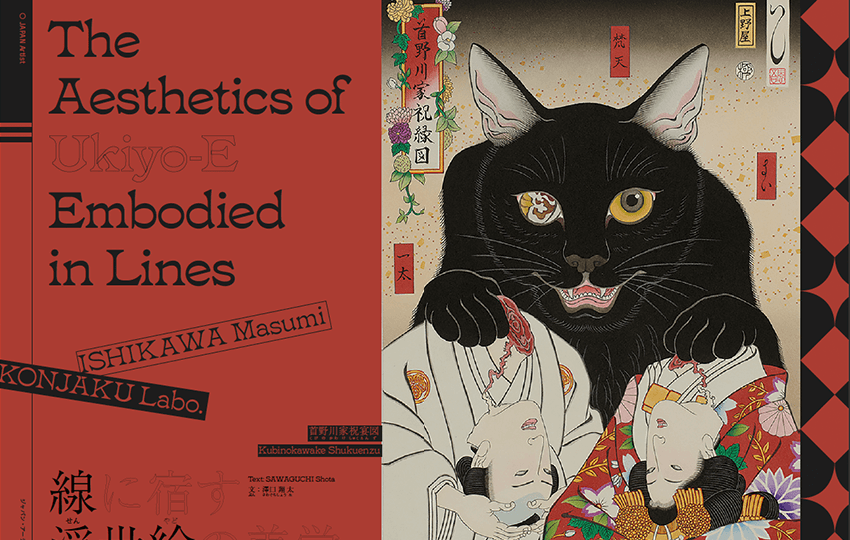
Ukiyo-e artist: ISHIKAWA Masumi
線に宿す浮世絵の美学
浮世絵画家・石川 真澄
—
Ukiyo-e is a glamorous genre painting based on the “ukiyo (workaday world),” a world reflecting theater and pleasure houses during the Edo period (17th-19th century). To meet the demand for mass production, many ukiyo-e prints were created using a technique called woodblock printing. In this method, the artist would draw the design, a carver would carve the patterns on a wooden block, and a printer would layer colors onto washi paper. Even the ukiyo-e prints that have survived to the present day are mostly woodblock prints.
浮世絵は、江戸時代(17~19世紀)に流行した、芝居や遊里などの「浮世(俗世間)」を題材にした華やかな風俗画です。大量生産するため、その多くは木版という手法で制作されました。木版は、絵師が絵を描き、彫師が図柄を彫って、刷師が和紙に色を摺り重ねて制作する手法です。現代に残る浮世絵も、そのほとんどが木版画です。
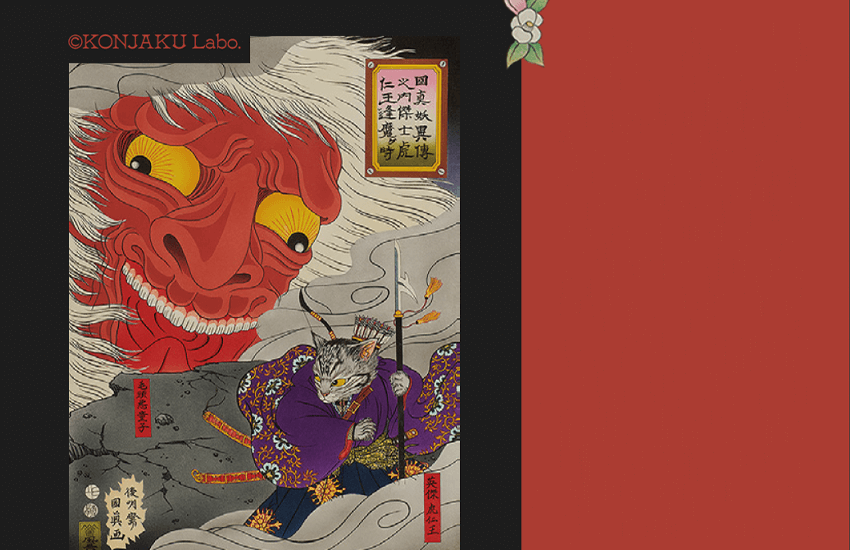
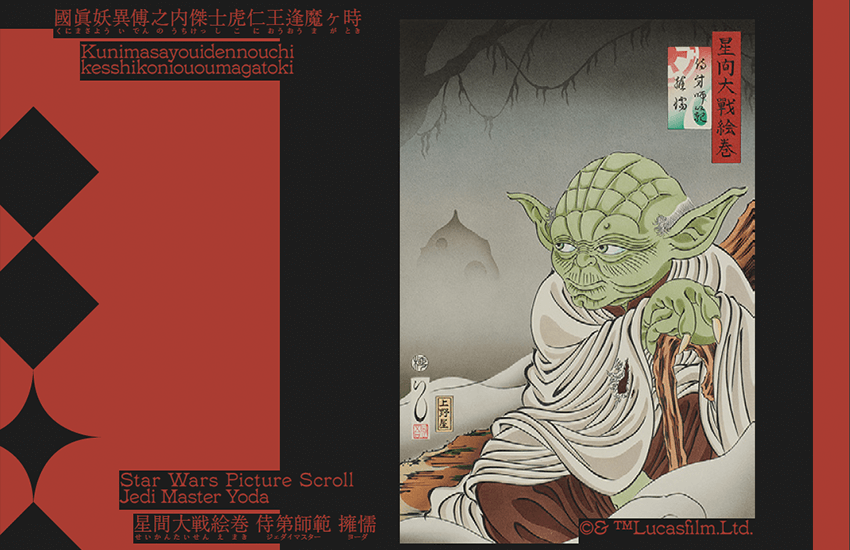
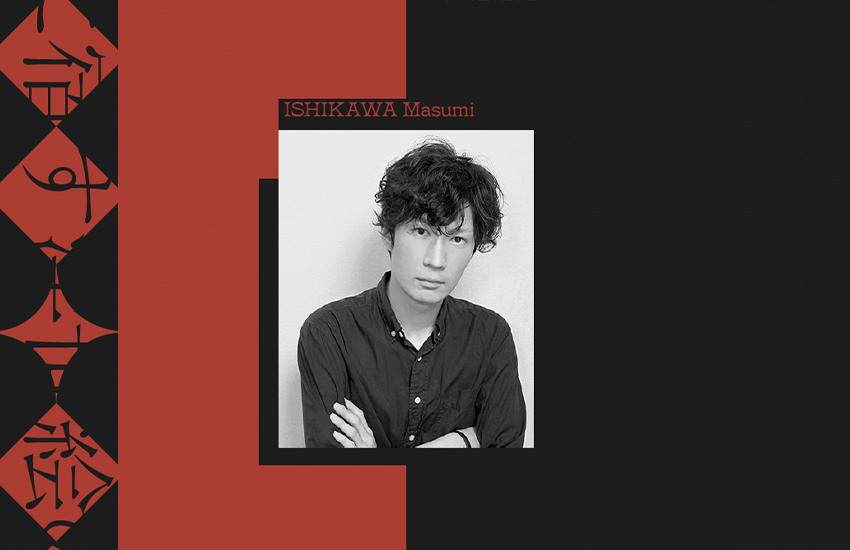
ISHIKAWA Masumi, a ukiyo-e artist and disciple of the 6th generation UTAGAWA Toyokuni, developed his own approach to ukiyo-e expression using only brushwork. He has been delighting viewers with his new attempts and styles that have renewed the traditional image of ukiyo-e art. He has collaborated with the American hard rock band KISS and with the creators of the movie “Star Wars.”
六代目歌川豊国の弟子である浮世絵画家・石川真澄さんは、独自に試行錯誤して、肉筆のみで木版画のような浮世絵表現を確立。アメリカのハードロックバンドKISS(キッス)や映画「スター・ウォーズ」とコラボレーションするなど、新しい試みと従来のイメージを一新する作風で見る人を楽しませています。
“I have loved art since I was a child. However, I had only a basic knowledge of famous ukiyo-e artists like Sharaku, Utamaro, Hokusai, and Hiroshige, whom I learned about in class, and I wasn’t particularly interested in them. The turning point came when I saw ‘Soma no Furudairi’ by UTAGAWA Kuniyoshi on a train platform when I was in high school.”
「絵は小さい頃から好きでした。ただ、浮世絵は授業で習った写楽や歌麿、北斎、広重といった代表的な絵師を知っている程度で、特別興味を持つことはありませんでした。転機になったのは、高校生の時に駅のホームで見た歌川国芳の 『相馬の古内裏[そうまのふるだいり]』です」。
“Soma no Furudairi” is a triptych ukiyo-e, which consists of three connected panels depicting a gigantic skeleton leaning out in a samurai residence. “It was shocking. The composition, with the skeleton occupying two-thirds of the triptych, is incredibly dynamic and cool. After that, I started researching various things at the library, although I never thought of drawing myself.”
「相馬の古内裏」は、3枚をつなぎ合わせて見る三枚続の浮世絵で、屋敷内に身を乗り出す巨大な骸骨が描かれています。「衝撃的でした。三枚続の3分の2を骸骨が占めている構図がすごくダイナミックで、格好いいなと。そこから図書館でいろいろ調べるようになりました。と言っても、自分で描こうとは思っていませんでした」。
“That changed when I heard the news about the 6th generation Utagawa Toyokuni. At that time, I was just a university student with art as a hobby, and I hadn’t thought about my future at all. But when I learned that the Utagawa school was still continuing in modern times, I impulsively wanted to become his disciple.”
「それが変わったのは、六代目歌川豊国の存在をニュースで知った時です。当時の僕は、絵が趣味の大学生というだけで、将来のことは何も考えていませんでした。でも、歌川派が現代にも受け継がれていることを知って、衝動的に弟子入りしたいと思ったんです」。
At the time, the 6th generation Utagawa Toyokuni, at the age of 96, became the “oldest active university student” at Kindai University’s Faculty of Law in Osaka Prefecture. His motivation for pursuing higher education was to obtain a doctoral degree and write a dissertation on all aspects of ukiyo-e. Ishikawa visited Kindai University, gathered information like a detective, and went to Toyokuni’s residence to express his desire to become his disciple.
当時、六代目歌川豊国は、96歳にして大阪にある近畿大学法学部に入学した「現役最高齢の大学生」でした。進学の動機は、「博士号を取り、浮世絵のすべてを博士論文にしたい」という志です。石川さんは近畿大学に足を運び、探偵のように情報を集めて、豊国氏の自宅へ行き、弟子入りを希望しました。
“My master passed away about six months after I became his disciple, but I still cherish the lessons he taught me as a ukiyo-e artist. Ukiyo-e can be described as the aesthetics of lines. Just look at the difference in contour lines between soft skin and hard rocks.”
「師匠は僕が弟子入りして半年ほどで亡くなりましたが、教えていただいた浮世絵師のイズムは、今でも大切にしています。浮世絵は、一言で言えば線の美学です。柔らかい肌と硬い岩では、輪郭の線が全く違いますよね」。
“Ukiyoe artists draw all outlines with lines. Therefore, it is essential to always be conscious of what kind of line you are drawing at the moment. My master taught me to have such awareness.”
「浮世絵師は、あらゆる輪郭を線で描きます。だから、自分が今、何の線を描いているのか、常に意識した方がいい。先生からは、そういった心構えを教えてもらいました」。
Ukiyo-e has features not found in Western painting, such as the use of lines rather than surfaces and the composition of multiple viewpoints. Ishikawa accomplishes this by observing details carefully and by refusing to be confined to a flat impression. Thus, the charm of the ukiyo-e becomes visible.
面ではなく線で表現する、複数の視点を合成するなど、浮世絵には西洋画には見られない特徴があります。平面的な印象に捉われずに細部をよく観察することで浮世絵の魅力が見えてくると、石川さんは語ります。
“In my opinion, Western paintings are created with the assumption that they will be appreciated from a certain distance. On the other hand, ukiyo-e, like modern manga or flyers, was meant to be held and examined. It combines dynamics and meticulousness, allowing for different ways of enjoyment when viewed up close or from a distance.”
「私見ですが、西洋画はある程度の距離を置いて鑑賞することを前提に描かれているように思います。それに対して浮世絵は、現代で言うまんがやチラシのように、手にとって見るものでした。ダイナミックさと緻密さが混在していて、引きで見る場合と近くで見る場合とで、違う楽しみ方ができるんです」。
“For example, there is a technique called ‘kewari (hair-splitting),’ which depicts the hairline. It is drawn with such meticulous craftsmanship that it can only be appreciated with a magnifying glass. Ukiyo-e may appear flat, but in reality, it is not. From the folds of the kimono to each strand of hair, it is meticulously rendered in three dimensions.”
「例えば、『毛割』という、髪の生え際の表現技法があります。これは、虫眼鏡で見ないとわからないくらい緻密な職人技で描かれています。浮世絵は、平面的に見えるだけで実は平面じゃない。着物のしわから髪の一筋まで、立体的に丁寧に描かれているんです」。
Prior to the mid-Edo period, ukiyo-e rarely used perspective. As a result, it tends to be difficult to grasp a realistic sense of perspective. However, ukiyo-e artists made efforts to express a sense of distance through color, shape, and composition.
江戸中期以前の浮世絵には、透視図法(遠近法)がほとんど使われていません。そのため、写実的な遠近感がつかみにくい傾向があります。ただ、浮世絵師たちは、色や形、構図に工夫をこらし、距離感を表現しようとしました。
Ukiyo-e also often combines multiple viewpoints. By depicting objects seen from various angles in a single picture, a unique visual effect is created. One effect is enhancing the impression of the object most desired to be shown.
また、浮世絵には複数の視点の合成もよく見られます。さまざまな角度から見たものを1枚の絵の中に描くことで、最も見せたいものの印象をより強められるといった、独特の視覚効果を生み出しています。
“On the other hand, in the late 19th century in the West, there were paintings influenced by ukiyo-e, known as Japonisme. When you compare them, you can see that while ukiyo-e may appear flat, the details are intricately rendered in three dimensions. I believe it would be interesting to focus on those delicate lines when looking at ukiyo-e.”
「一方、西洋では19世紀後半に、ジャポニズムの影響を受けた浮世絵的な絵が描かれました。見比べるとよくわかりますが、浮世絵は平面的に見えていても、細部は立体的に描き込まれています。そういった細かい線に着目して浮世絵を見ていただくと、面白いのではないかと思います」。
Some people have a rigid image of ukiyo-e as being traditional and Japanese in spirit. However, originally, ukiyo-e served as a medium for all sorts of information, like flyers, posters, magazines, and manga. Ukiyo-e artists entertained the public by reflecting a sense of beauty, humor, and rebellious spirit in the culture of the common people, where anything goes.
浮世絵に対し、伝統や和の心といった堅いイメージを持つ人もいます。しかし、浮世絵は元来、チラシやポスター、雑誌、まんがのような役割を果たす、あらゆる情報の媒体でした。浮世絵師たちは、何でもありの庶民文化に美意識やしゃれっ気、反骨精神を反映して、世間を楽しませていたのです。
Ishikawa shares that after the passing of his mentor, the 6th generation Utagawa Toyokuni, he contemplated giving up his brush many times while searching for his path as a ukiyo-e artist. His consistent approach since that time has been to use ukiyo-e to depict mental images.
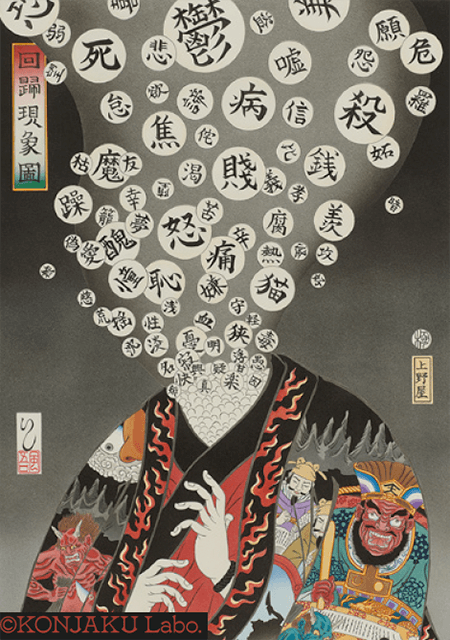
石川さんは、師匠・六代目歌川豊国さんが逝去された後、筆を折ることを何度も考えながら、浮世絵画家として生きる道を模索し続けてきたといいます。当時から一貫しているのは、心象風景を浮世絵で表現すること。
“With or without a client, I feel that I can create something more interesting by using my inner self as a tool to express myself to the fullest, rather than simply painting mundane motifs.”
「クライアントがいる場合も、いない場合も、単純にありふれたモチーフを描くよりは、自分の内面をツールとして使って最大限の表現をする方が、面白いものが作れるような気がしています」。
While his technique and expressive ability are, of course, outstanding, he also pursues expression based on his own inner self, without being constrained by any frameworks. It seems to me that this attitude is the reason why Ishikawa has been described as a “modern ukiyo-e artist.”
卓越した技法や表現力はもちろんですが、枠に捉われず、自己の内面に軸を置いて表現を追求する。その姿勢にこそ、石川さんが「現代の浮世絵師」と評される理由があるように思えます。
Text: SAWAGUCHI Shota
文:澤口 翔 太
How To Purchase Magazines
Immerse yourself in the vibrant energy of ISHIKAWA Masumi’s Ukiyo-e as you turn the pages of our magazine.
Purchase your copy now and experience the captivating power of these artworks firsthand.
Click here to get your copy是非、みなさまに誌面で石川真澄さんの躍動感溢れる浮世絵のエネルギーに触れていただきたいです。
本誌のお求めは、Amazon、大手書店もしくは、こちらのリンクからどうぞ。








 According to a survey by the All Japan Curry Industry Cooperative Association, each person eats four servings of curry per month, or about once a week, which shows